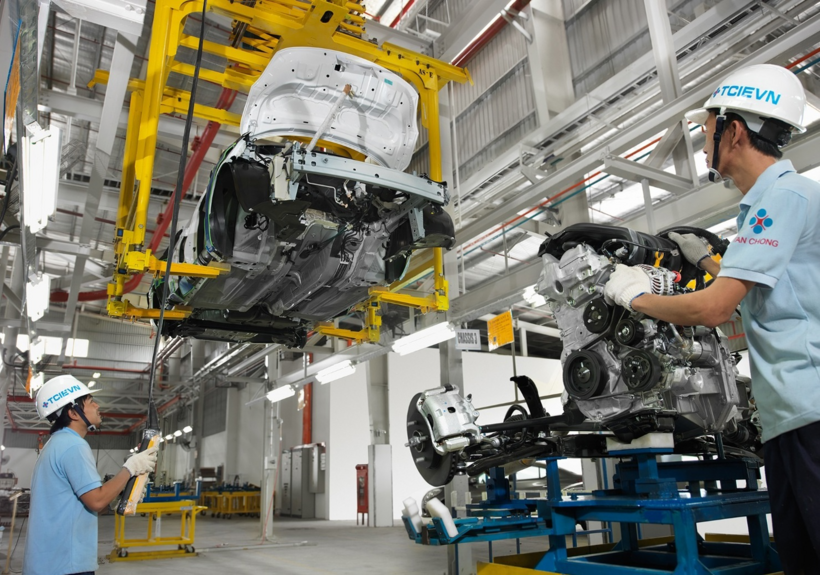
Resolution No. 10-NQ/TW is expected to help supporting industry enterprises boost competitiveness, raise localisation and deepen links with FDI supply chains.
Supporting industries gain opportunities to integrate further into FDI supply chains
After nearly four decades of attracting foreign direct investment (FDI), Vietnam has become one of the most attractive destinations for multinational corporations. The FDI sector currently contributes around 20% of the country's GDP, accounts for more than 70% of export turnover and creates jobs for millions of workers.
Resolution No. 10-NQ/TW is expected to provide strong impetus for supporting industry enterprises.
However, alongside positive achievements in attracting investment capital, restructuring the economy and expanding export markets, a reality that has become increasingly apparent in recent years is that domestic enterprises' participation in the supply chains of FDI enterprises remains limited.
Localisation rates in many industrial sectors remain low, while most Vietnamese enterprises still mainly provide simple products and services with relatively low added value. In this context, Resolution No.10-NQ/TW of the Politburo on the development of the foreign-invested economic sector is regarded as an important shift in Vietnam's approach to attracting FDI.
Whereas the success of FDI was previously measured largely by the number of projects, registered capital and disbursed capital, Resolution No.10-NQ/TW sets out specific targets linked to the development of the domestic business sector. Under the resolution, Vietnam aims to attract between USD 200 billion and USD 300 billion in registered FDI during the 2026-2030 period. By 2030, around 10,000 domestic enterprises are expected to participate in FDI supply chains, including 500-1,000 first-tier suppliers, while localisation rates in key industries are targeted to reach approximately 45-50%.
In an interview with Newspaper of Industry and Trade, Nguyen Van, Vice Chairman of the Hanoi Supporting Industries Business Association (HANSIBA), said this is one of the most groundbreaking aspects of Resolution No.10-NQ/TW. For the first time, Vietnamese enterprises have been placed at the centre of the strategy for attracting and utilising FDI. This demonstrates that Vietnam's goal is not merely to attract additional foreign investment capital, but also to enhance the capabilities of domestic enterprises, strengthen linkages between the two business sectors and gradually integrate more deeply into global value chains. “The resolution clearly reflects a shift from a quantity-based FDI attraction strategy towards one that emphasises quality, efficiency, technological sophistication and spillover effects on the economy,” Nguyen Van said.
In particular, prioritising the attraction of high-tech projects, research and development (R&D) centres, innovation activities and projects with technology transfer commitments is considered a crucial foundation for Vietnamese supporting industry enterprises to access new technologies, improve production capabilities and strengthen competitiveness.
According to experts, as multinational corporations expand investments in sectors such as electronics, semiconductors, precision engineering, automobiles, green energy and high-tech equipment, demand for domestic suppliers is expected to increase significantly. This presents an opportunity for supporting industry enterprises to participate more deeply in global production networks rather than remaining confined to low-value-added activities.
Bridging the technology gap to become partners of global corporations
While Resolution No.10-NQ/TW offers substantial opportunities, it also imposes higher requirements on the supporting industry business community. According to Nguyen Van, significant gaps remain between many Vietnamese enterprises and multinational corporations in terms of technology, management capacity and production standards. Meanwhile, global supply chains are imposing increasingly stringent requirements regarding product quality, traceability, environmental standards, social responsibility, corporate governance and delivery capabilities.
To become first-tier suppliers for FDI enterprises, Vietnamese businesses need not only to invest in modern machinery and equipment but also to establish management systems that meet international standards, improve workforce quality and accelerate digital transformation in production. This remains a considerable challenge given that most supporting industry enterprises are currently small and medium-sized businesses with limited capital accumulation capacity.
In reality, many enterprises wish to invest in new technologies but face difficulties in accessing long-term financing. In addition, obtaining international certifications related to quality management, environmental standards and social responsibility requires substantial financial resources. Therefore, the business community highly values the orientation outlined in Resolution No.10-NQ/TW to promote joint ventures, business linkages and mergers and acquisitions (M&A) between domestic enterprises and FDI firms.
According to Nguyen Van, M&A activities are not only a tool for expanding market scale but also an effective channel for acquiring technology, management expertise, customer networks and high-quality human resources. “Many countries have successfully leveraged M&A transactions to shorten technology gaps and quickly integrate into global value chains. This is also an approach that Vietnamese enterprises should pay greater attention to in the coming period,” he said.
Alongside efforts made by businesses themselves, the supporting industry community also expects support policies to be implemented more effectively and substantively in order to realise the objectives of Resolution No.10-NQ/TW. In particular, the development of a national database on supporting industry enterprises, the establishment of supply-demand matching platforms, and the formation of industrial clusters and specialised production ecosystems are regarded as important solutions for strengthening connections between domestic enterprises and FDI businesses. In addition, enterprises hope to receive support in accessing preferential financing, training high-quality human resources, upgrading management systems, obtaining international certifications and accelerating digital transformation in manufacturing.
According to the HANSIBA representative, the ultimate goal is not merely to increase the number of enterprises participating in FDI supply chains, but more importantly to enable Vietnamese enterprises to become equal partners within global value chains. If implemented effectively, Resolution No.10-NQ/TW will not only provide additional momentum for the supporting industry sector but also contribute to increasing localisation rates, enhancing domestic value creation and strengthening Vietnam's position in global production networks.
The success of the new-generation FDI attraction strategy will be measured not only by investment capital or the number of projects, but also by the number of Vietnamese enterprises that mature, master technologies, participate in higher value-added segments and create quality jobs for workers. This will also serve as an important foundation for Vietnam to realise its goal of developing a modern, self-reliant and sustainable industrial sector in the years ahead.
With the goal of raising localisation rates to 45-50% and enabling approximately 10,000 Vietnamese enterprises to participate in FDI supply chains by 2030, Resolution No.10-NQ/TW is expected to provide a strong boost for supporting industry enterprises to improve capabilities, access advanced technologies and integrate more deeply into global value chains.
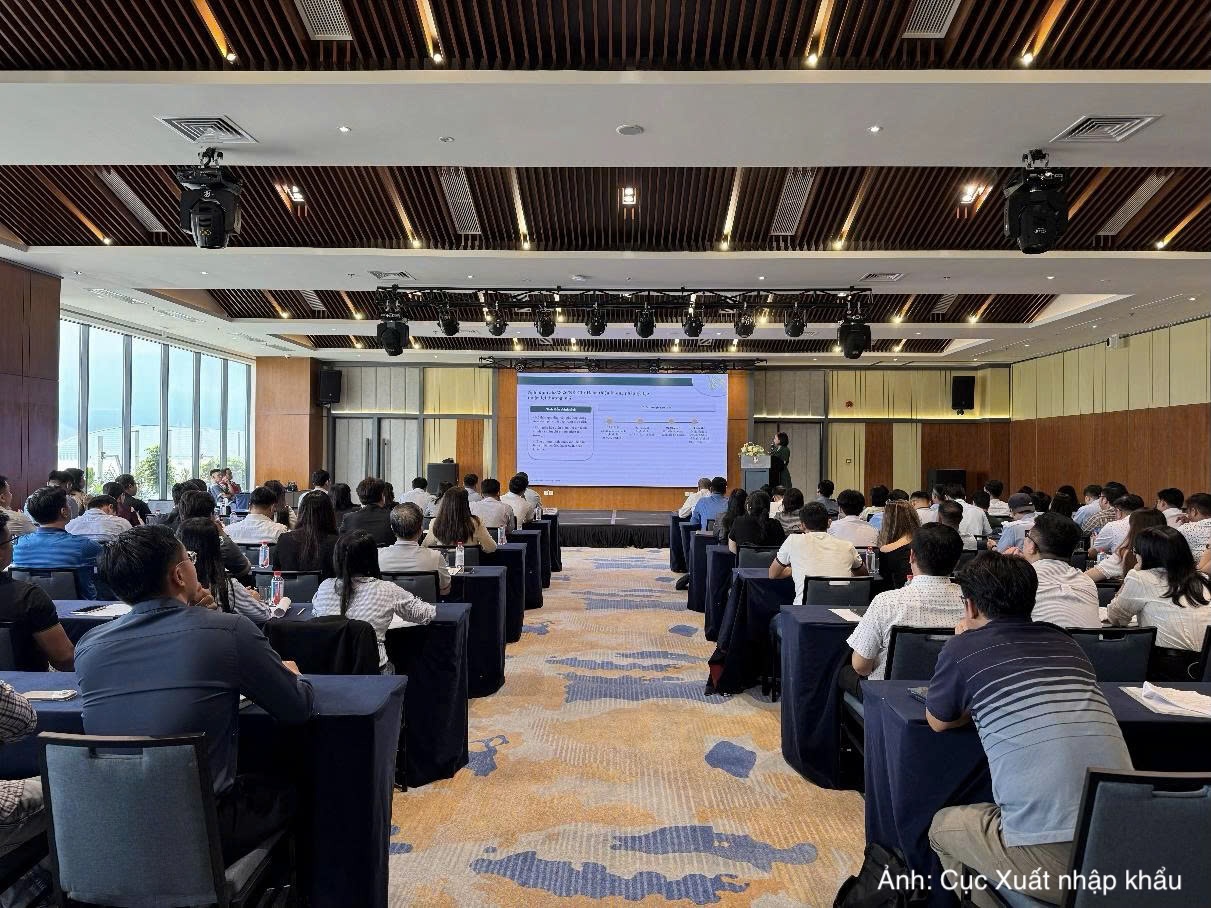
On October 13, the Agency of Foreign Trade under the Ministry of Industry and Trade (MoIT) held a conference in Dong Thap province to disseminate Government Decree No.365/2026/ND-CP dated September 23, 2026, on rice export and import business, and Circular No.65/2026/TT-BCT dated October 1, 2026, issued by the Minister of Industry and Trade, detailing certain provisions and measures for implementing Decree No.365/2026/ND-CP.
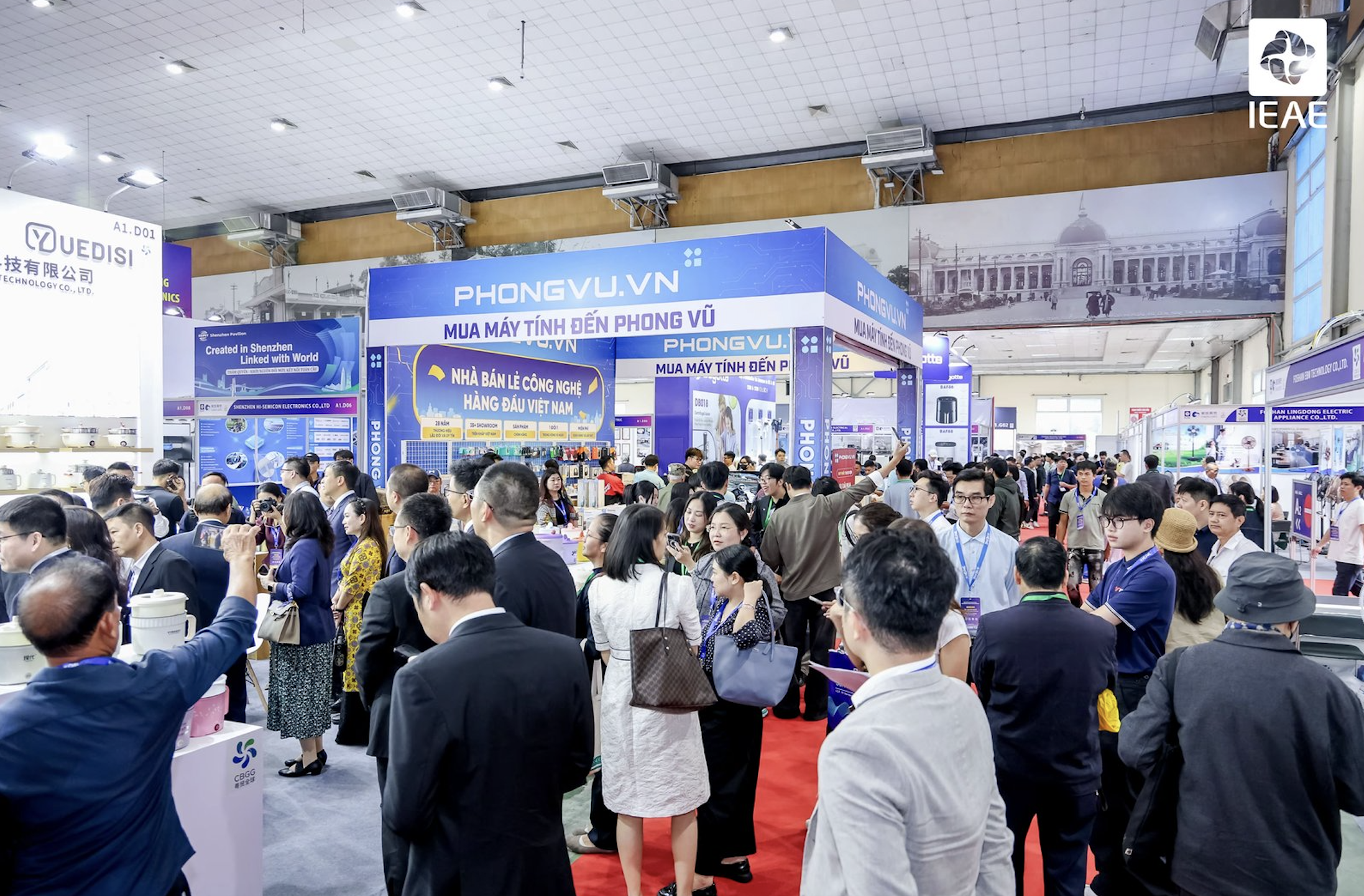
IEAE Hanoi 2026 will gather over 300 exhibitors, showcasing electronics, smart appliances and connecting businesses with sourcing and trade opportunities in Vietnam.
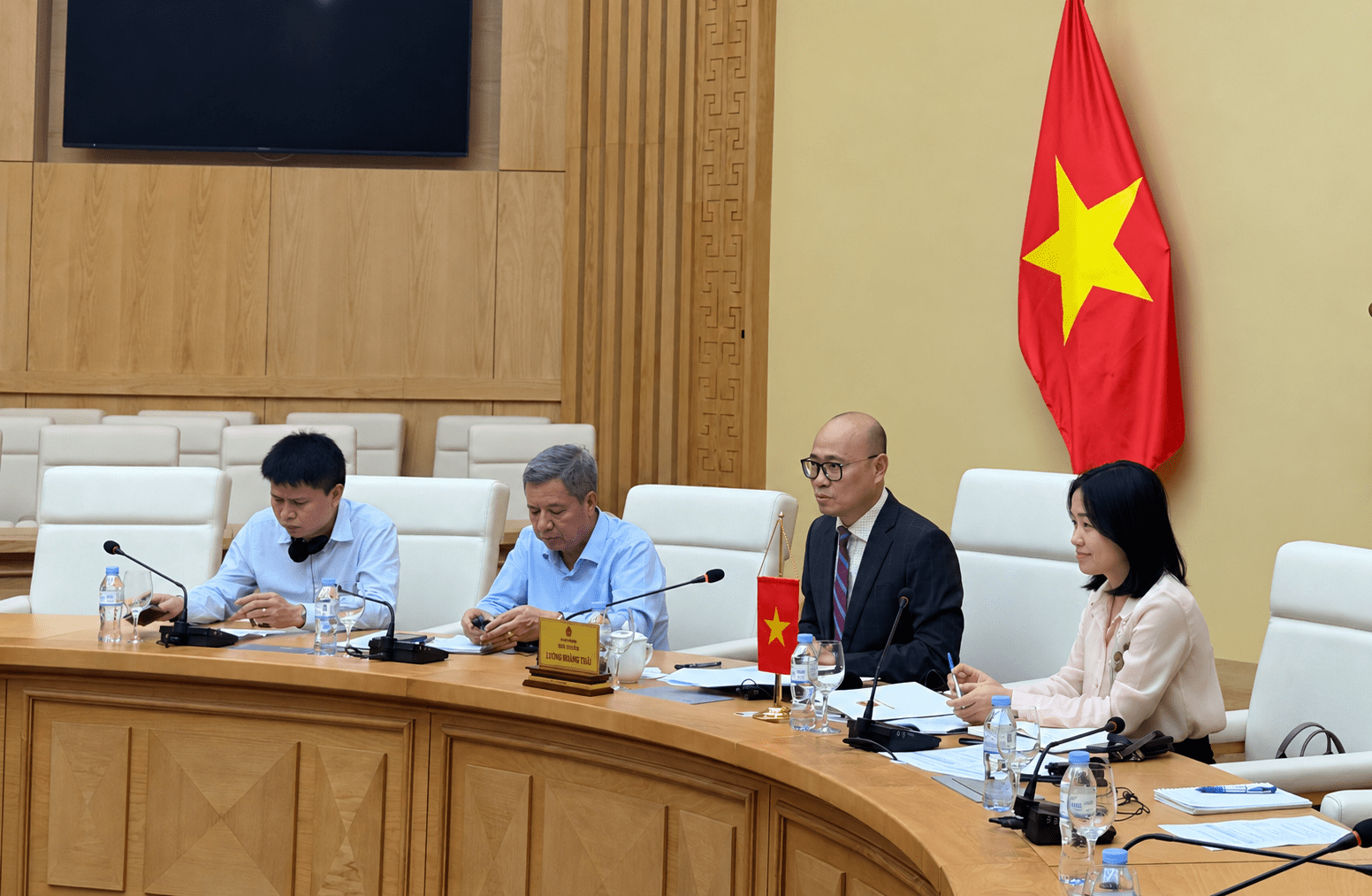
On October 13, Deputy Minister of Industry and Trade Luong Hoang Thai held a working session with MEDEF International, a French business organization, and representatives of French corporations operating in various sectors, including energy, industry, transport, construction and infrastructure development, food and beverages, and services, at the Ministry of Industry and Trade's headquarters.
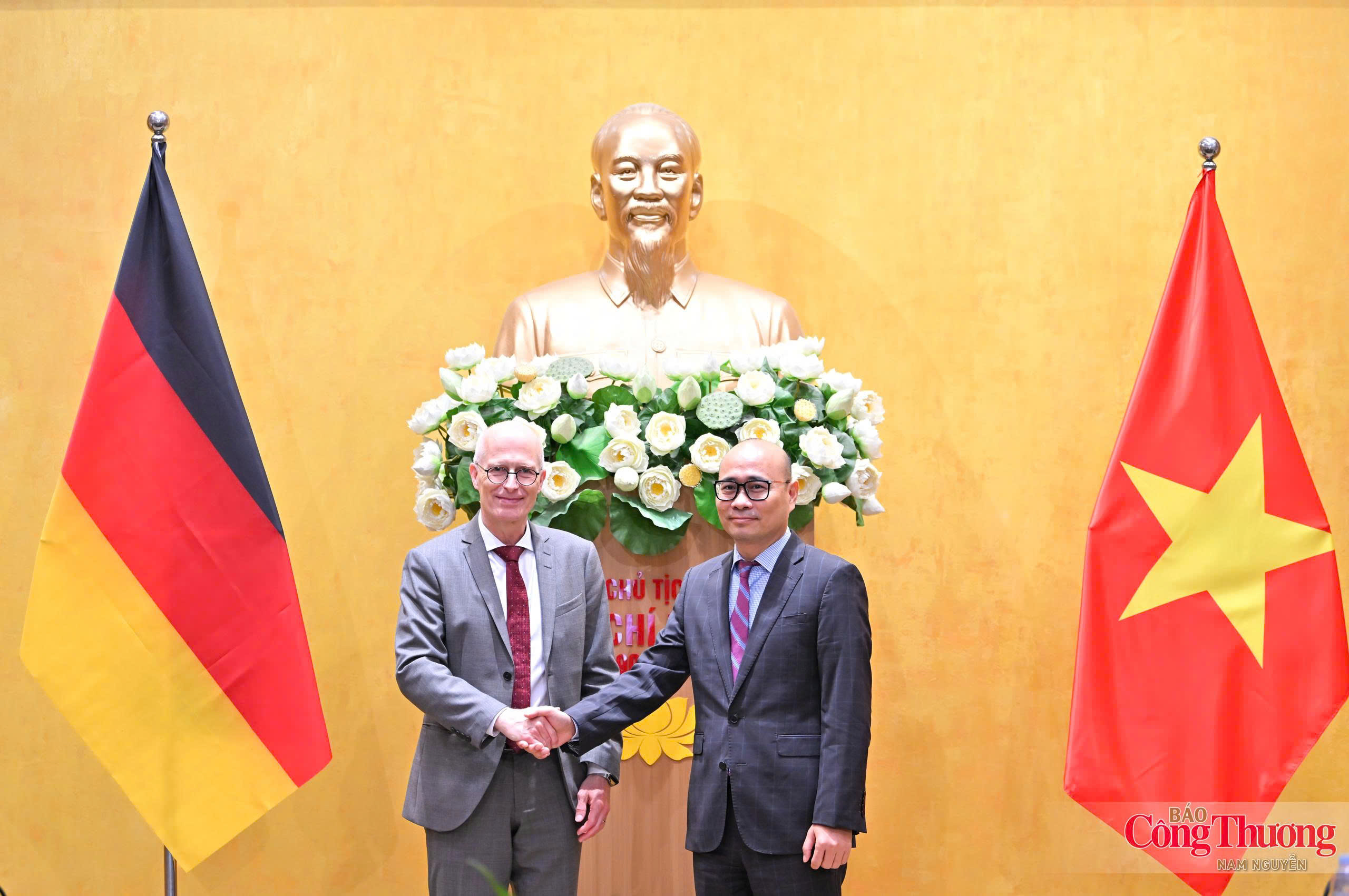
On October 14, Deputy Minister of Industry and Trade Luong Hoang Thai received and held a working session with a delegation from Hamburg, Germany, led by the city's First Mayor Peter Tschentscher at the Ministry of Industry and Trade's headquarters.
The Copyright Office is working closely with relevant agencies to develop plans for inspections and enforcement action against copyright and related rights infringements in the digital environment.
The Vietnam Industry Agency under the Ministry of Industry and Trade and Samsung Vietnam continue to strengthen cooperation in developing supporting industries, enhancing the capabilities of domestic enterprises and expanding opportunities for their participation in global supply chains.
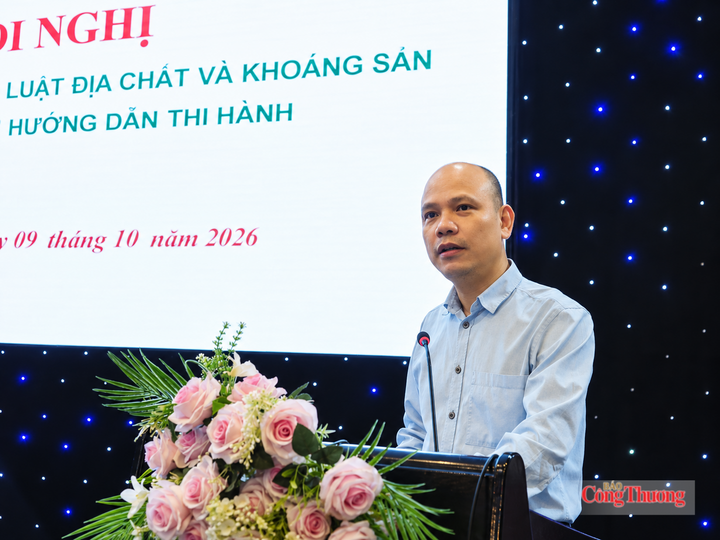
On October 9, the Viet Nam Department of Geology and Minerals, in coordination with the Thai Nguyen Department of Industry and Trade, held a conference in Thai Nguyen province to disseminate the Law on Geology and Minerals and its implementing regulations.
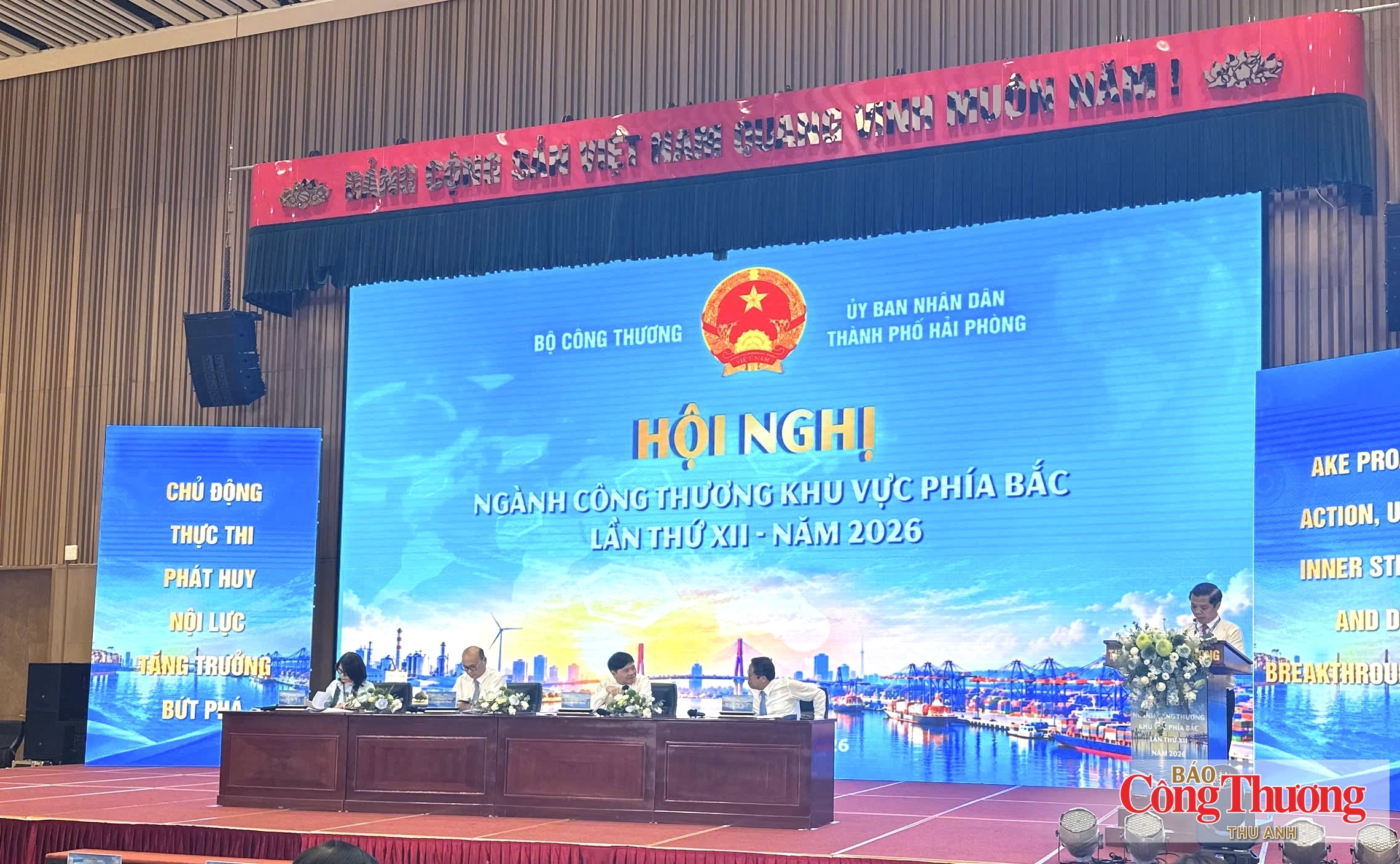
Northern localities are strengthening links in supporting industries, energy and logistics to build competitive value chains and create new growth drivers.
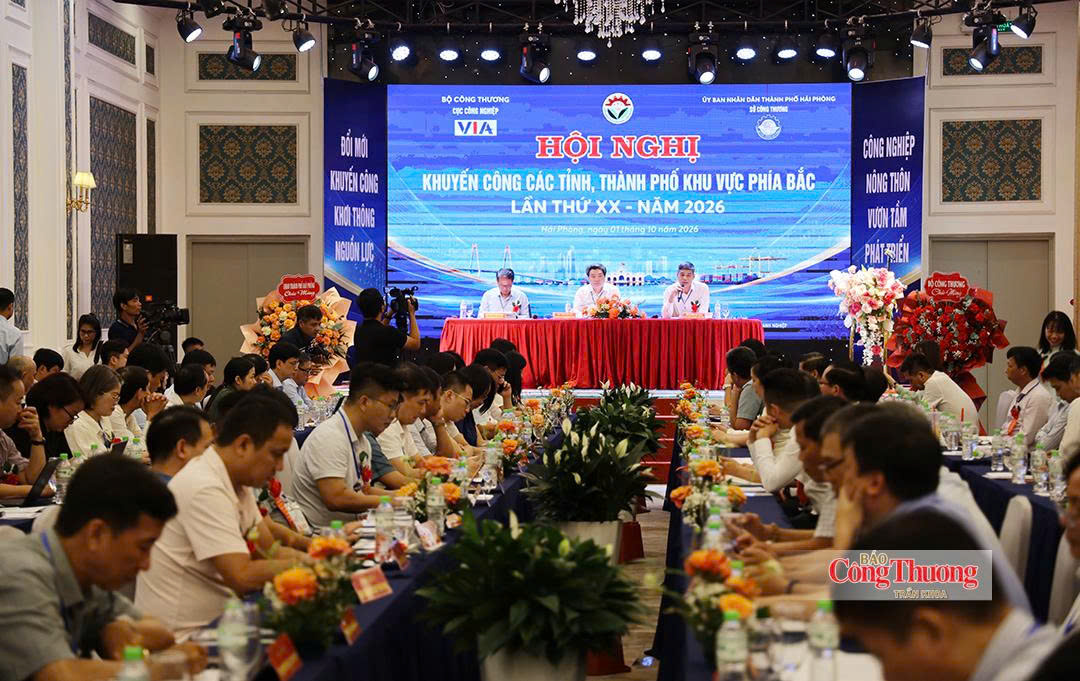
The 20th Industrial Promotion Conference for Northern Provinces and Cities in 2026 was held in Hai Phong City on October 1, with discussions focusing on renewing industrial promotion activities.
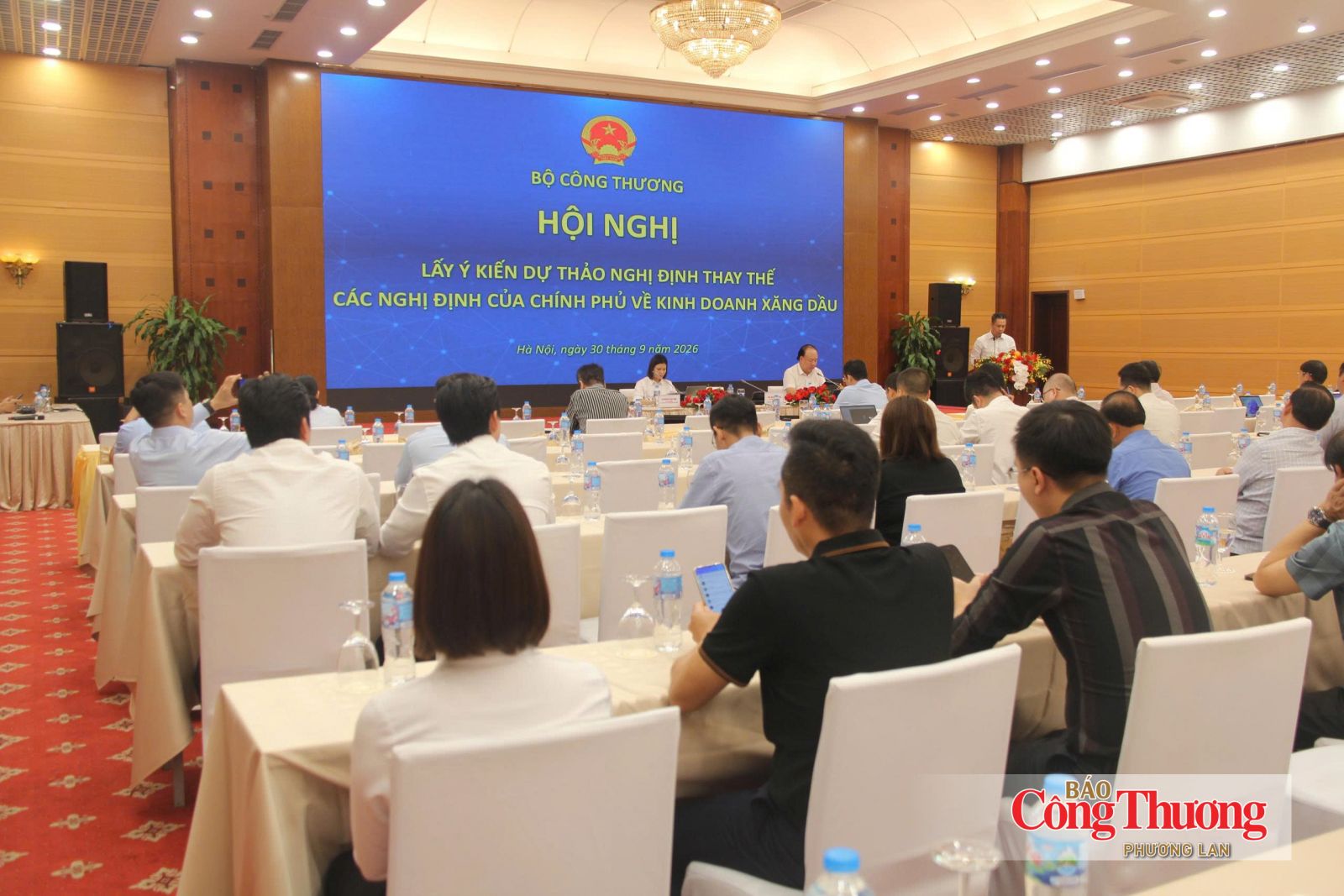
On September 30 in Ha Noi, the Ministry of Industry and Trade (MoIT) held a conference to gather broad feedback on a draft decree replacing the Government’s existing decrees on petroleum trading.