Supported by the National Industrial Promotion Programme, Hung Vuong Fair 2026 attracted more than 7,000 visitors and generated VND 60 billion in revenue.
With support from the National Industrial Promotion Program, Hung Vuong Fair 2026 attracted more than 7,000 visitors. Notably, enterprises and rural industrial establishments generated VND 60 billion in revenue during the event.
250 booths supported by national industrial promotion funding
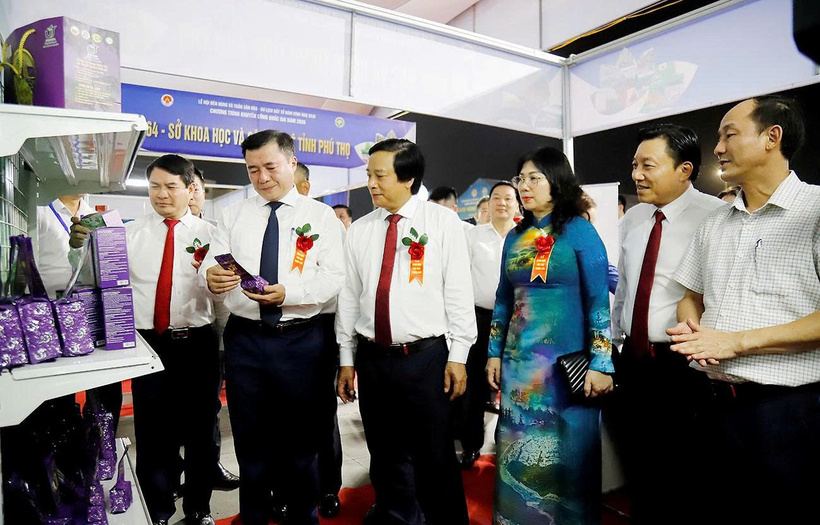
Hung Vuong Fair 2026 took place in Phu Tho province from April 22-28, 2026. One of the most striking features of this year’s fair was that, out of more than 400 booths, as many as 250 received support from the National Industrial Promotion Program, attracting nearly 200 organisations and enterprises from both inside and outside Phu Tho province.
Deputy Minister of Industry and Trade Nguyen Sinh Nhat Tan (second from left) visits booths at Hung Vuong Fair 2026.
Tran Thi Thanh, a visitor to the fair, said this year’s event was more crowded than previous editions, while the exhibition booths were more diverse and of higher quality, with most products being regional specialties, making it more convenient for local residents to shop and choose products.
According to the organising committee of Hung Vuong Fair 2026, the week-long event attracted around 7,000 visitors and generated an estimated VND 60 billion in revenue. Enterprises, cooperatives and rural industrial establishments participating in the fair highly appreciated the opportunities for trade promotion, product introduction and business networking.
Specifically, Bui Thanh Thuy, from Ban Muong Clean Food Agriculture and Trade Cooperative in Phu Tho province, said the cooperative sold a large volume of products during the fair to visitors and business partners. She described the event as highly meaningful, helping enterprises directly access consumers and partners.
Also speaking positively about opportunities to expand production at Hung Vuong Fair 2026, Tran Toan, representative of a fine art stone enterprise from Da Nang city, expressed his hope to continue participating in future editions of the fair in order to promote products to consumers. He also praised the support provided by the National Industrial Promotion Program, which created favourable conditions for rural industrial enterprises to exchange experiences and showcase products in Phu Tho province.
Bringing some of its best products to Hung Vuong Fair 2026, Nguyen Thi Huong, Director of Maika Food Co., Ltd. in Dao Xa commune, Phu Tho province, said the enterprise had carefully prepared for the event, from selecting raw materials and improving production processes to designing packaging and product labels.
“Maika Food’s products not only ensure quality and safety, but are also carefully invested in terms of appearance to suit consumer tastes and meet the demands of the modern market,” Nguyen Thi Huong affirmed, adding that thanks to support from the National Industrial Promotion Program and Phu Tho province, the company had opportunities to introduce and promote products, connect with customers and partners, and boost consumption while expanding markets.
It can be said that prioritising nearly 250 booths funded by the National Industrial Promotion Program was not merely financial assistance, but also a concrete strategy aimed at realising the goal of promoting outstanding rural industrial products (RISEP). Through the fair, RISEP products, along with key and distinctive products from northern localities and across the country, had opportunities to directly reach consumers and potential partners.
The role of industrial promotion activities at this event was clearly demonstrated through efforts to connect with and support enterprises, cooperatives and production establishments in overcoming market-related challenges, thereby affirming the value and quality of Vietnamese goods. The event was considered a practical activity to further strengthen the role of industrial promotion in supporting production development and contributing to the restructuring of the rural economy towards industrialisation and modernisation.
Expanding beneficiaries and support scope
The National Industrial Promotion Program is regulated under Government Decree No.45/2012/ND-CP. Over more than a decade of implementation, many enterprises, cooperatives and rural industrial establishments have benefited from the policy. In particular, through the national-level Program honouring outstanding rural industrial products within the framework of the National Industrial Promotion Program, more than 800 rural industrial products have been recognised as RISEP products. Following recognition, these products have effectively become “passports” helping build consumer trust and expand into international markets.
Rural industrial establishments participate in the fair.
In order for national industrial promotion activities to continue serving as a “support pillar” for rural industrial products to expand further, in 2025 the Prime Minister issued Decree No.235/2025/ND-CP amending and supplementing several articles of Decree No.45/2012/ND-CP on industrial promotion. According to Nguyen Thi Lam Giang, Director of the Agency for Innovation, Green Transition and Industry Promotion under the Ministry of Industry and Trade, one of the noteworthy aspects of Decree No.235/2025/ND-CP is its adjustment of the approach to industrial promotion in line with the new context.
First, the decree significantly expands the scope of beneficiaries and applicable subjects, while introducing regulations on reorganising the two-tier local government model, restructuring public service units responsible for industrial promotion at local levels, and clarifying the responsibilities of departments, sectors and related units. The policy targets small- and medium-sized enterprises, cooperatives, cooperative groups and household businesses investing in industrial and handicraft production, together with specific groups such as People’s Artisans and Meritorious Artisans, in line with the spirit of the Politburo’s two strategic policy resolutions, namely Resolution No.57-NQ/TW and Resolution No.68-NQ/TW, aimed at creating breakthroughs for private enterprises in the digital era, where innovation and digital transformation become important drivers of the economy and enhance competitiveness.
At the same time, the decree emphasises promoting digital transformation in rural industrial areas. The policy has been concretised through support for the application of digital technologies in management, production and business activities, thereby helping enterprises improve productivity, reduce costs and increase product value, areas in which the sector has traditionally remained weak.
Regarding financial mechanisms, a notable new point is greater flexibility and improved resource mobilisation capacity. The decree allows the integration of funding from the central and local budgets with national target Programs, while also introducing clearer regulations on financial management and expenditure in a more transparent and effective manner.
Notably, policies for RISEP products have been expanded with the approach of providing comprehensive support. The decree supplements a series of post-recognition support measures, including promotion and trade activities both domestically and internationally, trademark registration, investment in display spaces, and organisation of skilled worker and product design competitions. The decree also demonstrates selective prioritisation by encouraging the development of key industries while paying attention to vulnerable groups, such as women-owned establishments, enterprises employing large numbers of female workers and ethnic minority labourers. This approach links industrial development with social objectives. At the same time, the industrial promotion organisational system is being strengthened. The establishment of a collaborator network down to the commune level, together with organisational restructuring associated with green transition and innovation, reflects efforts to ensure policies effectively reach grassroots levels.
It can be said that Decree No.235/2025/ND-CP represents a significant shift: from focused support tailored to the potential and advantages of regions and localities, from short-term to long-term approaches, and from quantitative growth to quality improvement.
“If implemented in the right direction, this will not only serve as a support tool for small and micro-sized enterprises, but also as leverage for sustainable rural industrial development, helping improve competitiveness and gradually expand into larger markets,” Nguyen Thi Lam Giang stated.
Through activities supporting exhibition booths, trade promotion, product branding and business connectivity, the National Industrial Promotion Program is becoming an important “launching pad” helping RISEP products expand markets, improve competitiveness and gradually affirm their position in both domestic and international markets.
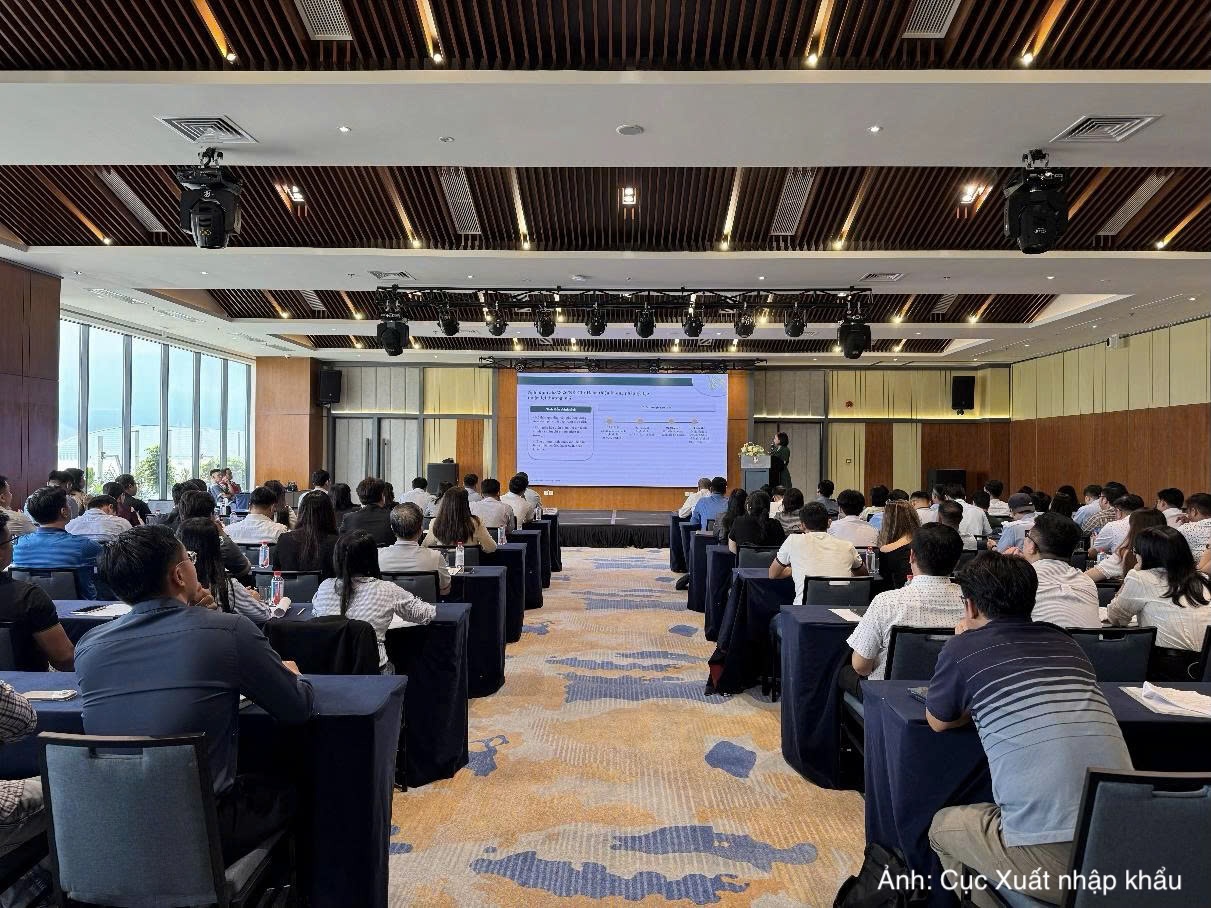
On October 13, the Agency of Foreign Trade under the Ministry of Industry and Trade (MoIT) held a conference in Dong Thap province to disseminate Government Decree No.365/2026/ND-CP dated September 23, 2026, on rice export and import business, and Circular No.65/2026/TT-BCT dated October 1, 2026, issued by the Minister of Industry and Trade, detailing certain provisions and measures for implementing Decree No.365/2026/ND-CP.
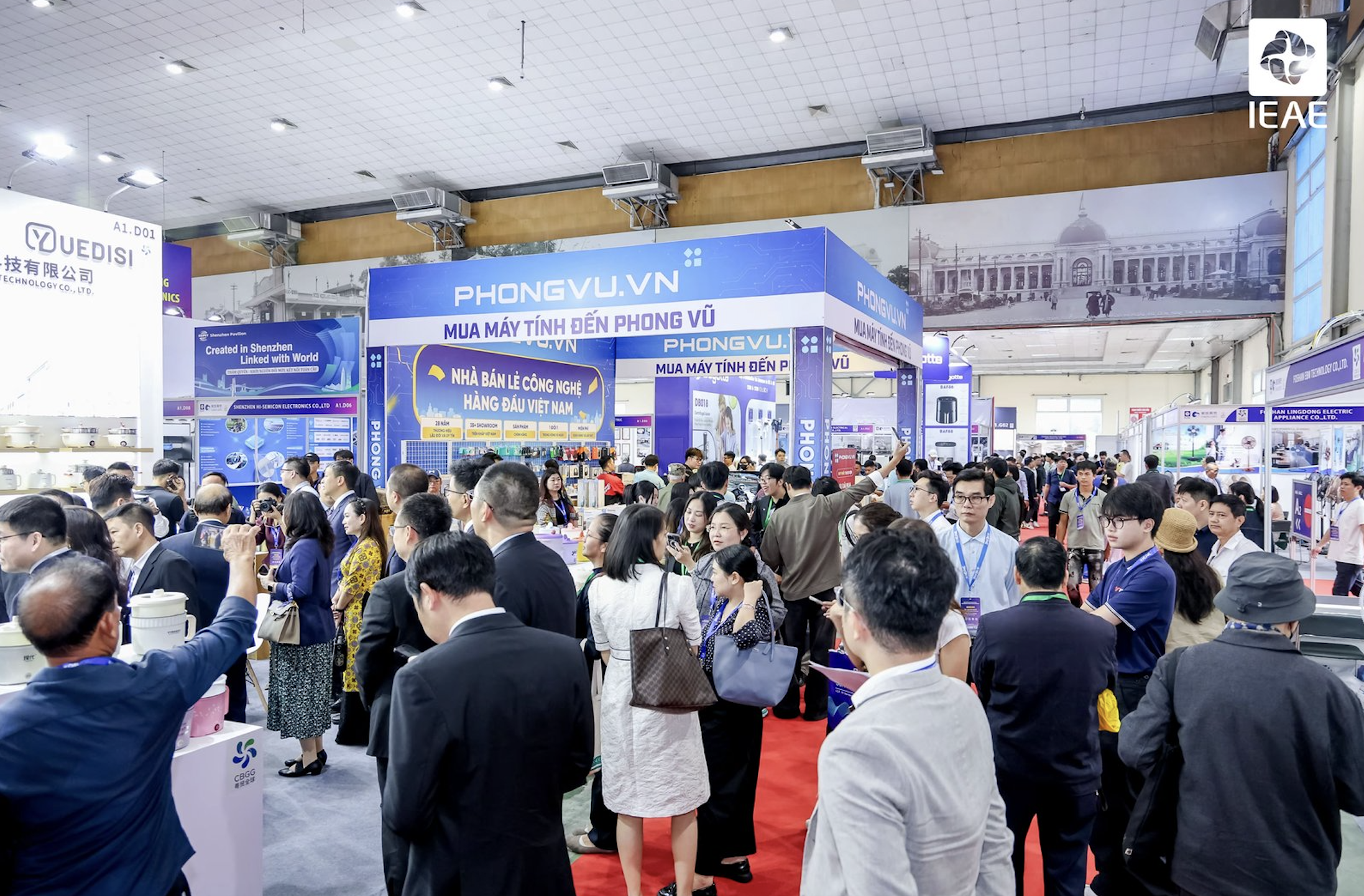
IEAE Hanoi 2026 will gather over 300 exhibitors, showcasing electronics, smart appliances and connecting businesses with sourcing and trade opportunities in Vietnam.
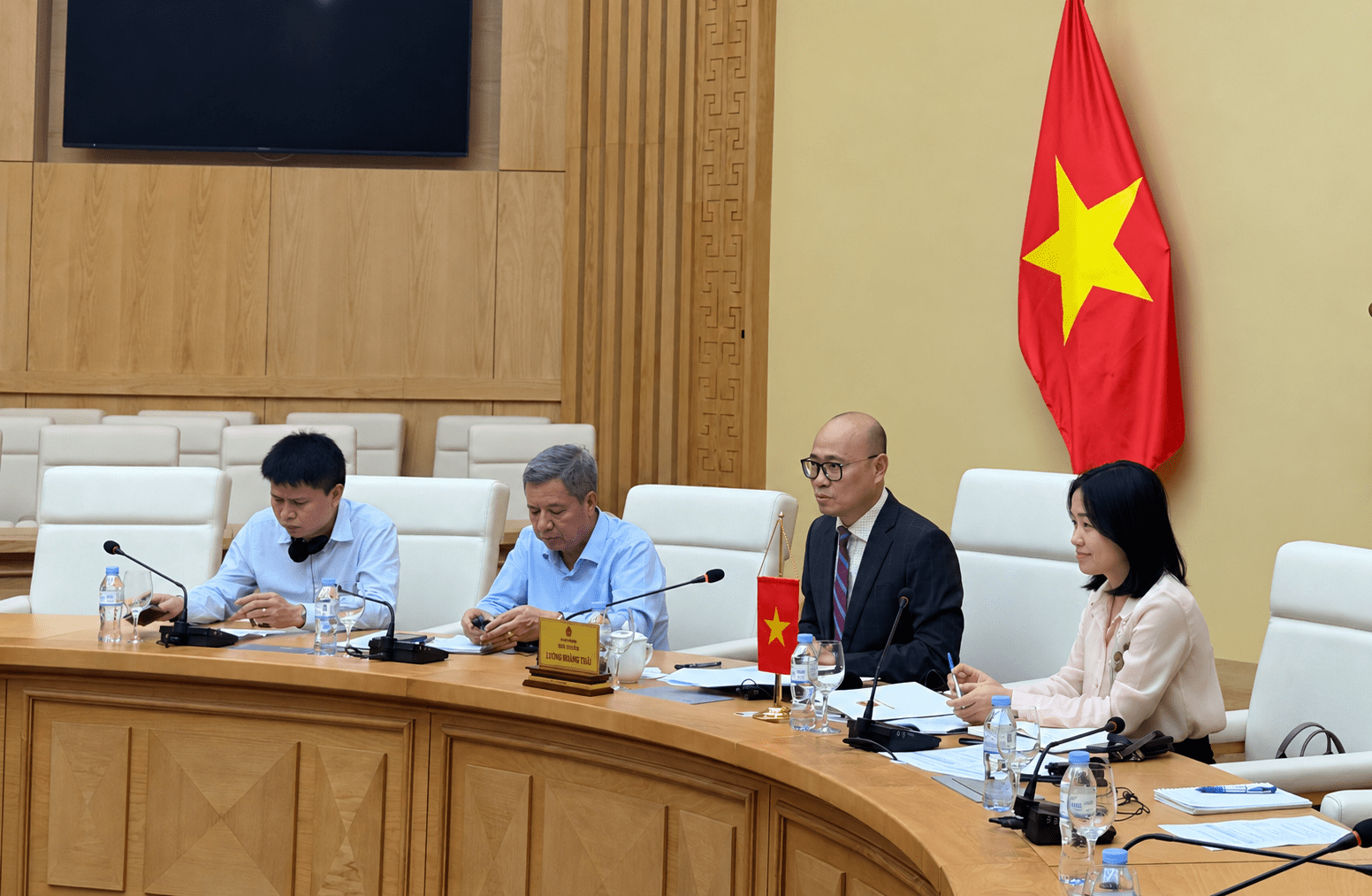
On October 13, Deputy Minister of Industry and Trade Luong Hoang Thai held a working session with MEDEF International, a French business organization, and representatives of French corporations operating in various sectors, including energy, industry, transport, construction and infrastructure development, food and beverages, and services, at the Ministry of Industry and Trade's headquarters.
On October 14, Deputy Minister of Industry and Trade Luong Hoang Thai received and held a working session with a delegation from Hamburg, Germany, led by the city's First Mayor Peter Tschentscher at the Ministry of Industry and Trade's headquarters.
The Copyright Office is working closely with relevant agencies to develop plans for inspections and enforcement action against copyright and related rights infringements in the digital environment.
The Vietnam Industry Agency under the Ministry of Industry and Trade and Samsung Vietnam continue to strengthen cooperation in developing supporting industries, enhancing the capabilities of domestic enterprises and expanding opportunities for their participation in global supply chains.
On October 9, the Viet Nam Department of Geology and Minerals, in coordination with the Thai Nguyen Department of Industry and Trade, held a conference in Thai Nguyen province to disseminate the Law on Geology and Minerals and its implementing regulations.
Northern localities are strengthening links in supporting industries, energy and logistics to build competitive value chains and create new growth drivers.
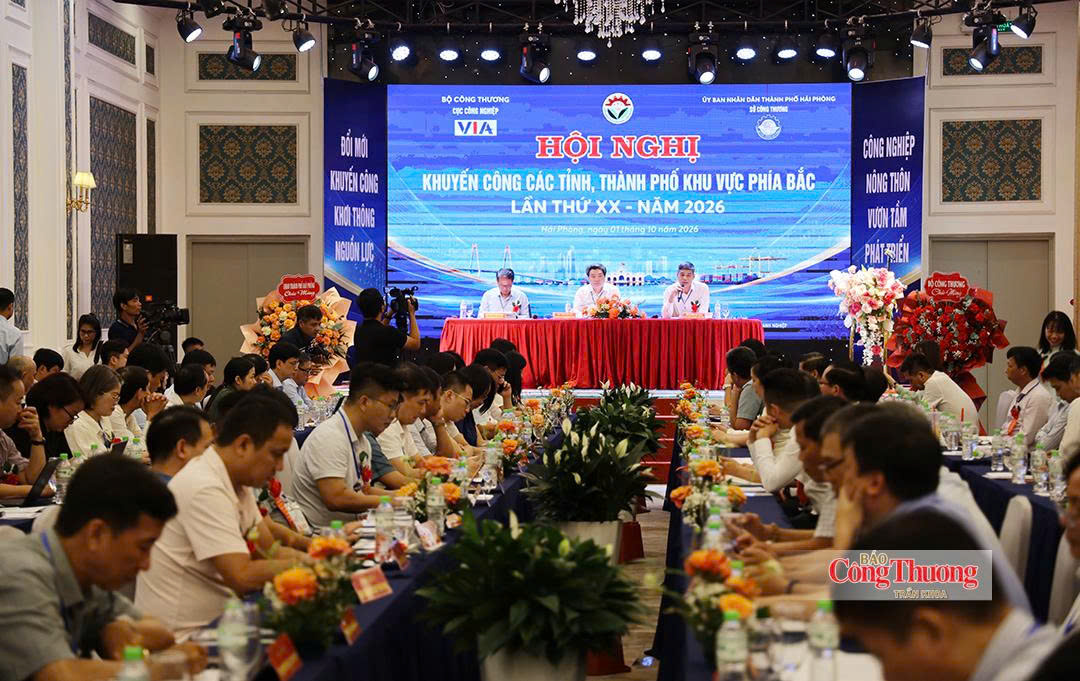
The 20th Industrial Promotion Conference for Northern Provinces and Cities in 2026 was held in Hai Phong City on October 1, with discussions focusing on renewing industrial promotion activities.
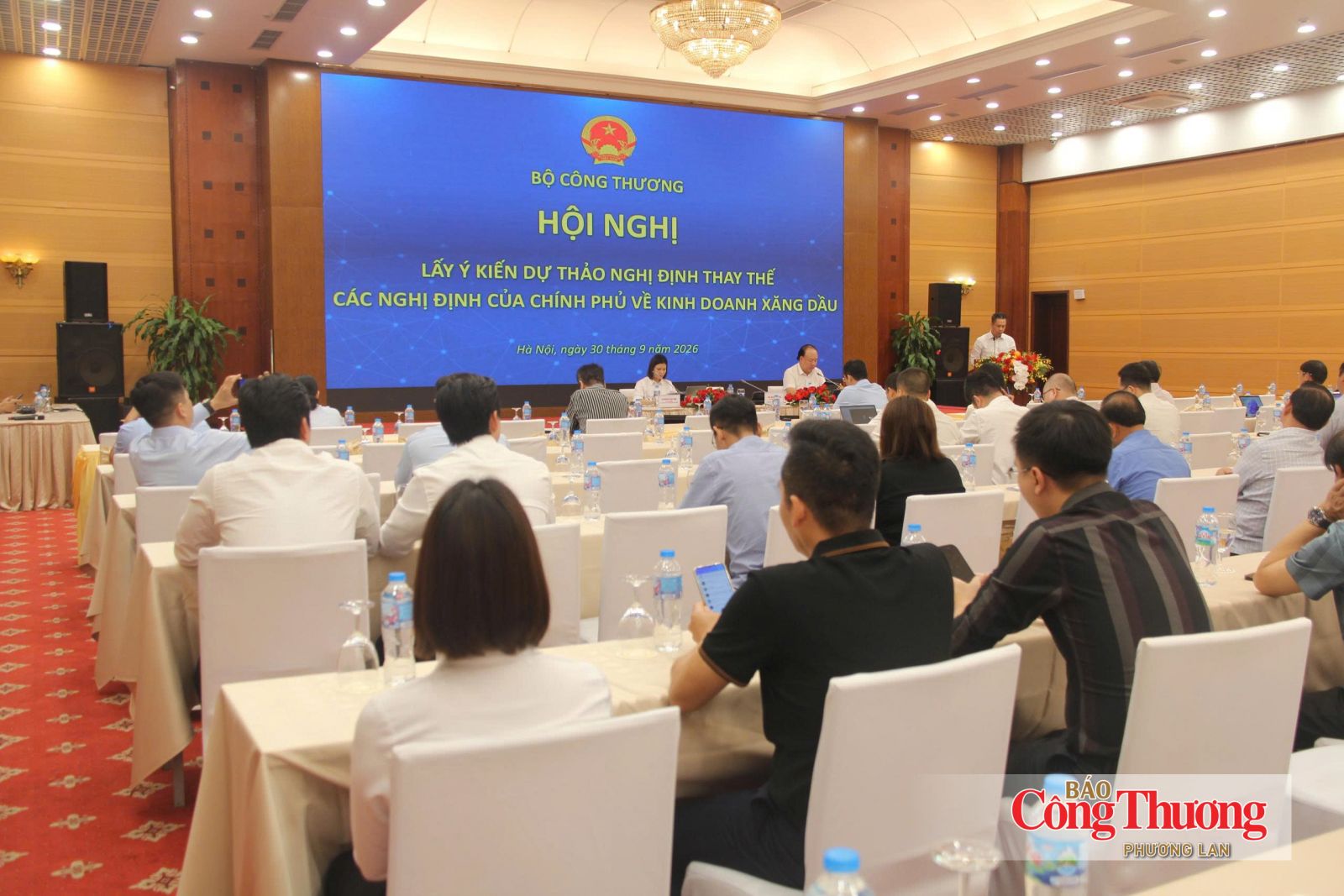
On September 30 in Ha Noi, the Ministry of Industry and Trade (MoIT) held a conference to gather broad feedback on a draft decree replacing the Government’s existing decrees on petroleum trading.