Deputy Minister of Industry and Trade Truong Thanh Hoai chaired a meeting to strengthen communication on energy conservation and efficient electricity use nationwide
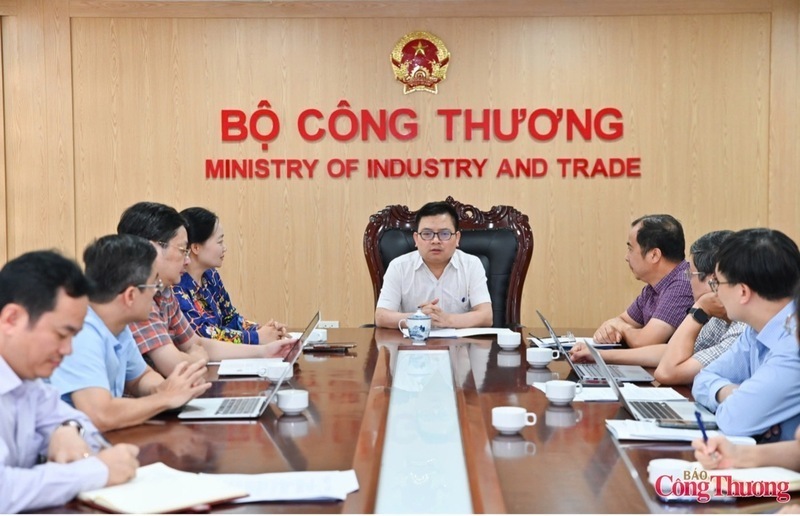
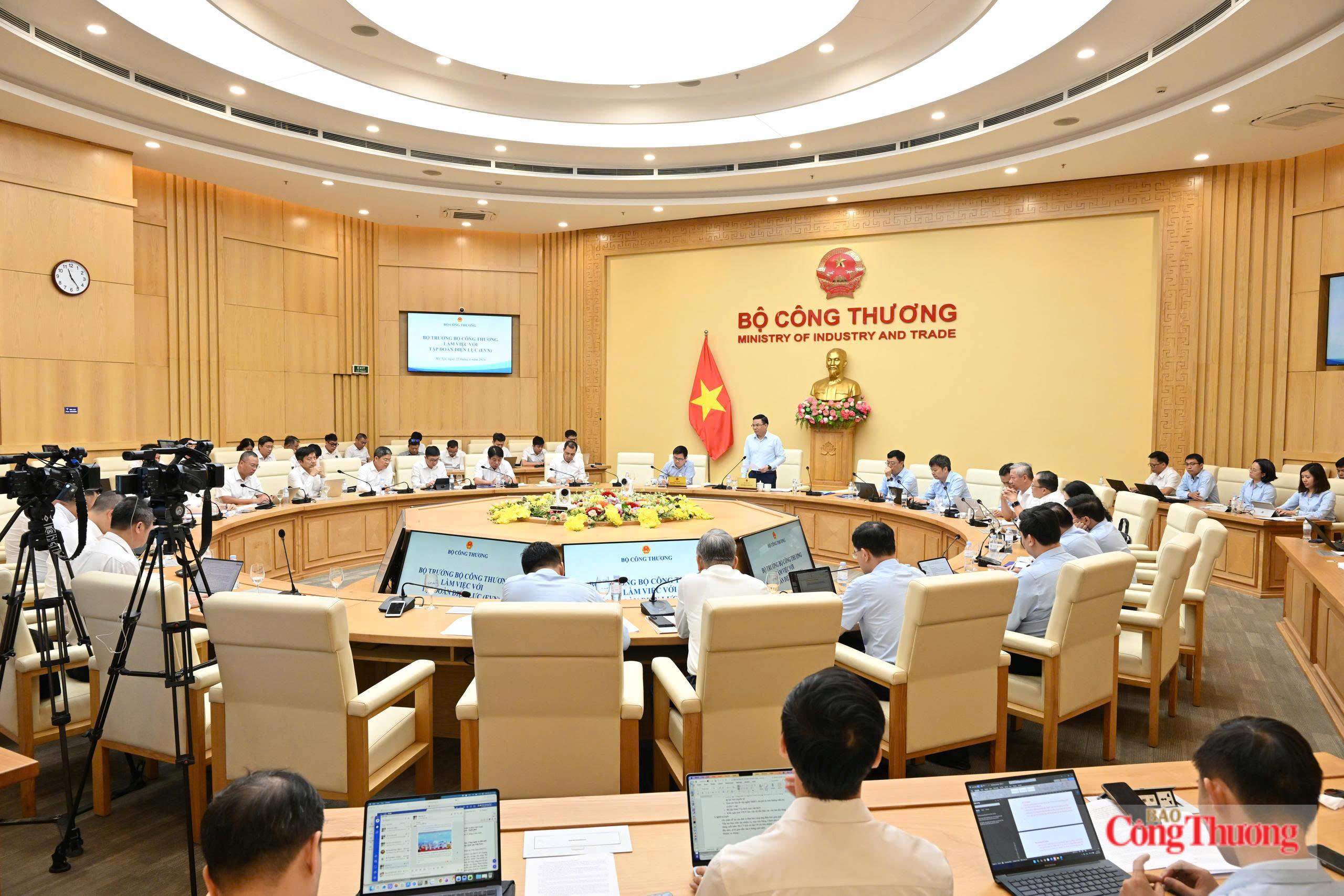
On May 28, at the Ministry of Industry and Trade (MoIT), Deputy Minister Truong Thanh Hoai chaired a meeting on communication efforts to promote economical and efficient energy use.
The meeting was attended by representatives from agencies under the ministry, including the Agency for Innovation, Green Transition and Industry Promotion (IGIP), the Electricity Authority, Vietnam Electricity (EVN), the Newspaper of Industry and Trade, Industry and Trade Magazine, and Industry and Trade Television.
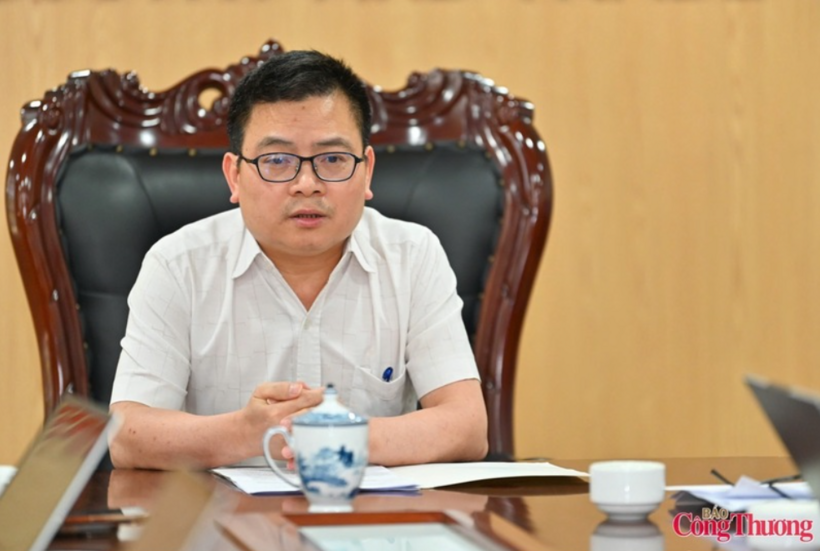
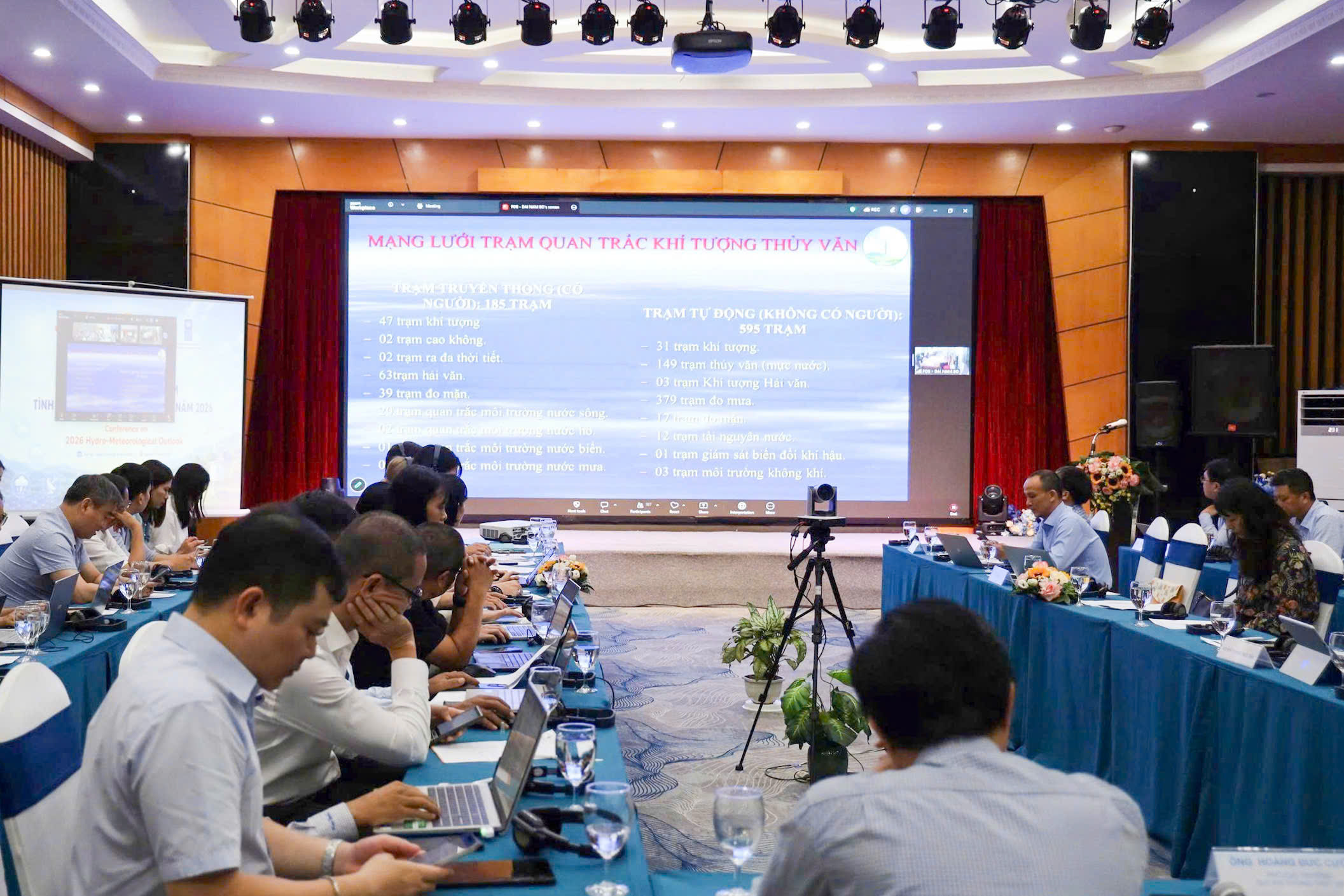
Deputy Minister of Industry and Trade Truong Thanh Hoai chairs the meeting on communication for economical and efficient energy use. Photo: Nam Nguyen
Implementing communication activities in a comprehensive manner
Reporting at the meeting, Director of the Agency for Innovation, Green Transition and Industry Promotion Nguyen Thi Lam Giang said the department had developed and submitted to the Prime Minister Directive No. 09/CT-TTg dated March 19, 2026 on strengthening energy conservation, promoting energy transition and developing electric vehicles.
In performing its assigned tasks, in 2026, the department coordinated with press and media agencies from central to local levels to comprehensively implement communication activities, ranging from policies to solutions aimed at promoting economical and efficient energy use.
The department is coordinating with Vietnam Television and Voice of Vietnam (VOV) to conduct communication campaigns to raise awareness, encourage behavioral changes and establish habits among people and businesses regarding economical and efficient energy use. It is also cooperating with the Vietnam Journalists Association to organize the “Press Awards on Communication for Economical and Efficient Energy Use 2026.”
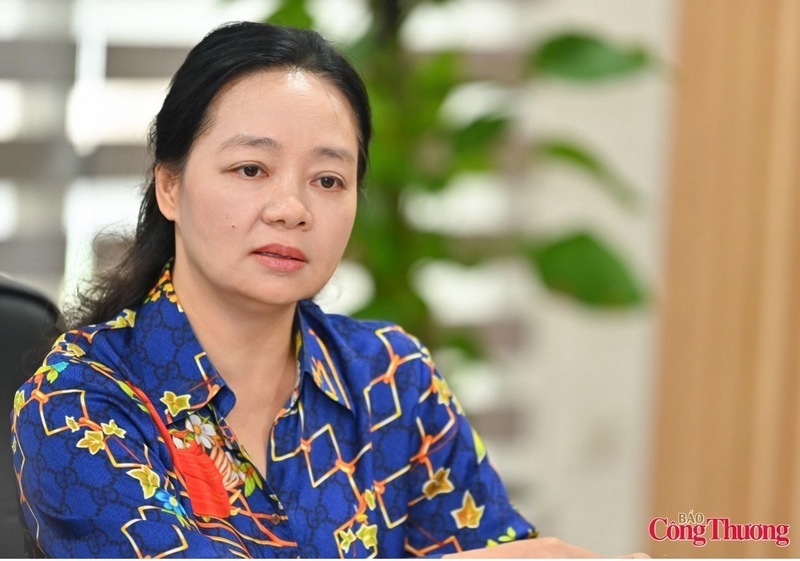
Director of Agency for Innovation, Green Transition and Industry Promotion Nguyen Thi Lam Giang delivers remarks at the meeting. Photo: Nam Nguyen
In addition, the department has strengthened coordination with MoIT media agencies to promote economical and efficient energy use through publications; organized the launching ceremony of the “All people use energy economically and efficiently and respond to Earth Hour Campaign 2026,” combined with press activities, multimedia communication products and the contest “Learning about the law on economical and efficient energy use in 2026.”
At the same time, the department has promoted communication on the Party’s guidelines and the State’s policies and laws regarding the national program on economical and efficient energy use across all areas of society, with the goal of making energy conservation a regular activity toward a green lifestyle and sustainable development.
The department has also coordinated with press agencies, the Vietnam Association of Energy Conservation and Energy Efficiency, and the Electricity Authority to develop communication sections on the program for economical and efficient energy use, helping readers better understand the benefits of energy conservation and gradually form sustainable habits.
According to Nguyen Thi Lam Giang, in the first five months of 2026, the Ministry of Industry and Trade implemented numerous communication activities on economical and efficient energy use.
“These activities were carried out within the framework of the National Program on Economical and Efficient Energy Use for the 2019-2030 period (VNEEP3), associated with responses to the Earth Hour Campaign 2026,” Nguyen Thi Lam Giang said.
She emphasized that the programs had achieved broad nationwide coverage through the synchronized participation of localities and coordination among State management agencies, power enterprises and social organizations. In particular, the Earth Hour Campaign has continued to maintain its position as the most influential community communication activity in the field of energy conservation in Vietnam.
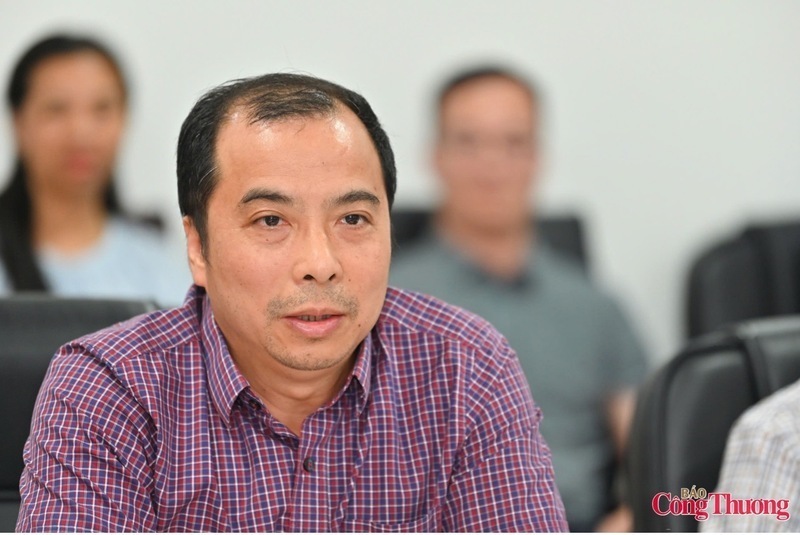
EVN Deputy General Director Ngo Son Hai delivers remarks at the meeting. Photo: Nam Nguyen
Addressing difficulties in communication activities
However, alongside positive results, the director noted that communication on economical and efficient energy use still faced many shortcomings and limitations. Specifically, the level of outreach remains uneven among localities, in-depth communication content for the industrial sector is still limited, there are not many quantitative tools to assess behavioral changes, and digital communication interaction has yet to remain sustainable after peak campaigns.
At the meeting, EVN Deputy General Director Ngo Son Hai said that over the years, EVN has strongly promoted communication and awareness campaigns on economical and efficient energy use.
“EVN has always proactively promoted its role in raising public awareness on electricity conservation through close coordination with agencies, organizations and media units,” Ngo Son Hai said.
Communication activities have been carried out through various channels such as newspapers, television, especially in cooperation with VTV, while also strengthening digital and internal communication through YouTube, TikTok, websites and other online platforms. Thanks to proactive and active implementation, EVN’s communication activities on economical and efficient energy use have created widespread influence within the community.
However, according to Ngo Son Hai, making electricity conservation truly become awareness, habit and culture in society has yet to meet expectations. At many major electricity-consuming facilities, current activities still mainly stop at recommendations, while awareness and proactiveness among a section of people and businesses regarding electricity saving remain limited. This remains a challenge that requires stronger efforts in the coming time.
Editor-in-Chief of the Newspaper of Industry and Trade Nguyen Van Minh delivers remarks at the meeting. Photo: Nam Nguyen
At the meeting, Editor-in-Chief of the Newspaper of Industry and Trade Nguyen Van Minh proposed several solutions to renew and strengthen communication on economical and efficient energy use, based on studies of energy communication models from 20 countries worldwide.
First, energy conservation efforts should be elevated into a national action campaign. At present, communication activities in Vietnam remain fragmented, lacking synchronized coordination and failing to form a comprehensive national action campaign similar to successful models in the US, Japan and the Republic of Korea.
Therefore, all existing action programs, such as Earth Hour and EVN communication programs, should be gathered under a unified national coordinating body. This campaign would not eliminate existing models but standardize them through a strict system of key performance indicators (KPIs), associated with more practical policy recommendations and solutions.
Second, communication methods should be renewed through modern and visual formats. Drawing lessons from France, Australia and the US, Vietnam should implement short but continuous communication programs updated in the form of “weather bulletins” so that people and businesses can proactively and promptly change consumption behavior in a practical manner.
Third, a national energy conservation index and energy-saving map should be developed. Energy audits, energy labeling and compliance indicators on electricity saving should be concretized through periodic assessments, rankings and public disclosure.
Fourth, financial policy mechanisms to promote energy conservation should be improved. Research should be conducted into applying direct economic discount mechanisms for households and organizations that effectively implement energy-saving measures or invest in rooftop solar power systems. At the same time, further studies are needed to concretize regulations on establishing an “Energy Conservation Fund” in the upcoming revised Law on Economical and Efficient Use of Energy.
Promoting synchronized implementation of solutions
In his concluding remarks, Deputy Minister Truong Thanh Hoai referred to the current electricity consumption situation, noting that communication and implementation of energy conservation measures remained limited. At public facilities, commercial centers, supermarkets and restaurants, electricity-saving efforts have yet to achieve real efficiency, while energy waste remains common.
The deputy minister noted that 2026 is forecast to continue facing many difficulties, while 2027 and subsequent years still carry risks of electricity shortages if preparations are not made early.
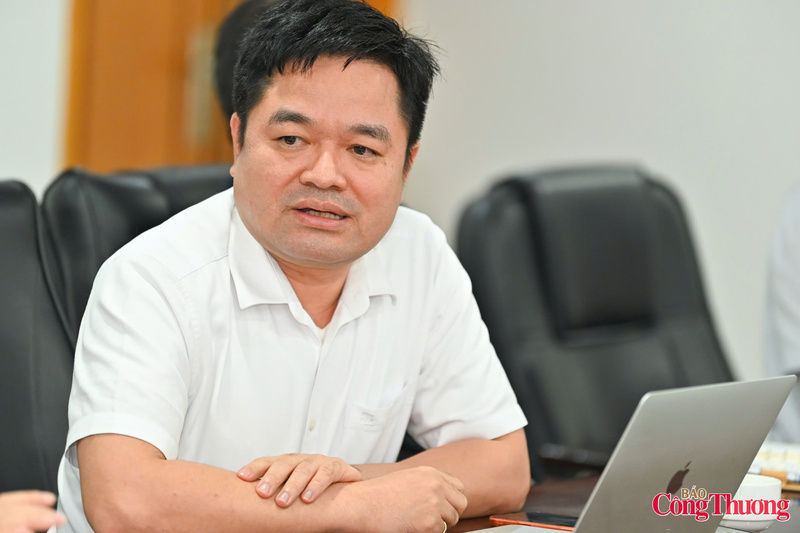
Deputy Minister of Industry and Trade Truong Thanh Hoai speaks at the meeting. Photo: Nam Nguyen
To proactively respond to the risk of an energy crisis, Deputy Minister Truong Thanh Hoai requested departments and units under the ministry to focus on synchronously implementing groups of solutions.
Notably, the approach should shift from “encouragement” to “mandatory” measures. Relevant agencies were tasked with advising on amendments to the Law on Economical and Efficient Use of Energy. The orientation of the revision is to turn energy-saving regulations into mandatory provisions for organizations, particularly major energy-consuming facilities, instead of remaining at the encouragement level as at present.
The ministry will also issue stricter technical standards, standardize energy labeling systems and industrial standards. Labels must clearly display electricity consumption levels so that people can easily compare conventional products with high-efficiency inverter products.
Sanctions and mechanisms should be introduced to encourage enterprises to switch from low-efficiency motors (IE1 and IE2 levels) to high-efficiency models (IE3 and IE4), helping save up to 20% of electricity consumption in the manufacturing sector.
The deputy minister assigned relevant units to study electricity pricing mechanisms and adjust electricity tariffs for electric vehicle charging during peak and off-peak hours. Economic tools should be used to encourage people to shift charging activities to midday hours from 11:30 am to 1:30 pm, when solar power generation reaches its peak and the system has surplus renewable energy that cannot be fully stored.
Regarding communication work, Deputy Minister Truong Thanh Hoai stressed that as electricity demand continues to rise, especially from 2026 onward, communication on economical and efficient electricity use must be implemented in a practical and effective manner through changing consumption behavior among people and businesses. Communication efforts must clearly shape awareness and electricity-use behavior, while encouraging people to prioritize products and equipment with high energy efficiency in order to reduce pressure on the national power system.
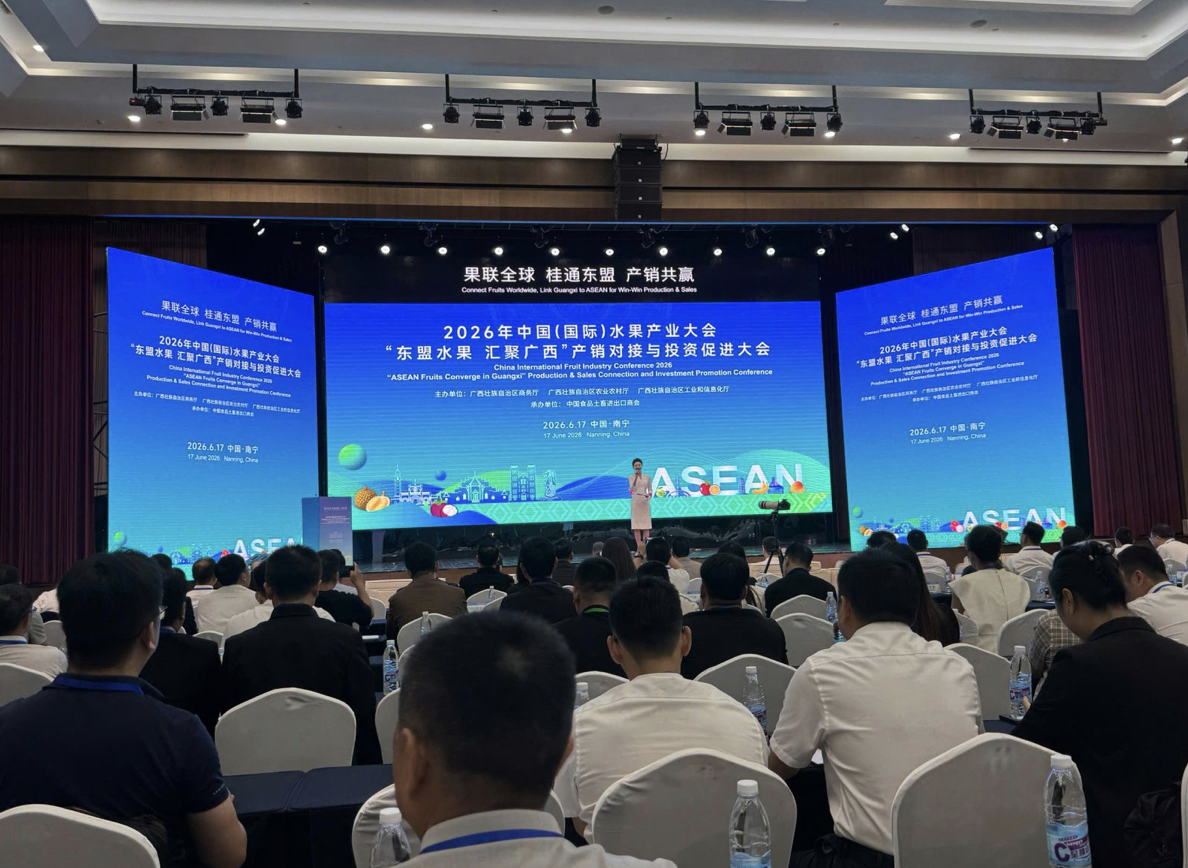
A trade mission to Guangxi (China) helped Vietnamese fruit enterprises strengthen business ties, explore export opportunities and connect with Chinese partners.
Amid rising electricity demand and increasingly complex weather conditions, Vietnam is stepping up efforts to ensure a stable power supply for economic growth.
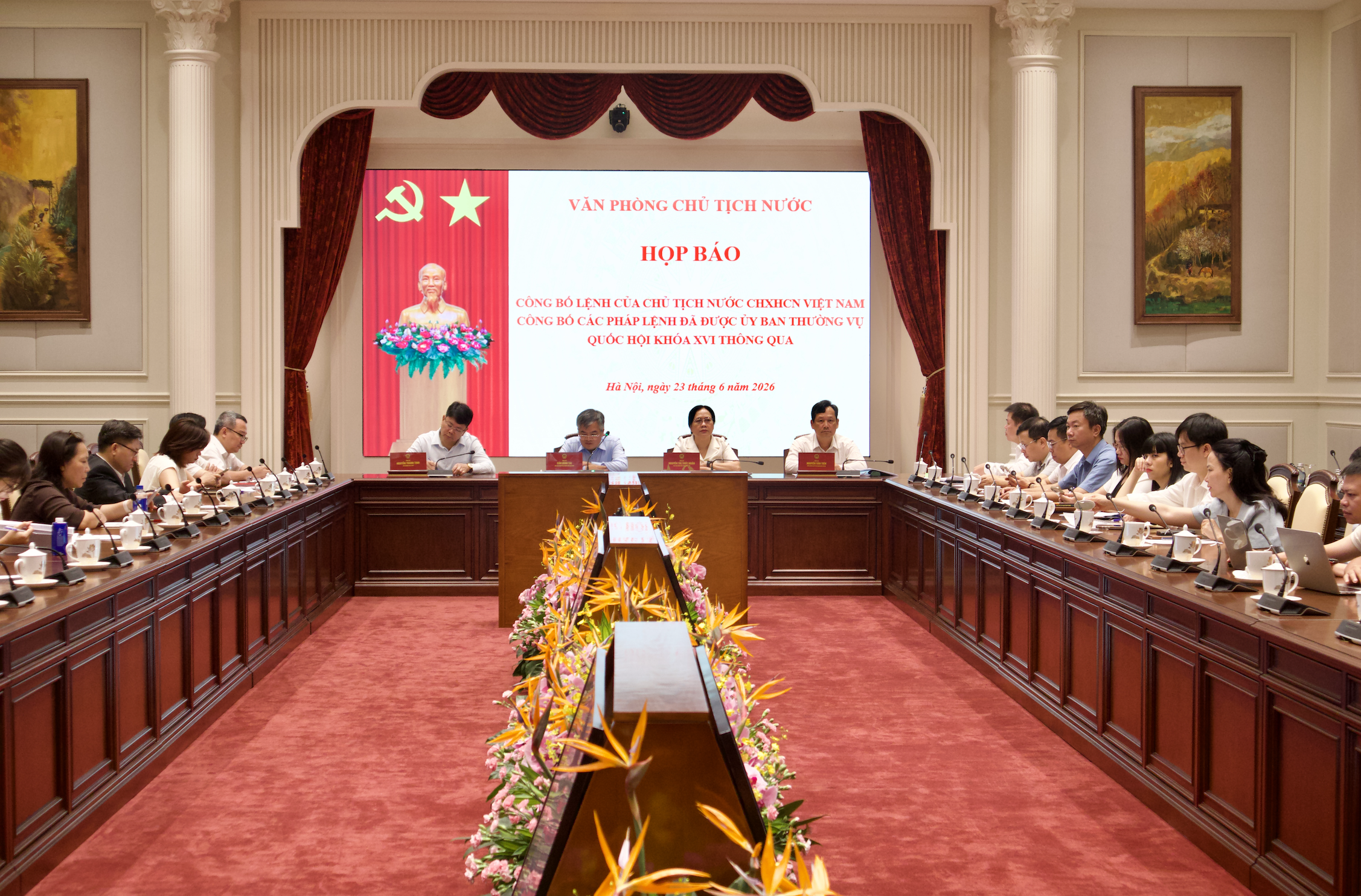
Vietnam has promulgated two new ordinances to improve judicial procedures, accelerate digital transformation and enhance the consistency and accessibility of laws.
Argentina is accelerating customs digitalization and easing foreign exchange controls, creating new trade opportunities while also introducing fresh compliance requirements for Vietnamese enterprises.
Amid rising electricity demand and increasingly complex weather conditions, Vietnam is stepping up efforts to ensure a stable power supply for economic growth.
Vietnam has promulgated two new ordinances to improve judicial procedures, accelerate digital transformation and enhance the consistency and accessibility of laws.
Argentina is accelerating customs digitalization and easing foreign exchange controls, creating new trade opportunities while also introducing fresh compliance requirements for Vietnamese enterprises.
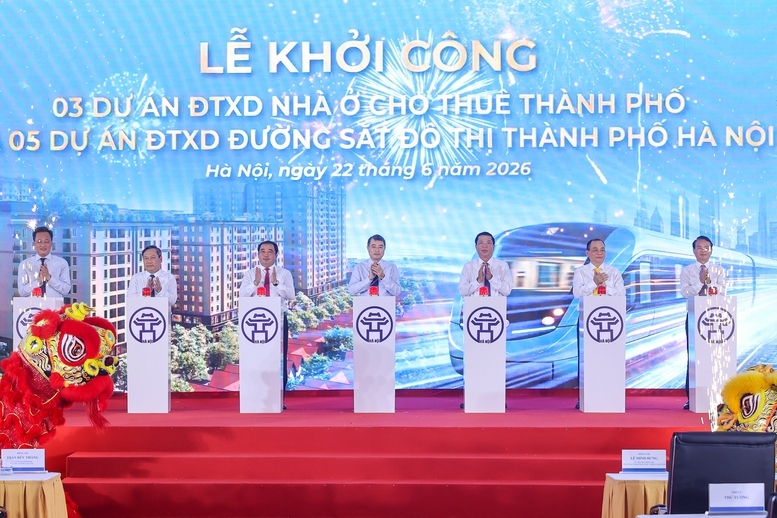
Prime Minister Le Minh Hung attended the launch of five urban railway lines and three rental housing projects in Hanoi with investment exceeding VND 1.3 quadrillion.