Argentina is accelerating customs digitalization and easing foreign exchange controls, creating new trade opportunities while also introducing fresh compliance requirements for Vietnamese enterprises.
Challenges amid new opportunities
In the trade landscape connecting Vietnam and South America, Argentina has long represented an attractive yet complex market filled with both promise and uncertainty.
A notable paradox has emerged in recent years. While Vietnamese exporters have been actively seeking market opportunities for products ranging from high-tech goods and supporting industries to consumer products and handicrafts, Argentine businesses have remained cautious about large-scale agricultural transactions due to concerns over port procedures and international payment flows. This divergence in perspective stems not from a lack of market potential, but rather from the difficulty both sides face in navigating Argentina's rapidly evolving regulatory framework.
Despite lingering challenges, Argentina remains an attractive market for Vietnamese businesses in South America. Source: T.V
Entering 2026, Argentina's foreign trade environment is undergoing significant transformation as the country moves toward the complete elimination of foreign exchange controls (known as CEPO) and the full-scale operation of the ARCA super-agency. The country's trade regime is increasingly characterized by digitalization and trade liberalization. For businesses seeking to optimize cash flow and maintain control over long-distance logistics operations, a thorough understanding of the latest regulations has become essential to securing commercial advantages and ensuring the safe movement of goods across oceans.
Argentina's foreign trade policies are currently shifting dramatically toward digitalization and the removal of administrative barriers. Without a clear understanding of the differing expectations between buyers and sellers, as well as the latest legal requirements, businesses risk finding themselves at a disadvantage.
For Vietnamese companies, the greatest risk remains long-distance logistics. Maritime shipping between South America and Vietnam typically takes between 30 and 45 days. Exporters are particularly concerned about the possibility of sudden customs policy changes while cargo is already in transit, or goods being held for extended periods at Buenos Aires port for origin verification, resulting in additional costs and frozen working capital.
Argentine businesses, meanwhile, are primarily focused on foreign currency turnover. Since the Central Bank of Argentina (BCRA) abolished the mixed exchange-rate mechanism that required 100% of export proceeds to be settled at the official exchange rate, companies have been under pressure to optimize cash flow for tax obligations and production activities. Consequently, they strongly favor financially capable partners willing to commit to long-term contracts that ensure a steady inflow of U.S. dollars.
Vietnamese businesses need to stay informed
Rather than relying on assumptions during negotiations, Vietnamese companies should base their decisions on two key regulatory changes recently introduced by Argentine authorities.
First, the Customs Management and Control Agency (ARCA), in coordination with Argentina's National Single Window for Foreign Trade (VUCEA), has made the Advance Ruling on Origin mechanism mandatory.
ARCA's General Resolution No. 5859/2026 states: "The Advance Ruling mechanism aims to simplify administrative procedures, provide legal certainty to foreign trade operators before goods arrive at port, and minimize customs clearance time at national entry points."
Under this framework, importers may request Argentine customs authorities to issue a formal determination regarding tariff classification and the legality of a product's origin before shipment. Vietnamese exporters are advised to include this requirement in contractual negotiations and encourage Argentine import partners to complete the Advance Ruling on Origin process through the VUCEA system before cargo is loaded at the port of departure.
This coordinated approach can significantly reduce customs clearance time while establishing a robust legal safeguard throughout the transaction process. The maximum review period is 30 days, and the resulting ruling remains legally binding for up to three years.
Second, the Central Bank of Argentina has relaxed access to the Foreign Exchange Market (MULC) while maintaining strict timelines based on product categories.
According to BCRA Communication "A" 8226: "Except for goods subject to special regulatory treatment, payment deferral periods for ordinary imported goods are reduced to zero days from the date of customs declaration registration."
In 2026, the policy was further strengthened as the Argentine government accelerated the dismantling of historical foreign exchange controls, commonly known as the CEPO system. The comprehensive easing measures have largely eliminated the bottlenecks associated with central bank approval for international payments, a major concern for businesses in previous years.
Greater access to foreign currency helps explain why Argentine corporations and importers are now actively seeking large-scale contracts for agricultural products, supporting industry goods, and consumer products from Asia, particularly Vietnam.
The current foreign exchange payment system operates under three primary mechanisms.
For deferred-payment transactions involving ordinary goods, Argentine companies can access U.S. dollars immediately after customs clearance and transfer funds to Vietnamese suppliers without the previous 30-to-60-day waiting period.
For immediate payment transactions, the banking system automatically approves foreign currency transfers only when shipping documentation is available and the importer qualifies as a certified small or medium-sized enterprise (SME). Large corporations must use their own foreign currency resources if they wish to make immediate payments.
For advance payments or deposits, BCRA maintains strict controls to protect foreign exchange reserves. Advance payments are generally limited to 30% for machinery, equipment, and production lines, and 10% for components and spare parts.
Vietnamese exporters of consumer goods should not accept contractual clauses requiring deposits above these thresholds, as Argentine commercial banks will be unable to approve such transfers. Conversely, Vietnamese importers purchasing agricultural commodities can leverage the promise of rapid payment to negotiate more favorable prices.
Recommendations from the Vietnam Trade Office in Argentina
Based on field research and market monitoring, the Vietnam Trade Office in Argentina believes that language barriers and geographical distance remain key factors slowing business connectivity between the two countries.
Recent trade experience indicates that both sides possess strong interest in cooperation but require reliable channels for information verification before proceeding with agreements.
A representative of a Vietnamese agricultural importing company explained: "We would like to sign directly with major farm operators in Rosario to secure the most competitive corn prices. However, when communicating via email, information barriers make it difficult to distinguish between genuine warehouse owners and commercial intermediaries."
Argentine agricultural exporters have expressed similar views regarding long-term cooperation: "We are prepared to open warehouse capacity and offer preferential floor prices for Asian markets. However, to ensure confidence on both sides, we need information support and guidance from your representative office in Buenos Aires."
In light of these realities, the Trade Office recommends that Vietnamese businesses verify the legal status, customs clearance history, and actual warehousing capacity of Argentine agricultural suppliers before making any deposits. This proactive approach helps safeguard capital while laying a solid foundation for long-term cooperation.
Companies should also carefully assess any requests for payment upon presentation of shipping documents and ensure compliance with current BCRA regulations.
Furthermore, Vietnamese enterprises are encouraged to request and verify SME certification through official Argentine channels. Such certification constitutes the only legal basis for automatic approval of immediate-payment transactions within Argentina's banking system, effectively eliminating the risk of payment delays for eligible companies.
Field surveys indicate that Argentine exporters tend to reserve product allocations and offer more flexible commercial terms to partners who demonstrate a strong understanding of local regulations. When Vietnamese businesses accurately reference ARCA regulations or BCRA directives and show close coordination with Vietnam's representative office in Buenos Aires, they are often viewed as highly professional and reliable partners. This, ultimately, is the key to strengthening trust, narrowing geographical distances, and fostering long-term trade commitments between businesses in Vietnam and Argentina.
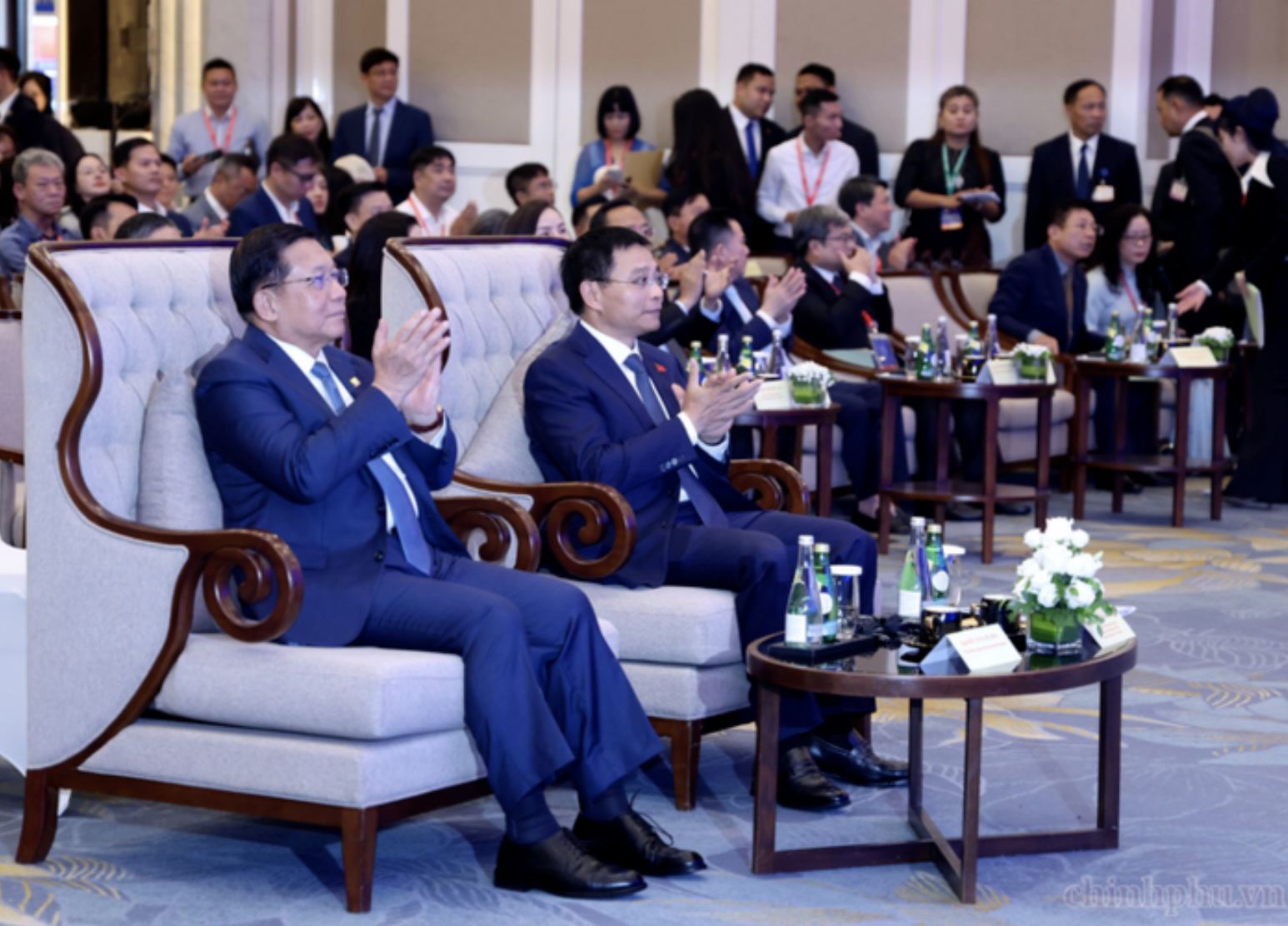
Addressing the Myanmar - Viet Nam Business Forum, Deputy Prime Minister Nguyen Van Thang said the two sides should expand the space for cooperation and leverage their respective resources to support the self-reliant and resilient development of each country, contributing to the implementation of agreements reached by the senior leaders of the two countries.
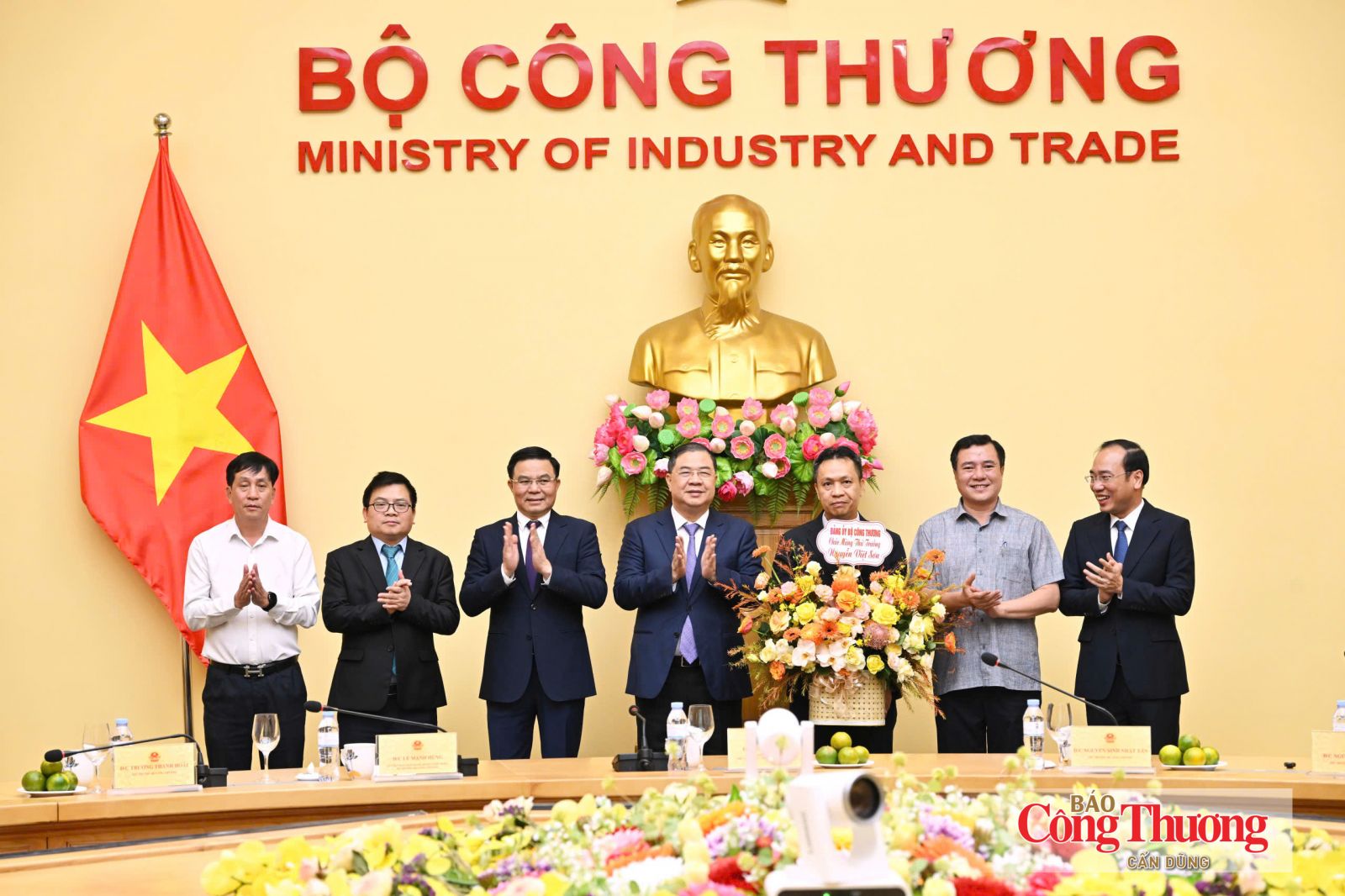
On the afternoon of September 6, at the headquarters of the Ministry of Industry and Trade (MoIT), Politburo member and Standing Deputy Prime Minister Pham Gia Tuc handed over the Prime Minister's decision appointing Nguyen Viet Son as Deputy Minister of Industry and Trade.
The iDEA and TikTok Shop launched the “Beyond Vietnam” initiative to help Vietnamese businesses build digital export capabilities and expand global market access.
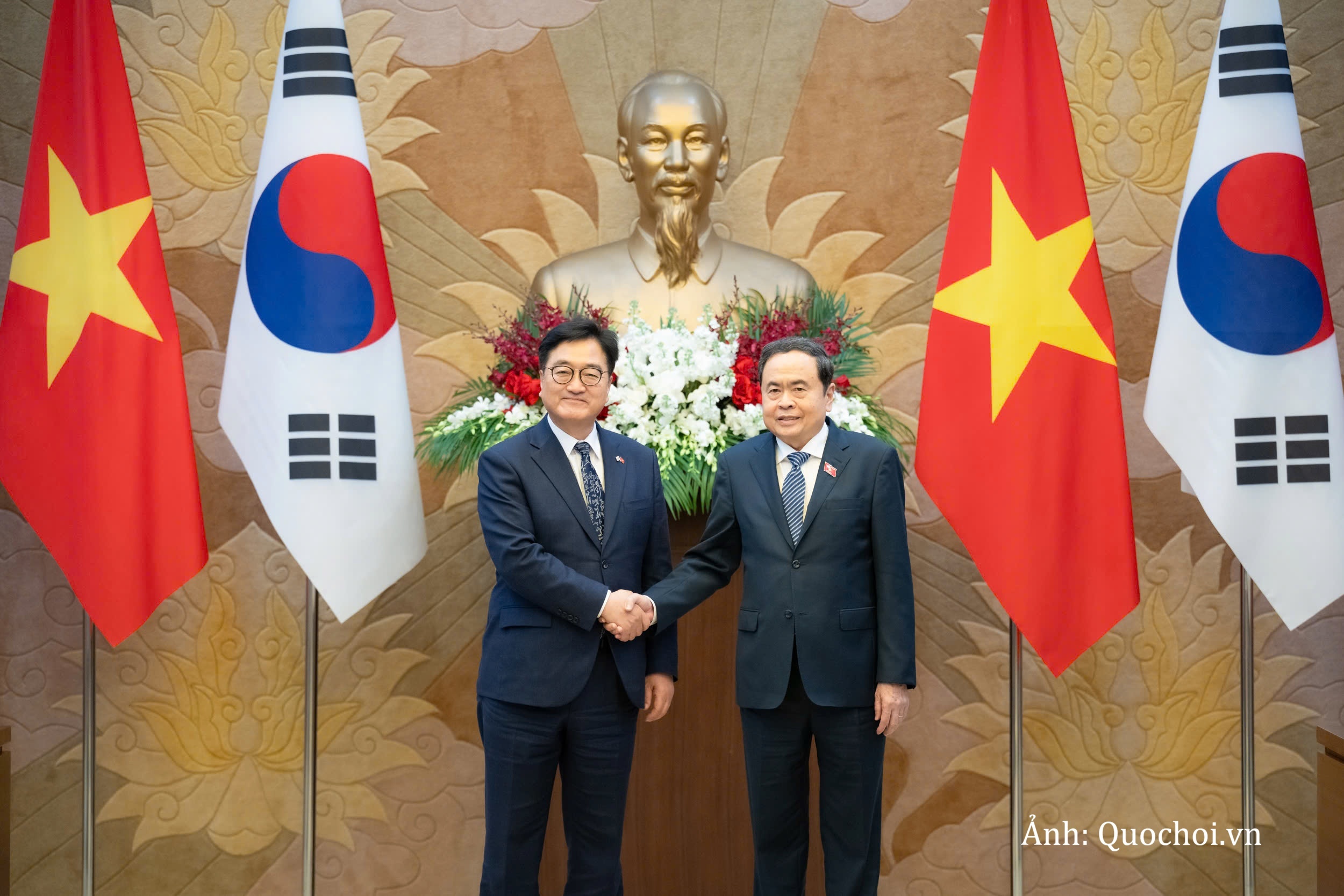
As Viet Nam and the Republic of Korea (RoK) work towards the goal of raising bilateral trade to USD 150 billion, the National Assemblies of the two countries have an important role to play in improving institutions and removing bottlenecks.
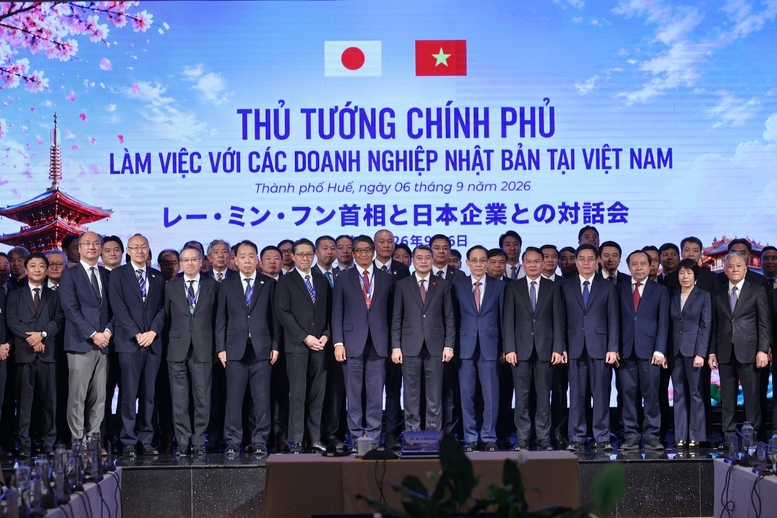
Chairing a meeting with Japanese businesses on the morning of September 6, Prime Minister Le Minh Hung called for Viet Nam - Japan investment ties to shift decisively from a relationship between “investors and investment destinations” toward a partnership for joint development and co-creation, involving joint research, innovation, production, and effective participation in and affirmation of their positions and roles in global value chains.
Addressing the Myanmar - Viet Nam Business Forum, Deputy Prime Minister Nguyen Van Thang said the two sides should expand the space for cooperation and leverage their respective resources to support the self-reliant and resilient development of each country, contributing to the implementation of agreements reached by the senior leaders of the two countries.
On the afternoon of September 6, at the headquarters of the Ministry of Industry and Trade (MoIT), Politburo member and Standing Deputy Prime Minister Pham Gia Tuc handed over the Prime Minister's decision appointing Nguyen Viet Son as Deputy Minister of Industry and Trade.
As Viet Nam and the Republic of Korea (RoK) work towards the goal of raising bilateral trade to USD 150 billion, the National Assemblies of the two countries have an important role to play in improving institutions and removing bottlenecks.
Chairing a meeting with Japanese businesses on the morning of September 6, Prime Minister Le Minh Hung called for Viet Nam - Japan investment ties to shift decisively from a relationship between “investors and investment destinations” toward a partnership for joint development and co-creation, involving joint research, innovation, production, and effective participation in and affirmation of their positions and roles in global value chains.
The Ministry of Industry and Trade Party Committee joined a nationwide conference to study and implement key resolutions and directives issued by the Politburo.