MoIT reviewed power supply for the remaining months of 2026 and discussed the 2027 power system operation plan to ensure sufficient electricity for growth.
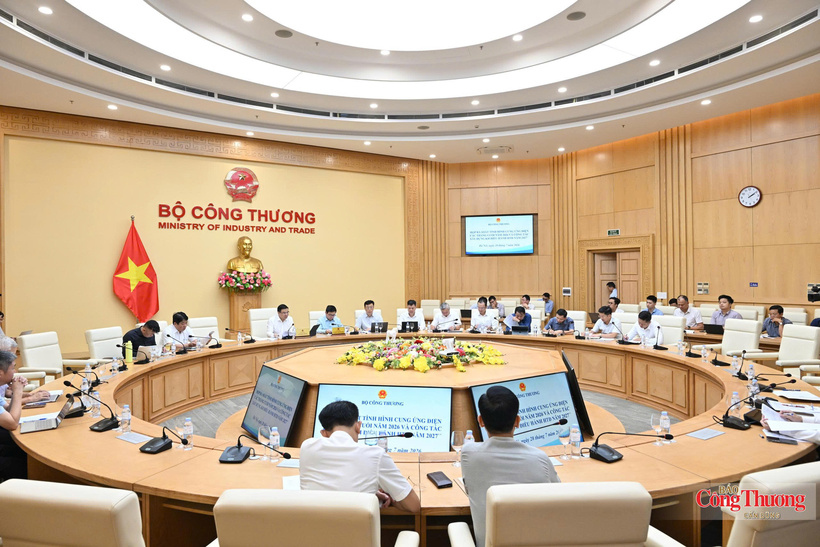
.On the afternoon of July 28, at the headquarters of the Ministry of Industry and Trade (MoIT), Minister Le Manh Hung chaired a conference to review the power supply situation for the remaining months of 2026 and the formulation of the power system operation plan for 2027. The conference was attended by Deputy Minister Truong Thanh Hoai, leaders of units under the Ministry, energy groups and enterprises, and representatives of relevant localities.
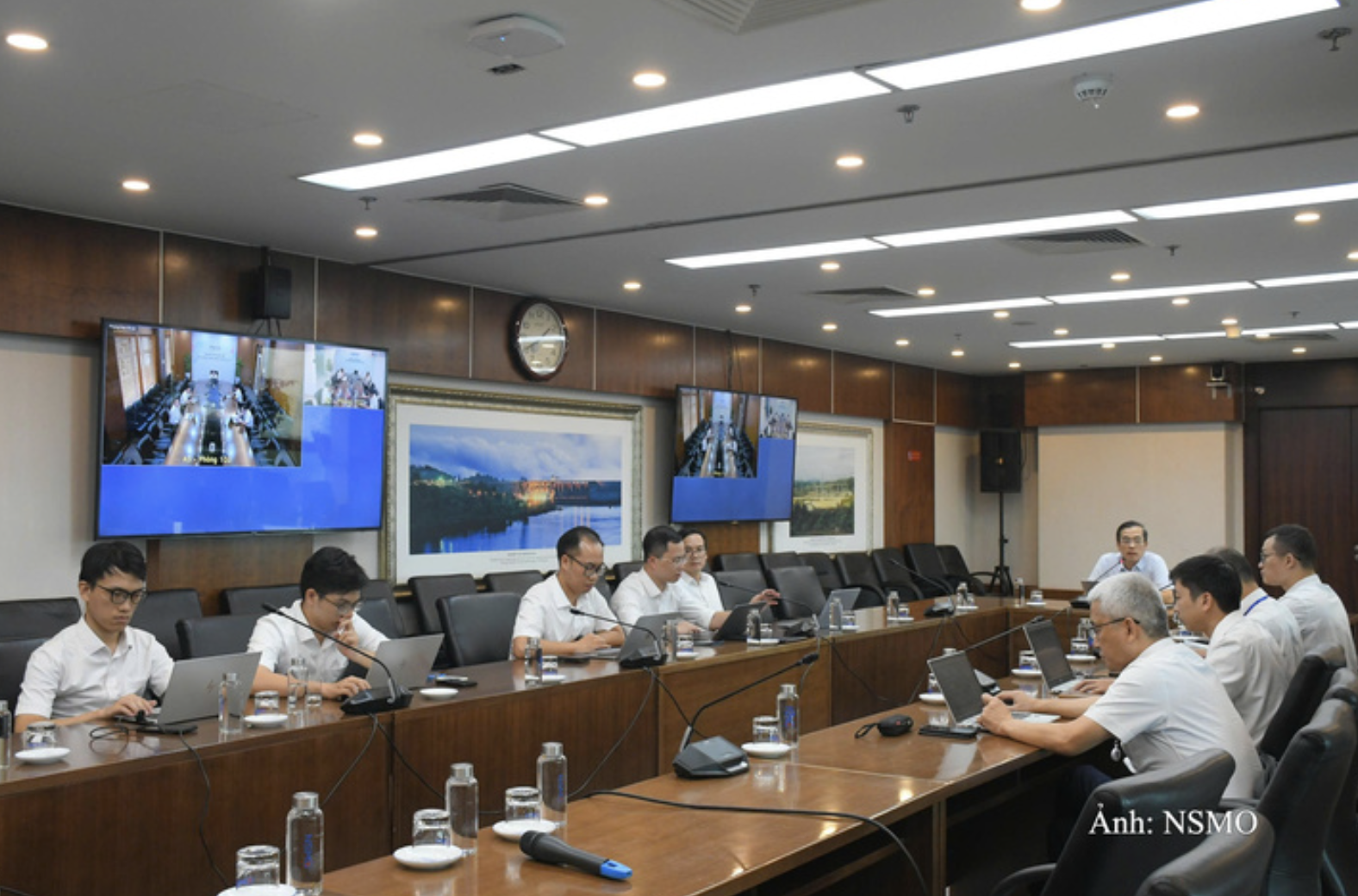
Overview of the conference.
Early preparation of power operation plans for 2027
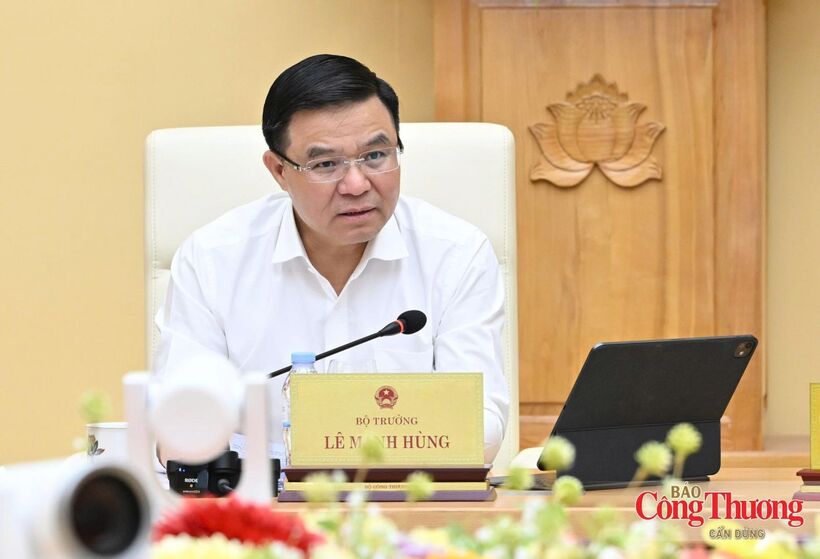
Delivering opening remarks at the conference, Minister Le Manh Hung said that in the first six months of 2026, Vietnam's economy continued to maintain a positive growth momentum, with GDP expanding by 8.18%, while the second quarter alone reached 8.39%. High economic growth has driven a sharp increase in electricity demand. Over the first seven months of the year, the total output of electricity generated and imported by the whole system is estimated at more than 203.3 billion kWh, up about 9.3% year-on-year. For the whole of 2026, the system's electricity output is estimated to increase by nearly 9.8% compared with 2025.
Minister of Industry and Trade Le Manh Hung delivers directives at the conference.
Notably, during operation, the national power system has repeatedly set new records, with peak load capacity reaching 58,456 MW and the highest daily electricity consumption reaching about 1.22 billion kWh.
According to Minister Hung, there remain many pressures and challenges from now until the end of 2026. To achieve the full-year growth target of 10% set by the Party Central Committee, the economy must grow at an average of more than 11% in the last six months of the year. This means that energy demand, especially electricity demand, will continue to rise sharply, and the power sector must proactively ensure full supply.
According to a report by National Power System and Market Operator Company Limited (NSMO), weather conditions from now until the end of 2026 are forecast to remain complex and unpredictable, with the possibility of widespread heatwaves accompanied by heavy storms and major flooding. In addition, a number of key power generation and grid projects risk continued delays, while the national power system still depends heavily on the operational capacity of traditional power sources such as coal-fired thermal power and hydropower.
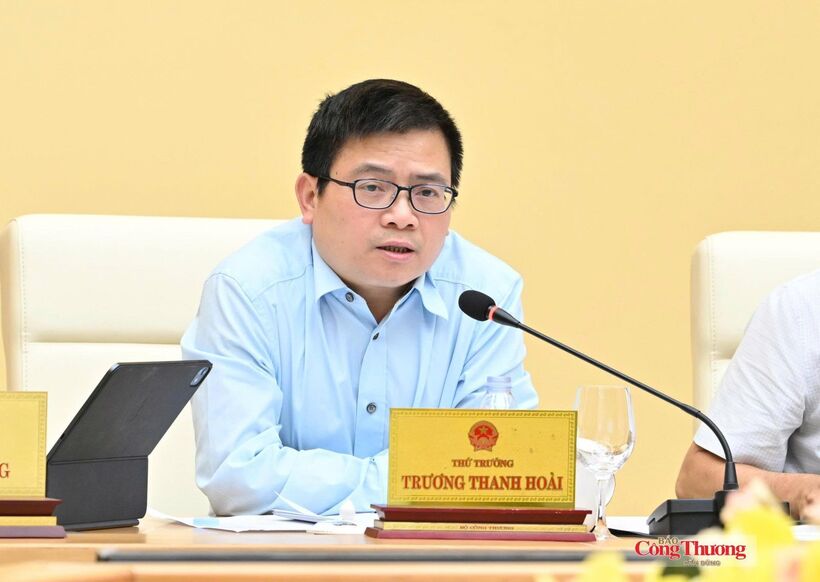
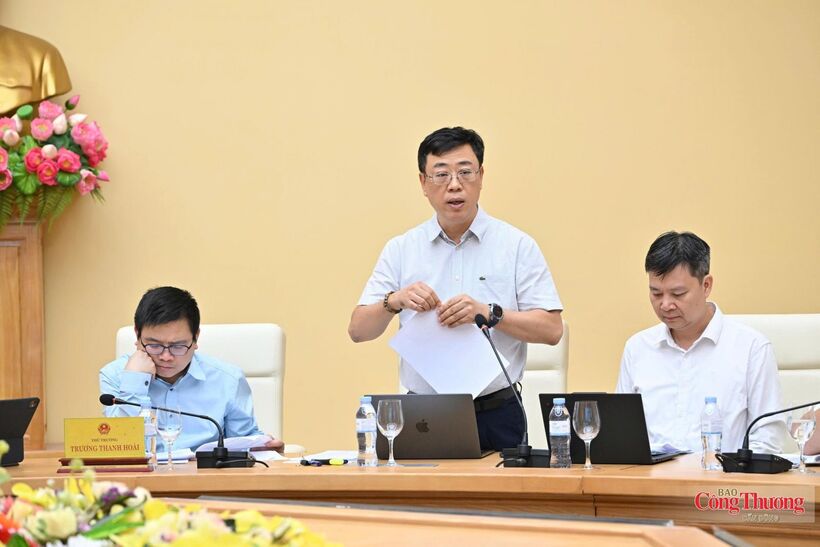
At the conference, Deputy Minister Truong Thanh Hoai stressed that to ensure power supply for the 2027-2028 dry season, it is necessary to urgently update and supplement power sources capable of being put into operation early. According to the Deputy Minister, in implementing the Government's Decree No. 272/2026/ND-CP, priority should be given to reviewing projects that can be implemented within a short time frame, especially large-scale solar power projects. Field surveys show that many localities still have vacant land and bare hills favorable for developing large-capacity solar power projects, with construction periods of only about six months.
Deputy Minister Truong Thanh Hoai addresses the conference.
Deputy Minister Hoai noted that in the long term, the biggest bottleneck remains transmission infrastructure. "Transmission infrastructure must go one step ahead. This is strategic infrastructure, but transmission tariffs are currently still low and the financial capacity of transmission units remains limited, making it very difficult to implement large-scale projects," the Deputy Minister stressed, calling for mechanisms and resource-related obstacles to be removed as soon as possible to accelerate investment in the transmission system, ensure the release of capacity from new power sources, and improve power supply capacity in the coming years.
At the conference, energy groups and enterprises reported on their preparations to ensure power generation and fuel supply for the last six months of 2026 and for 2027, as well as difficulties encountered in implementation.
Urgent task of ensuring electricity for high growth
After hearing feedback from energy groups, enterprises and functional units under the Ministry, Minister Le Manh Hung acknowledged and commended the results achieved by the power sector in the first six months of 2026.
The Minister stressed that Vietnam has managed to avoid power shortages throughout the 2026 dry season despite difficult conditions, including geopolitical conflicts, surging electricity demand, and unpredictable heatwaves. Besides ensuring sufficient power supply, the sector has also optimized governance and ensured economic efficiency, even as input prices for primary energy sources such as coal, oil and gas all rose sharply.
Notably, EVN has not only ensured safe and uninterrupted power supply but has also gradually improved production and business efficiency, addressing accumulated losses. This result has been achieved thanks to close coordination among NSMO, EVN, Petrovietnam, TKV, EVNNPT and units under the MoIT in operating the power system.
However, the Minister noted that from now until the end of 2026, the global situation will continue to develop unpredictably, with many factors likely to affect energy supply. Domestically, the risk of intense heatwaves alternating with severe storms will place enormous pressure on the operation of the power system.
According to the Minister, to fulfil the 2026 growth target, electricity output in the remaining months of the year must increase by about 11.7 - 11.9%, much higher than the growth rate recorded in the first six months. The Minister requested that the entire sector thoroughly grasp the spirit of ensuring sufficient power supply to serve the Government's growth targets, describing this as a very important political task that requires the synchronized involvement of NSMO, EVN, Petrovietnam, TKV, the National Power Transmission Corporation, the Dong Bac Corporation and other relevant units.
Urgently updating operating scenarios and risk management
Concluding the conference, the Minister directed key upcoming tasks and assigned specific responsibilities to each unit, group and enterprise.
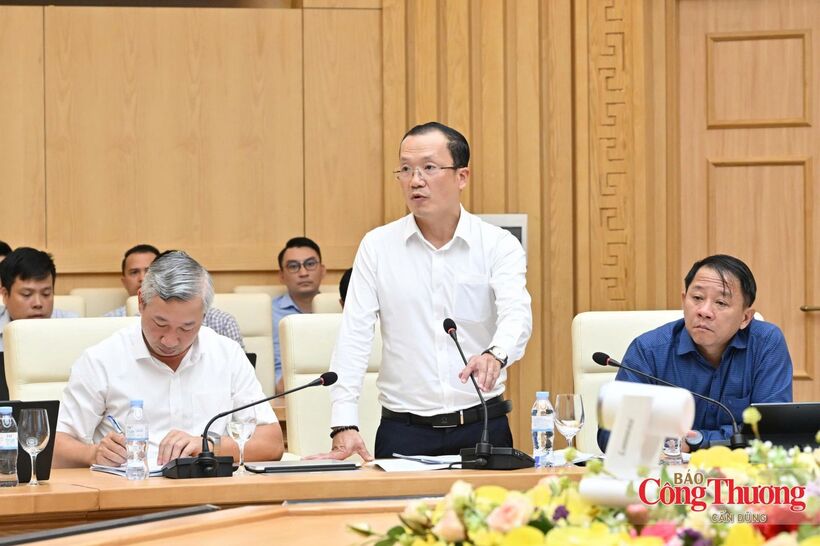
NSMO was assigned to take the lead, in coordination with units under the MoIT, EVN, NPT and power generation enterprises, to urgently update scenarios and solutions for operating the power system from now until the end of the year. Accordingly, alongside operating scenarios, NSMO must develop lists of risks that could arise, such as load growth, hydrological developments, coal and gas supply, and natural disasters including storms, while also clearly assigning responsibility for managing each risk group so as to proactively handle them.
Nguyen Duc Ninh, General Director of NSMO.
For energy groups, the Minister requested that EVN, Petrovietnam, TKV, the PetroVietnam Gas Corporation, the Dong Bac Corporation and related units ensure an adequate fuel supply for operating the power system and maintain the highest possible availability of generating units. The Minister assessed that coal and gas supplies are currently basically assured for power supply operations. For backup fuel sources such as DO, FO and other types of fuel, units need to proactively calculate and fully prepare according to operating scenarios so as to meet load demand and the power supply targets set out.
For investors in power plants and hydropower reservoirs, the Minister requested regular updates on hydrological developments and proactive coordination with localities in reservoir operation, so as to both optimize power generation and ensure the safety of structures and downstream areas.
The Minister assigned the Industrial Safety Techniques and Environment Agency to coordinate with localities in inspecting dam safety and preparing flood prevention and control plans, while also studying solutions to optimize reservoir capacity on the basis of ensuring power supply, structural safety and compliance with regulations.
The Minister requested that units managing and operating power plants review operation and maintenance solutions to ensure the highest possible availability factor of generating units. In addition, they need to inspect and fully supplement backup supplies, while strengthening connections and sharing experience among plants to improve operational efficiency and the ability to respond to incidents.
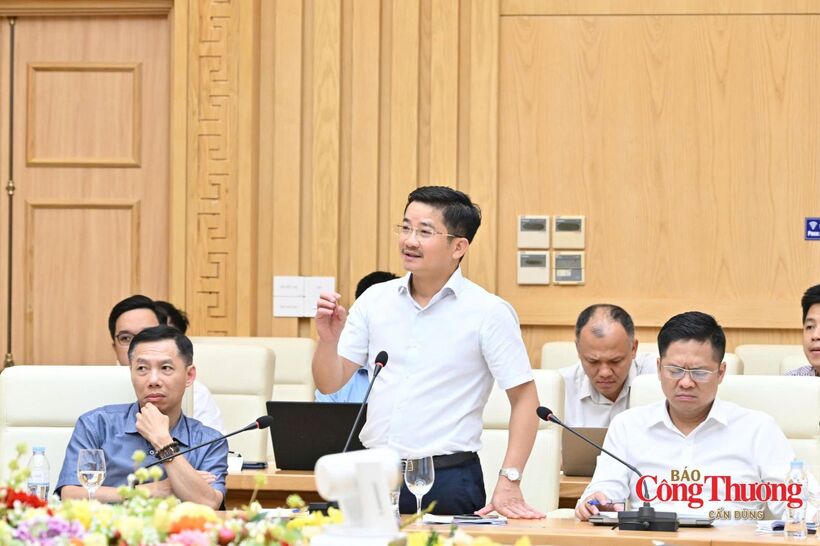
Nguyen Duc Cuong, Director of the Electricity Authority of Vietnam.
Accordingly, Minister Le Manh Hung assigned the Electricity Authority of Vietnam to take the lead in organizing at least two national workshops on operation and maintenance each year, creating a forum for major power plants and enterprises to share practical experience and lessons learned in operation and maintenance. The Minister also said that this model has been effectively implemented by many power generation units and needs to be expanded across the whole sector, especially as an increasing number of power plants from various economic sectors join the national power system.
Through this mechanism, the power sector will gradually build a database on high-quality technical human resources, operation and maintenance capacity, and the ability to localize backup supplies and technical services. This will serve as a basis for assessing market scale and attracting investment, while also enhancing the capacity of domestic enterprises to gradually master power plant operation, repair and maintenance services and reduce dependence on foreign contractors. Particular focus will be placed on developing and issuing a set of governance indicators for the power sector to serve state management work.
Continuing to improve mechanisms and remove difficulties for the energy sectorRegarding the transmission system, the Minister requested that EVN and EVNNPT review all bottlenecks in the power grid, clearly identify overloaded areas and areas lacking capacity, assess the need for installing compensation capacitors, and develop upgrade plans to ensure safe operation during the storm season. In particular, grid inspections must be stepped up, with full preparation of plans to respond to natural disasters affecting the grid's safety corridor.
Nguyen Anh Tuan, General Director of EVN.
Regarding ensuring the progress of power generation and grid projects, the Minister stressed the principle that power development must ensure a balance between generation, grid and load in each locality, region and nationwide, avoiding a situation in which generation sources are developed without transmission infrastructure to release their capacity.
The Minister requested that the Electricity Authority of Vietnam, in coordination with NSMO, complete the development of the 2027 power supply scenario as early as August 2026, so as to allow sufficient time to prepare fuel, power mobilization plans and operating solutions.
EVN was also asked to continue directing its member units, such as the National Power Transmission Corporation and the power corporations, to develop their 2027 plans based on 2026 performance results, in particular by taking advantage of the direct power purchase agreement mechanism and deploying solar power.
The Minister requested that, immediately after this meeting, the Electricity Authority of Vietnam coordinate with EVN to review and produce an overall report on transmission and distribution, so as to resolve, by all means, the mismatch between generation and transmission as well as load. At the same time, difficulties and obstacles at each level should be clarified in order to find solutions.
The Minister assigned Vietnam Electricity (EVN) to coordinate with the National Power System and Market Operator to review investment needs for reactive power compensation equipment and to enhance the system's transmission capacity, particularly to release capacity for baseload power plants, while continuing to promote projects for importing electricity from China and Laos.
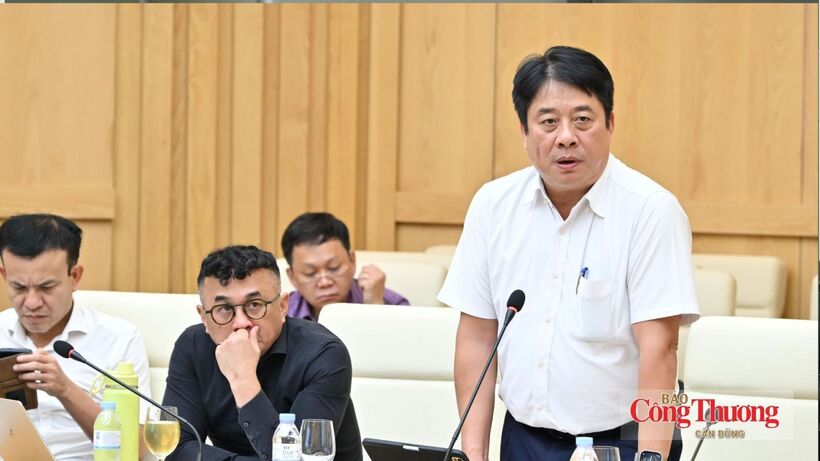
Trinh Van Thuan, Deputy Director of the Industrial Safety Techniques and Environment Agency
Regarding issues related to environmental safety, the Minister asked the Industrial Safety Techniques and Environment Agency to continue coordinating with the Ministry of Agriculture and Environment to finalize the MoIT's comments on amending 11 inter-reservoir operating procedures. In addition, conditions need to be standardized, and regulations on cooling water temperature for thermal power plants need to be developed and submitted for issuance, for application in emergency situations, ensuring power supply while complying with regulations.
Regarding the recommendations made by units at the conference, the Minister asked the Electricity Authority of Vietnam to compile the difficulties and obstacles faced by groups and enterprises in the electricity, coal and gas sectors for reporting to the Government for consideration and resolution, particularly issues related to coal mining licensing, reservoir operation mechanisms, environmental standards for thermal power plants, and investment in strategic transmission projects.
Hung Vuong Hospital held a ceremony to honor its Labor Hero title and launch the campaign “Supporting Women Throughout Their Lives,” marking a shift from its traditional image as an obstetrics and gynecology hospital toward a broader model of comprehensive, continuous women’s healthcare across different stages of life.
From an economy devastated by the 1945 famine, with exports virtually paralyzed, Vietnam has, over the past 81 years, emerged as one of the region’s leading trading nations, with total import-export turnover approaching the USD 1 trillion mark.
Viet Nam showcases distinctive export products in Yunnan, seeking to expand distribution networks and strengthen access to the Southwest Chinese market.
On the back of high political trust and economic complementarity, Vietnamese and Singaporean agencies, localities, and companies are expected to develop new cooperation models, products, and values that deliver practical benefits to both countries, said Minister of Foreign Affairs Le Hoai Trung.
From an economy devastated by the 1945 famine, with exports virtually paralyzed, Vietnam has, over the past 81 years, emerged as one of the region’s leading trading nations, with total import-export turnover approaching the USD 1 trillion mark.
A visit and fact-finding tour in Can Tho city by National Assembly Chairman Tran Thanh Man and President of the National Assembly of Côte d’Ivoire Patrick Achi has opened up opportunities for Vietnamese businesses to showcase their production and processing capabilities, expand markets and strengthen connectivity with Côte d’Ivoire.
NSMO is proactively preparing operating plans, strengthening on-call arrangements and coordinating with relevant units to ensure the national power system operates safely and reliably during Viet Nam’s National Day holiday from August 29 to September 2, 2026.
The Electricity Authority of Viet Nam (EAV), under the Ministry of Industry and Trade, and the Global Energy Alliance for People and Planet have recently signed a Memorandum of Understanding (MoU) to strengthen cooperation in supporting Vietnam’s energy transition.