From an economy devastated by the 1945 famine, with exports virtually paralyzed, Vietnam has, over the past 81 years, emerged as one of the region’s leading trading nations, with total import-export turnover approaching the USD 1 trillion mark.
From wartime trade routes to the global marketplace
Eight decades since the historic autumn of 1945, one of the most remarkable transformations in Vietnam’s development has been the fundamental change in its economy and its position in international trade.
In 1945, when the Democratic Republic of Vietnam was established, the economy faced enormous difficulties. Production had come to a standstill, state coffers were empty, and more than 2 million people had died in the famine. Export activity at the time, and for many years thereafter, was virtually nonexistent after decades of exploitation under colonial and fascist rule and the devastation caused by war. Although Vietnam was an agricultural country, it faced severe food shortages and even had to import food to meet urgent domestic needs.
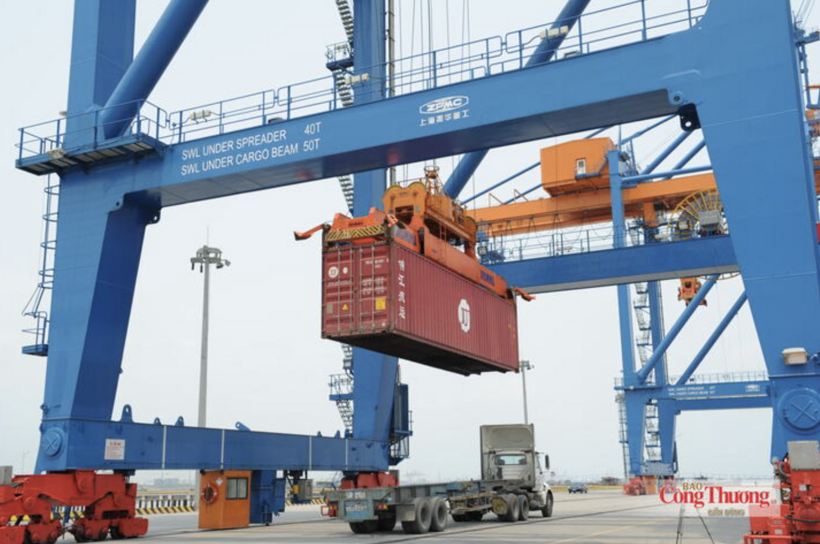
Import-export activities are a bright spot of the economy. Photo: Can Dung
Under such circumstances, the immediate priority was not to conquer international markets, but to ensure the survival of the economy and prevent production and the circulation of goods from being disrupted.
Vietnam’s industry and trade sector emerged under these extraordinary conditions. According to The History of Vietnam’s Industry and Trade Sector, 1945-2010, after the nationwide resistance war broke out in late 1946, the country was temporarily divided between free and occupied zones. The Ministry of Economy was relocated to the Viet Bac resistance base, while agencies responsible for industry, foreign trade and minerals were dispersed across various localities to maintain economic administration amid the intensifying war.
On May 14, 1951, the Government issued Decree No. 21-SL, renaming the Ministry of Economy as the Ministry of Industry and Trade, laying the foundation for a unified system of industrial and trade management.
From its earliest days, the Ministry of Industry and Trade was entrusted with strategically important responsibilities: managing industry, domestic and foreign trade; promoting industrial and agricultural production; organizing trade with foreign countries; stabilizing markets; and supporting the long-term resistance effort.
On the same day, the State Trading Department was established to organize domestic trade, conduct trade with foreign countries and wage an economic struggle against the enemy. A state-owned commercial network was rapidly established from inter-regional zones to provinces, becoming a vital artery for the circulation of goods during wartime.
Notably, most trade officials at the time had received little formal training in business or foreign trade. They learned their profession in the resistance bases, accompanying shipments across mountains and forests, driven by a commitment to the nation and the aspiration to build an independent economy.
Following the 1950 Border Victory, Vietnam opened trade routes with China and gradually established trade relations with socialist countries such as the Soviet Union. Although the scale of foreign trade remained small, these activities carried strategic significance, helping strengthen economic and defense capabilities and laying the groundwork for export development in subsequent periods.
The first trade routes opened amid the smoke of war became the building blocks for Vietnam’s later journey toward international economic integration.
From the goal of “having enough to eat and wear” to a nearly USD 1 trillion trading economy
For decades after the war, one of Vietnam’s major economic goals remained ensuring that people had “enough to eat and enough to wear.” However, alongside the Doi Moi reform process and international integration, thinking about markets, production and exports gradually changed.
The Ministry of Industry and Trade became a key force in opening markets, promoting production, developing exports and integrating Vietnamese goods more deeply into global supply chains.
According to Nguyen Anh Son, Director General of Agency for Foreign Trade (under MoIT), Vietnam’s total import-export turnover was only around USD 100 billion in 2009. By 2025, it had risen to USD 930.05 billion, the highest level ever recorded.
Behind the USD 930.05 billion figure lies an impressive growth trajectory. Vietnam surpassed USD 200 billion in 2011, USD 300 billion in 2015, USD 500 billion in less than a decade, and USD 900 billion by the end of 2025.
In 2025, total import-export turnover reached USD 930.05 billion, representing average annual growth of 11.3%. The country maintained a trade surplus, while the composition of exports shifted in a positive direction: the share of processed and manufactured industrial products continued to increase, while exports of raw materials gradually declined.
The momentum has continued into 2026. In the first seven months of the year, total import-export turnover reached USD 659.58 billion, up 28.1% year on year, while exports stood at USD 319.53 billion, up 21.7%. As many as 31 product categories recorded export turnover of more than US$1 billion, accounting for 93% of total exports. These figures do more than reflect the expansion of trade in scale. They also signal the profound transformation of Vietnam’s economy through its opening-up and integration process.
Where Vietnam once relied heavily on exports of raw agricultural commodities, its export structure has now changed markedly. Processed and manufactured industrial products, including electronics, machinery, textiles and garments, footwear, wood and wooden products, have recorded sustained growth and become key export categories.
The scale and diversity of Vietnam’s export economy are also reflected in the number of high-value product categories. From just 10 product categories with export turnover exceeding USD 1 billion in 2007, the figure had risen to 36 by 2025. Meanwhile, the number of export markets with turnover exceeding US$1 billion had reached 35.
An economy that once faced famine, severe food shortages and virtually no significant export activity has gradually built a production system oriented toward global markets, with Vietnamese goods reaching numerous international markets and becoming part of global supply chains.
Throughout this journey, the role of the Ministry of Industry and Trade has been reflected in expanding markets, promoting economic integration, implementing next-generation free trade agreements, strengthening trade promotion, reforming administrative procedures and helping businesses enhance their competitiveness.
Another particularly meaningful example comes from agriculture. According to agricultural expert Hoang Trong Thuy, from a country that was devastated by the 1945 famine, Vietnam has now become one of the world’s leading rice exporters. In 2025, rice exports reached more than 8.06 million tonnes, generating over USD 4.1 billion. According to the Ministry of Agriculture and Environment, Vietnam earned nearly USD 253 million from rice exports in July 2026. In the first seven months, export turnover reached nearly USD 2.64 billion, down 6.7% year on year, while export volume stood at nearly 5.5 million tonnes.
From rice to electronics, machinery, textiles and garments, footwear, wood and numerous other manufactured products, Vietnam’s export landscape today is vastly different from that of the early years of independence. More importantly, export performance is no longer dependent on a handful of individual products. Vietnam has gradually developed a diversified export economy spanning multiple industries and markets, with an increasingly strong capacity to adapt to shifts in the global economy.
For the 2026-2030 period, Vietnam has set a target of achieving annual export growth of 15-16%, thereby contributing to the realization of its goal of double-digit GDP growth.
This is an ambitious target that requires not only maintaining quantitative growth but also improving the quality and value of exports. Developing markets, strengthening business competitiveness and effectively leveraging free trade agreements will remain key priorities.
Nguyen Anh Son said that in the coming period, the Ministry of Industry and Trade aims to strengthen market forecasting capabilities, diversify export markets and make more effective use of free trade agreements (FTAs). In particular, sustainable export development will be placed at the forefront.
From shipments crossing mountains and forests through wartime resistance bases to containers of electronics, machinery, agricultural products and textiles reaching dozens of markets around the world, Vietnam’s 81-year economic journey has been one of overcoming seemingly insurmountable limitations.
Record-breaking import-export figures are milestones in a transformation that has taken the country from worrying about every meal and every shipment during wartime to participating in global markets and gradually strengthening its position in the flow of international trade.
During 2026-2030, Vietnam aims to achieve annual export growth of 15-16%, contributing to its goal of double-digit GDP growth. The Ministry of Industry and Trade is focusing on strengthening market forecasting, diversifying export markets, making effective use of FTAs and placing sustainable export development at the forefront.
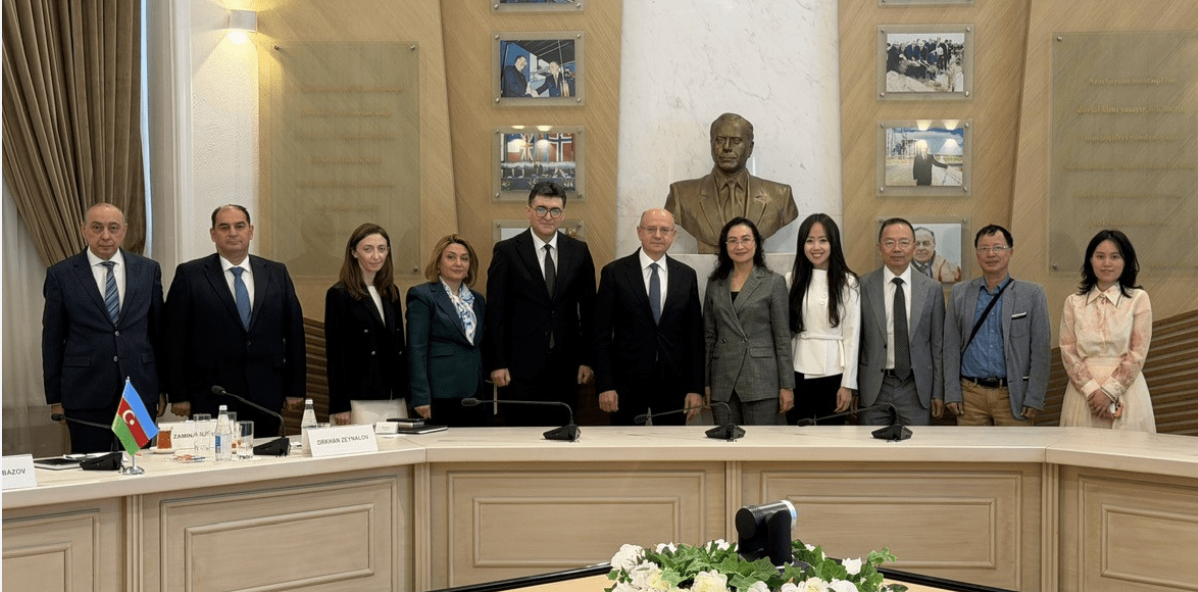
Deputy Minister Phan Thi Thang holds talks with Azerbaijan’s Minister of Energy to advance the bilateral trade and investment and expand cooperation in oil, gas, and LNG.
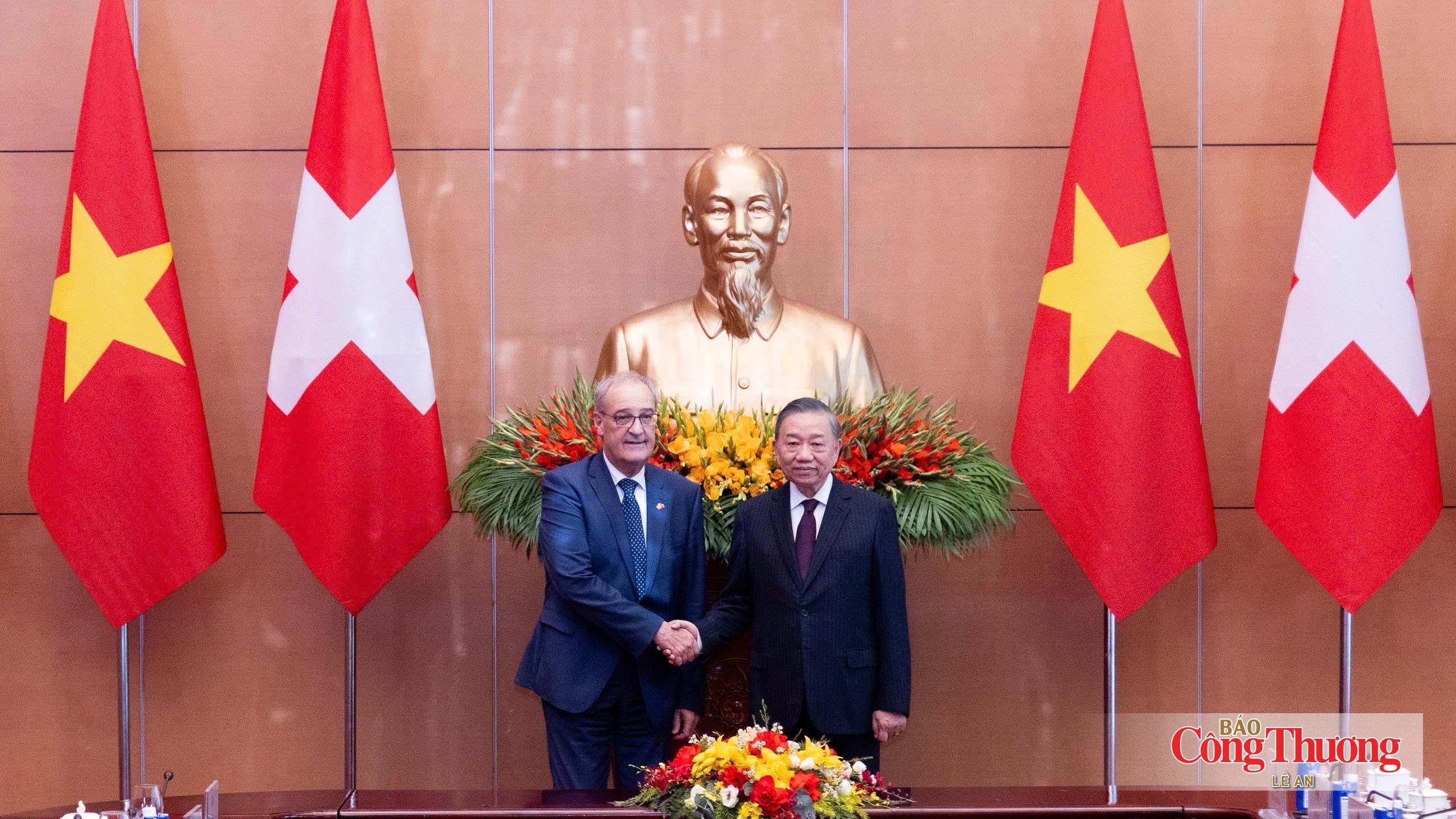
Viet Nam attaches great importance to its Comprehensive Partnership with Switzerland and wishes to continue working alongside the country to promote shared development and contribute to peace, stability and development in the region.
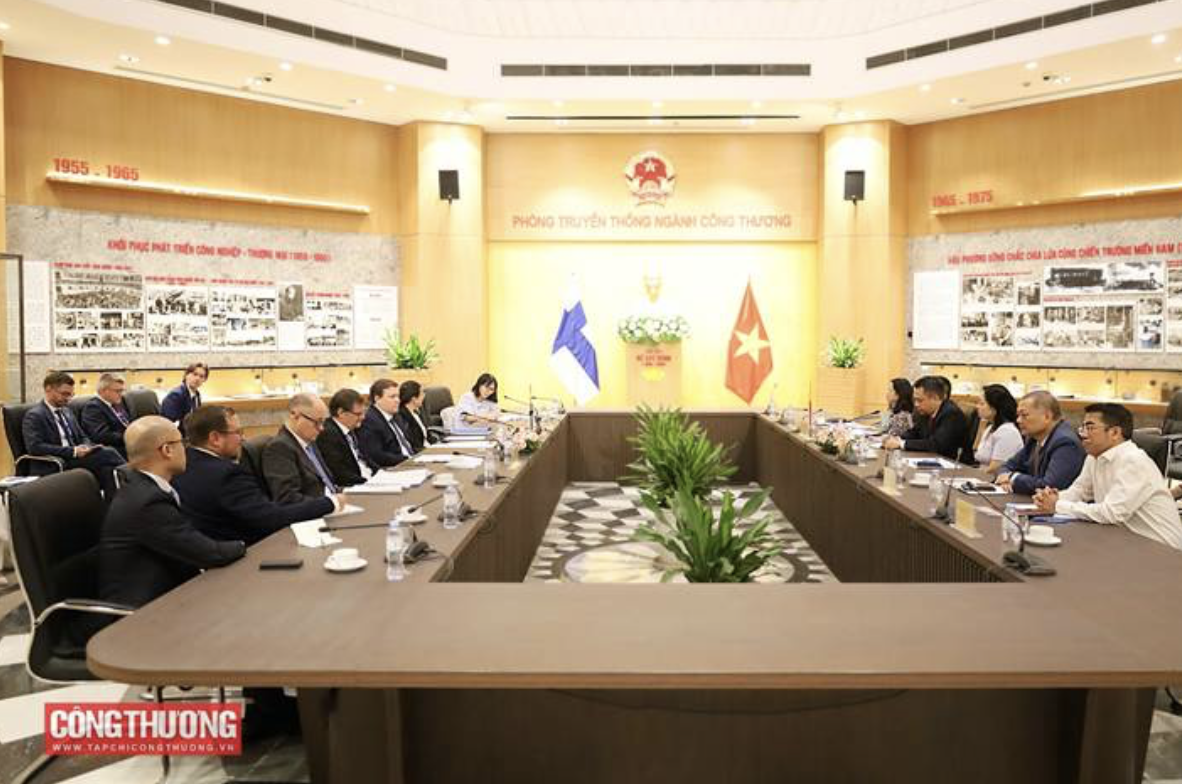
Norwegian representatives expect tariff preferences under the Viet Nam – EFTA Free Trade Agreement (FTA) to help lower the price of Norwegian salmon, making the product more accessible to Vietnamese consumers.
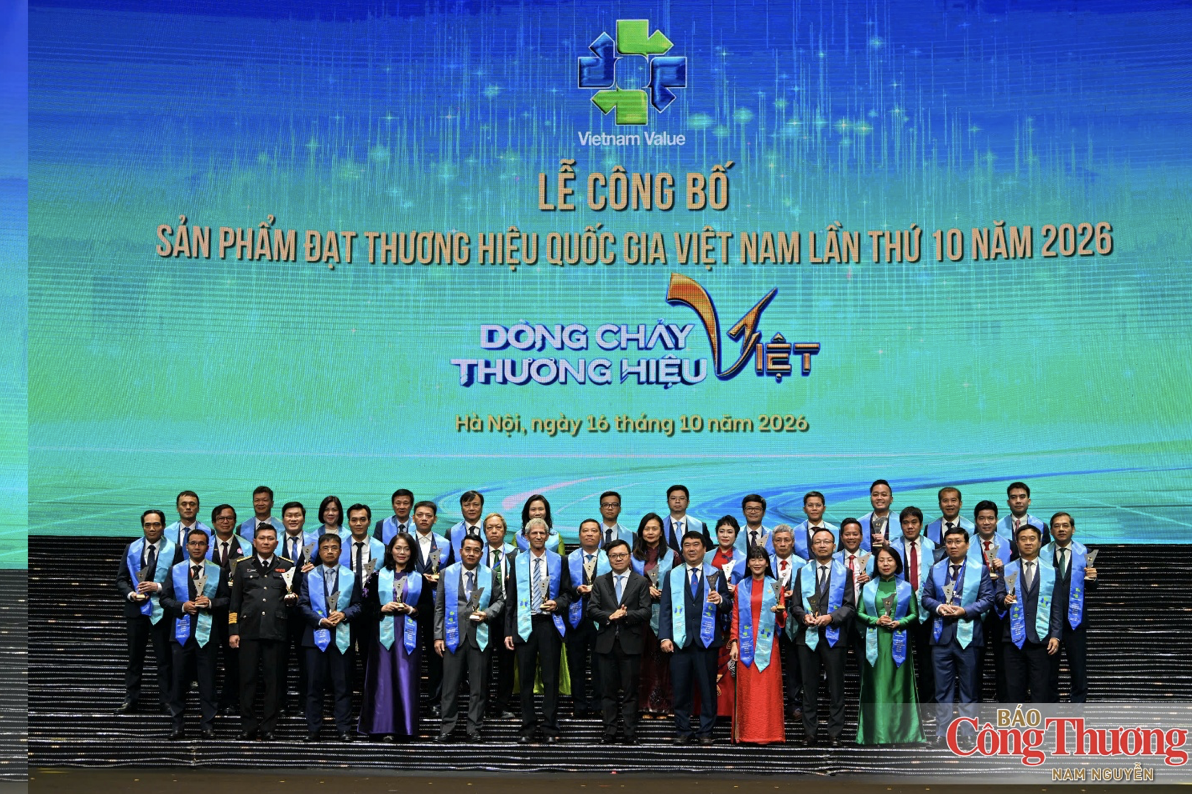
The Ministry of Industry and Trade honored 499 products and services from 227 businesses at the 10th Viet Nam National Brand announcement ceremony for 2026.
Deputy Minister Phan Thi Thang holds talks with Azerbaijan’s Minister of Energy to advance the bilateral trade and investment and expand cooperation in oil, gas, and LNG.
Viet Nam attaches great importance to its Comprehensive Partnership with Switzerland and wishes to continue working alongside the country to promote shared development and contribute to peace, stability and development in the region.
Norwegian representatives expect tariff preferences under the Viet Nam – EFTA Free Trade Agreement (FTA) to help lower the price of Norwegian salmon, making the product more accessible to Vietnamese consumers.
The Ministry of Industry and Trade honored 499 products and services from 227 businesses at the 10th Viet Nam National Brand announcement ceremony for 2026.