The Electricity Authority of Viet Nam (EAV), under the Ministry of Industry and Trade, and the Global Energy Alliance for People and Planet have recently signed a Memorandum of Understanding (MoU) to strengthen cooperation in supporting Vietnam’s energy transition.
The agreement reaffirms the two sides’ shared commitment to promoting renewable energy, modernizing the power system and strengthening the technical capacity needed to build a more sustainable and resilient energy future.
The Electricity Authority of Viet Nam (EAV) and the Global Energy Alliance for People and Planet have signed an MoU to strengthen cooperation on Vietnam’s energy transition.
Addressing grid bottlenecks and record peak demand
The MoU was signed as Vietnam’s electricity demand continues to reach unprecedented peaks, with the latest national power system consumption capacity surpassing 58,000 MW during the heatwave in late June 2026. The sharp increase in cooling demand has placed unprecedented pressure on existing power grid infrastructure.
Although Vietnam has significantly expanded its renewable energy capacity in recent years, transmission constraints have led to localized grid congestion. As a result, the power system may have to curtail solar and wind generation during periods of strong output, while facing greater pressure on electricity supply during evening peak-demand hours.
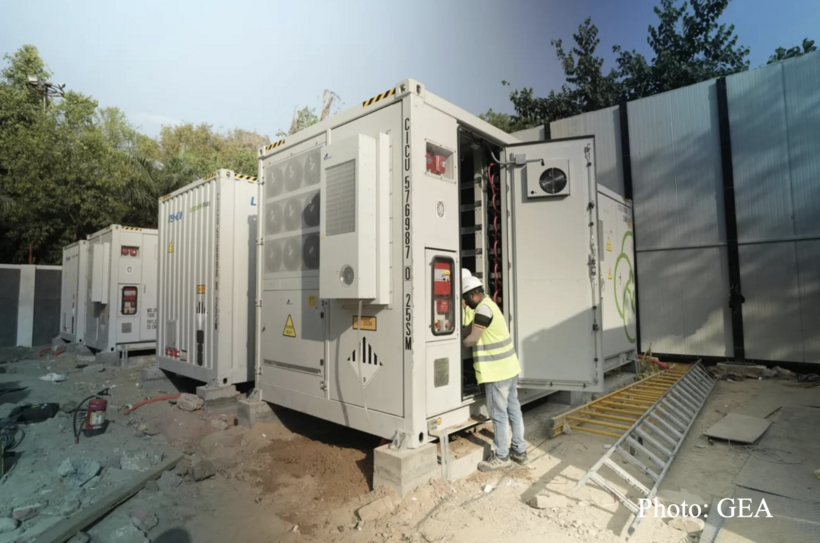
Addressing infrastructure constraints through grid modernization and investment in energy storage is therefore not only essential to achieving long-term climate goals but also an urgent technical solution to ensuring national energy security, particularly during the peak months of the dry season. Flexible resources such as battery energy storage systems (BESS) can store surplus renewable energy generated during the day and discharge it to the grid during peak hours, thereby optimizing resources, alleviating grid congestion and maintaining overall system stability.
The MoU establishes a framework for cooperation through technical assistance, knowledge exchange, research and capacity building. Building on the existing relationship between the two sides, the agreement reflects their shared determination to support Vietnam’s clean energy priorities while contributing to the goals of strengthening energy security, scaling up renewable energy and achieving net-zero emissions by 2050.
Targeting 16.3 GW of battery storage and grid digitalization
Under the MoU, GEA and the Vietnam Electricity Authority will jointly explore opportunities for cooperation in several strategic areas that are critical to Vietnam’s transforming energy sector. These include supporting a just and inclusive energy transition; promoting the development of battery energy storage systems (BESS) to help achieve the target of up to 16.3 GW of storage capacity by 2030 under the revised Power Development Plan VIII, while creating a flexible grid foundation for the implementation of the Direct Power Purchase Agreement (DPPA) mechanism; accelerating grid modernization and digitalization; speeding up renewable energy integration; and strengthening institutional and technical capacity through knowledge exchange and cooperation.
In addition to BESS development, the application of artificial intelligence (AI) and digital technologies has also become a core component of grid modernization strategies in other emerging economies across Asia. AI-powered analytics platforms can enable real-time load forecasting, optimize energy dispatch from battery energy storage systems and proactively identify transmission bottlenecks. According to the International Renewable Energy Agency (IRENA), AI algorithms can reduce renewable energy demand forecasting errors by up to 45%, while shortening the duration of power grid disruptions by 30-50%.
A notable example from GEAPP’s digitalization investment portfolio is the Energy Transition Innovation (ENTICE) programme in India. Through the programme, the Alliance supported the development of an AI-powered hyperlocal demand forecasting platform for power distribution companies. Combined with the deployment of a pioneering utility-scale BESS in New Delhi, the technology solution directly improved the reliability of electricity supply for more than 100,000 people. Lessons from applying AI to real-world grid dispatch operations will provide an important reference for technical assistance efforts in Vietnam.
“Vietnam’s energy transition requires close cooperation among the Government, organizations and development partners to ensure that the country can continue to meet its growing energy demand while achieving its clean energy goals,” said Tang The Hung, Deputy Director General of Electricity Authority.
The cooperation brings together the complementary strengths of the two organizations. As the government agency responsible for advising the Ministry of Industry and Trade on the management and development of Vietnam’s electricity sector, the Vietnam Electricity Authority plays a central role in developing policies and technical solutions to support renewable energy development, electricity market reform and energy security. GEAPP contributes international experience in advancing a just energy transition through technical assistance, international partnerships and knowledge sharing across emerging and developing economies.
“As one of Southeast Asia’s leaders in renewable energy development, Vietnam’s progress in integrating energy storage and operating smart grids through this agreement will provide an important reference model for the energy transition across the region,” said Woochong Um, CEO of the Global Energy Alliance for People and Planet.
“Our partnership with the Vietnam Electricity Authority reflects the spirit of cooperation needed to meet growing electricity demand while advancing the country’s net-zero ambitions. Building the grid of the future by strengthening infrastructure, developing resilient battery storage systems and accelerating grid digitalization will be essential to creating a more reliable, future-ready power system. We look forward to working with the Vietnam Electricity Authority to translate this framework into tangible progress on the ground, helping build a cleaner and more resilient energy future for Vietnam,” he added.
The MoU provides a non-binding framework for future cooperation. Individual initiatives will be developed separately in accordance with the functions and responsibilities of each organization and Vietnam’s prevailing laws and regulations. The agreement also reaffirms the two sides’ commitment to maintaining an open platform for dialogue and technical cooperation as Vietnam continues to accelerate its energy transition.
Through continued cooperation in technical assistance, capacity building and knowledge exchange, GEAPP and the Vietnam Electricity Authority aim to strengthen the foundations for a cleaner, more resilient and inclusive energy system, supporting Vietnam’s long-term economic development while contributing to the country’s climate commitments.
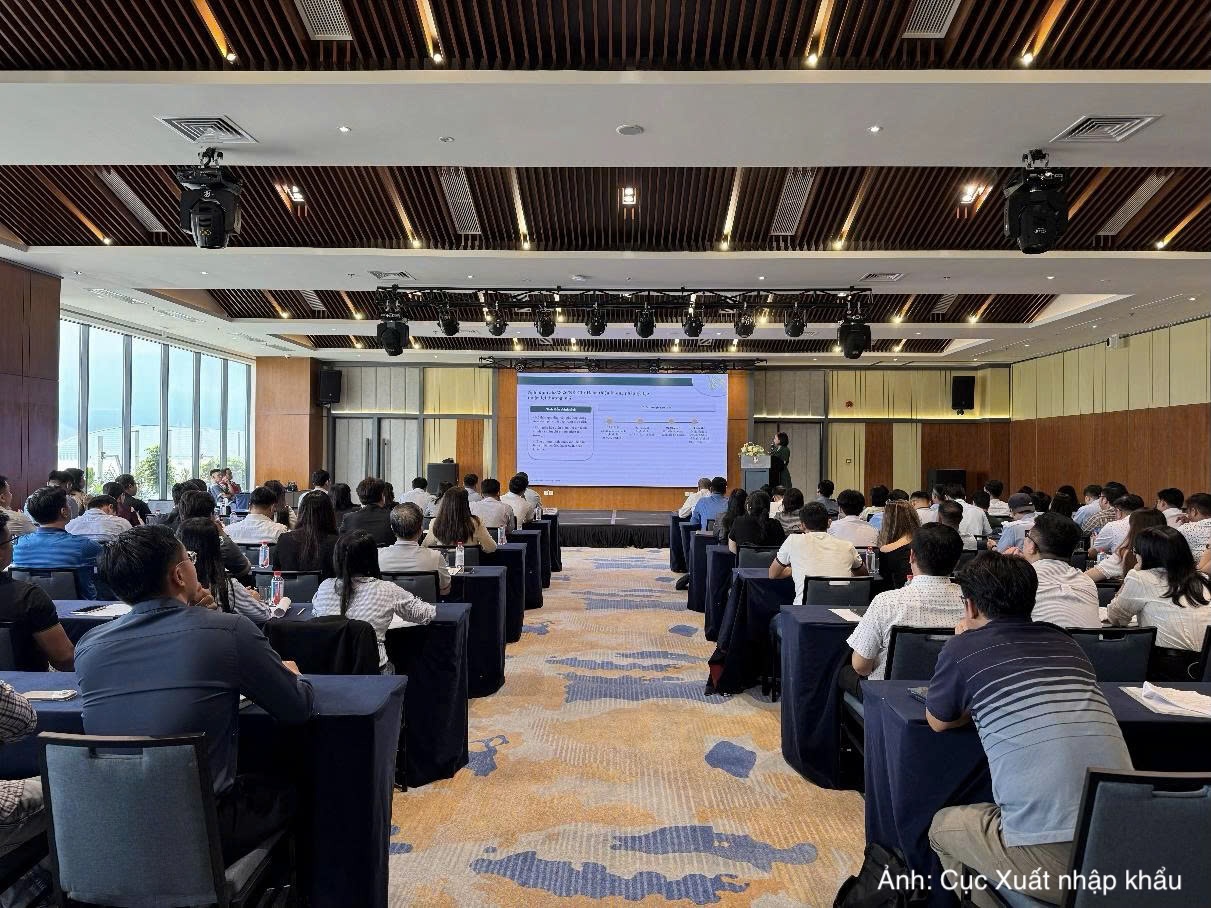
On October 13, the Agency of Foreign Trade under the Ministry of Industry and Trade (MoIT) held a conference in Dong Thap province to disseminate Government Decree No.365/2026/ND-CP dated September 23, 2026, on rice export and import business, and Circular No.65/2026/TT-BCT dated October 1, 2026, issued by the Minister of Industry and Trade, detailing certain provisions and measures for implementing Decree No.365/2026/ND-CP.
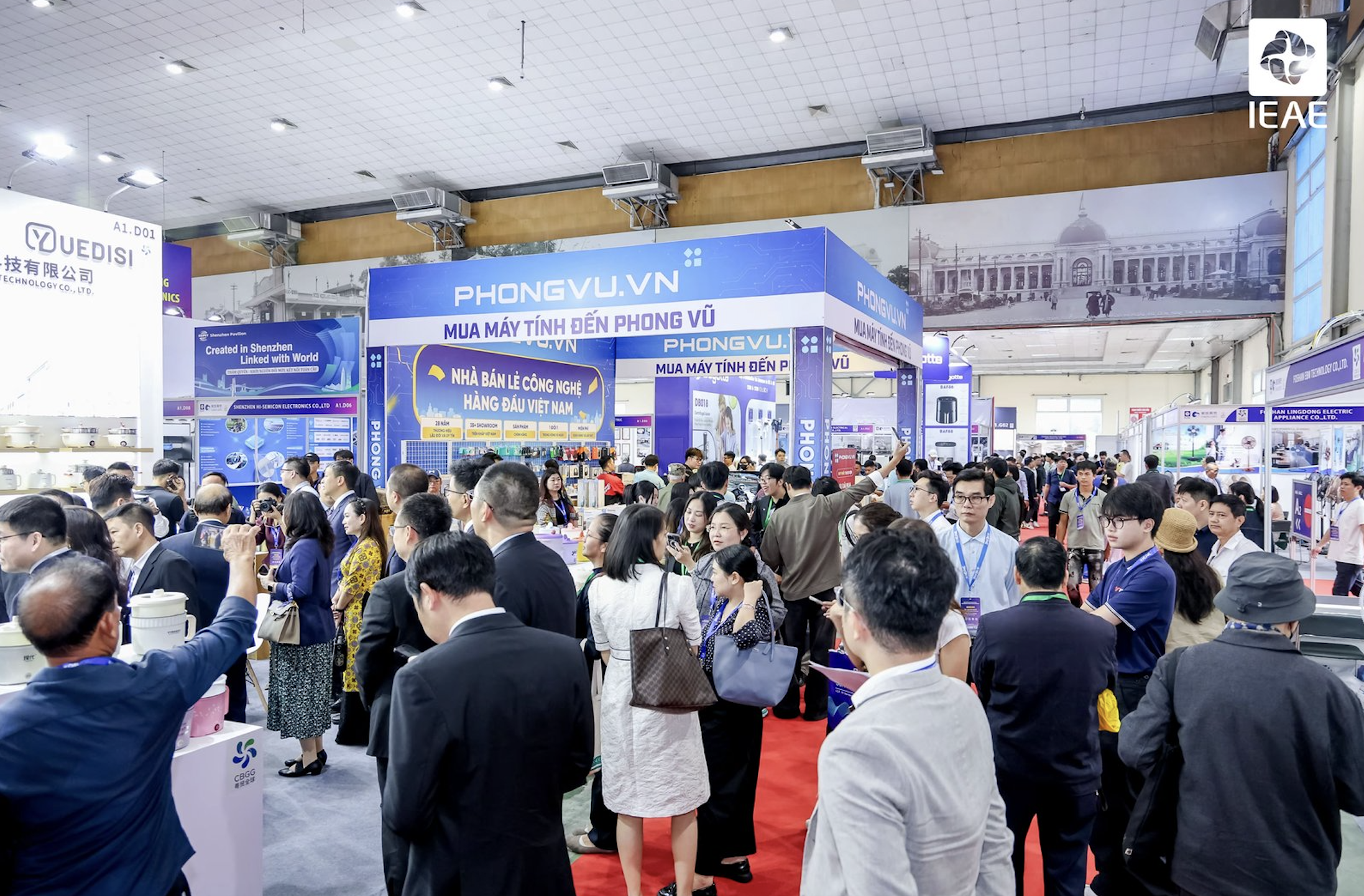
IEAE Hanoi 2026 will gather over 300 exhibitors, showcasing electronics, smart appliances and connecting businesses with sourcing and trade opportunities in Vietnam.
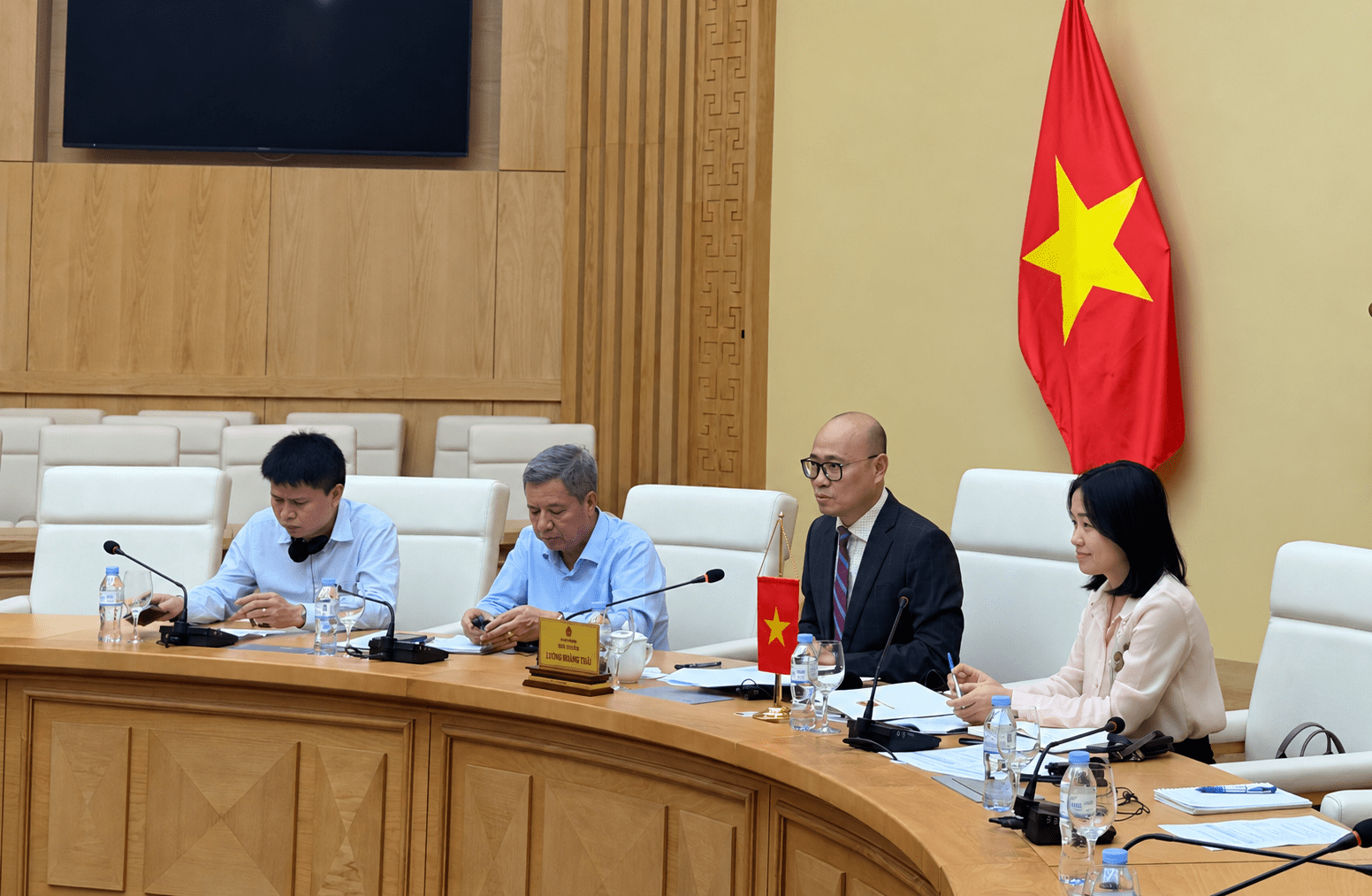
On October 13, Deputy Minister of Industry and Trade Luong Hoang Thai held a working session with MEDEF International, a French business organization, and representatives of French corporations operating in various sectors, including energy, industry, transport, construction and infrastructure development, food and beverages, and services, at the Ministry of Industry and Trade's headquarters.
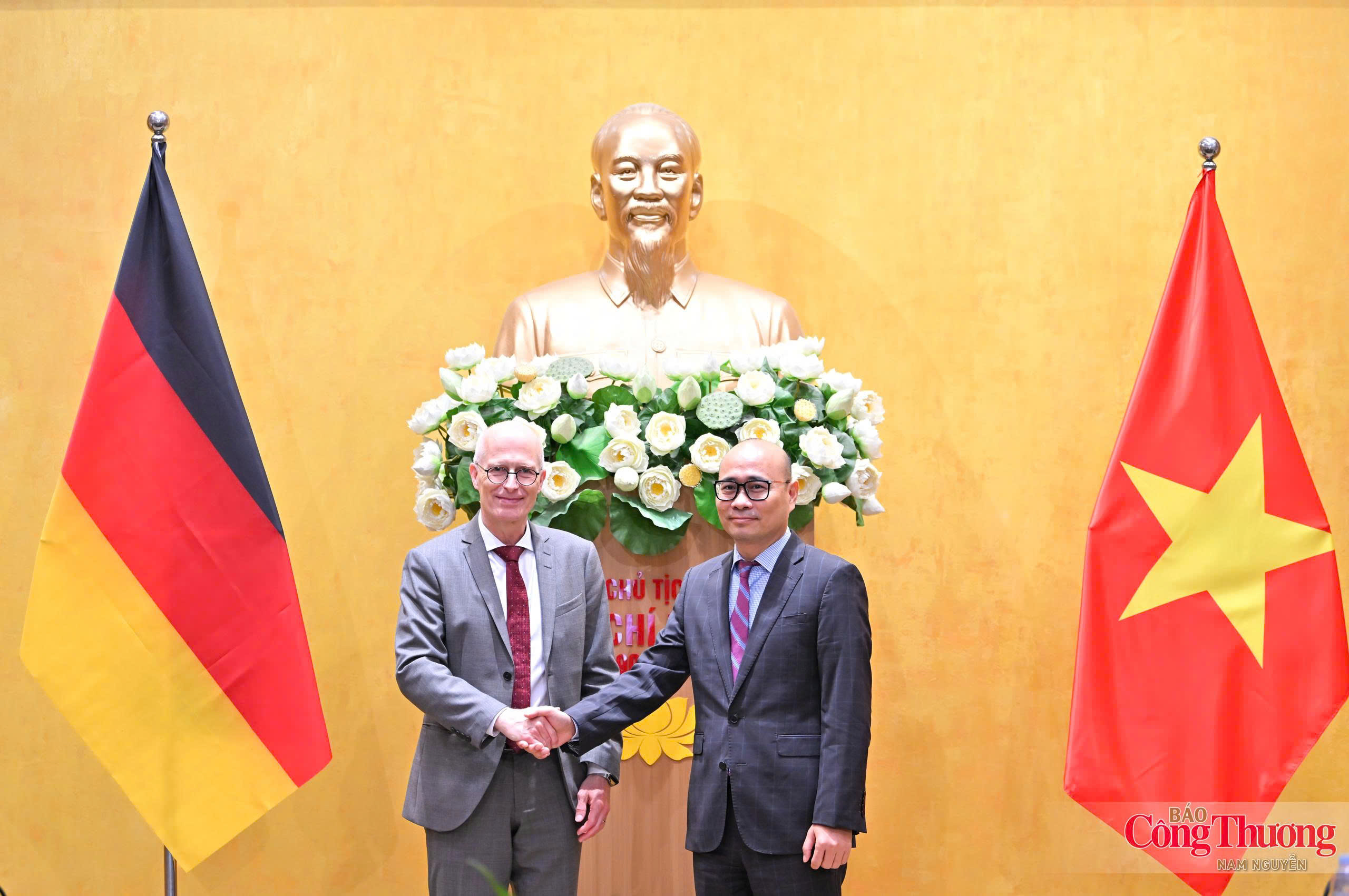
On October 14, Deputy Minister of Industry and Trade Luong Hoang Thai received and held a working session with a delegation from Hamburg, Germany, led by the city's First Mayor Peter Tschentscher at the Ministry of Industry and Trade's headquarters.
The Copyright Office is working closely with relevant agencies to develop plans for inspections and enforcement action against copyright and related rights infringements in the digital environment.
On October 13, the Agency of Foreign Trade under the Ministry of Industry and Trade (MoIT) held a conference in Dong Thap province to disseminate Government Decree No.365/2026/ND-CP dated September 23, 2026, on rice export and import business, and Circular No.65/2026/TT-BCT dated October 1, 2026, issued by the Minister of Industry and Trade, detailing certain provisions and measures for implementing Decree No.365/2026/ND-CP.
On October 13, Deputy Minister of Industry and Trade Luong Hoang Thai held a working session with MEDEF International, a French business organization, and representatives of French corporations operating in various sectors, including energy, industry, transport, construction and infrastructure development, food and beverages, and services, at the Ministry of Industry and Trade's headquarters.
On October 14, Deputy Minister of Industry and Trade Luong Hoang Thai received and held a working session with a delegation from Hamburg, Germany, led by the city's First Mayor Peter Tschentscher at the Ministry of Industry and Trade's headquarters.
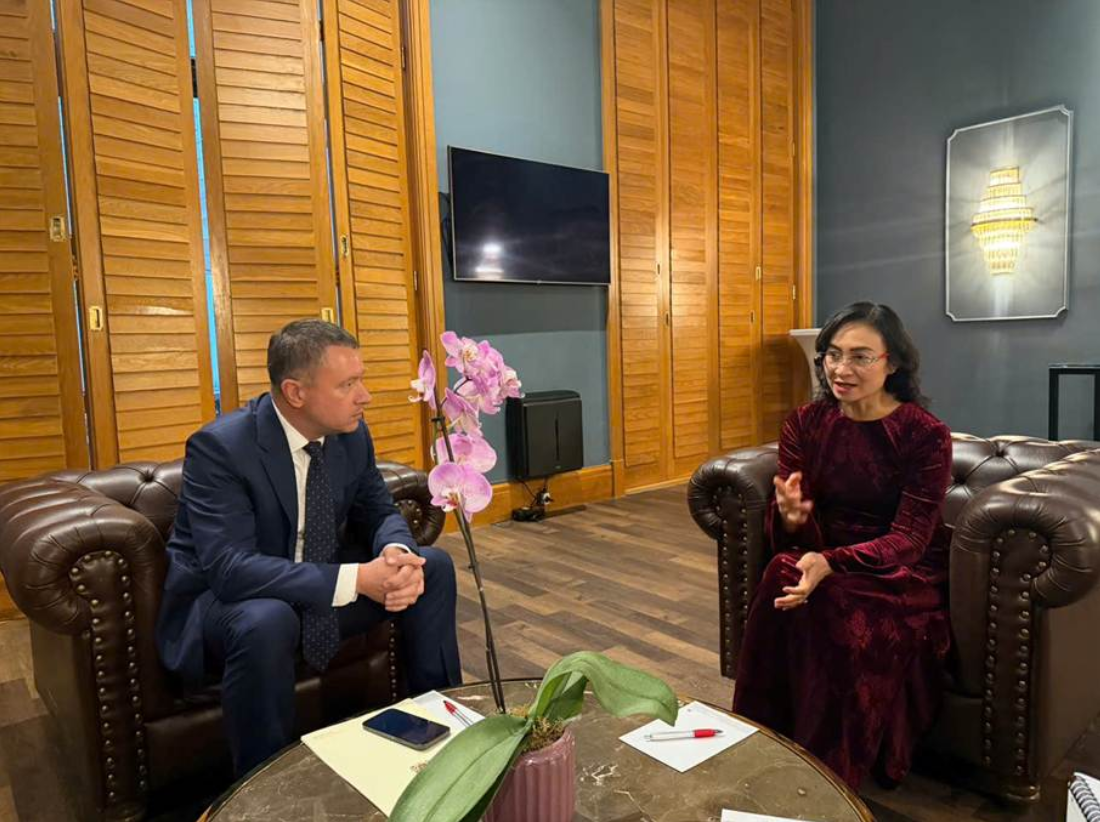
On October 12, in Tbilisi, Deputy Minister of Industry and Trade Phan Thi Thang held talks with Irakli Nadareishvili, Deputy Minister of Economy and Sustainable Development of Georgia, and attended and addressed the Viet Nam-Georgia Business Forum as part of Vice President Vo Thi Anh Xuan's official visit to Georgia.
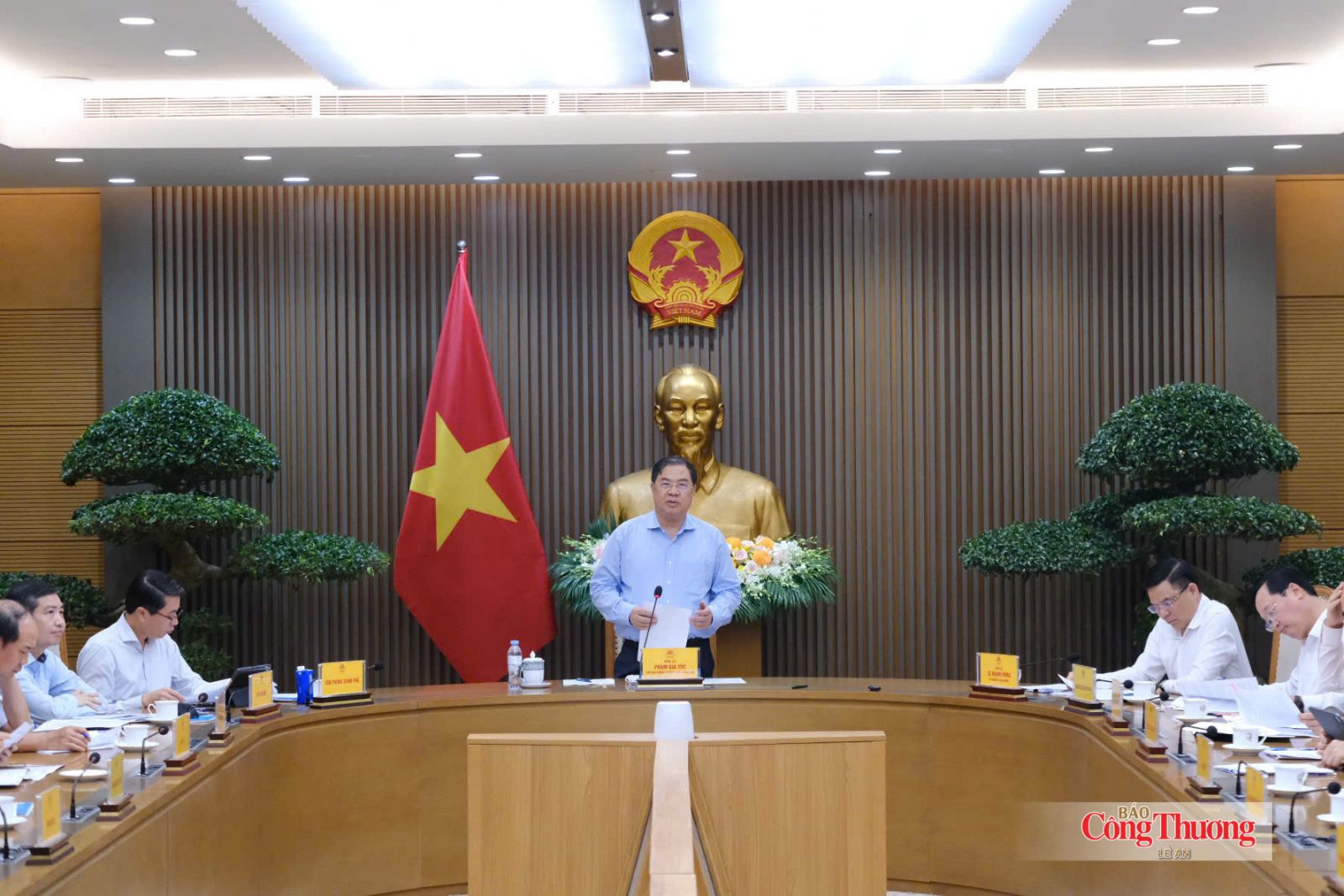
On October 13, the Interagency Working Group on Foreign Affairs and International Integration in the Fields of Economy, Science and Technology held its inaugural meeting at the headquarters of the Office of the Government. The meeting was chaired by Pham Gia Tuc, Politburo member, Standing Deputy Prime Minister and Head of the Interagency Working Group.