Just energy transition is a strategic solution for fulfilling Vietnam's commitment to achieving net-zero emissions by 2050.
Growing energy demand
At the “World Energy and Environment - Vietnam 2026” Forum, held by the Vietnam Chamber of Commerce and Industry (VCCI) on July 8, Deputy Minister of Industry and Trade Nguyen Hoang Long said that during London Climate Action Week in June 2023, the UN Secretary-General warned that the world is facing two crises rooted in fossil fuels: the climate crisis and the energy crisis.
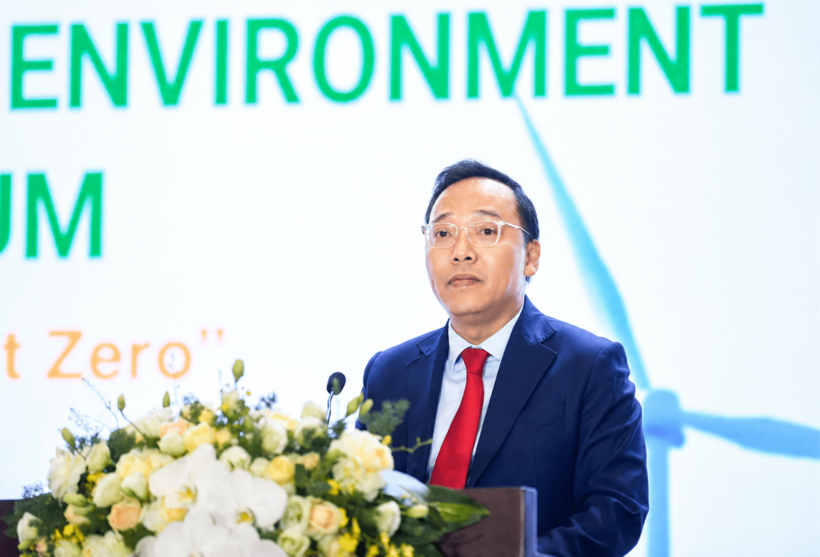
Deputy Minister of Industry and Trade Nguyen Hoang Long delivers remarks at the forum.
Accordingly, the only way forward is to rapidly and fairly transition to clean energy while strengthening resilience and climate justice for the communities most severely affected. For Vietnam, Deputy Minister Nguyen Hoang Long said: “A just energy transition is not only an inevitable requirement but also a strategic solution for fulfilling the country’s commitment to achieving net-zero emissions by 2050, as announced at COP26."
In reality, Vietnam has been a net energy importer since 2015. The share of imported energy increased from 8.4% in 2015 to 43.9% in 2025 and is projected to remain high for many decades. Meanwhile, energy demand continues to rise sharply to support socio-economic development. Commercial electricity consumption alone is expected to increase by 74-94% by 2030 compared to 2025, rising from 288 billion kWh in 2025 to between 500.4 billion kWh and 557.8 billion kWh by 2030.
At the same time, Vietnam’s energy sector has become increasingly vulnerable to external shocks. The recent crisis in the Middle East pushed up domestic gasoline and oil prices, contributing to a 5.6% year-on-year increase in the Consumer Price Index (CPI) in May 2026, the highest level recorded since 2022.
The Deputy Minister also noted that the energy sector is central to achieving the net-zero target, accounting for 66% of total greenhouse gas emissions in 2020. Under the business-as-usual scenario without transition measures, this figure could rise to 73% by 2030. Against the backdrop of the 14th National Party Congress setting an average GDP growth target of at least 10% per year during the 2026 - 2030 period, ensuring national energy security while reducing emissions presents a significant challenge.
Meanwhile, renewable energy sources such as wind and solar power have yet to be fully exploited due to limitations in the transmission grid, energy storage systems and baseload power capacity. These are critical gaps that require greater investment and international cooperation.
Improving policies for energy development
According to Deputy Minister Nguyen Hoang Long, in December 2023, Vietnam and the International Partners Group (IPG) adopted the Political Declaration establishing the Just Energy Transition Partnership (JETP). This marked a breakthrough step, enabling Vietnam to mobilize international resources, improve the investment environment, accelerate the decarbonization of the power sector and create new economic opportunities to support the country’s transition toward a net-zero future.
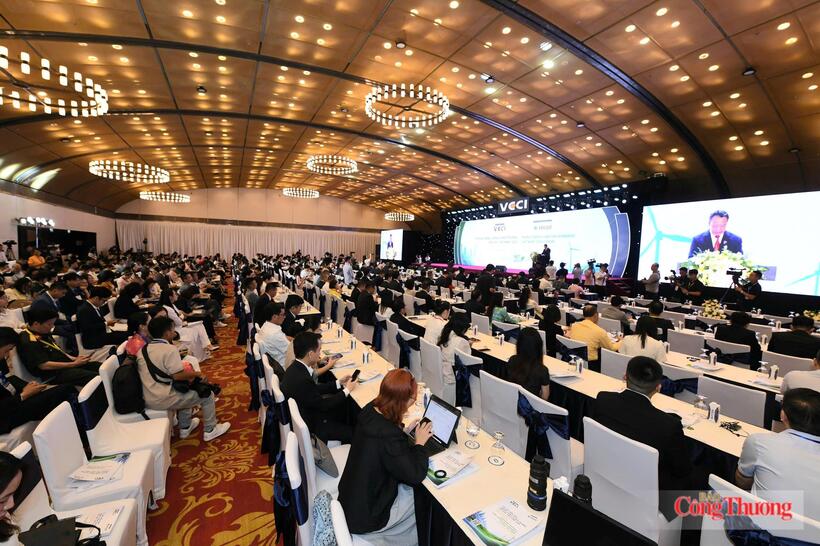
Overview of “World Energy and Environment - Vietnam 2026” Forum.
The Project on implementing the JETP Political Declaration was approved by the Prime Minister under Decision No.1009/QD-TTg in 2023 and updated under Decision No.458/QD-TTg dated March 20, 2026. Both the original and updated JETP implementation plans closely follow the Political Declaration while assigning specific responsibilities to ministries and agencies.
The updated implementation plan has also been revised to align with the Politburo’s Resolution No.70-NQ/TW dated August 20, 2025 on ensuring national energy security through 2030 with a vision to 2045, as well as energy strategies, plans and development planning documents issued since 2024 and Vietnam’s new organizational structure following the restructuring of the state apparatus under resolutions of the National Assembly.
The JETP Secretariat was established under Decision No.845/QD-TTg dated July 14, 2023 by the Prime Minister. Since October 2024, the Ministry of Industry and Trade has served as the standing agency of the Secretariat. The implementation of the JETP is under the overall direction of the National Steering Committee for implementing Vietnam’s commitments made at COP26.
Deputy Minister Nguyen Hoang Long said that since adopting the JETP Political Declaration, Vietnam has developed, revised and supplemented a series of important policies and mechanisms to facilitate the mobilization of domestic and international resources for energy development. Key documents, including the Politburo’s Resolution No.70-NQ/TW, the revised Electricity Law, the National Assembly’s Resolution No.253/2025/QH15, the revised Power Development Plan VIII and Decree No.242/2025/ND-CP on ODA management, have helped create more favorable conditions for investment in the energy transition while removing many barriers to attracting international resources.
According to the Deputy Minister, these policy improvements have been carried out entirely based on Vietnam’s own development priorities and the country’s needs in the new development period. At the same time, they have enabled Vietnam to fulfill its international commitments under the JETP framework. The continued effective implementation of the JETP was reaffirmed in the Politburo’s Resolution No.70-NQ/TW dated August 20, 2025 on ensuring national energy security through 2030 with a vision to 2045.
Deputy Minister Nguyen Hoang Long assessed that the country’s energy strategies, policies and mechanisms have created a favorable investment environment for energy development in Vietnam. However, he acknowledged that the mobilization of international resources for energy transition projects has yet to keep pace with Vietnam’s efforts to improve its energy policy framework.
To date, Vietnam and its partners have identified 50 investment projects eligible under the JETP framework, requiring more than USD 11 billion in financing. However, only three projects have successfully mobilized nearly USD 800 million in JETP financing so far. These include the Ho Chi Minh City-Binh Duong power transmission line project (USD 78 million), the Tri An Hydropower Plant expansion project (USD 79 million) and the Bac Ai pumped-storage hydropower project (USD 565 million). The slow pace of resource mobilization for the JETP in Vietnam is expected to improve following substantial efforts made by the Ministry of Industry and Trade, other ministries and agencies, as well as the IPG, the Glasgow Financial Alliance for Net Zero (GFANZ) and international partners in recent months.
During the 2026-2030 period, implementing the revised Power Development Plan VIII will require total investment of USD 136.3 billion for power generation and transmission infrastructure, including USD 118.2 billion for power generation projects and USD 18.1 billion for transmission grid development. In this regard, the Ministry of Industry and Trade and other ministries’ efforts to formulate policies for mobilizing JETP resources are considered essential in creating favorable conditions for domestic and foreign organizations, individuals, enterprises, international financial institutions and development partners to invest in Vietnam’s energy sector.
Deputy Minister Nguyen Hoang Long stressed that the climate and energy crises are pressing challenges directly affecting Vietnam. The Ministry of Industry and Trade will continue working closely with relevant ministries and agencies to improve the institutional framework and create the most favorable conditions for businesses and international partners investing in the energy transition. In this process, the ministry hopes to continue receiving support and cooperation from the international community, financial institutions, enterprises and organizations at home and abroad to jointly ensure energy security, reduce emissions and move toward achieving net-zero emissions by 2050.
The “World Energy and Environment Forum - Vietnam 2026,” under the theme “Vietnam translates the pathway to net zero into action,” was organized by VCCI, through the Vietnam Business Council for Sustainable Development (VBCSD), in collaboration with partners. Deputy Prime Minister Nguyen Van Thang attended the forum and delivered a keynote address.
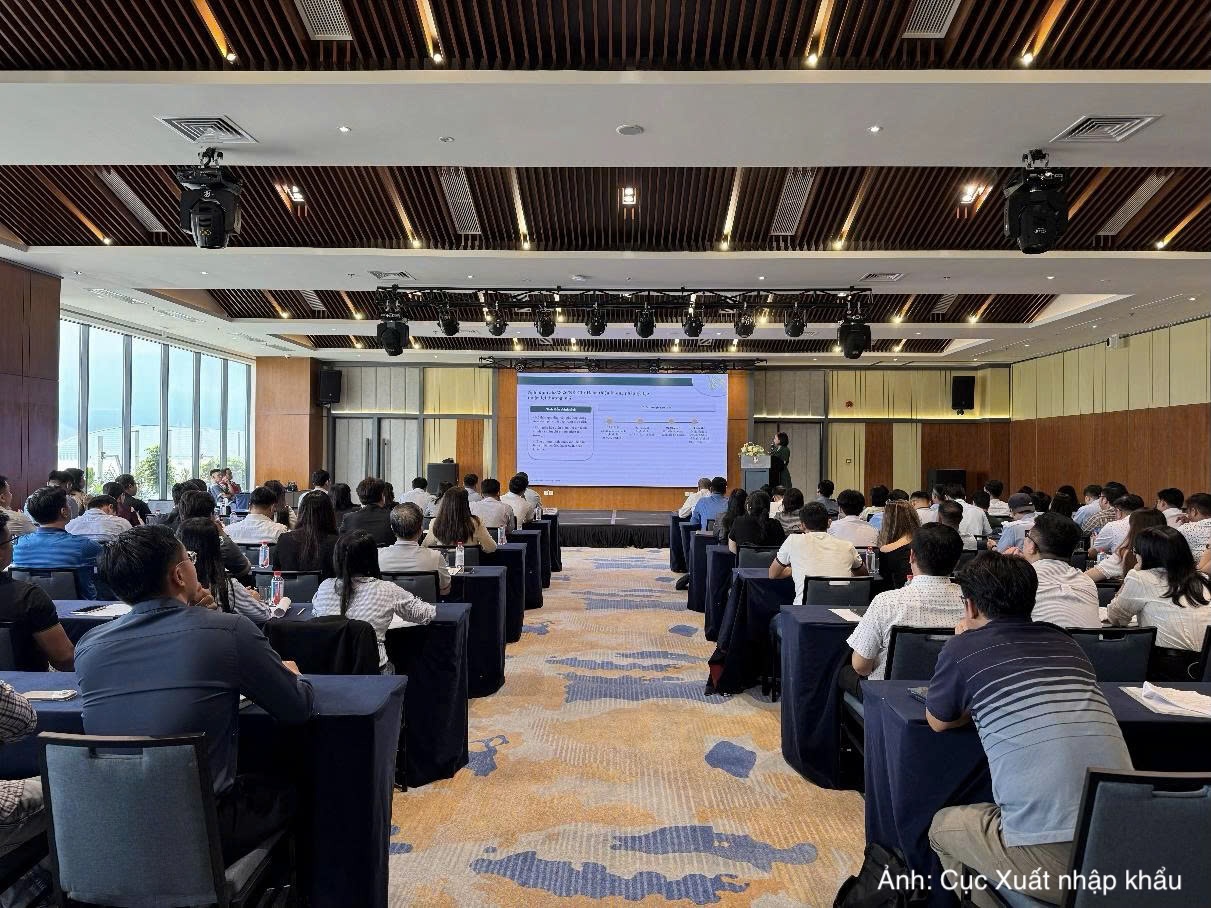
On October 13, the Agency of Foreign Trade under the Ministry of Industry and Trade (MoIT) held a conference in Dong Thap province to disseminate Government Decree No.365/2026/ND-CP dated September 23, 2026, on rice export and import business, and Circular No.65/2026/TT-BCT dated October 1, 2026, issued by the Minister of Industry and Trade, detailing certain provisions and measures for implementing Decree No.365/2026/ND-CP.
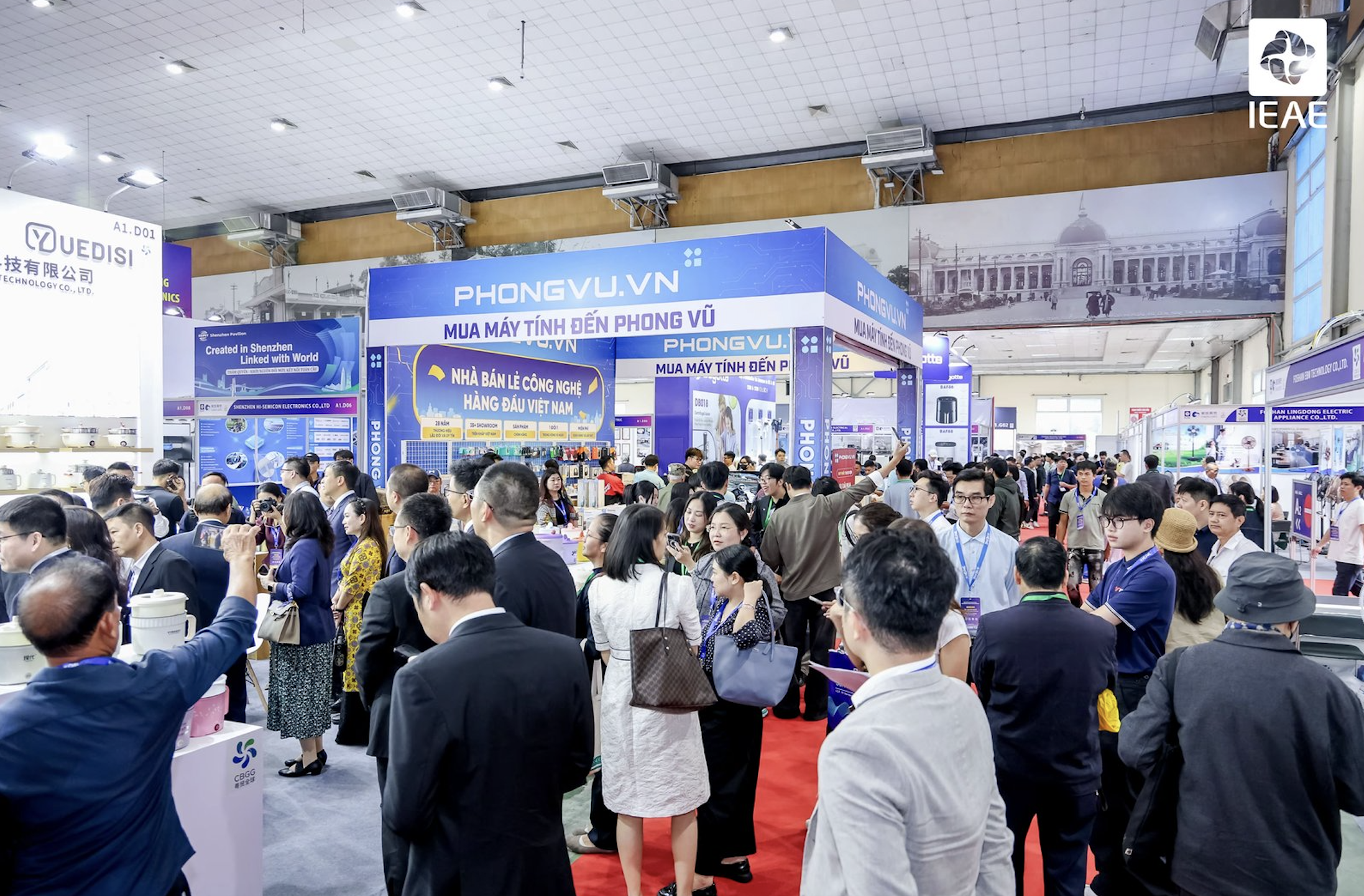
IEAE Hanoi 2026 will gather over 300 exhibitors, showcasing electronics, smart appliances and connecting businesses with sourcing and trade opportunities in Vietnam.
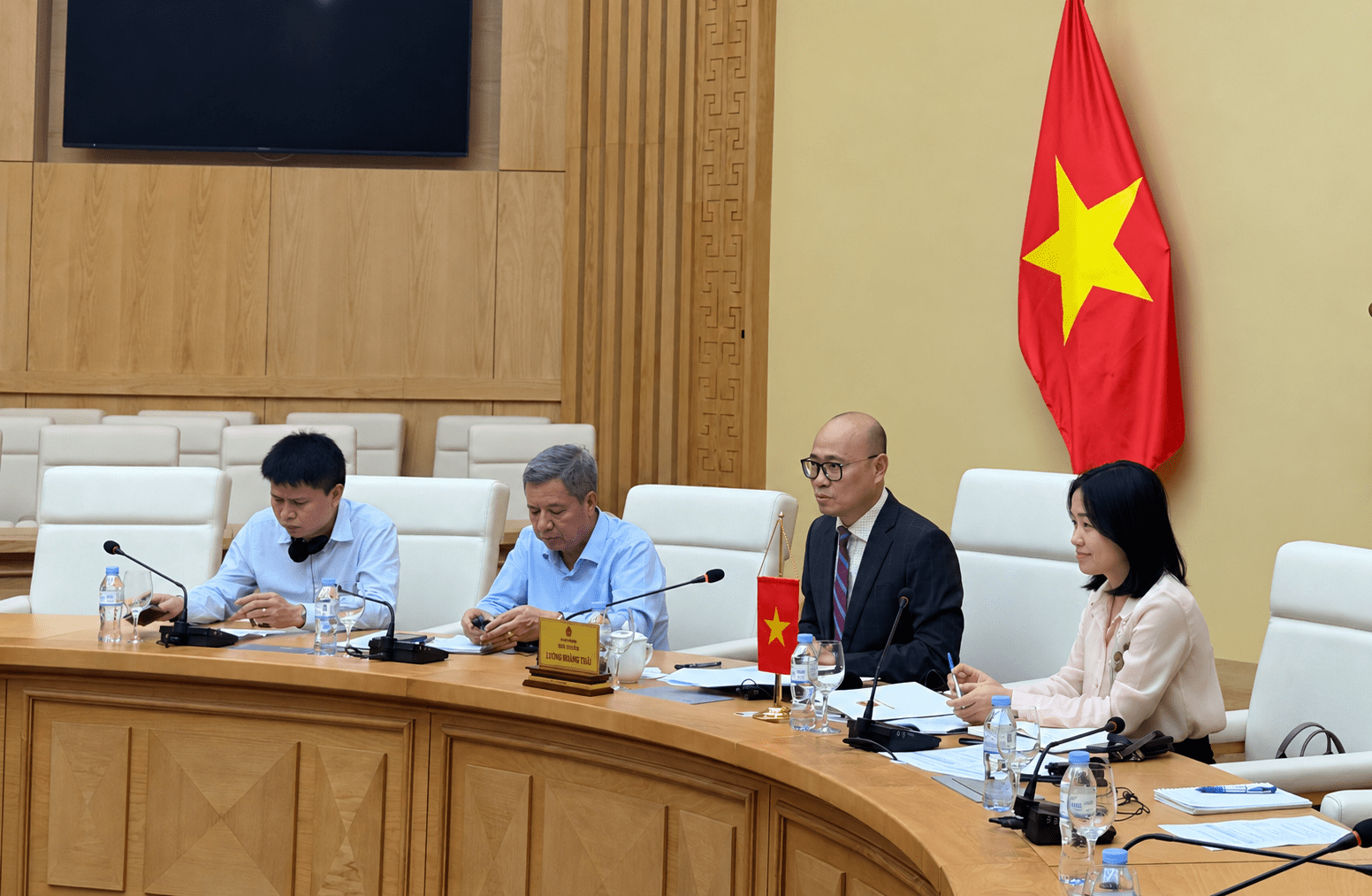
On October 13, Deputy Minister of Industry and Trade Luong Hoang Thai held a working session with MEDEF International, a French business organization, and representatives of French corporations operating in various sectors, including energy, industry, transport, construction and infrastructure development, food and beverages, and services, at the Ministry of Industry and Trade's headquarters.
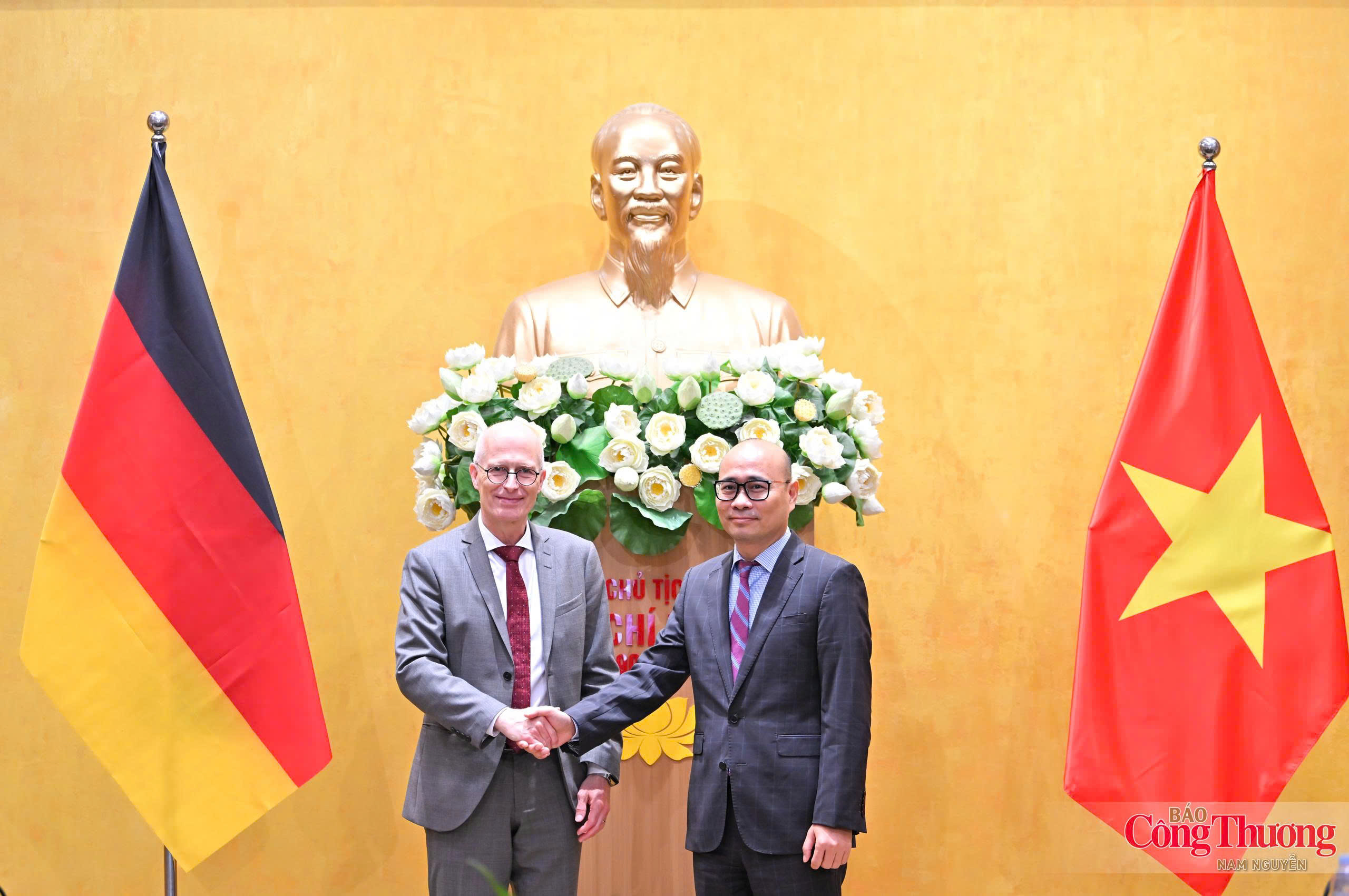
On October 14, Deputy Minister of Industry and Trade Luong Hoang Thai received and held a working session with a delegation from Hamburg, Germany, led by the city's First Mayor Peter Tschentscher at the Ministry of Industry and Trade's headquarters.
The Copyright Office is working closely with relevant agencies to develop plans for inspections and enforcement action against copyright and related rights infringements in the digital environment.
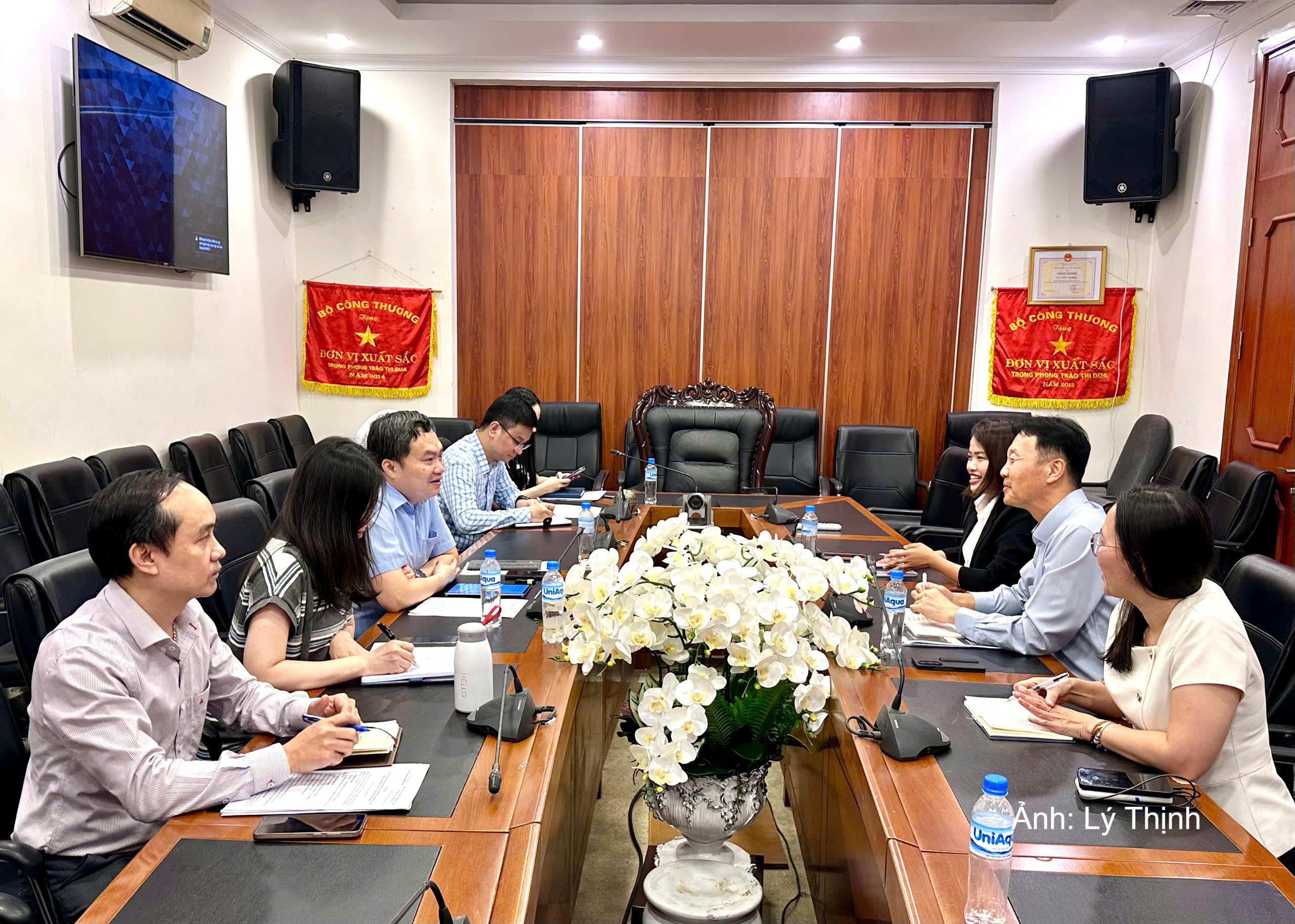
The Vietnam Industry Agency under the Ministry of Industry and Trade and Samsung Vietnam continue to strengthen cooperation in developing supporting industries, enhancing the capabilities of domestic enterprises and expanding opportunities for their participation in global supply chains.
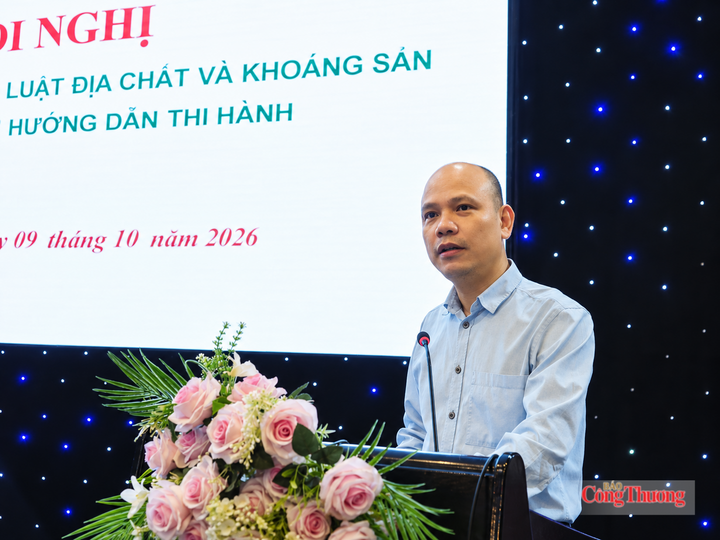
On October 9, the Viet Nam Department of Geology and Minerals, in coordination with the Thai Nguyen Department of Industry and Trade, held a conference in Thai Nguyen province to disseminate the Law on Geology and Minerals and its implementing regulations.
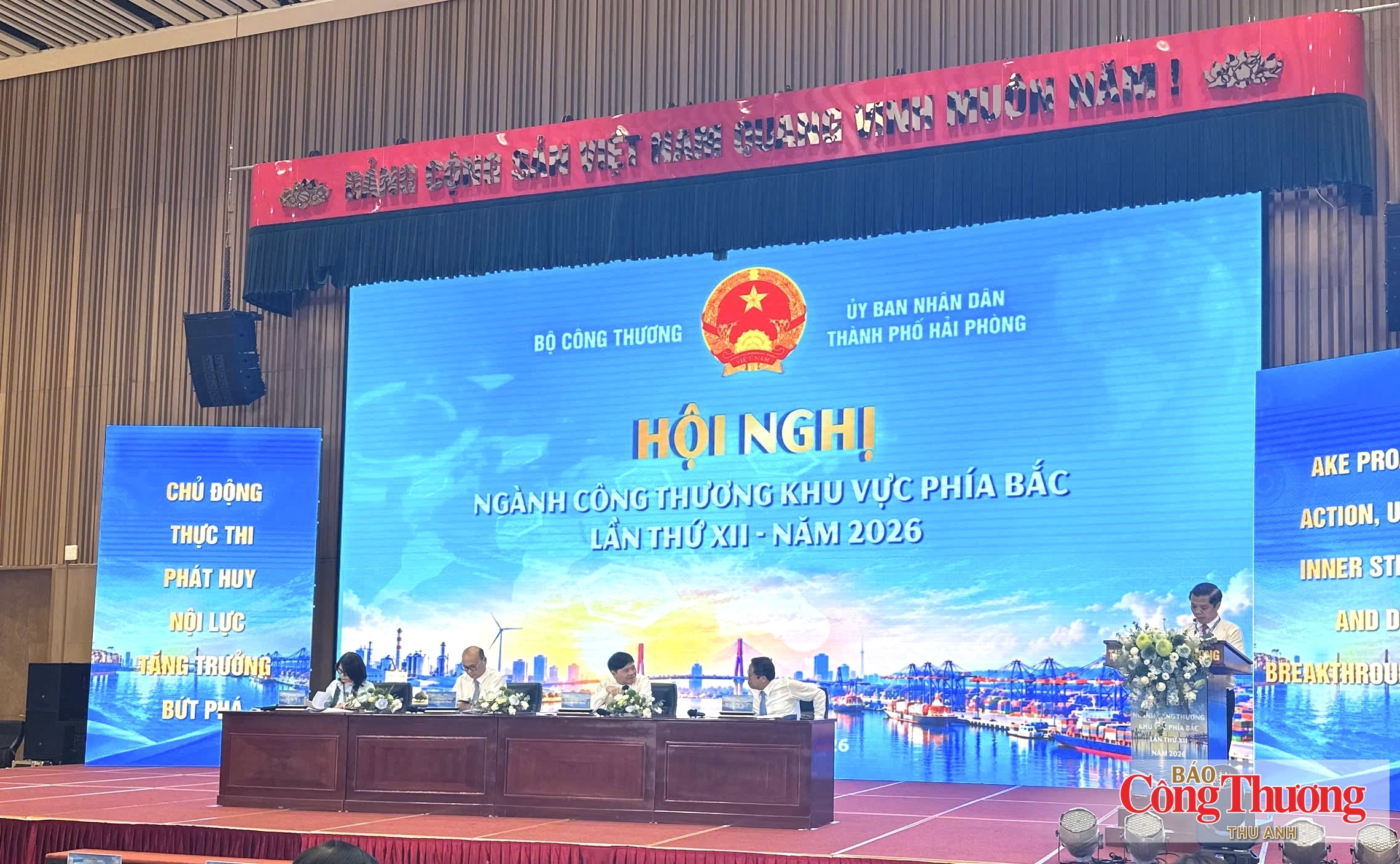
Northern localities are strengthening links in supporting industries, energy and logistics to build competitive value chains and create new growth drivers.
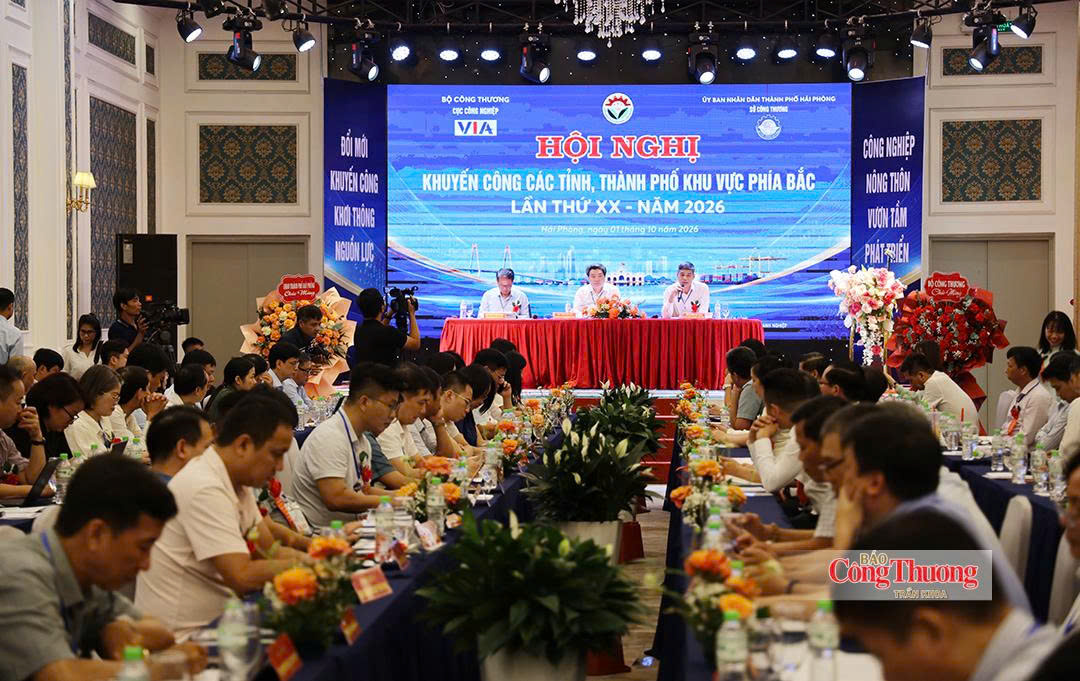
The 20th Industrial Promotion Conference for Northern Provinces and Cities in 2026 was held in Hai Phong City on October 1, with discussions focusing on renewing industrial promotion activities.
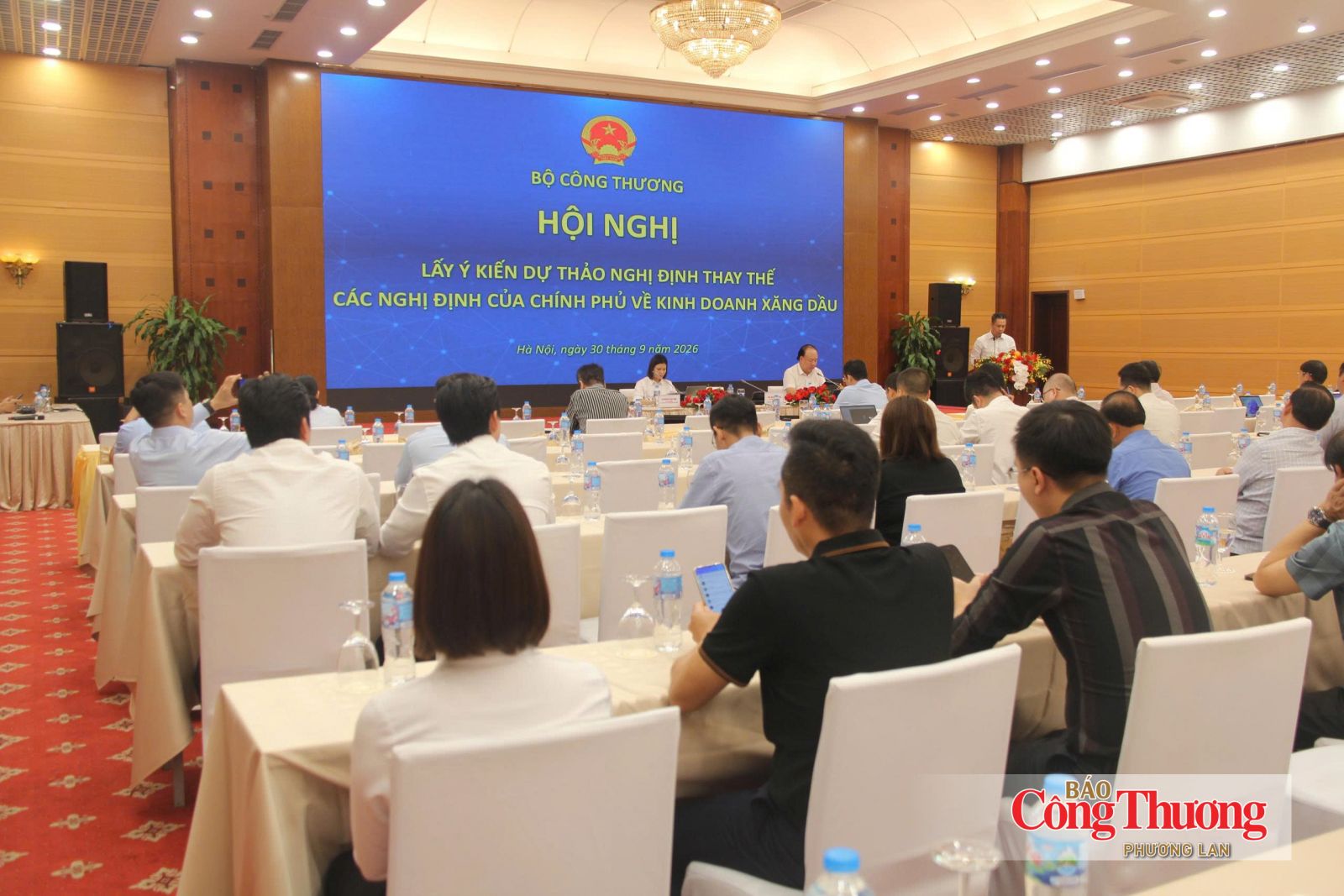
On September 30 in Ha Noi, the Ministry of Industry and Trade (MoIT) held a conference to gather broad feedback on a draft decree replacing the Government’s existing decrees on petroleum trading.