Vietnam’s textile industry is accelerating green investment through cleaner production and ESG adoption to strengthen competitiveness and meet global market demands.
Investing in the environment means investing in the future of the industry
Over the years, perceptions of the relationship between economic growth and environmental protection in Vietnam’s textile and garment industry have changed significantly. While environmental investment was once primarily aimed at meeting regulatory requirements, it is now increasingly viewed as an integral part of competitiveness and sustainable development strategies.
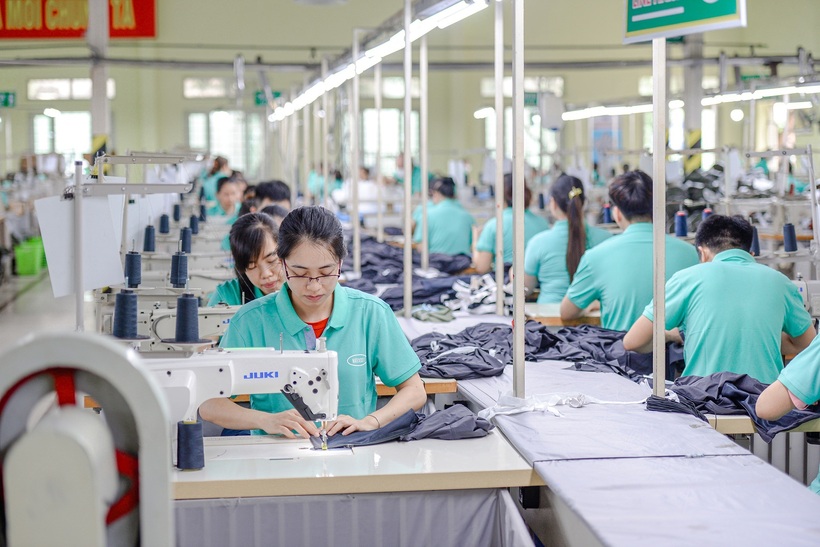
Environmental investments are becoming a key driver of competitiveness as Vietnam’s textile and garment industry accelerates its green transition. Photo: VGP
A notable example is the investment by Phu Noi Textile and Garment Infrastructure Development Joint Stock Company (Vinatex-ID) in the construction of Wastewater Treatment Plant No.2, with a total investment of more than VND 159 billion and a treatment capacity of 8,000 cubic metres per day. The project was implemented at a time when Wastewater Treatment Plant No.1 was operating beyond its designed capacity due to the growing production demand of enterprises in the industrial park.
Beyond addressing overcapacity concerns, the project incorporates advanced treatment technologies and additional facilities such as oil separation systems, improving the treatment quality of wastewater generated by textile dyeing activities. Since becoming operational, the plant has helped raise the industrial park’s total wastewater treatment capacity to approximately 20,000 cubic metres per day, creating room for production expansion while ensuring environmental compliance.
The story of Pho Noi Textile and Garment Industrial Park reflects a broader trend across Vietnam’s textile and garment industry: environmental protection is no longer regarded as a “mandatory cost” but is increasingly becoming a component of competitive strength.
In recent years, many enterprises within the Vietnam National Textile and Garment Group (Vinatex) have invested in comprehensive solutions to improve energy efficiency, reuse resources, develop renewable energy and reduce greenhouse gas emissions. According to company data, electricity consumption across the system fell by around 13% during the 2022 - 2025 period compared with 2022 levels, while rooftop solar power generation reached approximately 27 million kWh in 2025, accounting for more than 6% of total electricity consumption.
At the same time, the use of recycled materials and sustainably certified inputs has continued to expand in response to increasingly stringent requirements from international partners. Many enterprises have implemented greenhouse gas inventories, developed traceability systems and gradually integrated Environmental, Social and Governance (ESG) standards into their production and business operations.
In reality, green development requirements are becoming a new “passport” for products seeking access to international markets. From the European Union’s Carbon Border Adjustment Mechanism (CBAM) to regulations on product life cycles, traceability and environmental responsibility throughout supply chains, all are creating strong pressure for transformation within the textile and garment sector.
Le Tien Truong, Chairman of the Board of Directors of Vinatex, once noted that the textile and garment industry must “move one step ahead of policy” in implementing ESG practices and the circular economy in order to meet increasingly demanding requirements from international customers. According to him, enterprises that fail to proactively adapt risk losing orders and limiting their opportunities to participate more deeply in global supply chains.
In this context, investment in environmental protection is not only about minimising negative impacts on ecosystems but also about enabling enterprises to maintain orders, deepen their participation in global supply chains and increase the added value of their products.
Completing institutions to accelerate the green transition
Where environmental requirements were once largely associated with corporate social responsibility, they are now becoming a decisive factor in determining an enterprise’s ability to participate in global supply chains. Major export markets continue to introduce new standards related to carbon emissions, traceability, product life cycles and sustainable development, placing growing pressure on the textile and garment industry to transform.
Against this backdrop, environmental investment is no longer simply a matter of legal compliance but has become part of enterprises’ long-term development strategies. From centralised wastewater treatment systems and energy-saving solutions to the use of recycled materials, greenhouse gas inventories and ESG implementation, many textile and garment enterprises are gradually restructuring their production activities in a greener and more sustainable direction.
According to Vinatex Chairman Le Tien Truong, the textile and garment industry is among the sectors most directly affected by global trends in the green economy and circular economy. However, the transition also presents considerable challenges, as many enterprises face significant investment costs, demanding technological requirements and rapidly evolving international standards.
Truong said textile and garment enterprises must proactively adapt and, in some areas, move ahead of domestic policy requirements in order to satisfy customer expectations and export market demands. Alongside the efforts of enterprises themselves, the gradual development of support mechanisms for green finance, technology transfer, workforce development and circular economy models will help create momentum for the transition process.
Experience shows that environmental investments made today not only help reduce pressure on ecosystems but also lay the foundation for future competitiveness. For the textile and garment industry, green transformation is increasingly becoming a prerequisite for maintaining market access, attracting orders and enhancing product value in a global trading environment that is becoming ever more closely linked to sustainable development standards.
This direction is clearly reflected in Vinatex’s development strategy for the 2025 - 2030 period, under which the group aims to gradually shift its focus from rapid growth to green growth, moving towards a circular economy model, increasing the share of green products and improving resource efficiency. This is not merely the choice of a single enterprise but also reflects the inevitable development trajectory of Vietnam’s textile and garment industry as it deepens its integration into the global economy.
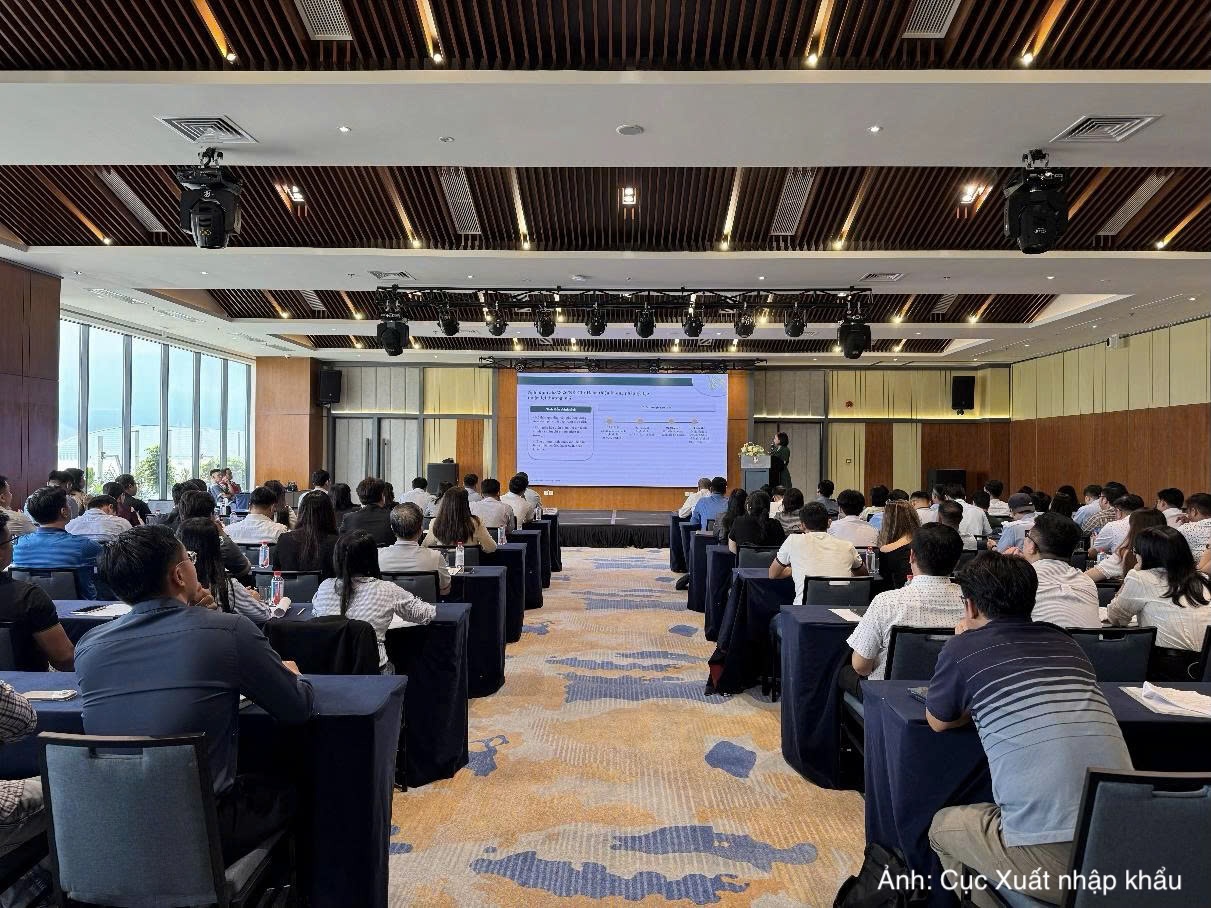
On October 13, the Agency of Foreign Trade under the Ministry of Industry and Trade (MoIT) held a conference in Dong Thap province to disseminate Government Decree No.365/2026/ND-CP dated September 23, 2026, on rice export and import business, and Circular No.65/2026/TT-BCT dated October 1, 2026, issued by the Minister of Industry and Trade, detailing certain provisions and measures for implementing Decree No.365/2026/ND-CP.
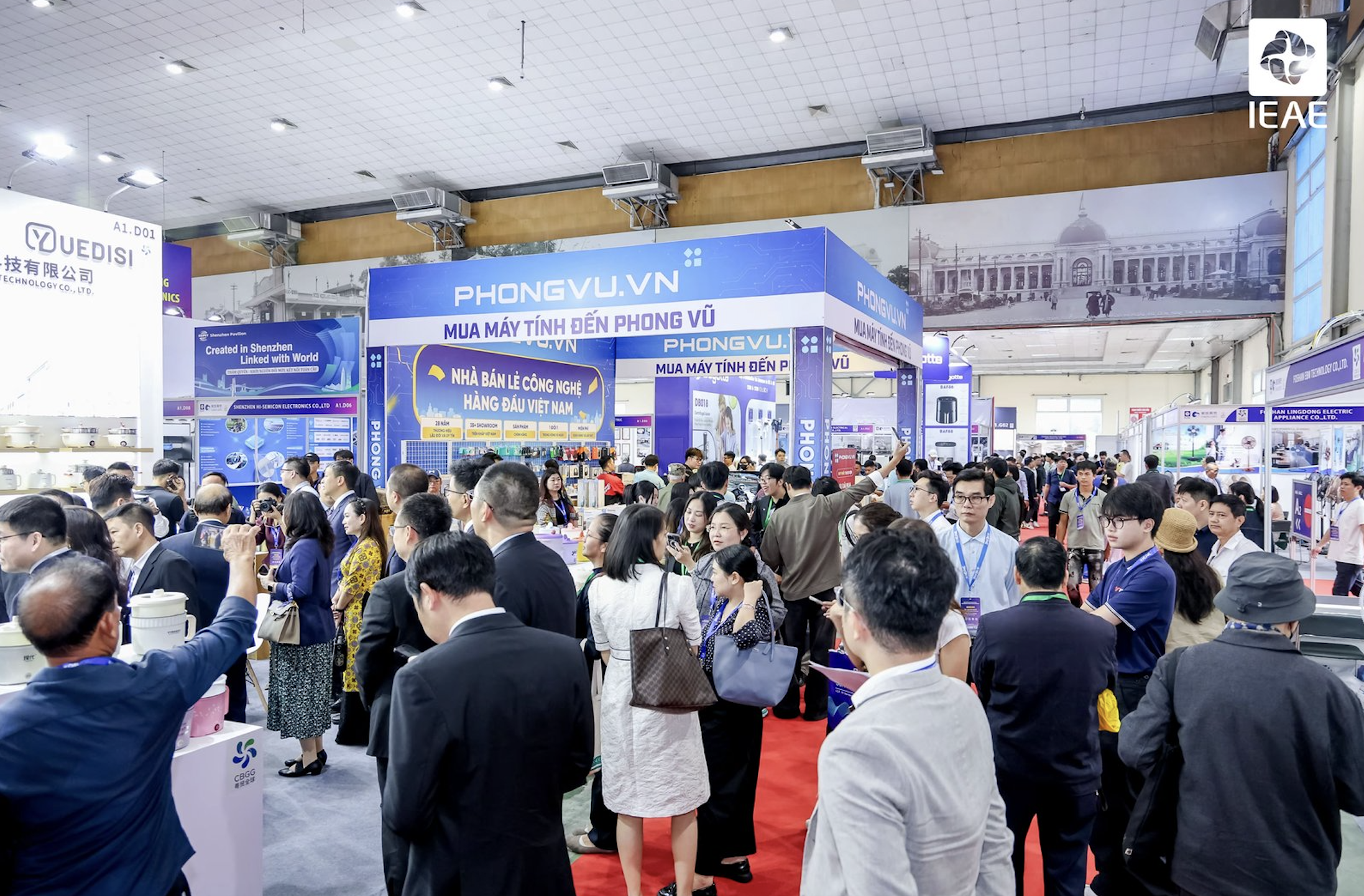
IEAE Hanoi 2026 will gather over 300 exhibitors, showcasing electronics, smart appliances and connecting businesses with sourcing and trade opportunities in Vietnam.
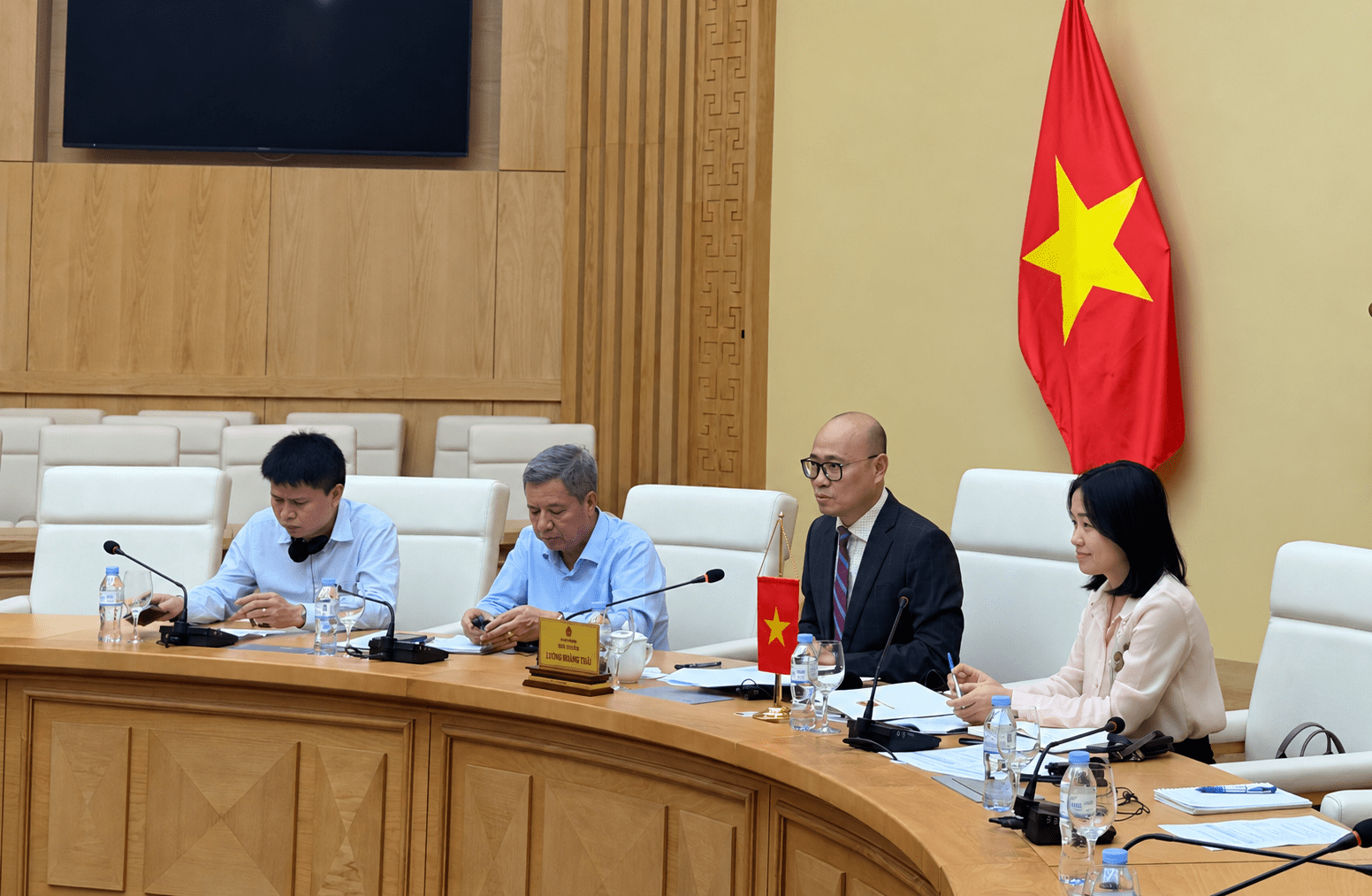
On October 13, Deputy Minister of Industry and Trade Luong Hoang Thai held a working session with MEDEF International, a French business organization, and representatives of French corporations operating in various sectors, including energy, industry, transport, construction and infrastructure development, food and beverages, and services, at the Ministry of Industry and Trade's headquarters.
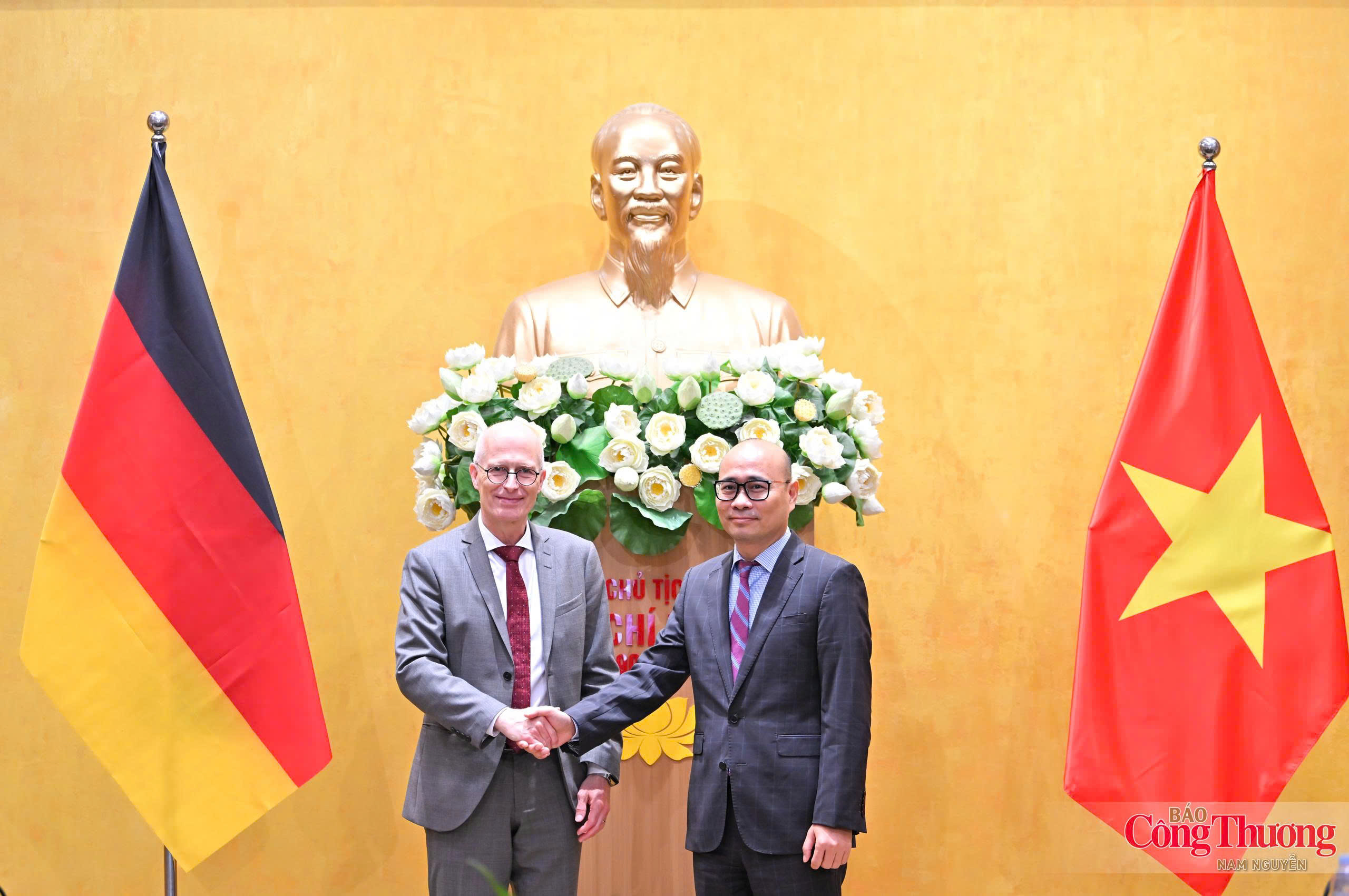
On October 14, Deputy Minister of Industry and Trade Luong Hoang Thai received and held a working session with a delegation from Hamburg, Germany, led by the city's First Mayor Peter Tschentscher at the Ministry of Industry and Trade's headquarters.
The Copyright Office is working closely with relevant agencies to develop plans for inspections and enforcement action against copyright and related rights infringements in the digital environment.
The Vietnam Industry Agency under the Ministry of Industry and Trade and Samsung Vietnam continue to strengthen cooperation in developing supporting industries, enhancing the capabilities of domestic enterprises and expanding opportunities for their participation in global supply chains.
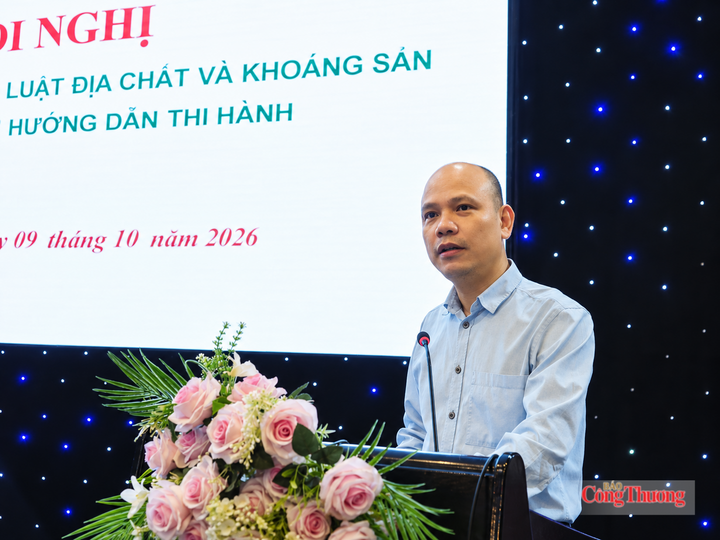
On October 9, the Viet Nam Department of Geology and Minerals, in coordination with the Thai Nguyen Department of Industry and Trade, held a conference in Thai Nguyen province to disseminate the Law on Geology and Minerals and its implementing regulations.
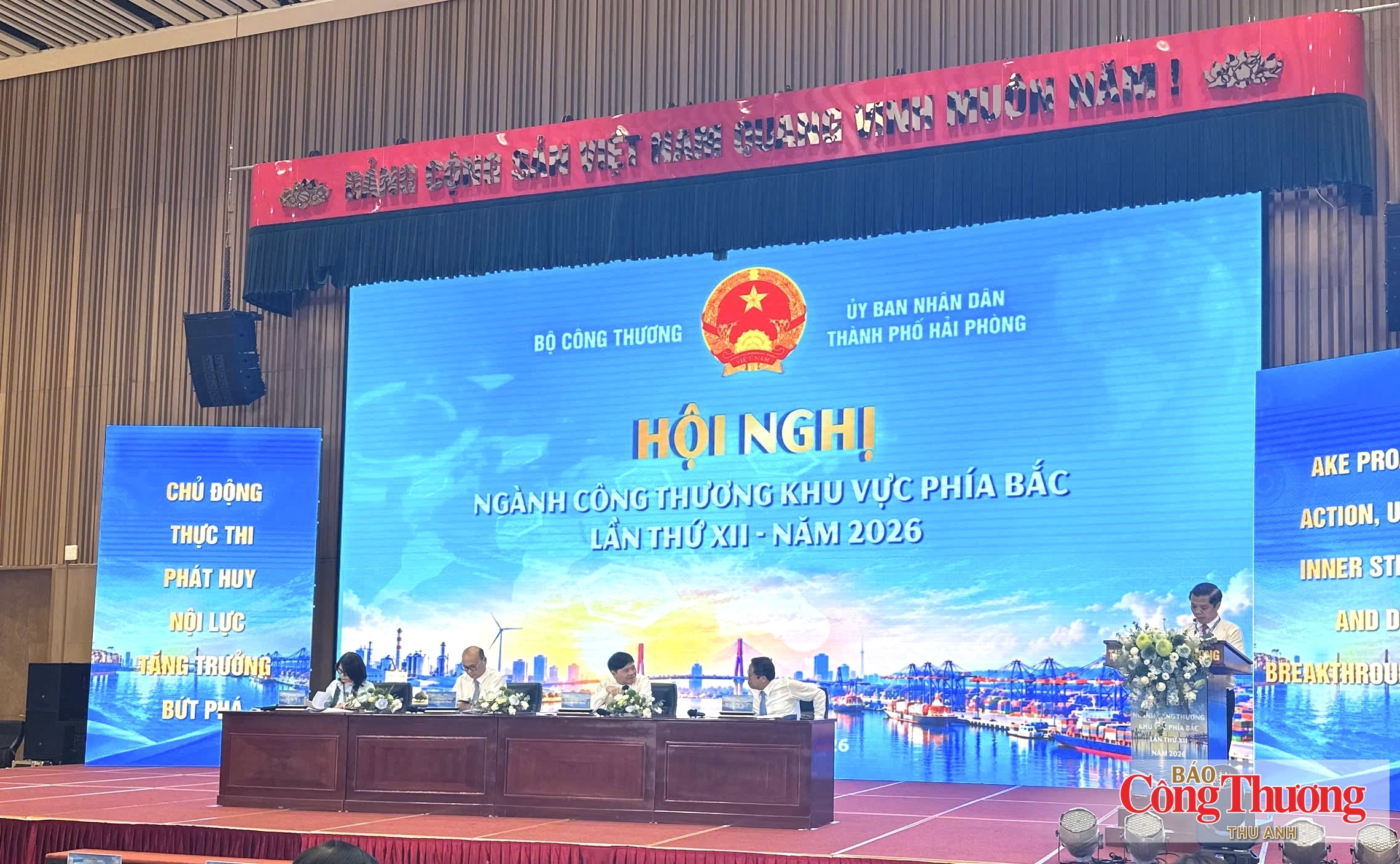
Northern localities are strengthening links in supporting industries, energy and logistics to build competitive value chains and create new growth drivers.
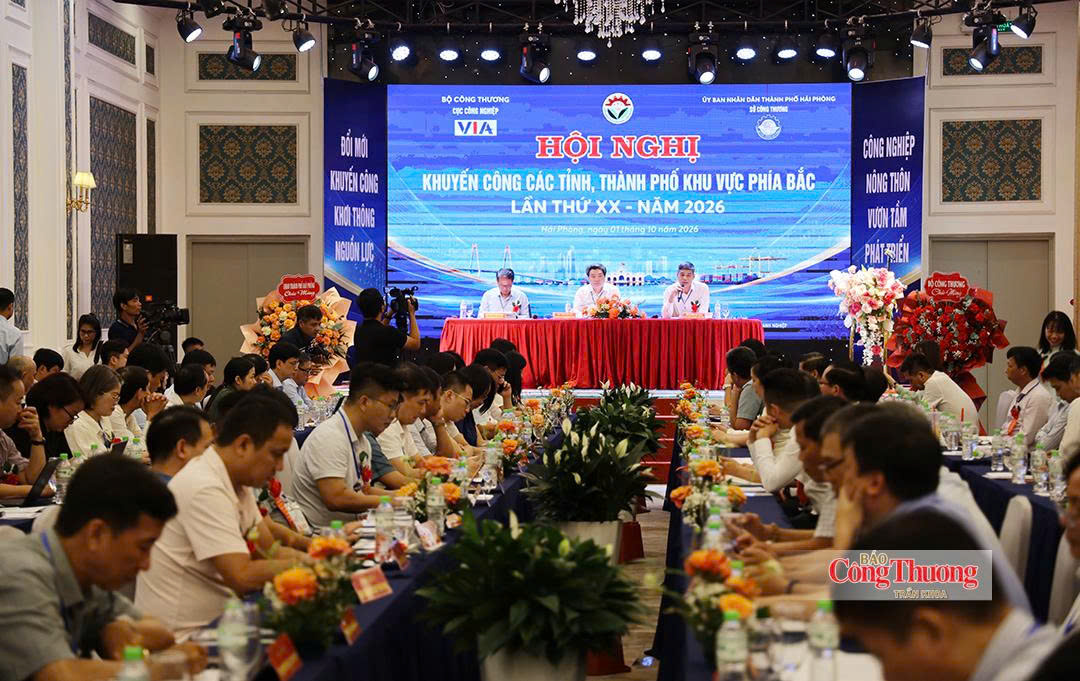
The 20th Industrial Promotion Conference for Northern Provinces and Cities in 2026 was held in Hai Phong City on October 1, with discussions focusing on renewing industrial promotion activities.
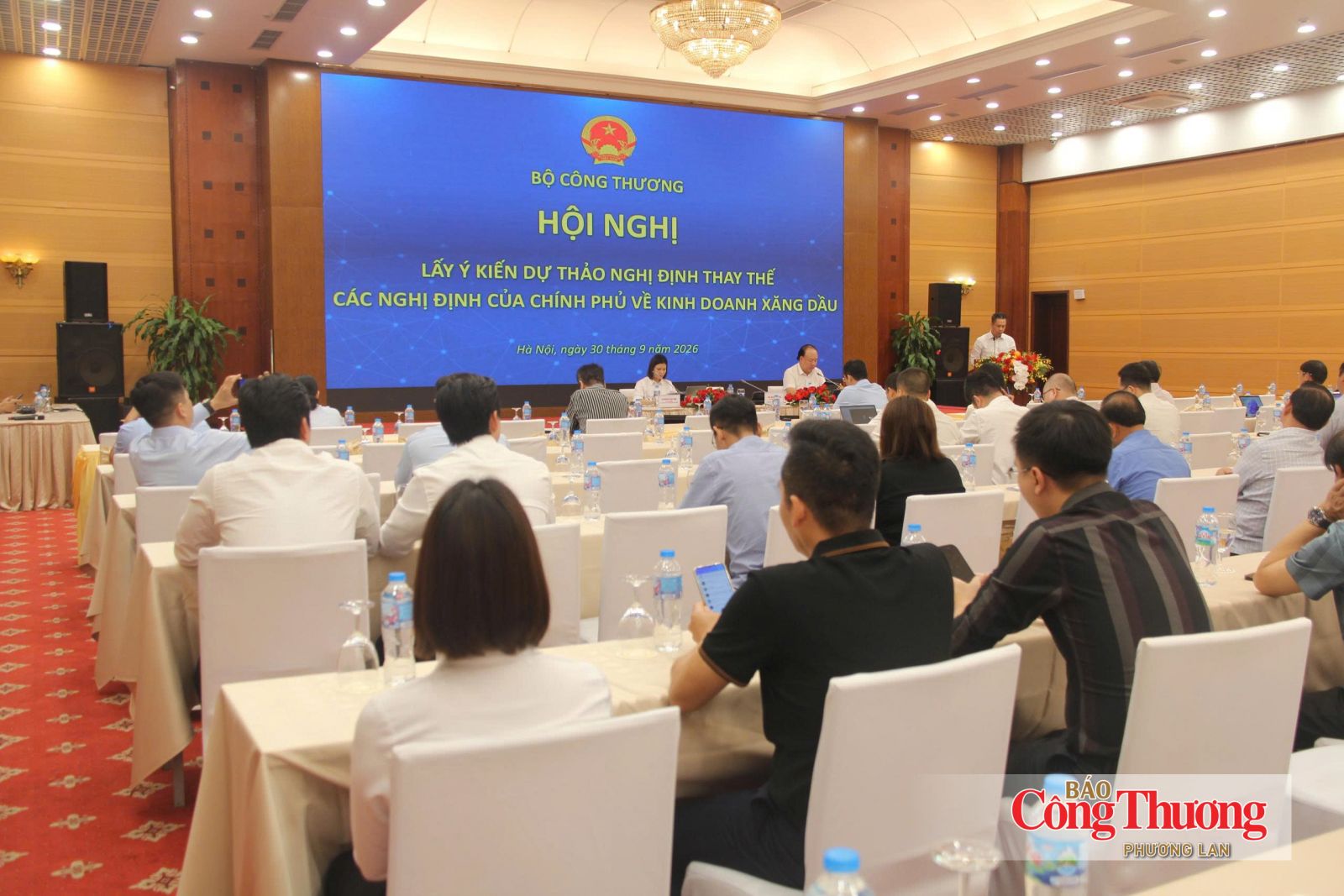
On September 30 in Ha Noi, the Ministry of Industry and Trade (MoIT) held a conference to gather broad feedback on a draft decree replacing the Government’s existing decrees on petroleum trading.