Amid rising electricity demand, BESS emerges as a key solution to enhance energy efficiency and ensure energy security.
Addressing the “load challenge” and energy security
The year 2026 marks the beginning of the 2026 - 2030 socio-economic development phase, with a targeted double-digit growth rate. This ambition places significant demands on ensuring a stable electricity supply. Meanwhile, the global energy market continues to experience complex and unpredictable fluctuations, posing risks of supply–demand imbalances, particularly during the 2026 - 2028 period.
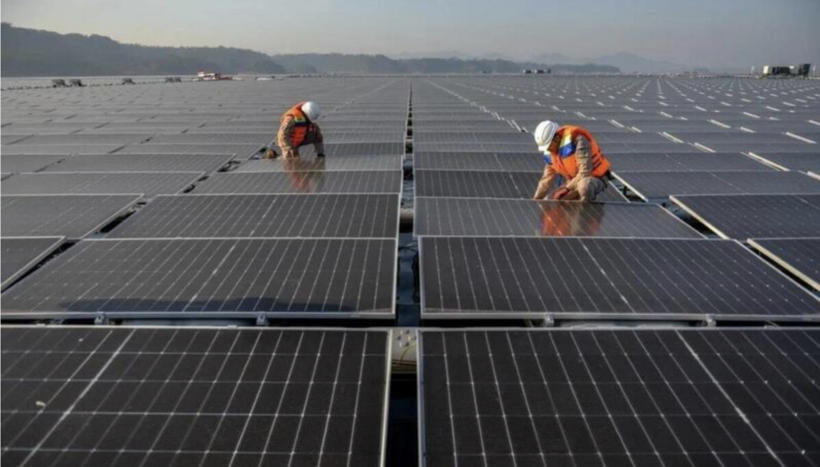
In this context, Directive No. 10/CT-TTg issued by the Prime Minister on March 20 on strengthening electricity conservation and promoting rooftop solar power development emphasizes the need for synchronized implementation of energy-saving and efficient electricity use measures. Notably, one key direction is the development of self-produced, self-consumed rooftop solar power systems combined with Battery Energy Storage Systems (BESS). This solution is seen as a means to reduce peak load demand, enhance on-site energy self-sufficiency, and improve the flexibility of the power system.
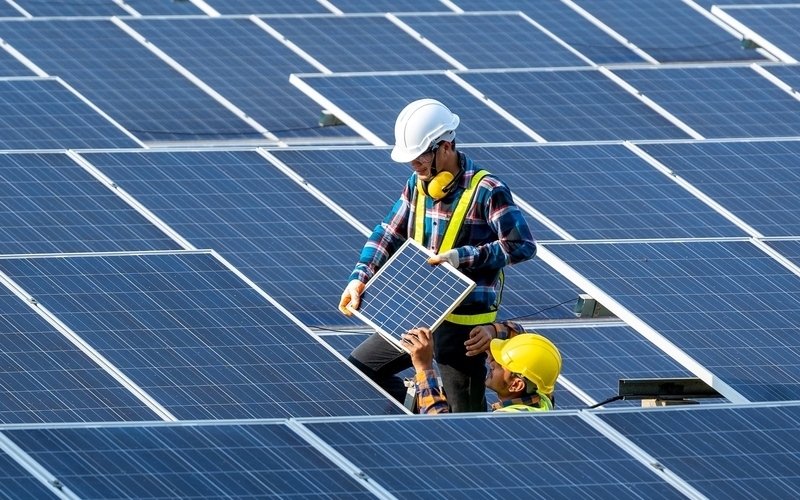
Integrating BESS with renewable energy sources such as solar and wind power enables businesses to operate more proactively while optimizing energy costs.
Earlier, Directive No. 09/CT-TTg dated March 19, 2026, on strengthening energy conservation, promoting energy transition, and developing transportation also called on ministries, sectors, and localities to encourage the use of energy storage batteries of various capacities to regulate the power grid. It also promotes self-consumed rooftop solar and wind power to ease pressure on the national electricity system.
In practice, during periods of sharply rising electricity demand, especially amid extreme heat waves, the power system often faces localized overloads. Speaking to reporters from the Newspaper of Industry and Trade, Bui Xuan Binh, Chairman and CEO of GG Power, noted that energy storage batteries can directly address this challenge by storing electricity during off-peak hours and discharging it during peak periods. This helps “shave peak loads” and alleviates pressure on the national grid.
Under the revised Power Development Plan VIII, energy storage systems have been incorporated into development orientations, providing an important legal foundation for businesses to participate in the market. At the recent launch event of a Battery Energy Storage System (BESS) manufacturing plant in Hung Yen, Deputy Minister of Industry and Trade Nguyen Hoang Long emphasized that energy storage is an indispensable component for the sustainable development of renewable energy markets.
Directive No. 09/CT-TTg issued by the Prime Minister calls on ministries, sectors, and localities to encourage the use of energy storage batteries of various capacities to help regulate the power grid.
Beyond the national grid level, this solution is particularly well-suited for industrial parks and manufacturing plants, where electricity demand is high and stability requirements are stringent. Experts highlight that integrating BESS with renewable energy sources such as solar and wind power enables businesses to operate more proactively while optimizing energy costs.
Vietnamese enterprises optimistic about the battery storage sector
Amid the global energy transition, many Vietnamese enterprises have proactively entered the battery storage sector, aspiring not only to serve the domestic market but also to expand internationally. A representative of GG Power revealed that the company has secured its first order in India, a large market with rapidly growing energy demand.
Beyond India, the Middle East is also viewed as a promising market, as the shift toward clean energy intensifies, driving substantial demand for storage systems.
According to GG Power, while costs and risks are higher when entering foreign markets, these environments provide opportunities for rapid development and enhanced competitiveness. Compared to countries such as the Philippines and Indonesia, Vietnam’s market remains relatively modest. By 2030, the domestic BESS market is projected to reach approximately USD 10 billion, while the global market could expand to as much as USD 150 billion, presenting significant opportunities for businesses in this sector.
Experts note that alongside opportunities to participate in the global BESS market, accelerating the establishment of domestic energy storage battery manufacturing is an urgent priority. This effort opens pathways for Vietnam to integrate into the global energy value chain. Moreover, bringing storage battery products to market early would contribute to stabilizing the power grid, improving the efficiency of renewable energy projects, and meeting the growing energy demands of the economy.
Energy storage batteries are classified as strategic products, with strong potential to access green financing and preferential incentives if recognized as innovative products with high localization rates. This serves as a critical driver for businesses to invest in research, production, and market expansion. Nevertheless, challenges remain, as technical standards vary significantly across markets, with developed countries imposing more stringent requirements. This compels enterprises to remain flexible, ensuring product quality while adapting to specific market conditions.
Directive No. 10/CT-TTg on strengthening electricity conservation and promoting rooftop solar power also requires businesses to proactively prepare contingency plans for electricity supply. This includes encouraging the deployment of backup power sources such as generators, as well as the installation and integration of renewable energy sources, such as solar and wind power and BESS into internal energy systems.
Amid a sharp decline in export rice prices, Vietnam’s Ministry of Industry and Trade is rolling out a series of coordinated measures aimed at expanding markets and enhancing the value of Vietnamese rice.
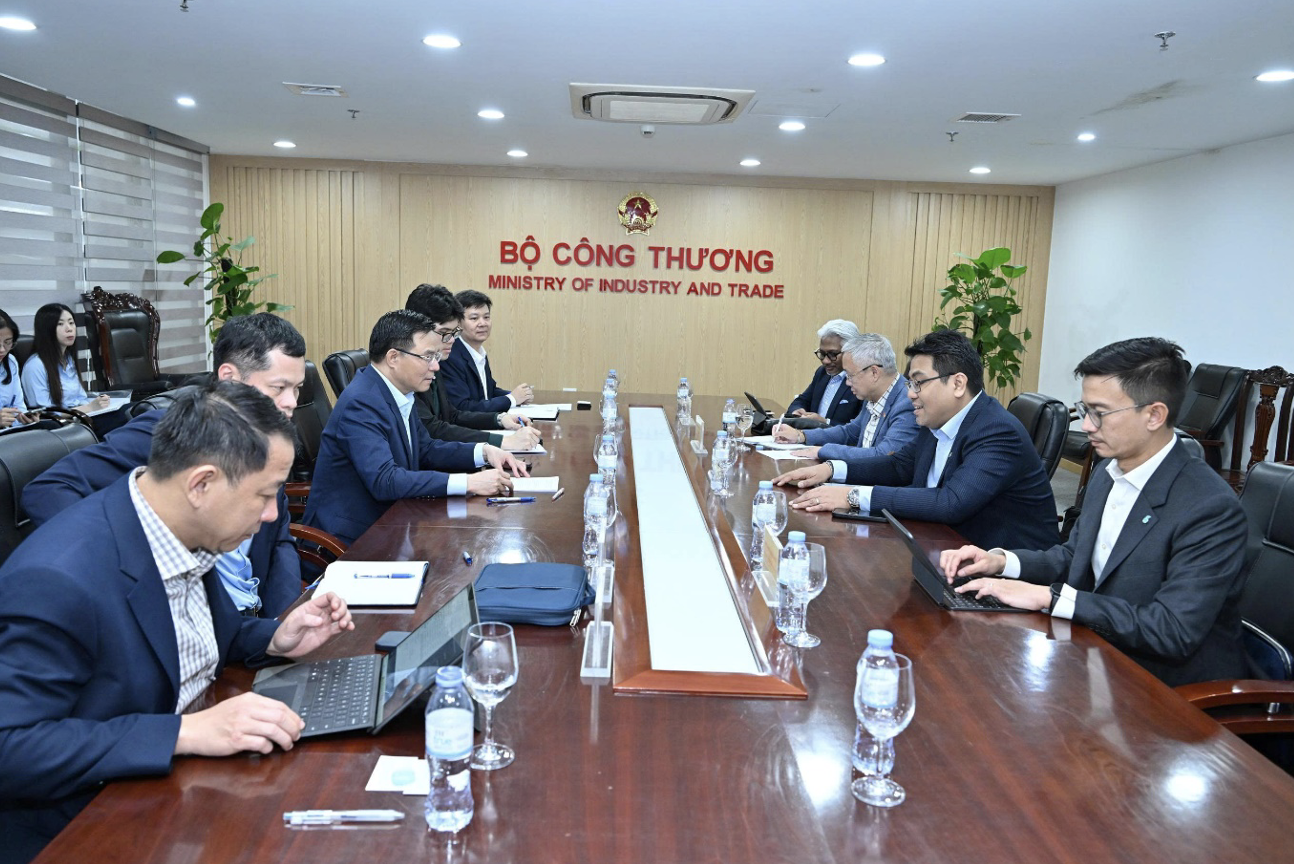
Vietnam and Malaysia are seeking deeper energy cooperation and stronger regional connectivity as ASEAN accelerates energy transition efforts and cross-border power integration amid global market volatility.
The Vietnam - Thailand relations continue to deepen, unlocking new opportunities in trade, investment, green energy, high technology and regional supply chains.
Labeling regulations across RCEP markets are becoming increasingly diverse and fragmented, requiring businesses to proactively stay updated in order to meet technical requirements and minimize trade risks.
Vietnam and Malaysia are seeking deeper energy cooperation and stronger regional connectivity as ASEAN accelerates energy transition efforts and cross-border power integration amid global market volatility.
The Vietnam - Thailand relations continue to deepen, unlocking new opportunities in trade, investment, green energy, high technology and regional supply chains.
Labeling regulations across RCEP markets are becoming increasingly diverse and fragmented, requiring businesses to proactively stay updated in order to meet technical requirements and minimize trade risks.
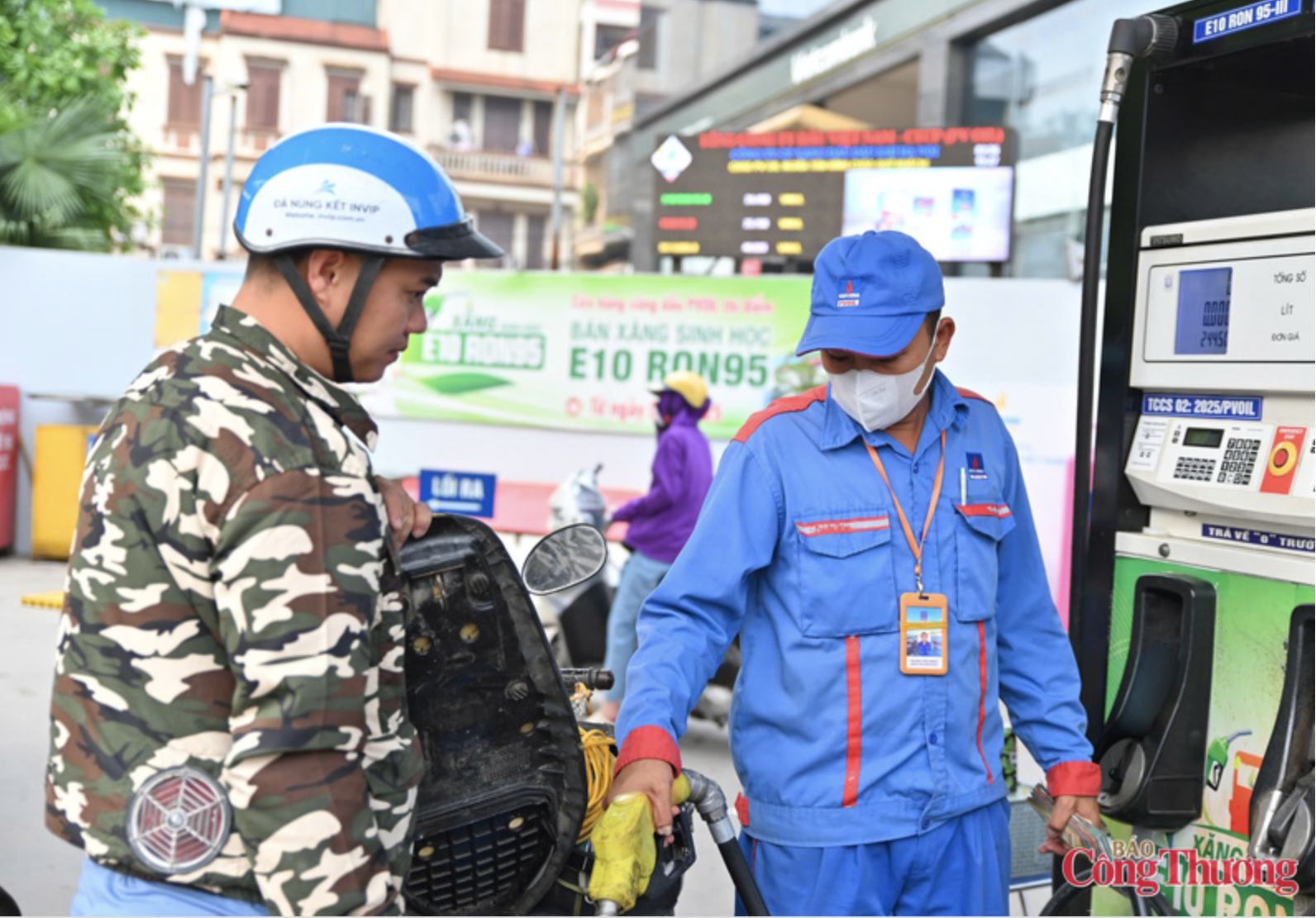
Fuel distributors, refineries and regulators are accelerating preparations on supply, infrastructure and policy mechanisms to support the nationwide introduction of E10 biofuel gasoline from June 1, 2026.