Energy efficiency is becoming a strategic solution to ease pressure on electricity supply, strengthen energy security, and support Vietnam’s green growth ambitions.
Saving energy for the future
Energy efficiency is increasingly demonstrating its critical role in socio-economic development, contributing to national energy security, enhancing business competitiveness, and promoting green growth. As energy demand continues to rise alongside the increasingly visible impacts of climate change, using energy efficiently is not merely a short-term solution but a long-term sustainable development strategy that requires the collective efforts of government agencies, businesses, and society as a whole.
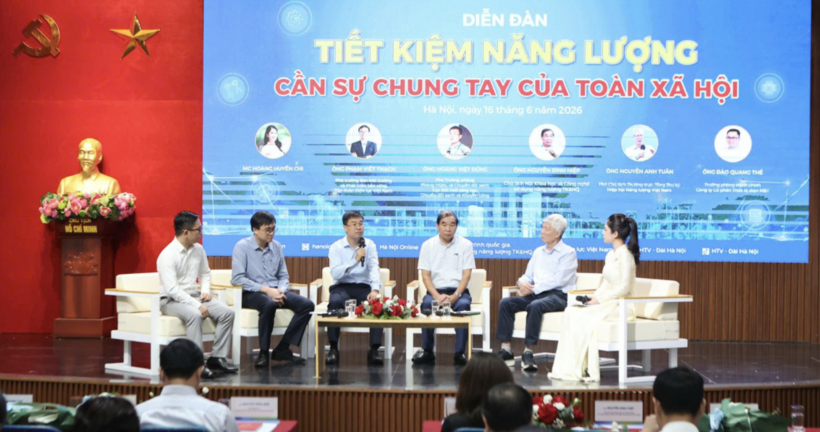
Speaking at the forum “Energy efficiency: a collective responsibility of society,” Hoang Viet Dung, Deputy Head of the Department of Energy Efficiency and Green Transition under the Agency for Innovation, Green Transition and Industrial Promotion (Ministry of Industry and Trade), emphasized that energy efficiency is one of the most important solutions for ensuring national energy security in the long term.
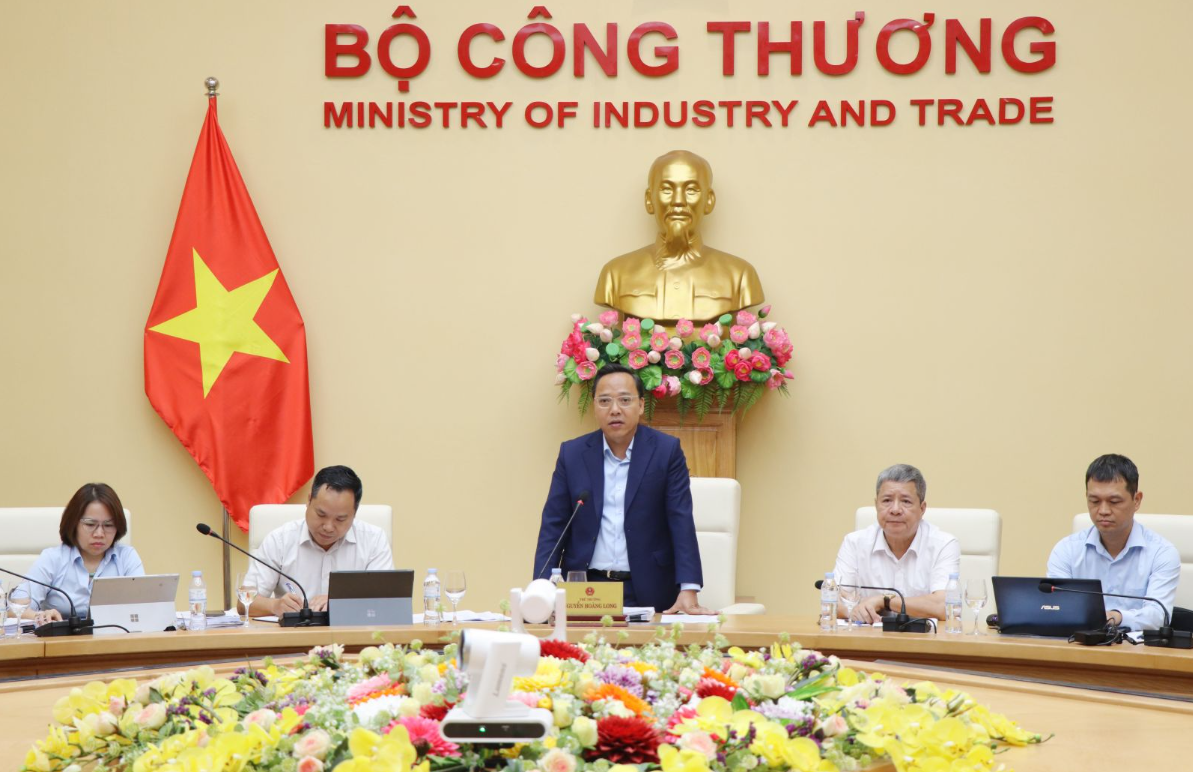
The forum “Energy efficiency: a collective responsibility of society.”
According to him, discussions on energy security have traditionally focused on expanding energy supply through the construction of new power plants or investments in transmission infrastructure. In reality, however, energy efficiency is often referred to as the “first fuel” because it represents the lowest-cost, fastest-acting solution while simultaneously delivering economic, environmental, and social benefits. Without efficient energy use, the pressure to invest in power generation, grid infrastructure, and fuel supplies will continue to intensify.
“In the long run, energy efficiency is not about ‘tightening one’s belt’ or mechanically cutting consumption. Rather, it is about using energy more intelligently and effectively. This is the most sustainable solution that enables Vietnam to achieve rapid economic growth while safeguarding its energy sovereignty and security amid the uncertainties posed by global climate change,” he stressed.
he also noted that despite the positive results achieved so far, Vietnam’s energy-saving potential remains substantial. In several sectors, energy consumption per unit of output remains higher than the regional average, indicating significant room for improving energy efficiency.
Looking at the energy consumption structure, the industrial sector remains the largest energy user, accounting for more than 50% of the country’s total final energy consumption. Key industries such as steel, cement, chemicals, building materials manufacturing, textiles, and paper production are among the sectors with particularly high energy demand during production processes.
“The transportation sector comes next, primarily consuming fuels such as gasoline and diesel. This sector is also experiencing relatively rapid growth in energy demand in line with economic development and urbanization,” he pointed out.
In the building, commercial, and residential sectors, although energy consumption accounts for a smaller share than industry, demand is steadily increasing, particularly for electricity used by air-conditioning systems, cooling equipment, and household appliances during prolonged heatwaves driven by climate change. The potential for energy savings always exists, and for Vietnam today, energy efficiency has become a strategic solution.
“If we are to ensure national energy security over the long term, we must focus on sectors with high energy consumption, particularly industry. Energy efficiency should not be viewed merely as a technical measure; it must be recognized as a strategic pillar contributing to energy security in the years ahead,” he said.
Working together for efficient electricity use
Also speaking at the forum, Pham Viet Thach, Deputy Head of the Environment and Sustainable Development Department at Vietnam Electricity (EVN), said that prolonged heatwaves and increasingly extreme weather conditions are placing tremendous pressure on efforts to ensure a stable power supply, particularly during midday and evening peak periods, when electricity demand surges and repeatedly reaches record highs.
According to him, EVN fully recognizes that energy conservation and efficient electricity use are among the most important solutions for ensuring the safe and reliable operation of the national power system.
Energy efficiency serves as the “first fuel,” helping reduce pressure on power generation investment and strengthening energy security.
Energy efficiency serves as the “first fuel,” helping reduce pressure on power generation investment and strengthening energy security.
In addition, energy conservation not only helps consumers reduce costs but also delivers long-term benefits to society by improving resource efficiency, lowering fossil fuel consumption, and contributing to sustainable development goals and greenhouse gas emissions reduction.
“From the perspective of power system operation, energy conservation and demand-side management play an especially important role. Even modest changes in electricity consumption habits by a portion of consumers, particularly during peak hours or prolonged heatwaves, combined with participation by businesses in demand response programs, can significantly reduce pressure on the national power system,” he explained.
The EVN representative added that such efforts not only enhance the safety and reliability of the power system but also reduce the need to dispatch high-cost power sources, many of which rely on fossil fuels. As a result, the benefits extend beyond individual consumers to the broader economy and society.
Meanwhile, Nguyen Anh Tuan, Vice Chairman and Secretary General of the Vietnam Energy Association, noted that amendments to the Law on Economical and Efficient Use of Energy have introduced plans to establish a fund dedicated to promoting energy efficiency.
According to him, this would be a highly important mechanism. If effectively established and operated, the fund could provide additional financial resources, enabling businesses to access preferential financing and green capital for energy-efficiency projects instead of relying solely on conventional commercial loans.
“Another issue that deserves attention is the development of energy service companies (ESCOs). These enterprises can support businesses throughout the entire process from consulting and solution design to investment and project implementation. However, the number of ESCOs remains limited, their capabilities vary considerably, and stronger policy support is needed to foster their development,” the representative of the Vietnam Energy Association said.
These observations highlight that unlocking Vietnam’s considerable energy-saving potential will require simultaneous efforts to raise public awareness, improve policy frameworks, expand access to green financing, and promote the growth of the energy services market.
It is evident that energy efficiency is no longer simply a technical solution or a cost-saving measure. It has become one of the key pillars for safeguarding national energy security, enhancing economic competitiveness, and achieving green growth objectives. To fully tap into this significant potential, coordinated action is needed from government agencies, businesses, and citizens alike through stronger policy support, technological innovation, and greater awareness across society.
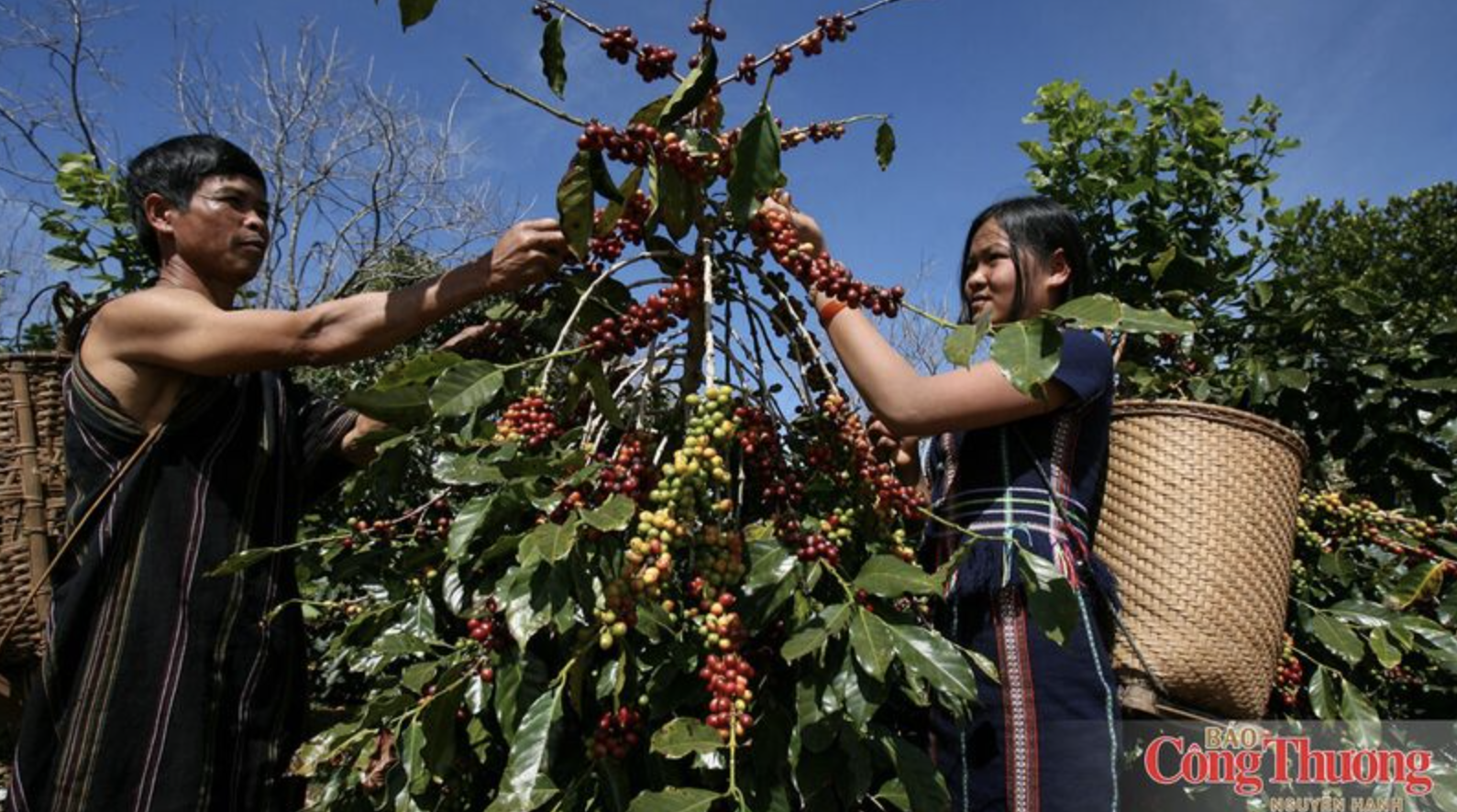
Complying with the European Union Deforestation Regulation (EUDR) is not only a legal requirement but also an opportunity for the coffee industry to improve supply chain transparency, reduce carbon emissions and enhance its value in international markets.
From stationery and gaming furniture to pet products, a Mexican distributor with a retail network spanning more than 1,670 outlets nationwide will attend Viet Nam International Sourcing 2026 (VIS 2026) to identify Vietnamese suppliers.
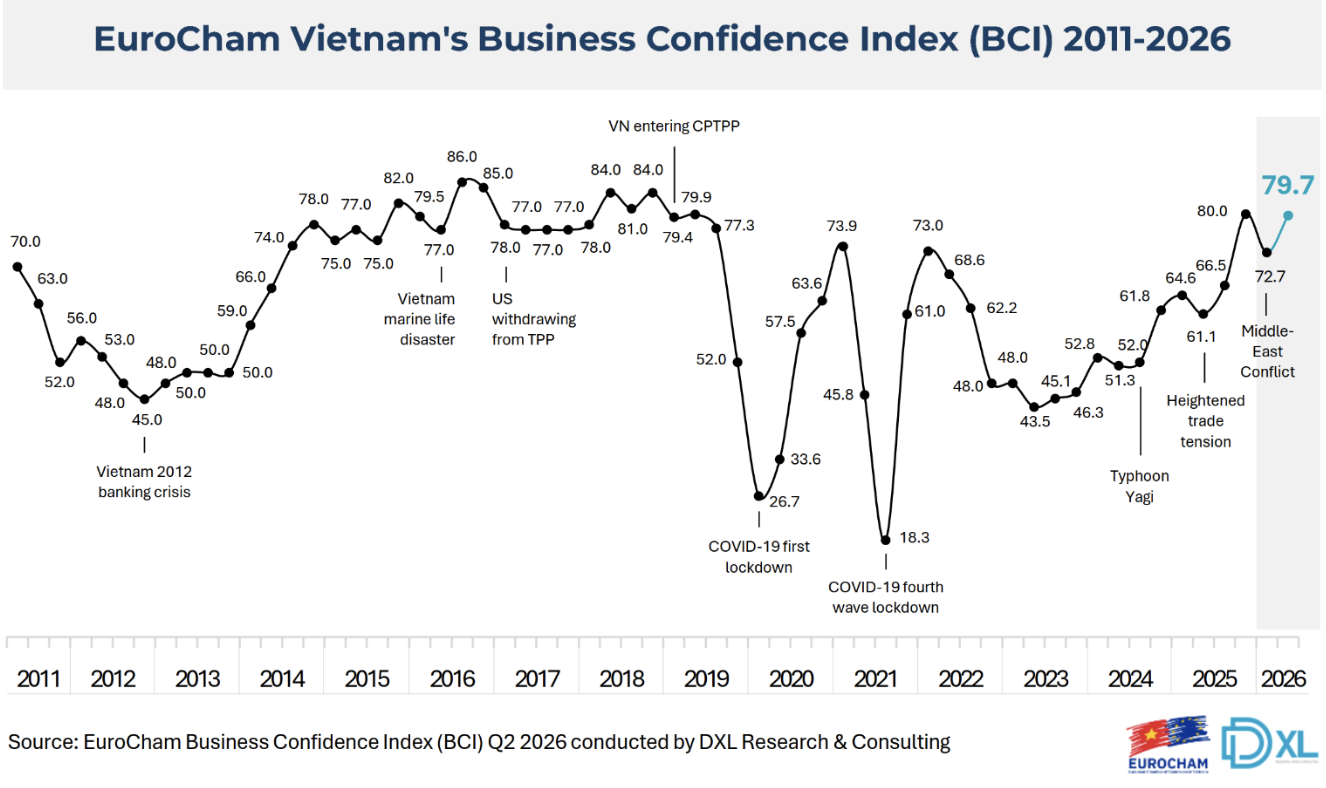
EuroCham's Business Confidence Index rose to 79.7 in Q2 2026, nearing a seven-year high as European businesses expressed growing confidence in Vietnam's economy.
The Ministry of Industry and Trade reviews progress in implementing Resolution No.70-NQ/TW, urging stronger coordination to ensure national energy security and project delivery.
The business community continues to acknowledge and express its appreciation for the Ministry of Industry and Trade's steadfast support in helping Vietnamese products reach international markets.
Complying with the European Union Deforestation Regulation (EUDR) is not only a legal requirement but also an opportunity for the coffee industry to improve supply chain transparency, reduce carbon emissions and enhance its value in international markets.
From stationery and gaming furniture to pet products, a Mexican distributor with a retail network spanning more than 1,670 outlets nationwide will attend Viet Nam International Sourcing 2026 (VIS 2026) to identify Vietnamese suppliers.
The Ministry of Industry and Trade reviews progress in implementing Resolution No.70-NQ/TW, urging stronger coordination to ensure national energy security and project delivery.
The business community continues to acknowledge and express its appreciation for the Ministry of Industry and Trade's steadfast support in helping Vietnamese products reach international markets.
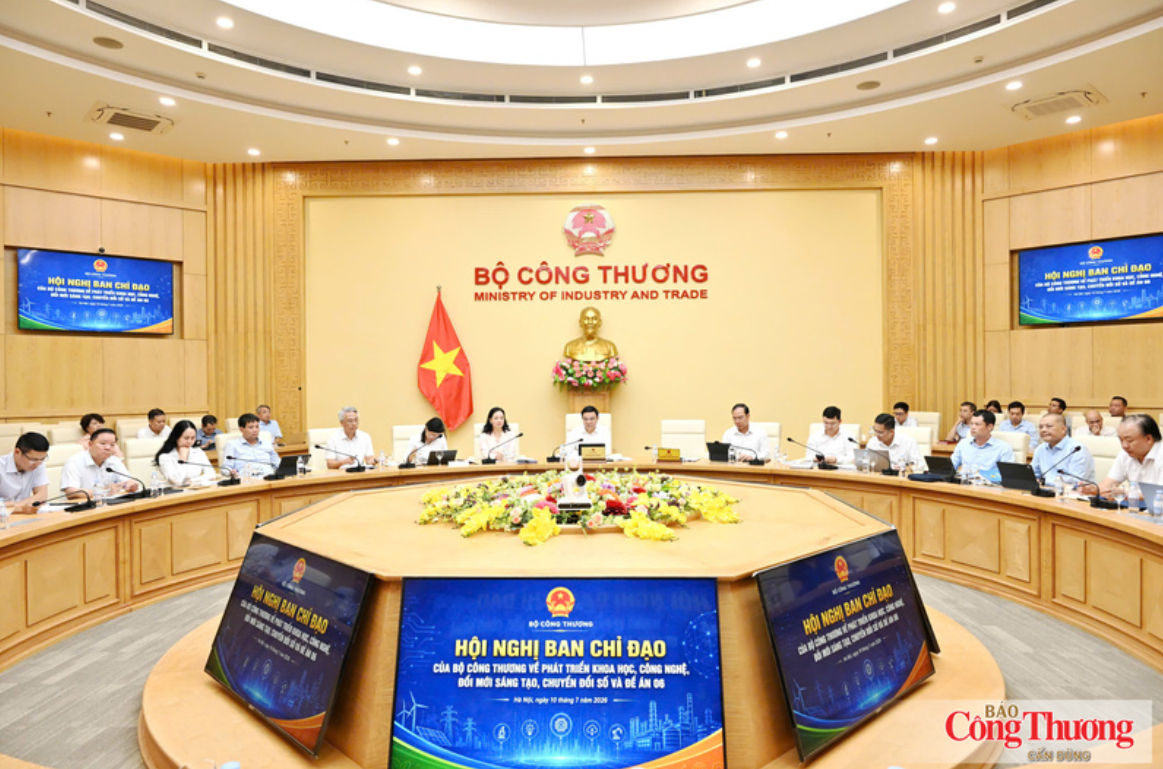
On July 10, Minister of Industry and Trade Le Manh Hung chairs a meeting to review the implementation of science, technology, innovation, digital transformation and Scheme 06.