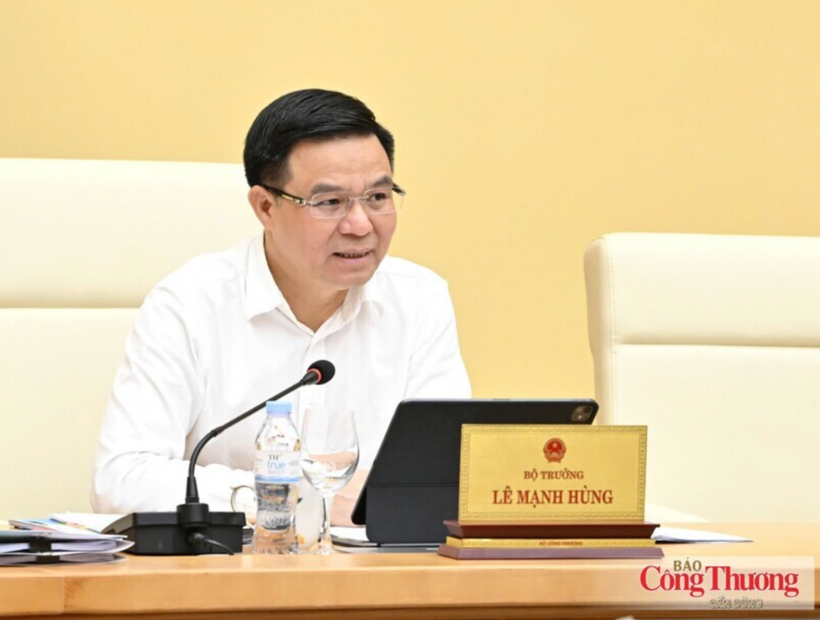
On July 10, Minister of Industry and Trade Le Manh Hung chairs a meeting to review the implementation of science, technology, innovation, digital transformation and Scheme 06.
The conference was attended by members of the Steering Committee and its working group, along with representatives of a number of corporations, institutes and universities under the ministry.
Minister of Industry and Trade Le Manh Hung chairs the conference.
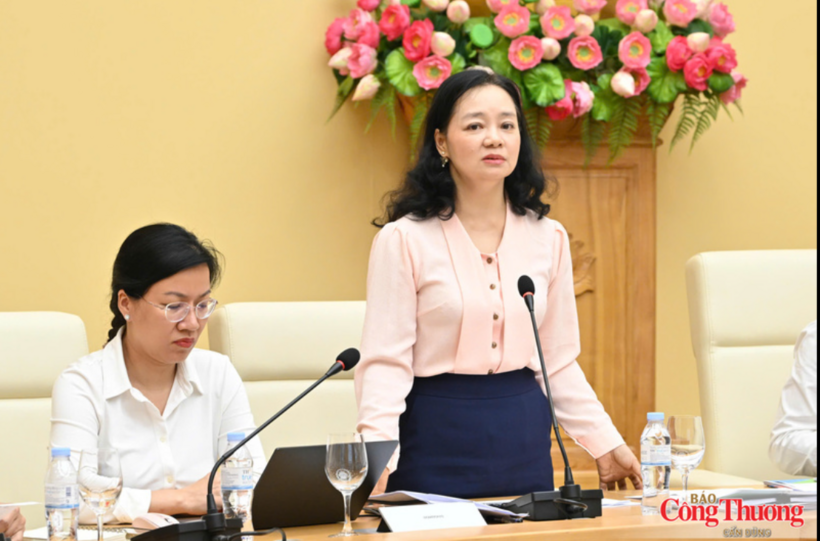
Reporting at the conference, Nguyen Thi Lam Giang, Director of the Agency for Innovation, Green Transition and Industry Promotion (IGIP), said that after more than 1.5 years of implementing Resolution No.57-NQ/TW, the Ministry of Industry and Trade had completed 178 of the 287 assigned tasks, with 10 tasks on schedule and 99 being regular ongoing duties; no tasks were overdue.
All tasks have been reviewed, with plans drawn up specifying the leading and coordinating agencies, expected outputs and completion deadlines. While the tasks are distributed among many units under the ministry, they are concentrated mainly in the two focal units for digital transformation and for science and technology.
Nguyen Thi Lam Giang, Director of the Agency for Innovation, Green Transition and Industry Promotion, reports at the conference.
Notably, the implementation of Resolution 57 has recorded a clear shift from a management mindset to one of facilitation for development, and from the launch phase in 2025 to a phase in which effectiveness is measured through concrete products, data and outputs.
In terms of institutional and administrative procedure reform, the Ministry of Industry and Trade remains among the top three ministries and sectors serving people and businesses, having issued or submitted for issuance 17 legal documents related to science, technology, innovation and digital transformation. It has approved a plan to cut and simplify 55.34% of administrative procedures (233 of 421 procedures), saving an estimated VND 491.3 billion in compliance costs, and completed the decentralization of 43 of 45 administrative procedures, reaching 95.5%.
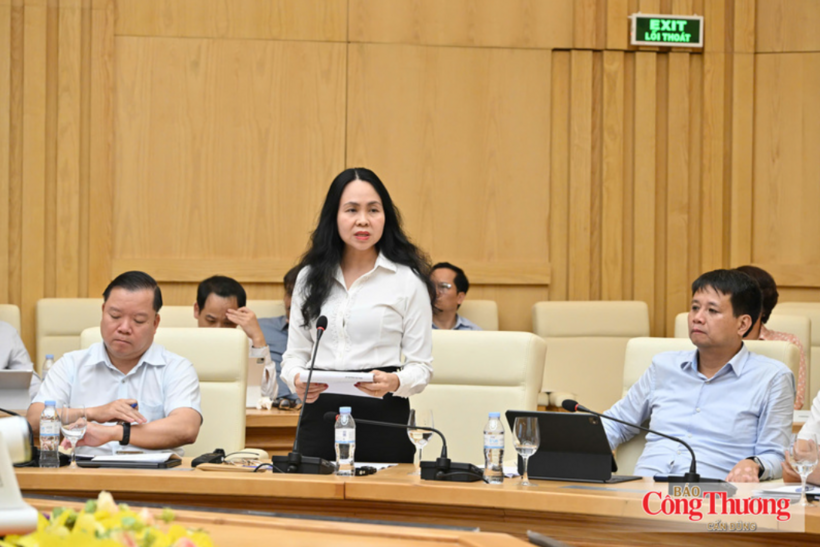
Le Hoang Oanh, Director of the Vietnam E-commerce and Digital Economy Agency (iDEA).
In digital transformation, data and public services, the centralized information system for administrative procedure settlement has been in operation since January 1, 2026, with the rate of online dossiers reaching approximately 99%. The ministry has integrated 265 online public services into the National Public Service Portal, created about 204,000 items of data on chemicals and precursors, synchronized all 16 groups of indicators in the industry and trade economic database with the National Data Center, and reviewed 41 types of specialized documents for integration with VNeID.
In science, technology and innovation, three major challenges facing the sector have been identified: ensuring energy security; achieving industrial self-reliance and improving localization and value chains; and modernizing trade through data, smart logistics and reliable supply chains.
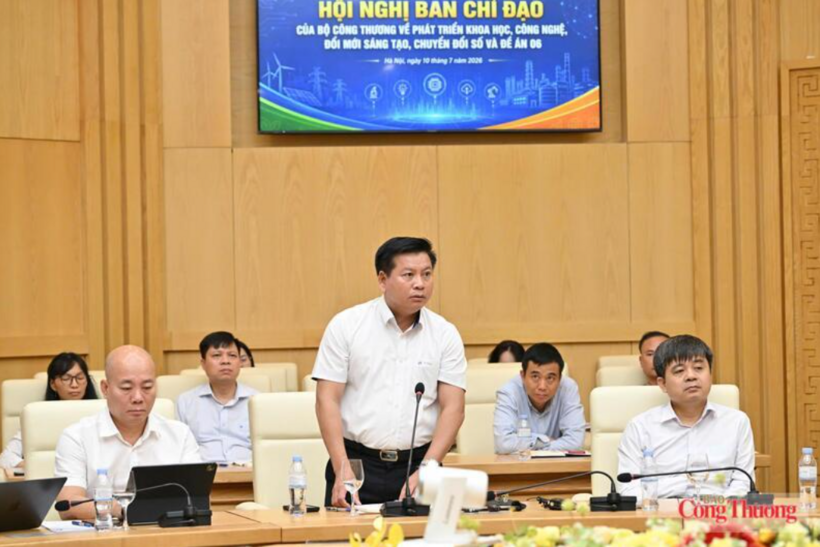
Dinh The Phuc, member of the Members' Council of Vietnam Electricity (EVN).
In addition, businesses, institutes and universities in the industry and trade sector have proactively shifted from applying information technology on an individual basis to building a portfolio of strategic technologies and products linked to operations, production, markets and concrete profits and efficiency.
In human resource development, 100% of officials and civil servants have received basic digital skills training. The "digital literacy for all" movement has been rolled out in connection with AI, big data and the automation of public duties, while mechanisms to attract and make use of talent have begun to be applied, along with a shift in training at institutes and universities toward semiconductors, AI, green energy, logistics and other core technology sectors.
Associate Professor, Dr. Dinh Van Chau, Rector of Electric Power University.
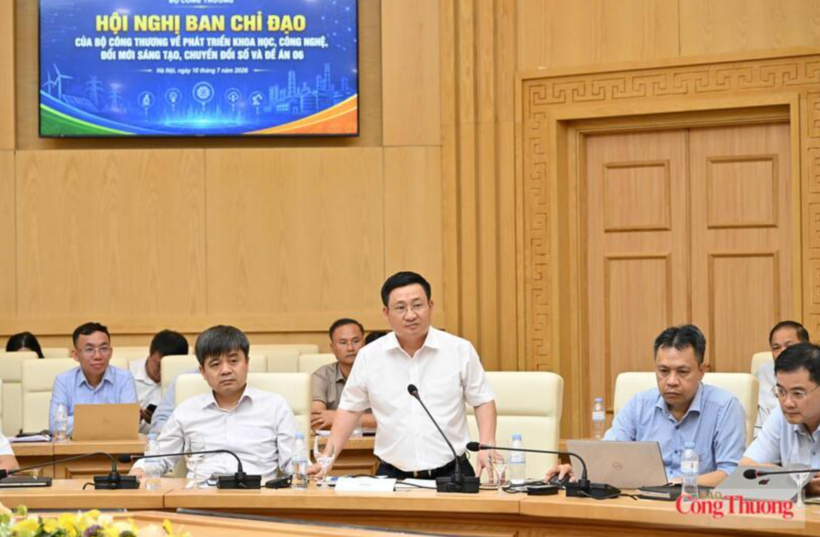
At the conference, representatives of agencies, departments, research institutes, universities and corporations in the industry and trade sector shared the results of implementing science, technology, innovation and digital transformation tasks, as well as the progress of implementing Resolution 57, along with difficulties and obstacles encountered during implementation and the tasks to be prioritized in the coming period.
In the last six months of 2026, the Ministry of Industry and Trade will continue to thoroughly grasp the direction of the Party Central Committee, identifying science, technology, innovation and digital transformation as key, priority tasks, with the head of each unit bearing the highest responsibility and implementation following the "6 clarities" principle to ensure that tasks produce concrete outputs without delay. Efforts will focus on completing institutional frameworks, digital infrastructure and data, administrative and public service reform, the development of technologies and strategic technology products, and the effective allocation and use of funding.
Dr. Phan Dang Phong, Director of the National Research Institute of Mechanical Engineering (NARIME).
Acknowledging the efforts of units in implementing assigned tasks on schedule, Minister Le Manh Hung stressed that task performance should be measured by actual outputs and products.
He asked for a shift in the approach to science and technology from management to governance, requiring not only the completion of planned tasks but also the optimal use of resources, including those from the foreign direct investment (FDI) sector and private enterprises.
At the conference, the Minister also outlined a number of key tasks for the coming period. First, to assess and systematize all the limitations and bottlenecks encountered during implementation and to devise solutions to address them.
Second, to reorganize and set specific, measurable targets under Resolution 57, focusing on two groups of work: digital transformation, and science, technology and innovation, with emphasis on actual outputs and products linked to production and business goals and to serving economic development tasks effectively.
Third, to reorganize the ministry's Steering Committee for the Development of Science, Technology, Innovation, Digital Transformation and Scheme 06 into two separate committees, one focusing on digital transformation and the other on science, technology and innovation activities.
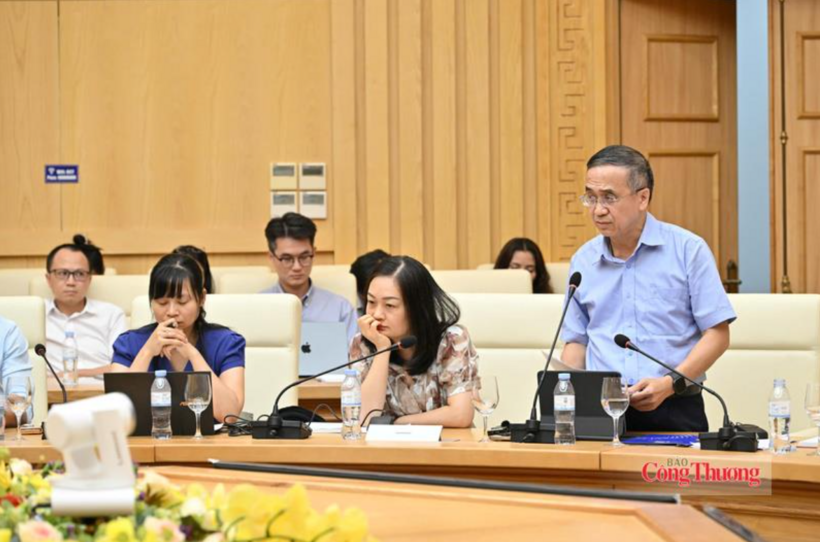
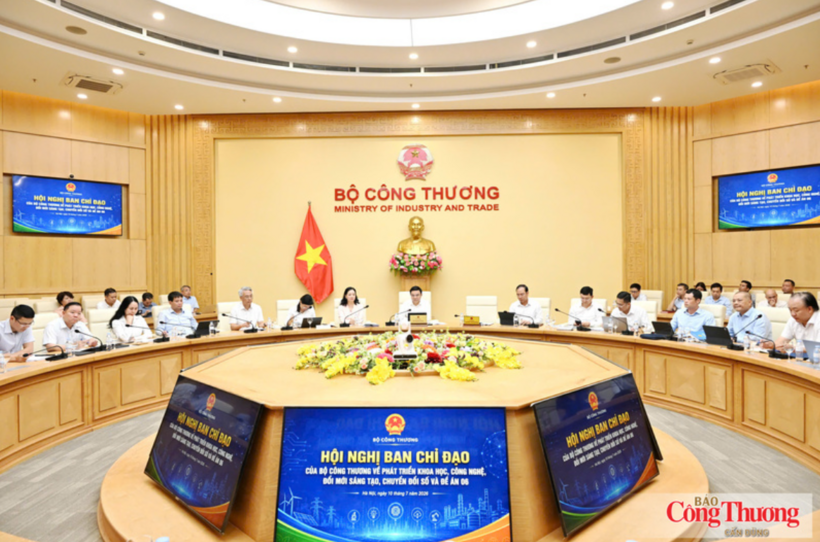
Overview of the conference.
For science, technology and innovation, the Minister asked the working group and the standing agency of the Steering Committee to compile the remaining tasks for the last six months of the year and draw up a full list of tasks with completion deadlines. This will serve as the basis for units to update progress weekly on the database system, ensuring that monitoring and supervision are carried out regularly and transparently.
The Ministry of Industry and Trade's Steering Committee conference on the development of science, technology, innovation, digital transformation and Scheme 06.
In addition, the Minister asked for a review and update of the three major challenges alongside six strategic technologies and 16 groups of products of the sector, as well as the drafting of implementation plans linked to the ecosystem for each task, broken down by field. The plans must clearly identify the head responsible for each task, along with the responsibilities of the ministry, coordinating units, businesses, training institutions and research institutes.
For digital transformation, the Minister assigned the Vietnam E-commerce and Digital Economy Agency to coordinate with the Agency for Innovation, Green Transition and Industry Promotion to conduct an overall review of strategic digital transformation tasks, including the data strategy, the digital transformation architecture framework, the data architecture framework and the ministry's data catalogue. At the same time, the design of digital and soft infrastructure is to be reviewed and completed, and the core database system restructured and incorporated into the ministry's legislative work program.
Emphasizing the need to strengthen management on a digital platform to serve the goals of administrative reform and improve the effectiveness of the ministry's state management, the Minister assigned the ministry's Office to coordinate with relevant units to deploy a data-driven governance system, ensuring connectivity and monitoring of work processing, with the goal of having 100% of dossiers processed in the digital environment.
The Minister also asked scientific research units, training institutions and businesses, especially institutes and universities under the ministry along with economic groups under the management of the Ministry of Industry and Trade, to base their implementation plans on the orientations of the major challenges and the ministry's proposed assignments, and to align them with the standing agency to clearly determine tasks, outputs and implementation progress. This will serve as the basis for the ministry to monitor, inspect, supervise and evaluate implementation results.
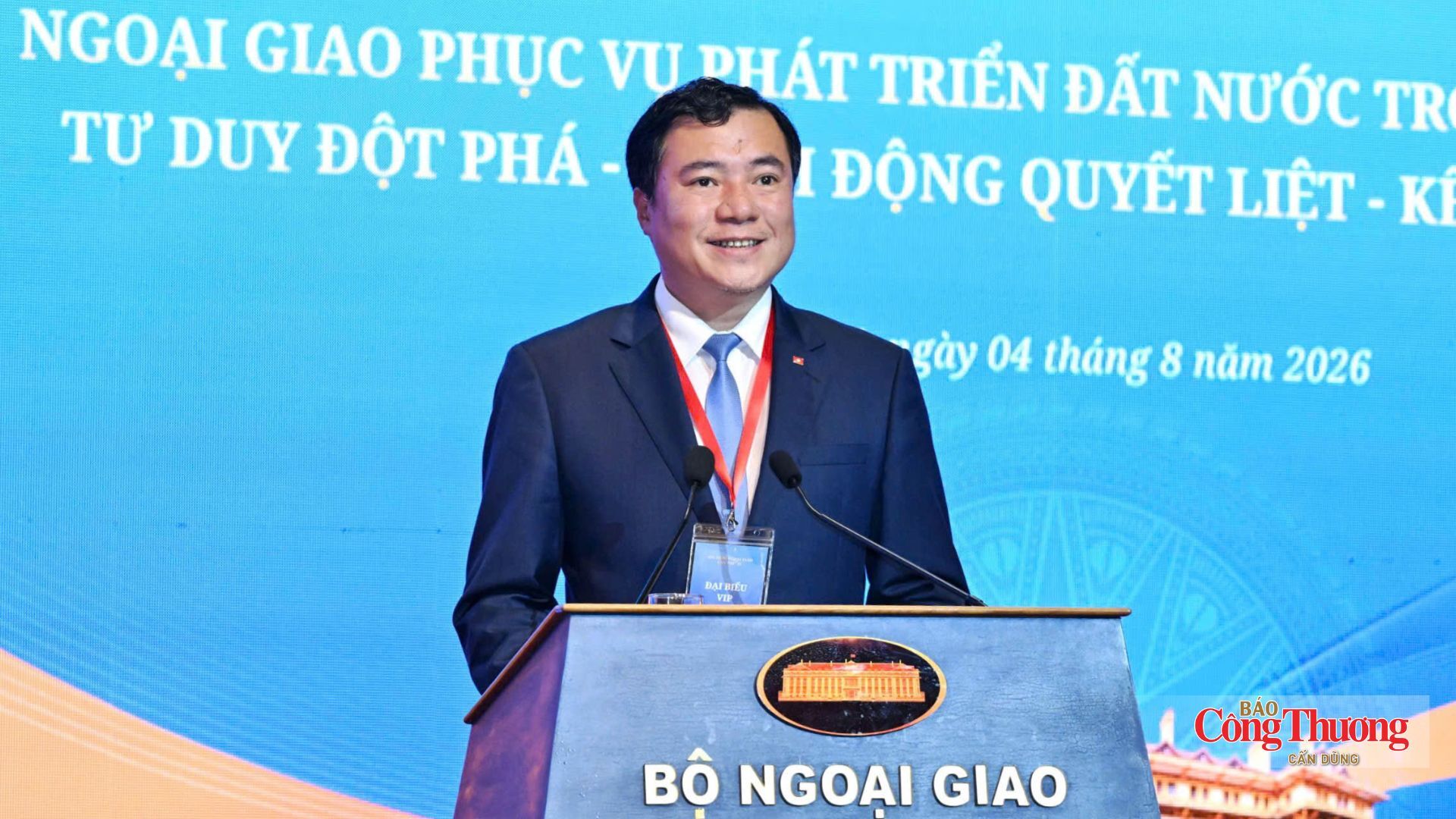
Deputy Minister Nguyen Sinh Nhat Tan outlines GoGlobal priorities to help Vietnamese businesses expand sustainably and compete more effectively across world markets.
The proposed amendments to the Petroleum Law are intended to further strengthen the legal framework, introduce appropriate mechanisms and policies to attract investment, and ensure the efficient exploration, development and utilization of the country's petroleum resources.
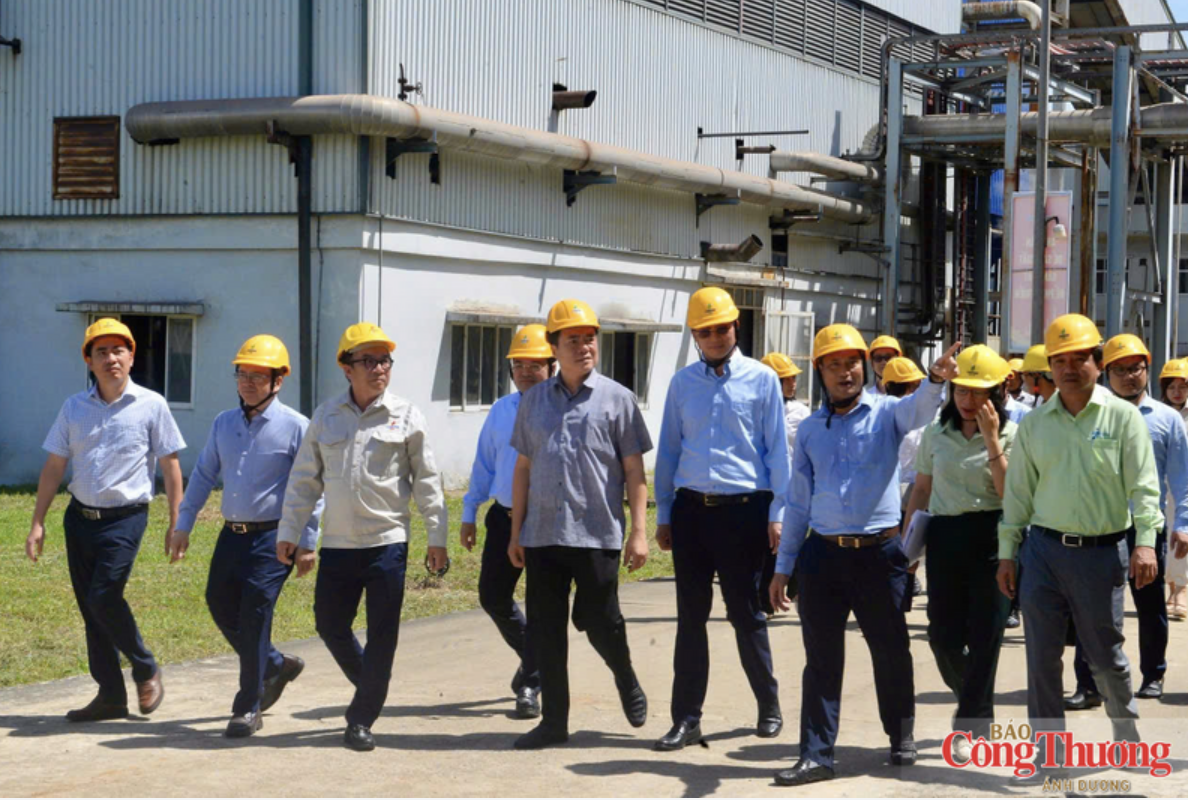
Deputy Minister Nguyen Sinh Nhat Tan inspected ethanol plants in central Vietnam to assess E100 supply capacity and support the nationwide rollout of E10 biofuel.
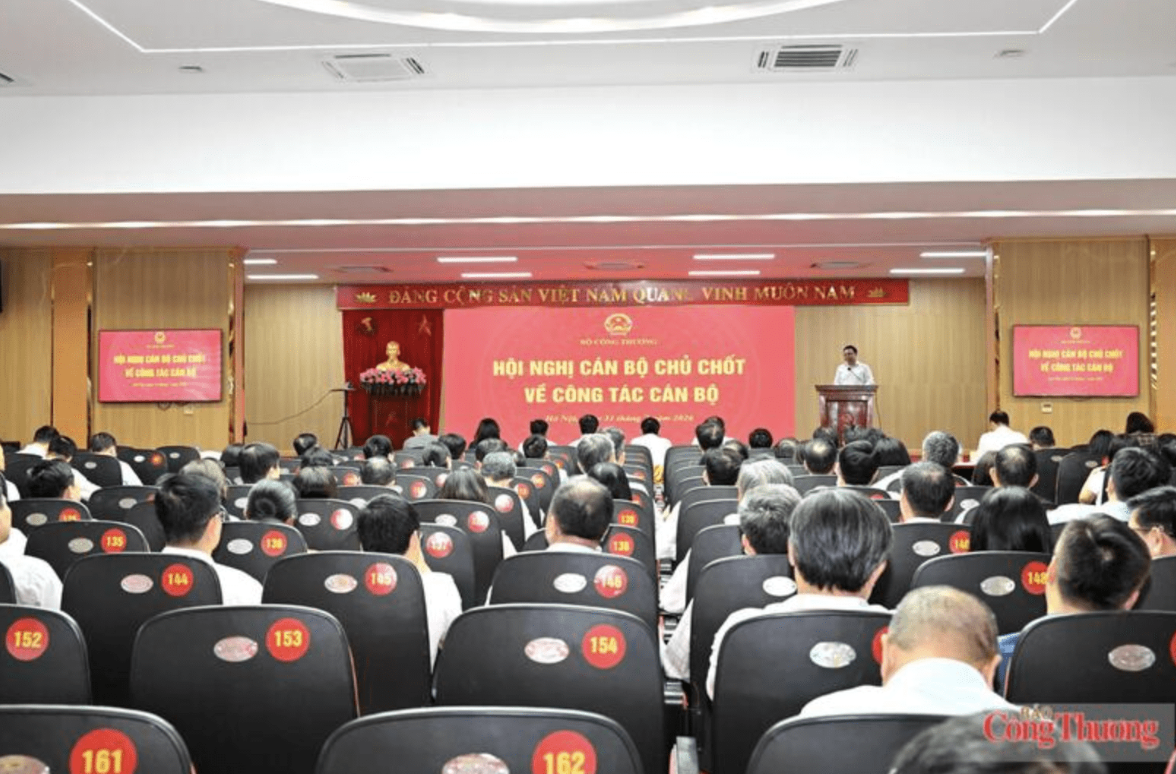
The conference was held to carry out the nomination process for the appointment of a Deputy Minister of Industry and Trade in accordance with regulations.
Deputy Minister Nguyen Sinh Nhat Tan outlines GoGlobal priorities to help Vietnamese businesses expand sustainably and compete more effectively across world markets.
The proposed amendments to the Petroleum Law are intended to further strengthen the legal framework, introduce appropriate mechanisms and policies to attract investment, and ensure the efficient exploration, development and utilization of the country's petroleum resources.
The conference was held to carry out the nomination process for the appointment of a Deputy Minister of Industry and Trade in accordance with regulations.
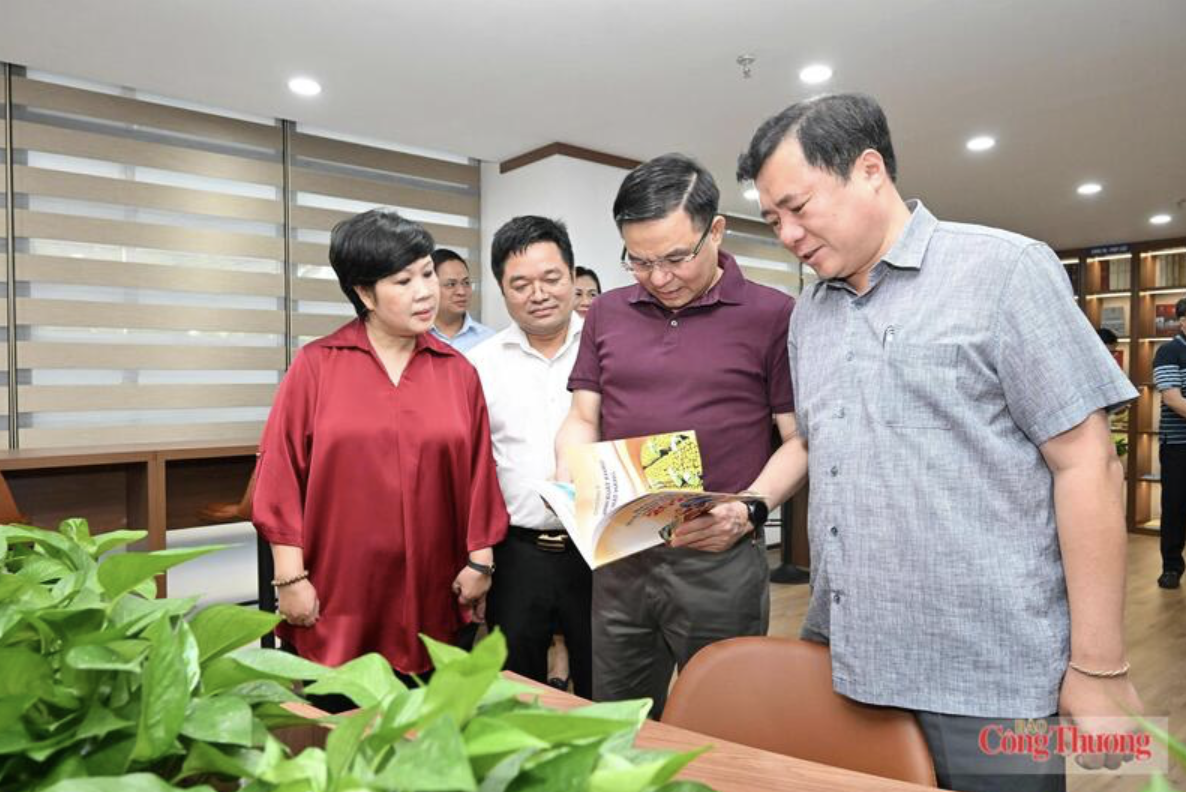
The Ministry of Industry and Trade’s Reading Culture Space aims to promote lifelong learning, strengthen knowledge sharing and support innovation across the sector.