Efficient energy use is helping businesses cut costs, boost competitiveness, reduce emissions, and accelerate the transition toward green growth.
Strengthening policies to promote energy efficiency
As energy demand continues to rise, energy security requirements become more pressing, and commitments to green growth and emissions reduction gain momentum, energy efficiency is no longer merely a short-term solution. It has become a critical pillar of sustainable development.
After more than 15 years of implementing the Law on Economical and Efficient Use of Energy, the business community’s perception of energy efficiency has undergone a significant transformation. Companies are moving beyond viewing it solely as a cost-saving measure and increasingly recognizing investment in energy-efficient technologies as a strategic tool to enhance competitiveness and create greater production value.
Alongside efforts to improve the regulatory framework, diversify green financing sources, and accelerate the application of digital technologies in energy management, Vietnam is gradually establishing a favorable ecosystem to support businesses in advancing their green transition.
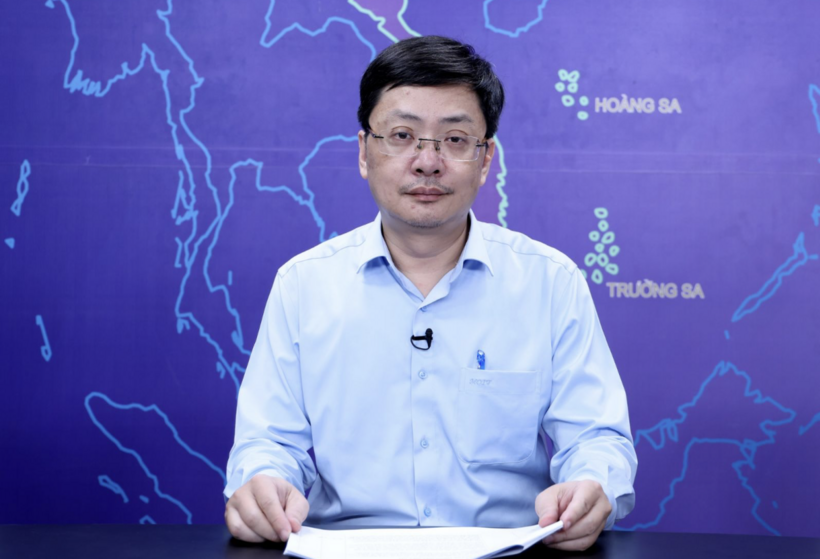
Speaking at the seminar “Saving Electricity During Peak Demand Seasons: Responsibilities and Solutions,” Dang Hai Dung, Deputy Director of the Department of Innovation, Green Transition and Industrial Promotion under the Ministry of Industry and Trade, noted that after approximately 15 years of implementing the Law on Economical and Efficient Use of Energy, businesses have demonstrated increasingly positive awareness of the issue. More enterprises are paying attention to reducing energy consumption, cutting greenhouse gas emissions, and improving production and business efficiency.
Dang Hai Dung, Deputy Director of the Department of Innovation, Green Transition and Industrial Promotion, speaks at the seminar. Photo: VGP.
However, the transition toward energy-efficient technologies continues to face numerous obstacles, with the most significant challenge being the high upfront investment cost.
Replacing production lines or adopting new technologies often requires substantial capital expenditure. For financially strong enterprises, such investments can serve as a strategic move to strengthen competitiveness. For many others, particularly small and medium-sized enterprises, constraints related to cash flow, collateral requirements, and access to financing remain major barriers.
According to him amendments to the Law on Economical and Efficient Use of Energy, which took effect on January 1, 2026, have established a new legal framework for mobilizing financial resources to support the green transition.
“Beyond conventional credit sources, businesses can now access a broader range of financial instruments, including green loans, green bonds, and dedicated financial support programs for energy-efficiency projects. In practice, many commercial banks have already begun developing green financing packages to facilitate technology upgrades and innovation,” he emphasized.
Another noteworthy development is the planned establishment of the Energy Efficiency Fund. Regulatory authorities expect the fund to be launched and become operational in the near future, providing an additional and important financial mechanism to support technological transformation within enterprises.
As artificial intelligence, big data, and other digital technologies continue to advance rapidly, demand for smart energy management solutions is also expected to increase significantly. According to Dang Hai Dung, this will become a highly promising market in the years ahead.
Maximizing energy efficiency
At another seminar titled “Electricity conservation: solutions for the hot season,” Tran Viet Nguyen, Deputy Head of EVN’s Power Business and Trading Department, affirmed that electricity conservation should be regarded as the “first source of energy” because it is the easiest and least costly solution to implement. Statistics from the World Bank and various experts indicate that the cost of saving one kilowatt-hour (kWh) of electricity is only one-fourth to one-fifth of the cost required to generate, transmit, and distribute an additional kWh.
The Vietnam Electricity (EVN) places strong emphasis on energy conservation and has proactively implemented extensive electricity-saving programs for its customers.
Sharing the same view, Nguyen Dinh Hiep, Chairman of the Vietnam Association for Energy Conservation and Efficiency Science and Technology (VECEA), said that amid mounting pressure from rising electricity demand, energy efficiency measures, including electricity conservation must be implemented regularly, continuously, and comprehensively across the entire energy value chain, from resource extraction and power generation to transmission and end-use consumption. Achieving this objective requires active participation from communities and society as a whole.
Energy efficiency is increasingly recognized as a low-cost solution with substantial benefits, contributing to energy security, emissions reduction, and green growth.
From the government’s perspective, appropriate policies and regulatory mechanisms are needed to further encourage energy conservation and efficient electricity use.
For businesses, compliance with regulations stipulated in the Law on Economical and Efficient Use of Energy and related decrees remains essential. Enterprises should conduct energy audits, establish energy management systems, and prioritize investments in energy-saving solutions.
For citizens, participating in electricity-saving programs, using electricity more intelligently, and choosing high-efficiency products bearing energy labels can significantly improve overall energy efficiency.
According to Nguyen Dinh Hiep, the Law on Economical and Efficient Use of Energy was first enacted in 2010 (Law No.50/2010/QH12). In 2025, the National Assembly adopted amendments to the law (Law No.77/2025/QH15). Vietnam now has a comprehensive legal framework governing energy efficiency activities across both production and consumption.
Over the years, Vietnam has achieved notable progress in promoting energy efficiency. During the 2006–2010 period, the National Target Program on Economical and Efficient Use of Energy helped save nearly 5% of total energy demand compared with the baseline scenario. Subsequently, the National Energy Efficiency Program (VNEEP2) implemented during 2010 - 2015 achieved energy savings equivalent to 6.5% of total national energy consumption.
“Vietnam is currently implementing the National Energy Efficiency Program for the 2019 - 2030 period (VNEEP3). Preliminary assessments recently conducted by the Ministry of Industry and Trade indicate that VNEEP3 has successfully fulfilled all targets assigned by the Government,” he stated.
Energy conservation not only helps reduce production costs but also contributes to strengthening energy security, lowering emissions, and enhancing the competitiveness of businesses. It remains one of the most important solutions for advancing green growth and sustainable development.
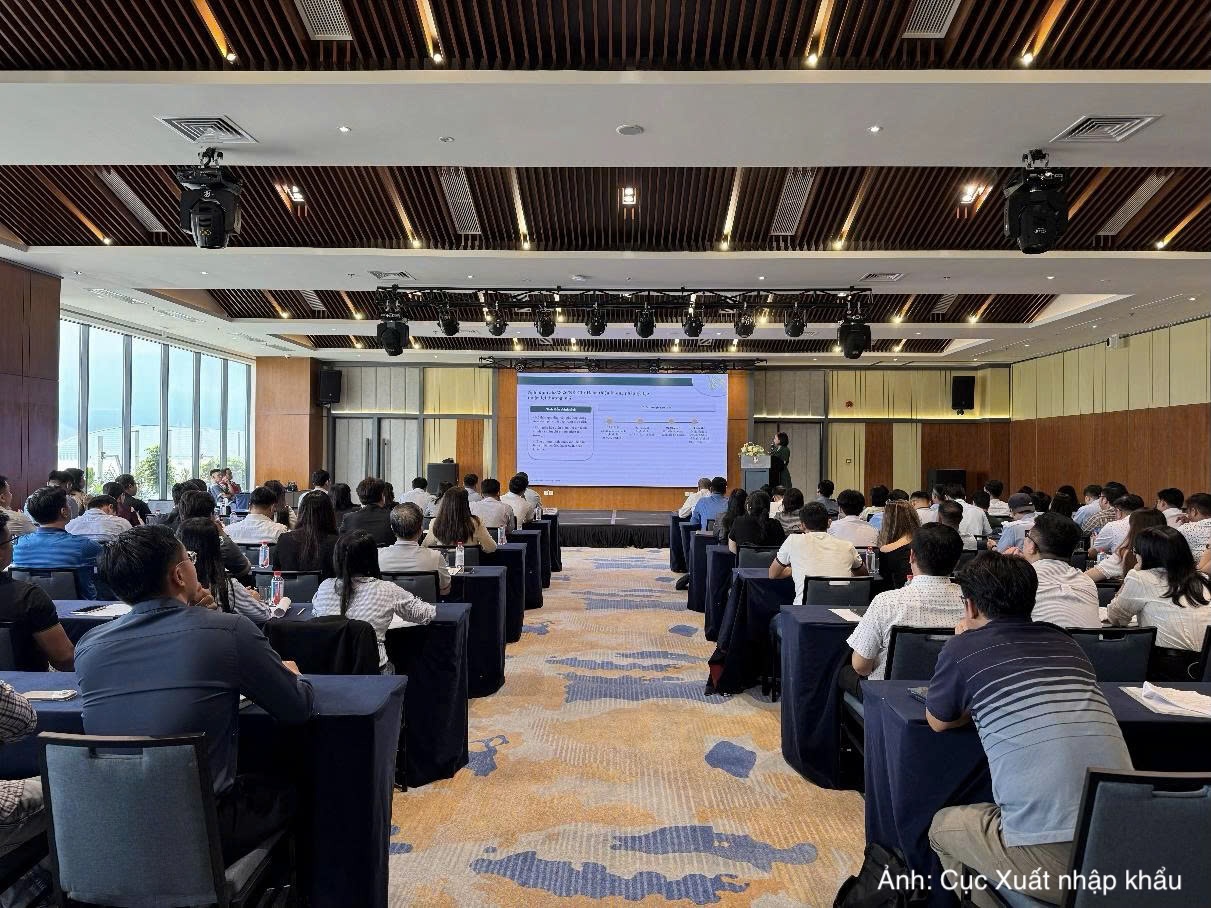
On October 13, the Agency of Foreign Trade under the Ministry of Industry and Trade (MoIT) held a conference in Dong Thap province to disseminate Government Decree No.365/2026/ND-CP dated September 23, 2026, on rice export and import business, and Circular No.65/2026/TT-BCT dated October 1, 2026, issued by the Minister of Industry and Trade, detailing certain provisions and measures for implementing Decree No.365/2026/ND-CP.
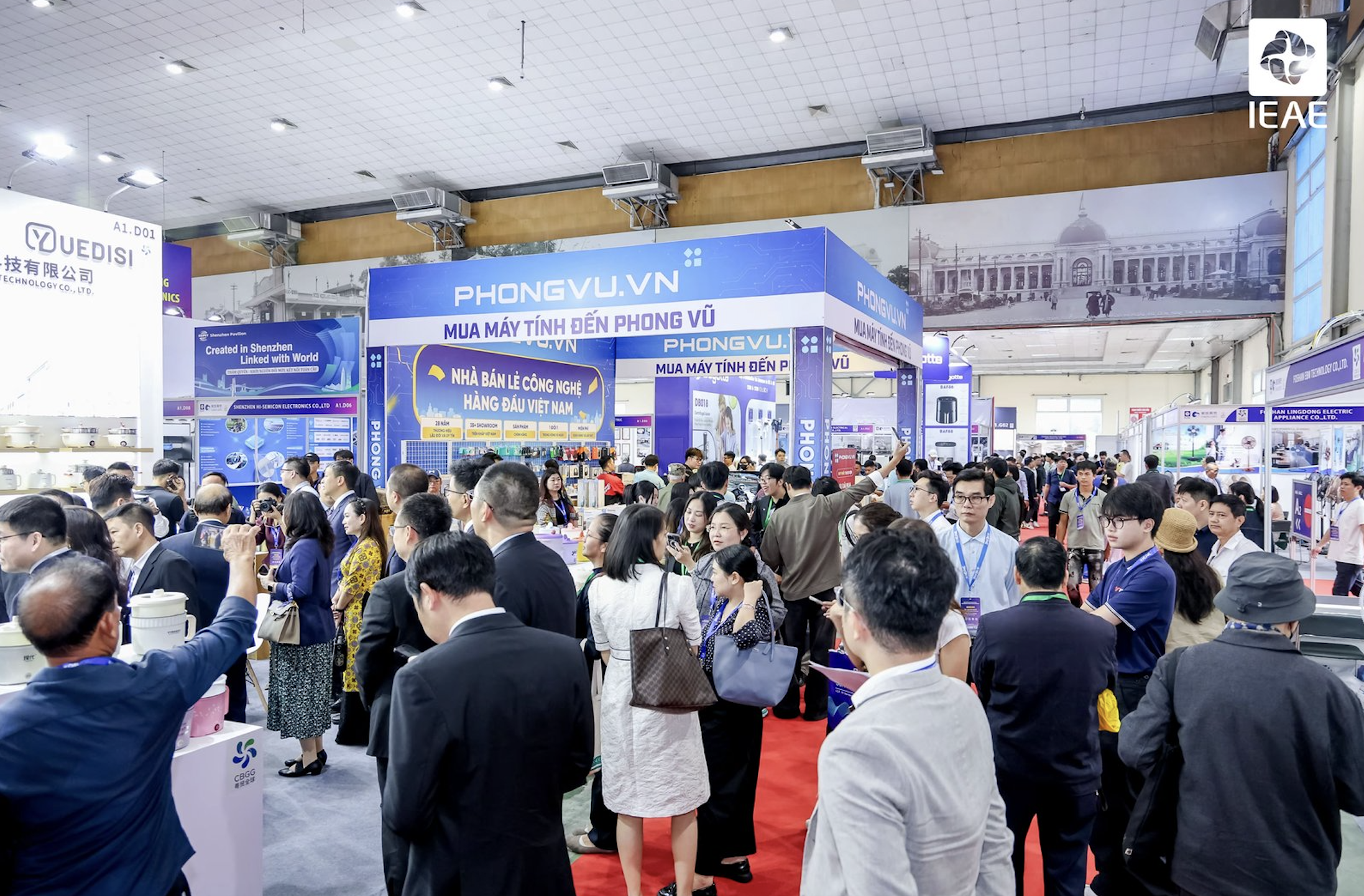
IEAE Hanoi 2026 will gather over 300 exhibitors, showcasing electronics, smart appliances and connecting businesses with sourcing and trade opportunities in Vietnam.
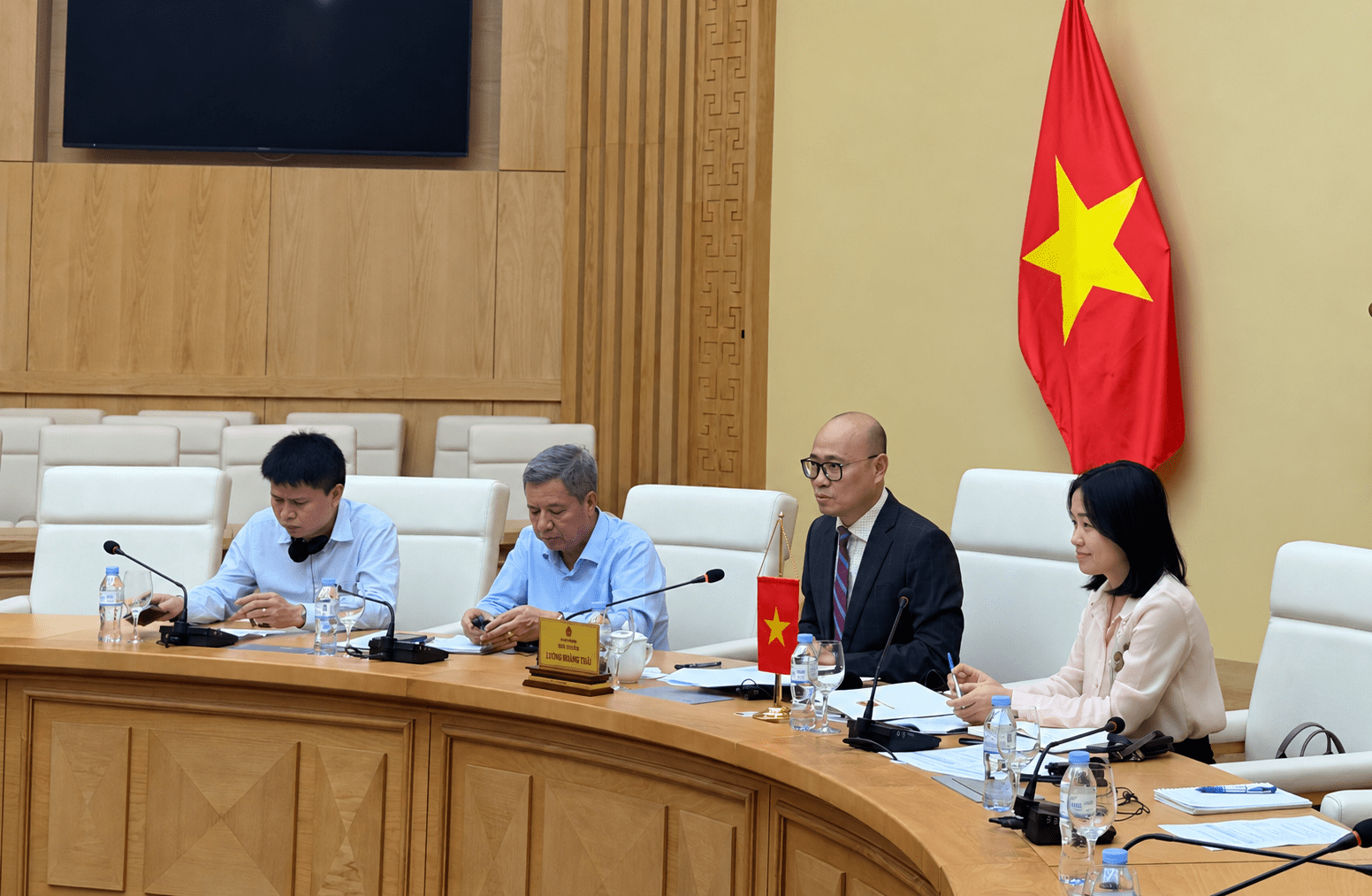
On October 13, Deputy Minister of Industry and Trade Luong Hoang Thai held a working session with MEDEF International, a French business organization, and representatives of French corporations operating in various sectors, including energy, industry, transport, construction and infrastructure development, food and beverages, and services, at the Ministry of Industry and Trade's headquarters.
On October 14, Deputy Minister of Industry and Trade Luong Hoang Thai received and held a working session with a delegation from Hamburg, Germany, led by the city's First Mayor Peter Tschentscher at the Ministry of Industry and Trade's headquarters.
The Copyright Office is working closely with relevant agencies to develop plans for inspections and enforcement action against copyright and related rights infringements in the digital environment.
The Vietnam Industry Agency under the Ministry of Industry and Trade and Samsung Vietnam continue to strengthen cooperation in developing supporting industries, enhancing the capabilities of domestic enterprises and expanding opportunities for their participation in global supply chains.
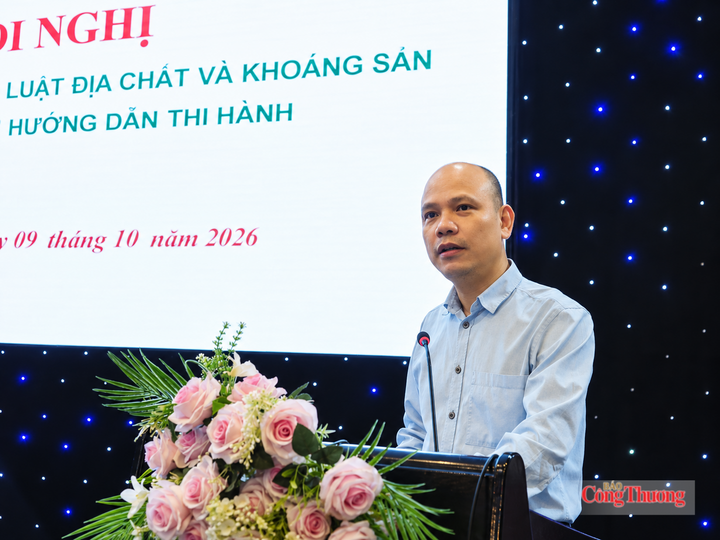
On October 9, the Viet Nam Department of Geology and Minerals, in coordination with the Thai Nguyen Department of Industry and Trade, held a conference in Thai Nguyen province to disseminate the Law on Geology and Minerals and its implementing regulations.
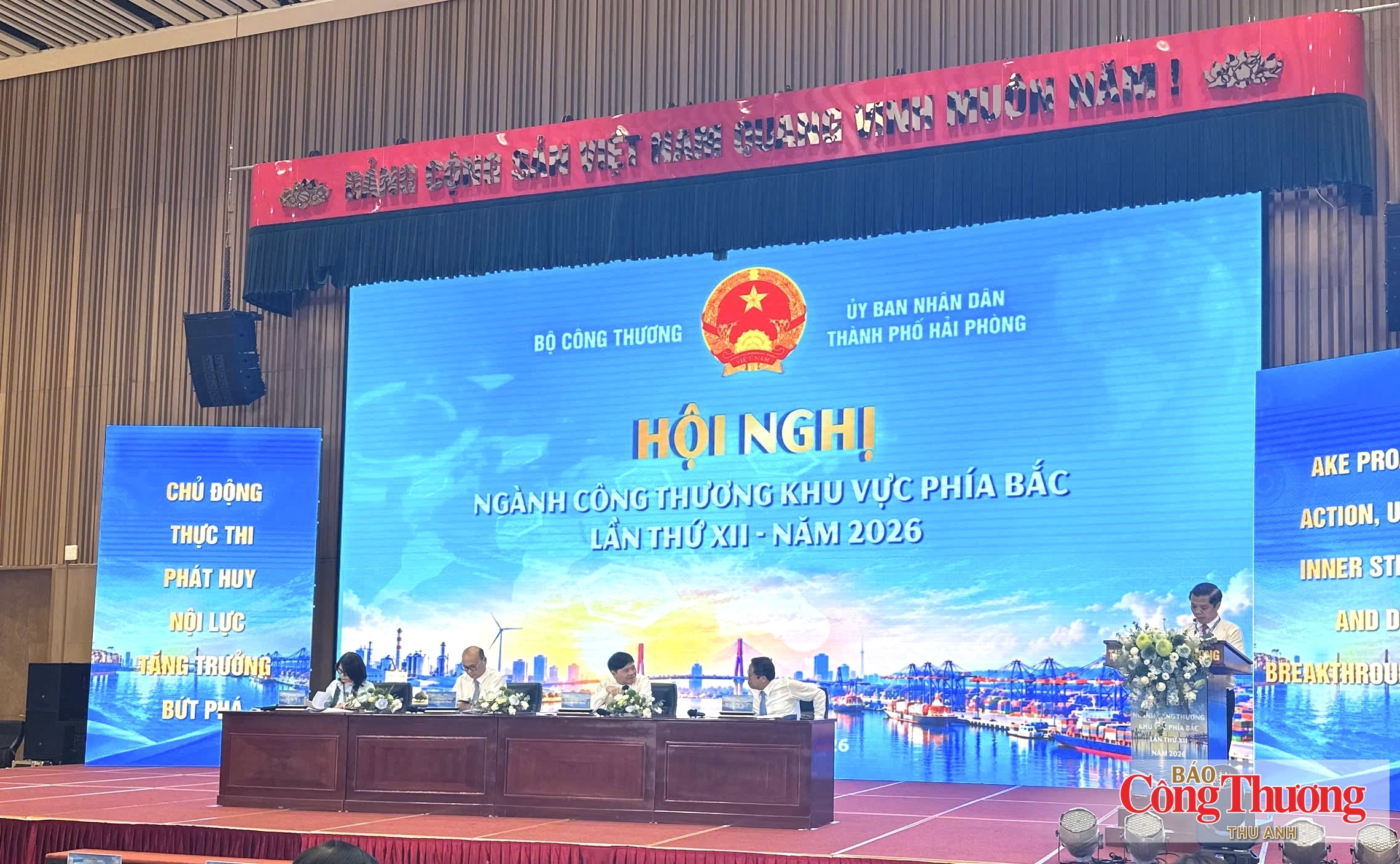
Northern localities are strengthening links in supporting industries, energy and logistics to build competitive value chains and create new growth drivers.
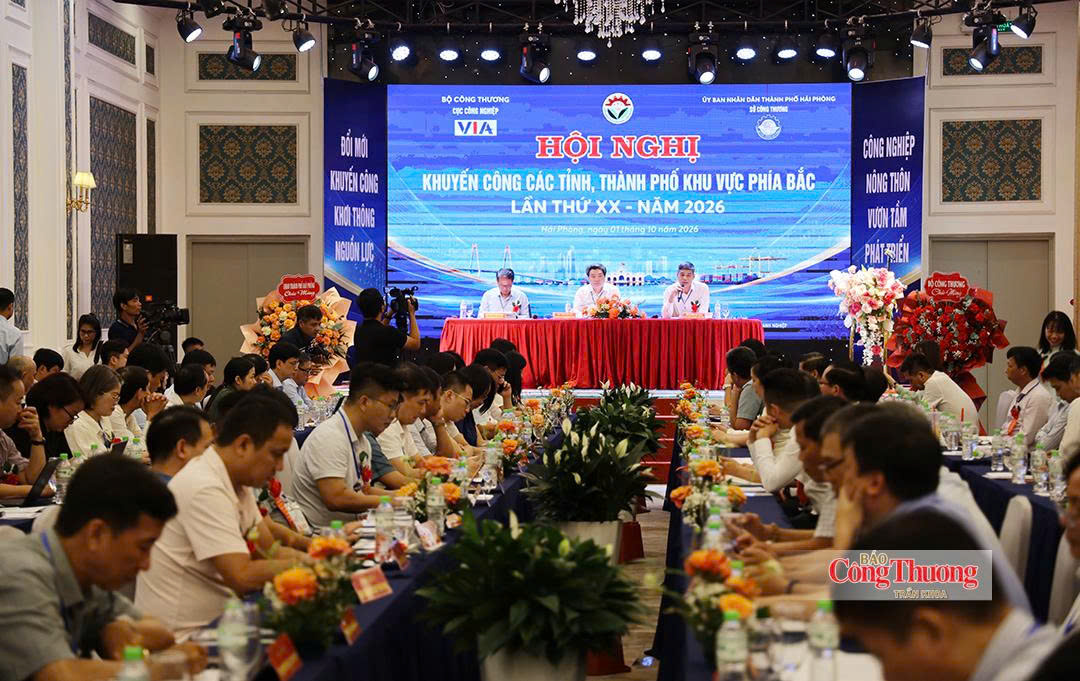
The 20th Industrial Promotion Conference for Northern Provinces and Cities in 2026 was held in Hai Phong City on October 1, with discussions focusing on renewing industrial promotion activities.
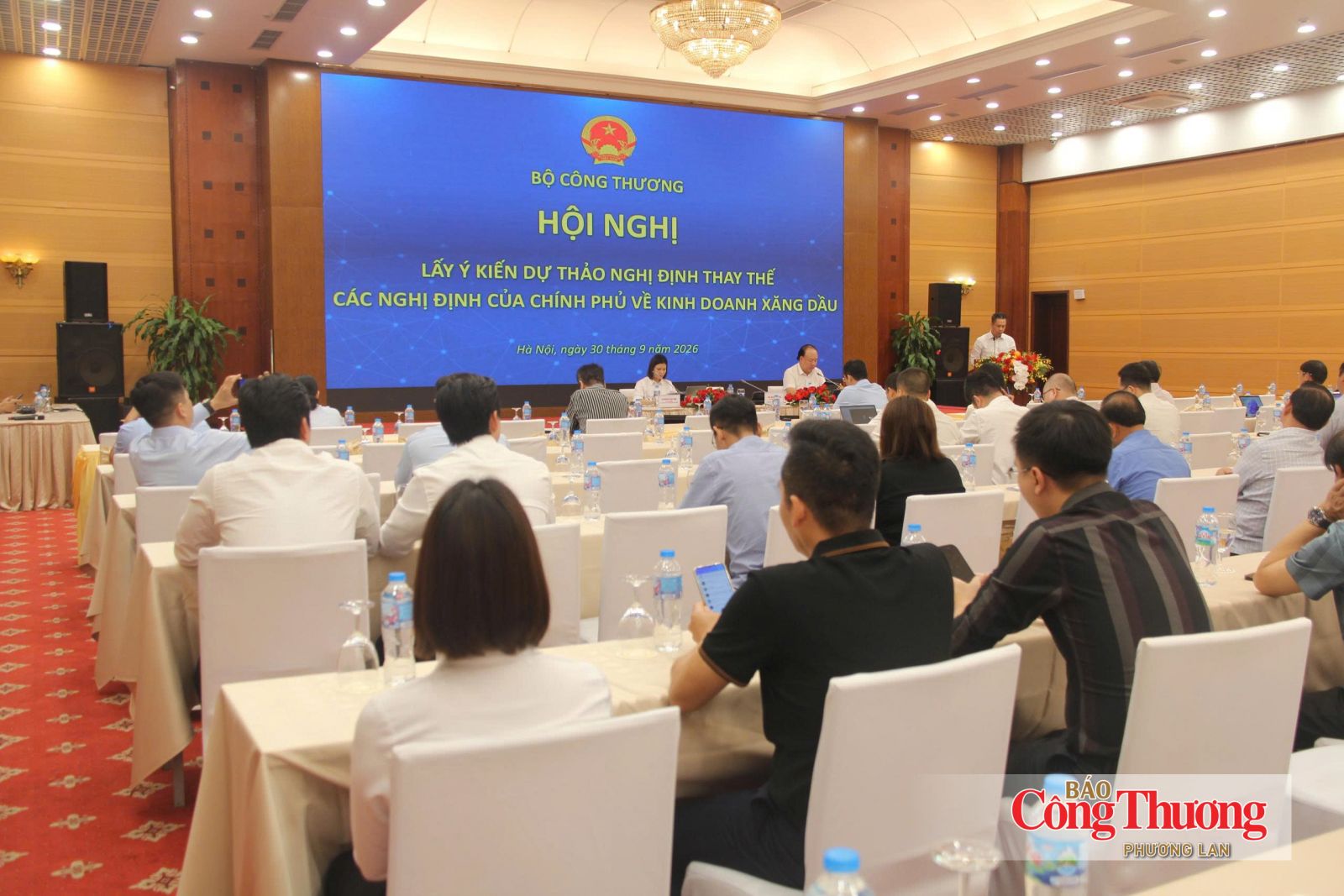
On September 30 in Ha Noi, the Ministry of Industry and Trade (MoIT) held a conference to gather broad feedback on a draft decree replacing the Government’s existing decrees on petroleum trading.