Replacing 10% of conventional gasoline with biofuel is helping Vietnam reduce import dependence, strengthen energy self-reliance and cut emissions.
Contributing to energy self-reliance
Recent complex fluctuations in the global economic and political landscape have placed growing pressure on Vietnam’s energy security. Replacing around 10% of mineral-based gasoline with biofuel could significantly reduce dependence on imports, which currently account for 70% of domestic fuel supply. At the same time, the move aligns with commitments to cut emissions and promote green transportation in the long term.
The nationwide rollout of E10 gasoline is expected to help Vietnam reduce emissions, strengthen energy security, and lower dependence on imported fossil fuels.
In this context, improving energy efficiency is no longer an option but an urgent requirement for Vietnam in order to minimize dependency risks, maintain stable growth, and ensure macroeconomic balance.
Under the Prime Minister’s direction, the roadmap for applying E10 gasoline has been significantly accelerated, from the previously expected deadline of June 1, 2026 to implementation beginning in April 2026, contributing to a 10% reduction in mineral gasoline consumption.
Unlike conventional gasoline, ethanol, the main component of E10, can be produced domestically from agricultural materials. This opens up a value chain linking energy and agriculture, helping secure output for agricultural production while enhancing self-reliance in the fuel structure.
Experts believe this represents a transition from dependency-based energy security to endogenous energy security, in which part of the supply is controlled domestically, thereby reducing exposure to external fluctuations.
Vietnam currently relies heavily on coal, oil, and natural gas for electricity generation and transportation, energy sources with very high carbon intensity that also place significant pressure on the environment.
In strict compliance with the Government’s direction, the Ministry of Industry and Trade proactively accelerated implementation, urgently deploying synchronised solutions ranging from ethanol supply preparation and blending infrastructure to distribution systems and practical guidance for enterprises. The nationwide rollout of E10 gasoline from April 30, 2026 not only demonstrates flexible governance closely aligned with market developments, but also helps reduce dependence on fossil fuels, diversify energy supply sources, and improve the economy’s resilience against unpredictable fluctuations in the global energy market. From April 30, 2026, Vietnam officially required all commercial gasoline to be blended into E10, a biofuel containing 10% ethanol, in order to reduce the proportion of fossil fuels in total fuel consumption.
Reducing emissions and strengthening energy security
Compared with traditional gasoline, E10 helps reduce CO2 emissions and other pollutants while supporting energy security by lowering fuel imports and promoting higher-value domestic products.
The nationwide use of E10 biofuel to replace pure mineral gasoline is considered an important solution to implement the Party and State’s consistent policy of building a green economy, promoting sustainable development, reducing greenhouse gas emissions, and lowering dependence on fossil fuels. It is also regarded as one of the foundations for realising the country’s commitment to achieving net-zero emissions by 2050.
The use of E10 gasoline is contributing to the country’s transition toward greener energy, while creating stable demand for domestically produced agricultural materials.
Experts estimate that shifting to E10 gasoline could help Vietnam save hundreds of millions of USD annually by reducing demand for imported fossil fuels while creating stable output for agricultural production used in ethanol manufacturing.
Beyond E10, the energy sector is also expanding its portfolio of biofuels, including biodiesel from used cooking oil and agricultural biomass, as well as biogas and synthetic gas derived from biomass. Diversifying fuel sources not only helps cut emissions but also promotes the circular economy and creates new markets for agricultural products, clean technology, and green logistics.
Speaking about the benefits of biofuels, energy expert Ngo Thuy Quynh said that biofuels help reduce greenhouse gas emissions because ethanol and biodiesel are derived from biological sources, significantly lowering CO₂ emissions compared with traditional gasoline and diesel. In addition, biofuels help reduce imports of crude oil and refined petroleum products, increase the proportion of domestically supplied raw materials, and strengthen energy security.
From another perspective, Nghiem Thi Ngoan, energy consultant for the Energy Support Programme (GIZ-ESP), stated that accelerating the energy transition toward renewable and bio-based energy sources is not only a green solution but also “a major opportunity for the Vietnamese economy to enhance competitiveness and attract international investment.”
International practice has demonstrated that replacing part of mineral gasoline with bioethanol can significantly reduce CO₂ emissions while contributing to improved urban air quality. Test results in Vietnam conducted by the Vietnam Association of Motorcycle Manufacturers (VAMM) in coordination with Hanoi University of Science and Technology also showed that when E5 and E10 gasoline are used, carbon monoxide (CO) and hydrocarbon (HC) emissions from motorcycles decrease by up to 30%, while fuel consumption falls by an average of 2-5% compared with mineral-based RON95 gasoline. This serves as clear evidence of the environmental benefits of biofuel.
At the COP26 conference in 2021, Vietnam made a historic commitment to achieve net-zero emissions by 2050. To realise this target, gradually reducing dependence on fossil fuels is unavoidable, and biofuels, particularly E10 gasoline, are considered one of the most feasible medium-term solutions.
According to statistics from the Ministry of Construction, the transportation sector currently accounts for around 18% of Vietnam’s total greenhouse gas emissions, with emissions from transport increasing by an average of 6-8% annually, mainly from road transportation. The widespread adoption of E10 gasoline is expected to contribute directly to emission reductions in this sector.
Notably, according to the Vietnam Biofuels Association (VBFA), the use of around 600,000-700,000m3 of ethanol (E100), both imported and domestically produced, for E10 blending each year will not only significantly reduce greenhouse gas emissions but also create stable demand for approximately 1.3 million tonnes of dried cassava chips produced domestically, contributing to a green agricultural development model linked with clean energy.
In addition to environmental benefits, biofuels also offer strategic advantages in terms of energy security. Combining domestically supplied E100 with imports from major production centres such as the US and Brazil will help Vietnam diversify its energy supply sources and reduce complete dependence on imported mineral fuels, thereby limiting risks amid increasingly unpredictable fluctuations in global oil prices.
On October 13, the Agency of Foreign Trade under the Ministry of Industry and Trade (MoIT) held a conference in Dong Thap province to disseminate Government Decree No.365/2026/ND-CP dated September 23, 2026, on rice export and import business, and Circular No.65/2026/TT-BCT dated October 1, 2026, issued by the Minister of Industry and Trade, detailing certain provisions and measures for implementing Decree No.365/2026/ND-CP.
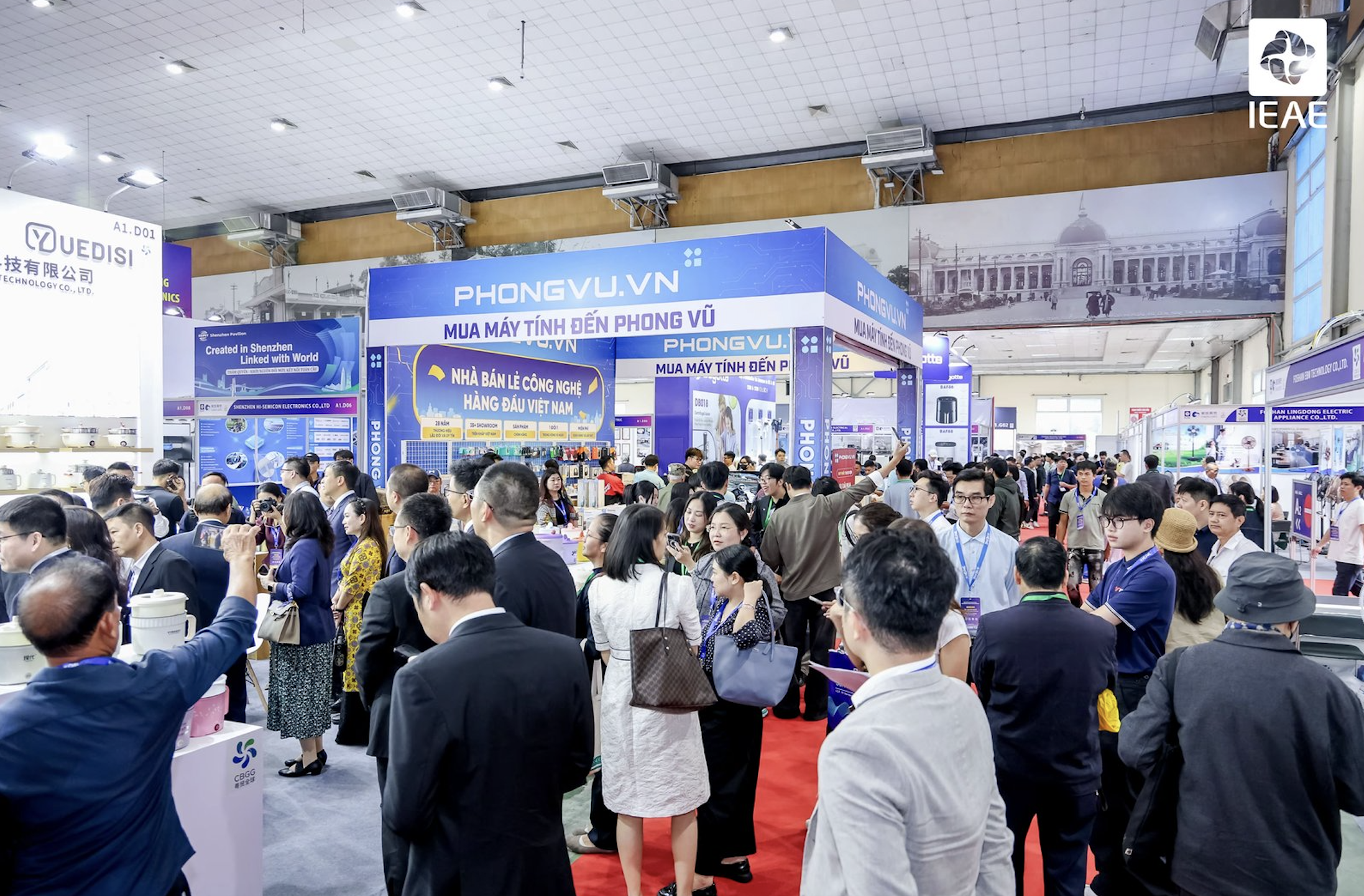
IEAE Hanoi 2026 will gather over 300 exhibitors, showcasing electronics, smart appliances and connecting businesses with sourcing and trade opportunities in Vietnam.
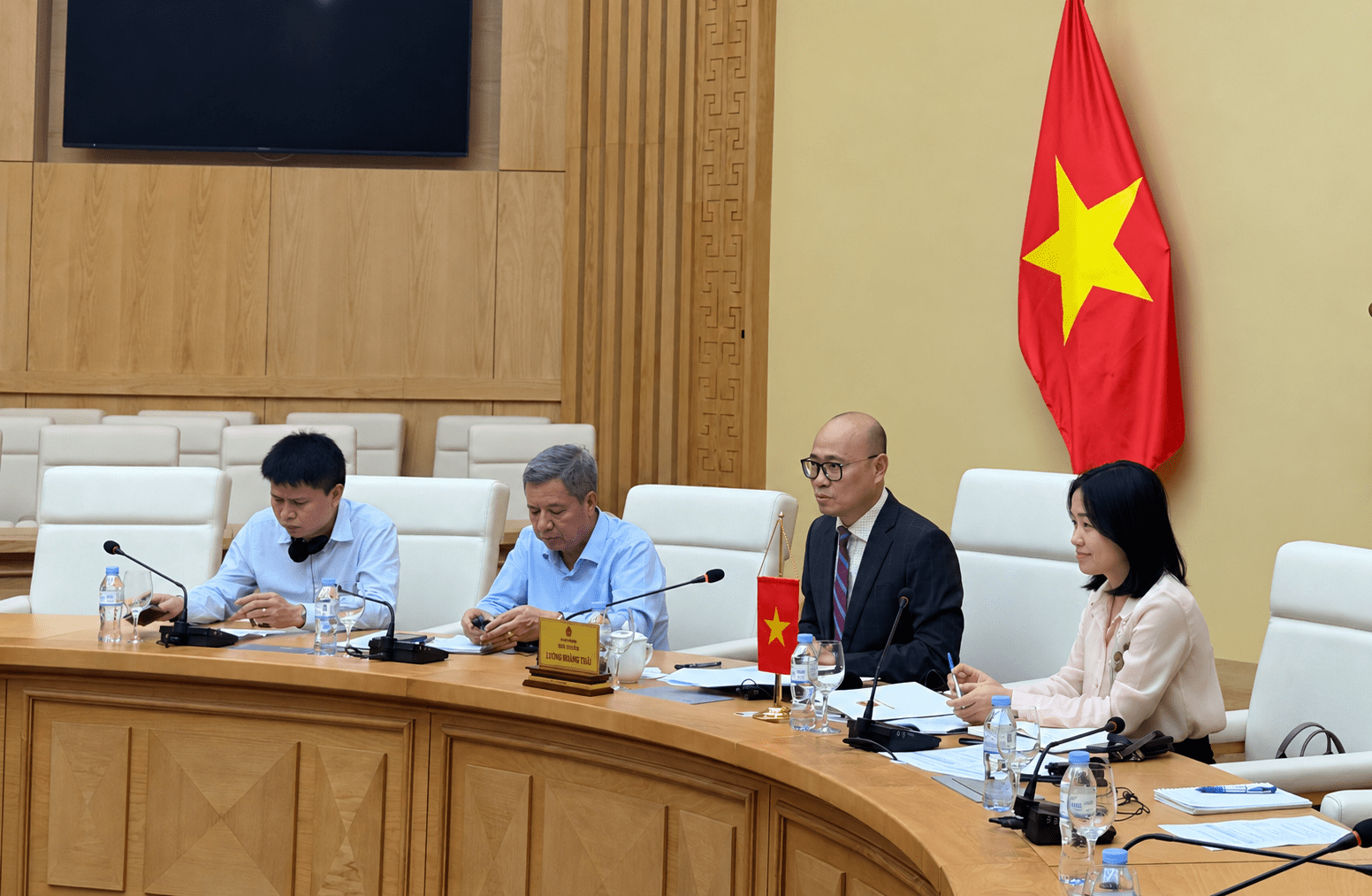
On October 13, Deputy Minister of Industry and Trade Luong Hoang Thai held a working session with MEDEF International, a French business organization, and representatives of French corporations operating in various sectors, including energy, industry, transport, construction and infrastructure development, food and beverages, and services, at the Ministry of Industry and Trade's headquarters.
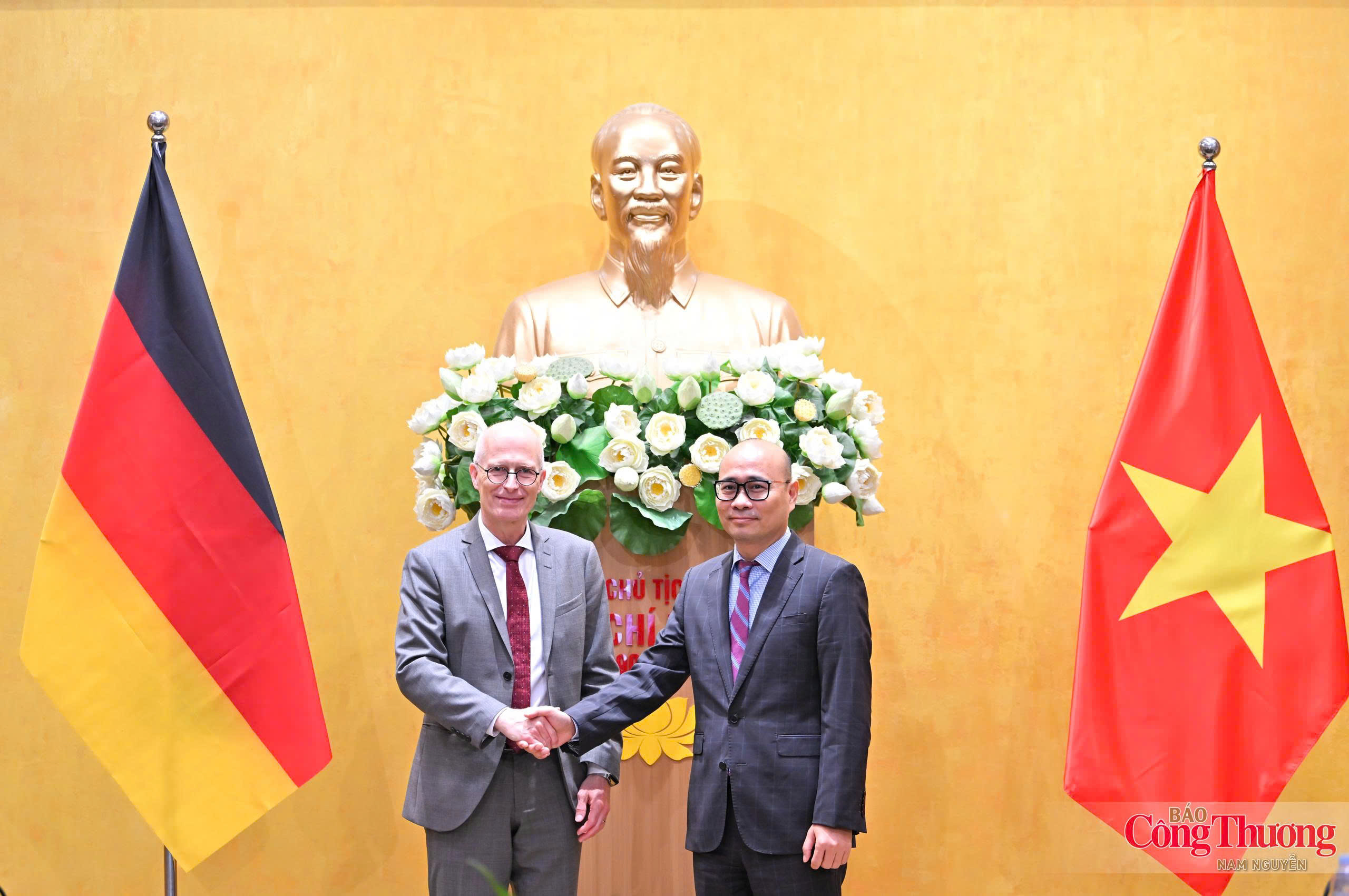
On October 14, Deputy Minister of Industry and Trade Luong Hoang Thai received and held a working session with a delegation from Hamburg, Germany, led by the city's First Mayor Peter Tschentscher at the Ministry of Industry and Trade's headquarters.
The Copyright Office is working closely with relevant agencies to develop plans for inspections and enforcement action against copyright and related rights infringements in the digital environment.
The Vietnam Industry Agency under the Ministry of Industry and Trade and Samsung Vietnam continue to strengthen cooperation in developing supporting industries, enhancing the capabilities of domestic enterprises and expanding opportunities for their participation in global supply chains.
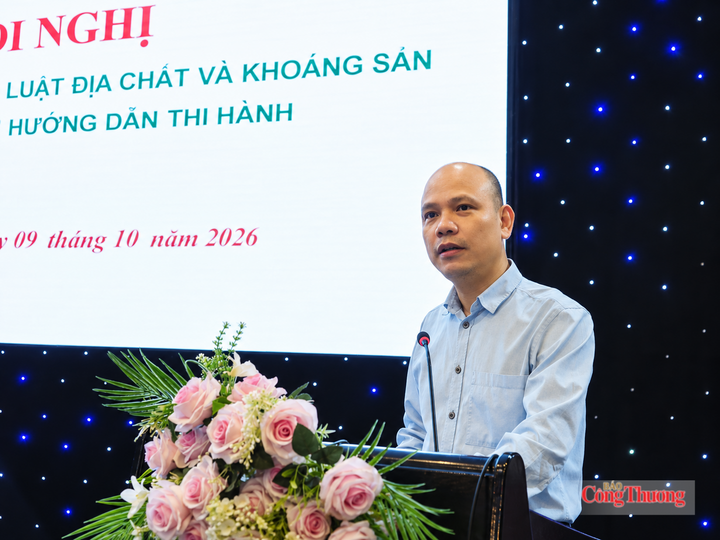
On October 9, the Viet Nam Department of Geology and Minerals, in coordination with the Thai Nguyen Department of Industry and Trade, held a conference in Thai Nguyen province to disseminate the Law on Geology and Minerals and its implementing regulations.
Northern localities are strengthening links in supporting industries, energy and logistics to build competitive value chains and create new growth drivers.
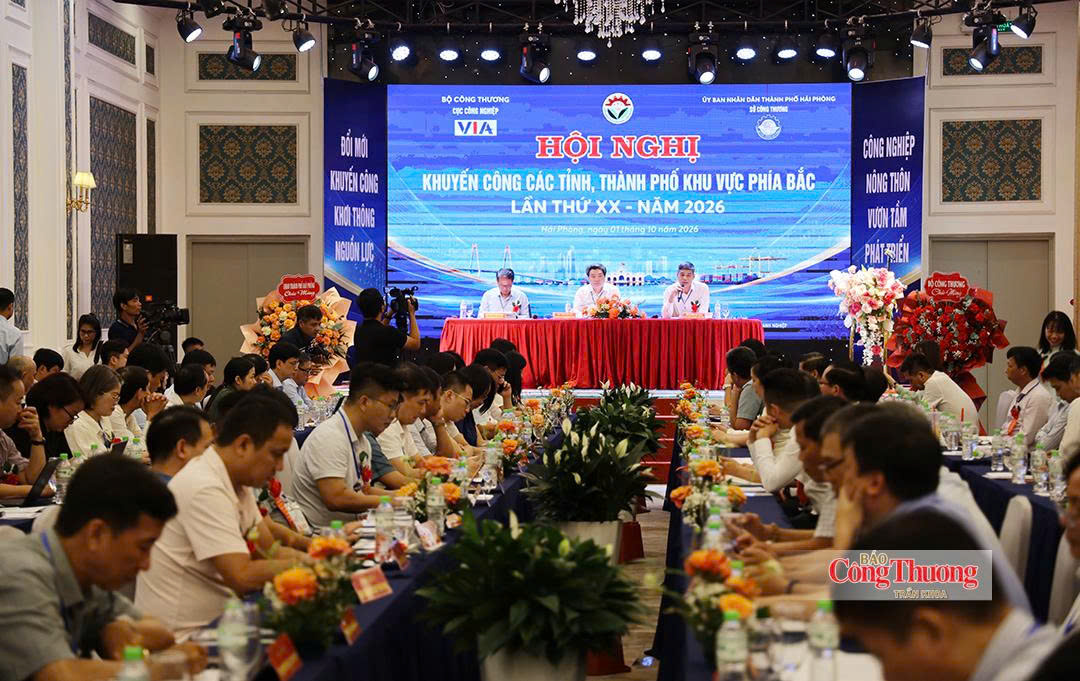
The 20th Industrial Promotion Conference for Northern Provinces and Cities in 2026 was held in Hai Phong City on October 1, with discussions focusing on renewing industrial promotion activities.
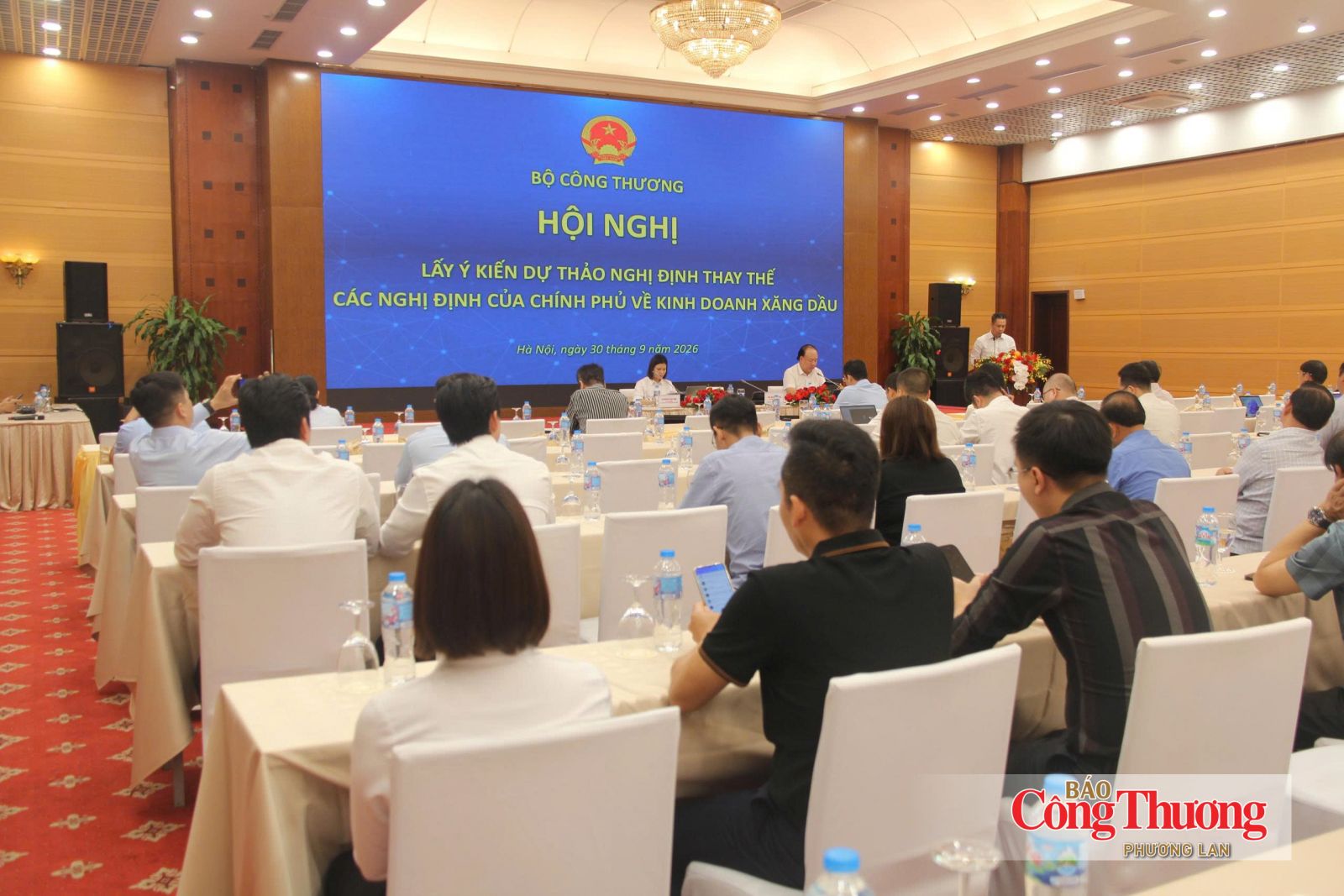
On September 30 in Ha Noi, the Ministry of Industry and Trade (MoIT) held a conference to gather broad feedback on a draft decree replacing the Government’s existing decrees on petroleum trading.