Amid heightened global volatility and mounting macroeconomic pressures that are narrowing policy space, Vietnam is seeking new room to sustain growth while safeguarding stability.
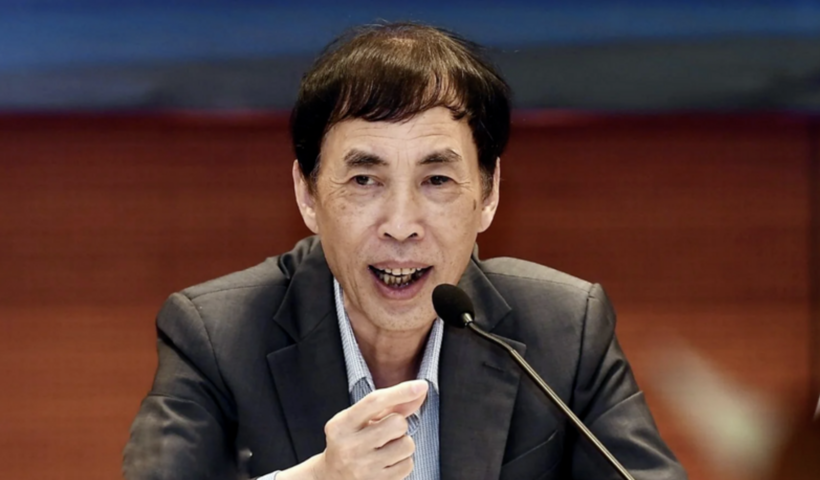
In an interview with Cong Thuong Newspaper, Dr. Vo Tri Thanh, President of the Institute for Brand and Competitiveness Strategy (BCSI), stressed that the key lies in flexible governance, well-coordinated policies, and an accelerated restructuring of growth drivers and economic resources.
Dr. Vo Tri Thanh, President of the Institute for Brand and Competitiveness Strategy (BCSI).
Balancing policies for stability and growth
– In the current growth landscape, which “locomotives” are sustaining economic momentum?
Dr. Vo Tri Thanh: In the first quarter of 2026, Vietnam’s macroeconomic fundamentals remained broadly stable. Inflation was kept under control, growth was reinforced, and major economic balances were maintained. GDP is estimated to have expanded by 7.83% year-on-year, with 23 out of 34 localities posting GRDP growth of 8% or higher. Notably, Ha Tinh, Ninh Binh, Hai Phong, and Hung Yen recorded growth rates exceeding 10%.
Several localities have managed to sustain robust growth, underpinned by solid industrial production bases and effective attraction of both domestic and foreign investment. These are key “growth engines” helping to anchor overall economic performance.
That said, the greatest expectations are still placed on the two major economic hubs, Hanoi and Ho Chi Minh City. With their large economic scale and strong spillover effects, these cities have been granted special mechanisms and policies to mobilize resources for development. However, it must be acknowledged that sustaining growth rates significantly above the already high national average remains a formidable challenge.
Looking ahead, if these special mechanisms are effectively institutionalized and implemented, alongside the development of new growth spaces such as free trade zones or international financial centers in Da Nang and Ho Chi Minh City, these growth poles could maintain momentum and lay the groundwork for the next phase of development.
– What challenges do exchange rate and interest rate pressures pose for macroeconomic management?
Dr. Vo Tri Thanh: The central challenge is how to maintain macroeconomic stability while promoting growth. This is not a new issue, but under current conditions, the pressure has become more pronounced.
At the core of macroeconomic stability is inflation control in line with targets set by the National Assembly. However, the economy is facing multiple external shocks, from policy shifts in major economies to geopolitical conflicts, leading to rising inflationary pressures, particularly cost-push inflation.
When inflation is under pressure, lowering interest rates to support businesses becomes more difficult. Conversely, a sharp increase in interest rates would directly raise capital costs and weigh on production and business activities. Therefore, policymaking must strike a careful balance among key variables, interest rates, exchange rates, and inflation.
In my view, two key policy priorities should be emphasized. First, monetary policy must remain flexible, with proactive coordination between exchange rate and interest rate management to control inflation while avoiding excessive rate hikes that could shock the economy.
Second, business support measures should be further strengthened. In addition to debt restructuring and rescheduling, fiscal tools such as tax and fee reductions should be deployed effectively to ease cost pressures. Preferential credit packages for priority sectors should not only be maintained and expanded but also disbursed more rapidly.
For instance, programs supporting social housing, affordable housing, and credit lines for agriculture and fisheries—sectors that are crucial for both growth and social welfare—should continue to receive strong backing.
Diversifying resources and enhancing economic resilience
– How do you assess Vietnam’s current capital structure?
Dr. Vo Tri Thanh: Vietnam’s economy still relies heavily on bank credit. In the short term, this remains the primary source of funding, and businesses inevitably depend on it.
However, such reliance also entails risks, particularly in a volatile interest rate environment. Over the medium and long term, it is essential to further develop capital markets to diversify funding channels. The stock market, in particular, should deepen, encouraging firms to raise capital through equity issuance, bonds, and IPOs.
At the same time, investment funds should be promoted, as they not only provide medium- and long-term capital but also enhance corporate governance and support business expansion and competitiveness.
As for the banking system, its role as a stabilizer remains critical. Banks must ensure macroeconomic stability and inflation control while flexibly deploying tools to support growth and ease difficulties for businesses.
– What is your assessment of the oil and energy market?
Dr. Vo Tri Thanh: The impact of tensions in the Middle East has been both significant and multidimensional. In this context, managing energy supply and prices is crucial. Vietnam has responded relatively promptly and decisively along two lines.
First, diversifying supply sources to ensure sufficient fuel for consumption and production. Second, using fiscal tools to stabilize domestic prices, including adjustments to taxes and fees as well as the use of the price stabilization fund.
As a result, despite strong global pressures, domestic fuel prices have been kept at manageable levels. However, it should be noted that policy space is not unlimited, especially given the absence of large-scale strategic energy reserves.
– From a long-term perspective, what challenges does the energy issue pose for Vietnam?
Dr. Vo Tri Thanh: I believe this is not only a challenge but also an opportunity. The current energy shock acts as a catalyst, accelerating the restructuring of Vietnam’s energy sector. Strategic frameworks such as the Power Development Plan VIII and national energy security strategies are already in place, the key now is faster and more decisive implementation.
It is essential to diversify energy sources to ensure stable supply for the economy. At the same time, building strategic energy reserves is critical to enhancing resilience against external shocks.
Moreover, energy transition, particularly the development of renewable energy and storage systems, requires substantial investment. Therefore, mechanisms and policies must be refined to attract stronger investment flows, both domestic and international.
At the Government’s regular meeting on April 4, the Prime Minister reaffirmed Vietnam’s commitment to achieving double-digit growth while maintaining macroeconomic stability, controlling inflation, and safeguarding major economic balances. Ministries, localities, and businesses are urged to clearly identify breakthrough drivers and solutions to realize this objective.
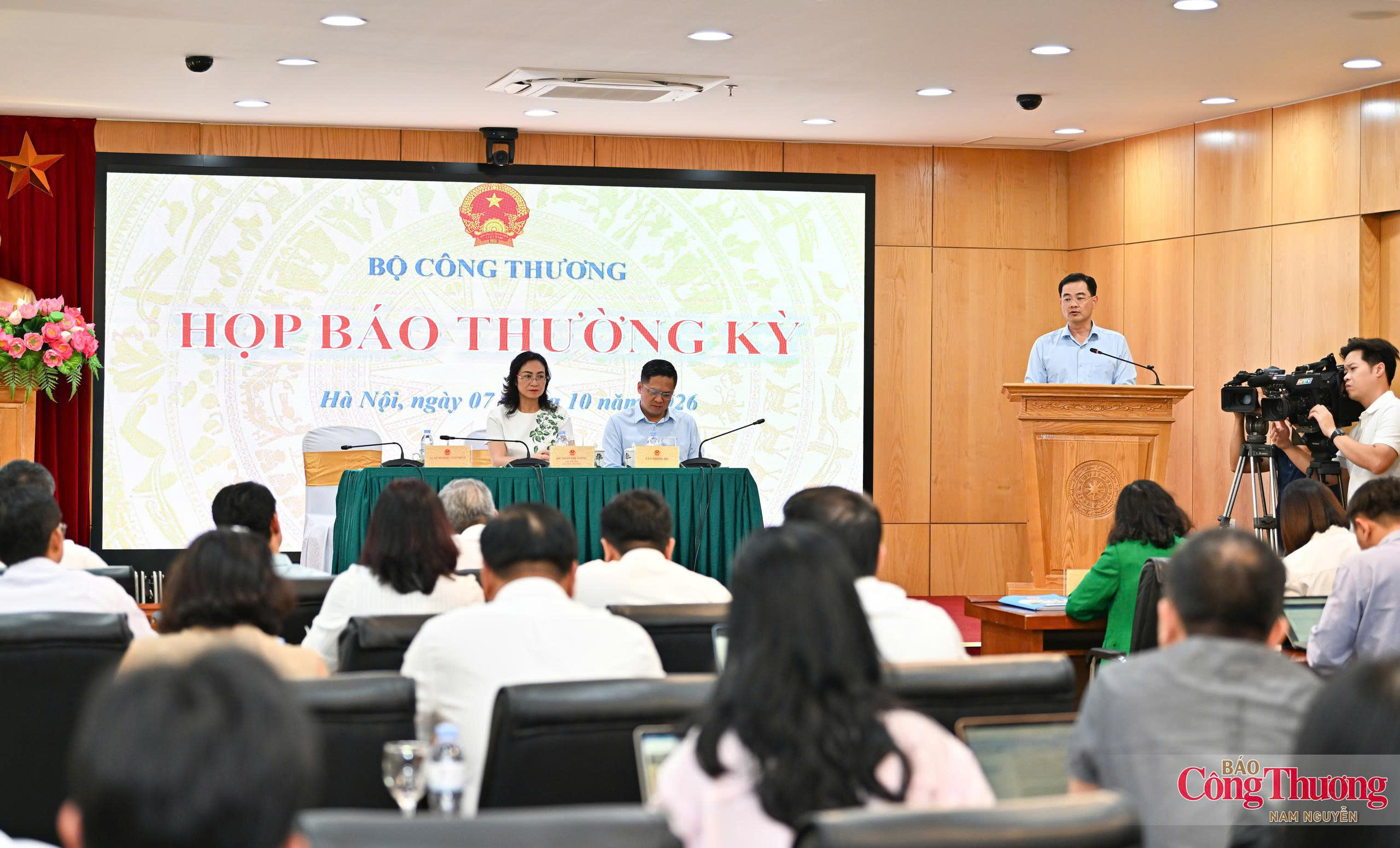
The Ministry of Industry and Trade (MoIT) held its regular press conference for the third quarter of 2026 in Ha Noi on the afternoon of October 7, chaired by Deputy Minister Phan Thi Thang.
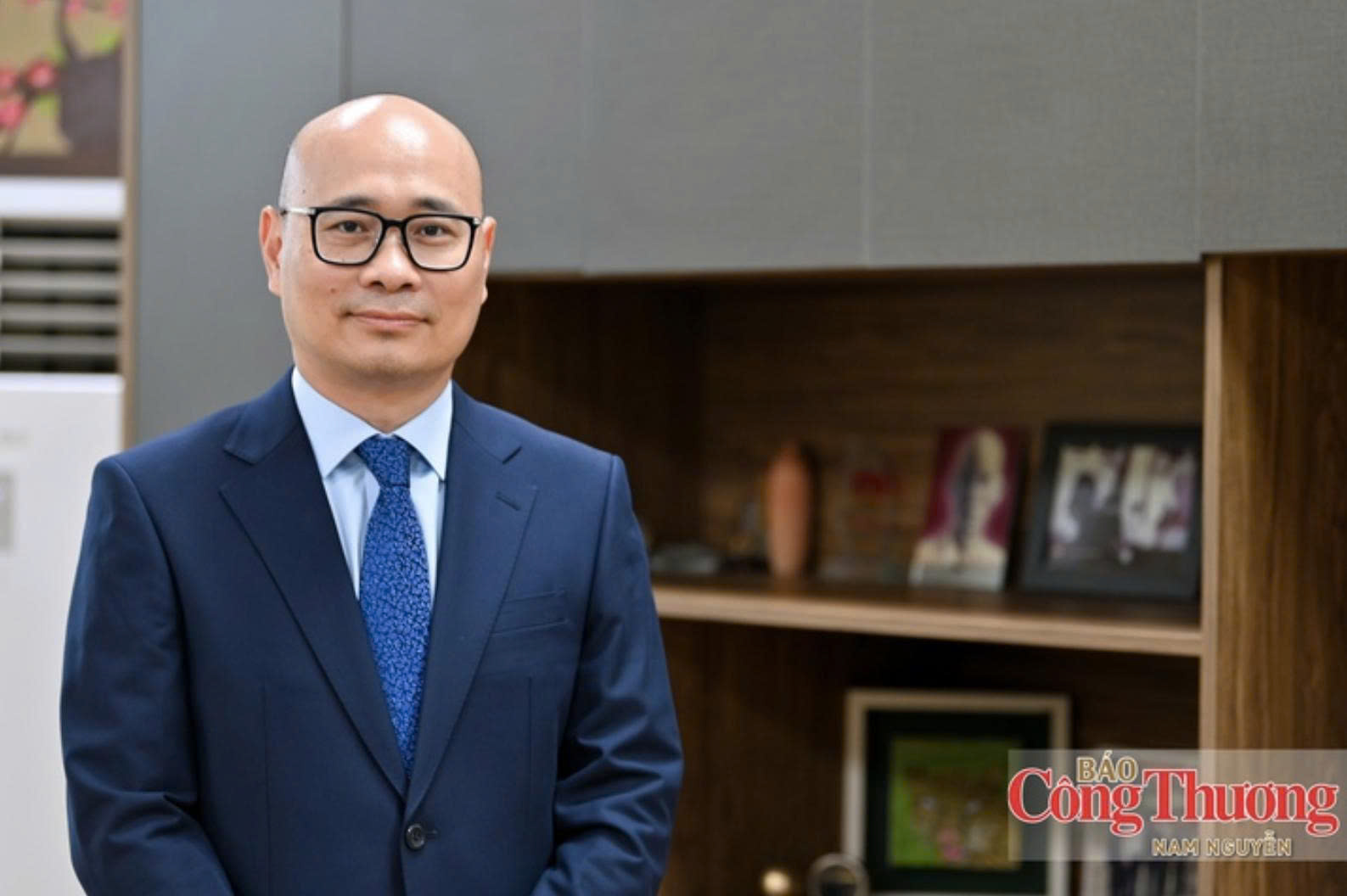
Deputy Minister of Industry and Trade Luong Hoang Thai emphasized that building the national brand is a driving force for improving Viet Nam’s competitiveness and international standing.
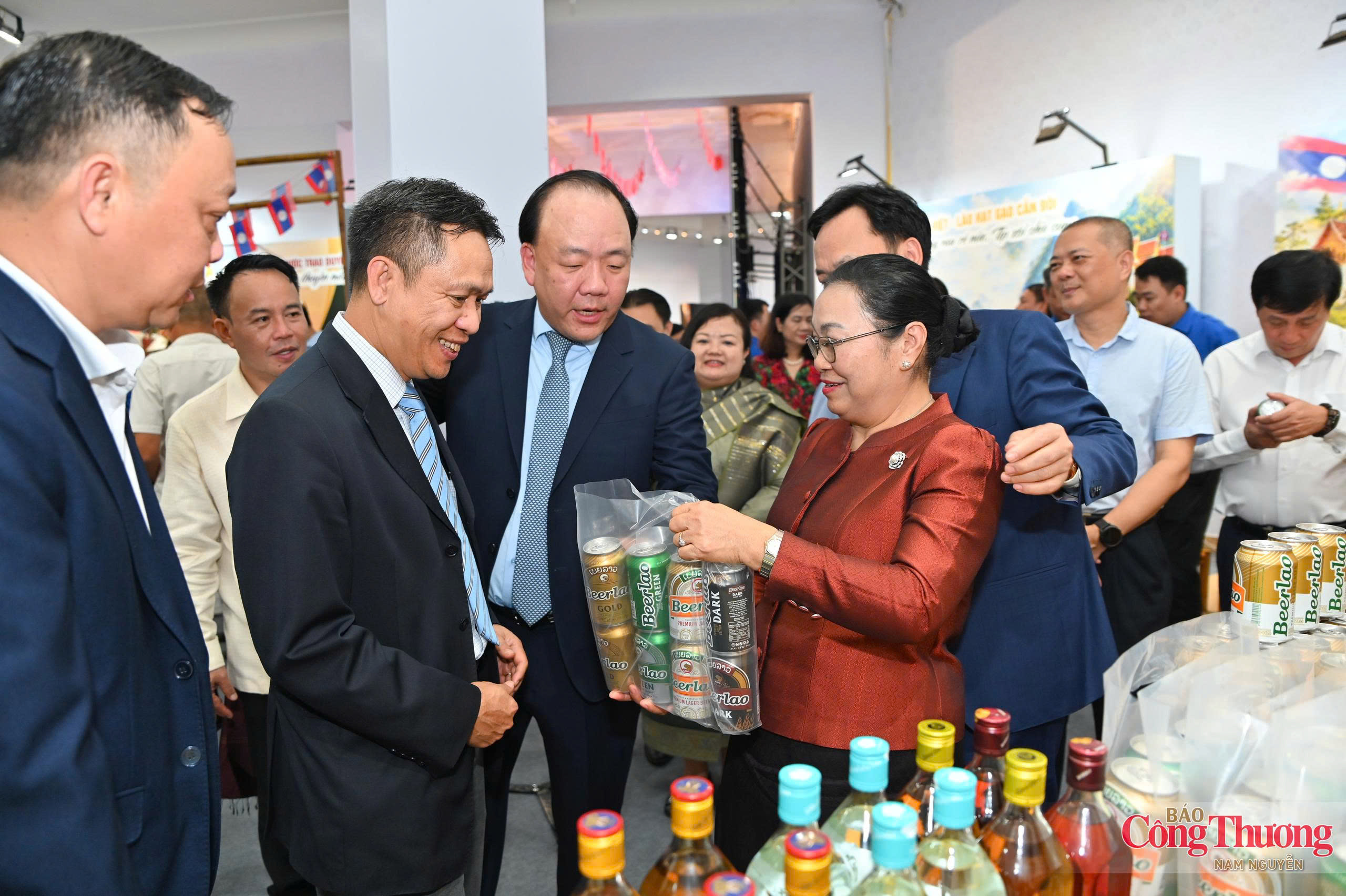
The official visit to Laos by Prime Minister Le Minh Hung is expected to inject fresh momentum into bilateral relations, with economic, trade and investment cooperation continuing to serve as a core pillar.
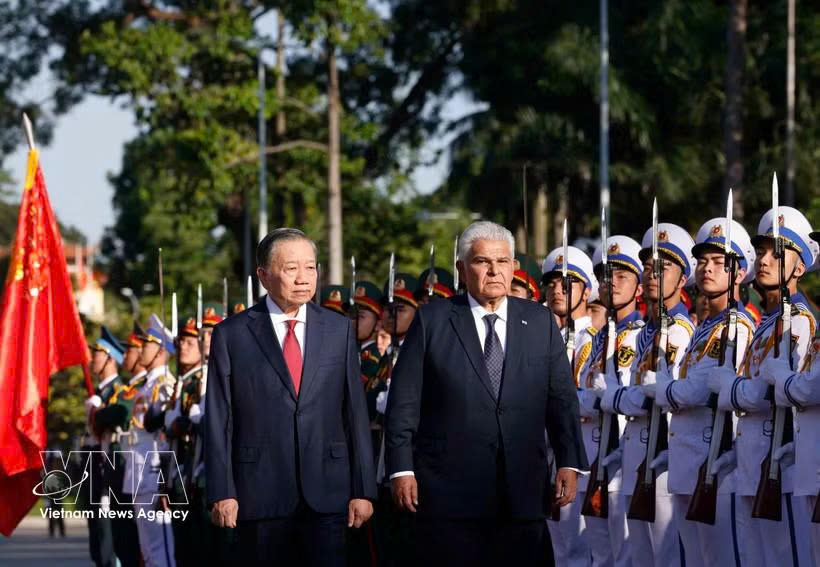
The Panamanian President’s visit is expected to contribute to further deepening and making the traditional friendship and cooperation between the two nations more substantive and effective.