The Prime Minister’s Directive No.20/CT-TTg drives Vietnam’s environmental industry, with Vinachem and Ninh Binh Nitrogenous Fertilizer advancing circular economy, green growth and innovation.
Developing the environmental industry in line with Directive 20
On July 12, 2025, the Prime Minister issued Directive No.20/CT-TTg on urgent and decisive measures to prevent and address environmental pollution. At a time when urban areas, traditional craft villages, river basins and industrial production hubs continue to face mounting environmental pressures, the Directive is regarded as a strong policy move aimed at enhancing the effectiveness of state management while creating new momentum for sustainable development.
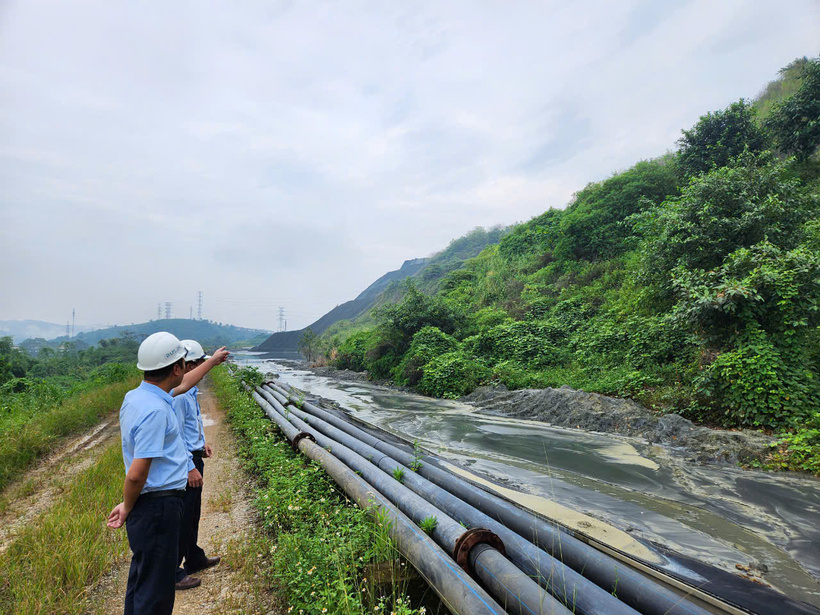
Gypsum waste dump and wastewater collection pipeline system of DAP No.2 Joint Stock Company - Vinachem. Photo: Thu Huong
Notably, under the Directive, the Ministry of Industry and Trade (MoIT) was assigned to take the lead, in coordination with relevant ministries and agencies, in proposing and directing the development of the environmental industry. The ministry was also tasked with strengthening state management of environmental protection in industrial parks and industrial clusters, as well as overseeing the import of used machinery, equipment and scrap materials used as production inputs.
This represents a significant shift from a pollution-control mindset toward proactively developing an industry capable of providing technologies, equipment and solutions for environmental protection, waste recycling, efficient resource utilization and emissions reduction. As Vietnam advances green growth, the circular economy and its commitment to achieving net-zero emissions by 2050, the environmental industry is expected to become a new driver of economic development.
In line with this direction, many enterprises under the Industry and Trade sector have actively launched green transformation programs, technological innovation initiatives and circular production models. Among them, the Vietnam National Chemical Group (Vinachem) has emerged as one of the leading pioneers.
In 2025, Vinachem continued to record positive business performance, creating an important foundation for investments in science and technology and sustainable development projects. The group's industrial production value was estimated at VND 61,381 billion, up 10.3% compared with 2024 and the highest level ever recorded. Consolidated revenue increased by around 8%, while profit surged by 73%. Vinachem also eliminated all accumulated losses, achieved its targets six months ahead of schedule and exceeded all objectives set for the 2021 - 2025 period.
In addition to maintaining effective production and business operations, the group continued to provide stable employment for nearly 20,000 workers, with average monthly income reaching VND 16.65 million per person, up 8% from the previous year.
The year 2025 also marked a new milestone for Vinachem with the launch of its "Greening and Digital Transformation of the Chemical Industry" program, aimed at simultaneously advancing two strategic pillars: green development and digital transformation. The group introduced its first consumer product portfolio under the Vinachem brand and launched Vinachemmart, the first specialized e-commerce platform for Vietnam's chemical industry.
At the same time, Vinachem has stepped up research into high-tech sectors, including high-purity chemicals for the electronics and semiconductor industries, energy storage batteries and other strategic industrial fields.
According to the group's leadership, Vinachem invested more than VND 250 billion in science and technology, innovation and digital transformation activities during the 2021 - 2025 period. Across the group, 76 science and technology projects and more than 3,700 technical improvement initiatives were implemented, contributing to energy savings, lower production costs, more efficient resource utilization and reduced environmental impacts.
Looking ahead to 2026 - 2030, Vinachem has identified science and technology, innovation, digital transformation and green growth as its strategic pillars. Accordingly, all new investment projects, particularly in fertilizers, basic chemicals, tires and rubber products, batteries and accumulators, and industrial gases, must be based on modern technologies with high efficiency and environmental friendliness.
These developments demonstrate that the objective of developing the environmental industry under Directive No.20 is no longer confined to the level of state management but is increasingly being integrated into the development strategies of key industrial enterprises.
Ninh Binh Nitrogenous Fertilizer and a circular economy model for green growth
While Vinachem demonstrates green transformation efforts at the group level, Ninh Binh Nitrogenous Fertilizer Limited Company offers a tangible example of how environmental industry development can be integrated into day-to-day production activities.
Once considered one of the chemical sector's most challenged enterprises, the company has in recent years pursued a strategy centered on circular production, resource efficiency and emissions reduction. Rather than treating environmental protection as a compliance obligation, it has sought to turn environmental challenges into opportunities for innovation and value creation.
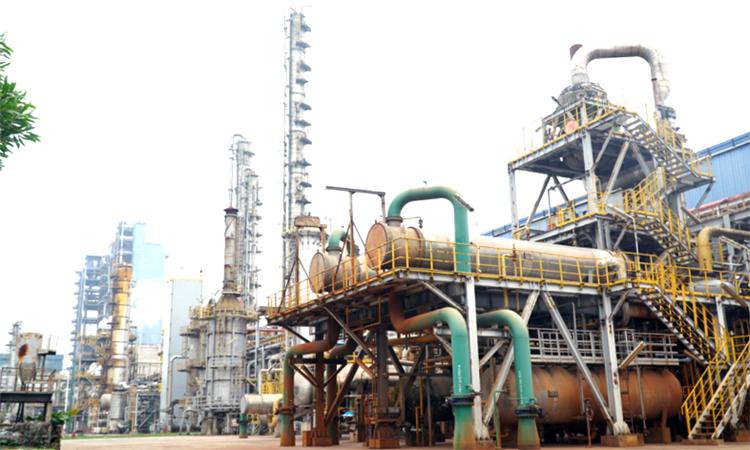
At the Ninh Binh Nitrogenous Fertilizer. Photo: Vinachem
Among its most notable initiatives is a high-tech carbon dioxide (CO2) recovery and purification project. Instead of releasing CO2 generated during the production process into the atmosphere, the company recovers and refines the gas for use in the beverage, food processing and engineering industries.
According to Nguyen Viet Hien, General Director of Ninh Binh Nitrogenous Fertilizer Limited Company, the project not only helps reduce greenhouse gas emissions but also generates economic benefits estimated at around VND 400 billion annually. The recovered CO2 has enabled the company to develop new products and expand its value chain, creating additional revenue streams from resources that were previously treated as industrial emissions.
Building on these results, the company has invested in an ammonia (NH₃) import and storage system integrated with purified CO₂ recovery technology. The project has helped increase production capacity and raise urea output by approximately 5-10%, generating an additional industrial production value estimated at between VND 230 billion and VND 470 billion per year.
The company's efforts to advance green production have continued with the implementation of a sulfur recovery project launched in September 2025. With a total investment of approximately VND 179 billion, the facility is designed to produce nearly 10,000 tonnes of sulfuric acid annually while treating hydrogen sulfide (H2S) gas and sulfur-containing compounds generated during the production process.
Nguyen Viet Hien said the project is expected to improve environmental performance while creating additional economic value through the recovery and utilization of sulfur-bearing gases. Once operational, it is projected to contribute around VND 55 billion in additional annual revenue.
These projects illustrate a broader shift in production thinking, whereby environmental investments are increasingly viewed not as costs but as productive assets capable of delivering both environmental and economic returns.
Alongside efforts to recover and utilize industrial by-products, the Ninh Binh Nitrogenous Fertilizer has also expanded the use of renewable energy. Since February 2024, a 3.8 MW rooftop solar power system has been operating at the plant, helping reduce dependence on conventional energy sources and lowering greenhouse gas emissions.
Under its development roadmap, the company plans to add another 1 - 2 MW of rooftop solar capacity by 2026 while introducing smart energy management solutions to optimize electricity consumption across its production facilities.
Looking further ahead, the Ninh Binh Nitrogenous Fertilizer is preparing to implement five additional projects with total planned investment capital of approximately VND 5,000 billion. These include an argon recovery plant with a capacity of 26 tonnes per day, an AdBlue production facility serving diesel emission treatment, an ultra-pure CO2 production line, a hydrogen peroxide (H2O2) production facility and a urea-formaldehyde resin production line.
According to the company's leadership, these projects are expected not only to diversify production and expand value chains but also to maximize resource utilization, reduce waste generation and strengthen the circular economy model within the chemical industry.
The experience of the Ninh Binh Nitrogenous Fertilizer reflects a broader effort across the Industry and Trade sector to translate the objectives of Directive No.20 into concrete actions. Through technological innovation, resource recovery and cleaner production solutions, enterprises are gradually contributing to the development of an environmental industry capable of supporting Vietnam's long-term green growth ambitions.
For the Industry and Trade sector, such models underscore the importance of continuing to promote green technology adoption, strengthen linkages between enterprises and research institutions, and accelerate the expansion of circular economy practices. This approach will help transform environmental protection from a regulatory requirement into a driver of competitiveness, innovation and sustainable development in the years to come.
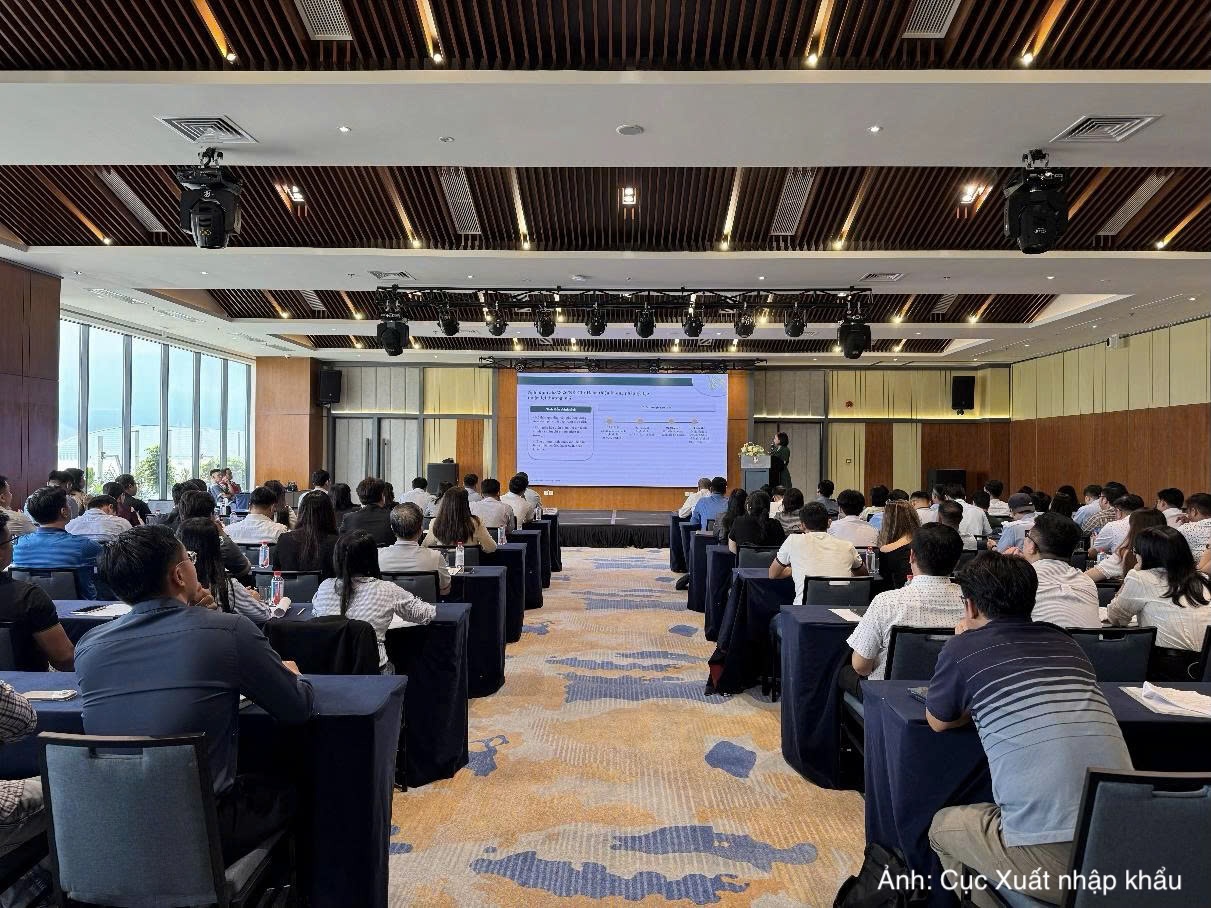
On October 13, the Agency of Foreign Trade under the Ministry of Industry and Trade (MoIT) held a conference in Dong Thap province to disseminate Government Decree No.365/2026/ND-CP dated September 23, 2026, on rice export and import business, and Circular No.65/2026/TT-BCT dated October 1, 2026, issued by the Minister of Industry and Trade, detailing certain provisions and measures for implementing Decree No.365/2026/ND-CP.
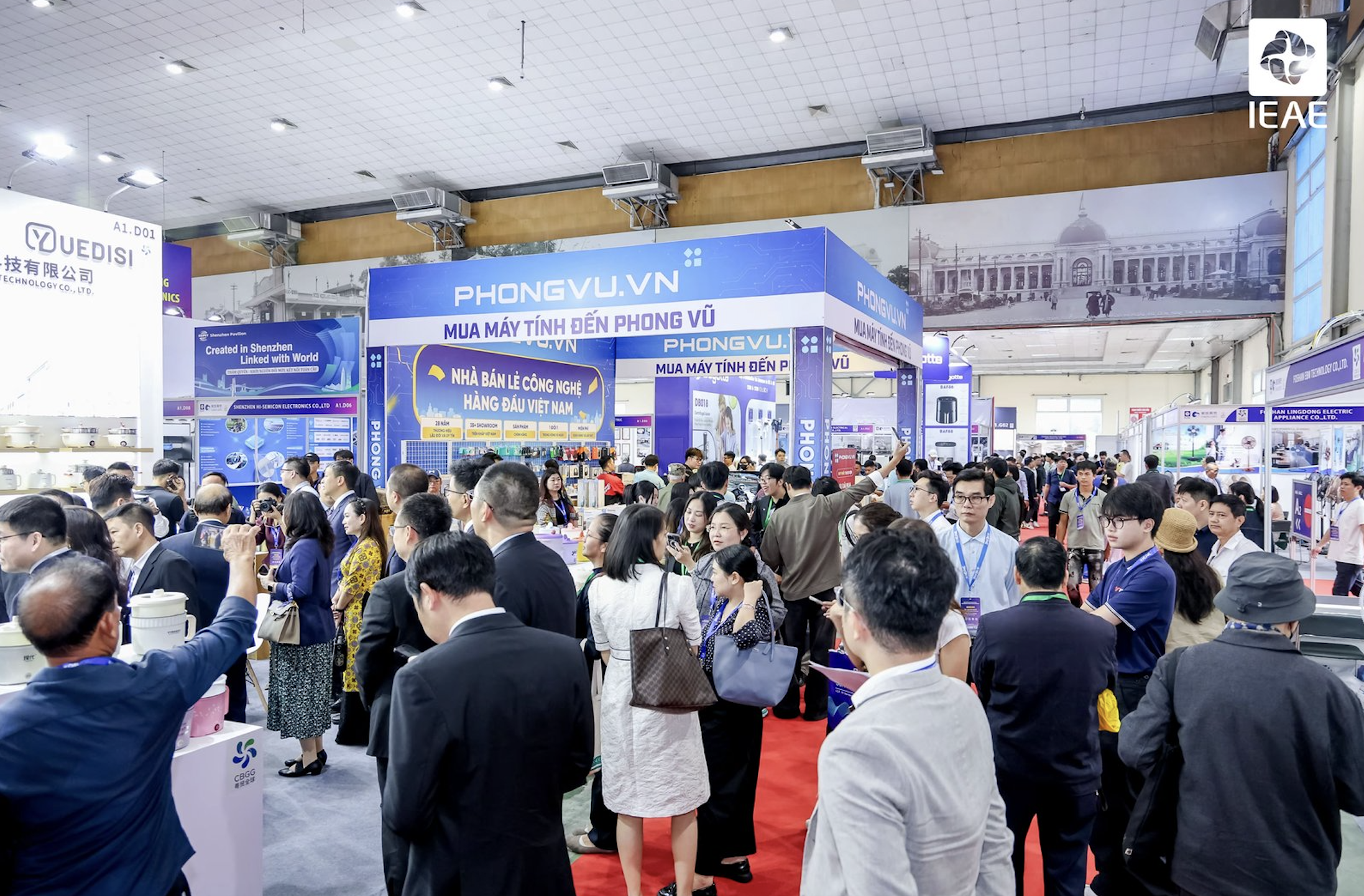
IEAE Hanoi 2026 will gather over 300 exhibitors, showcasing electronics, smart appliances and connecting businesses with sourcing and trade opportunities in Vietnam.
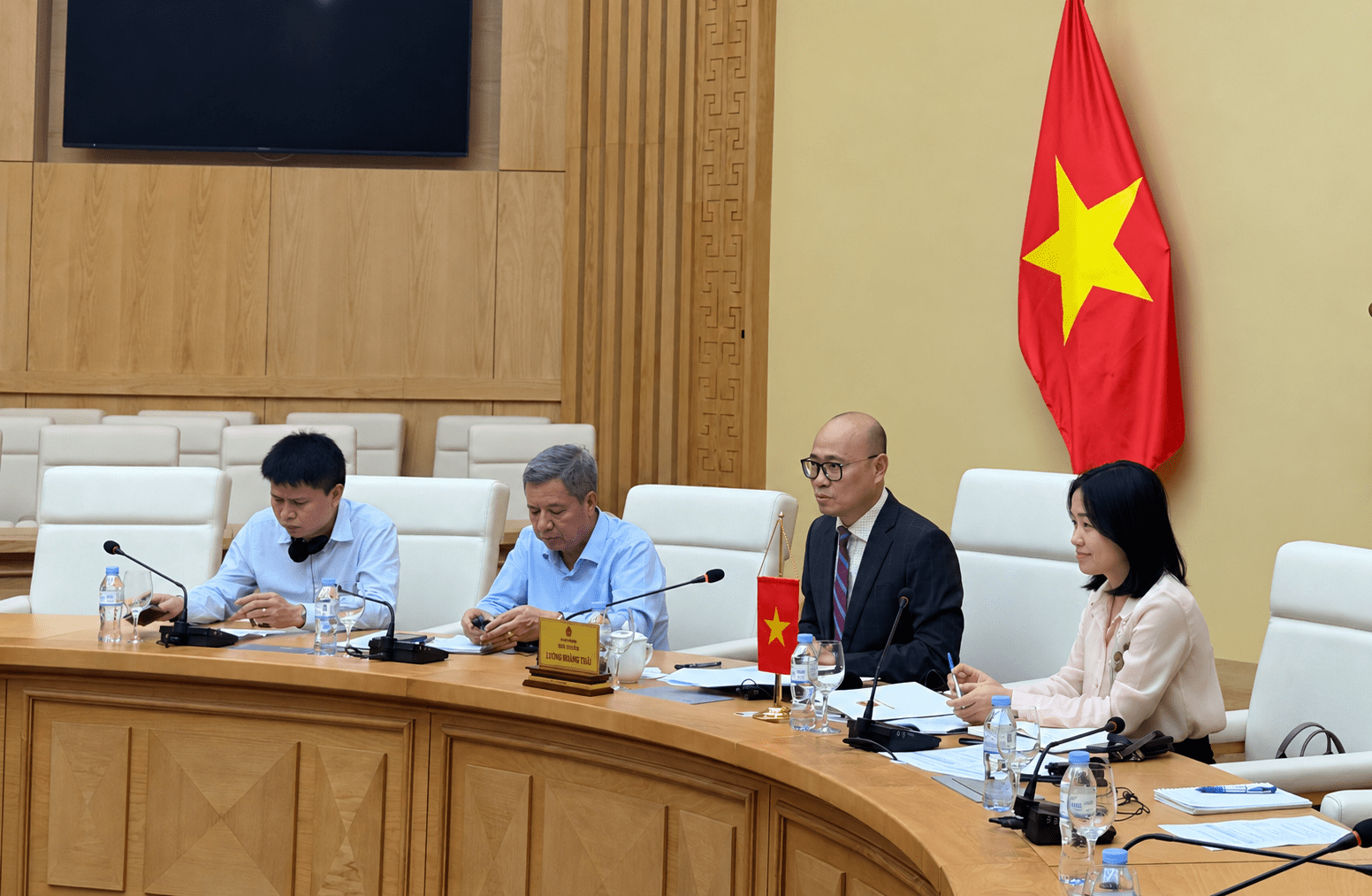
On October 13, Deputy Minister of Industry and Trade Luong Hoang Thai held a working session with MEDEF International, a French business organization, and representatives of French corporations operating in various sectors, including energy, industry, transport, construction and infrastructure development, food and beverages, and services, at the Ministry of Industry and Trade's headquarters.
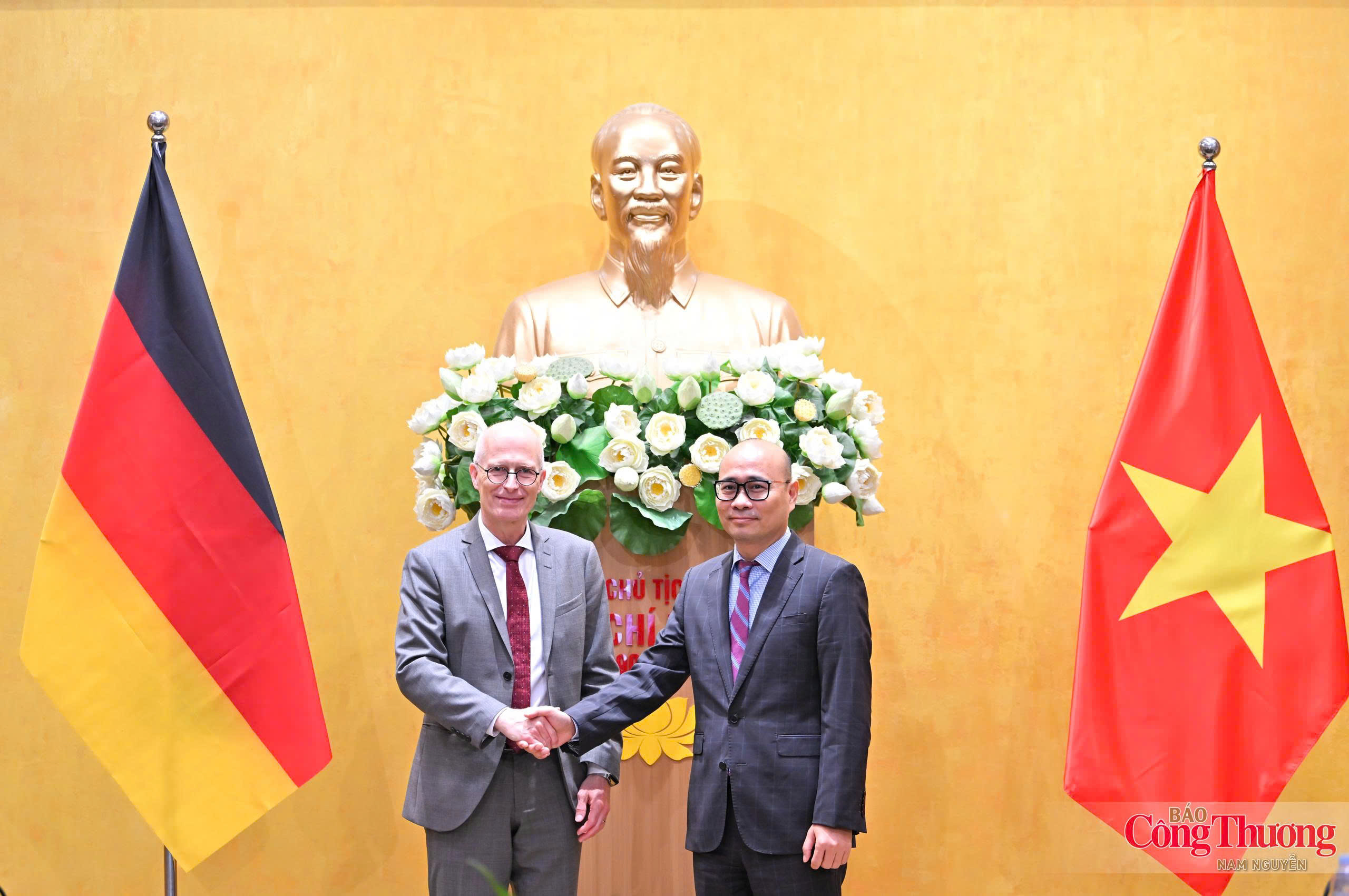
On October 14, Deputy Minister of Industry and Trade Luong Hoang Thai received and held a working session with a delegation from Hamburg, Germany, led by the city's First Mayor Peter Tschentscher at the Ministry of Industry and Trade's headquarters.
The Copyright Office is working closely with relevant agencies to develop plans for inspections and enforcement action against copyright and related rights infringements in the digital environment.
The Vietnam Industry Agency under the Ministry of Industry and Trade and Samsung Vietnam continue to strengthen cooperation in developing supporting industries, enhancing the capabilities of domestic enterprises and expanding opportunities for their participation in global supply chains.
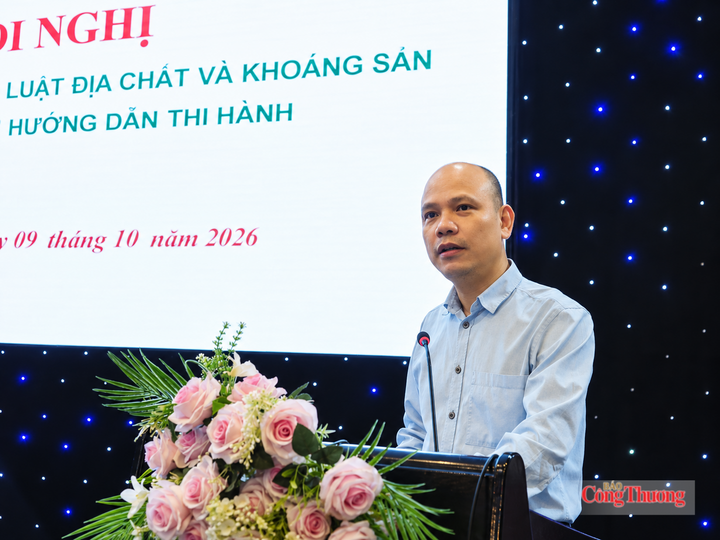
On October 9, the Viet Nam Department of Geology and Minerals, in coordination with the Thai Nguyen Department of Industry and Trade, held a conference in Thai Nguyen province to disseminate the Law on Geology and Minerals and its implementing regulations.
Northern localities are strengthening links in supporting industries, energy and logistics to build competitive value chains and create new growth drivers.
The 20th Industrial Promotion Conference for Northern Provinces and Cities in 2026 was held in Hai Phong City on October 1, with discussions focusing on renewing industrial promotion activities.
On September 30 in Ha Noi, the Ministry of Industry and Trade (MoIT) held a conference to gather broad feedback on a draft decree replacing the Government’s existing decrees on petroleum trading.