More than four decades of cooperation in the oil and gas and energy sectors have laid an exceptionally solid foundation for relations between Viet Nam and the Russian Federation. Today, that relationship is entering a broader phase of development, with energy continuing to serve as a key pillar and driving force in bilateral ties.
From the first building blocks
The partnership began with the 1981 Intergovernmental Agreement on the exploration and exploitation of oil and gas on Viet Nam’s southern continental shelf, paving the way for the establishment of the Vietsovpetro joint venture.
But it was not until 1986, amid the rough seas and strong winds offshore, that a quiet event on an offshore drilling rig would leave a lasting mark on the energy industry. Viet Nam’s first commercial oil flowed from the Bach Ho oilfield, becoming a symbol of the country’s fledgling petroleum industry.
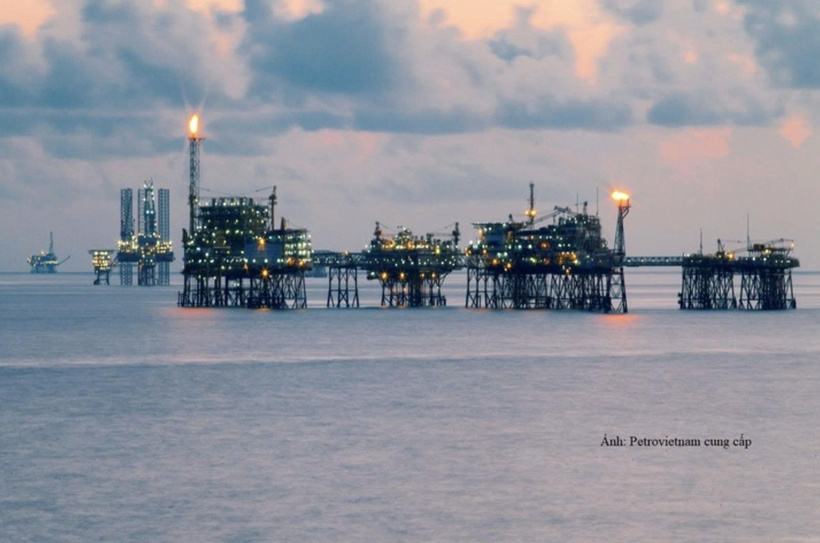
Oil and gas production at the Bach Ho oilfield – Photo: Petrovietnam
Two years later, in 1988, engineers from the Viet Nam - Russia Vietsovpetro joint venture achieved a breakthrough: they discovered and brought into commercial production oil from fractured basement reservoirs beneath the Tertiary sediments.
This was far from an ordinary discovery. Under conventional petroleum geology theories widely applied around the world at the time, basement rock – hard, crystalline formations that had formed hundreds of millions of years earlier, was generally regarded as the “bottom” of a sedimentary basin and therefore of little exploration value. International experts had largely been reluctant to “bet” on geological structures lying beneath younger sedimentary layers.
Through the determination, expertise and ingenuity of Vietnamese engineers, combined with the support of their Russian counterparts, Bach Ho proved otherwise: beneath the fractured granite basement lay a vast oil reservoir. With the right technology and geological approach, resources once considered virtually “invisible” could be brought to the surface.
In this sense, the work of Vietnamese and Russian petroleum professionals at Bach Ho helped overturn a geological assumption that had prevailed for decades, opening up an entirely new approach to oil and gas exploration in the region.
The significance of the 1988 discovery, therefore, went far beyond the first tonnes of oil extracted from the basement. It fundamentally changed perceptions of the region’s petroleum potential and paved the way for a series of subsequent exploration and appraisal activities.
More importantly, Bach Ho became a true “school” in practice, where Vietnamese engineers and experts, who initially had limited experience in offshore production, gradually developed their capabilities and mastered technologies that at the time were held by only a handful of major oil-producing powers. This represents perhaps the most valuable “capital” left by Viet Nam - Russia cooperation.
Those achievements continue to grow. As of June 2026, nearly four decades after the first oil flowed from Bach Ho – Vietsovpetro had produced a cumulative 255 million tonnes of oil from Block 09-1. The figure demonstrates the enduring strength of Viet Nam’s longest-standing oil and gas joint venture, even as its key fields have passed their production peaks and remaining geological targets have become increasingly complex.
In the first quarter of 2026 alone, Vietsovpetro produced approximately 770,000 tonnes of crude oil and condensate and brought more than 210 million cubic metres of gas ashore. Revenue over the most recent nine-month period reached USD 2.23 billion, up 3.7% year on year. The joint venture is also developing the Thien Nga - Hai Au gas field in Block 12/11, which is expected to supply around 7.43 billion cubic metres of gas to southern Viet Nam between 2026 and 2037.
Building on that foundation, Viet Nam - Russia oil, gas and energy cooperation is steadily entering new chapters, ranging from the expansion of contract areas to offshore wind power and nuclear energy, as developments in 2026 demonstrate.
Building on the experience gained through Vietsovpetro, the Viet Nam National Industry-Energy Group (Petrovietnam) and Zarubezhneft established the Rusvietpetro joint venture in 2008 to develop oil and gas resources in Russia.
If Vietsovpetro served as a platform for Viet Nam to acquire offshore production technology, Rusvietpetro marked the reverse flow of investment, with Petrovietnam bringing its capital, workforce and accumulated expertise to Russia.
By June 2025, Rusvietpetro had produced more than 40 million tonnes of oil from 13 fields across four contract areas in the Nenets region. The joint venture’s cumulative profit had exceeded USD 3 billion, with Petrovietnam, which holds a 49% stake, generating approximately USD 1.4 billion for Viet Nam.
The figures point to tangible economic returns rather than merely symbolic value. Petrovietnam’s direct participation in management and the transfer of profits to the State budget demonstrate the group’s growing capabilities while creating additional shared value for the two countries to deepen their long-term cooperation in the petroleum sector.
Expanding the scope of cooperation
Nearly four decades on, Viet Nam - Russia energy cooperation continues to be strengthened through new legal frameworks. In 2025, protocols amending the intergovernmental agreements on Vietsovpetro and Rusvietpetro, together with an agreement expanding areas for geological exploration and oil and gas production, were signed. These agreements created a legal framework for a new phase of development, particularly as many major fields have passed their production peaks and require more flexible mechanisms to sustain output.
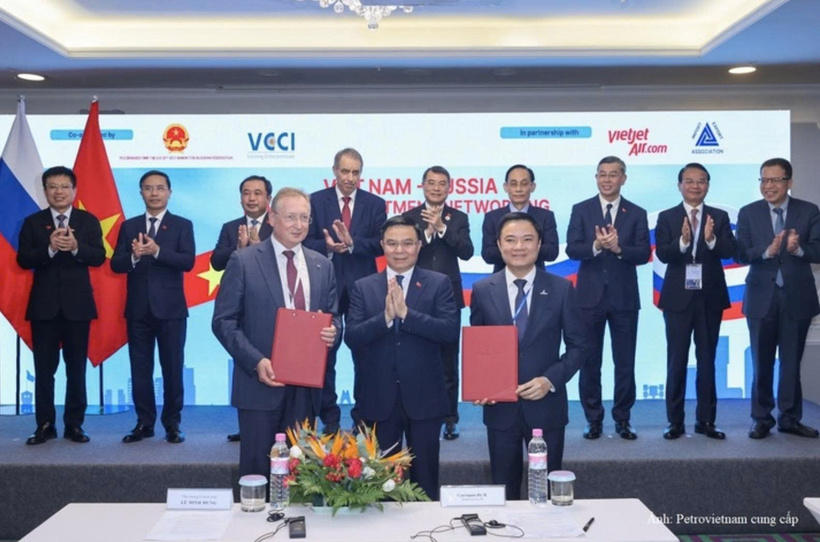
Prime Minister Le Minh Hung witnesses the presentation of the Investment Registration Certificate for the PSCs of Blocks 01/17 and 02/17 on Viet Nam’s continental shelf between PETROVIETNAM and Zarubezhneft during his working visit to attend the ASEAN–Russia 35th Anniversary Summit in June 2026 – Photo: Petrovietnam
In June 2026, Petrovietnam and Russian partners exchanged documents related to the Production Sharing Contracts (PSCs) for Blocks 01/17 and 02/17 on Viet Nam’s continental shelf.
Under the arrangement, Zarubezhneft is being encouraged to study investment opportunities and sign contracts for Viet Nam’s open oil and gas blocks, based on the principles of compliance with the law, efficiency and harmonisation of interests.
Expanding the operational footprint will not only support the search for new reserves but also maximise the use of the joint venture’s existing human resources, technologies and technical services.
Similarly, the two sides are considering expanding Rusvietpetro’s production areas to incorporate additional prospective fields and blocks adjacent to its current operations. This approach would enable the partners to make better use of existing infrastructure, technologies and operating teams, thereby reducing investment costs for new fields and extending the project’s economic efficiency.
The two countries are also exploring the possibility of jointly developing oil and gas projects in third countries. This would represent a higher level of cooperation, combining Russia’s experience across international oil and gas markets with Petrovietnam’s capabilities, business networks and international investment experience.
Cooperation is also expanding beyond upstream activities into trading and storage infrastructure. During a working session with the Vietnamese Government in Moscow in March 2026, Zarubezhneft proposed long-term supplies of crude oil, gas and petroleum products, as well as cooperation in developing storage facilities in Viet Nam. The proposals directly address the country’s energy security and supply self-sufficiency requirements.
In liquefied natural gas (LNG), Novatek, one of Russia’s leading gas companies, has expressed interest in developing LNG terminals and gas-to-power projects in Viet Nam. Locations mentioned include Hai Phong, Quang Ninh, Nam Du, Nghi Son and Ca Na. The company has also reached a preliminary agreement on LNG supplies, although specific arrangements remain subject to negotiations over volumes, pricing, transportation and the receiving capacity of infrastructure.
At the same time, four decades of offshore project development have given Petrovietnam and Vietsovpetro a distinctive technical and human-resource base. Zarubezhneft has proposed working with the two entities to study an offshore wind power programme, including a potential wind farm with a capacity of around 1 GW, alongside plans for domestic equipment manufacturing and supply-chain development.
The approach would directly leverage existing expertise in offshore construction and the available engineering workforce, mirroring the shift by many international oil and gas companies towards offshore renewable energy.
Nuclear power is another area where the legal framework for cooperation has made clearer progress. In March 2026, Viet Nam and the Russian Federation signed an intergovernmental agreement on cooperation in the construction of the Ninh Thuan 1 Nuclear Power Plant, with a planned capacity of approximately 2,400 MW.
Subsequent discussions with Rosatom have focused on project preparation, workforce training, equipment localisation, cost optimisation and addressing implementation challenges. Cooperation in nuclear energy also includes maintaining the Da Lat Research Reactor during the transition period and developing the Nuclear Science and Technology Centre in Dong Nai, helping build additional research capacity and a pool of specialists for Viet Nam.
What stands out across Viet Nam - Russia energy cooperation, from Vietsovpetro in the 1980s to today’s agreements on offshore wind, nuclear power and LNG, is a consistent model of joint investment, joint production and shared tangible economic benefits. The achievements recorded in the energy sector provide concrete evidence of a strategic relationship built on longstanding friendship.
Nearly 40 years ago, the first handshake between Vietnamese and Soviet oil and gas workers on the Bach Ho drilling rig helped bring Viet Nam’s first commercial oil to the surface. More boldly, it turned oil trapped in fractured basement rock, once considered worthless by much of the world, into a genuine source of revenue for the country.
Today, those handshakes are being extended through a growing range of cooperation agreements: from offshore oilfields to LNG terminals, from fractured basement reservoirs to offshore wind turbines with a potential capacity of 1 GW. And further ahead lies a nuclear power plant in Ninh Thuan.
If Bach Ho was once where Viet Nam learned to master offshore production technology, future offshore wind projects and LNG shipments may become new platforms on which Viet Nam - Russia friendship is written into the next chapter – on a different scale and with a broader scope.
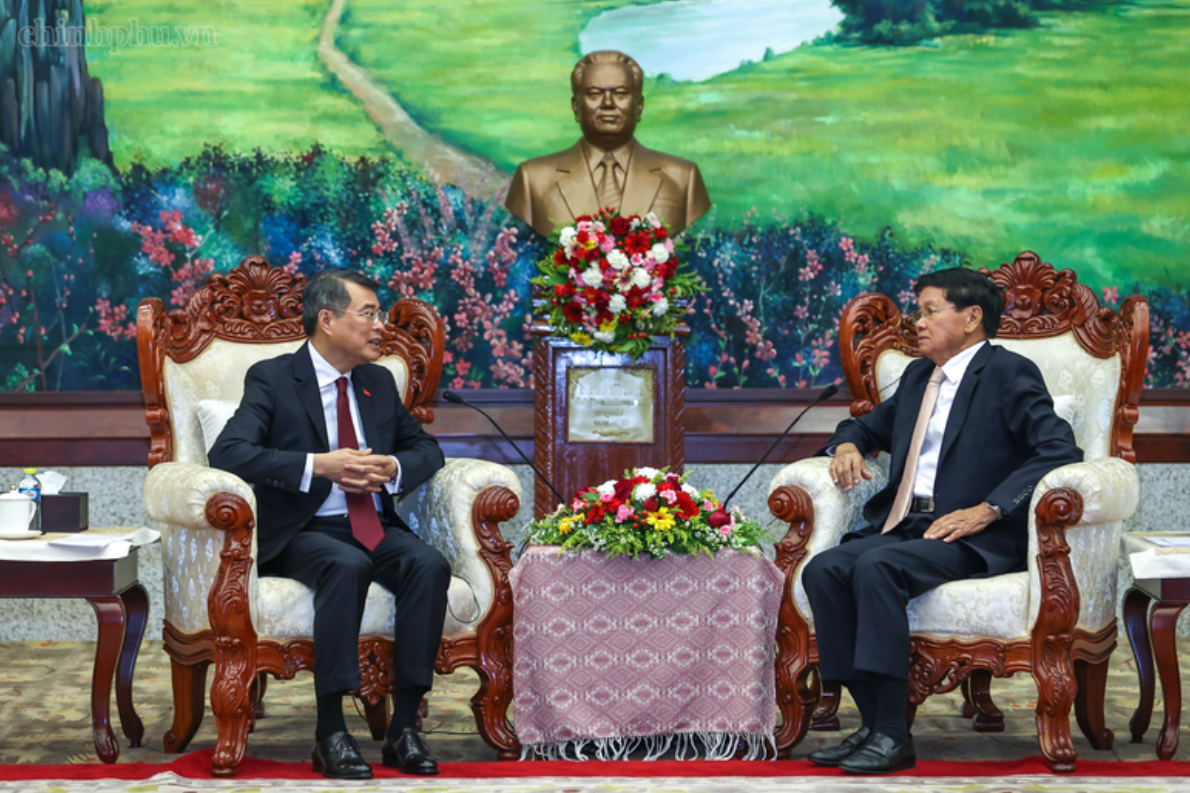
Prime Minister Le Minh Hung on October 8 paid a courtesy call on Lao General Secretary and President Thongloun Sisoulith in Vientiane as part of his on-going official visit to Laos.
The two sides expressed their delight at the positive developments in the bilateral relations in recent years, noting that there remains significant room for greater cooperation and complementarity, particularly in trade, investment and economic ties. They also held extensive discussions on strategic directions to further deepen and strengthen bilateral relations in a more substantive and practical manner.
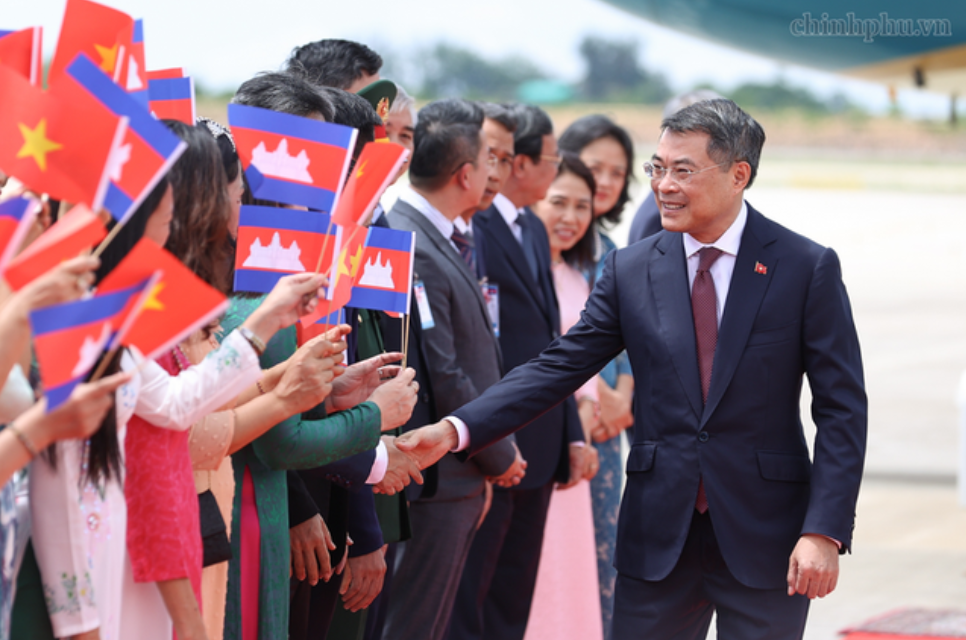
Prime Minister Le Minh Hung arrived in Phnom Penh on Friday afternoon, starting his two-day official visit to Cambodia at the invitation of Cambodian counterpart Hun Manet.
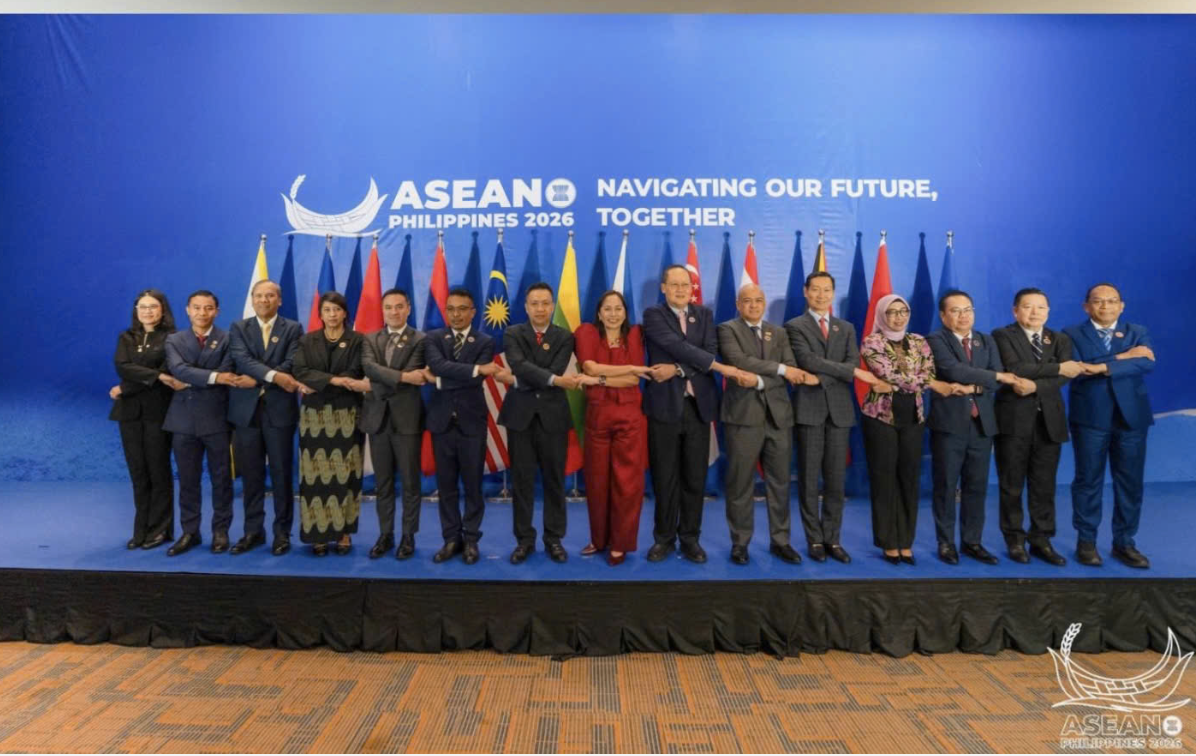
On 7 October 2026, the 44th ASEAN Ministers on Energy Meeting (AMEM 44) was held in Manila, the Philippines, under the chairmanship of Sharon S. Garin, Secretary of the Department of Energy of the Philippines. The meeting brought together energy ministers from ASEAN Member States, the Secretary-General of ASEAN, the ASEAN Centre for Energy, and representatives of ASEAN energy sector bodies and specialised networks. Deputy Minister of Industry and Trade Nguyen Viet Son led the Vietnamese delegati
Prime Minister Le Minh Hung on October 8 paid a courtesy call on Lao General Secretary and President Thongloun Sisoulith in Vientiane as part of his on-going official visit to Laos.
The two sides expressed their delight at the positive developments in the bilateral relations in recent years, noting that there remains significant room for greater cooperation and complementarity, particularly in trade, investment and economic ties. They also held extensive discussions on strategic directions to further deepen and strengthen bilateral relations in a more substantive and practical manner.
Prime Minister Le Minh Hung arrived in Phnom Penh on Friday afternoon, starting his two-day official visit to Cambodia at the invitation of Cambodian counterpart Hun Manet.
On 7 October 2026, the 44th ASEAN Ministers on Energy Meeting (AMEM 44) was held in Manila, the Philippines, under the chairmanship of Sharon S. Garin, Secretary of the Department of Energy of the Philippines. The meeting brought together energy ministers from ASEAN Member States, the Secretary-General of ASEAN, the ASEAN Centre for Energy, and representatives of ASEAN energy sector bodies and specialised networks. Deputy Minister of Industry and Trade Nguyen Viet Son led the Vietnamese delegati