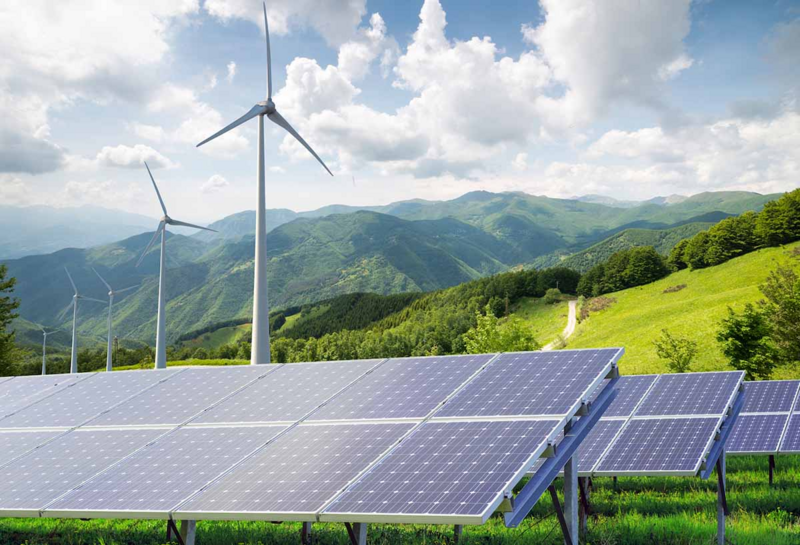
Vietnam advances renewable energy and equipment manufacturing under JETP, enhancing energy security, cutting emissions, and supporting a just transition by 2030.
Deputy Prime Minister Bui Thanh Son has signed Decision No. 458/QD-TTg approving the Project to update and implement the Political Declaration establishing the Just Energy Transition Partnership (JETP).
Improving institutions and attracting investment in renewable energy
The overarching objective of the Project is to implement the JETP Declaration in alignment with Resolution No. 70-NQ/TW and the National Power Development Plan for the 2021 - 2030 period, with a vision to 2050. The initiative aims to ensure national energy security, provide sufficient electricity for socio-economic development, national defense and security, and improve people’s livelihoods.
The roadmap emphasizes a proactive and equitable energy transition, accelerating the development of renewable and new energy sources, while promoting efficient energy use. This contributes to Vietnam’s commitment to achieving net-zero emissions, in line with national conditions and interests.
The Project identifies that, by 2030, priority will be given to completing a synchronized legal and policy framework to create a favorable investment environment. This includes encouraging offshore wind power, solar power, and energy storage systems. It also calls for research and development of national technical standards and regulations on environmental protection and greenhouse gas emissions for emerging technologies such as carbon capture, utilization and storage (CCUS), green hydrogen, and green ammonia.
Promoting the development of renewable energy and emerging energy industries.
The Project highlights the importance of mobilizing international resources to develop and upgrade infrastructure for electricity generation, transmission, storage, and distribution, ensuring the capacity to integrate large-scale renewable energy sources. Human resource development and gradual mastery of advanced technologies are identified as critical priorities, paving the way for domestic manufacturing of renewable energy equipment.
In the industrial sector, the Project outlines the development of renewable energy industries, equipment manufacturing, energy storage systems, and carbon capture and utilization technologies. It also promotes the production, use, and transportation of green hydrogen and green ammonia. By 2030, the goal is to establish two renewable energy industrial and service centers in regions with high potential.
The transition is designed to be inclusive, creating new jobs, supporting workforce reskilling and upskilling, and ensuring social security for vulnerable groups. It also encourages public and business participation in clean, efficient energy consumption.
Under the targets set, renewable energy is expected to account for approximately 47% of total installed power capacity by 2030. Coal-fired power capacity will be capped at between 30.2 and 31.055 GW, while greenhouse gas emissions from the power sector will peak at no more than 170 million tonnes of CO2 equivalent.
Accelerating the transition from coal to clean energy
Beyond 2030, the Project will continue to refine policies to promote clean and efficient energy use, aiming to make it a routine practice for organizations, businesses, and communities.
No new coal-fired power plants will be developed, and plants older than 40 years will be phased out unless they can be converted to alternative fuels. At the same time, strong measures will be implemented to reduce greenhouse gas emissions, with the goal of limiting energy-sector emissions to no more than 101 million tonnes of CO2 equivalent by 2050, while increasing the share of renewable energy to approximately 80 - 85% of total primary energy.
To achieve these goals, the Project sets out 10 key tasks. These include improving policies for energy transition, accelerating the shift from coal to clean energy, developing an industrial and service ecosystem for renewable energy, and promoting energy efficiency.
In addition, efforts will focus on upgrading power transmission and distribution systems, developing smart grids and energy storage systems, advancing green energy transition in transport and construction, fostering innovation and technology transfer, ensuring fairness in the transition process, strengthening public awareness, and expanding international cooperation to mobilize resources for a just energy transition.
The Project also underscores the importance of communication efforts to raise awareness of both opportunities and challenges associated with the transition, integrating communication activities into the development and implementation of energy transition programs and projects.
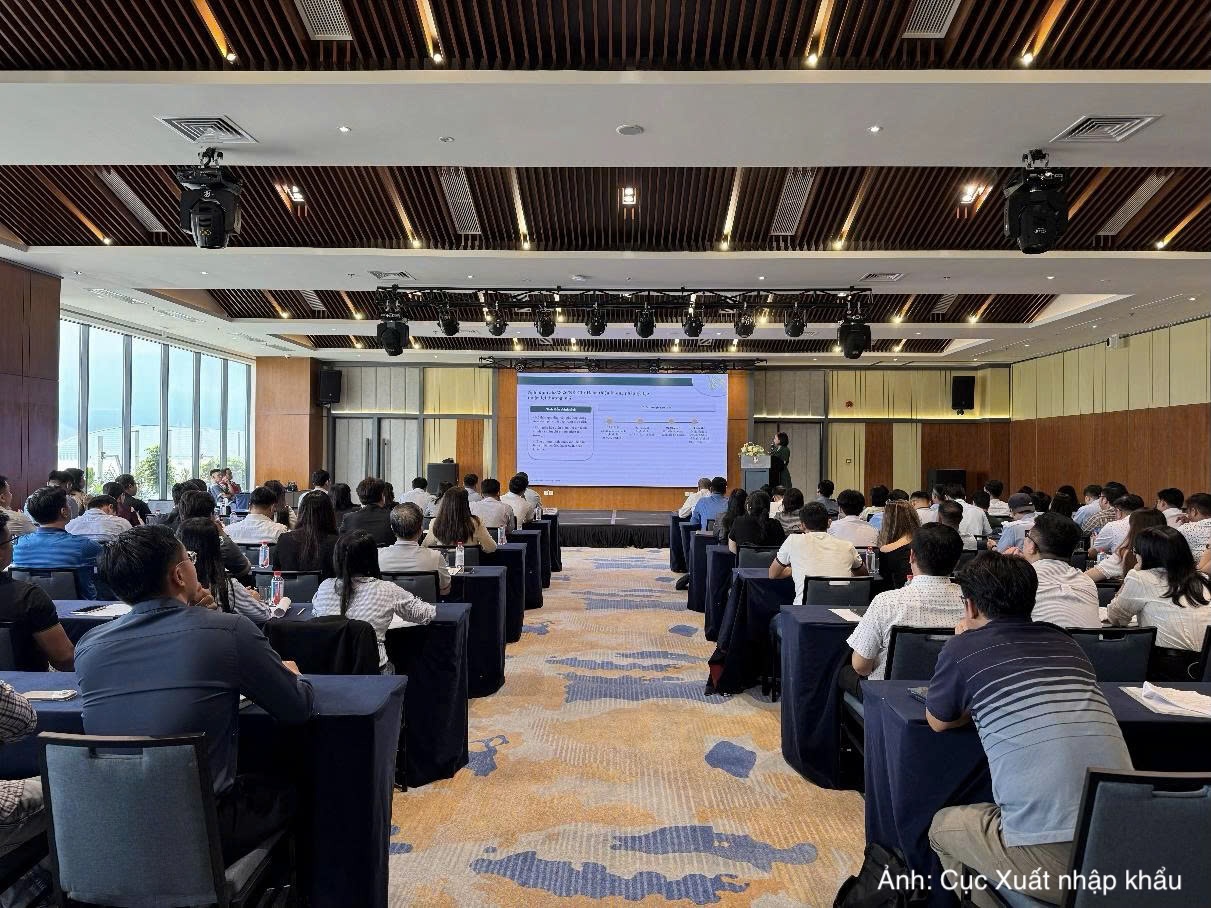
On October 13, the Agency of Foreign Trade under the Ministry of Industry and Trade (MoIT) held a conference in Dong Thap province to disseminate Government Decree No.365/2026/ND-CP dated September 23, 2026, on rice export and import business, and Circular No.65/2026/TT-BCT dated October 1, 2026, issued by the Minister of Industry and Trade, detailing certain provisions and measures for implementing Decree No.365/2026/ND-CP.
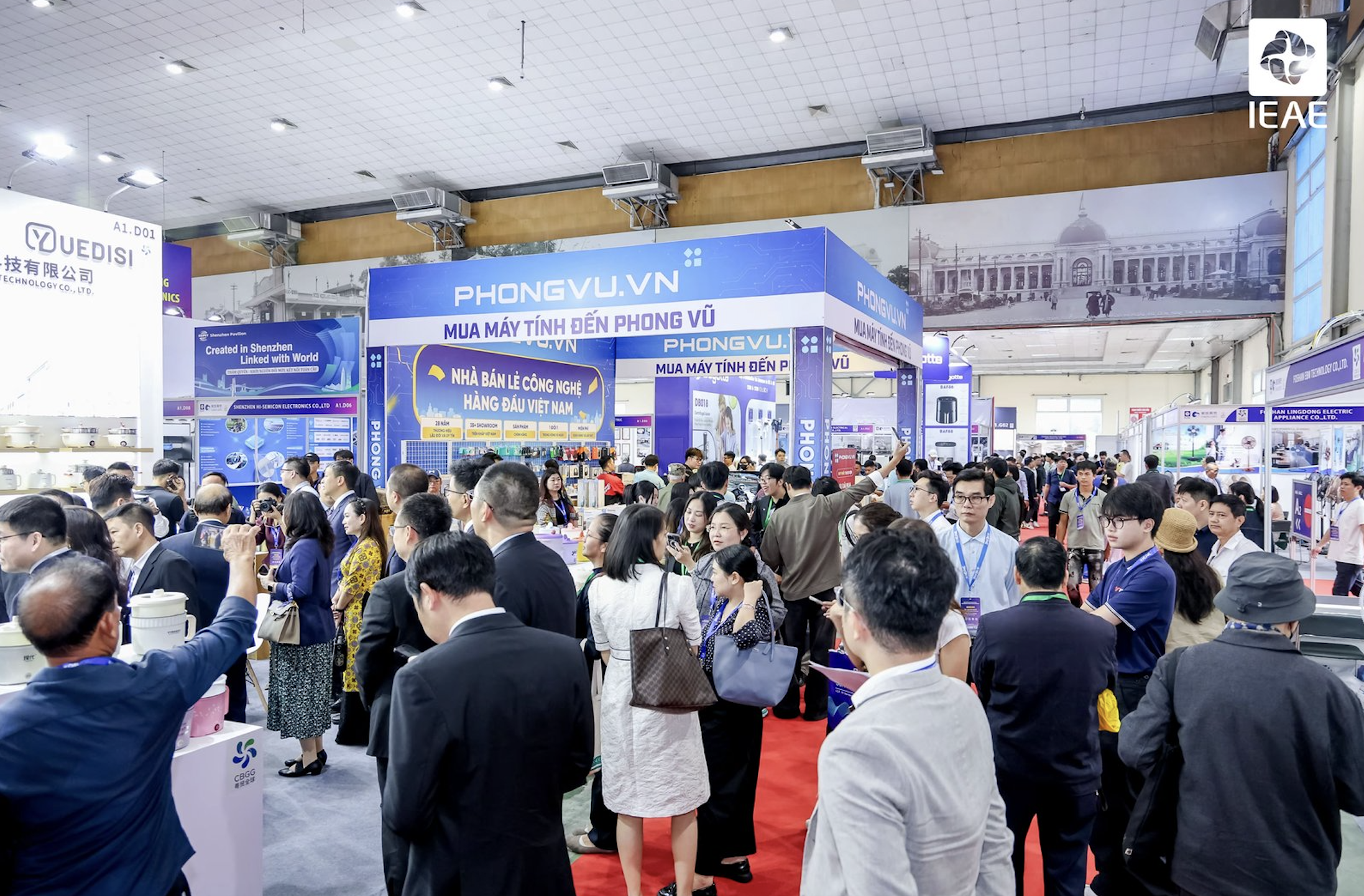
IEAE Hanoi 2026 will gather over 300 exhibitors, showcasing electronics, smart appliances and connecting businesses with sourcing and trade opportunities in Vietnam.
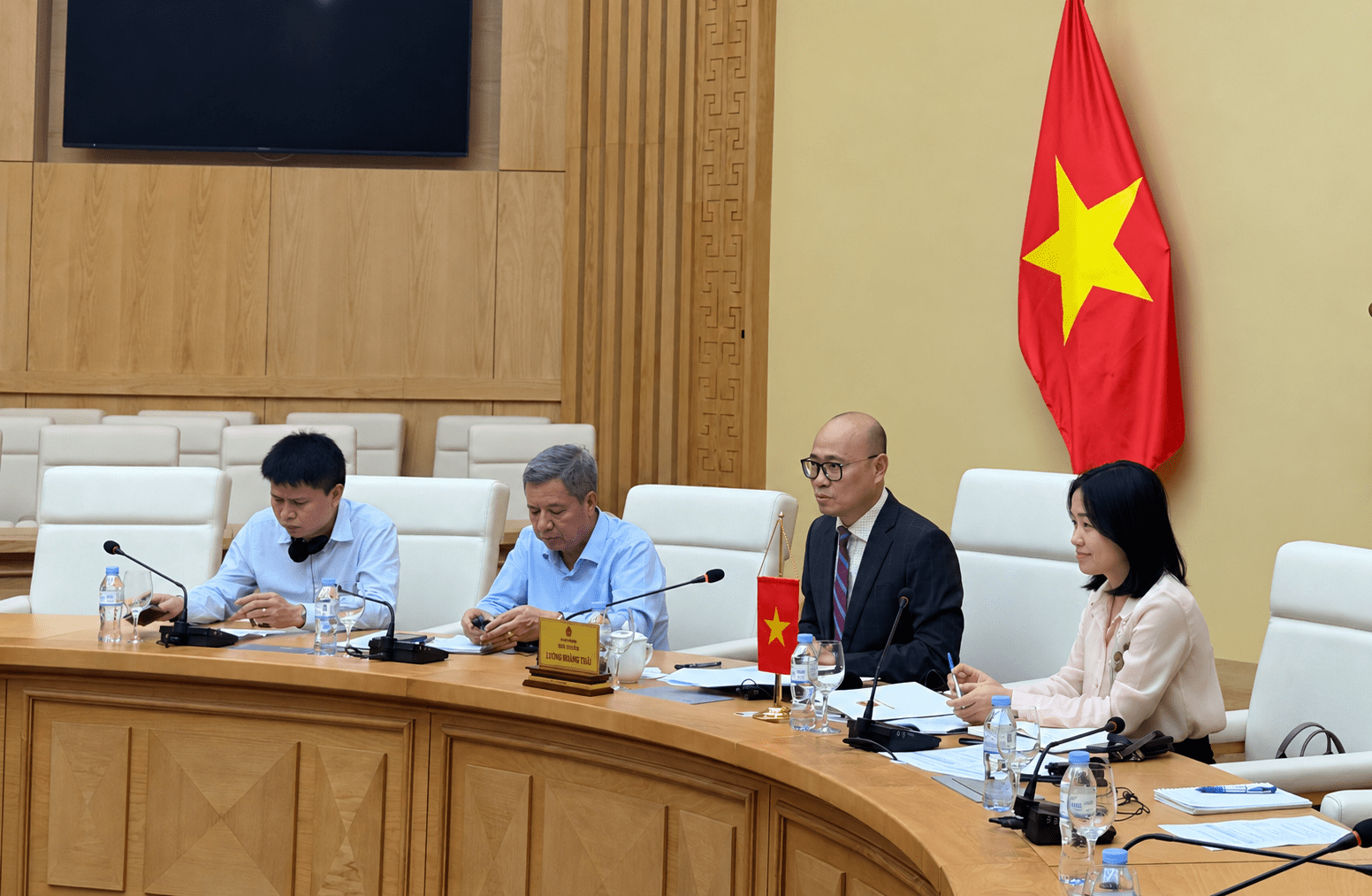
On October 13, Deputy Minister of Industry and Trade Luong Hoang Thai held a working session with MEDEF International, a French business organization, and representatives of French corporations operating in various sectors, including energy, industry, transport, construction and infrastructure development, food and beverages, and services, at the Ministry of Industry and Trade's headquarters.
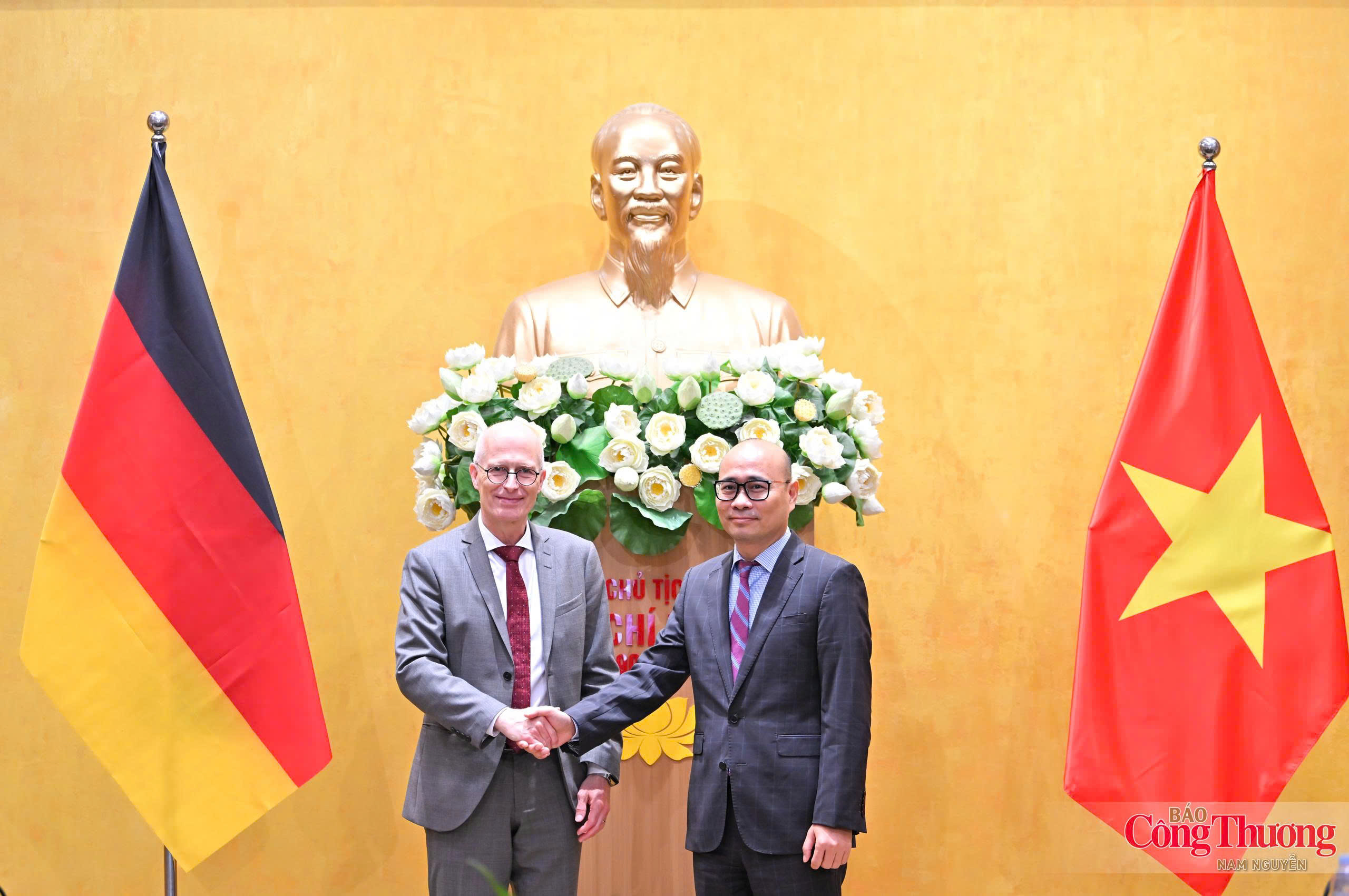
On October 14, Deputy Minister of Industry and Trade Luong Hoang Thai received and held a working session with a delegation from Hamburg, Germany, led by the city's First Mayor Peter Tschentscher at the Ministry of Industry and Trade's headquarters.
The Copyright Office is working closely with relevant agencies to develop plans for inspections and enforcement action against copyright and related rights infringements in the digital environment.
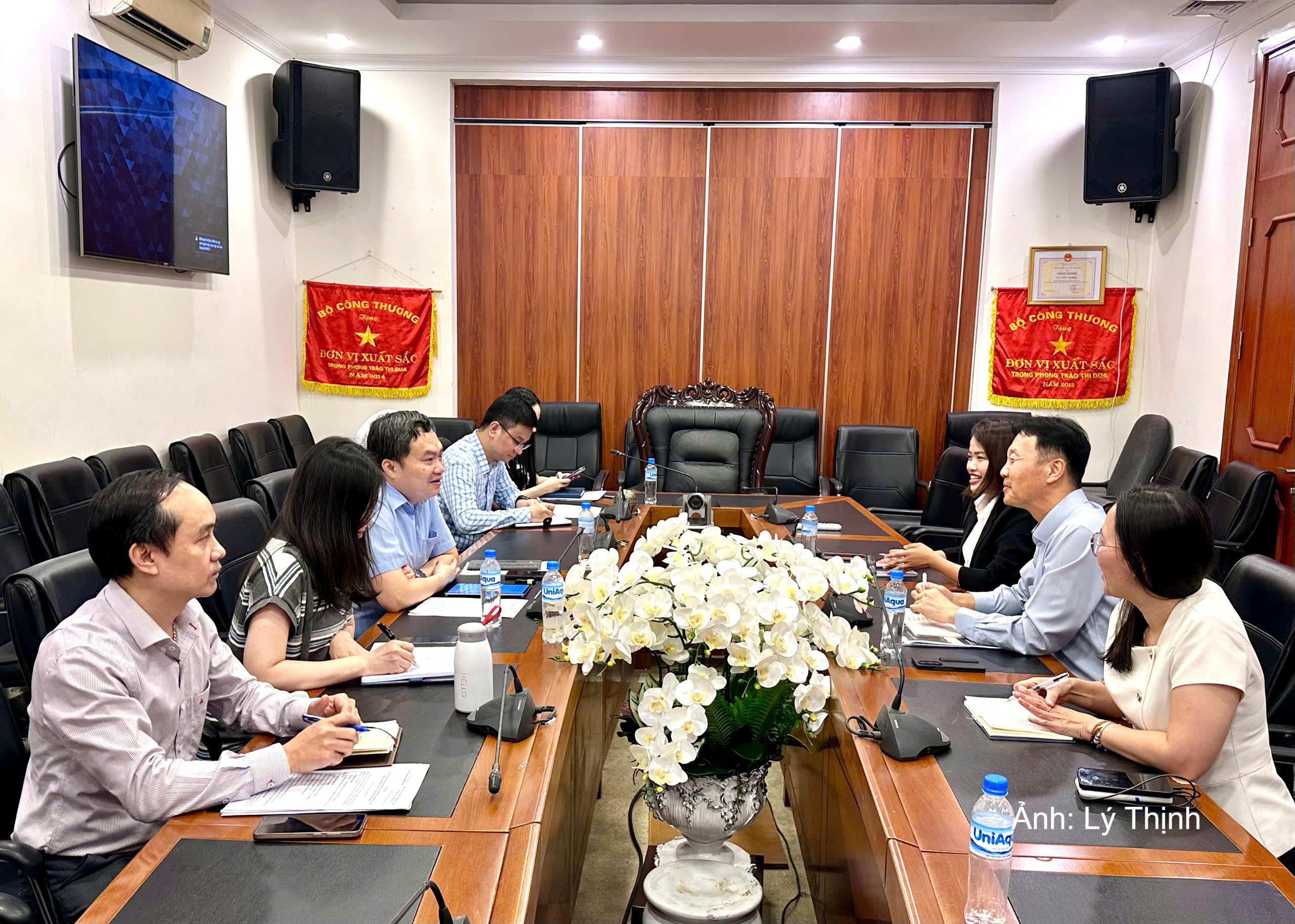
The Vietnam Industry Agency under the Ministry of Industry and Trade and Samsung Vietnam continue to strengthen cooperation in developing supporting industries, enhancing the capabilities of domestic enterprises and expanding opportunities for their participation in global supply chains.
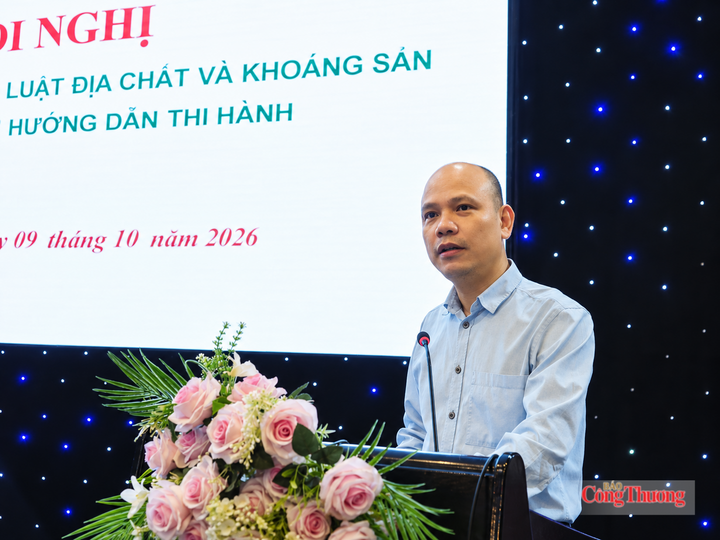
On October 9, the Viet Nam Department of Geology and Minerals, in coordination with the Thai Nguyen Department of Industry and Trade, held a conference in Thai Nguyen province to disseminate the Law on Geology and Minerals and its implementing regulations.
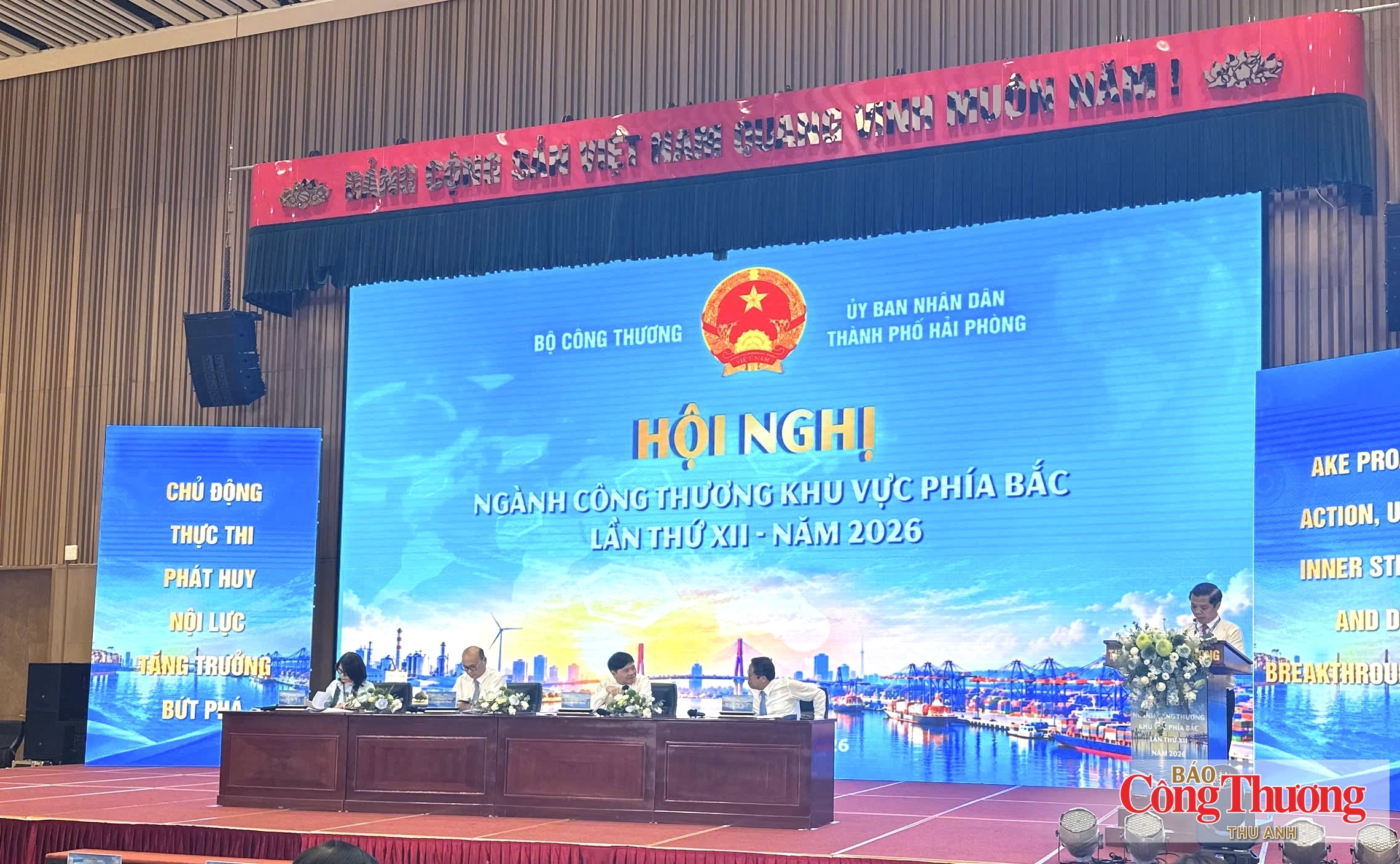
Northern localities are strengthening links in supporting industries, energy and logistics to build competitive value chains and create new growth drivers.
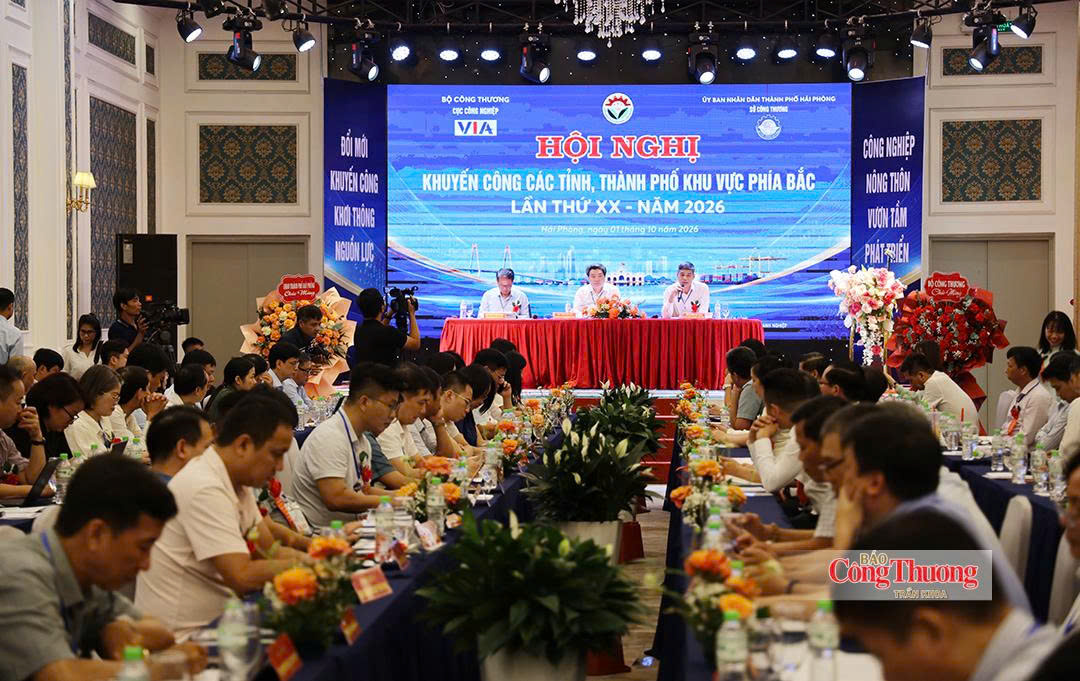
The 20th Industrial Promotion Conference for Northern Provinces and Cities in 2026 was held in Hai Phong City on October 1, with discussions focusing on renewing industrial promotion activities.
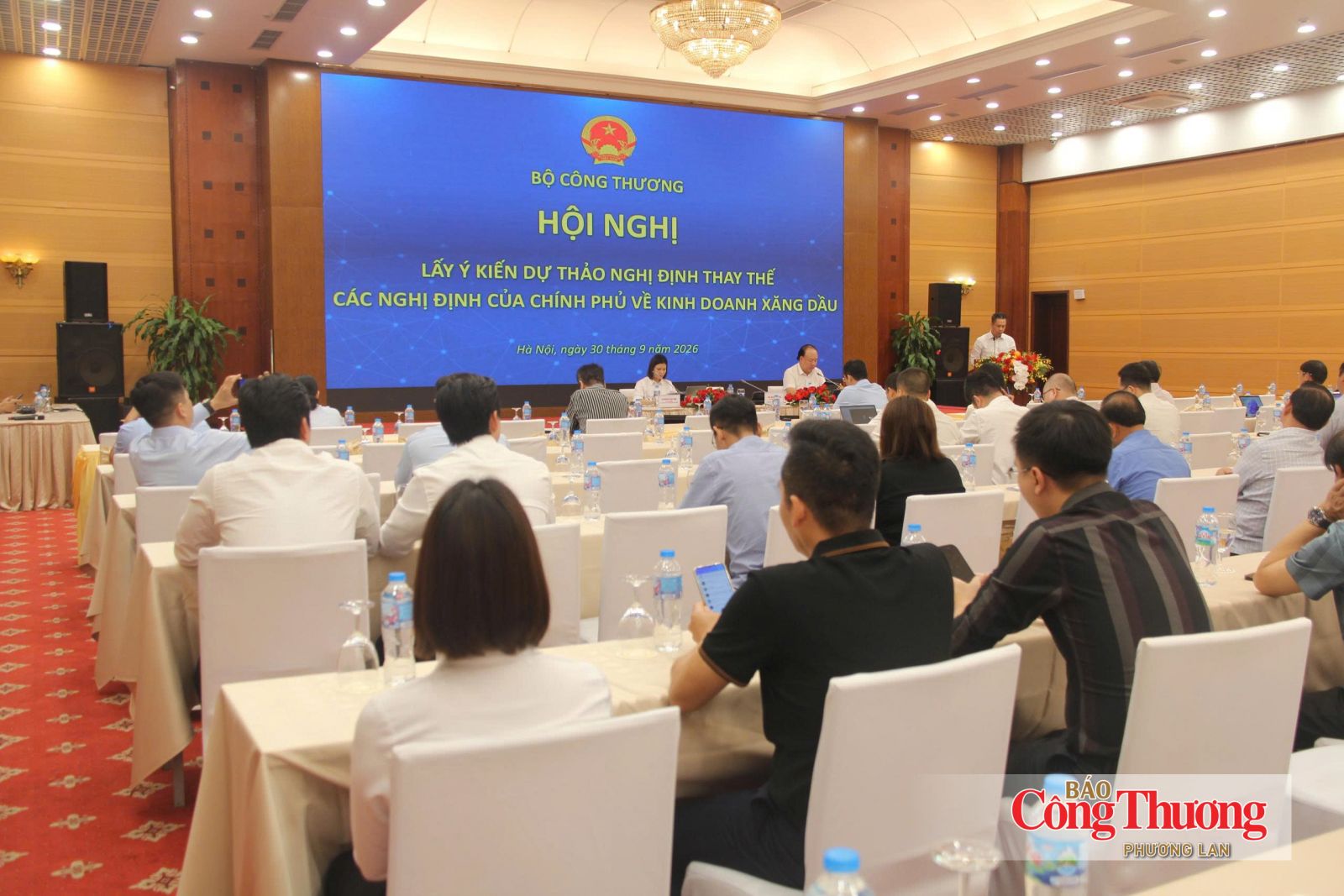
On September 30 in Ha Noi, the Ministry of Industry and Trade (MoIT) held a conference to gather broad feedback on a draft decree replacing the Government’s existing decrees on petroleum trading.