At VCSF 2026, businesses highlighted how operational efficiency, resource optimisation and stronger supply chains can boost competitiveness and drive sustainable growth.
The 2026 Vietnam Corporate Sustainability Forum (VCSF), held in Hanoi, successfully concluded on October 5, bringing together nearly 30 speakers and more than 300 delegates from government agencies and major businesses. The forum gathered insights and practical challenges shared by businesses to inform recommendations for improving policy implementation, particularly in clean energy, the circular economy, green finance and supplier development.
According to the Vietnam Chamber of Commerce and Industry (VCCI), the priorities for Vietnam’s business community in 2026 have shifted beyond simply expanding scale to improving productivity, driving innovation, strengthening resilience and creating long-term value.
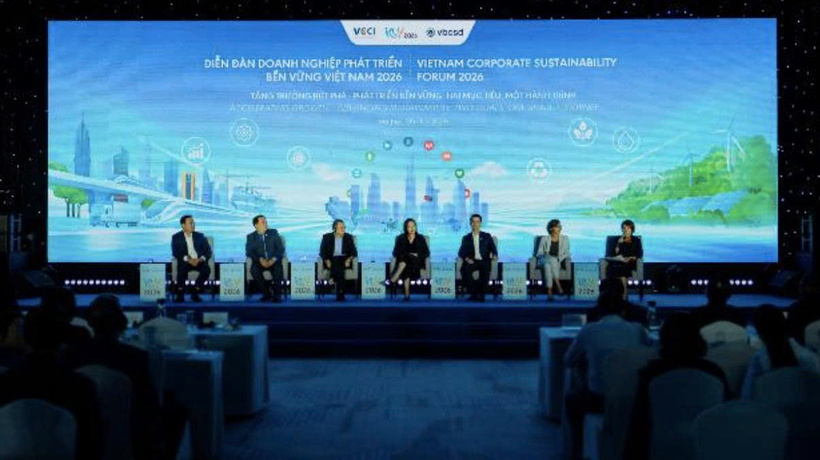
The high-level plenary discussion, “Connectivity Policies – Businesses as Partners: Towards a Resilient and Sustainable Economy”, held as part of the event on October 5 (Photo: Organising Committee)
At the forum, Prof. Dr. Nguyen Xuan Thang, Politburo member for the 13th tenure and Chairman of the Central Theoretical Council, said: “Every business is helping shape the future of the national economy through the decisions it makes today. I believe that when institutions pave the way, businesses take the initiative and resources are effectively connected, Vietnam will develop a generation of enterprises with the capacity to expand internationally, the determination to compete in global markets and the responsibility to contribute to the country’s sustainable development.”
At the high-level plenary session, titled “Connecting Policies – Businesses Working Together: Toward a Self-Reliant and Sustainable Economy,” representatives from the Ministry of Agriculture and Environment, the Ministry of Science and Technology, and leading enterprises discussed key priorities and the conditions needed to support businesses in a new phase of growth.
Sharing insights into policies currently being implemented, Ho Kien Trung, Deputy Director General of the Department of Environment under the Ministry of Agriculture and Environment, said: “In recent years, the Ministry of Agriculture and Environment has advised the Prime Minister to issue Decision No. 21 on the classification of green project categories, as well as Decision No. 46 to help businesses identify criteria for the circular economy and environmental, social and governance (ESG) practices. These provide a basis for businesses to meet green criteria and facilitate their access to green financing in the coming period.”
During the discussion, Larry Lee, Deputy General Director in charge of Strategic Assets and Sustainable Development at Saigon Beer – Alcohol – Beverage Corporation (SABECO), shared the company’s experience in building sustainable competitiveness by improving operational efficiency and strengthening its partner ecosystem. SABECO currently operates 26 breweries across Vietnam.
Larry said: “One of the lessons we have learned through our transformation is that productivity and sustainability are closely linked to very practical operational improvements. When businesses use energy more efficiently, reduce material losses, manage water better or optimise production processes, these changes not only benefit the environment but also directly improve business performance.”
In practice, SABECO’s 2025 Sustainability Report recorded that renewable sources accounted for 46.4% of the energy consumed at its breweries, while 81.4% of waste was reused or recycled. Notably, beer output increased by 3%, while total energy consumption fell by 6.8%. The company has also extended its resource-efficiency approach to packaging. Currently, 100% of packaging across SABECO’s product portfolio, including Saigon Beer, 333 Beer and Lac Viet Beer, is recyclable or reusable.
Alongside reducing resource consumption, SABECO continues to ensure consistent product quality across its operations. At its breweries, improvements in production technology and quality control enable brewing specialists to monitor processes more closely, use data to identify deviations and make timely adjustments. This also provides a foundation for established brands such as Saigon Beer to maintain their competitiveness in the market.
For large enterprises, the transition to sustainability extends beyond factory operations to the entire supply chain. Decisions on procurement, supplier selection and supply chain management can all affect the wider business ecosystem. However, according to SABECO’s representative, setting additional requirements for suppliers is not difficult. The challenge lies in supporting them in meeting those requirements. Raising standards without providing such support risks turning sustainability into a compliance burden, particularly for small and medium-sized enterprises.
With this approach, SABECO is gradually integrating environmental and social standards into supplier management, while creating conditions for partners to strengthen their capabilities and develop over the long term. This process may involve training, sharing management experience, supporting technology adoption and establishing clear roadmaps that give partners sufficient time and autonomy to invest.
Responding during the discussion, Larry Lee added: “Vietnam’s next phase of growth will require closer coordination among policymakers, businesses, technology, logistics, finance, human resources and domestic supply chains. No single business can drive this transformation alone. Given our current scale and network, I believe SABECO can help connect different links in the value chain, translate standards into practice and spread the capacity for continuous improvement throughout the supply chain.”
Discussions at VCSF 2026 highlighted the increasingly close relationship between sustainability and business competitiveness. The challenge extends beyond environmental indicators and compliance requirements to encompass productivity, resource efficiency, management capabilities and the strength of value chains.
Through these exchanges, the forum helped promote dialogue, experience-sharing and cooperation, contributing to the development of a Vietnamese business ecosystem in which enterprises can strengthen their capabilities and pursue sustainable growth together.
Polish Prime Minister Donald Tusk will pay an official visit to Viet Nam from October 24 to 26 as the bilateral trade continues to grow, creating opportunities for deeper cooperation.
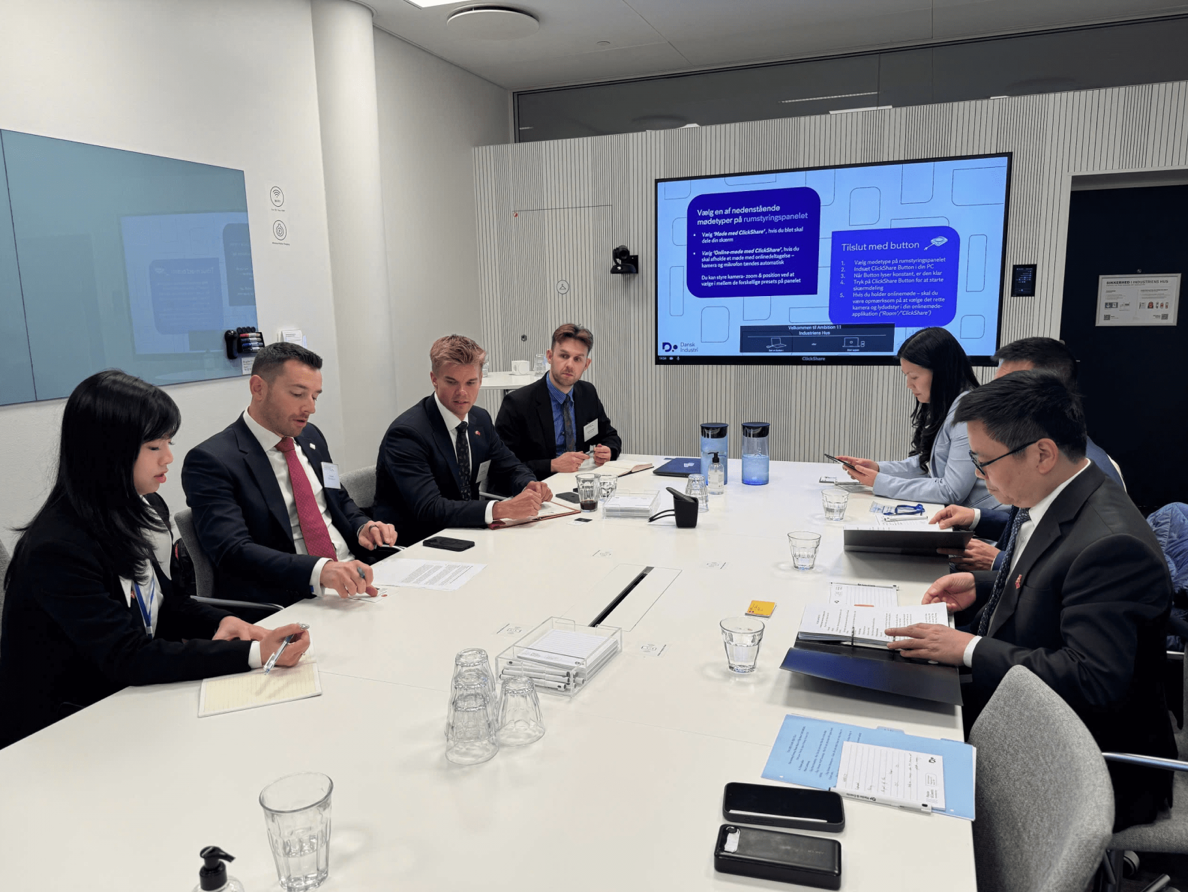
Deputy Minister Truong Thanh Hoai met with LEGO and Carlsberg in Denmark on October 20 to discuss green investment and sustainable manufacturing in Viet Nam.
For more than three decades, Ms. Dang Thi Thanh Huong has quietly shaped the legacy of Dong Phuong Cake & Confectionery, a brand rooted in tradition, craftsmanship.
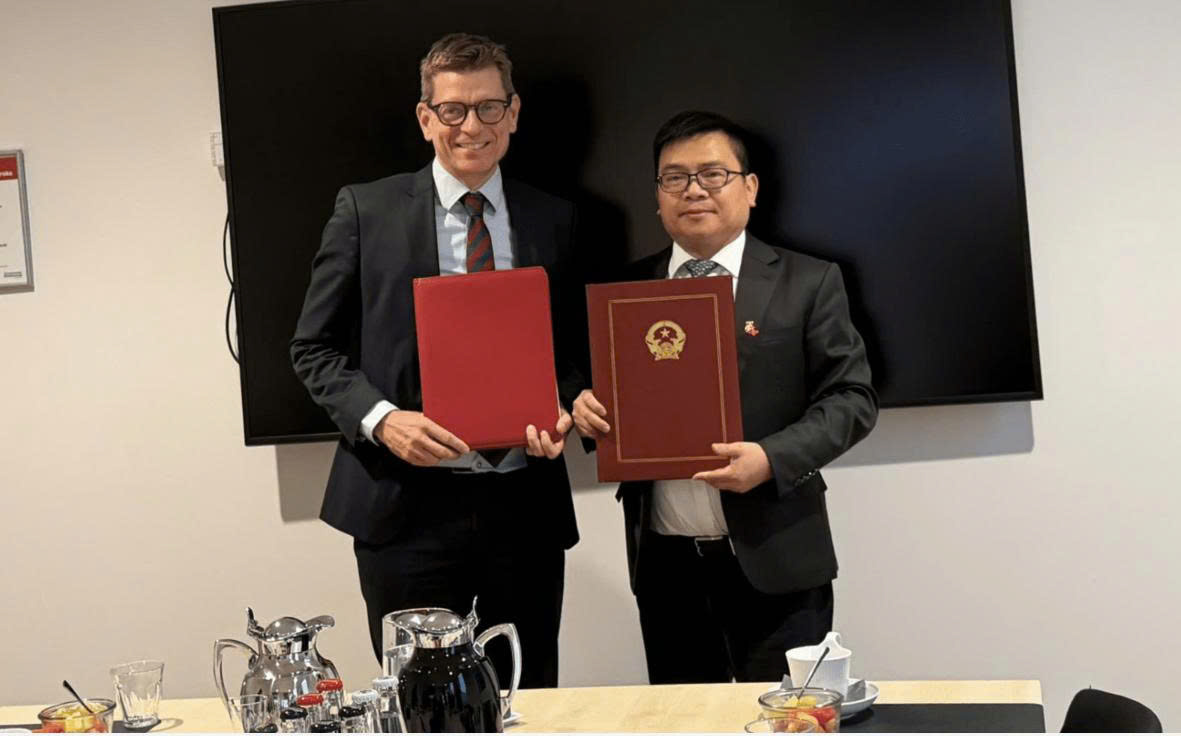
Viet Nam and Denmark have signed an MoU on energy cooperation to strengthen bilateral ties and advance collaboration in renewable energy and the green transition.
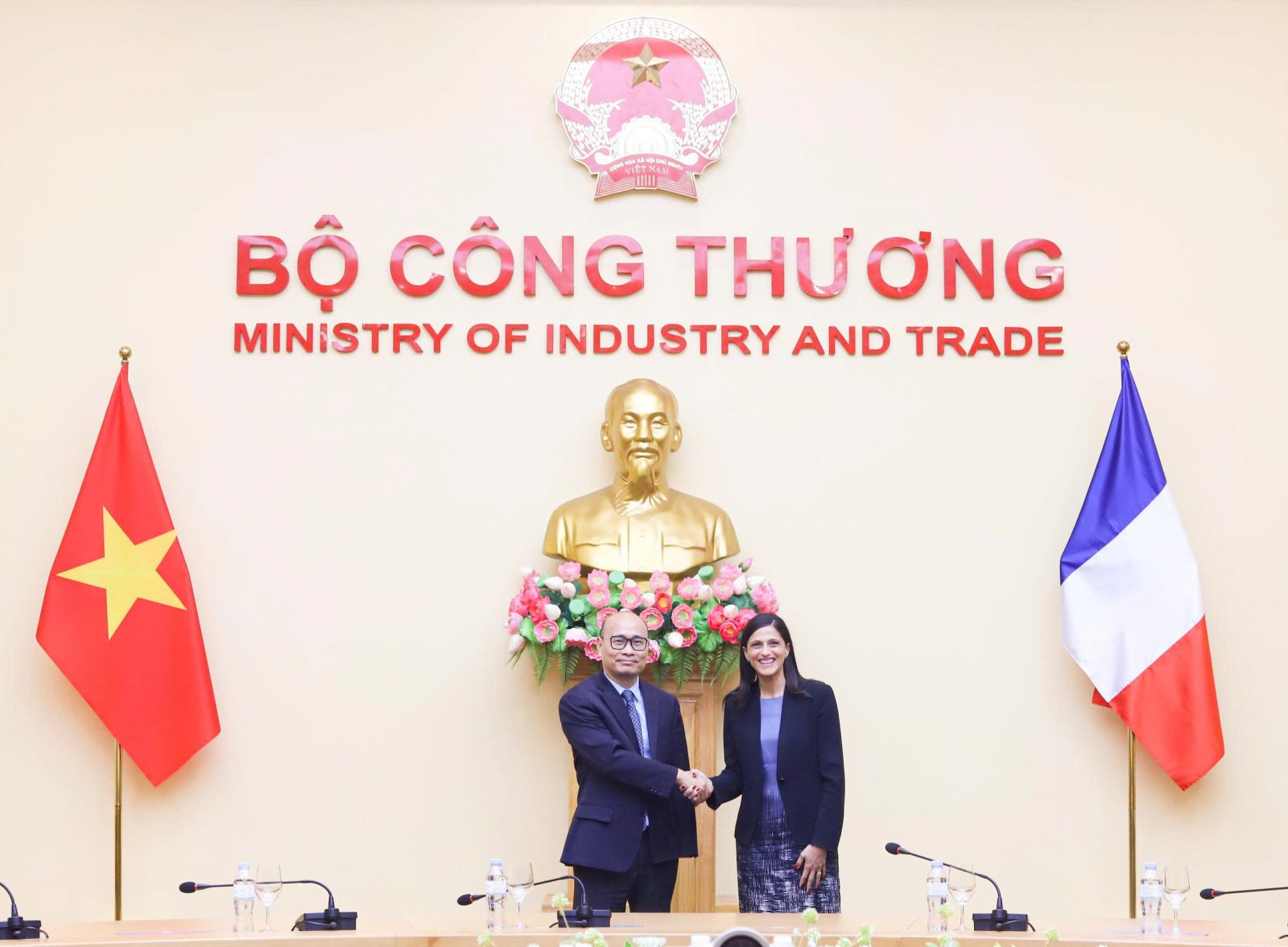
Deputy Minister Luong Hoang Thai met French Minister Delegate Eleonore Caroit on October 19 to discuss ways to strengthen Viet Nam - France cooperation.
Digital skills, AI adoption and online exports are expected to help young entrepreneurs transform their businesses and expand into international markets.
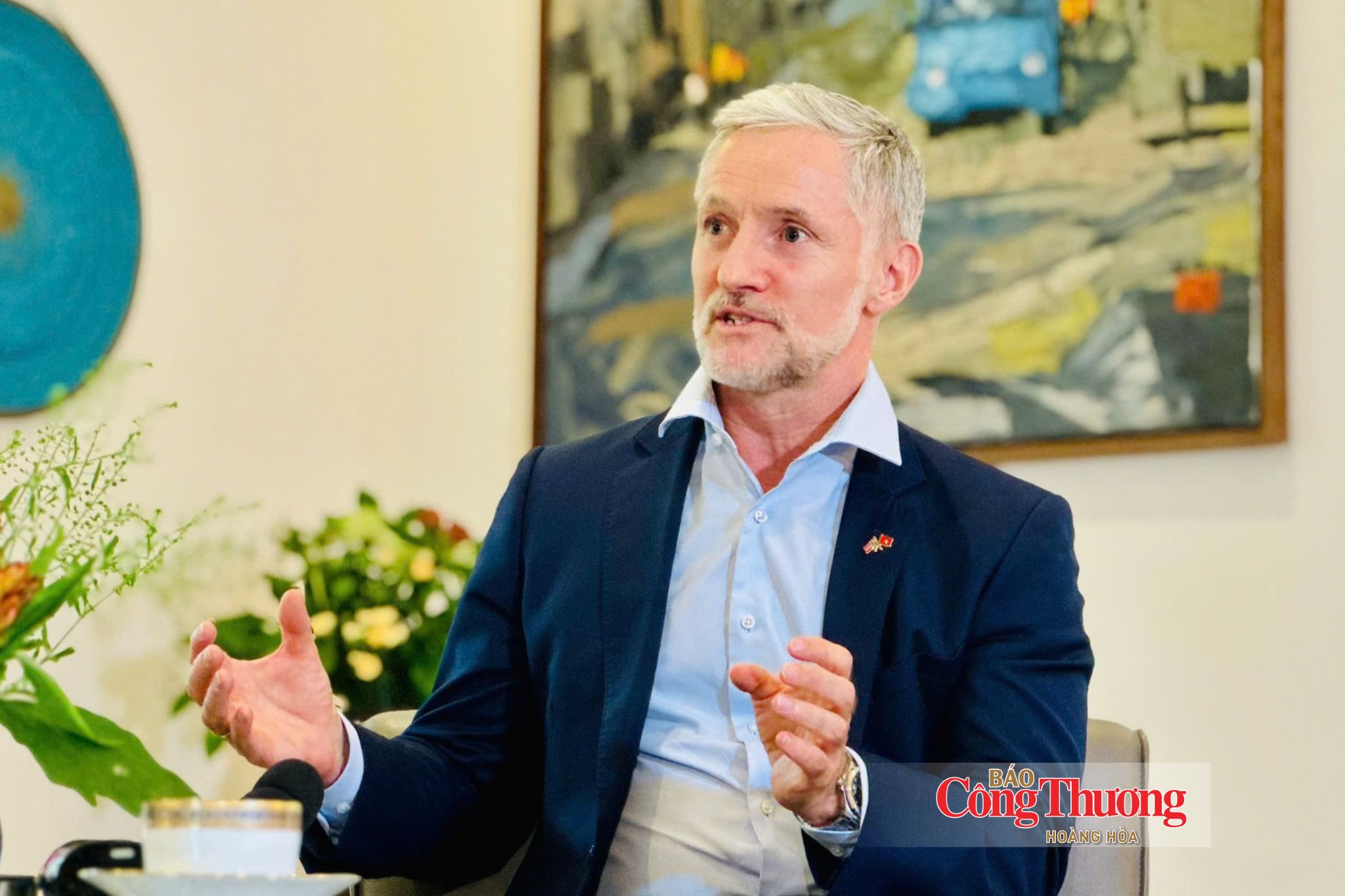
Norwegian Ambassador Stein Iversen said Viet Nam's economy could be twice the size of Norway's in 12 - 13 years if its current growth momentum continues.
Viet Nam - Malaysia trade hit USD 17.4 billion in the first nine months of 2026, exceeding the 2025 full-year total and signaling a stronger-than-expected year.
The official visit to Laos by Prime Minister Le Minh Hung is expected to inject fresh momentum into bilateral relations, with economic, trade and investment cooperation continuing to serve as a core pillar.