Vietnamese businesses are adjusting strategies, focusing on cost efficiency, technology adoption and sustainable competitiveness.
Amid continued global economic uncertainty, the business community in Vietnam is demonstrating a clear trend toward strategic adjustment, shifting its focus from rapid expansion to strengthening internal capabilities, enhancing competitiveness, and pursuing sustainable development.
According to the Business Confidence Index (BCI) for Q4/2025 released by the European Chamber of Commerce in Vietnam (EuroCham), in response to external shocks such as global trade tensions, tariff policies, and rising input costs, 41% of enterprises have prioritized optimizing operating costs. This is a defensive yet necessary approach, enabling businesses to preserve profit margins, secure cash flow, and maintain short-term resilience. Notably, alongside cost-cutting measures, as many as 35% of enterprises are accelerating the adoption of technology, automation, and artificial intelligence (AI), indicating that strategic adjustments are not merely about “tightening belts,” but also about improving efficiency and productivity over the long term.
Nevertheless, external pressures remain pronounced, particularly from global trade tensions. In 2025, 42% of enterprises reported a net negative impact, primarily reflected in demand volatility, heightened revenue uncertainty, and increased operating costs. Small and medium-sized enterprises have been more acutely affected due to limited resources, while large corporations have shown greater resilience thanks to stronger financial foundations and higher adaptive capacity. In response, beyond cost optimization and technological adoption, some enterprises have adjusted their investment plans (19%) or expansion strategies (17%), and even diversified operations beyond Vietnam (23%) to mitigate risks.
Vietnam pushes digital economy to boost competitiveness amid urgent SME challenges
Importantly, these strategic adjustments have not eroded confidence in the Vietnamese market. On the contrary, 56% of enterprises indicated growing optimism toward Vietnam as an investment and business destination. The survey also shows that 88% of European enterprises are optimistic about the medium-term outlook for the 2026 - 2030 period, and 87% are willing to recommend Vietnam as an investment destination to other foreign businesses. These figures suggest that strategic adjustments are proactive decisions aimed at adaptation and preparation for a new growth cycle, rather than defensive retrenchment.
The accelerated adoption of technology, automation, and AI is regarded as a key pillar in enhancing competitiveness. As labor costs rise and quality requirements become more stringent, technology has emerged as a critical tool for process optimization, reducing reliance on low-skilled labor, and increasing value added. This trend aligns with Vietnam’s broader orientation toward digital transformation and the development of the digital economy, while bringing domestic enterprises closer to regional and global standards of governance and production.
Alongside internal corporate efforts, the institutional environment and administrative reforms continue to play a pivotal role. Complex administrative procedures and inconsistent regulatory frameworks remain significant challenges; however, the Q4/2025 survey recorded initial signs of improvement. Administrative burdens were cited by 53% of enterprises, down 12 percentage points from Q3.
Looking ahead to 2026, corporate strategic priorities reflect a balance between growth and capability development. Business expansion and investment diversification remain top priorities, alongside a stronger focus on high-quality human resources and technological application. This points to a qualitative shift in business thinking, from scale-driven growth to growth based on efficiency, productivity, and long-term competitiveness.
In a highly volatile global environment, enterprises’ proactive strategic adjustments, optimizing costs while simultaneously investing in technology and innovating production and business models are becoming the dominant trend. This is not merely a response to short-term pressures, but a crucial preparation for enterprises to remain resilient and achieve breakthroughs, as Vietnam continues to consolidate its position as an attractive investment destination and an increasingly important link in regional and global value chains.
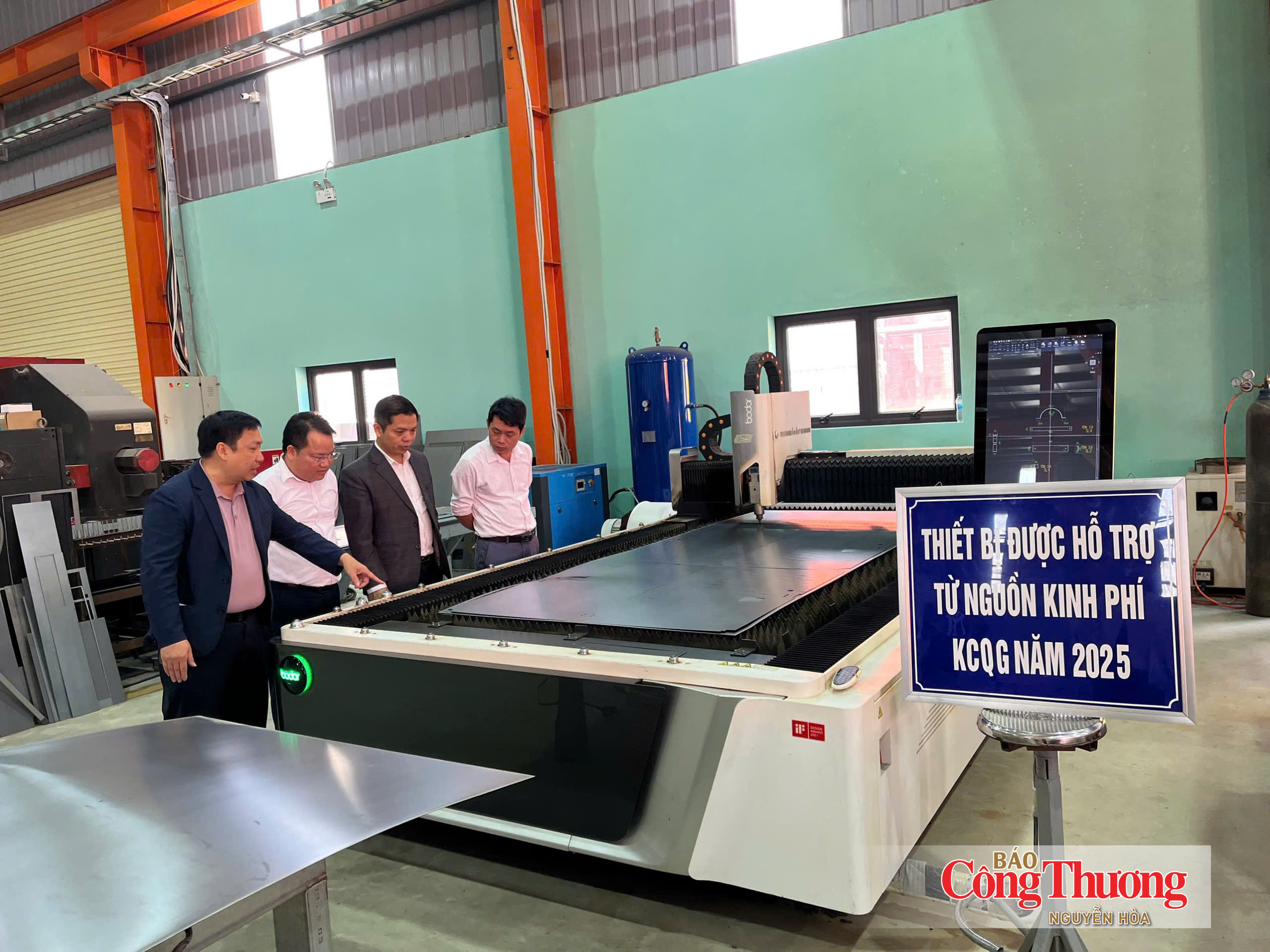
Technology innovation, resource and energy efficiency, and emissions reduction are becoming key priorities in many local industrial extension programs. From machinery support to the development of cleaner production models, industrial extension policies are helping bring sustainable production and consumption goals closer to rural industrial establishments.
The Grand Ho Tram has been named “Best Integrated Resort” at the 35th TTG Travel Awards 2026, marking its second consecutive win at the Asia-Pacific travel and hospitality awards.
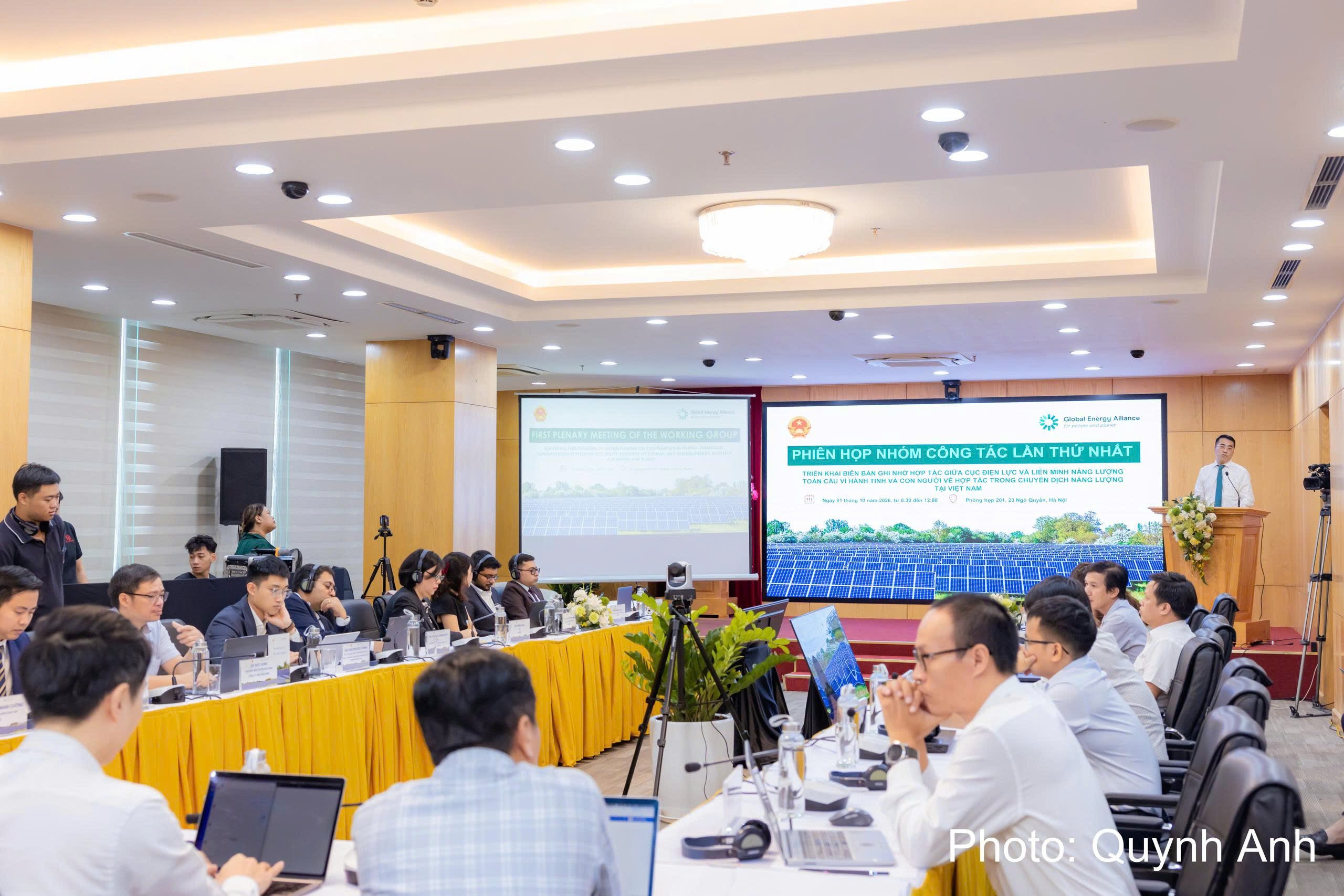
New cooperation initiatives on grid digitalization, battery energy storage systems (BESS), technical capacity building and applications at power utilities are helping lay the groundwork for modernizing Viet Nam’s power system while strengthening knowledge sharing across Southeast Asia.
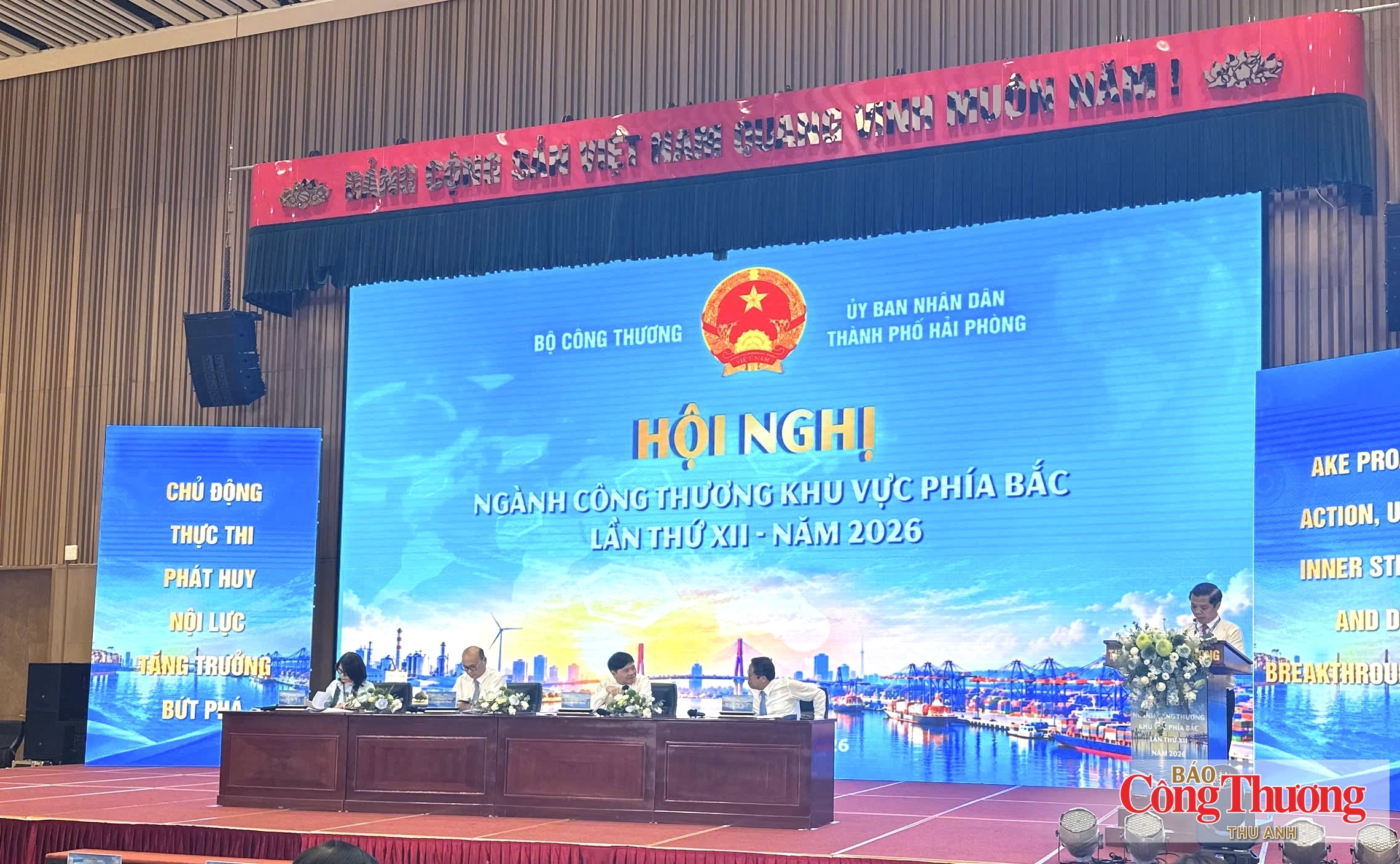
Northern localities are strengthening links in supporting industries, energy and logistics to build competitive value chains and create new growth drivers.
As Vietnam attracts growing manufacturing investment, companies are placing greater emphasis on operational readiness to ensure new factories can begin production efficiently.