The Ministry of Industry and Trade held a national conference on December 19, 2025 to review sector performance in 2021-2025 and outline key tasks for 2026.
On the afternoon of December 19, 2025, the Ministry of Industry and Trade (MoIT) convened the conference reviewing the performance of the Industry and Trade sector in 2025 and the 2021-2025 period, and outlining key tasks for 2026.
The conference was held at the MoIT headquarters at 54 Hai Ba Trung Street, Hanoi, and was connected online with Vietnam’s overseas trade offices.
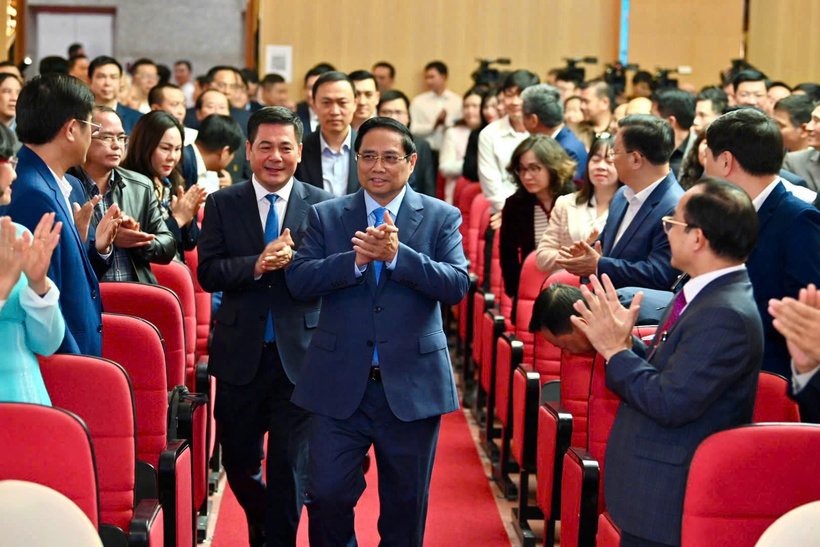
Prime Minister Pham Minh Chinh and Minister of Industry and Trade Nguyen Hong Dien attend the national review conference in Hanoi on December 19, 2025.
Prime Minister Pham Minh Chinh attended the conference and delivered a keynote address. Also attending the event were Phan Van Mai, Chairman of the National Assembly’s Economic and Financial Committee; Senior Lieutenant General Nguyen Truong Thang, Deputy Minister of National Defense.
On the side of the Ministry of Industry and Trade were Minister Nguyen Hong Dien; Deputy Ministers Nguyen Sinh Nhat Tan, Truong Thanh Hoai, Phan Thi Thang, and Nguyen Hoang Long; along with leaders of departments and units under the Ministry.
The conference was also attended by leaders of provinces and cities, directors of provincial Departments of Industry and Trade, and a large number of representatives from the business community.
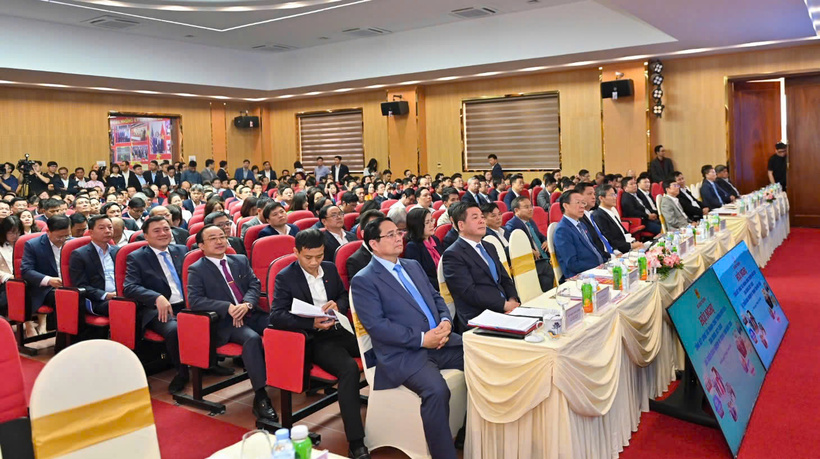
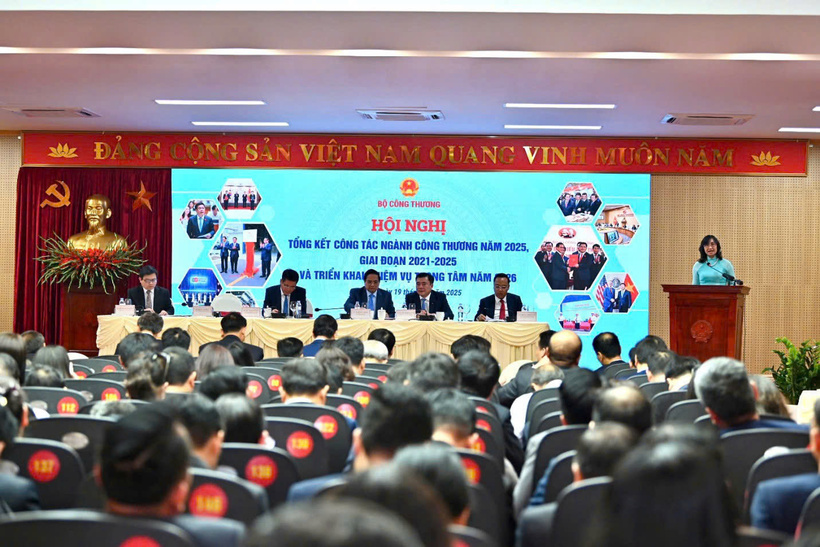
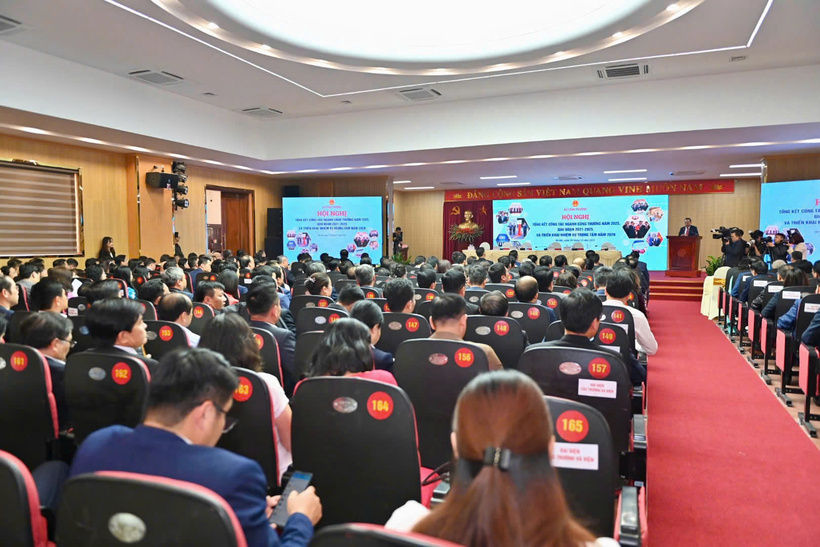
Overview of the national conference reviewing the Industry and Trade sector’s performance and outlining key tasks for 2026.
A solid foundation for a new development phase
At the conference, Deputy Minister of Industry and Trade Phan Thi Thang delivered the report reviewing the performance of the Industry and Trade sector in 2025 and the 2021-2025 period, and outlining key tasks for 2026.
Deputy Minister of Industry and Trade Phan Thi Thang presents the review report on the sector’s performance during the 2021-2025 period.
Deputy Minister Phan Thi Thang noted that 2025 holds special significance as the final year of the 2021-2025 socio-economic development plan. This period saw its early years heavily impacted by the Covid-19 pandemic and geopolitical volatility, while the later years continued to face severe natural disasters, storms and floods particularly the rare phenomenon of “overlapping storms and floods,” causing major losses of life and property.
Thanks to resolute leadership, flexible management, and the concerted efforts of the entire political system, the business community and the public, Vietnam’s economy has continued to show clear recovery. Macroeconomic stability has been maintained, inflation kept under control, major economic balances and social security ensured. GDP growth in 2025 is estimated at around 8%, placing Vietnam among the few countries worldwide achieving high growth, and earning positive assessments from international organizations.
One notable highlight was the breakthrough in institutional development and improvement. During the 2021-2025 period, the Ministry chaired the drafting and submission of six laws, including the Law on Petroleum, the Law on Protection of Consumer Rights, the Law on Electricity, the amended Law on Chemicals, the amended Law on Economical and Efficient Use of Energy, and the Law on E-commerce.
In addition, 65 decrees, 216 circulars, and more than 20 important strategies, master plans, plans and schemes were issued, creating a solid legal foundation for medium- and long-term industrial and trade development.
At the same time, major economic balances especially energy security and supply-demand balance of essential commodities were ensured throughout the 2021-2025 period. Many key power generation and transmission projects were implemented, including 500 kV and 220 kV transmission lines. By the end of 2025, Vietnam’s power system reached a capacity of approximately 90,000 MW, ranking first in Southeast Asia and among the world’s 20 largest power systems.
Import-export activities during the 2021-2025 period recorded strong breakthroughs, becoming an important pillar of growth. Exports grew at an average rate of about 10.8% per year, far exceeding planned targets, while the trade balance consistently recorded surpluses.
In 2025 alone, total import-export turnover is estimated at USD 920 billion, placing Vietnam among the world’s top 15 trading economies, further affirming the role of trade in macroeconomic stability and national positioning.
Industrial production recovered strongly, with the industrial production index estimated to increase by 9.5% in 2025, the highest growth rate since the Covid-19 pandemic. In particular, the manufacturing and processing sector grew by 10.6%, continuing to serve as the main driver of economic growth.
After more than three hours of focused and serious working sessions, the conference largely completed its agenda. Following the Ministry’s review report, eight statements were delivered by representatives of ministries, sectors, localities, industry associations, corporations, general corporations, and several functional units under the Ministry most notably the directive speech by the Prime Minister.
The statements and the Prime Minister’s directives were basically in agreement with the Ministry of Industry and Trade’s review report.
Promoting “six pioneering roles”
In his directive address, Prime Minister Pham Minh Chinh assessed that in 2025 and the 2021-2025 period, despite facing more difficulties and challenges than opportunities, including many unprecedented and unforeseen issues, Vietnam still maintained macroeconomic stability, controlled inflation, promoted growth, and ensured major economic balances.
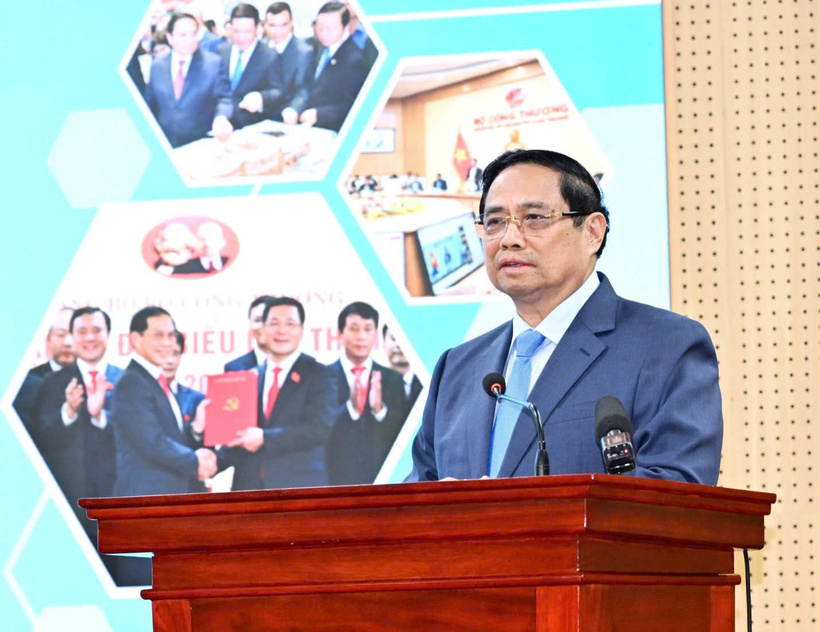
Prime Minister Pham Minh Chinh delivers a directive address at the national conference reviewing the Industry and Trade sector’s performance for 2021-2025.
Summarizing the achievements of the Industry and Trade sector, the Prime Minister stated that the sector has matured significantly over the past five years. Industrial growth has become deeper and more substantive; trade has expanded and improved in quality; markets have become more diversified and sustainable; internal unity has been strengthened; and the organizational apparatus has become leaner, stronger and more effective.
The Prime Minister also highlighted three valuable lessons learned from practice:
First, strictly adhere to the Party’s guidelines, the State’s policies and laws; seriously implement Party resolutions and directives of the General Secretary and key leaders; act with high determination, great effort and decisive action, with clear assignment of responsibilities clear person, clear task, clear timeline, clear responsibility, clear authority, and clear outputs.
Second, closely grasp developments, respond swiftly, appropriately, timely and effectively; handle new, difficult and complex issues arising in the development process; correctly assess each partner and target group to formulate appropriate policies.
Third, maintain steadfastness, perseverance and resilience in the face of difficulties and challenges such as conflicts in various regions, tariff issues, and natural disasters including storms and floods; avoid complacency in favorable conditions and pessimism in adversity.
For 2026, with higher requirements including the target of double-digit growth, the Prime Minister emphasized that the Industry and Trade sector must achieve double-digit growth. The Ministry must renew traditional growth drivers exports and consumption (two of the three growth drivers alongside investment) while promoting new growth drivers.
The Prime Minister requested the Industry and Trade sector to implement “six pioneering roles,” including pioneering industrialization and modernization; pioneering fast, sustainable, digital and green development; pioneering market, product and supply-chain diversification; pioneering the fight against wastefulness, corruption, counterfeit goods, smuggling, trade fraud and origin fraud; pioneering the building of a clean, strong, professionally competent and ethically sound workforce; and pioneering decentralization and delegation of authority alongside resource allocation, enhanced implementation capacity at lower levels, strengthened inspection and supervision, administrative procedure reform, and data-driven governance.
Delegates attending the event.
Further clarifying these “six pioneering roles,” the Prime Minister stressed that industrialization and modernization are not merely about machinery; the Ministry must advise on policy directions and institutionalization suited to reality, bringing industrialization and modernization into greater depth.
Regarding market diversification, the Prime Minister directed attention to niche markets and the need to study what markets demand rather than only what Vietnam can supply, noting that overseas Vietnamese trade offices must perform this task effectively.
According to the Prime Minister, the mission entrusted by the Party, the State and the People to the Industry and Trade sector in the coming period is heavy yet glorious. More than ever, the sector’s leadership, officials and workers must unite, strive and act decisively, uphold the spirit of daring to think, daring to act and daring to take responsibility for the common good, in order to lead and drive the sector’s development.
The Government and the Prime Minister will always accompany and support the sector, while ministries and agencies must continue to coordinate closely in fulfilling this mission.
With the motto “production creates jobs, trade opens pathways, prosperity paves the way” and “smooth circulation of goods brings community prosperity,” the Prime Minister expressed confidence that entering 2026 with a new mindset, new momentum and new aspirations, and with unity and innovation, the entire Industry and Trade sector will generate strong breakthroughs, make greater contributions to the country’s double-digit growth target, and help realize the aspiration of building a prosperous, strong, civilized and happy nation advancing steadily toward socialism.
Determination to fulfill new targets
Following the Prime Minister’s directive address, Minister of Industry and Trade Nguyen Hong Dien delivered remarks to receive guidance and conclude the conference.
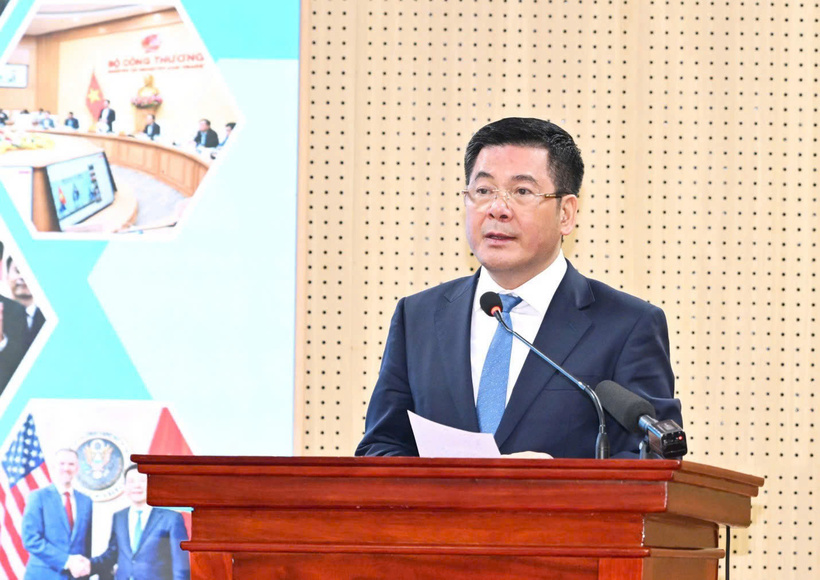
Minister of Industry and Trade Nguyen Hong Dien delivers concluding remarks at the conference.
The Minister noted that in 2025 and the entire 2021-2025 period, despite facing numerous difficulties and challenges including unprecedented ones such as the outbreak of the Covid-19 pandemic, complex and unpredictable regional and global developments, and intensifying strategic competition and trade wars among major powers, these factors directly impacted Vietnam’s economy.
However, thanks to the synchronous and decisive leadership of the Party and the State, and the extraordinary efforts of the entire political system, especially the business community and the people, the national economy recovered strongly and achieved many significant accomplishments.
In this context, Minister Nguyen Hong Dien emphasized that under the regular and direct leadership of the Government and the Prime Minister, the Industry and Trade sector proactively and flexibly implemented assigned tasks and solutions effectively, striving to achieve comprehensive and positive results across all areas, making important and positive contributions to the development of the sector and the national economy.
The year 2026 and the 2026-2030 term are of great significance for both the country and the Industry and Trade sector, as this period includes the 14th National Party Congress, elections for the 16th National Assembly and People’s Councils at all levels for the 2026-2031 term, and represents the final five years toward achieving the first centenary goal the 100th anniversary of the Party’s founding, laying a solid foundation for Vietnam to enter a new era of prosperity and strength.
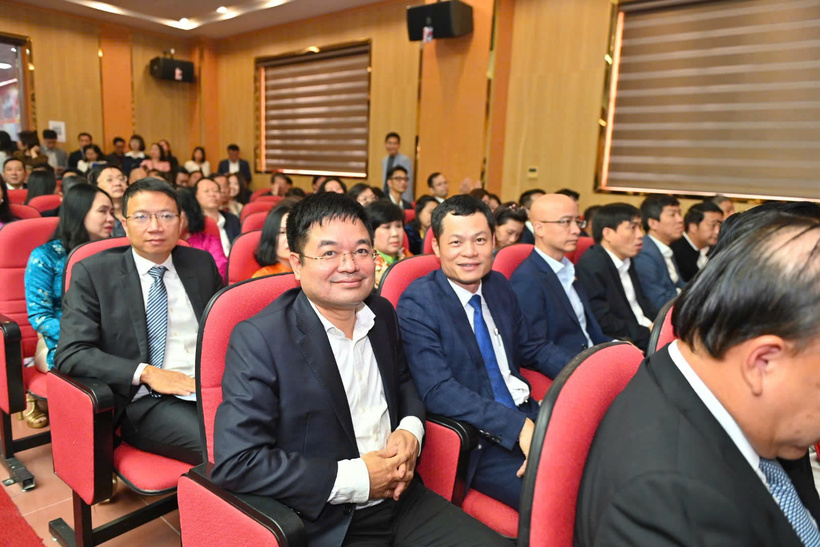
Delegates from ministries, local authorities and the business community attend the Industry and Trade sector’s national review conference.
In light of this context, to promptly address shortcomings, continue reforms, improve work quality and successfully accomplish assigned tasks, the Minister directed and requested all units, officials, civil servants, public employees and workers across the sector to thoroughly grasp, absorb and effectively implement the Prime Minister’s directives, while focusing on several key tasks and solutions:
First, continue to thoroughly grasp and promptly advise competent authorities on institutionalizing the Party’s viewpoints, guidelines and resolutions on socio-economic development and industrialization and modernization, particularly resolutions of the 14th National Party Congress and recent strategic resolutions of the Politburo; continue to improve the quality of institutional development and policy implementation in line with Resolution No.66 of the Politburo.
Second, renew thinking and accelerate restructuring of the industrial and trade sectors toward higher productivity, quality, efficiency, added value and competitiveness, taking science and technology, innovation, digital transformation and green transformation as key drivers; encourage private sector development and public-private partnership models as important engines of national economic growth.
Third, prioritize investment in upgrading and comprehensively developing production and supply chains to enhance economic self-reliance and resilience, consolidate Vietnam’s position in global value chains, support domestic enterprises’ deeper participation in production stages of large corporations and FDI enterprises, increase localization rates, reduce external supply dependence, and strengthen technology and management skill transfer.
Fourth, enhance international economic integration with a focus on economic restructuring, growth model innovation, innovation promotion, green and digital transformation, and proactively leverage opportunities from relations with major partners to attract investment into key industrial sectors.
Fifth, promote digital transformation as an important driver for developing productive forces and improving production relations in the new period; accelerate administrative reform, especially administrative procedures and public service reform; expand online public services and implement the national single-window mechanism from the very first year of the new term.
Minister Nguyen Hong Dien emphasized that following the conference, the Ministry’s leadership will instruct functional units to continue reviewing and incorporating the Prime Minister’s directives and delegates’ feedback to refine the sector’s action plan for the coming year, while decisively and effectively organizing implementation with the highest effort from the very first days and months of the new year, in order to successfully and comprehensively fulfill the objectives and tasks assigned by the Party and the State.
On the sidelines of the conference, Prime Minister Pham Minh Chinh and leaders of ministries and agencies witnessed the announcement of Vietnam’s 2025 import-export results and honored enterprises with outstanding export performance.
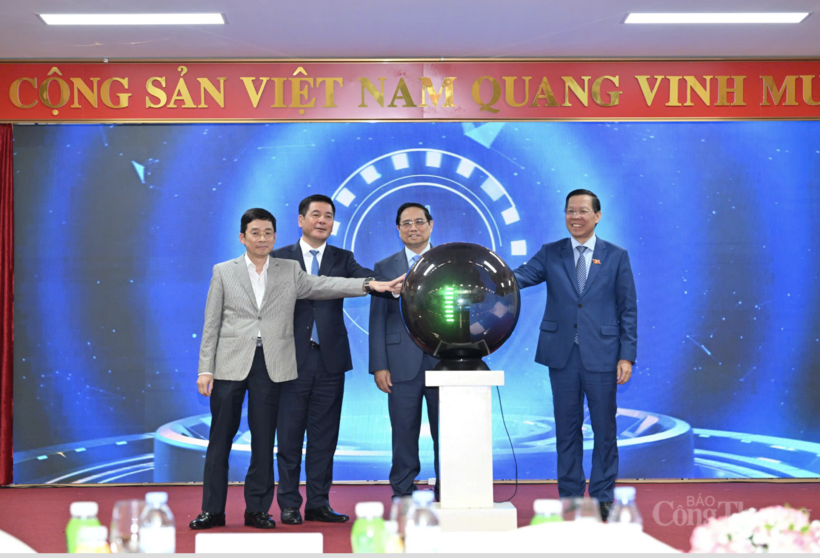
Prime Minister Pham Minh Chinh, together with leaders of ministries and agencies, attends the announcement ceremony of Vietnam’s 2025 import-export results (Photo: Can Dung).
Vietnam’s exports in 2025 were estimated at over USD 470 billion, up 16 percent year on year, while the country recorded a trade surplus for the tenth consecutive year since 2016. Total import-export turnover surpassed USD 900 billion by December 2025, underscoring Vietnam’s deepening integration into global trade.
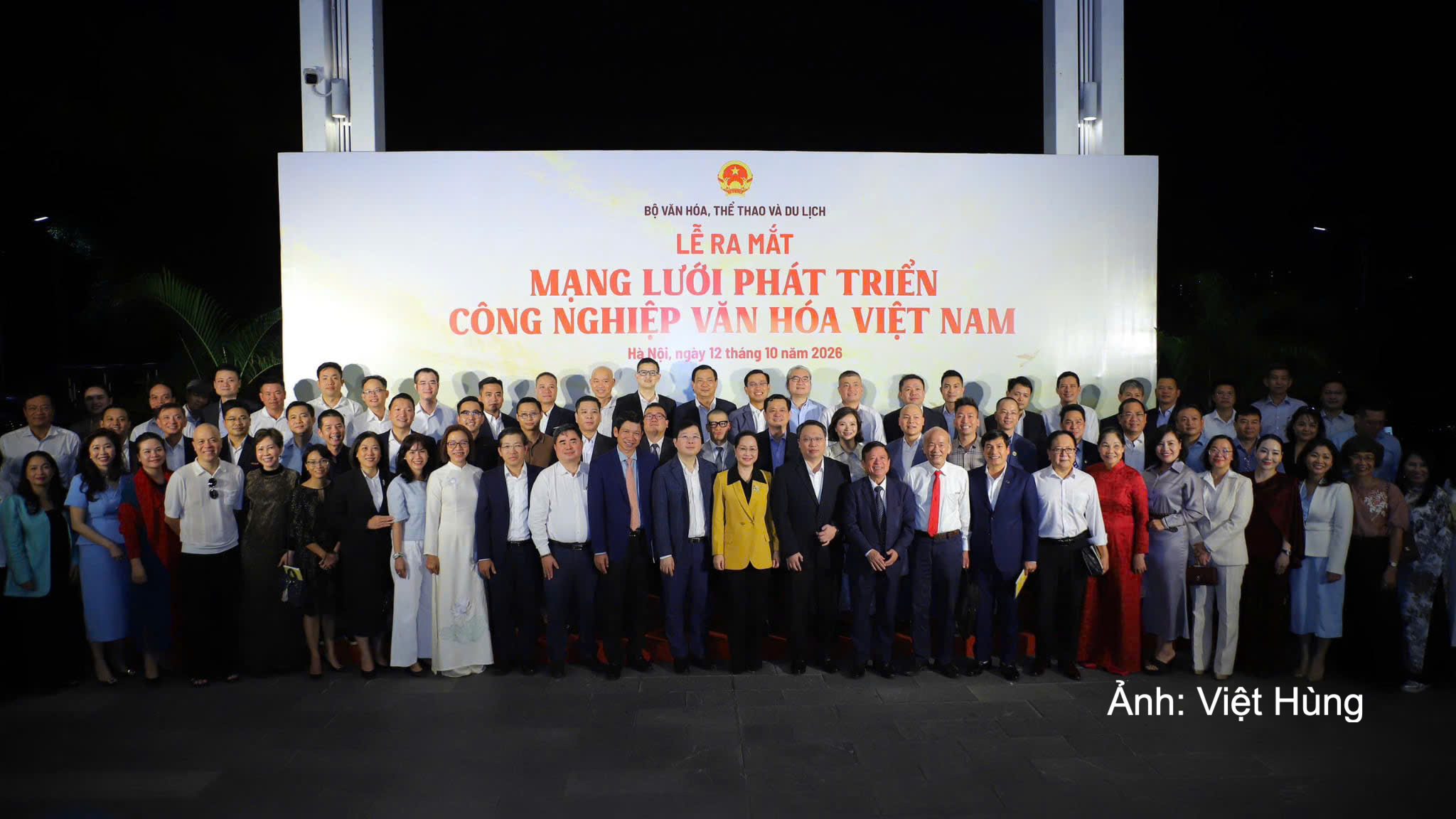
On October 12 , the Ministry of Culture, Sports and Tourism launched the Viet Nam Cultural Industries Development Network and announced a list of 16 key challenges for 2026.
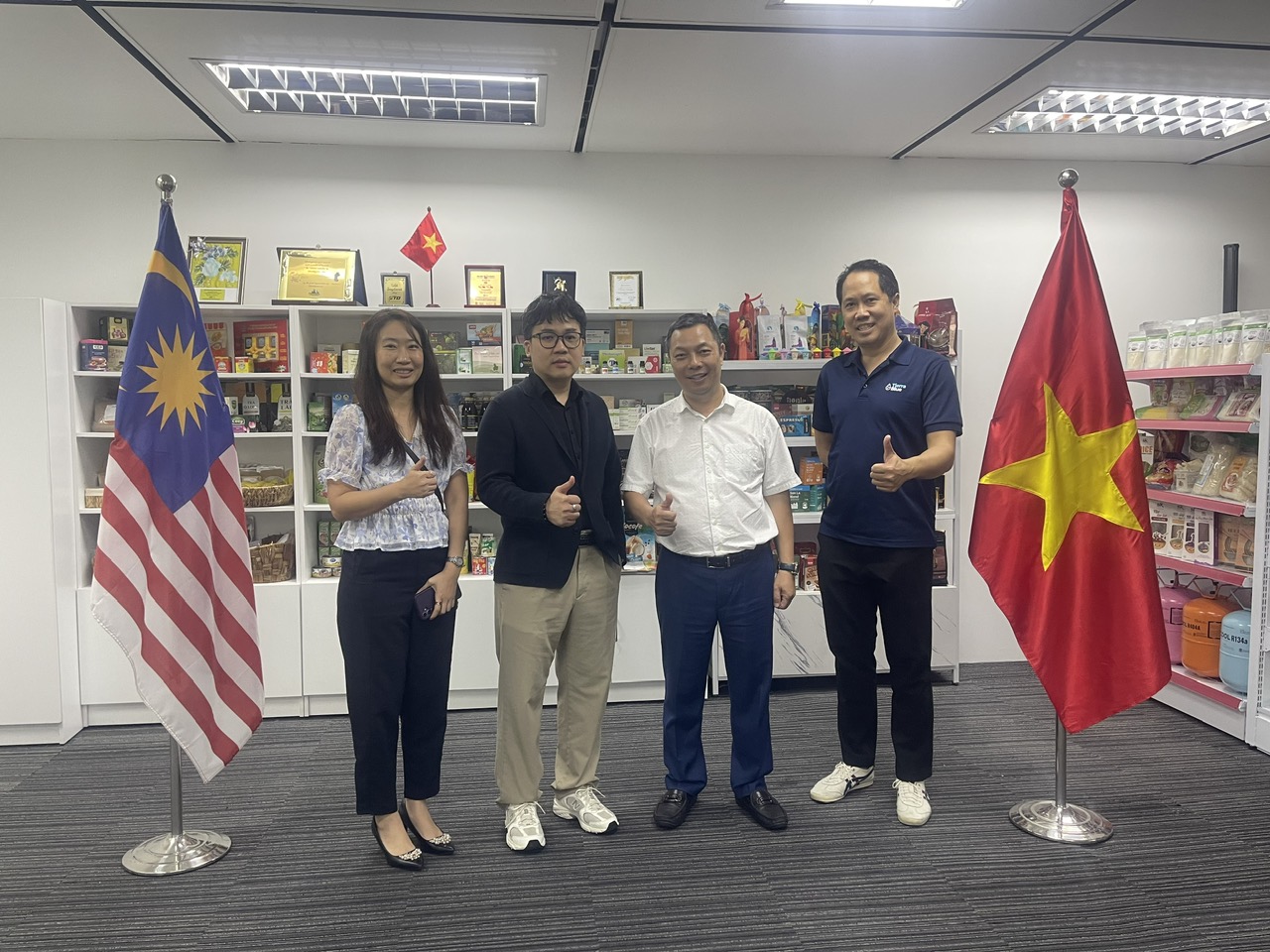
Viet Nam - Malaysia trade hit USD 17.4 billion in the first nine months of 2026, exceeding the 2025 full-year total and signaling a stronger-than-expected year.
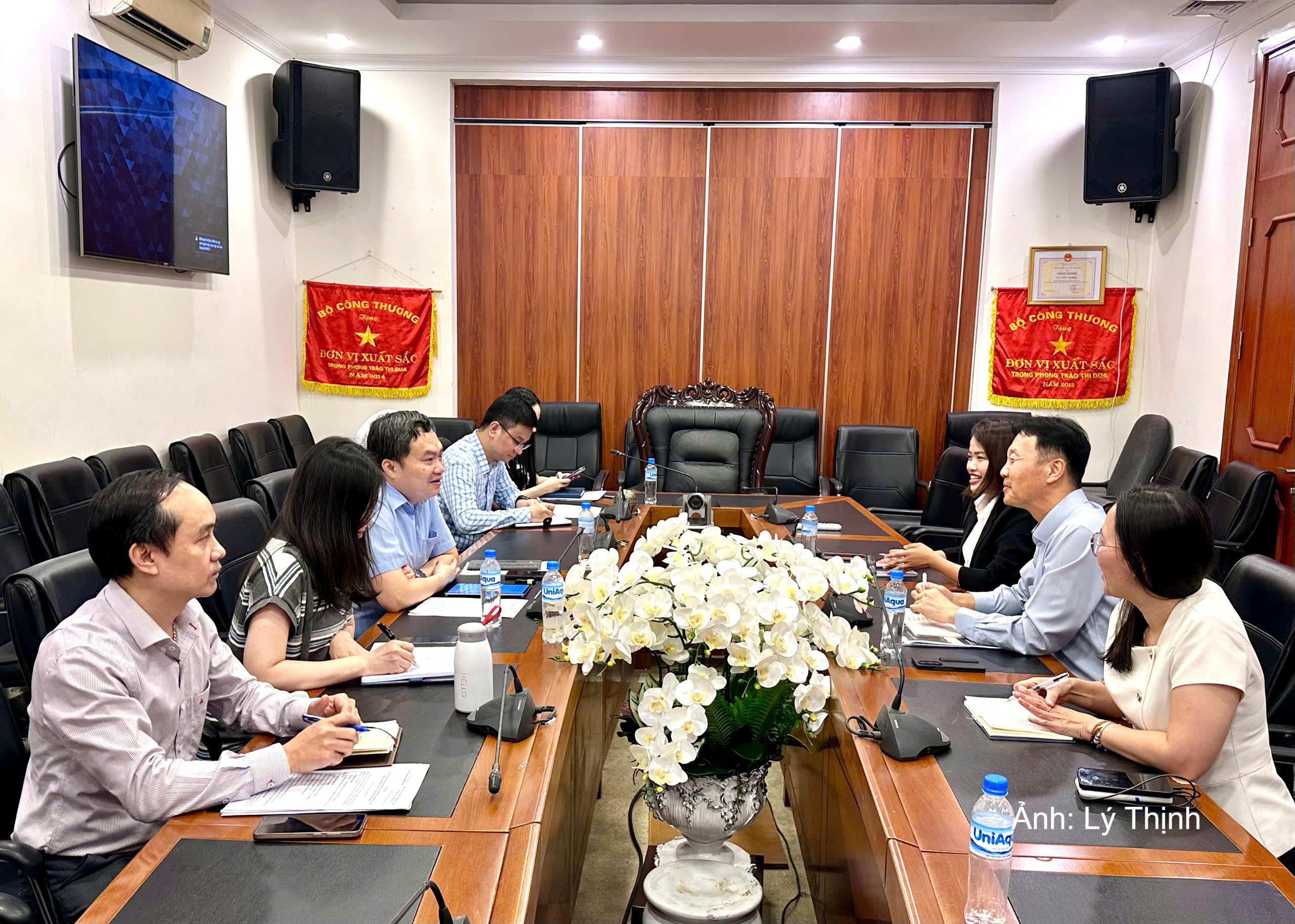
The Vietnam Industry Agency under the Ministry of Industry and Trade and Samsung Vietnam continue to strengthen cooperation in developing supporting industries, enhancing the capabilities of domestic enterprises and expanding opportunities for their participation in global supply chains.
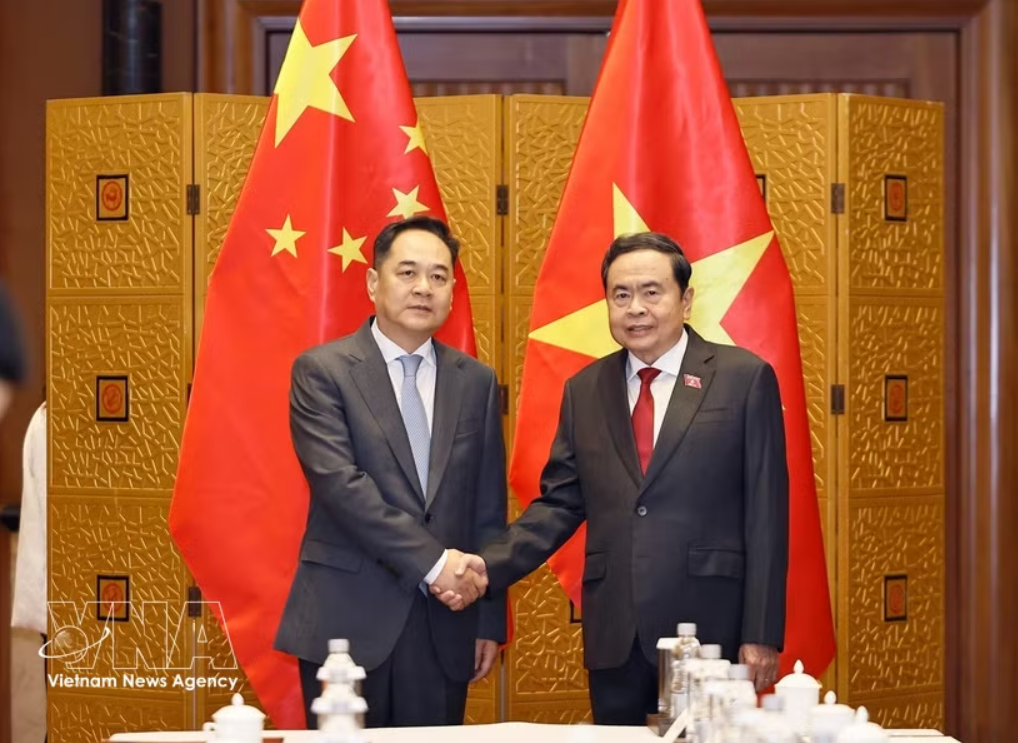
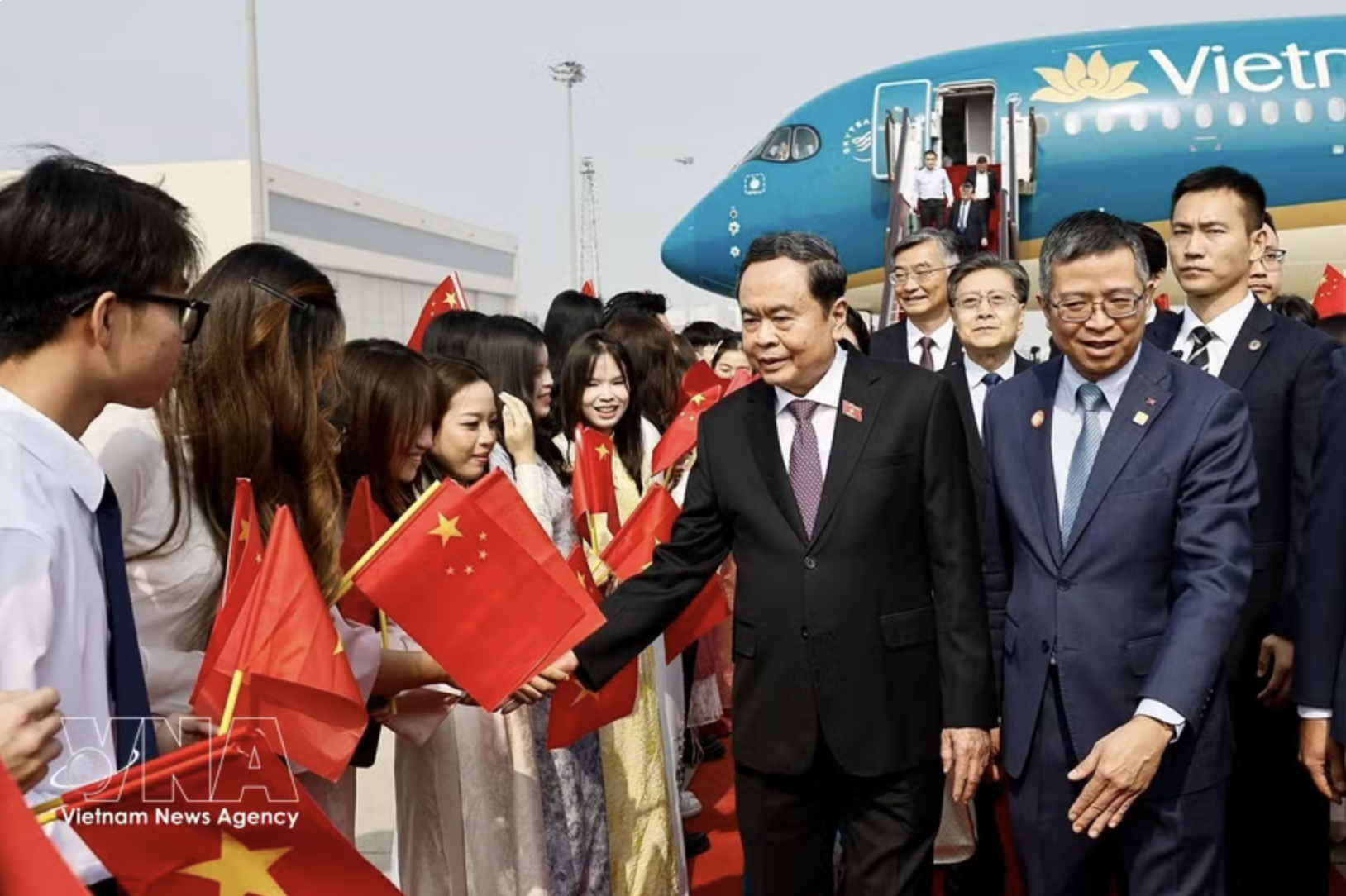
The Vietnamese National Assembly (NA) leader thanked the CPAFFC, the China-Viet Nam Friendship Association and Chinese friendship figures for their deep affection for Viet Nam and their sustained contributions to Viet Nam-China relations over the years.
The Vietnamese National Assembly (NA) leader thanked the CPAFFC, the China-Viet Nam Friendship Association and Chinese friendship figures for their deep affection for Viet Nam and their sustained contributions to Viet Nam-China relations over the years.
The Viet Nam - China relationship has continued to develop, particularly following reciprocal visits by General Secretary of the Communist Party of Viet Nam Central Committee and President To Lam and General Secretary of the Communist Party of China Central Committee and President of China Xi Jinping.
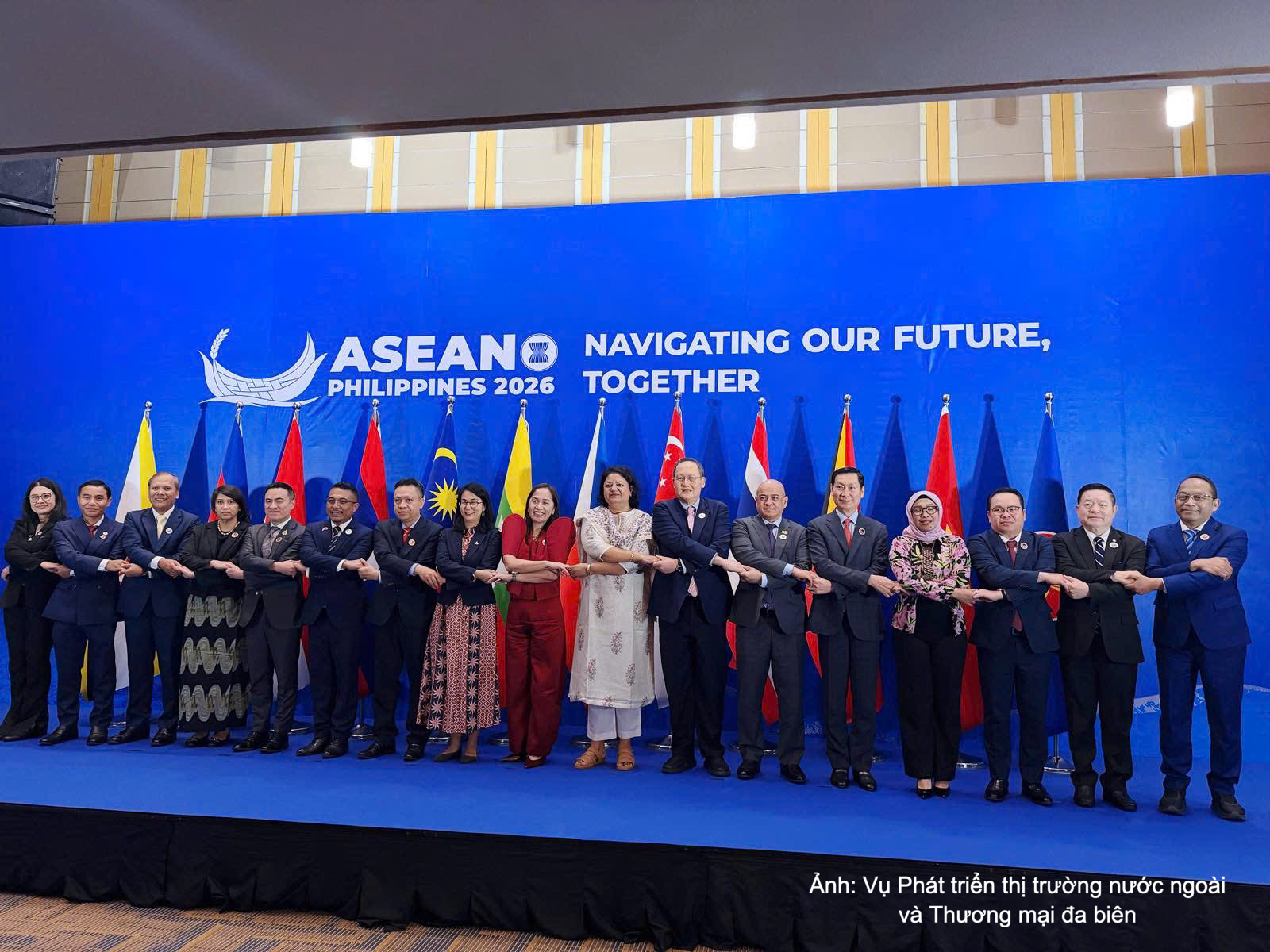
ASEAN held consultations with its dialogue partners in Manila, the Philippines, on October 7 - 8, as part of the 44th ASEAN Ministers on Energy Meeting.
National Assembly Chairman Tran Thanh Man will pay an official visit to China from October 11 to 15, 2026, contributing to further strengthening and developing relations between Viet Nam and China.