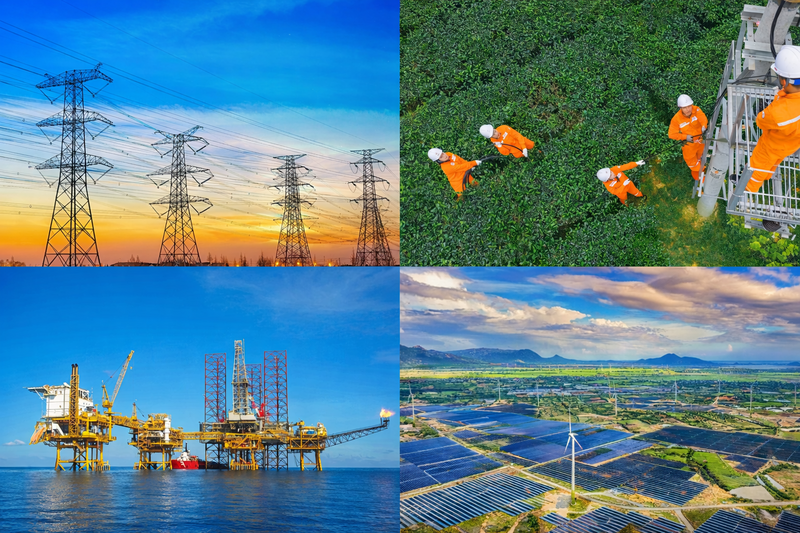
Technological innovation, equipment optimization and smarter energy management are vital to cutting consumption and boosting long-term competitiveness in industry.
Enterprises confront the energy challenge
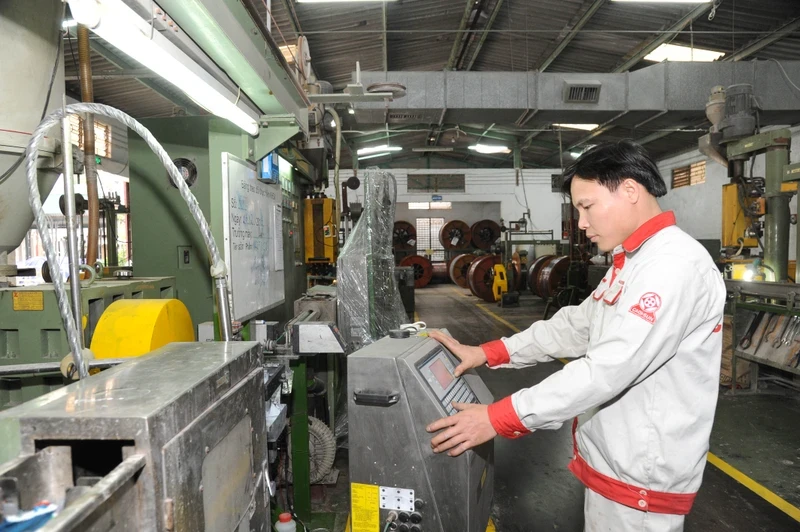
As Vietnam’s energy demand continues to rise rapidly, the industrial sector now accounts for nearly half of the country’s total final energy consumption. Yet at many production facilities, equipment such as electric motors, boilers, air compressors and industrial refrigeration systems remains outdated, operating inefficiently, consuming excessive energy and eroding businesses’ competitive edge.
Meanwhile, the global economy is facing dual pressures from volatile fuel prices, rising input costs and increasingly stringent carbon emission requirements aimed at achieving net-zero targets. Energy, therefore, is no longer merely a technical issue, it has become a strategic, even existential, concern for manufacturing enterprises.
Amid mounting emission pressures and expanding carbon tax mechanisms, improving energy efficiency is emerging as a core solution to help Vietnam’s industrial sector maintain its competitive advantages.
Energy costs currently account for an average of 15 - 30% of total operating expenses for manufacturing enterprises. A common cause of energy waste lies in the continued use of outdated equipment that is not optimally designed for actual operational needs or is managed without adequate oversight. As such, technological solutions are widely regarded as the most critical step in enabling enterprises to control and reduce energy consumption at its source.
Investing in high-efficiency equipment not only cuts monthly electricity expenses but also enhances system reliability, reduces production downtime and lowers CO2 emissions. This is no longer an optional choice, it is a strategic lever for reducing costs, improving energy performance and strengthening competitiveness in a market that is rapidly shifting toward green transformation.
Speaking at a recent seminar titled “Enhancing Equipment Energy Performance,” Nguyen Quoc Hung, Director of Vietnam Automation and Energy Solutions Co., Ltd. (Pasco), offered an overview of the current state of energy use in industry.
According to Hung, while the adoption of energy-saving solutions among industrial enterprises has shown positive progress, implementation remains uneven.
“In recent years, there has been a clear increase in investment and attention to energy efficiency programmes among industrial clients. Many companies have begun reviewing their equipment systems, conducting energy audits, replacing motors with high-efficiency models, upgrading steam and compressed air systems, optimizing refrigeration systems and managing electricity loads more effectively,” the Pasco representative noted.
However, progress varies across sectors and enterprise sizes. Large companies, particularly those integrated into global supply chains, tend to be more proactive due to environmental standards and emission reduction requirements. By contrast, small and medium-sized enterprises remain cautious, largely constrained by limited financial resources and technical capacity.
Energy efficiency as a long-term strategy
Recent reports show that the industrial sector accounts for more than 52.3% of the country’s total energy consumption. This underscores that achieving national energy-saving targets must necessarily focus on this major consumer group.
Nguyen Quoc Hung, Director of Vietnam Automation and Energy Solutions Co., Ltd.
Within industrial enterprises, the main energy-consuming components include electricity, steam and thermal systems, compressed air, refrigeration systems, water and other auxiliary energy forms. Technically speaking, solutions are already available, ranging from upgrading to high-efficiency equipment and recovering waste heat to automating control systems and digitalizing energy management. The challenge does not lie in a lack of solutions, but in the capacity to implement them.
Hung identified capital investment as the most significant barrier at present. Many energy efficiency projects offer payback periods of two to five years, sometimes even shorter. Nevertheless, enterprises still struggle to access suitable financing, particularly green capital with preferential interest rates. This bottleneck must be addressed to accelerate the transition.
“However, it is important to recognize that the benefits of energy efficiency extend beyond reducing operating costs. Enterprises also gain environmental value through lower greenhouse gas emissions, enhanced brand reputation and improved compliance with increasingly stringent export market requirements,” Hung emphasized.
As cross-border carbon tax mechanisms, ESG (environmental, social and governance) standards and green transition programmes gain traction in major markets, investment in energy efficiency effectively becomes an investment in long-term competitiveness.
“If enterprises can simultaneously achieve economic and environmental efficiency, energy saving will no longer be viewed as a cost, but as a sustainable development strategy,” he stressed.
From a regulatory perspective, the Ministry of Industry and Trade serves as the focal agency promoting energy efficiency in industry. Through refining the legal framework, implementing the National Programme on Economical and Efficient Use of Energy, strengthening energy audits and raising corporate awareness, the Ministry has laid an essential foundation for translating energy-saving solutions into practice.
Amid increasingly explicit requirements to reduce energy intensity and emissions, the Ministry is also actively advancing technical support mechanisms, facilitating access to green financing and encouraging technological innovation among enterprises. Although challenges remain, particularly in supporting small and medium-sized enterprises, recent efforts demonstrate a clear determination to build an efficient, sustainable energy ecosystem aligned with global green transition trends.
With the industrial sector accounting for more than half of the nation’s total energy consumption, the potential for energy savings remains substantial. When implemented systematically and comprehensively, efficiency-enhancing solutions not only reduce costs but also improve corporate reputation and meet the growing demand for green transformation in global markets. Energy efficiency is thus steadily becoming a natural step in enterprises’ journey toward sustainable development.
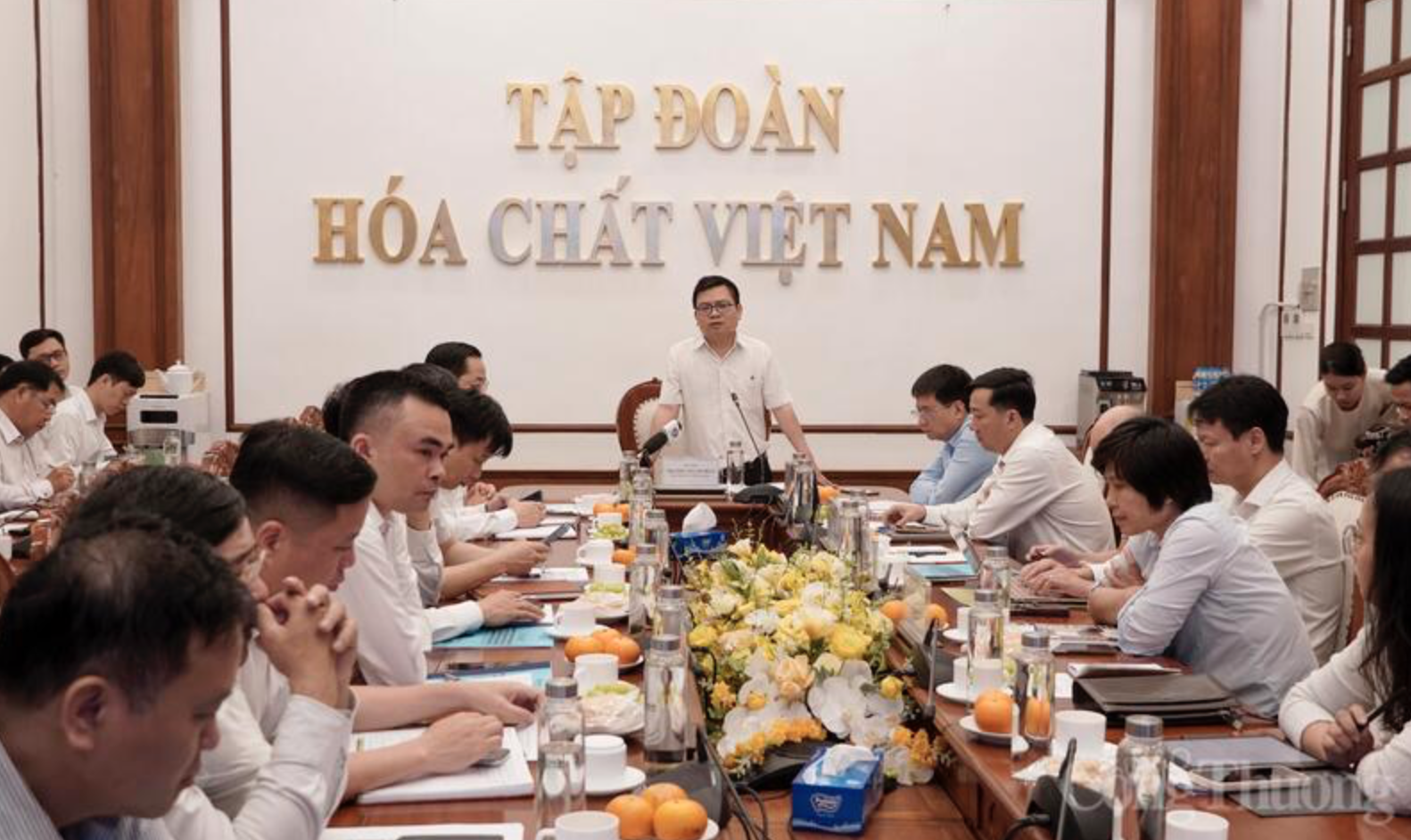
Deputy Minister Truong Thanh Hoai urges Vinachem to develop two key labs meeting international standards to advance its role in strategic tech value chains.
The Hung Yen provincial Industrial Promotion Program for 2026-2030 supports enterprise digital transformation and boosts science technology application and innovation.
Deputy Minister Truong Thanh Hoai urges Vinachem to develop two key labs meeting international standards to advance its role in strategic tech value chains.
Prime Minister calls for stronger power conservation and rooftop solar expansion to ensure stable electricity supply and safeguard national energy security.