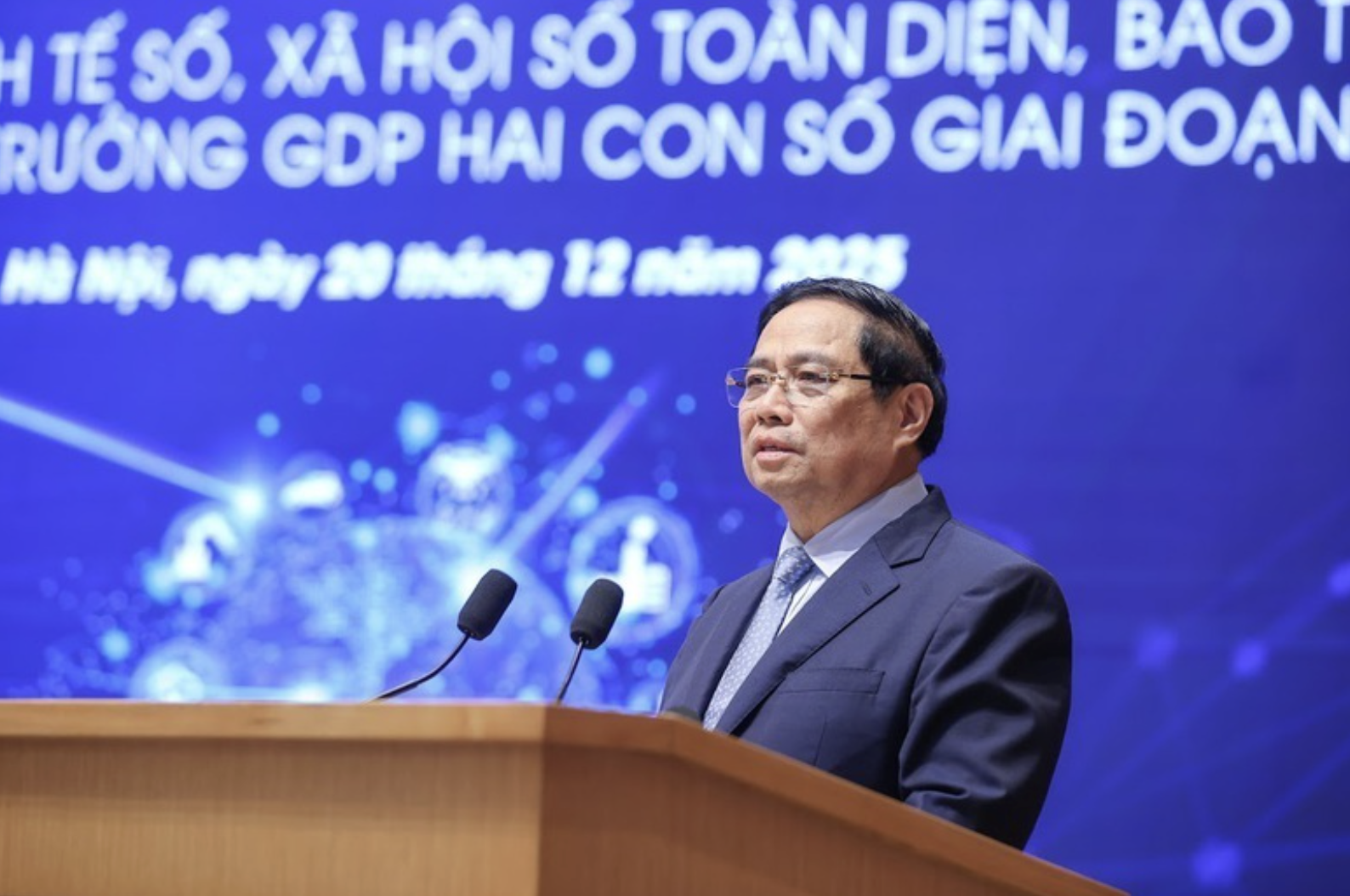
The program targets inclusive digital services, AI-driven operations, and full digitization of procedures, aiming for unified digital platforms nationwide by 2030.
The program aims to develop inclusive digital services centered on people and businesses; promote comprehensive digital transformation within government agencies; strengthen decentralization and delegation of authority on digital platforms; and build unified national digital infrastructure, databases, and platforms. Data is defined as a strategic resource, with priority given to developing national and sectoral databases based on the principles of “accurate, sufficient, clean, live, standardized, and shared.”
The Da Nang’s Intelligent Operations Center (IOC) is expanding data-sharing to ward and commune levels.
The program targets smart operations and automation, prioritizing the application of artificial intelligence in online public services and policy decision-making support. By 2030, all activities of government agencies are expected to run on a centralized, interconnected digital platform, ensuring cybersecurity and national digital sovereignty.
Phase 2025 - 2027: 100% of eligible administrative procedures will be provided end-to-end online; all information, documents, and papers related to production and business activities will only need to be submitted once to administrative agencies; 95% of citizens and businesses will report satisfaction when using online public services.
Phase 2028 - 2030: 99% of citizens and businesses will express satisfaction with online public services; 50% of essential online public services will be offered proactively with AI-supported personalization, including notifications or action suggestions based on key life events; 100% of government agencies will provide standardized open data; 100% of administrative procedure records and outcomes will be digitized; and 80% of digitized information and data used in administrative procedures and public services will be reused.
The program outlines nine groups of tasks, including digitizing 100% of administrative procedure records and results; developing open data; establishing at least three clusters of national data centers; and providing digital skills training with AI integration for civil servants and public employees.
The National Assembly’s new resolution on energy development for 2026-2030 introduces breakthrough mechanisms to address bottlenecks and strengthen energy security.
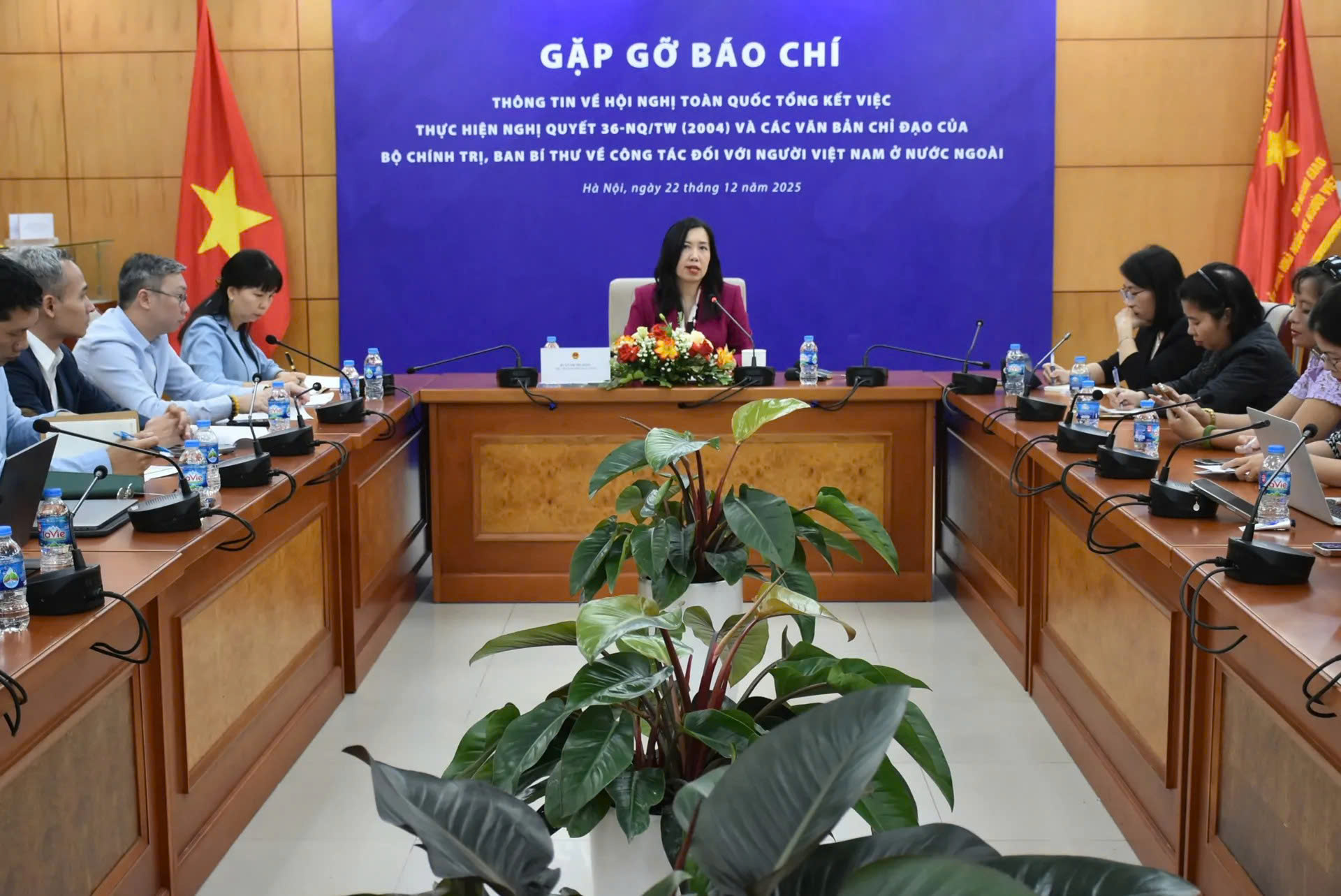
On December 25, Vietnam’s Ministry of Foreign Affairs will hold a national conference reviewing over 20 years of Resolution 36 on overseas Vietnamese affairs.
On December 25, Vietnam’s Ministry of Foreign Affairs will hold a national conference reviewing over 20 years of Resolution 36 on overseas Vietnamese affairs.