Vietnam’s FTA implementation is boosting exports, diversifying markets and strengthening economic resilience, the Ministry of Industry and Trade said.
Effective implementation of free trade agreements
According to leaders of the Multilateral Trade Policy Department under the Ministry of Industry and Trade, on January 24, 2025, the Politburo issued Resolution No.59-NQ/TW on international integration in the new context. The Resolution emphasizes that integration must truly become an important driving force to strengthen internal capacity, effectively serve national development, and enable Vietnam’s economy to grow stronger and integrate more deeply into the world.
To realize these objectives, the Resolution sets out specific goals such as “promoting the pioneering and central role of international economic integration in mobilizing resources,” “expanding and diversifying markets,” and “building an independent, self-reliant and resilient economy with enhanced adaptability and resilience.”
Leaders of the Multilateral Trade Policy Department noted that these guidelines and objectives have been consistently implemented by the Ministry of Industry and Trade. Amid rapidly evolving, complex and unfavorable global and regional developments, international economic integration has been carried out in a synchronized and in-depth manner by the Ministry, other ministries, sectors and localities, meeting the targets set out.
At the same time, Vietnam has ensured the effective implementation of its international commitments under free trade agreements (FTAs) and multilateral organizations of which it is a member. These efforts have contributed to enhancing economic self-reliance, promoting exports, increasing foreign investment inflows, further developing the economy and strengthening the country’s international standing.
Vietnam continues to expand its FTA cooperation network to diversify export markets.
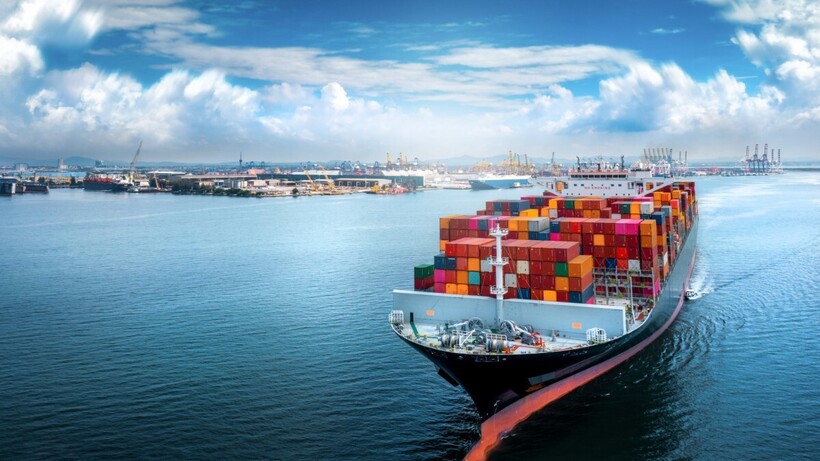
To date, Vietnam has participated in 20 FTAs, of which 17 are currently in force, covering more than 60 countries and territories. This has positioned Vietnam as an important link in global supply chains. New-generation FTAs such as the CPTPP, EVFTA, UKVFTA and other agreements have helped diversify Vietnam’s import-export markets, form new economic linkages, boost trade growth between Vietnam and partner countries and regions, and mitigate negative impacts on the country’s trade and economy.
In 2025, in addition to strengthening the effective implementation of existing FTAs, Vietnam continues to expand its cooperation network by seeking and signing new agreements with additional partners, thereby diversifying markets and reducing dependence on traditional regions.
Vietnam is actively negotiating FTAs with the European Free Trade Association (EFTA), an FTA between ASEAN and Canada, completing negotiations to upgrade the ASEAN Trade in Goods Agreement, and signing the protocol to upgrade the ASEAN-China FTA.
These efforts have created favorable conditions for import-export activities, enabling Vietnamese goods to access international markets with preferential tariffs, enhancing competitiveness, attracting foreign investment and promoting domestic institutional reform.
As a result, Vietnam’s import-export turnover has grown positively, with increasingly diversified markets and product structures, making an important contribution to sustainable economic growth. Forecasts indicate that Vietnam’s total merchandise import-export turnover in 2025 will exceed USD 900 billion, marking a record high for the first time. Notably, the trade balance this year is expected to post a surplus of around USD 20 billion. This achievement owes much to markets with which Vietnam has FTA relationships, especially new-generation FTAs.
Building on this growth momentum, the Multilateral Trade Policy Department assesses that Vietnam’s FTA implementation will continue to yield positive results in 2026, particularly in markets with significant potential and room for greater FTA utilization. These include the EU for sectors such as seafood, rice, textiles and garments, footwear, fresh fruits and vegetables, and processed agricultural products; as well as Canada and Mexico for seafood, mobile phones and components, textiles and garments, footwear, wood and wood products.
Five groups of solutions to elevate integration efforts
Alongside positive results, the Multilateral Trade Policy Department frankly acknowledged that Vietnam’s trade activities will face numerous challenges. Objective factors stem from global economic volatility, geopolitical competition and tariff policies of major partners. Subjective factors relate to domestic issues, including uneven FTA utilization between domestic and foreign-invested enterprises, as well as the challenge of building and positioning “Made in Vietnam” brands in demanding FTA partner markets.
To address these challenges, in 2026 the Department will closely coordinate with relevant units to resolve difficulties, ensuring that FTAs continue to serve as a driver for export growth commensurate with potential, enhance the competitiveness of Vietnamese enterprises alongside FDI firms, and contribute to positioning Vietnamese products in international markets.
Building and positioning “Made in Vietnam” brands in demanding FTA partner markets remains an issue requiring continued attention.
For 2026 and the new period, the Multilateral Trade Policy Department proposes the following:
First, thoroughly grasp and effectively implement the strategic orientations outlined by the Politburo in the “four-pillar framework,” while focusing on fulfilling tasks assigned by the Government under Resolutions No.01, No.02, No.25 and No.154.
Second, prioritize efforts to promote reciprocal trade negotiations with the United States to secure the most favorable commitments for Vietnam, toward a comprehensive, fair, balanced and sustainable trade agreement.
Third, effectively leverage signed trade agreements to drive growth, utilizing FTAs to develop foundational industries and breakthrough sectors aligned with global trends, such as green technology, high-tech electronics, bio-chemical and pharmaceutical industries, closely linked to regional and global supply chains.
At the same time, maximize opportunities from market recovery trends to boost exports, effectively address difficulties, obstacles and conflicts in trade and economic relations, thereby stabilizing and expanding export markets and attracting foreign investment.
In parallel, closely monitor the implementation and application of trade remedy measures by countries against Vietnamese exports to proactively respond early and from a distance.
Fourth, actively implement the Vietnam-UAE CEPA, strive to conclude FTA negotiations with EFTA in early 2026, promote negotiations on the ASEAN-Canada FTA, upgrade the ASEAN–India Trade in Goods Agreement, and advance negotiations with high-potential partners such as the Gulf Cooperation Council (GCC), Pakistan and MERCOSUR.
Fifth, continue implementing communication and information dissemination activities under the plan for new-generation FTAs; build an ecosystem to support enterprises in utilizing FTAs; upgrade Vietnam’s FTA Portal (FTAP); and strengthen the uniform deployment of international economic integration at the local level through the FTA Index evaluating provincial FTA implementation performance.
Leaders of the Multilateral Trade Policy Department emphasized that the synchronized implementation of these solutions will not only elevate Vietnam’s integration efforts but also gradually build and position “Made in Vietnam” brands in partner markets.
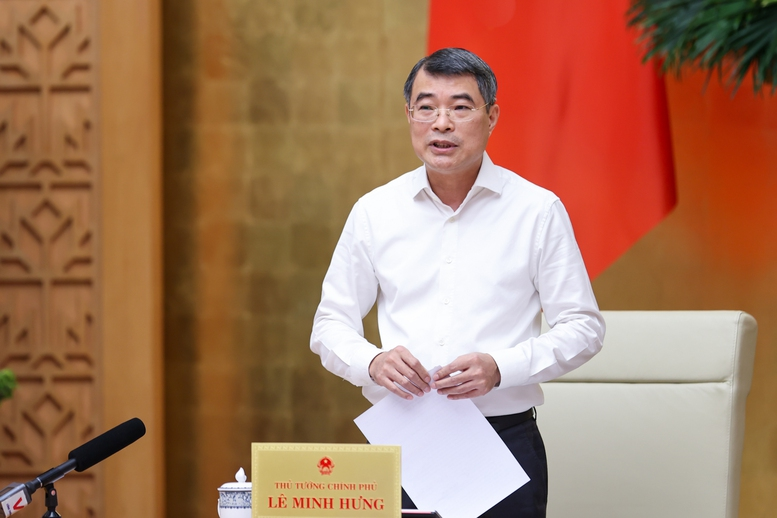
Prime Minister Le Minh Hung attends the 48th ASEAN Summit in Cebu, reaffirming Vietnam’s strong commitment to ASEAN cooperation and regional resilience.
The Ministry of Industry and Trade is seeking feedback on a draft decree on power works protection and hydropower safety, set to replace Decree No. 62/2025/ND-CP.
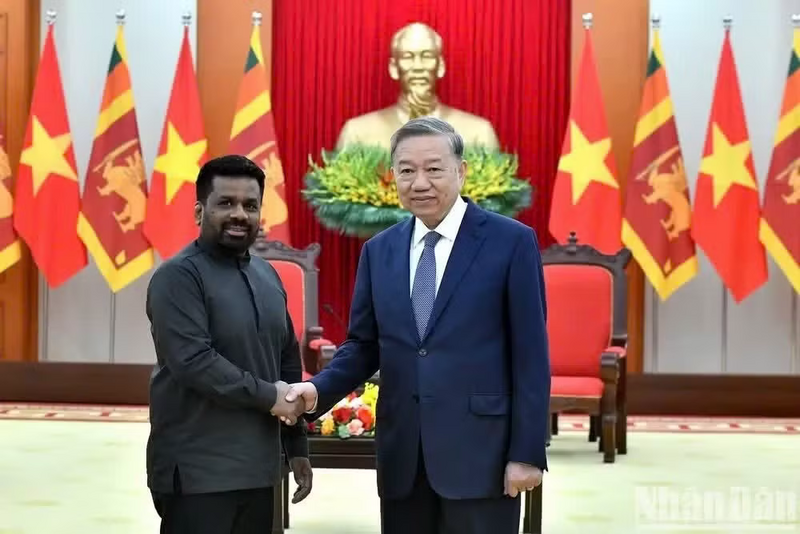
The State visit by Vietnam’s top leader to Sri Lanka on May 7 - 8 underscores deepening bilateral ties, paving the way for expanded cooperation in trade and investment, and stronger engagement with South Asia.
On the afternoon of May 4, Prime Minister Le Minh Hung chaired the Government’s regular meeting for April 2026, the first such session of the 16th-term Government.
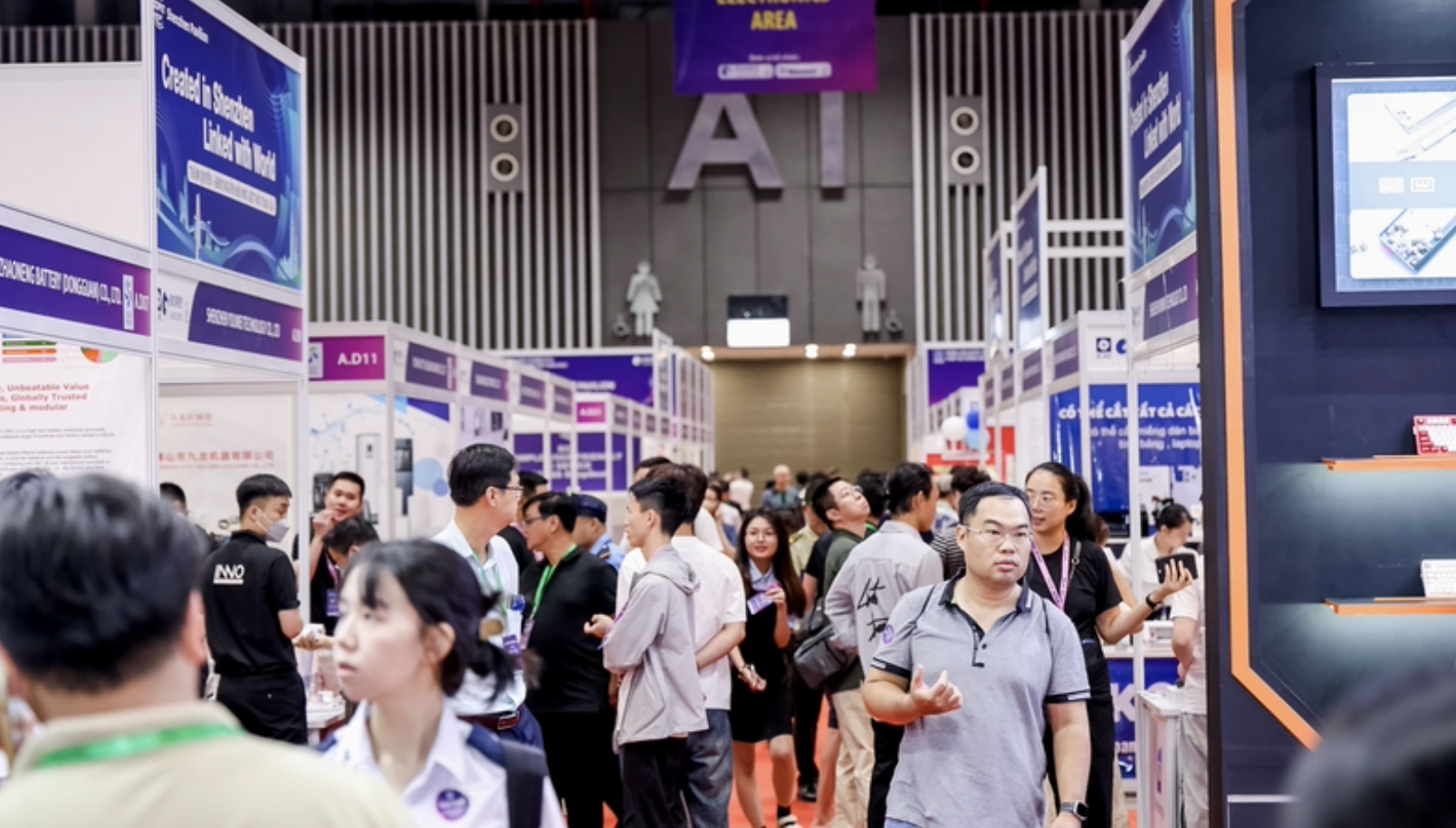
More than 300 companies are set to participate in business matching activities at the International Electronics and Smart Appliances Expo Vietnam (IEAE 2026), scheduled to take place from May 28 to 30 in Ho Chi Minh City.
Vietnam has issued a plan to implement the Law on E-commerce, defining tasks, timelines and coordination to ensure effective enforcement from July 1, 2026.
The programme in Thai Nguyen promotes e-commerce in northern Vietnam, linking localities with digital firms to expand markets and boost Vietnamese goods.