The National Assembly’s new resolution on energy development for 2026-2030 introduces breakthrough mechanisms to address bottlenecks and strengthen energy security.
Clearing the path to ensure energy security
The National Assembly has recently adopted a resolution on mechanisms and policies for national energy development for the 2026-2030 period, introducing several new provisions widely seen as a major breakthrough for ensuring energy security amid surging power demand and an accelerating green transition.
Speaking to Industry and Trade Newspaper, Dr. Tran Minh Chinh from Ho Chi Minh City University of Industry (under the Ministry of Industry and Trade) said the newly adopted resolution marks an important shift in institutional thinking in the energy sector. It introduces fundamental reforms that create new momentum for national energy security, at a time when electricity demand continues to rise rapidly, the power mix is undergoing strong structural change, and emission reduction requirements are becoming increasingly pronounced.
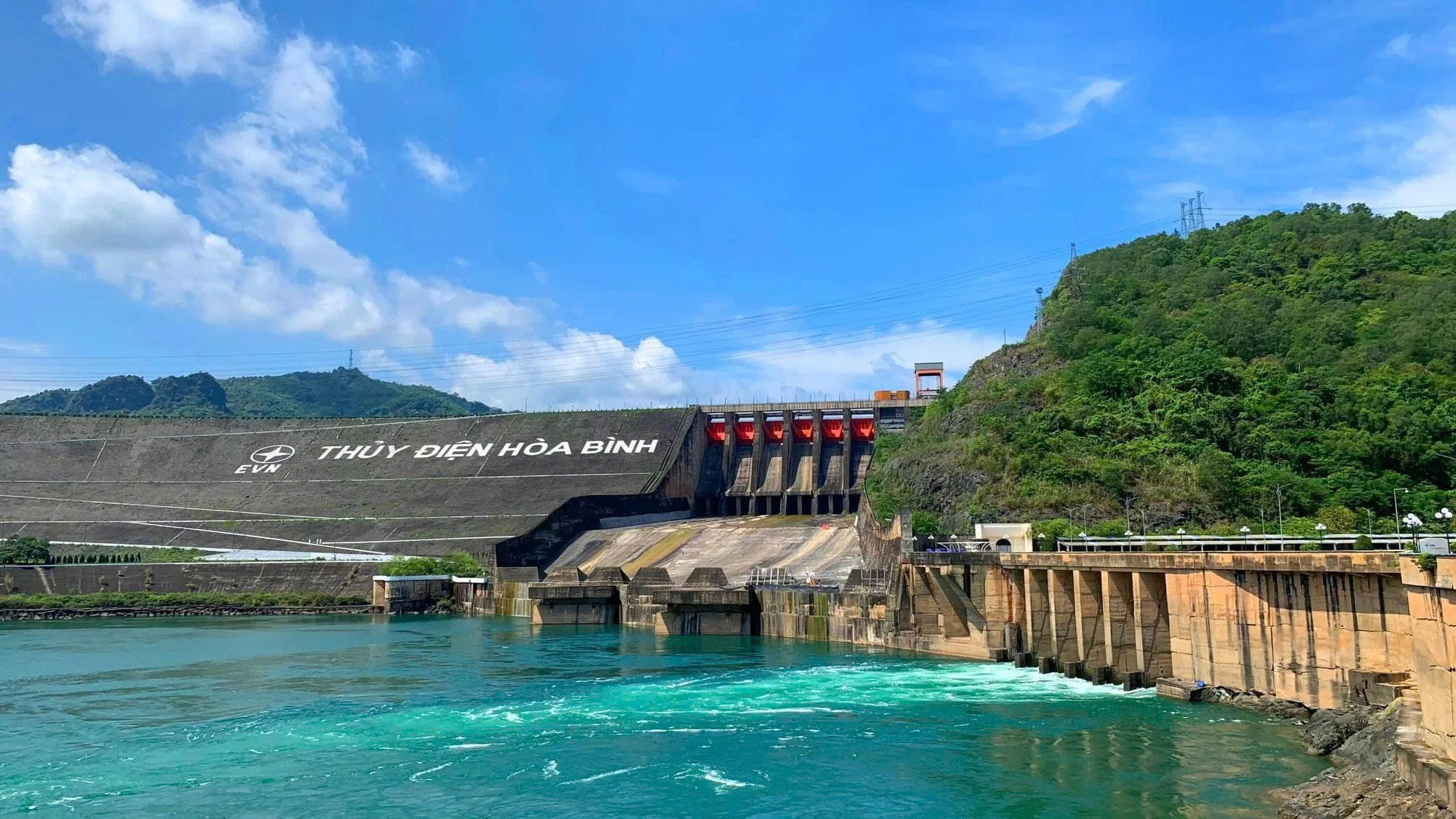
The National Assembly’s new resolution provides an important legal foundation, removes bottlenecks and opens the way to ensuring energy security as electricity demand continues to rise. Illustrative photo.
First and foremost, the resolution’s most notable “unlocking” feature lies in its more flexible mechanism for adjusting and updating power development planning. According to Dr. Tran Minh Chinh, the resolution allows timely handling of obstacles arising during the implementation of Power Development Plan VIII, such as replacing delayed projects, adding battery energy storage systems (BESS) to enhance system operation, and adjusting project names, scales or timelines while maintaining overarching objectives and strategic orientations.
Notably, these adjustments are not required to undergo a new strategic environmental assessment, significantly shortening investment preparation time and addressing situations where power sources exist but have not yet been incorporated into planning.
Building on this foundation, the resolution introduces clear reforms in grid development, long regarded as a bottleneck of the power system. Grid projects already identified in approved planning are exempted from procedures to approve investment policy, while land, sea area allocation and forest land conversion procedures can be carried out directly based on planning decisions or bidding results. Dr. Tran Minh Chinh said this change carries substantial practical significance, helping accelerate investment in transmission and distribution infrastructure and thereby unlocking capacity from new power sources.
In addition to infrastructure reform, the resolution also expands space for electricity markets to operate under competitive mechanisms. Allowing industrial parks, economic zones, high-tech zones and urban areas to directly purchase electricity from generators is seen as consistent with international trends. According to Dr. Tran Minh Chinh, this mechanism not only provides more options for large electricity consumers but also promotes renewable energy development based on market signals, gradually forming a demand-driven power model.
For long-term power supply, the resolution demonstrates strategic vision for offshore wind power and small modular nuclear reactors. Dr. Tran Minh Chinh noted that special mechanisms for offshore wind allowing the Prime Minister to approve investors without auction for projects already included in planning and meeting national defense and security requirements enhance proactiveness and shorten project preparation timelines. At the same time, encouraging research and development of small modular nuclear reactors opens pathways to new technologies that are safer and more economically viable over the long term.
Alongside new energy sources, the resolution also preserves necessary policy space for critical and urgent oil, gas and coal projects. Exempting these projects from investment policy approval procedures, Dr. Tran Minh Chinh said, aims to ensure stable fuel supply for the existing power system during the transition phase, avoiding supply shocks as renewable energy’s share increases.
“The resolution represents a significant institutional step forward, removing immediate bottlenecks while establishing a stable framework for medium- and long-term energy development, thereby reinforcing the foundation of national energy security,” Dr. Tran Minh Chinh said.
Institutionalizing Resolution 70
Also speaking to Industry and Trade Newspaper, Associate Professor Dr. Tran Le Hung from Gustave Eiffel University (France) said the most notable aspect of the newly adopted National Assembly resolution lies not in individual policy measures, but in its transformation of the spirit of the Politburo’s Resolution No.70-NQ/TW into sufficiently robust legal instruments for implementation.
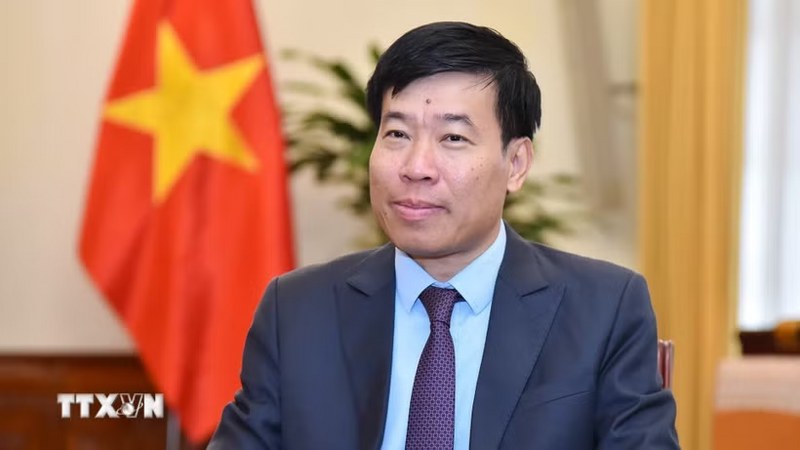
Assoc. Prof. Dr. Tran Le Hung, Gustave Eiffel University.
“Resolution 70 sets out ideological and strategic orientations such as synchronized, sustainable and self-reliant energy development; prioritizing renewable energy; modernizing power grids; forming a competitive energy market; and linking energy development with national defense and security. The core question is how to translate these orientations into reality. This National Assembly resolution provides a clear answer,” he said.
First, the principle that planning must stay one step ahead, as emphasized in Resolution 70, is institutionalized by granting the legal system the ability to self-adjust. Flexible mechanisms for updating and adjusting power planning help promptly address implementation bottlenecks while prioritizing grid infrastructure investment. According to Assoc. Prof. Dr. Tran Le Hung, this practical approach prevents planning from remaining static on paper and allows it to move in step with real-world developments.
From that foundation, the resolution translates renewable energy development orientations into binding and highly feasible provisions, particularly for offshore wind power. Dedicated clauses governing investment approval mechanisms, electricity pricing, capacity aggregation points and coordination responsibilities among stakeholders demonstrate that the National Assembly has gone deep into implementation issues rather than stopping at general policy directions. This marks an important step toward realizing Vietnam’s ambition to establish a strong position in renewable energy.
From a long-term perspective, Resolution 70’s call to diversify new energy types is reflected in opening pathways for research and development of small modular nuclear reactors. Assoc. Prof. Dr. Tran Le Hung said this approach is both cautious and proactive, enabling Vietnam to prepare suitable technological options as energy demand grows and emission reduction requirements become stricter.
“Beyond power sources, the National Assembly’s resolution also concretizes the goal of building a competitive energy market. Expanding direct power purchase mechanisms to a wider range of large electricity consumers creates clearer market incentives, gradually reduces subsidy-based electricity trading and opens space for new energy sources to develop according to supply-demand signals. This is a necessary step for Vietnam’s power market to align more closely with international practices,” he said.
In addition, the requirement to ensure energy security in conjunction with national defense and security, an overarching principle of Resolution 70, is consistently embedded in regulations on offshore wind power and special mechanisms for critical and urgent oil, gas and coal projects. This helps ensure that the energy system develops while maintaining stability and strategic autonomy under all scenarios.
Overall, the National Assembly’s resolution on mechanisms and policies for national energy development for 2026-2030 represents an important transitional step, strengthening institutional capacity to address major bottlenecks in the energy sector while related laws and decrees are being updated and revised.
Prime Minister Le Minh Hung attends the 48th ASEAN Summit in Cebu, reaffirming Vietnam’s strong commitment to ASEAN cooperation and regional resilience.
The Ministry of Industry and Trade is seeking feedback on a draft decree on power works protection and hydropower safety, set to replace Decree No. 62/2025/ND-CP.
The State visit by Vietnam’s top leader to Sri Lanka on May 7 - 8 underscores deepening bilateral ties, paving the way for expanded cooperation in trade and investment, and stronger engagement with South Asia.
On the afternoon of May 4, Prime Minister Le Minh Hung chaired the Government’s regular meeting for April 2026, the first such session of the 16th-term Government.
More than 300 companies are set to participate in business matching activities at the International Electronics and Smart Appliances Expo Vietnam (IEAE 2026), scheduled to take place from May 28 to 30 in Ho Chi Minh City.
Vietnam has issued a plan to implement the Law on E-commerce, defining tasks, timelines and coordination to ensure effective enforcement from July 1, 2026.
The programme in Thai Nguyen promotes e-commerce in northern Vietnam, linking localities with digital firms to expand markets and boost Vietnamese goods.