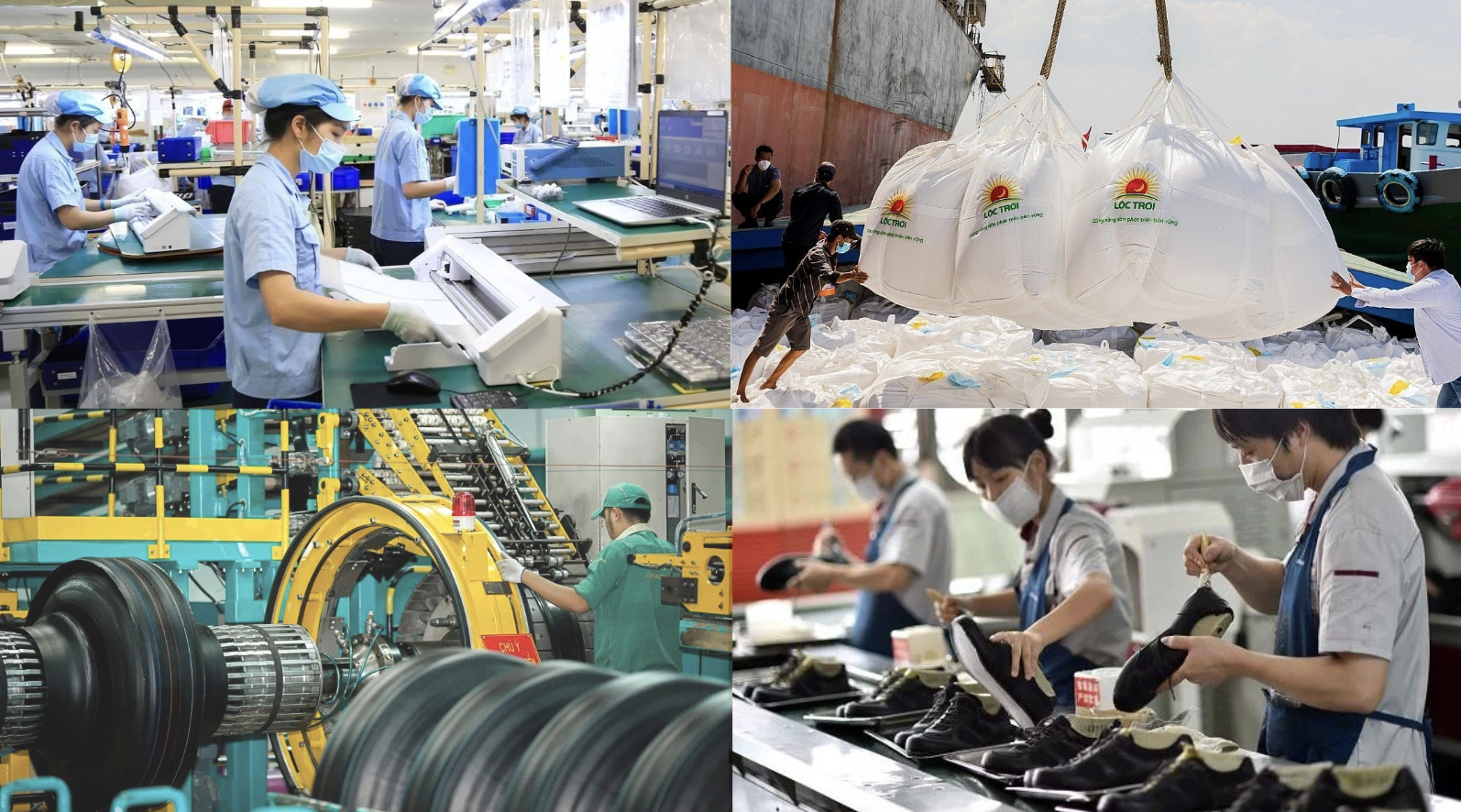
The Prime Minister hailed the robust expansion of the digital economy, emphasizing its increasingly vital role as a key driver of economic growth.
“5 Pioneers”, “5 Presences”, and “5 No’s”
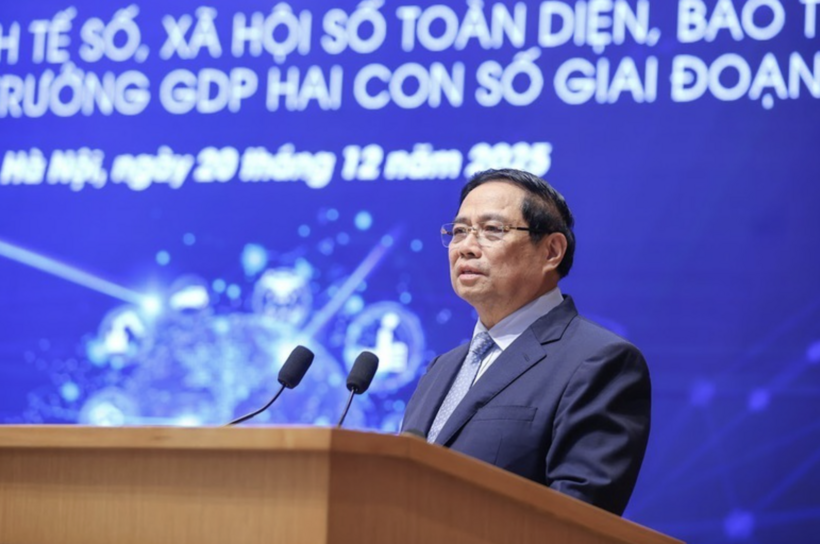
On December 20, Prime Minister Pham Minh Chinh chaired the 3rd National Forum on Digital Economy and Digital Society Development. The event was streamed live to 34 provinces and cities nationwide.
The Prime Minister outlines key tasks and breakthrough solutions for the upcoming period. Photo: VGP
At the forum, delegates conducted a comprehensive review of Vietnam’s digital landscape, sharing best practices and innovative models. Discussions centered on identifying systemic bottlenecks and regulatory hurdles while outlining breakthrough solutions to catalyze digital growth. The forum aimed to mobilize social resources effectively to propel Vietnam’s digital transformation into a new phase of development.
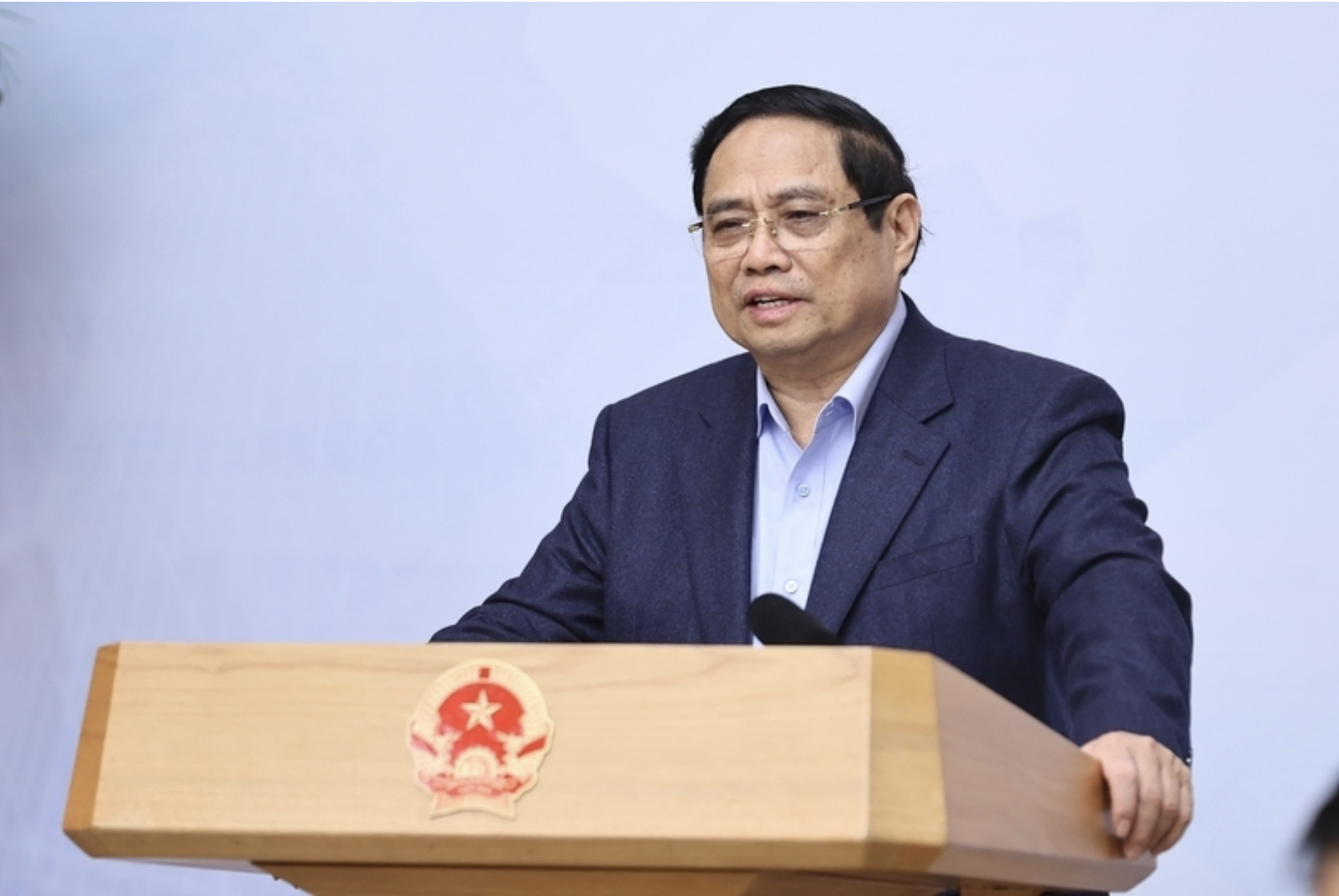
In his concluding remarks, Prime Minister Pham Minh Chinh underscored the significant milestones achieved, noting that the digital economy has experienced robust expansion and is increasingly asserting its role as a vital new growth engine. While acknowledging these successes, the Prime Minister also pointed out persistent shortcomings, analyzed their root causes, and drew key lessons for the future. He further outlined the strategic context, vision, and core objectives, along with breakthrough solutions for the upcoming period.
To ensure effective implementation, the Prime Minister directed all stakeholders to strictly adhere to the ‘5 Pioneers,’ ‘5 Presences,’ and ‘5 No’s’ strategic framework.
The “5 Pioneers” initiative focuses on leading the way in institutional building, technological development, digital infrastructure, database integration, and the fulfillment of social responsibilities.
The “5 Presences” spirit emphasizes establishing modern, synchronized, and seamless digital infrastructure; ensuring data integrity under the “Accurate, Sufficient, Clean, Live, Unified, Interconnected, and Shared” principle; developing high-quality digital human resources alongside universal digital literacy; fostering a robust and efficient ecosystem of Vietnamese digital enterprises; and building a secure, civilized, human-centric, and modern digital environment.
The “5 No’s” principle commits to paperless, cashless, and borderless transactions; limitless and continuous development; zero tolerance for corruption, waste, and interest group influence; the elimination of fragmented, siloed, and closed operational models; and the core mission of leaving no one behind in the national digital transformation journey.
Stimulating digital consumption
The Prime Minister underscored that in the coming period, all stakeholders including ministries, sectors, and local authorities must accelerate the development of a digital society, economy, and citizenship. He called for a comprehensive digital overhaul across all sectors of the economy, aiming for an inclusive and human-centric digital society.
The Prime Minister and delegates tour a showcase of innovative technology products at the forum. Photo: VGP
In the industrial sector, the focus will be on intensifying digitalization and restructuring, particularly within foundational and spearhead industries, by leveraging the power of science, technology, innovation, and digital transformation. A primary goal is the early establishment of large-scale “Digital Industrial Complexes” designed to generate high added value and create significant spillover effects across the economy.
In agriculture, the Prime Minister urged for high-tech agricultural development integrated with “digital farmers” and smart rural models. The “New Rural Development” program must be closely linked with the creation of digital villages and communes. This initiative aims to foster high-standard, Vietnamese-branded agricultural products through the application of digital technology and green transformation.
In the services and commerce sectors, the Prime Minister mandated the establishment of a smart, modern digital service ecosystem, with finance, logistics, and tourism serving as the spearhead pillars. Key priorities include stimulating digital consumption, expanding ecommerce, and promoting cashless payments. Furthermore, the “Vietnamese People Prioritize Vietnamese Goods” campaign is to be effectively implemented across digital platforms to bolster domestic consumption.
Regarding social services, the Prime Minister called for the optimization of essential sectors such as healthcare and education through the adoption of electronic health records and digital academic transcripts. He urged for the sweeping reform of administrative procedures and the creation of a transparent digital social security safety net, rooted in the principle of “leaving no one behind.” Additionally, he emphasized fostering a diverse digital cultural space that remains deeply anchored in national identity.
On the institutional front, the Prime Minister tasked the Ministry of Science and Technology with finalizing and submitting the National Digital Economy and Digital Society Development Program 2026 to 2030 for issuance within December 2025. Concurrently, the Ministry of Public Security will lead the development of the National Data Economy Framework, slated for completion by January 2026.
Regarding cybersecurity, digital sovereignty, and international cooperation, the Ministries of Public Security and National Defense are directed to deploy synchronized solutions to safeguard national digital assets and personal data. These efforts aim to position Vietnam as a pioneer in implementing the United Nations Convention against Cybercrime (the Hanoi Convention). Furthermore, the Ministry of Industry and Trade has been urged to expedite negotiations and finalize procedures for Vietnam to officially join the Digital Economy Partnership Agreement (DEPA).
According to reports presented at the forum, the digital economy has witnessed a period of robust expansion, increasingly asserting its role as a pivotal new growth engine.
The number of digital technology enterprises has surged from 58,000 in 2020 to approximately 80,000 in 2025. In tandem, the export turnover of digital products saw a sharp incline, with 2025 estimates reaching USD 172 billion, a more than 1.7 fold increase compared to 2020. Most notably, the ecommerce sector recorded a spectacular breakthrough, projected at USD 36 billion in 2025. This represents a threefold jump from 2020 levels, with an annual growth rate of 22 - 25%, the highest in the region.
The 13th Party Congress laid a resilient economic foundation, creating momentum and ambition for stronger growth, reform and breakthroughs in the 14th Congress term.
In 2025, numerous power projects were completed, contributing to national energy security and ensuring a stable electricity supply for socio-economic development.
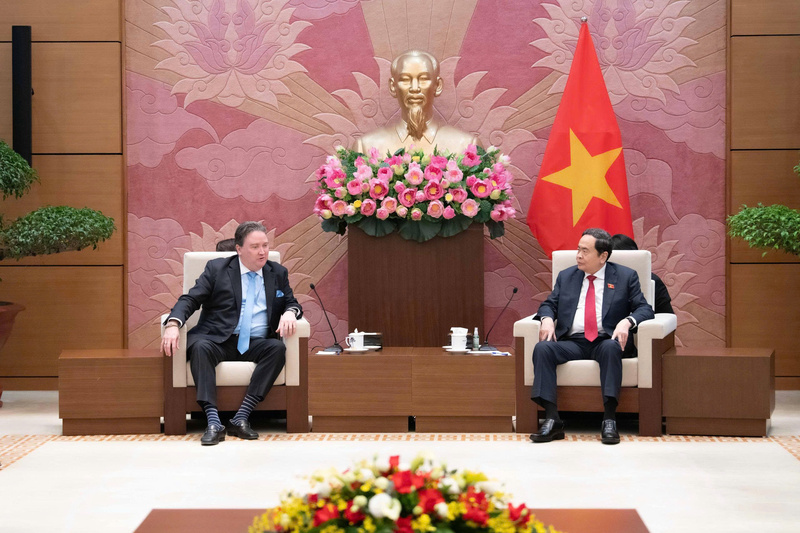
The Vietnam’s National Assembly pledged closer coordination with the US Congress to ensure cooperation mechanisms are implemented effectively and sustainably.
The Prime Minister stressed stronger economic integration as a key driver for developing strategic sectors from science, technology to defense, security and culture.
EU businesses remain upbeat on Vietnam as EuroCham’s Business Confidence Index hits a seven-year high pointing to stronger business and investment prospects in 2026.
The 13th Party Congress laid a resilient economic foundation, creating momentum and ambition for stronger growth, reform and breakthroughs in the 14th Congress term.
In 2025, numerous power projects were completed, contributing to national energy security and ensuring a stable electricity supply for socio-economic development.
The Vietnam’s National Assembly pledged closer coordination with the US Congress to ensure cooperation mechanisms are implemented effectively and sustainably.
The Prime Minister stressed stronger economic integration as a key driver for developing strategic sectors from science, technology to defense, security and culture.
On January 12 in Hanoi, the Vietnam Institute of Strategy and Policy for Industry and Trade organized a conference to review its 2025 work and deploy tasks for 2026.