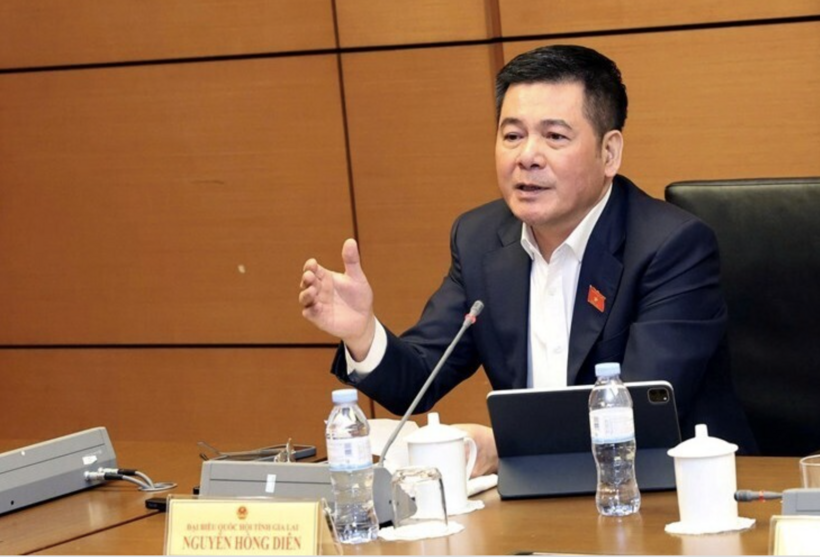
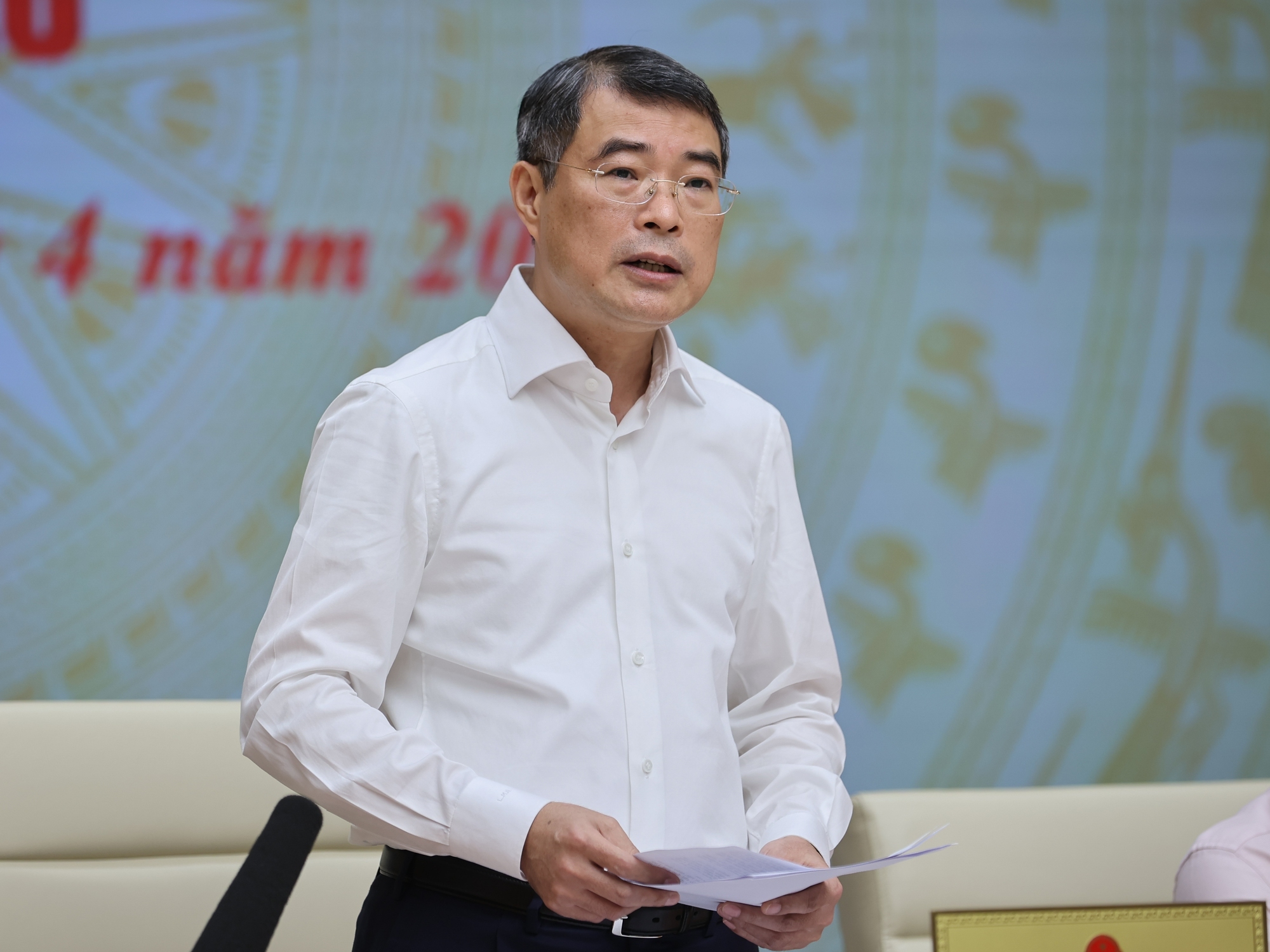
Vice Chairman of the National Assembly Nguyen Hong Dien stated that achieving double-digit growth requires a strong focus on improving institutions in a manner that is appropriate and aligned with international standards.
Improving institutions to create breakthroughs
Continuing the agenda of the first session, on the morning of April 10, the 16th National Assembly discussed in groups a range of key issues, including: supplementary assessment of the implementation of the 2025 socio-economic development plan and state budget; the situation in the early months of 2026; socio-economic development plans, medium-term public investment, national finance, and public debt borrowing and repayment for the 2026-2030 period; approval of the 2024 state budget final accounts; thrift practice and anti-wastefulness efforts in 2025; and the implementation of national gender equality targets in 2025.
Vice Chairman of the National Assembly Nguyen Hong Dien said it is necessary to focus on improving institutions in a way that is appropriate and fully aligned with international standards.
Group 5 was attended by Party Central Committee member and Vice Chairman of the National Assembly Nguyen Hong Dien, along with deputies from Hung Yen and Gia Lai delegations.
Speaking at the discussion, Vice Chairman Nguyen Hong Dien expressed his agreement with the Government’s report on the results of implementing the 2025 socio-economic development plan and state budget, as well as developments in the early months of 2026.
Emphasizing tasks and solutions to achieve double-digit growth, he noted that removing institutional bottlenecks is a consistent requirement across documents issued by the Party Central Committee, the Government, and the National Assembly. Accordingly, it is necessary to urgently and decisively institutionalize the Party’s viewpoints and policies, particularly major new orientations such as those set out in the Resolution of the 14th National Party Congress and resolutions of the Central Committee and the Politburo.
However, efforts to address institutional obstacles must be carried out in a synchronized manner to avoid legal inconsistencies. As Vietnam’s economy has risen to 32nd place globally, with an openness equivalent to twice its GDP, external fluctuations have a direct impact on the domestic economy. Meanwhile, the legal system still lags behind international laws and practices, increasing costs, extending timelines, and reducing opportunities. Therefore, institutional reforms must be aligned and harmonized with international standards.
In addition, the Vice Chairman stressed the need to establish and strengthen investor confidence, both domestic and foreign. Vietnam continues to attract investment thanks to low labor and living costs, a large consumer market, and a stable political environment. However, with 72-74% of export value currently generated by the FDI sector, improving the quality of investment attraction has become imperative.
“We must set conditions to ensure that foreign investors coming to Vietnam not only exploit the country’s advantages but also have obligations to spill over benefits to the domestic business community, especially small and medium-sized enterprises, and to utilize local materials instead of relying on imports,” he emphasized, adding that the investment environment needs to be reshaped to ensure greater responsibility and commitment from foreign investors.
“Capital is important, but what we need more is technology. Investment flows must be accompanied by advanced technologies, and these technologies must go hand in hand with modern governance. The responsibilities of FDI enterprises must be tied to knowledge and technology transfer to domestic firms. Only then will investment attraction be substantive,” he added.
Promoting science and technology application
The Vice Chairman also highlighted the need to build a transparent and stable investment environment to encourage individuals and businesses to confidently invest in production and business activities, while prioritizing solutions to nurture revenue sources and provide early-stage support to stimulate capital flows within the economy.
Another key task is to remove obstacles to unlock resources tied up in unfinished projects nationwide. This requires adjustments and improvements to the legal framework to enable projects to resume and channel resources back into the economy.
To achieve socio-economic development goals, he called for stronger promotion of science, technology, and innovation in line with Resolution No. 57-NQ/TW across all sectors.
Finally, he underscored the importance of enhancing the capacity and effectiveness of the two-tier local government system, from human resources and organizational structure to operational mechanisms, in order to ensure efficient governance.
According to Vice Chairman Nguyen Hong Dien, effectively addressing these issues in 2026 will lay a crucial foundation for accelerating socio-economic growth.
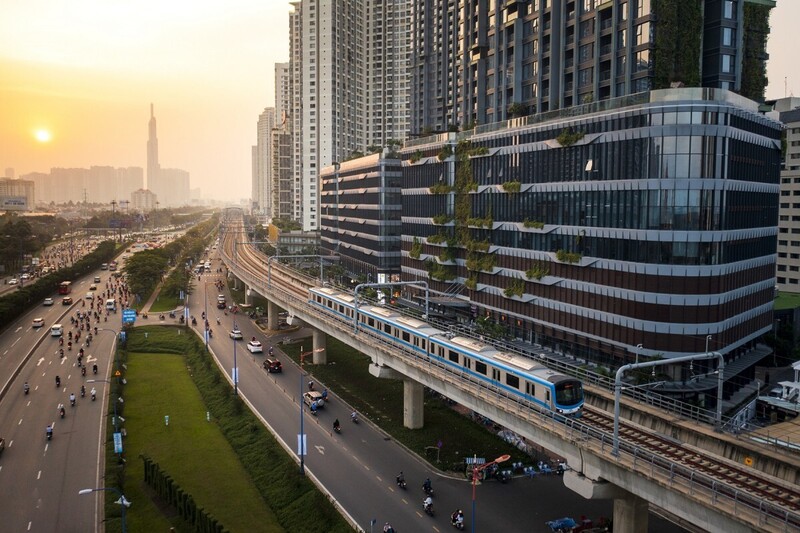
Ho Chi Minh City has become Vietnam largest economic hub, with industry and trade driving growth so and reinforcing its role as the nation’s leading economic engine.
Prime Minister Le Minh Hung has assigned key tasks to the Ministry of Industry and Trade, focusing on energy security, industrial growth and market expansion.
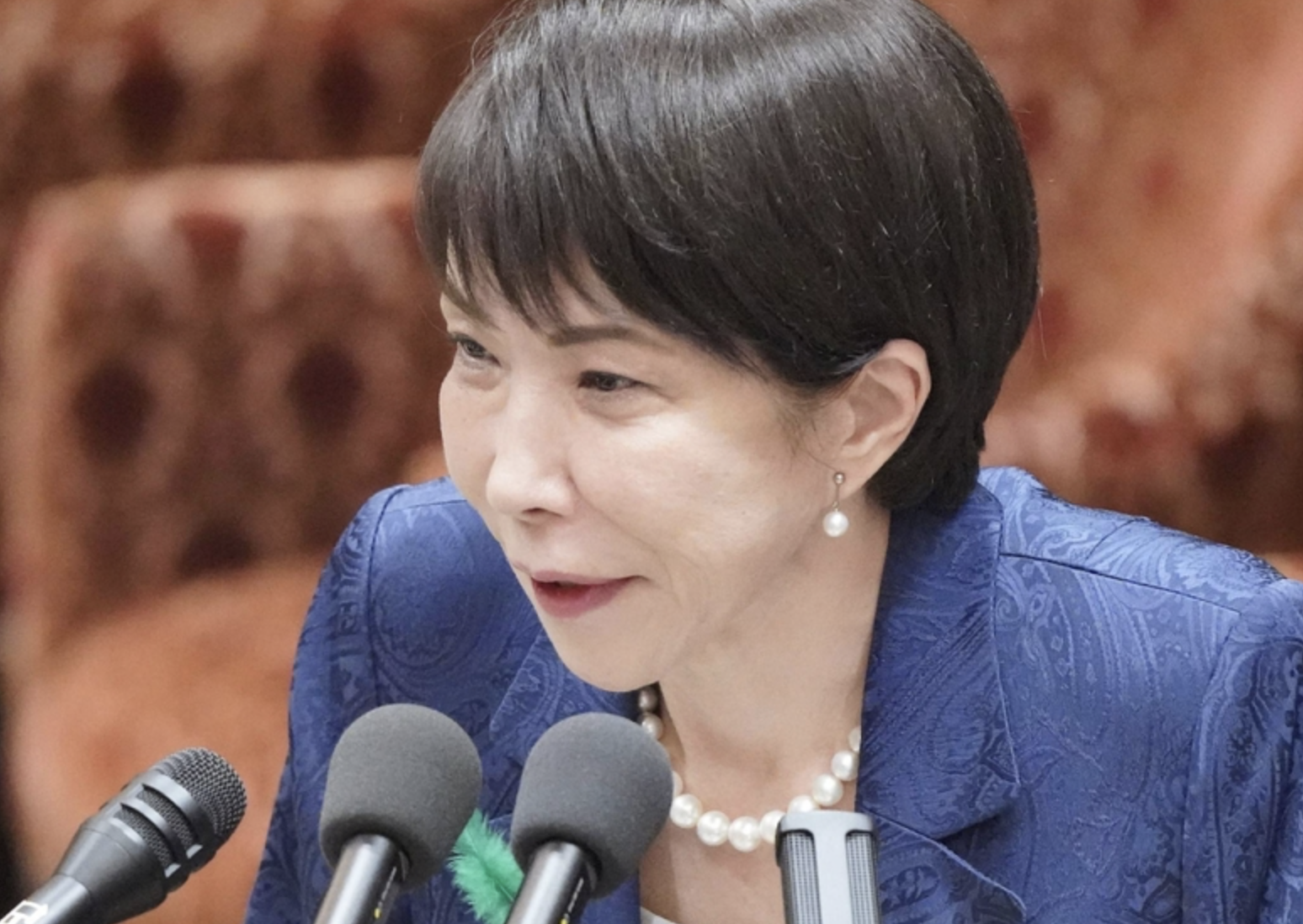
Japanese media reported Prime Minister Takaichi Sanae’s visit to Vietnam, highlighting economic security cooperation and the FOIP strategy amid regional uncertainties.
NZUA 2026 offers 15 scholarships for Vietnamese students, open April 15 to July 12, to study at six top New Zealand universities with valuable benefits.
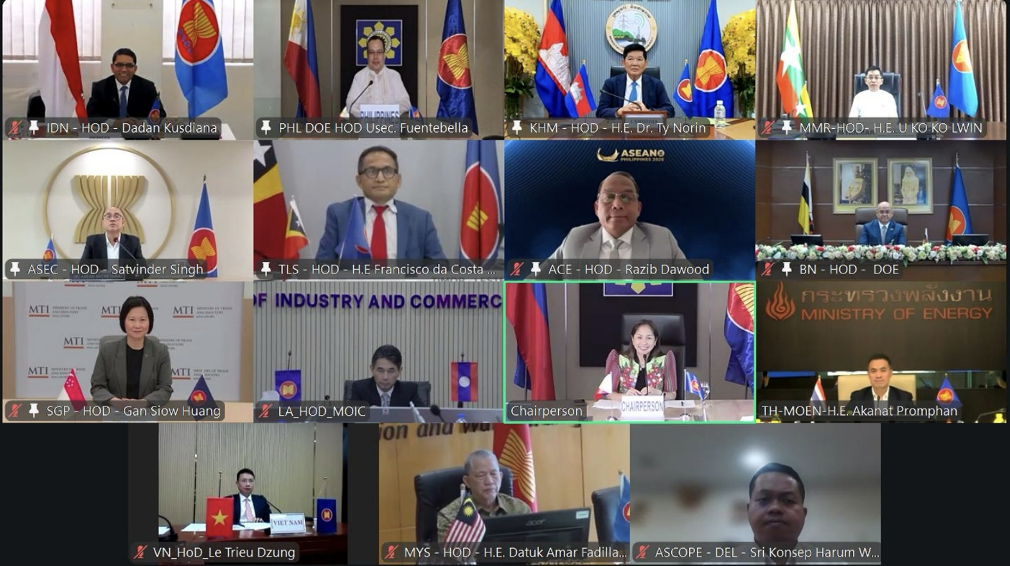
The Special AMEM discussed the Middle East’s impact on ASEAN energy security, stressing regional coordination, market stability, and supply disruption response.
Prime Minister Le Minh Hung has assigned key tasks to the Ministry of Industry and Trade, focusing on energy security, industrial growth and market expansion.
Japanese media reported Prime Minister Takaichi Sanae’s visit to Vietnam, highlighting economic security cooperation and the FOIP strategy amid regional uncertainties.
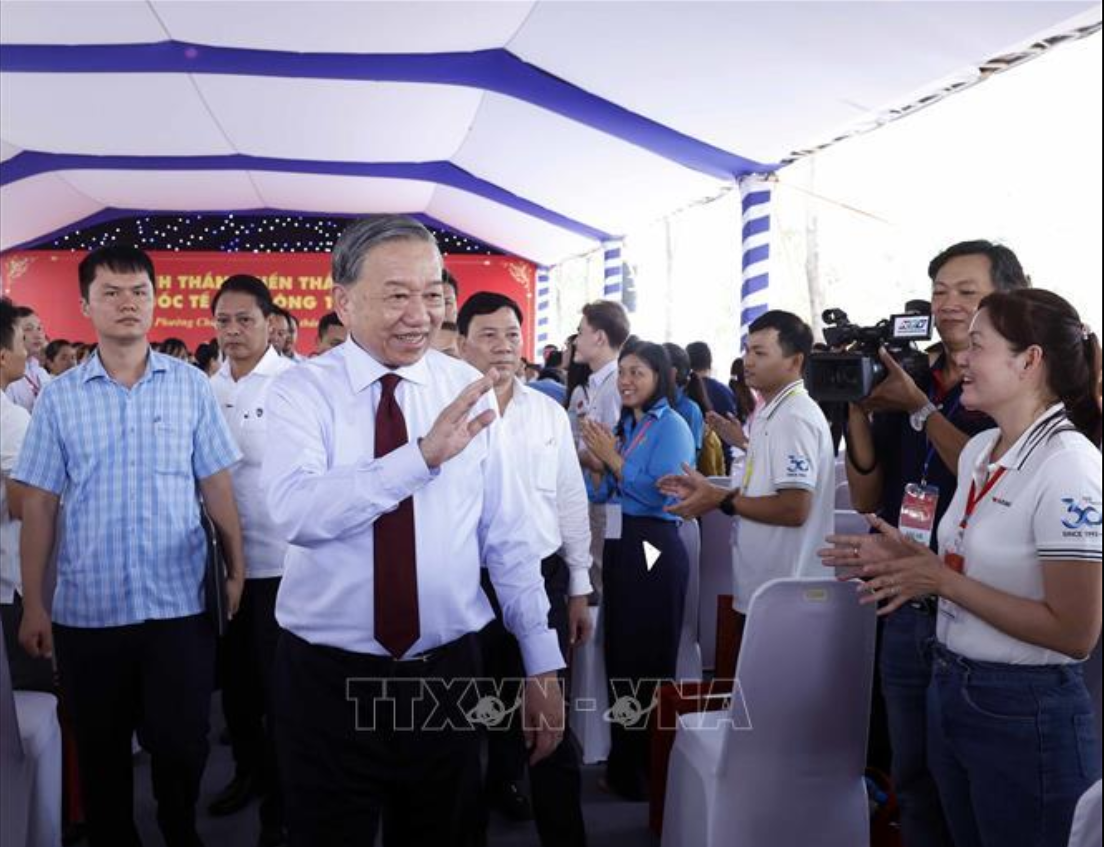
Party General Secretary and State President To Lam visited and encouraged workers in Ho Chi Minh City, reaffirming care for laborers and inclusive growth goals.
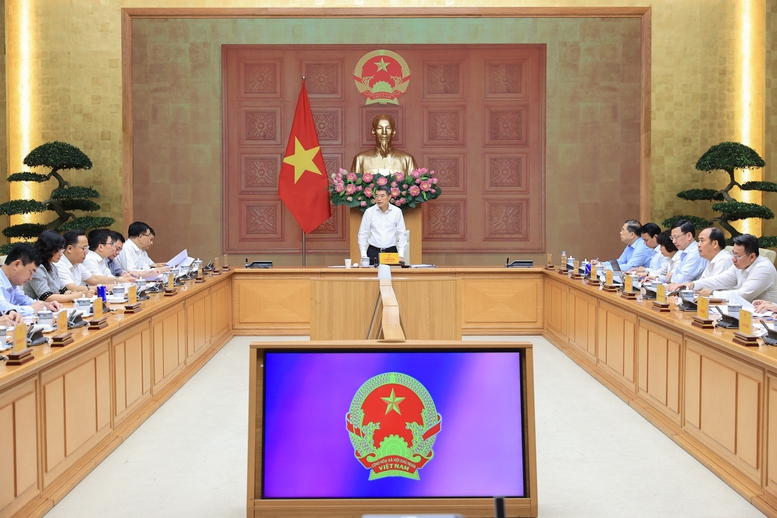
On April 24, Prime Minister Le Minh Hung chaired a nationwide conference on accelerating the allocation and disbursement of public investment capital in 2026.