Middle East conflicts are putting pressure on logistics networks, prompting Vietnamese businesses to strengthen risk management, capitalize on CEPA incentives, and build strong brands to unlock opportunities in the promising UAE market.
UAE emerges as a leading trade and re-export Hub
As geopolitical tensions in the Middle East continue to affect global supply chains, Vietnamese businesses are being urged to make full use of the benefits offered by the Vietnam-UAE Comprehensive Economic Partnership Agreement (CEPA) while proactively developing logistics strategies, enhancing risk management capabilities, and expanding their commercial presence to penetrate this highly promising market.
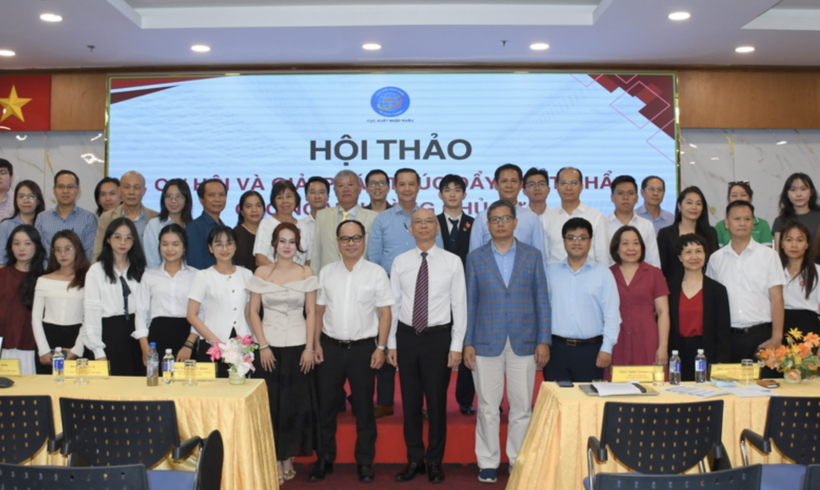
At the seminar “Opportunities and Solutions to Boost Exports of Key Products to the Middle East and South Asia under New FTAs,” Truong Xuan Trung, Head of the Vietnam Trade Office in the UAE, said that UAE is rapidly emerging as one of the world’s most important centers for trade, logistics, and re-export activities.
Delegates attend the seminar. Photo: Thanh Minh.
According to data from Vietnam Customs, bilateral trade between Vietnam and the UAE reached approximately USD 6.55 billion in 2025. Vietnam’s exports accounted for more than USD 5.9 billion, while imports totaled around USD 600 million, resulting in a trade surplus of nearly USD 6 billion. The UAE is currently one of Vietnam’s largest surplus-generating export markets.
Truong Xuan Trung noted that the UAE views trade as a strategic pillar in its efforts to diversify the economy beyond oil and gas. The country has been actively negotiating and signing Comprehensive Economic Partnership Agreements (CEPAs) with partners worldwide to expand its global trade network.
“The UAE is not only a consumer market but also a gateway through which goods can access the entire Middle East, Africa, Europe, and South Asia,” he emphasized.
One of the UAE’s key advantages lies in its large-scale import and re-export capacity. Due to harsh natural conditions, agriculture contributes only about 0.9% of GDP, forcing the country to import roughly 90% of its food, agricultural products, and industrial inputs.
Notably, around 40-50% of goods imported into the UAE are subsequently re-exported to other markets. Thanks to its strategic location, Dubai is within a six- to eight-hour flight of most major economic centers worldwide. The emirate also boasts some of the region’s most advanced seaport and logistics infrastructure.
The UAE’s non-oil trade turnover reached approximately USD 1.3 trillion in 2025, exceeding Vietnam’s total trade turnover during the same period. Re-export activities alone generated around USD 276 billion, marking a significant increase from the previous year.
Truong Xuan Trung also highlighted the common customs framework of the Gulf Cooperation Council (GCC). Under this mechanism, once goods enter a GCC member state and customs duties are paid, they can move freely to other member countries without being taxed again. This provides Vietnamese exporters with easier access to multiple regional markets, including Saudi Arabia, Qatar, Kuwait, Bahrain, and Oman through the UAE.
Another major advantage is the UAE’s extensive network of world-class free trade zones. The country hosts dozens of free trade, economic, and financial zones where businesses enjoy various incentives related to taxation, customs procedures, and investment regulations. These zones present opportunities for Vietnamese firms to establish warehouses, distribution centers, or representative offices to support re-export activities across neighboring markets.
Proactive measures needed to strengthen trade risk management
Despite the considerable opportunities, Truong Xuan Trung cautioned that businesses must pay close attention to the impact of geopolitical developments in the Middle East.
According to him, prolonged regional conflicts have significantly affected international maritime transport. Many shipping lines have been forced to alter routes and avoid high-risk areas, leading to longer transit times and rising logistics costs.
“War-risk insurance premiums, fuel surcharges, and various additional fees have increased substantially. This raises product costs and directly affects the competitiveness of exporters,” he said.
In response, the Vietnam Trade Office in the UAE recommends that businesses avoid relying on a single transport route and instead develop multiple logistics contingency plans.
Truong Xuan Trung noted that the traditional route through the Strait of Hormuz currently carries elevated risks. As an alternative, businesses may consider routing cargo through Fujairah Port in the UAE or ports in Oman.
These facilities are located outside sensitive areas and can help reduce the risk of supply chain disruptions should security conditions deteriorate further. For high-value or time-sensitive products such as fresh seafood and premium fruits and vegetables, air freight to Dubai or Abu Dhabi may also be a viable option.
In recent years, several major UAE retail groups have chartered dedicated cargo flights from Vietnam to ensure stable supplies.
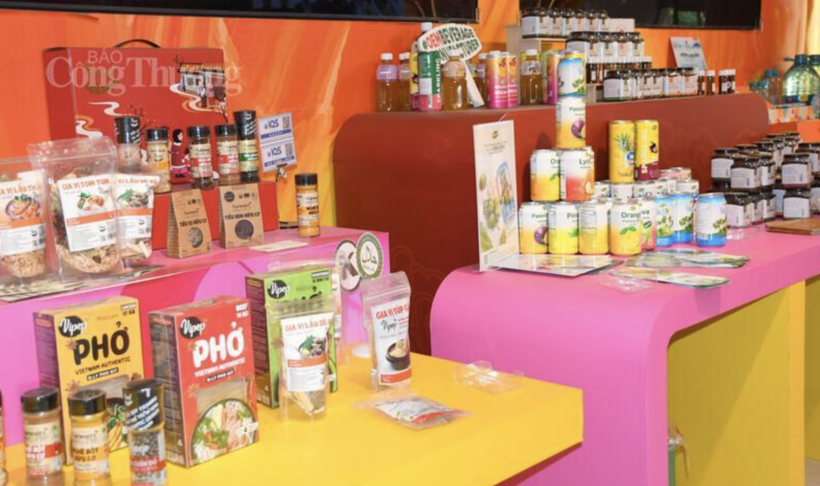
Processed agricultural products, spices, and canned beverages from Vietnamese companies with Halal certification are showcased at the exhibition. Photo: Thanh Minh.
Another issue highlighted by the Vietnam Trade Office is the increasing risk of commercial fraud.
With the rapid development of digital technologies and artificial intelligence, fraudulent practices in international trade have become increasingly sophisticated. Businesses are therefore advised to prioritize secure payment methods such as irrevocable letters of credit (L/Cs) and conduct thorough due diligence on potential partners before signing contracts.
Given the likelihood of continued geopolitical instability, commercial agreements should also include clauses covering force majeure, war-related disruptions, transportation interruptions, and cargo insurance to mitigate potential risks.
The Vietnam Trade Office in the UAE has handled numerous high-value trade disputes in recent years. As a result, partner verification and payment control should remain top priorities for exporters.
Beyond logistics and trade considerations, Vietnamese companies seeking long-term growth in the Middle East should invest in Halal certification and brand development.
For food, beverage, and processed agricultural products, Halal certification is virtually essential for deeper market penetration in Muslim-majority countries. Businesses should note, however, that the UAE’s Halal standards contain specific requirements that differ from those applied in Malaysia or Indonesia.
At the same time, fully benefiting from CEPA preferences requires strict compliance with rules of origin and proper completion of certificates of origin (C/O) documentation.
Rather than focusing solely on exporting raw materials, Truong Xuan Trung encouraged businesses to invest in value-added processing, packaging improvements, and brand building to enhance product competitiveness.
“If Vietnamese businesses want to increase value addition, they need to develop their own brands and gradually strengthen the position of Vietnamese products in the UAE and across the Middle East,” he stressed.
Companies with sufficient resources should also consider establishing representative offices, warehousing facilities, or partnerships with major UAE retailers to develop direct distribution networks.
According to the Vietnam Trade Office in the UAE, the implementation of CEPA, rising import demand, and Dubai’s role as a global logistics hub are transforming the UAE into one of the most strategic gateways for Vietnamese goods seeking to expand their presence in the Middle East, Africa, and other international markets.
As global trade patterns continue to evolve, proactive adaptation, effective risk management, and long-term investment strategies will be crucial for Vietnamese businesses seeking to capitalize on opportunities in this dynamic and high-potential market.
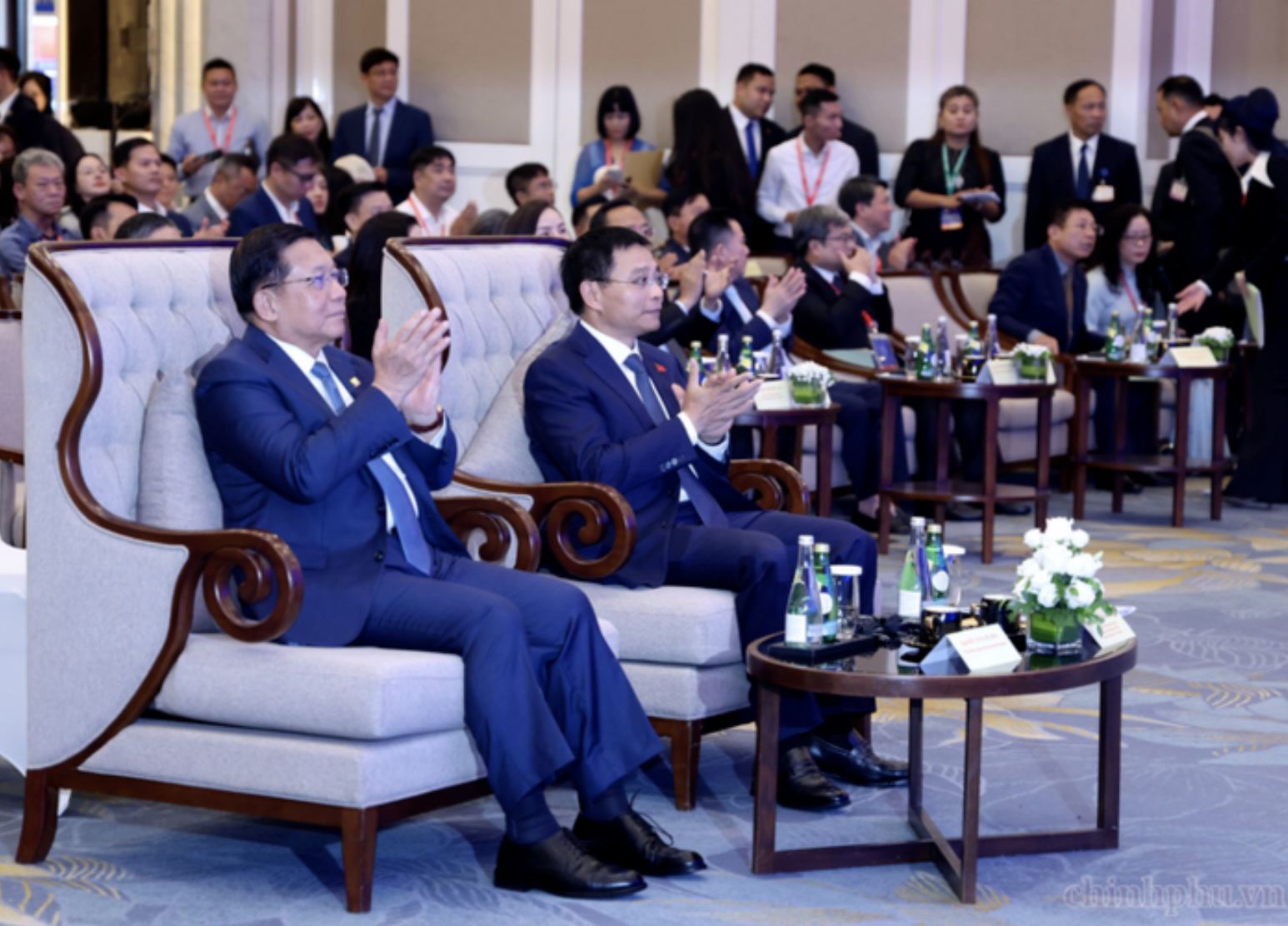
Addressing the Myanmar - Viet Nam Business Forum, Deputy Prime Minister Nguyen Van Thang said the two sides should expand the space for cooperation and leverage their respective resources to support the self-reliant and resilient development of each country, contributing to the implementation of agreements reached by the senior leaders of the two countries.
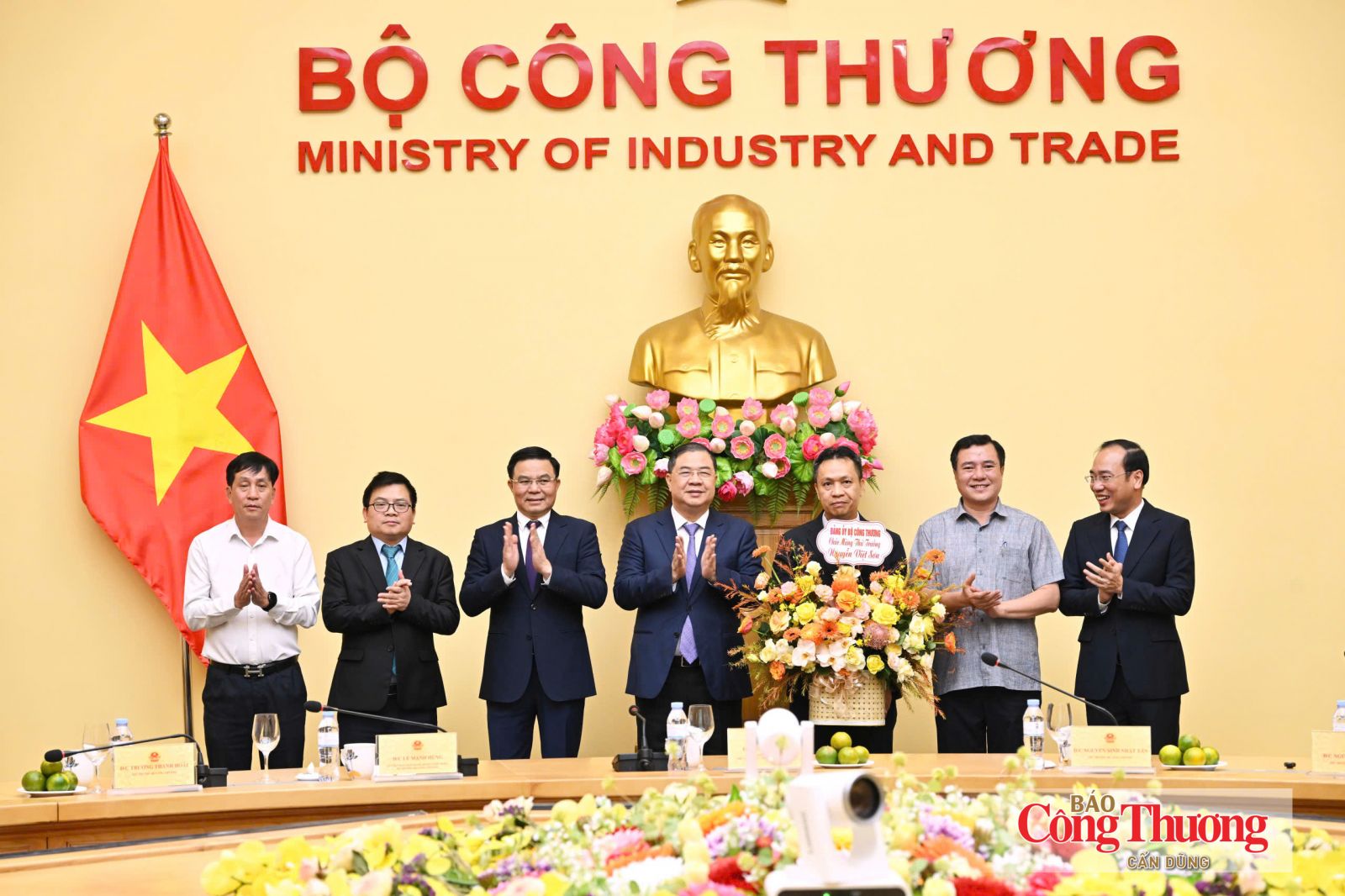
On the afternoon of September 6, at the headquarters of the Ministry of Industry and Trade (MoIT), Politburo member and Standing Deputy Prime Minister Pham Gia Tuc handed over the Prime Minister's decision appointing Nguyen Viet Son as Deputy Minister of Industry and Trade.
The iDEA and TikTok Shop launched the “Beyond Vietnam” initiative to help Vietnamese businesses build digital export capabilities and expand global market access.
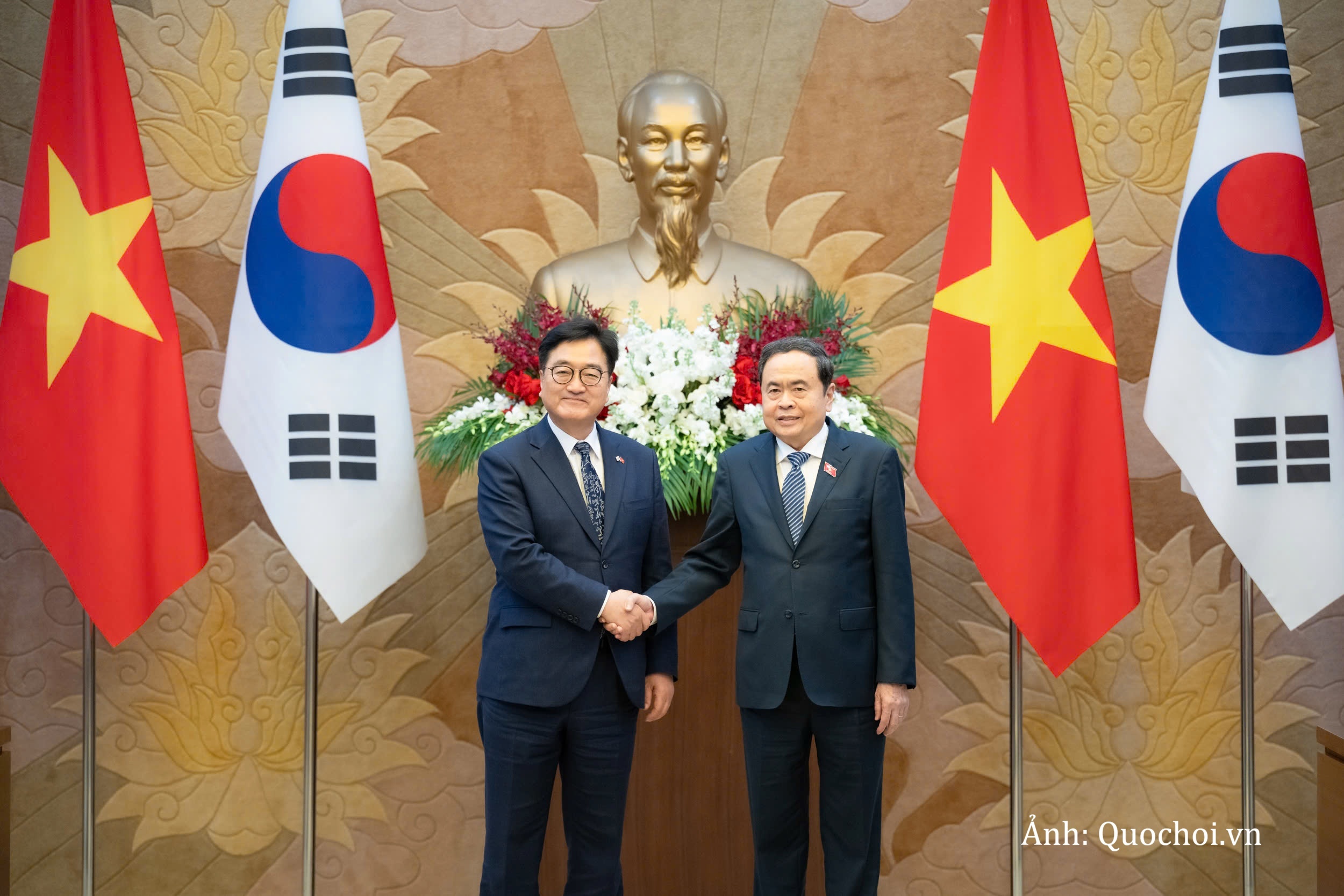
As Viet Nam and the Republic of Korea (RoK) work towards the goal of raising bilateral trade to USD 150 billion, the National Assemblies of the two countries have an important role to play in improving institutions and removing bottlenecks.
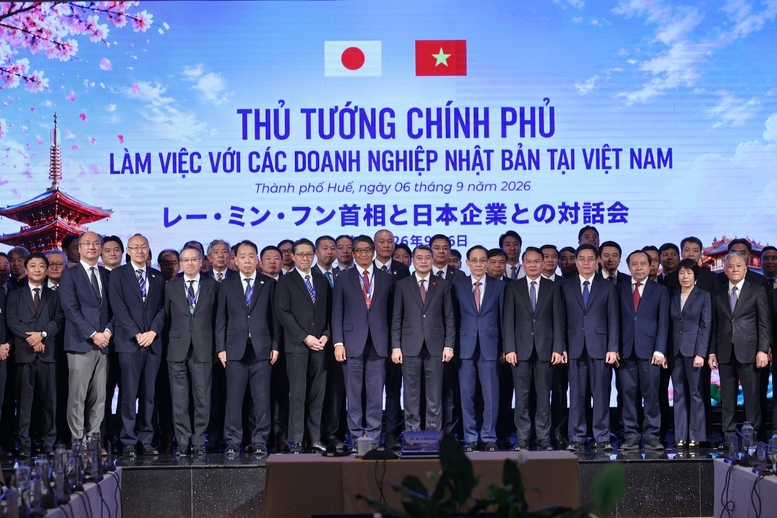
Chairing a meeting with Japanese businesses on the morning of September 6, Prime Minister Le Minh Hung called for Viet Nam - Japan investment ties to shift decisively from a relationship between “investors and investment destinations” toward a partnership for joint development and co-creation, involving joint research, innovation, production, and effective participation in and affirmation of their positions and roles in global value chains.
Addressing the Myanmar - Viet Nam Business Forum, Deputy Prime Minister Nguyen Van Thang said the two sides should expand the space for cooperation and leverage their respective resources to support the self-reliant and resilient development of each country, contributing to the implementation of agreements reached by the senior leaders of the two countries.
On the afternoon of September 6, at the headquarters of the Ministry of Industry and Trade (MoIT), Politburo member and Standing Deputy Prime Minister Pham Gia Tuc handed over the Prime Minister's decision appointing Nguyen Viet Son as Deputy Minister of Industry and Trade.
As Viet Nam and the Republic of Korea (RoK) work towards the goal of raising bilateral trade to USD 150 billion, the National Assemblies of the two countries have an important role to play in improving institutions and removing bottlenecks.
Chairing a meeting with Japanese businesses on the morning of September 6, Prime Minister Le Minh Hung called for Viet Nam - Japan investment ties to shift decisively from a relationship between “investors and investment destinations” toward a partnership for joint development and co-creation, involving joint research, innovation, production, and effective participation in and affirmation of their positions and roles in global value chains.
The Ministry of Industry and Trade Party Committee joined a nationwide conference to study and implement key resolutions and directives issued by the Politburo.