The draft decree proposes reforms to market management, pricing, distribution and supply security to improve the efficiency of Vietnam's petroleum market.
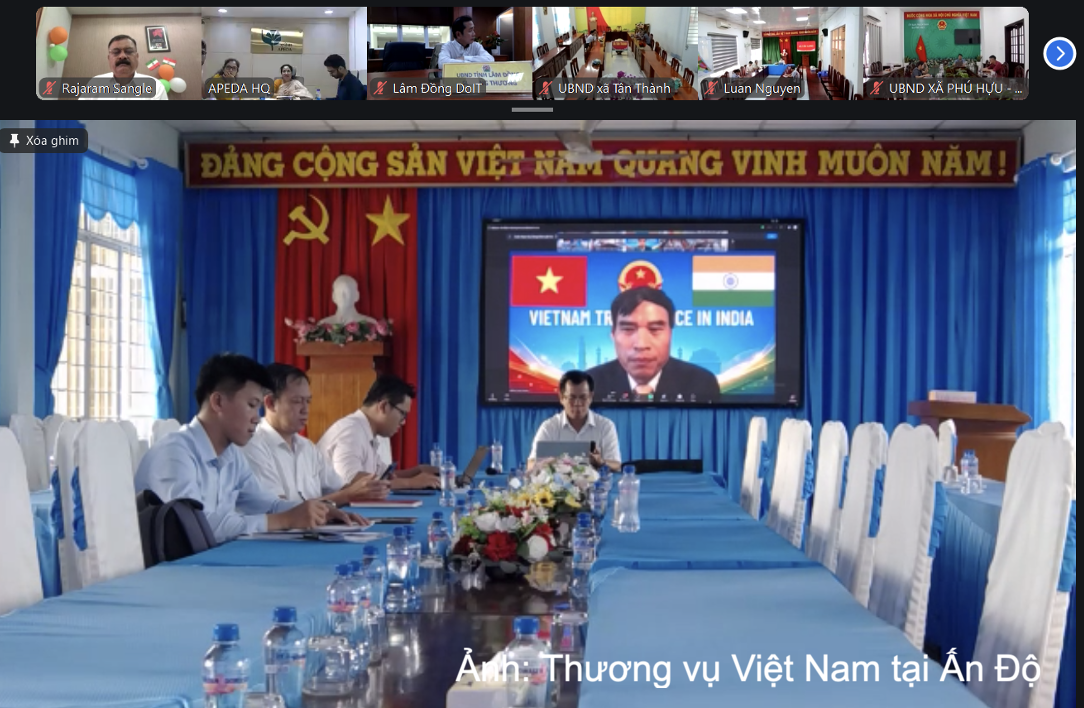
Recently in Hanoi, the Ministry of Industry and Trade (MOIT) convened a consultation conference to seek comments on the Draft Decree replacing Decree No. 83/2014/ND-CP dated September 3, 2014, together with its subsequent amending and supplementing decrees governing petroleum trading. The conference brought together representatives from ministries and agencies, industry associations, the Vietnam Chamber of Commerce and Industry (VCCI), People's Committees and Departments of Industry and Trade of provinces and centrally governed cities, as well as petroleum producers, wholesalers, and distributors.
Strengthening the legal framework for the petroleum market
The new decree is intended to further strengthen the legal framework governing petroleum trading, safeguard national energy security, and establish a petroleum market that operates in accordance with market principles under the State's regulatory oversight. The draft retains provisions that remain appropriate while revising and supplementing those that have proven inadequate in practice, thereby enhancing the effectiveness of State management and meeting the evolving needs of the petroleum market in the new development phase.
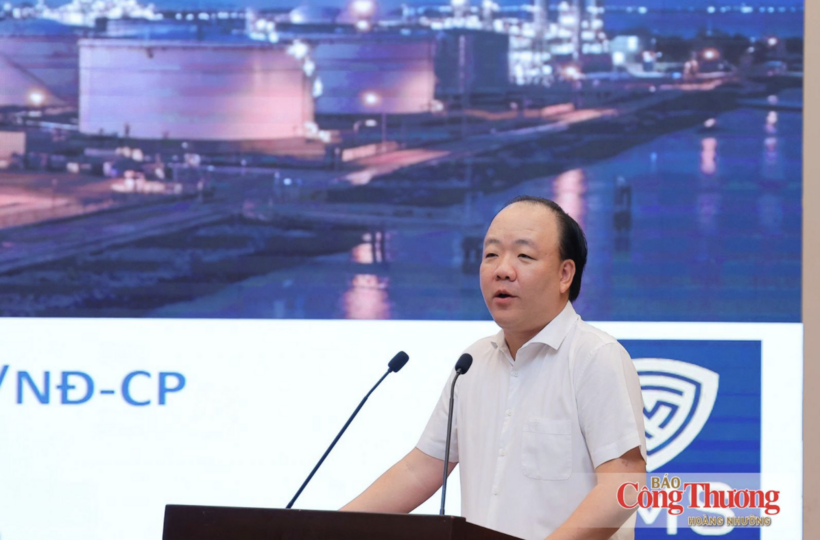
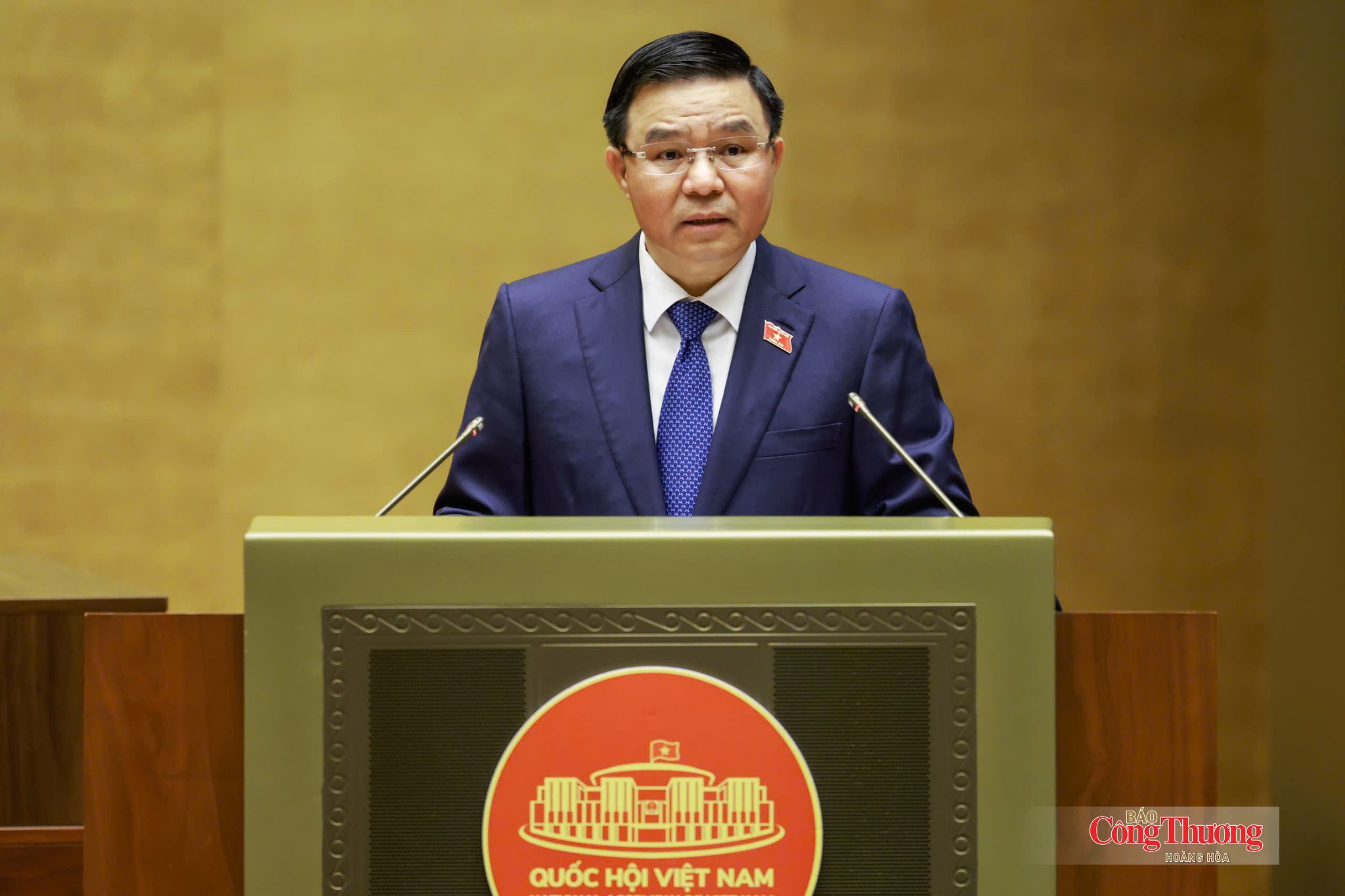
Tran Huu Linh, Director of the Agency for Domestic Market Management and Development under the Ministry of Industry and Trade, addresses the conference.
One of the draft decree's key provisions is the revision of eligibility requirements for petroleum wholesalers, with a view to strengthening the capacity, accountability, and long-term sustainability of market participants. Under the proposed regulations, a petroleum wholesaler must have operated continuously as a petroleum distributor for at least 36 months, ensuring sufficient operational experience and capability. The enterprise must also own petroleum receiving depots with a combined storage capacity of no less than 15,000 cubic metres and own at least 10 retail fuel stations, replacing the previous provision that allowed such facilities to be leased. In addition, the draft introduces a requirement for wholesalers to maintain a minimum annual petroleum supply volume of 100,000 cubic metres. Failure to meet this threshold for two consecutive years would result in the revocation of the business licence.
The draft also seeks to streamline the supply chain by minimizing intermediary layers and establishing a more seamless distribution system from supply generation to end distribution. Existing categories of petroleum retailers, including retail agents and franchise retailers and petroleum distributors will be consolidated into a single business category known as petroleum distributors, reflecting their integrated wholesale and retail functions. Furthermore, the certificate of eligibility currently issued by the Ministry of Industry and Trade to petroleum distributors will be abolished and replaced with a post-audit management mechanism based on business reporting, registration, and declarations, thereby reducing administrative burdens.
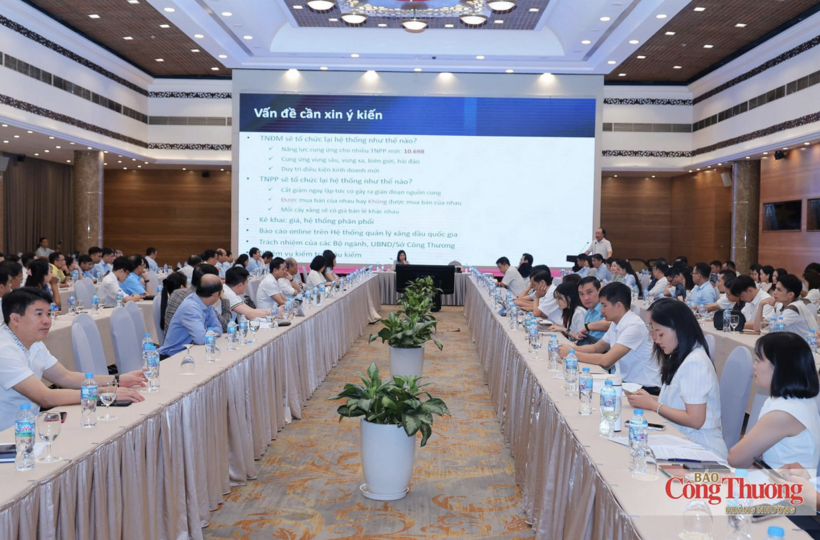
Consultation conference on the Draft Decree replacing Decree No. 83/2014/ND-CP and its amending and supplementing decrees governing petroleum trading.
Under the proposed framework, the new distribution system will operate directly from supply sources, including petroleum producers, petroleum off-take enterprises, and petroleum wholesalers to petroleum distributors.
Another significant component of the draft is the reform of the petroleum pricing mechanism in line with market principles, granting businesses greater autonomy while reinforcing their accountability and strengthening regulatory oversight. Accordingly, the State will no longer announce a periodic base price as under the current mechanism. Instead, petroleum wholesalers and petroleum distributors will have the authority to determine and publicly announce retail prices within their respective distribution systems based on the pricing formula prescribed in the decree.
Following any price adjustment, traders will be required to declare their prices and notify the relevant regulatory authorities for monitoring and inspection. For remote and disadvantaged areas, retail prices set by petroleum distributors may not exceed the highest retail price announced by the corresponding petroleum wholesaler within the same locality, thereby ensuring social welfare objectives. The State will publish only one pricing component the standard business cost to be applied by traders, helping prevent unreasonable price increases.
Safeguarding national petroleum supply
To meet new regulatory requirements, the draft introduces specific provisions on digital transformation and enhanced transparency in petroleum trading activities. Petroleum wholesalers and distributors will be required to establish online connectivity with the Ministry of Industry and Trade to provide real-time data on storage facilities, inventory levels, total supply volumes, distribution networks, and price declarations. This will enable authorities to closely monitor market developments and the balance between supply and demand. The draft also supplements the responsibilities of petroleum wholesalers in safeguarding the legitimate interests of petroleum distributors supplied by them.
Representatives of industry associations contribute comments during the consultation conference.
In addition to measures aimed at improving market organization and State management, the draft also introduces specific provisions to reinforce national energy security. Petroleum off-take enterprises will be permitted to import and export feedstocks, as well as import and export petroleum products to stabilize supply, subject to approval by the Ministry of Industry and Trade. The draft also establishes principles for identifying cases of abnormal price fluctuations, providing the legal basis for implementing price stabilization measures during periods of crisis. Furthermore, petroleum wholesalers will continue to be required to maintain a minimum circulating reserve equivalent to 20 days of supply, helping ensure stable market availability and reduce the risk of supply disruptions.
Following the feedback received at the consultation conference, the Ministry of Industry and Trade will continue to review, study, and incorporate stakeholders' comments to further refine the draft decree, ensuring its consistency, practicality, and feasibility before submitting it to the Government for consideration and promulgation in accordance with prevailing regulations.
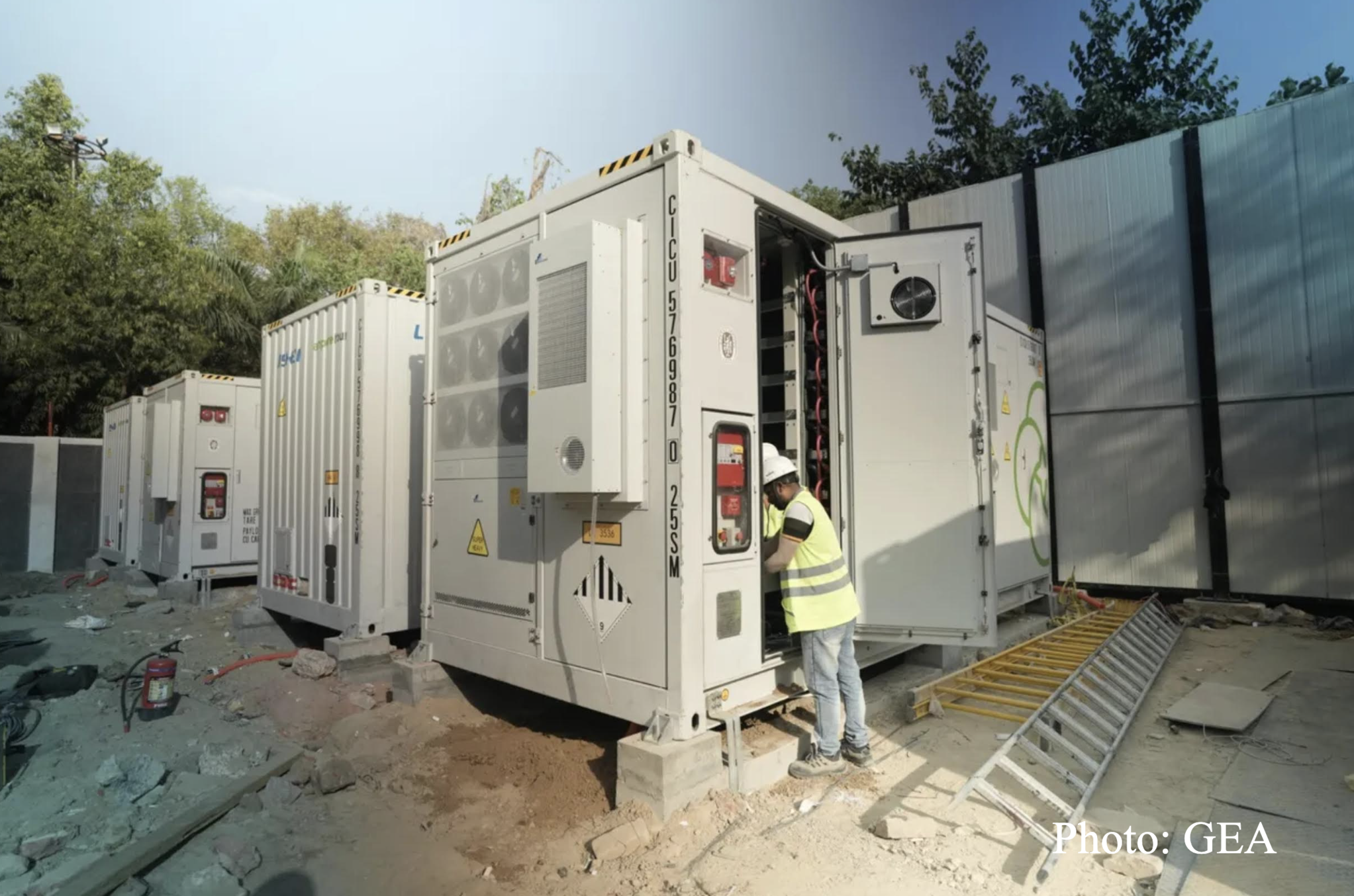
The Electricity Authority of Viet Nam (EAV), under the Ministry of Industry and Trade, and the Global Energy Alliance for People and Planet have recently signed a Memorandum of Understanding (MoU) to strengthen cooperation in supporting Vietnam’s energy transition.
Bringing supporting industries within the scope of the Key Industries Law is expected to establish a unified legal framework, expand development opportunities for businesses, and enhance domestic localization capacity.
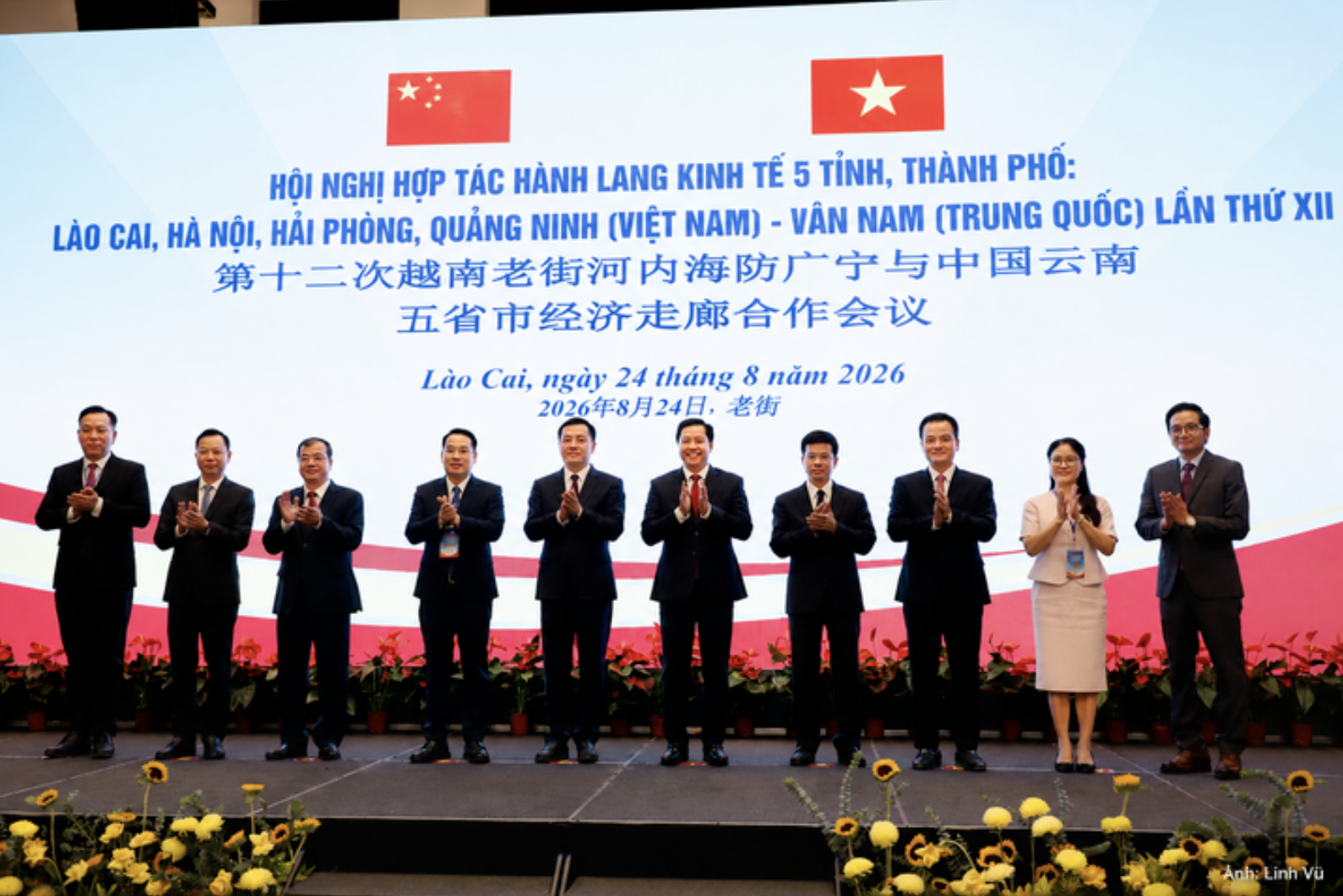
This morning (August 24), the 12th Conference on Cooperation among the Five Provinces and Cities along the Kunming-Lao Cai-Hanoi-Hai Phong-Quang Ninh economic corridor between Vietnam and China was held in Sa Pa, Lao Cai Province.
The Electricity Authority of Viet Nam (EAV), under the Ministry of Industry and Trade, and the Global Energy Alliance for People and Planet have recently signed a Memorandum of Understanding (MoU) to strengthen cooperation in supporting Vietnam’s energy transition.
Bringing supporting industries within the scope of the Key Industries Law is expected to establish a unified legal framework, expand development opportunities for businesses, and enhance domestic localization capacity.
This morning (August 24), the 12th Conference on Cooperation among the Five Provinces and Cities along the Kunming-Lao Cai-Hanoi-Hai Phong-Quang Ninh economic corridor between Vietnam and China was held in Sa Pa, Lao Cai Province.
473 out of 475 National Assembly deputies participating in the vote voted in favour of the amended Petroleum Law at the First Extraordinary Session of the 16th National Assembly.