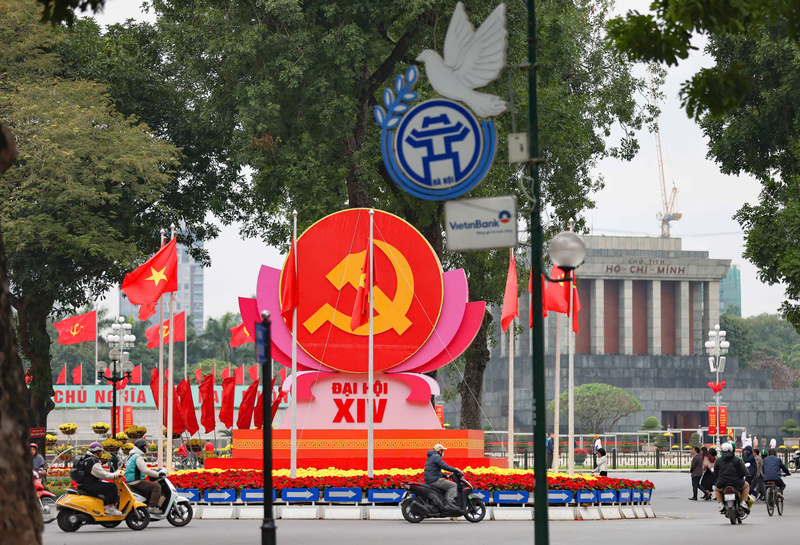
As the 14th National Party Congress approaches, Vietnam looks to 2050 with a historic vision to build a prosperous, civilized nation in a changing world.
The vision of building a prosperous Vietnam by 2050 is not merely a policy aspiration but a historical imperative, inseparably linked to national aspirations and the responsibility to shape the country’s future.
The era of a prosperous Vietnam as a historical necessity
After 80 years since the founding of the revolutionary state and 40 years of renewal, under the leadership of the Communist Party of Vietnam, the country has laid a fundamental and highly significant foundation to become a developed nation within the next 25 years, worthy of standing among the prosperous nations of the world in the 21st century.
This is the developmental demand of the nation, the aspiration of the people, and the honor of the Vietnamese nation on the threshold of a new era with a vision toward 2050. The road ahead remains long, rugged and full of challenges, with the ever-present risk of falling behind. Yet it is a path Vietnam cannot afford not to pursue.
On the eve of the 14th National Party Congress, the nation looks ahead to 2050, determined to shape and develop a prosperous Vietnam.
Historical truth does not need to be debated
Looking back at 2025, assessments by the Organisation for Economic Co-operation and Development (OECD) recorded a strong economic momentum in Vietnam, with GDP in the third quarter growing by 8.2% year on year. In reality, 2025 marked Vietnam as one of the fastest-growing economies in the world, maintaining macroeconomic stability despite major turbulence in global trade. The unemployment rate stood at just 2.2%, the lowest since the third quarter of 2024. These are not compliments but affirmations from international institutions.
Under the leadership of the Party, the country is steadily renewing itself and advancing toward a civilized, modern society.
Building on 40 years of renewal, Vietnam’s socio-economic system has been establishing a new dynamic equilibrium, both internally and in its relations with the world. A new growth platform is taking shape, marked by improved quality and resilience amid mounting headwinds. Export recovery, industrial production improvement, more focused public investment, credit expansion, and the activation of new growth drivers forming a development triangle of the green economy, digital economy and knowledge economy are reinforcing this momentum. Macroeconomic stability remains the anchor, protecting the economy and enabling the country to withstand major shocks from natural disasters and global political and economic volatility.
On this economic foundation, Vietnam has continued to safeguard political stability while advancing political renewal. Breakthroughs are being pursued in administrative reform through the two-tier local government model, restructuring and streamlining the political system, renewing institutions and governance mechanisms, building and rectifying the Party, developing human resources and infrastructure, investing in education and culture, strengthening social security, and upgrading international relations under a proactive integration mindset.
In 2025, Vietnam recorded a surge in economic growth, sustaining its position as one of the fastest-growing economies in the region and the world. Across politics, culture, society and international integration, progress continued in a proactive and effective manner, despite difficulties.
History is objective.
Vietnam does not admire itself.
And truth, as history, does not need to be debated with anyone.
Challenges from the future
Globally, trends of multipolarity, soft and hard conflicts, strategic competition among major powers, supply chain restructuring, and rapid technological innovation in artificial intelligence, energy and biotechnology are reshaping the world in complex ways. New phenomena such as “digital colonialism”, “digital sovereignty”, cultural constraints, territorial conflicts and market wars are profoundly disrupting global life.
The digital era and artificial intelligence, in the Fourth Industrial Revolution and beyond, are transforming not only production tools but also social organization, communication, political thinking and national governance at an unprecedented scale and speed.
Major powers are adjusting strategies to expand influence through a mix of cooperation, compromise and containment. New forms of warfare, combat methods and strategic spaces are becoming increasingly sophisticated and dangerous. At the same time, a global crisis of values is intensifying, marked by declining trust in traditional frameworks, the rise of extreme nationalism, widening inequality, environmental degradation and the re-emergence of pandemics, deepening global polarization.
Vietnam is entering a pivotal period from 2025 to 2050, aiming to become a developed country, ranked among the world’s 35 largest economies and one of Asia’s 10 fastest-growing economies.
Along this path, Vietnam faces multiple tensions between rapid growth and sustainability; between cultural preservation and global integration; between social democratization and political stability; between economic cooperation and political independence; between growth and ecological balance; between cooperation and self-reliance; between crisis and opportunity; between public debt and investment traps; between foreign-invested enterprises and national businesses; between inflation and business opportunities; and between online markets and business ethics.
Compounding these are global inflation, currency wars, supply chain disruptions, declining consumption and fiscal tightening, all exerting strong pressure on Vietnam’s socio-economic life. The influx of alien ideological fragments such as narrow nationalism, opportunism, populism, pessimism, pragmatism and capitulation, alongside individualism, factionalism, skepticism and remnants of feudal and petty-bourgeois thinking, is further complicating the situation.
More than 30 years ago, in January 1994, the Party foresaw that Vietnam must continuously transcend itself to secure a new position in the world. Following old paths and experiences would only keep the country behind other nations.
Defining the national strategic position
As 2025 closes and a vision toward 2050 opens, building a prosperous Vietnam is no longer a mere aspiration but a matter of national destiny.
Vietnam cannot enter the 21st century with a 20th-century model. It must forge a new vision, new drivers and a new value system. This requires a fundamental transformation in thinking, development models and social structures to build a prosperous Vietnam in a new world. From geopolitics, geo-economics and geo-culture, from 80 years of the revolutionary state and especially the practical strength of 40 years of renewal, Vietnam can outline a forward-looking blueprint for its future.
By 2050, Vietnam aims to become a comprehensively prosperous nation, achieving not only economic growth but also a high level of humane social development; a country with a distinct identity, not diluted by globalization; a strong civic society with intellectuals, entrepreneurs and youth possessing global thinking, ideals and resilience. Vietnam can stand firm only on the foundation of traditional national ethics and modern values, without copying or replicating foreign models.
The core national values are independence, self-reliance, unity, cultural continuity and peace.The values of a modern society are democracy, equity, civility, innovation and integration. The values of a socialist rule-of-law state are legitimate authority, a service-oriented government, legal discipline and ethical credibility.Social ethics are embodied in integrity, responsibility, honesty, community service and respect for the law, grounded in truth, goodness, beauty, humanity, righteousness and trust.The values of the Vietnamese people are patriotism, compassion, diligence, creativity and the aspiration to develop in harmony with humanity.
In essence, 21st-century Vietnam is defined by three qualities: development, democracy and civility. This is the face and character of Vietnam, integrating national tradition with the values of the age.
Unified national action
The path toward a prosperous, modern and identity-rich Vietnam is the development of Vietnamese socialism that is humane, democratic and modern, grounded in national independence, cultural self-reliance and justice.
Politically, this requires building an ethical, service-oriented, open and modern political system. The Party must not only govern but also lead intellectual renewal, organizational reform and development innovation. The Party must renew itself to lead national renewal, particularly the transformation from extensive to intensive development.
The goal is to build a truly ethical and civilized Party for the nation, shifting from power-holding to visionary leadership and emancipation of development forces. Special emphasis must be placed on generational transition in vision and political thinking, not merely in authority.
A socialist rule-of-law state of the people, by the people and for the people must be built, with a streamlined, modern and interconnected three-tier administrative system and an elite civil service. The state must not only govern but also create and serve.
Institutional mechanisms to control and balance power within the political system and society must be perfected, preventing conflicts between anti-corruption efforts and reform, between factionalism and merit-based governance.
Economically, Vietnam must shift from extensive growth to structurally sustainable, digitalized and green growth, balancing internal and external economies, and integrating economic development with social progress and ecological balance.
Development must be phased appropriately, with a reallocation of national resources, reducing reliance on public investment while rapidly expanding the role of the private sector, socialization and internationalization to build a resilient, autonomous economy.
Core industries, high-tech agriculture and foundational technologies such as artificial intelligence and clean energy must be developed within the global value system, independent but not isolated, distinctive yet integrated.
Culturally and socially, people are the center of development. Culture is the face and soul of the nation. A country may temporarily fall behind economically, but failure in culture means comprehensive national collapse.
The backbone of culture lies in building a learning society, prioritizing human resource quality and talent development ahead of political and economic needs. This includes upgrading workforce quality within the domestic economy, especially in the FDI sector and public-private partnerships, to enhance economic culture in global value chains.
The social security system must be restructured toward comprehensive human development, aiming to build a high-income, democratic, equitable, humane and modern nation, exemplifying harmony between Eastern values and Vietnamese cultural identity within global civilization.
Culture is Vietnam’s genetic code for equal dialogue with the world, its national identity card affirming position, strength and character in global integration. There can be no prosperous Vietnam without a strong, distinctive, humane and creative Vietnamese culture.
The nation is the foundation, the people are the center, and culture is the bedrock of a fast, sustainable, humane and identity-based development strategy.
In international integration, Vietnam seeks not only to adopt global values but also to co-create values for humanity. The country will actively participate in and lead regional initiatives in the Mekong sub-region and the East Sea, while shaping regional and global order within ASEAN, the WTO, the UN and other international institutions.
Ultimately, this reflects the core spirit of Vietnam’s development doctrine, grounded in knowledge, ethics and national identity, combining modern nationalism with creative socialism to achieve strong and sustainable development.
Prosperity is measured not only by GDP but by national dignity, and by harmony between material affluence and cultural and humanistic fulfillment.
From its position in 2025, the 14th National Party Congress, together with the nation, will continue to write the history of a prosperous Vietnam. This is the crystallization of national intellect and dignity, embodied in the Party’s political thinking as it leads the nation and shapes its destiny in a new era.
Vietnam looks toward 2050, yet it cannot do so without reflecting on the logic of history in order to renew itself and move beyond. The era of prosperity is not merely to be written into history, but more importantly to be realized through practical, effective and sustainable national development, step by step, in step with the times.
Dr. Nhi Le, former Deputy Editor-in-chief of the C
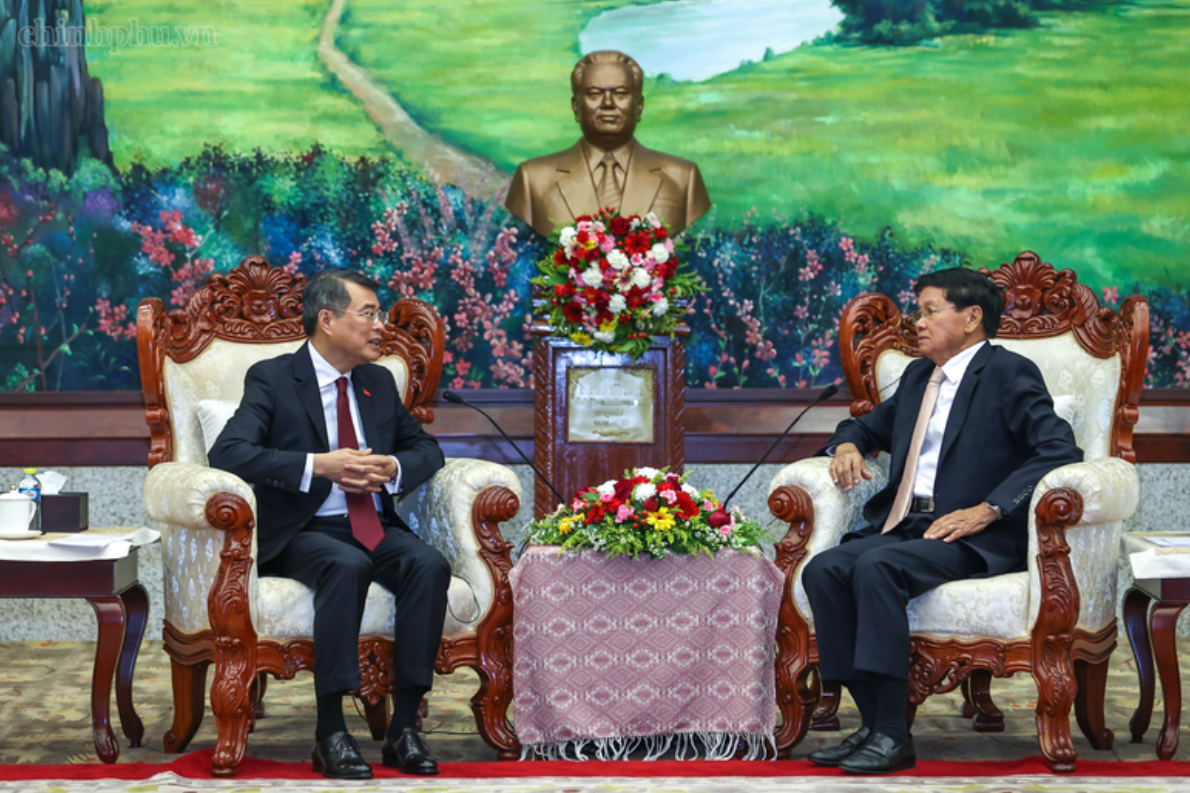
Prime Minister Le Minh Hung on October 8 paid a courtesy call on Lao General Secretary and President Thongloun Sisoulith in Vientiane as part of his on-going official visit to Laos.
The two sides expressed their delight at the positive developments in the bilateral relations in recent years, noting that there remains significant room for greater cooperation and complementarity, particularly in trade, investment and economic ties. They also held extensive discussions on strategic directions to further deepen and strengthen bilateral relations in a more substantive and practical manner.
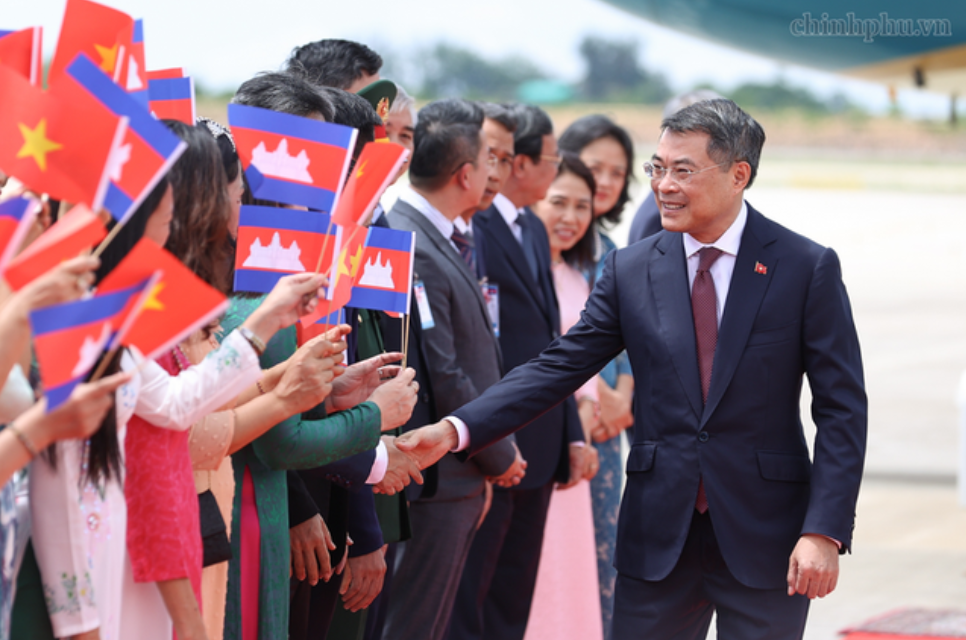
Prime Minister Le Minh Hung arrived in Phnom Penh on Friday afternoon, starting his two-day official visit to Cambodia at the invitation of Cambodian counterpart Hun Manet.
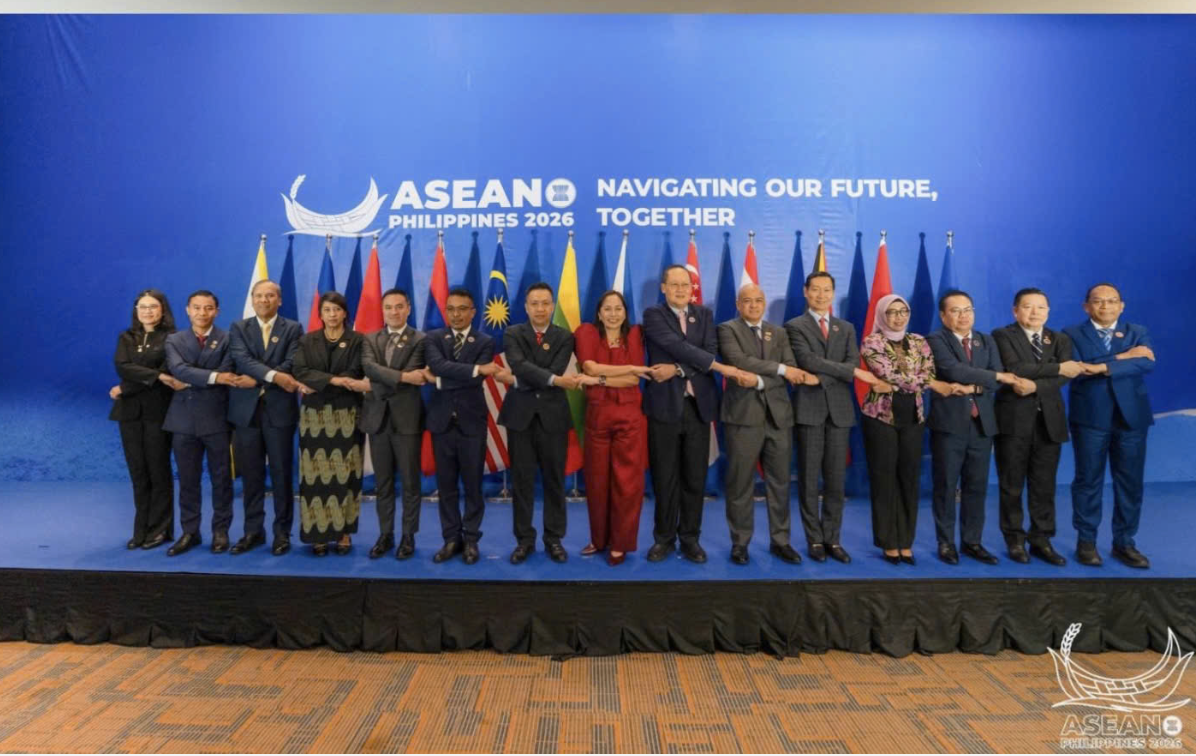
On 7 October 2026, the 44th ASEAN Ministers on Energy Meeting (AMEM 44) was held in Manila, the Philippines, under the chairmanship of Sharon S. Garin, Secretary of the Department of Energy of the Philippines. The meeting brought together energy ministers from ASEAN Member States, the Secretary-General of ASEAN, the ASEAN Centre for Energy, and representatives of ASEAN energy sector bodies and specialised networks. Deputy Minister of Industry and Trade Nguyen Viet Son led the Vietnamese delegati
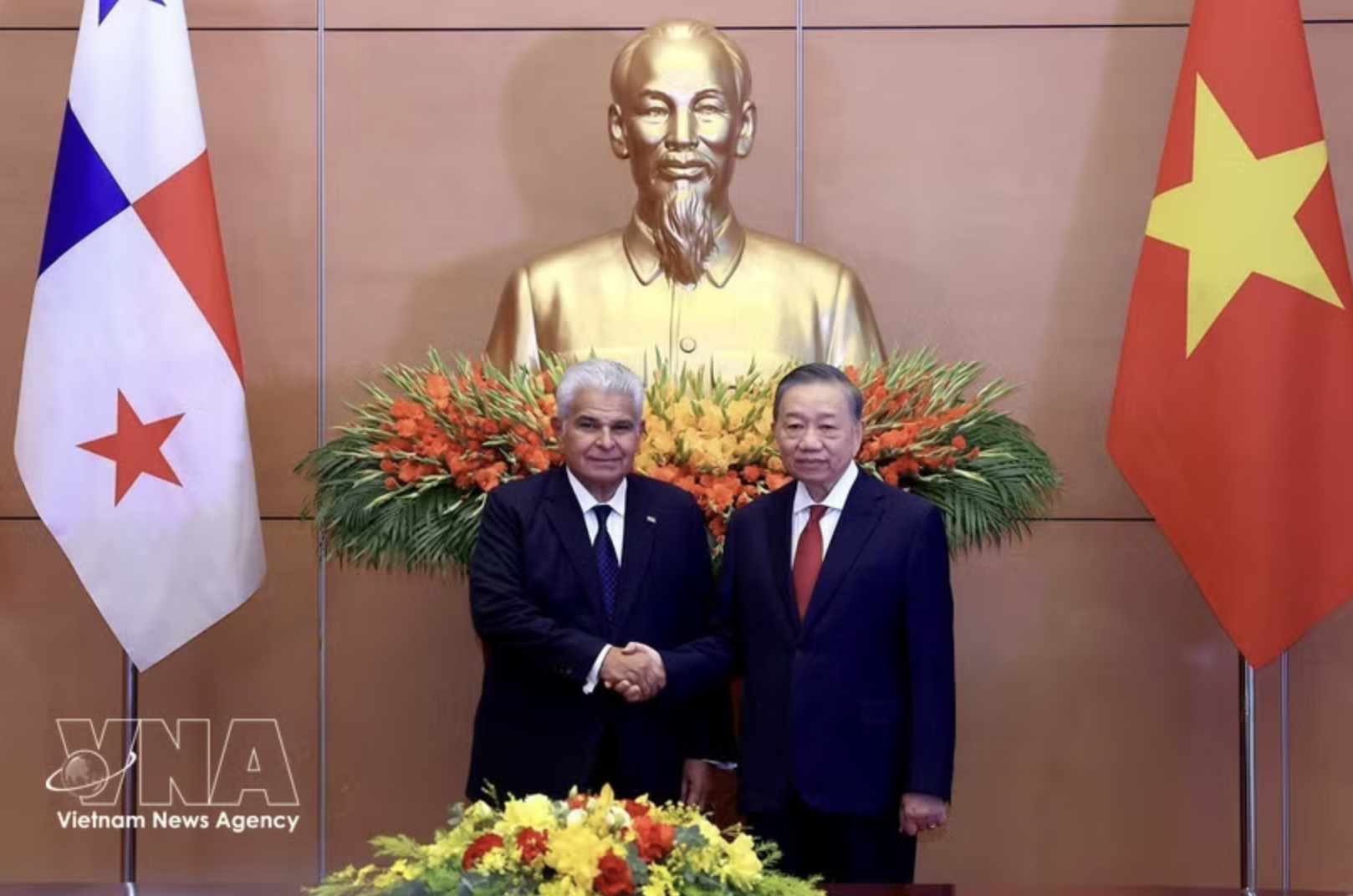
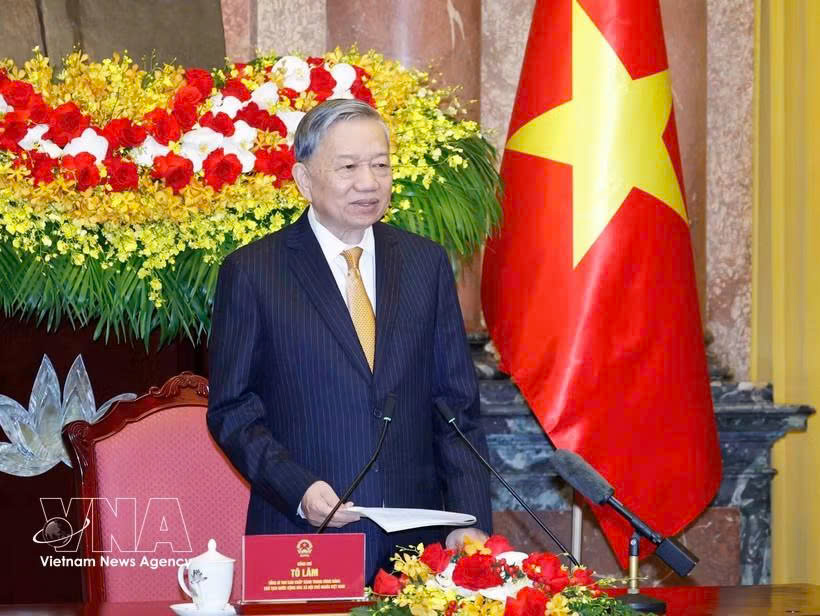
General Secretary of the Communist Party of Viet Nam Central Committee and State President To Lam, his spouse, and a high-ranking Vietnamese delegation will pay a state visit to Russia and an official visit to France, and attend the International Space Summit in Paris from September 7 to 12.