Vietnam’s 14th National Party Congress marks a strategic shift toward a science, innovation and digital-driven growth model to secure long-term development.
Former Indian Deputy National Security Adviser SD Pradhan has described a historically significant highlight of the 14th National Party Congress of the Communist Party of Vietnam as the country’s decisive choice of a new growth model grounded in science and technology, innovation and digital transformation.
On the occasion of the event, a Vietnam News Agency correspondent in New Delhi conducted an in-depth exchange with former Indian Deputy National Security Adviser SD Pradhan regarding the historical and contemporary significance of the Congress, as well as the major orientations shaping Vietnam’s development path in the coming period.
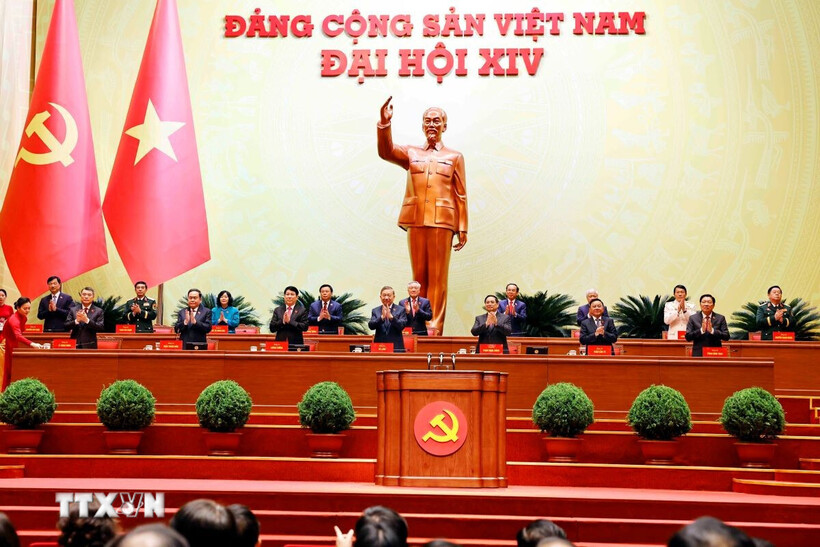
The presidium of the preparatory session of the 14th National Party Congress. Photo: VNA
According to SD Pradhan, the 14th National Party Congress marks a pivotal turning point in Vietnam’s development trajectory, taking place amid intensifying geopolitical competition, rapid technological breakthroughs and increasingly evident development constraints. The Congress seeks to consolidate a long-term vision of transforming Vietnam into a developed, high-income country by the mid-21st century.
He identified the most historically significant feature of the Congress as Vietnam’s decision to adopt a new growth model based on science and technology, innovation and digital transformation, reflecting a decisive shift from an input-driven growth model towards a knowledge- and productivity-based economy.
The former Indian Deputy National Security Adviser also highlighted notable points in recent remarks by Party General Secretary To Lam, which emphasised strategic breakthroughs of critical importance, including decentralisation and delegation of authority; a stronger focus on science, innovation and digital transformation; and priority given to developing high-quality, highly skilled human resources. In his assessment, these constitute the core pillars underpinning high and sustainable growth in the coming period.
In this spirit, the 14th National Party Congress sets the objective of elevating science and technology to the position of a primary productive force by increasing investment in research and development (R&D), strengthening linkages among universities, research institutes and enterprises, and prioritising strategic technologies such as artificial intelligence (AI), semiconductors, biotechnology and renewable energy. These efforts aim to gradually reduce reliance on imported technologies. At the same time, the private economic sector is identified as a key driver of innovation, while AI and digital transformation are regarded as cross-cutting accelerators of growth.
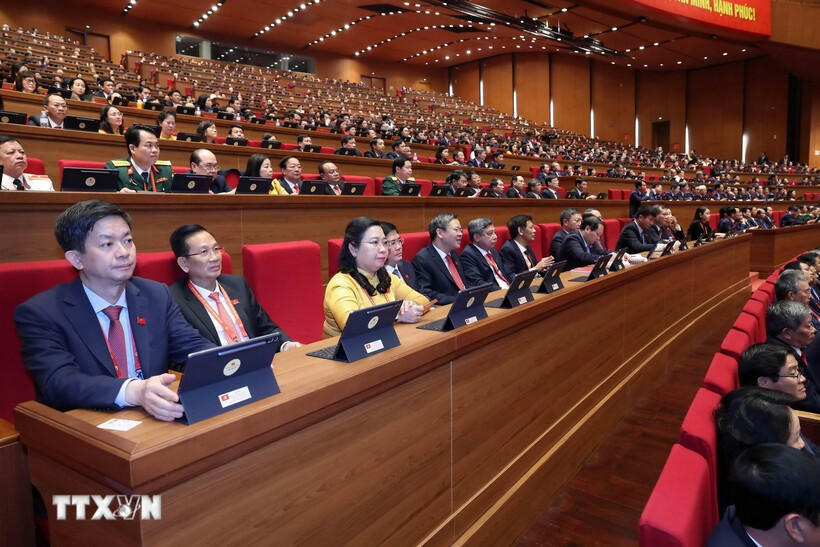
The delegation of the Can Tho municipal Party Committee attends the preparatory session of the 14th National Party Congress. Photo: VNA
According to SD Pradhan, these orientations carry profound political and strategic significance, enhancing economic resilience and strengthening strategic autonomy. They enable Vietnam to navigate major power competition without becoming a proxy for any country, while simultaneously elevating its position in global governance. This also demonstrates Vietnam’s capacity and readiness to reshape its socialist development path in a manner aligned with innovation and digital transformation.
Commenting on new elements in the draft documents of the 14th National Party Congress, the Indian expert noted that adjustments such as integrating environmental protection with socio-economic development, defining foreign affairs and international integration as regular and vital tasks alongside national defence and security, and reaffirming the pivotal role of culture, human development and the private economy clearly reflect Vietnam’s new development requirements. These adjustments indicate a recognition that the most binding constraints on development today lie in productivity, innovation and institutional capacity, rather than capital and labour.
Accordingly, development targets towards 2030 require innovation to sustain growth and modernise industry, while the vision to 2045 calls for innovation to reposition Vietnam within the global economy. The new growth model thus serves as a strategic bridge linking medium-term objectives with long-term development aspirations.
SD Pradhan assessed the 14th National Party Congress as a vivid demonstration of the Communist Party of Vietnam’s capacity for self-renewal and its ability to draw lessons from practice, reflected in the candid recognition of the limitations of the current development model and a firm commitment to continued reform. The incorporation of renovation theory as a constituent part of the Party’s ideological foundation highlights intellectual flexibility and strong pragmatism, while the Congress documents place greater emphasis on governance capacity, anti-corruption efforts and human resource development.
Regarding feasibility, the development commitments outlined at the Congress are assessed as resting on solid foundations, including a proven reform track record, political stability and a clear long-term vision oriented towards the milestones of 2030 and 2045. According to the former Indian Deputy National Security Adviser, ultimate outcomes will depend largely on the effectiveness of implementation, institutional operational capacity and the ability to manage social and environmental challenges.
To realise the objectives of the 14th National Party Congress over the next five years, SD Pradhan stressed that Vietnam should prioritise a transition towards productivity-driven growth; continue institutional and governance reforms; invest in education, digital skills training and high-quality human resource development; strengthen the domestic private sector alongside attracting foreign direct investment; and integrate green growth and climate resilience into its development strategy.
He further noted that Vietnam’s continued pursuit of a multilateral foreign policy, proactive international integration, and a strategy of seizing opportunities while avoiding entanglement in major power rivalry represents a sound strategic choice. Vietnam’s early recognition of the need to adjust and synchronise policies amid evolving geopolitical and geo-economic dynamics constitutes a major advantage, ensuring that the 14th National Party Congress not only sets the right directions but also lays a firm foundation for enhancing national capacity and realising the goal of a prosperous, strong and socialist-oriented Vietnam, standing shoulder to shoulder with major powers worldwide.
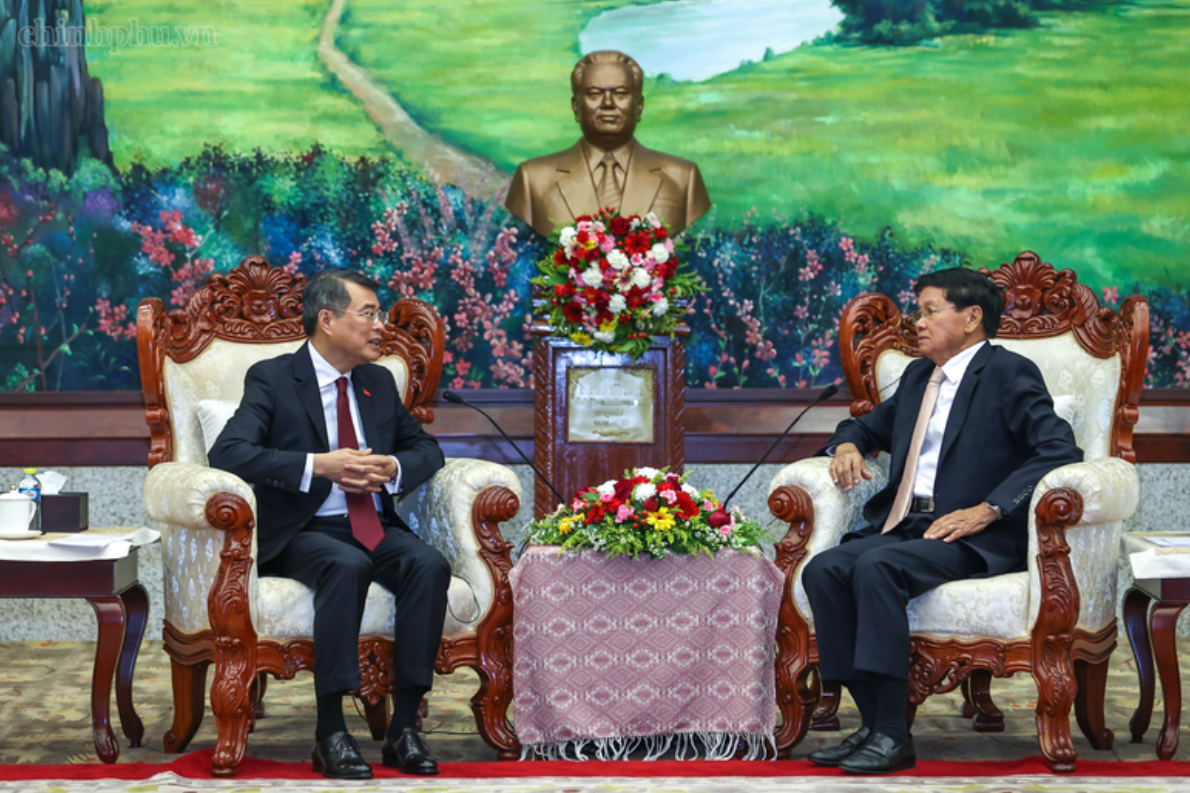
Prime Minister Le Minh Hung on October 8 paid a courtesy call on Lao General Secretary and President Thongloun Sisoulith in Vientiane as part of his on-going official visit to Laos.
The two sides expressed their delight at the positive developments in the bilateral relations in recent years, noting that there remains significant room for greater cooperation and complementarity, particularly in trade, investment and economic ties. They also held extensive discussions on strategic directions to further deepen and strengthen bilateral relations in a more substantive and practical manner.
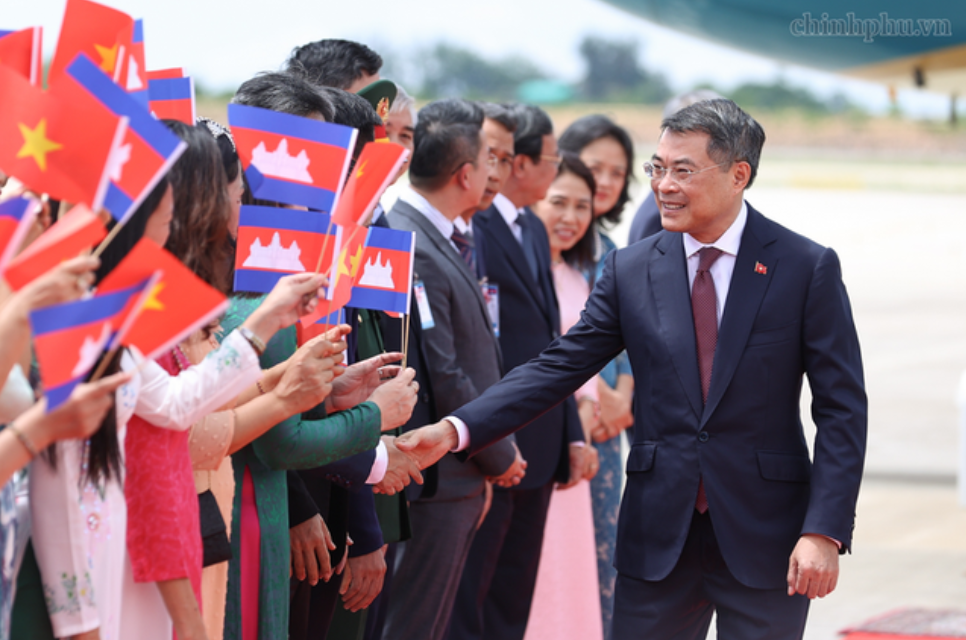
Prime Minister Le Minh Hung arrived in Phnom Penh on Friday afternoon, starting his two-day official visit to Cambodia at the invitation of Cambodian counterpart Hun Manet.
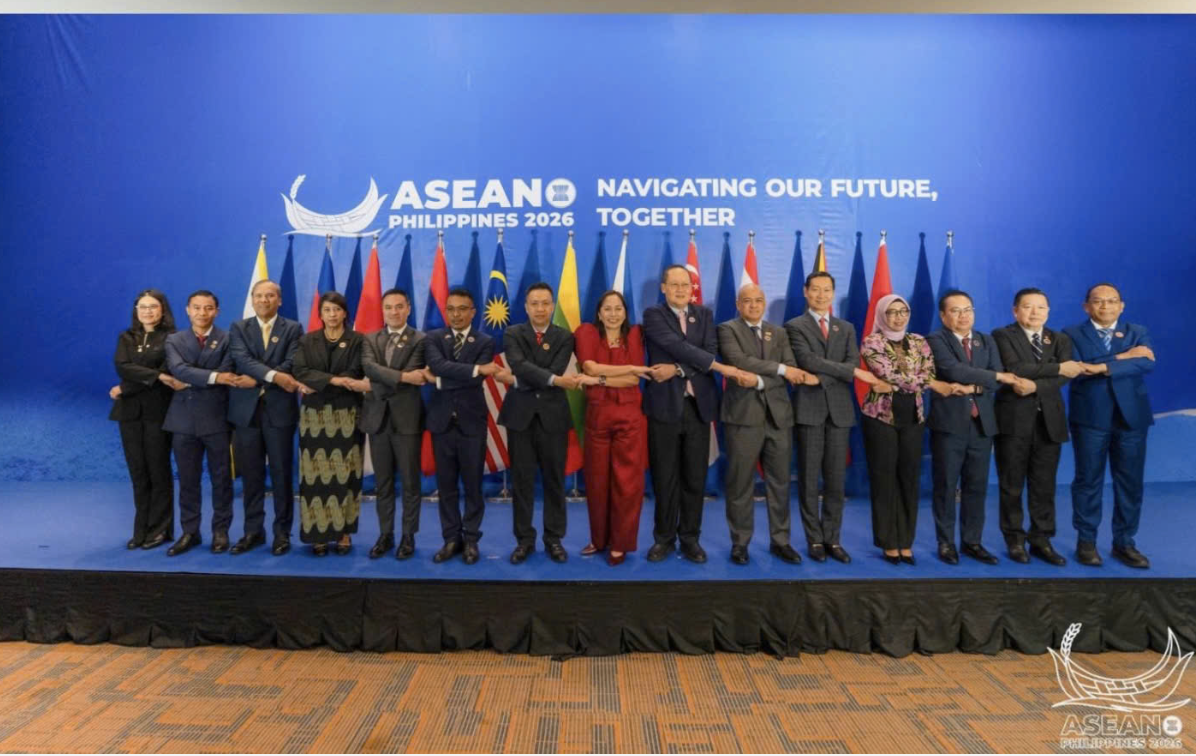
On 7 October 2026, the 44th ASEAN Ministers on Energy Meeting (AMEM 44) was held in Manila, the Philippines, under the chairmanship of Sharon S. Garin, Secretary of the Department of Energy of the Philippines. The meeting brought together energy ministers from ASEAN Member States, the Secretary-General of ASEAN, the ASEAN Centre for Energy, and representatives of ASEAN energy sector bodies and specialised networks. Deputy Minister of Industry and Trade Nguyen Viet Son led the Vietnamese delegati
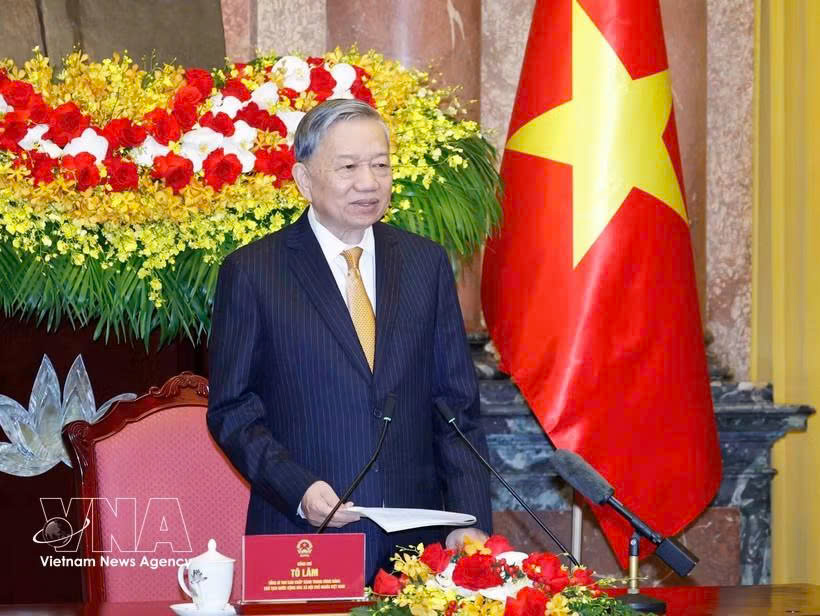
General Secretary of the Communist Party of Viet Nam Central Committee and State President To Lam, his spouse, and a high-ranking Vietnamese delegation will pay a state visit to Russia and an official visit to France, and attend the International Space Summit in Paris from September 7 to 12.