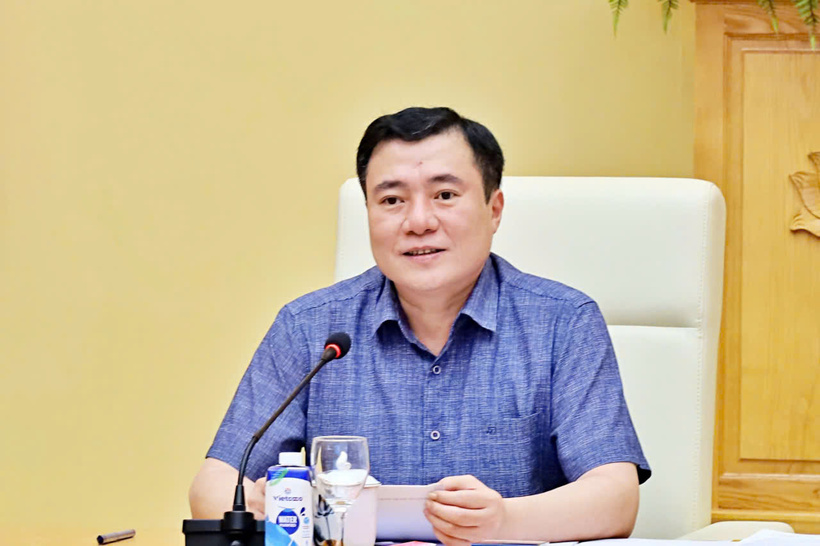
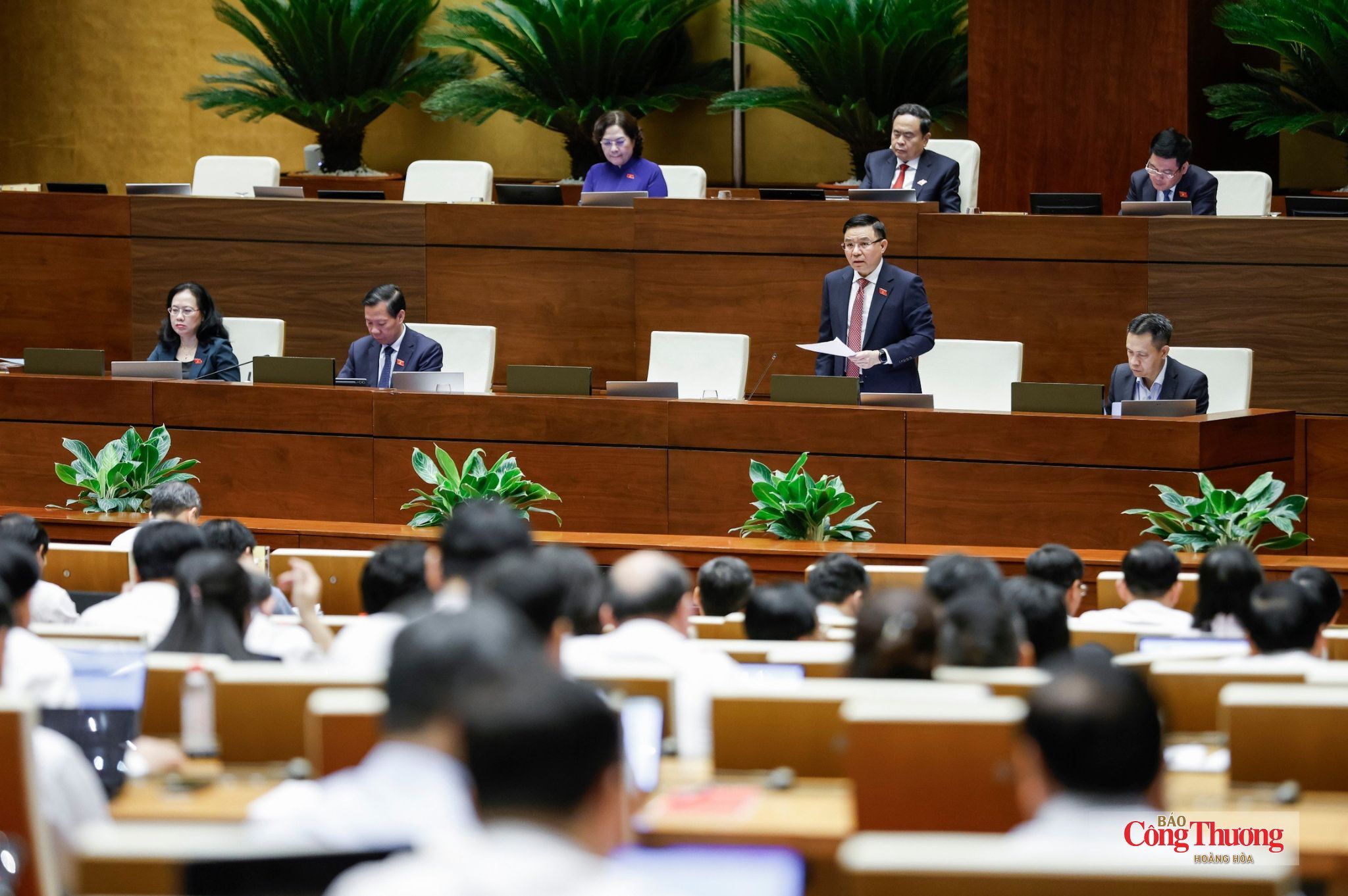
Deputy Minister Nguyen Sinh Nhat Tan outlined solutions for the industry and trade sector to sustain growth and ensure supply chain stability.
Since February 28, 2026, the US and Israel have conducted large-scale military airstrikes targeting Iran, marking a serious escalation of tensions in the Middle East. As a major exporter of consumer goods while still relying on imported fuels and energy inputs for the economy, Vietnam is likely to face notable impacts on domestic production as well as trade and exports amid increasingly complex and unpredictable global developments.
What solutions does the industry and trade sector have to achieve double-digit growth in 2026 in the face of such external headwinds? Deputy Minister of Industry and Trade Nguyen Sinh Nhat Tan, spokesperson of the Ministry of Industry and Trade (MoIT), spoke to the press on this issue.
Deputy Minister Nguyen Sinh Nhat Tan.
To achieve the target of growth of 10% or more in 2026, the MoIT has issued Plan No.1081/BCT-KHTC to implement the Government’s resolutions, including Resolution No.01/NQ-CP and Resolution No.23/NQ-CP. In the context of new global developments, such as the large-scale airstrikes by the US and Israel against Iran, which are forecast to create a high-risk environment for international transportation, trade and global supply chains, could you elaborate on the sector’s action plan to ensure the supply and demand of essential goods, particularly energy products such as petroleum and gas?
Deputy Minister Nguyen Sinh Nhat Tan: Immediately after the Government issued Resolution No.01/NQ-CP and Resolution No.23/NQ-CP, the MoIT developed Plan No.1081/BCT-KHTC to synchronously implement the assigned tasks, with the goal of both promoting growth and maintaining market stability in the context of a global economy facing many emerging risks.
When formulating the action plan and growth targets for 2026, the ministry also conducted assessments of potential impacts on the sector, including geopolitical variables.
Amid the complex developments in the Middle East, the MoIT has quickly “activated” response scenarios within the framework of Plan No.1081/BCT-KHTC. Specifically, the ministry’s actions focus on three main pillars.
First, ensuring energy security and petroleum supply, which is considered the “lifeblood” of the economy. To prevent supply disruptions caused by risks in international transportation, it is necessary to diversify import sources rather than relying heavily on a single geographical region. The ministry is encouraging key petroleum enterprises to strengthen long-term contracts with partners in Southeast Asia, Australia and the US to compensate in case transport routes through the Middle East are disrupted. At the same time, major distributors must strictly maintain mandatory commercial reserves in accordance with regulations, ensuring readiness if global supply becomes tightened. Meanwhile, domestic refineries are prioritising supply allocation for the domestic market to maintain stable production.
Second, monitoring the market and regulating the supply and demand of essential goods. As logistics costs may increase due to transport risks, there is a possibility of hoarding or speculative activities. Therefore, the market surveillance force nationwide will intensify inspections to prevent hoarding and unreasonable price hikes for essential commodities. The programme “Vietnamese people prioritise using Vietnamese goods” will also be further promoted to reduce pressure on imported products, while supporting domestic enterprises in ensuring smooth circulation of goods among regions.
Third, strengthening early warning capacity and ensuring flexible responses in supply chains. The ministry is coordinating closely with Vietnam’s trade offices abroad to continuously update market developments, enabling import-export enterprises to proactively adjust transport routes or payment methods. At the same time, flexible and close inter-agency coordination mechanisms are being implemented, including cooperation with the Ministry of Finance in managing petroleum prices in line with market mechanisms under State management.
Alongside ensuring the supply of goods, the Government has also requested measures to stabilise the market and control prices of essential commodities. How is the MoIT implementing these tasks in order to help maintain major economic balances and control inflation?
Deputy Minister Nguyen Sinh Nhat Tan: Ensuring supply in parallel with stabilising the market and controlling prices of essential goods is a consistent task of the MoIT in order to help maintain major economic balances and control inflation.
According to its assigned functions, the ministry works closely with industry associations, localities and enterprises that are members of the domestic market management task force to closely monitor supply and demand developments, particularly for sensitive and essential commodities such as petroleum, electricity, gas and steel. Based on such monitoring, appropriate solutions can be promptly proposed and implemented whenever the market shows signs of volatility.
In cases where unusual factors arise, the task force will convene ad hoc meetings to assess the situation and agree on management measures, ensuring that there are no shortages of goods, sudden price spikes or chain reactions affecting the overall price level.
Regarding price management, in accordance with the Law on Prices and relevant regulations, the MoIT coordinates closely with the Ministry of Finance in managing prices of key commodities such as electricity and petroleum in line with market mechanisms under State management, ensuring harmony among the interests of the State, enterprises and consumers. The ministry also closely monitors price developments of gas, steel and other important input materials in order to proactively propose stabilisation measures when necessary.
Through inter-agency coordination mechanisms, realistic forecasting and flexible management, the MoIT contributes to effectively controlling cost-push inflation, stabilising market sentiment and maintaining macroeconomic stability, thereby laying the foundation for sustainable growth.
Regarding import-export activities, the industry and trade sector aims for high growth, targeting trade turnover of “one trillion USD”. What are the key solutions to achieve this target in the current context?
Deputy Minister Nguyen Sinh Nhat Tan: In order to move towards the target of “one trillion USD” in import-export turnover in the context of uncertainties in 2026, the MoIT has identified the need to implement synchronised groups of solutions aimed at market development, strengthening the internal capacity of production and effectively utilising international integration commitments, with a proactive, flexible and determined approach.
First, efforts must focus on removing difficulties for enterprises and promoting domestic production in order to create high-quality export supply. As the global economy gradually recovers, inflation is brought under control and market demand shows signs of improvement, ensuring production capacity and accelerating the progress of key projects in industry, energy and transport infrastructure will create significant room for export expansion. At the same time, developing supporting industries, increasing localisation rates and proactively securing raw material supply will help enterprises enhance value added, reduce dependence on imports and improve competitiveness.
Second, export markets must be diversified and developed in a sustainable direction. Amid intensifying strategic competition among major powers and increasingly complex protectionist measures and technical barriers, Vietnam should continue to effectively exploit key markets such as the US, China, and the EU, while expanding into other potential markets. At the same time, early warning capacity should be strengthened to proactively respond to trade defence cases and prevent origin fraud, thereby protecting the reputation and legitimate interests of Vietnamese goods.
Third, it is necessary to closely monitor global economic and political developments as well as trade policies of major partners in order to make timely recommendations and responses. In the context where US tariff policies may change and geopolitical tensions continue to escalate in certain regions, risks of supply chain disruptions and commodity price volatility remain. The MoIT will strengthen market analysis and forecasting, proactively advise the Government on flexible policy responses and recommend that enterprises adjust production plans, markets and transaction methods in accordance with different scenarios. Enhancing early warning capacity and ensuring timely policy responses will be key factors in minimising risks and maintaining growth momentum.
Fourth, Vietnam must maximise the benefits of the free trade agreements it has signed. Effective implementation of commitments, timely internalisation of regulations and improving enterprises’ understanding of rules of origin, technical standards and tariff commitments will enable businesses to better utilise preferential treatment. At the same time, efforts will continue to study and promote negotiations of new FTAs and trade agreements in order to expand market space and create additional long-term growth momentum.
Fifth, digital transformation and the development of e-commerce and logistics will be promoted. Cross-border e-commerce exports are opening new distribution channels, particularly for small and medium-sized enterprises. At the same time, implementing the new logistics service development strategy, strengthening trade facilitation, simplifying administrative procedures and applying digitalisation in licensing and certificate-of-origin management will help reduce costs and enhance national competitiveness.
Sixth, trade promotion activities will be renewed with clear priorities, while digital transformation in trade promotion will be accelerated. The role of Vietnam’s trade offices abroad will also be strengthened in order to support enterprises in expanding markets and promoting exports to both traditional markets and new markets with strong potential.
Achieving export growth of about 15 - 16% in 2026 will require strong determination and close coordination among all levels, sectors and the business community. With proactive monitoring of global developments, flexible management, stronger internal capacity and effective utilisation of international integration, the industry and trade sector will accompany localities and enterprises to realise high growth targets in 2026 and the following period.
There have already been initial difficulties in import-export activities, particularly disruptions in international transport and logistics such as cancelled cargo flights and shipping routes. What actions has the MoIT taken to support enterprises and industry associations, and what are the plans going forward?
Deputy Minister Nguyen Sinh Nhat Tan: In order to respond to and mitigate the negative impacts of tensions between the US, Israel and Iran on cargo transportation involving Vietnamese enterprises, on March 1, 2026, the MoIT issued Official Dispatch No.229/XNK-TLH providing recommendations for businesses.
Enterprises are advised to closely monitor developments in the Middle East, particularly information from the Ministry of Foreign Affairs, the MoIT and reputable media outlets, in order to assess risks in a timely manner.
They should review contract terms carefully, especially provisions relating to freight rates, delivery schedules, insurance and force majeure clauses, so as to anticipate possible scenarios.
Businesses are also encouraged to diversify markets and partners, avoiding excessive dependence on a single market or transport route, and actively seek alternative markets and logistics partners with less risky routes.
Enterprises should prepare contingency plans for supply chains, including identifying alternative raw material suppliers and transport routes to minimise disruption risks.
Where feasible, businesses should consider alternative transport solutions such as international intermodal rail transport for certain markets or a combination of transport modes to optimise costs and delivery times.
They should maintain regular communication with import partners to update them on the situation and jointly seek optimal solutions.
Enterprises should also work closely with shipping lines, airlines and freight forwarders to obtain clear information on routes, expected transit times and possible surcharges.
In addition, businesses are advised to consider purchasing broader cargo insurance coverage, including risks related to war and terrorism, and remain cautious about exchange rate fluctuations caused by oil price volatility and global economic developments.
When encountering difficulties or requiring support, enterprises may contact MoIT units such as the Agency of Foreign Trade, the Asia - Africa Market Department, Vietnam’s trade offices abroad or Vietnamese embassies in relevant regions for timely consultation and assistance.
In the coming period, the MoIT will continue to implement several tasks. These include coordinating closely with the Ministry of Construction, including the Vietnam Maritime and Inland Waterways Administration and the Civil Aviation Authority of Vietnam, as well as with the Ministry of Foreign Affairs’ Asia-Africa Department, to monitor developments and advise ministry leaders and report to the Prime Minister on issues beyond the ministry’s authority.
The ministry will also coordinate with the Vietnam Logistics Business Association, ship owners’ associations, logistics enterprises and shipping lines to provide solutions supporting import-export businesses amid rising freight rates and shortages of empty containers, ensuring that there are no shortages or difficulties in booking cargo space.
In addition, the MoIT will coordinate with media agencies and relevant authorities to promptly update information and disseminate timely and accurate recommendations to the business community.
Two of the three traditional growth pillars, along with new growth drivers under the management of the MoIT, are closely linked to domestic market development. In the context of increasingly complex global developments, how does the ministry assess the role of the domestic market as well as proactive sourcing of raw materials and fuels from within the country? What are the key solutions for this pillar in both the short and long term?
Deputy Minister Nguyen Sinh Nhat Tan: In recent years, the global economy has faced major shocks such as the COVID-19 pandemic, the Russia - Ukraine conflict, the US - China trade tensions and more recently new geopolitical uncertainties. In that context, the domestic market has proven to be a “stabilising pillar” and an important buffer for the economy when the export sector encounters difficulties.
With a population of more than 100 million people and contributing about 62% to annual GDP growth, the domestic market not only offers vast development potential but also represents a strategic growth driver in the coming period. At the same time, proactively securing raw materials and fuels from domestic sources plays a particularly important role in enhancing economic self-reliance, reducing the risk of supply chain disruptions and strengthening the foundation for sustainable growth.
From this perspective, the MoIT has identified domestic market development as one of the key pillars, supported by a comprehensive system of solutions for both the short and long term.
In the short term, the ministry focuses on stimulating consumption, supporting enterprises in expanding markets and ensuring stable supply and demand of essential goods. On August 22, 2025, the MoIT issued a decision approving the domestic market development programme for the 2025 - 2027 period, aimed at stimulating consumption, promoting modern and sustainable trade and further promoting the campaign “Vietnamese people prioritise using Vietnamese goods”. The objective is not only to promote domestic consumption but also to build the brand of Vietnamese goods, protect consumer rights and maintain macroeconomic stability.
The ministry also places emphasis on developing border trade, particularly with Cambodia, through the project under Decision No.2162/QD-BCT dated July 25, 2025. It has coordinated with the Cambodian Ministry of Commerce and localities such as Tay Ninh and An Giang to organise business networking conferences among Vietnamese and Cambodian producers, distributors and logistics enterprises, thereby expanding market space for Vietnamese goods.
At the same time, the ministry has developed and submitted to the Government a resolution on promoting domestic market development and stimulating consumption, assigning specific responsibilities to ministries, sectors and localities to ensure unified implementation nationwide.
In the long term, the MoIT focuses on modernising commercial infrastructure and strengthening the economy’s self-reliance.
Key measures include effectively implementing the strategy for the development of Vietnam’s retail market to 2030 with a vision to 2050; developing modern distribution systems combined with traditional channels; expanding convenience store chains and regional Vietnamese goods centres to facilitate deeper integration of Vietnamese products into retail networks.
Traditional markets will also be upgraded to ensure hygiene and fire safety standards while applying digital technologies and integrating modern retail models in large-scale markets.
The logistics service development strategy for the 2025 - 2035 period will be implemented to develop regional logistics centres, strengthen supply chain connectivity and apply technologies such as AI, Blockchain, IoT and Big data analytics to optimise operations.
The ministry will promote e-commerce development, supporting enterprises, cooperatives and production households in bringing products onto digital platforms, developing a “standardised digital Vietnamese goods store” and providing digital skills training, with the goal of achieving e-commerce growth of over 25.5% in 2025.
Enterprises will also be supported in accessing credit and tax policies consistent with international commitments. Priority will be given to businesses with high localisation rates, clear product traceability and compliance with green and ESG standards, while retail enterprises will be encouraged to expand networks into rural, mountainous and island areas.
Large-scale promotional programmes, trade fairs and exhibitions such as “Vietnamese goods month”, Vietnamese goods, OCOP (One Commune, One Product) weeks and green fairs will be organised in order to promote sustainable consumption.
The ministry is also implementing the “Vibrant Vietnamese Goods” exhibition and livestream space at 62 Trang Tien street, Hoan Kiem ward, Hanoi, to support Vietnamese enterprises in introducing, promoting and selling products that are 100% made in Vietnam through both e-commerce platforms and direct retail at the Trang Tien luxury shopping street.
At the same time, the ministry will closely monitor market developments, proactively prepare price stabilisation measures for essential goods and intensify efforts to combat smuggling, trade fraud and counterfeit goods, particularly for products that directly affect people’s health.
It can be affirmed that in the context of a volatile global economy, the domestic market is not only a stabilising pillar of growth but also a foundation for enhancing the economy’s self-reliance. Strengthening the domestic market, proactively securing raw material sources and consolidating modern distribution systems are fundamental solutions for Vietnam to maintain sustainable growth in both the short and long term.
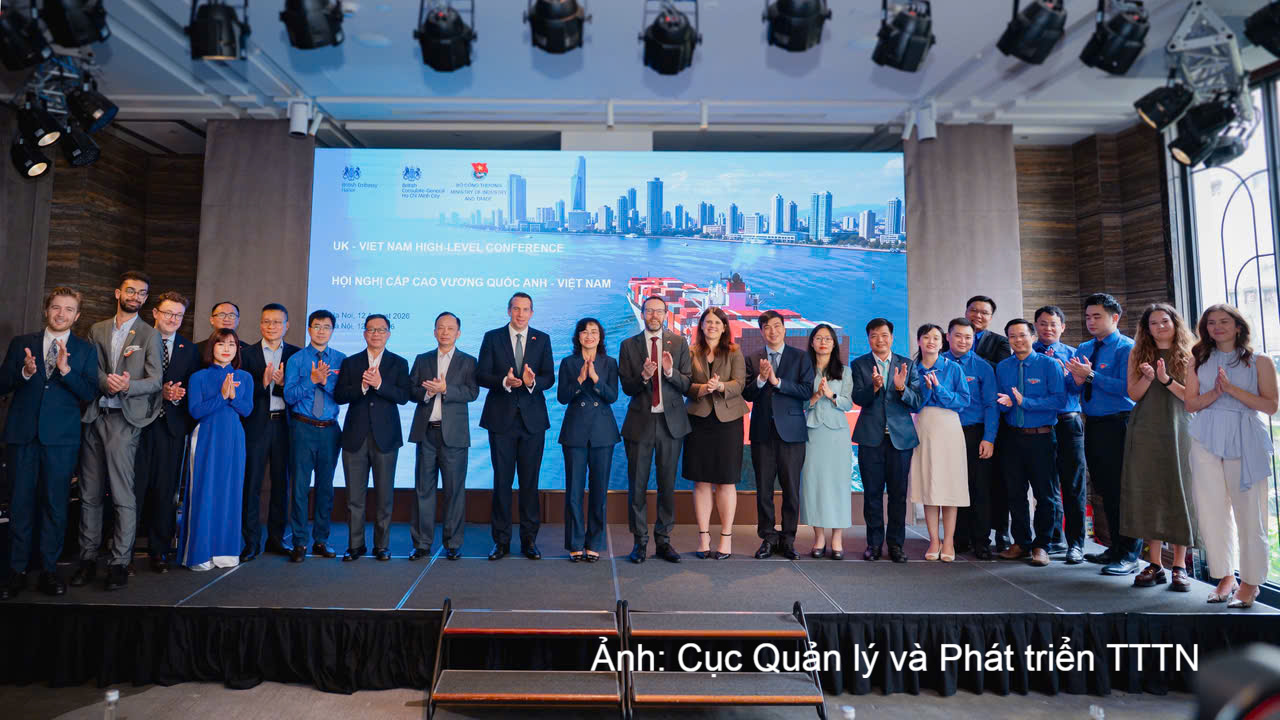
The 2026 UK - Viet Nam Summit was held in Ha Noi on August 12, focusing on fields that are creating new momentum for growth, including artificial intelligence (AI), financial technology, crypto assets, commodity derivatives markets and logistics.
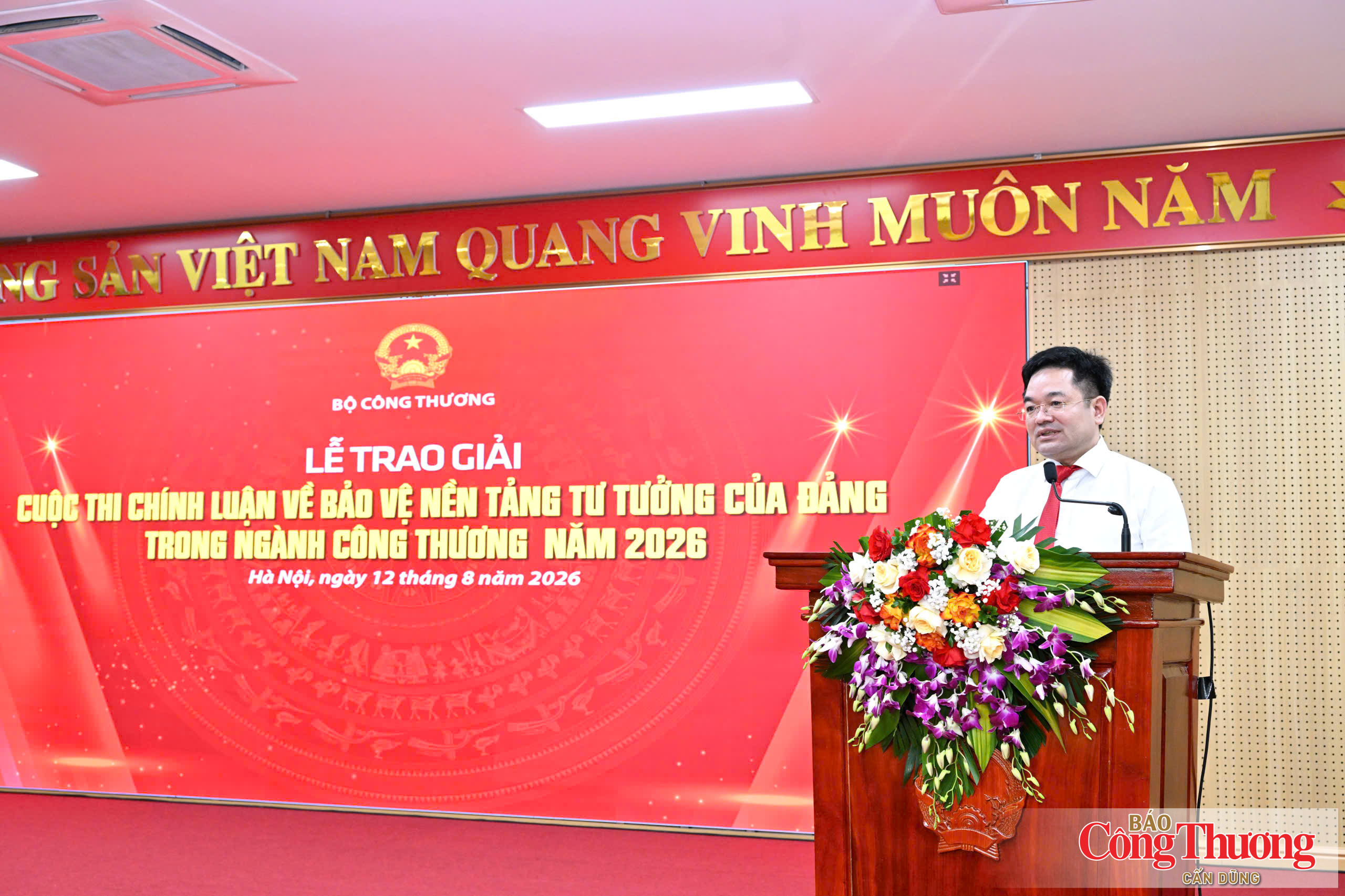
Editor-in-Chief of the Industry and Trade Newspaper Nguyen Van Minh said distorted narratives are defeated by counterarguments and undeniable realities when Party members perform their duties well too.
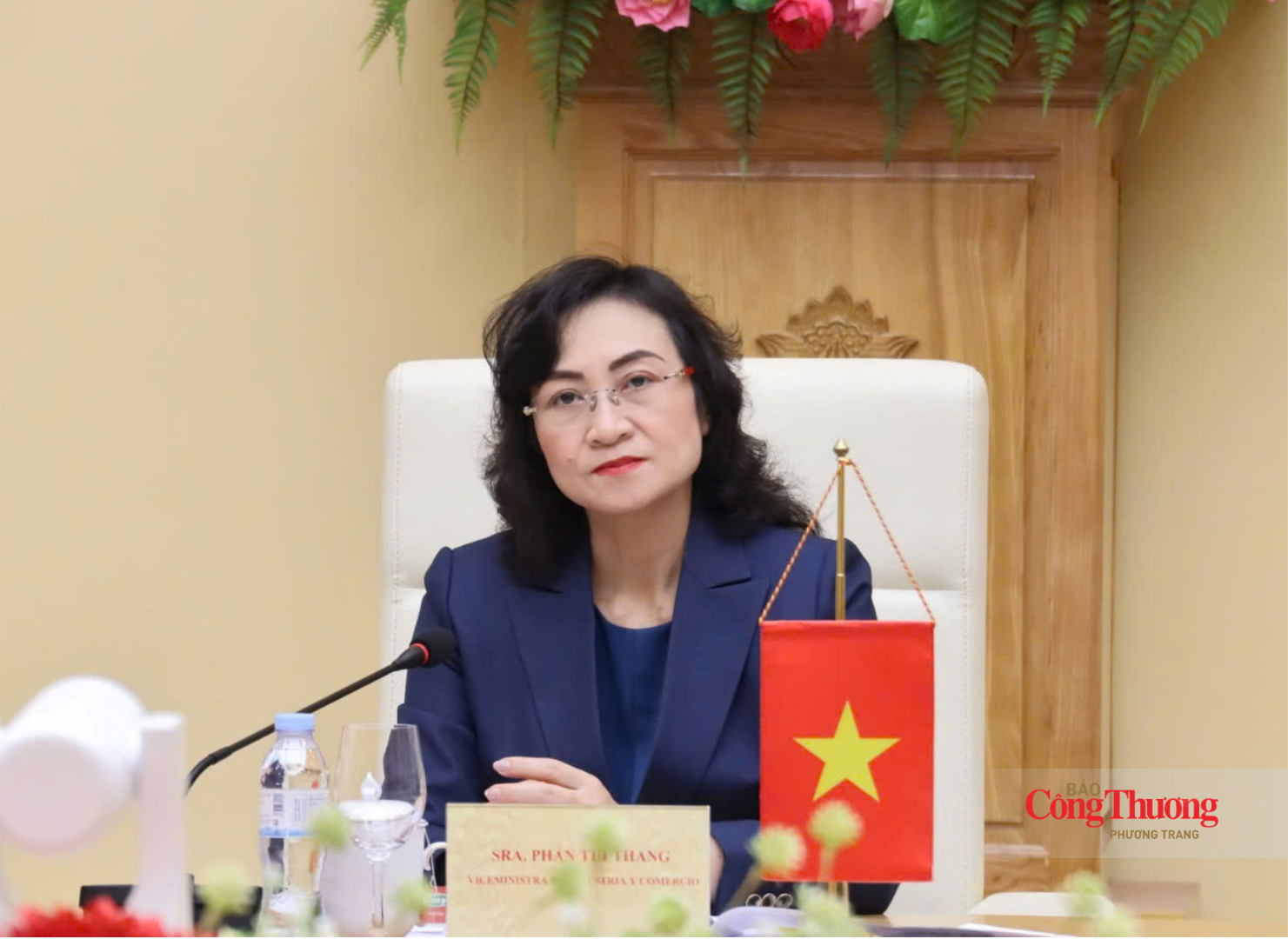
On August 12, Deputy Minister of Industry and Trade Phan Thi Thang held an online working session with Andrea Corao Faria, Venezuela's Deputy Minister for Asia, the Middle East and Oceania at the Ministry of Foreign Affairs and Foreign Trade.
Viet Nam and Australia are deepening energy and minerals cooperation strengthening supply chains, investment and support for the energy transition in both countries.
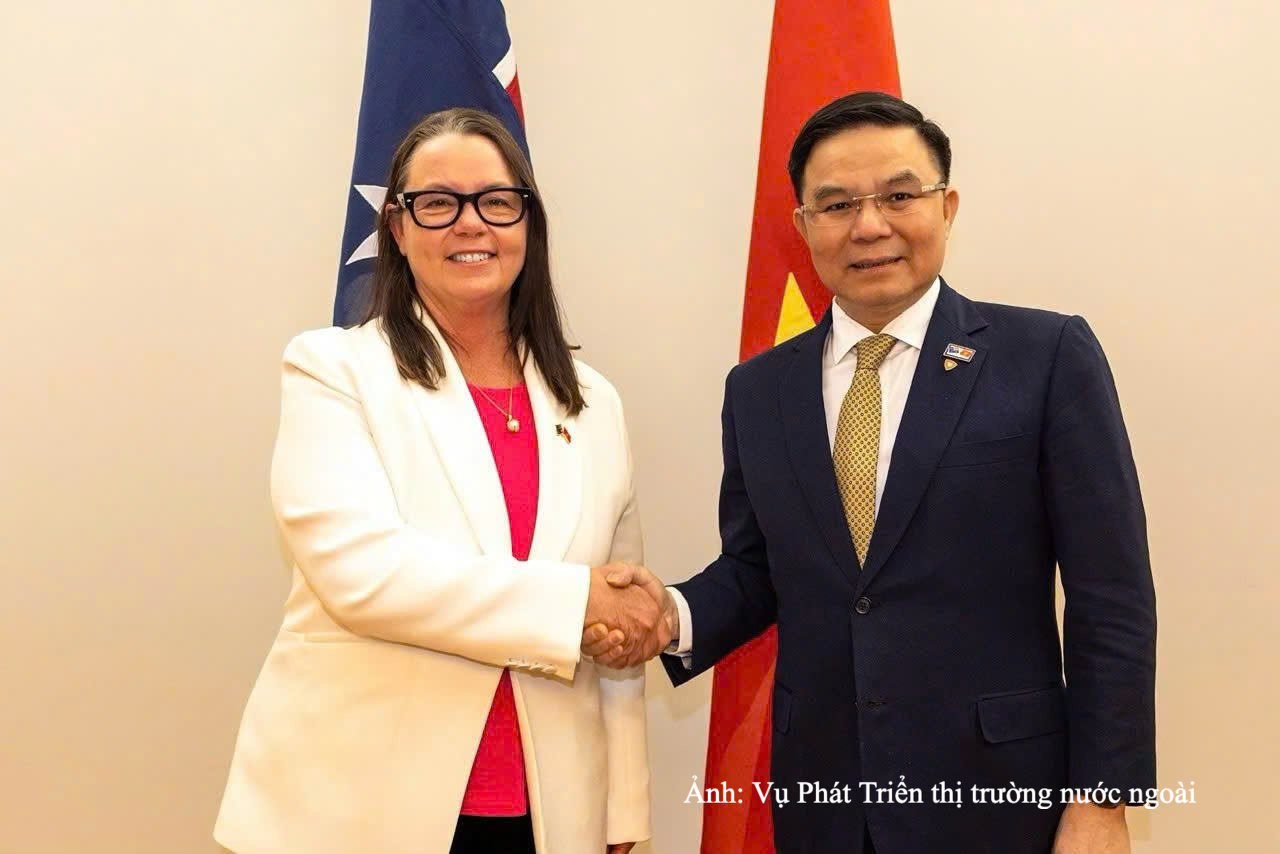
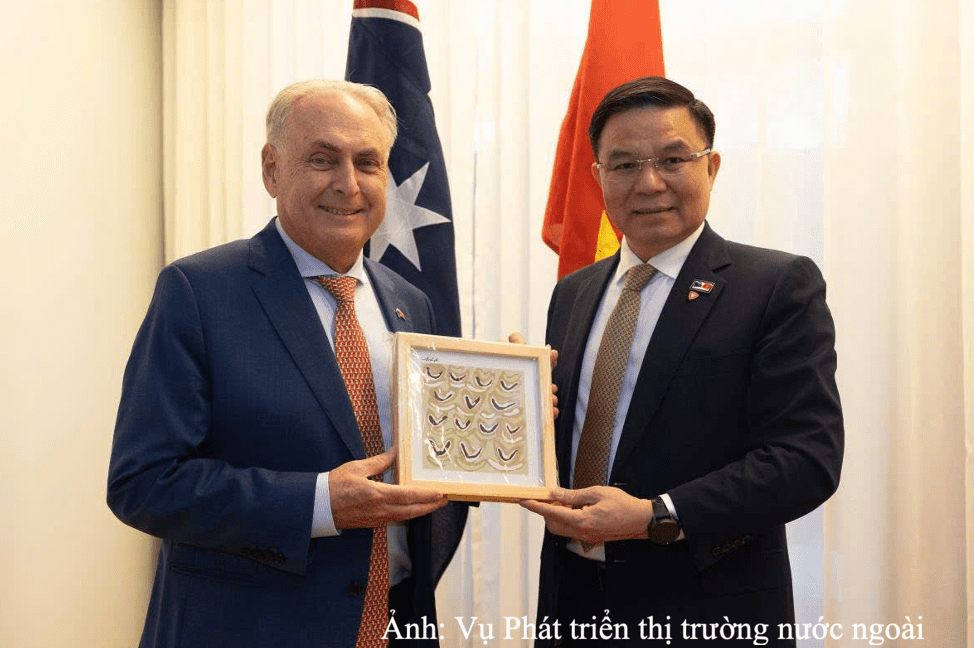
During his working trip accompanying Party General Secretary and State President To Lam on a State visit to Australia, Minister of Industry and Trade Le Manh Hung held a bilateral meeting with Australian Minister for Trade and Tourism Don Farrell in Canberra on August 11 (local time), to discuss measures to promote economic and trade relations between the two countries.
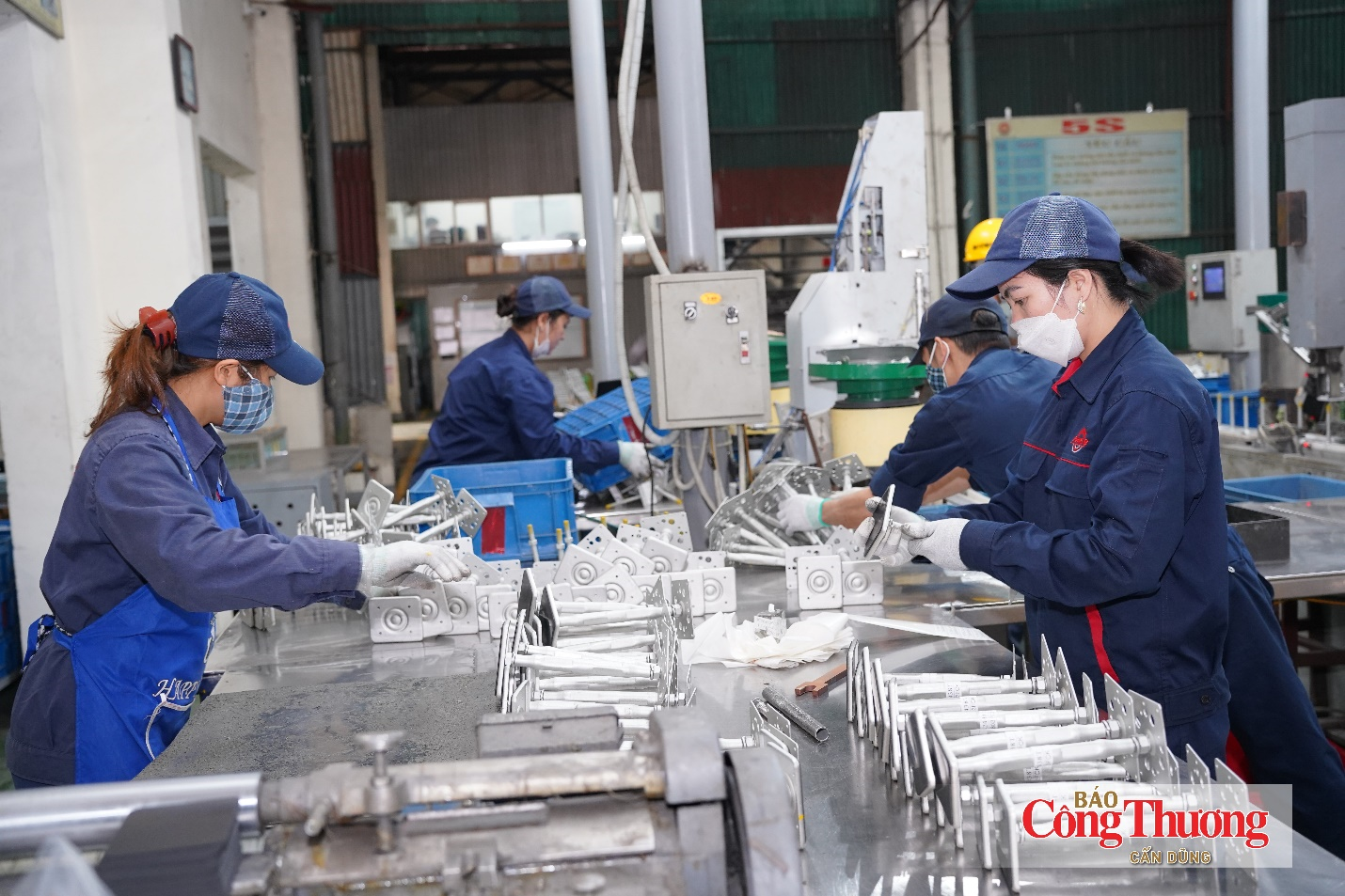
Viet Nam’s manufacturing industry must move beyond processing and assembly, master technology, raise localization and generate higher value across production chains.
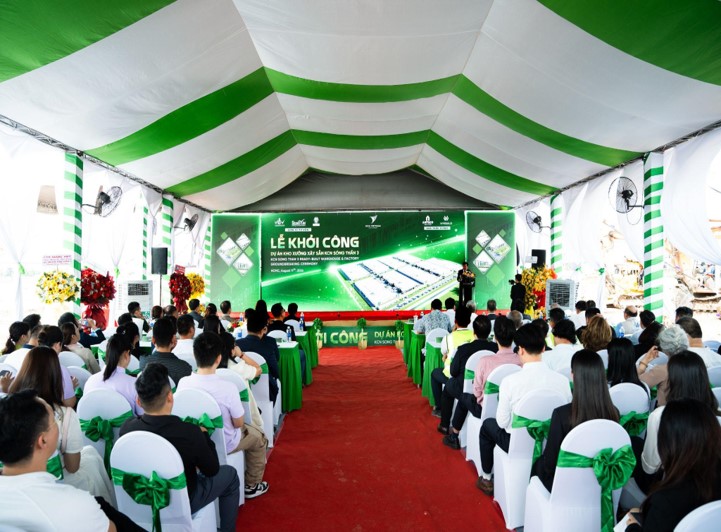
KCN Vietnam has broken ground on its 21.9-hectare Song Than 3 project in Ho Chi Minh City, adding over 130,000 sqm of LEED-standard industrial space to the market.
MoIT leader Le Manh Hung clarified major issues in the revised Petroleum Law, including decentralisation, investment incentives, CCS and offshore energy development.
The Netherlands offers strong opportunities for Vietnamese firms to enter manufacturing supply chains, but meeting strict market standards remains a major challenge.
As Vietnam advances its energy transition, battery energy storage systems (BESS) are emerging as a key solution for enhancing grid flexibility, increasing the integration of renewable energy and strengthening energy security.