Saving electricity and fuel is emerging as a new pillar of energy security, alongside supply assurance, amid rising geopolitical volatility.
A new perspective on energy security
On March 26, the Asia-Pacific Economic Review hosted a seminar titled “Ensuring Vietnam’s energy security amid conflicts and geopolitical volatility in the Middle East.”
At the event, Tran Quoc Khanh, Standing Member of the Prime Minister’s Policy Advisory Council and former Deputy Minister of Industry and Trade, noted that geopolitical turbulence in the Middle East has been exerting significant impacts on global energy security, including Vietnam.
According to him, Vietnam’s efforts to ensure energy security in the current geopolitical context face multiple challenges. These include bottlenecks in energy infrastructure, particularly the power transmission grid, alongside the high technological and financial demands of transitioning to greener, cleaner energy. Vietnam’s commitment to achieving net-zero emissions by 2050 further necessitates a comprehensive and well-structured transition roadmap.
“The combination of internal challenges and Middle East conflicts is testing the resilience, adaptability, and autonomy of Vietnam’s energy system,” he said.
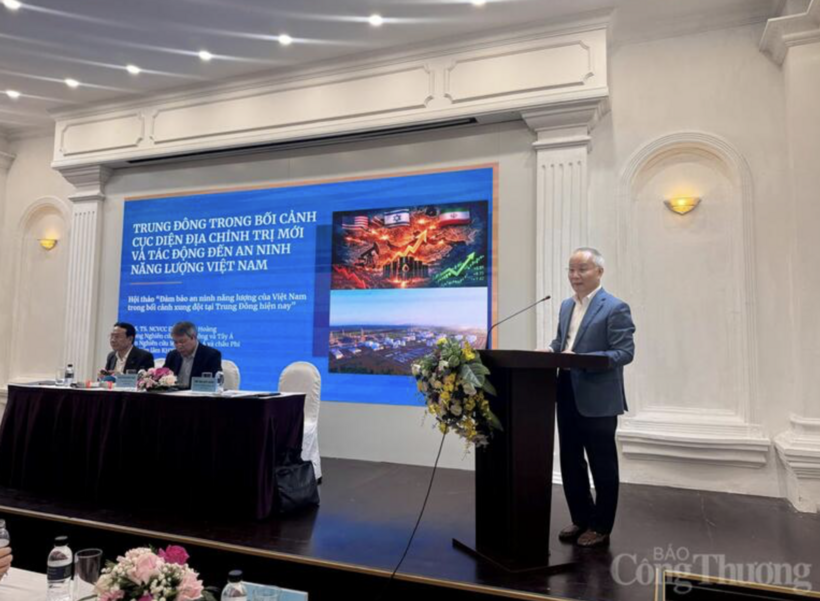
Tran Quoc Khanh, Standing Member of the Prime Minister’s Policy Advisory Council and former Deputy Minister of Industry and Trade, said ensuring energy security must also focus on demand through electricity and fuel-saving measures.
Importantly, he emphasized the need to rethink energy security from a broader perspective. While it was once defined primarily by the ability to secure sufficient supply at reasonable costs, today’s concept must be more comprehensive, encompassing autonomy, flexibility, and sustainability.
“This means not only having enough energy, but ensuring it is safe, stable, resilient to external shocks, and aligned with sustainable development goals. Focusing solely on supply is insufficient; we must also pay attention to demand, particularly through energy-saving measures, including electricity and fuel conservation,” he stressed.
Sharing this view, Ta Dinh Thi, Vice Chairman of the National Assembly’s Committee for Science, Technology and Environment, said that energy security in the current context is no longer just about supply adequacy, but about ensuring national energy security in a manner that is autonomous, flexible, equitable, inclusive, and sustainable in an increasingly uncertain world.
Proposing solutions, Thi argued that external uncertainties should be transformed into internal drivers for accelerating strategic policymaking.
“This is the moment not only to respond, but to enhance national self-reliance and resilience,” he said.
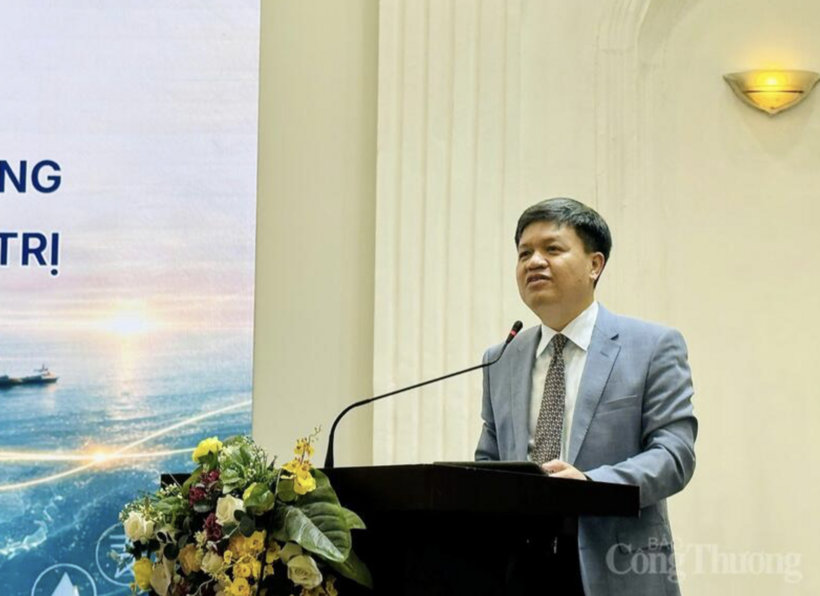
Ta Dinh Thi, Vice Chairman of the National Assembly’s Committee for Science, Technology and Environment, outlined multiple solutions to ensure autonomous, flexible and equitable national energy security.
To achieve this, he underscored the need for a shift in development thinking. The 14th National Party Congress identified institutional reform as a strategic breakthrough. In the energy sector, this entails completing a coherent and feasible legal framework and gradually eliminating the “ask - give” mechanism in planning and investment.
Special, breakthrough mechanisms are also needed to attract socialized resources, particularly for key energy projects such as offshore wind and LNG power, thereby reducing pressure on the state budget while enhancing autonomy. The guiding principle, he noted, should be “daring to think, daring to act, and daring to take responsibility for the common good,” as consistently emphasized in Party documents.
Second, regarding the energy mix, Thi called for accelerating green and digital transitions in a systematic manner. The Political Report of the 14th Party Congress identified science and technology, innovation, and digital transformation as primary growth drivers, an imperative that is even more urgent in the energy sector.
At the same time, energy transition must be regarded as a pillar of energy security not only to fulfill international commitments but also to reduce dependence on imported fossil fuels, which are highly vulnerable to geopolitical disruptions.
“Vietnam has significant potential in renewable energy. We must capitalize on this advantage and develop clean energy hubs to generate new, sustainable growth drivers,” he suggested.
Advancing energy diplomacy
Dinh Cong Hoang, Associate Professor and Head of the Middle East and West Asia Studies Division at the Institute for South Asian, West Asian and African Studies, outlined short - medium and long-term solutions. In the short term, particularly in 2026, he emphasized the need to “lock in” supply and stabilize expectations.
He elaborated that energy diplomacy should be prioritized, including diversifying crude oil and refined product imports, conducting flexible negotiations with partners outside conflict zones, and maintaining parallel communication channels among the government, enterprises, and strategic suppliers.
Second, macroeconomic stability must be ensured through coordinated management of fuel prices, exchange rates, foreign currency, and working capital credit for key enterprises, alongside targeted tax and fee reductions if price shocks persist.
Third, export supply chains should be managed proactively by encouraging negotiations that reduce shipping risks, adjusting logistics routes, increasing raw material reserves, and selectively utilizing air cargo.
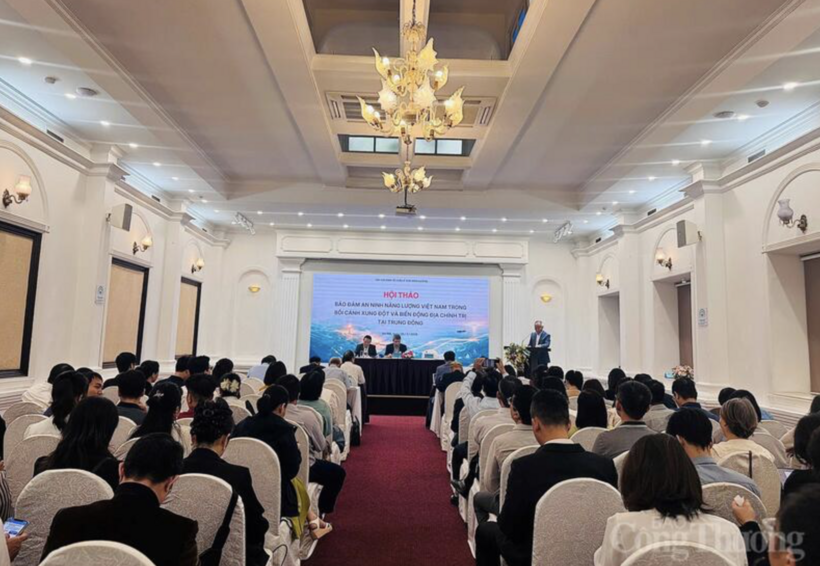
Overview of the seminar “Ensuring Vietnam’s energy security amid conflict and geopolitical volatility in the Middle East.”
In the medium term, he proposed accelerating the construction of strategic petroleum reserves, transforming short-term buffers into tools for market intervention, enhancing the flexibility of refineries, and establishing comprehensive energy-logistics risk monitoring mechanisms.
He stressed that developing underground strategic storage networks would not only provide a physical shield against maritime disruptions, such as those affecting the Strait of Hormuz, but also equip the government with economic tools to regulate and stabilize the domestic market, moving toward a model similar to that of the International Energy Agency.
In the long term, structural transformation, green transition, and the advent of nuclear power will form key pillars. A landmark development has recently taken place: on March 23, 2026, during an official visit to Russia, Prime Minister Pham Minh Chinh and Russian Prime Minister Mikhail Mishustin witnessed the signing of an intergovernmental agreement on cooperation in building a nuclear power plant in Vietnam.
The decision to restart the Ninh Thuan 1 nuclear power project, planned for Phuoc Dinh commune after a decade marks Vietnam’s transition from exploration to readiness. A key element of the project is the selection of the advanced VVER-1200 reactor technology developed by Russia’s state-owned Rosatom.
This strategic solution is expected to shield Vietnam from maritime supply disruptions and extreme price volatility of fossil fuels such as coal and LNG imports from the Middle East, while supporting net-zero commitments and enhancing the country’s attractiveness for foreign direct investment, particularly in the semiconductor sector.
Alongside nuclear power, the development of renewable energy under the Power Development Plan VIII (PDP8) remains a critical pillar.
Taken together, Vietnam is building a robust, multi-layered energy security architecture. This foundation of self-reliant energy security will serve as a springboard for the economy to withstand global shocks, ensure sustainable development, and reinforce the country’s independence and autonomy in a new geopolitical era.
On October 13, the Agency of Foreign Trade under the Ministry of Industry and Trade (MoIT) held a conference in Dong Thap province to disseminate Government Decree No.365/2026/ND-CP dated September 23, 2026, on rice export and import business, and Circular No.65/2026/TT-BCT dated October 1, 2026, issued by the Minister of Industry and Trade, detailing certain provisions and measures for implementing Decree No.365/2026/ND-CP.
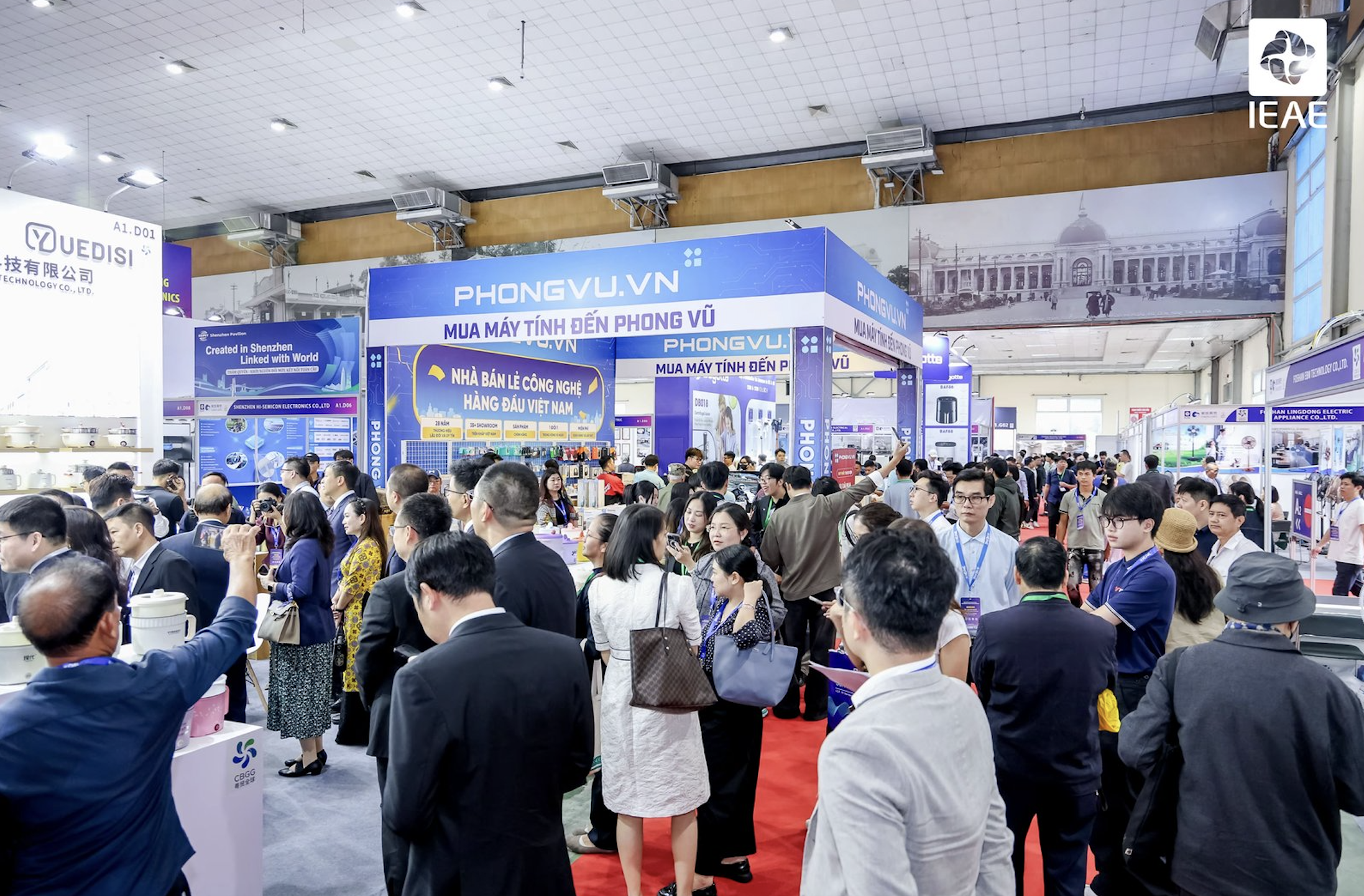
IEAE Hanoi 2026 will gather over 300 exhibitors, showcasing electronics, smart appliances and connecting businesses with sourcing and trade opportunities in Vietnam.
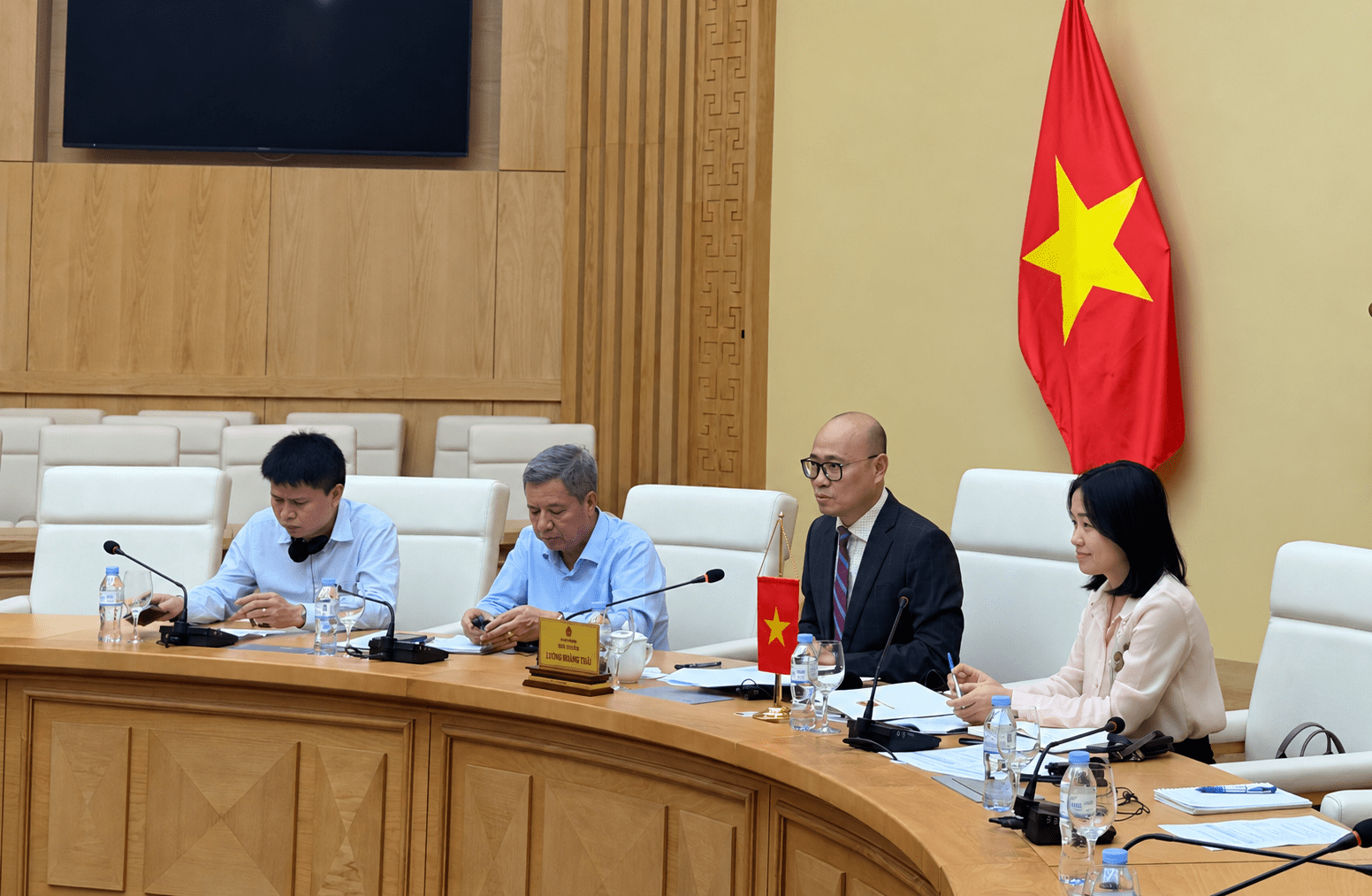
On October 13, Deputy Minister of Industry and Trade Luong Hoang Thai held a working session with MEDEF International, a French business organization, and representatives of French corporations operating in various sectors, including energy, industry, transport, construction and infrastructure development, food and beverages, and services, at the Ministry of Industry and Trade's headquarters.
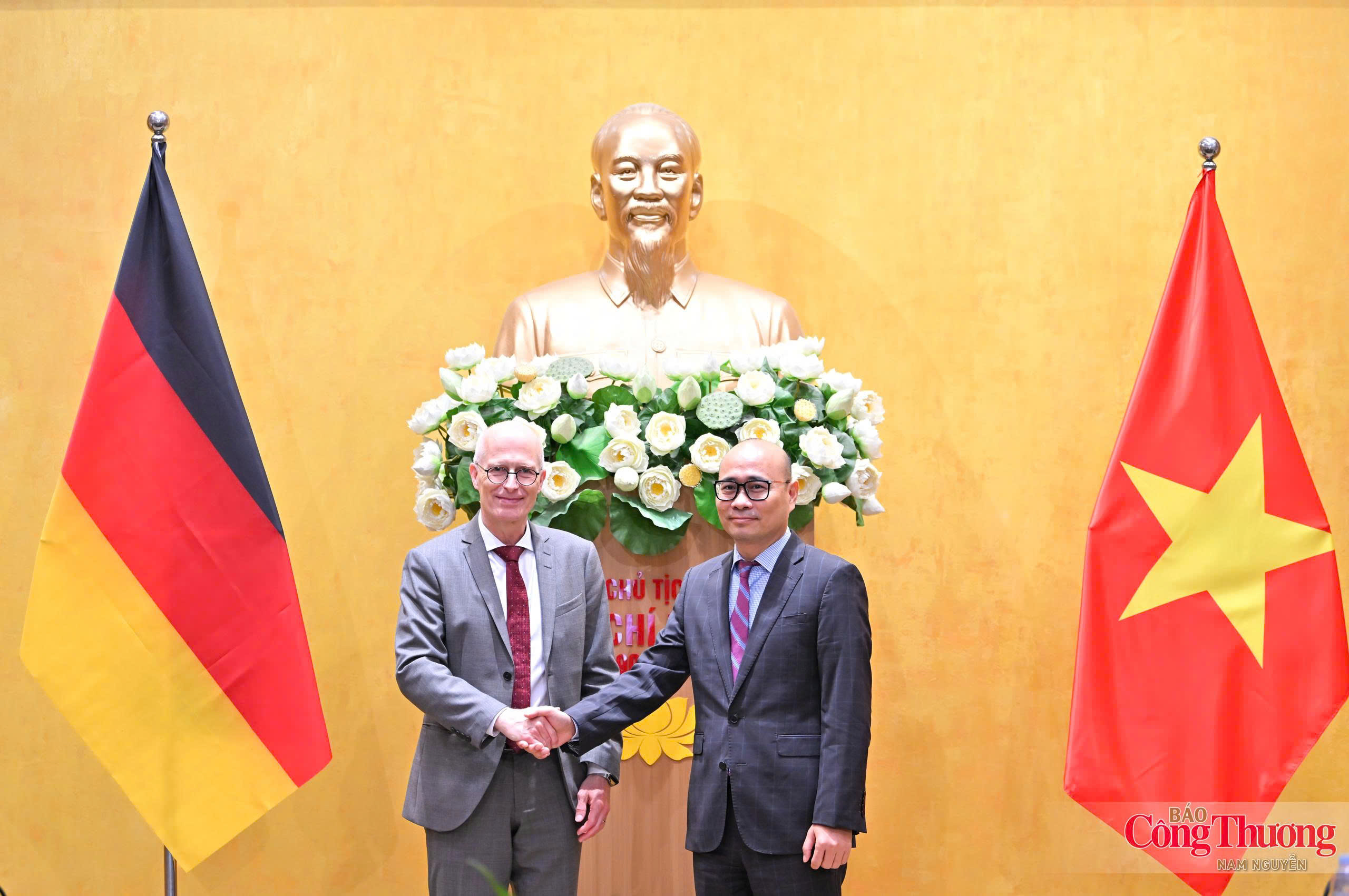
On October 14, Deputy Minister of Industry and Trade Luong Hoang Thai received and held a working session with a delegation from Hamburg, Germany, led by the city's First Mayor Peter Tschentscher at the Ministry of Industry and Trade's headquarters.
The Copyright Office is working closely with relevant agencies to develop plans for inspections and enforcement action against copyright and related rights infringements in the digital environment.
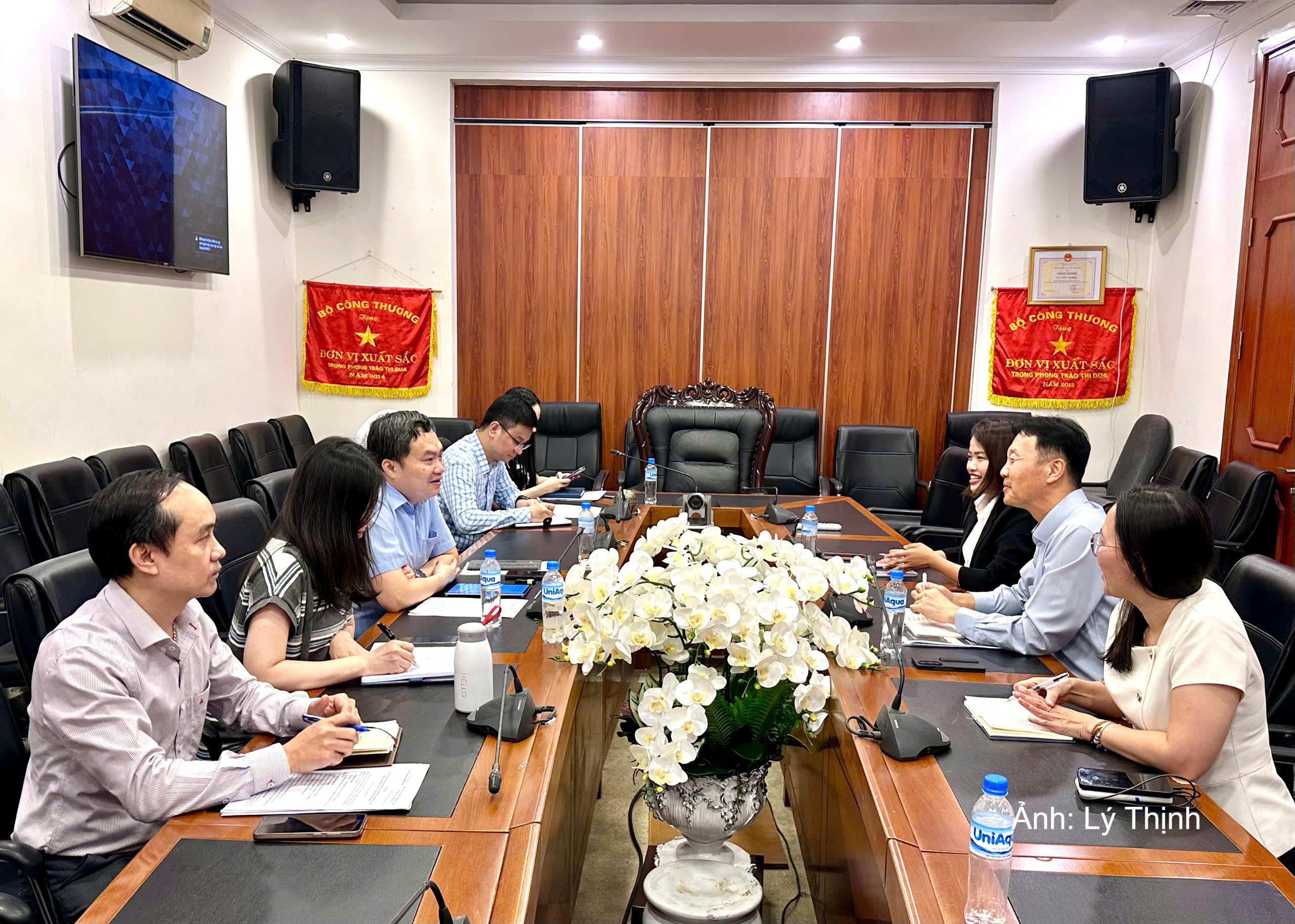
The Vietnam Industry Agency under the Ministry of Industry and Trade and Samsung Vietnam continue to strengthen cooperation in developing supporting industries, enhancing the capabilities of domestic enterprises and expanding opportunities for their participation in global supply chains.
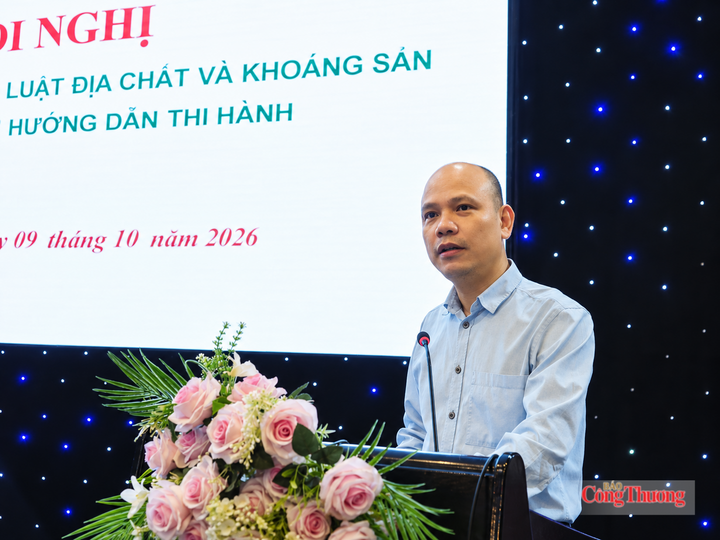
On October 9, the Viet Nam Department of Geology and Minerals, in coordination with the Thai Nguyen Department of Industry and Trade, held a conference in Thai Nguyen province to disseminate the Law on Geology and Minerals and its implementing regulations.
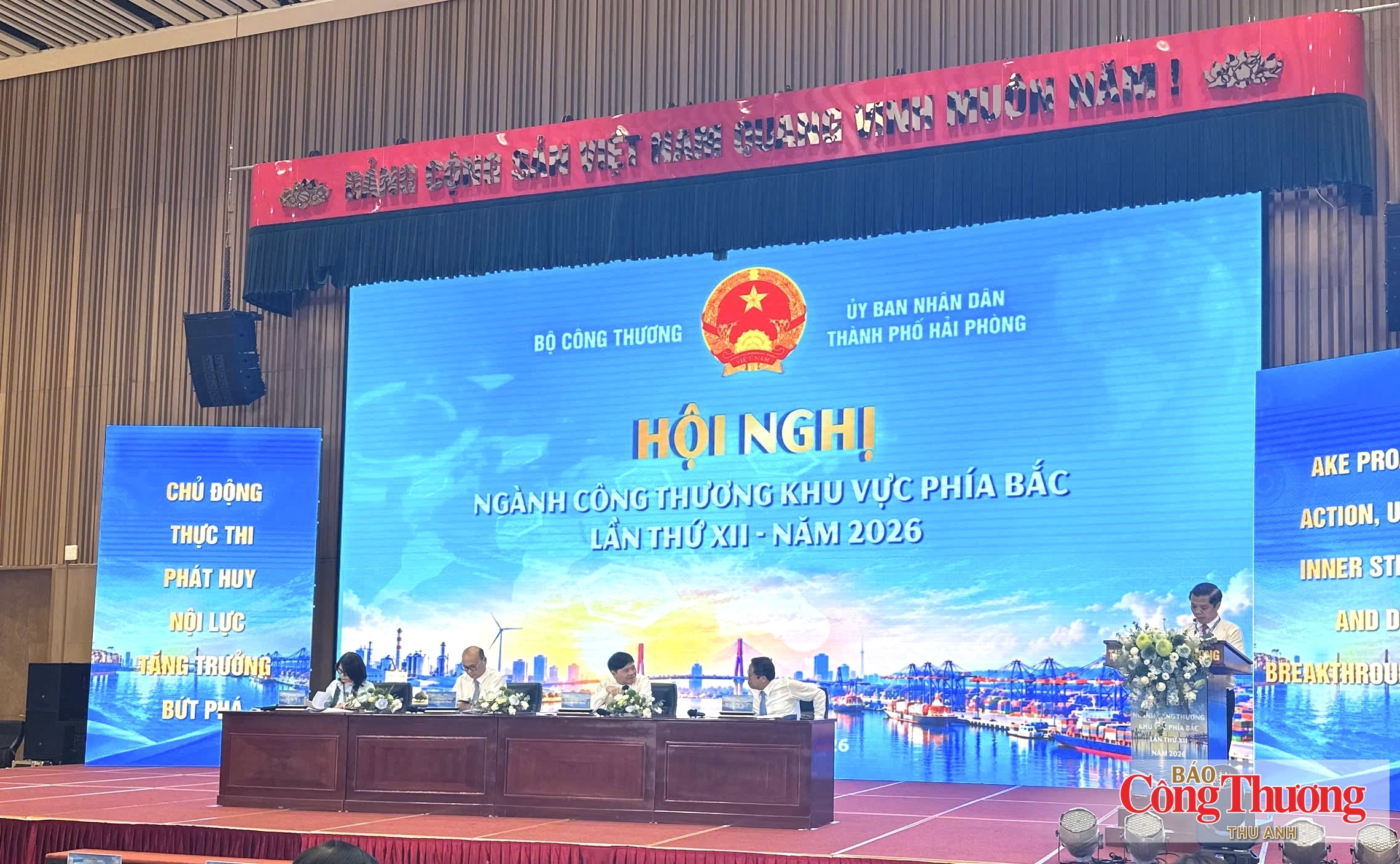
Northern localities are strengthening links in supporting industries, energy and logistics to build competitive value chains and create new growth drivers.
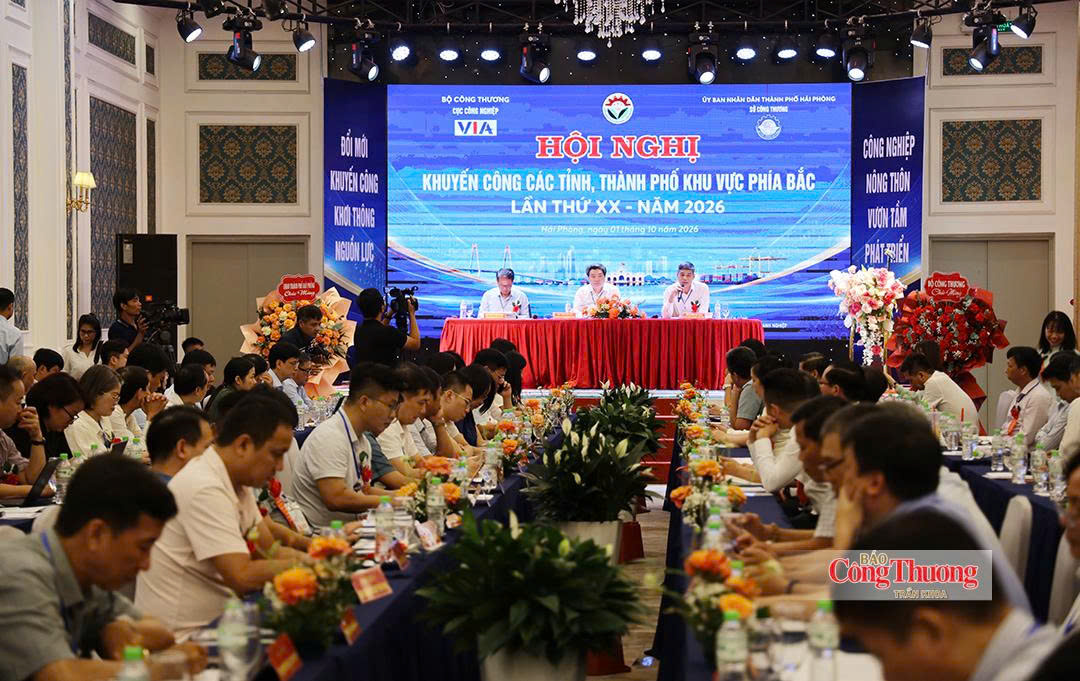
The 20th Industrial Promotion Conference for Northern Provinces and Cities in 2026 was held in Hai Phong City on October 1, with discussions focusing on renewing industrial promotion activities.
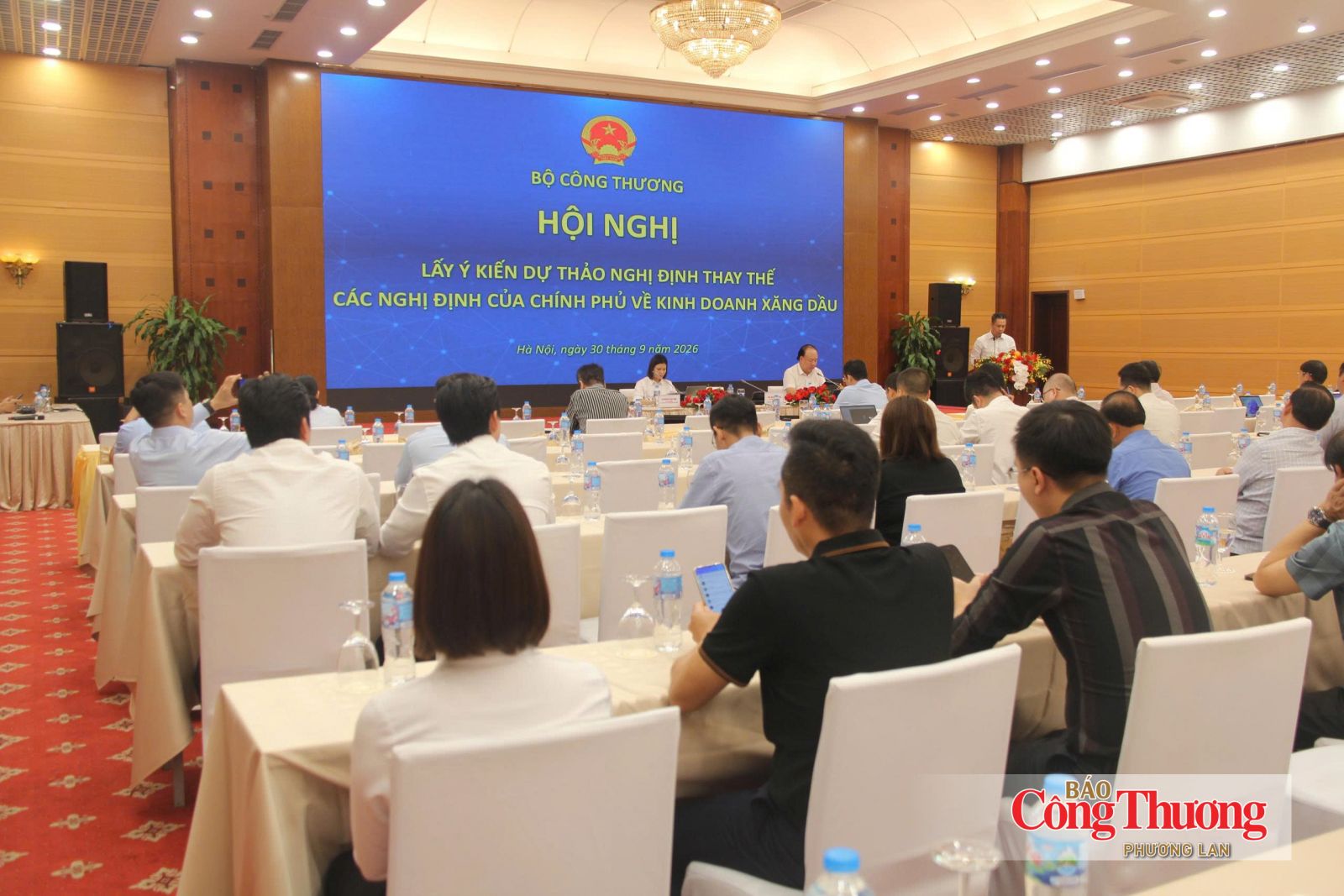
On September 30 in Ha Noi, the Ministry of Industry and Trade (MoIT) held a conference to gather broad feedback on a draft decree replacing the Government’s existing decrees on petroleum trading.