Resolution 79 empowers Vietnam’s state-owned enterprises to lead strategic sectors, drive energy transition, and pioneer large-scale projects.
Resolution No. 79-NQ/TW issued by the Politburo on January 6, 2026, on the development of the state-owned economy has opened new space for growth. Among its specific tasks for state-owned enterprises (SOEs) is the focus on building several strong, large-scale corporations that can lead key and strategic sectors such as national defense, security, and energy.
Boosting enterprises through large-scale projects
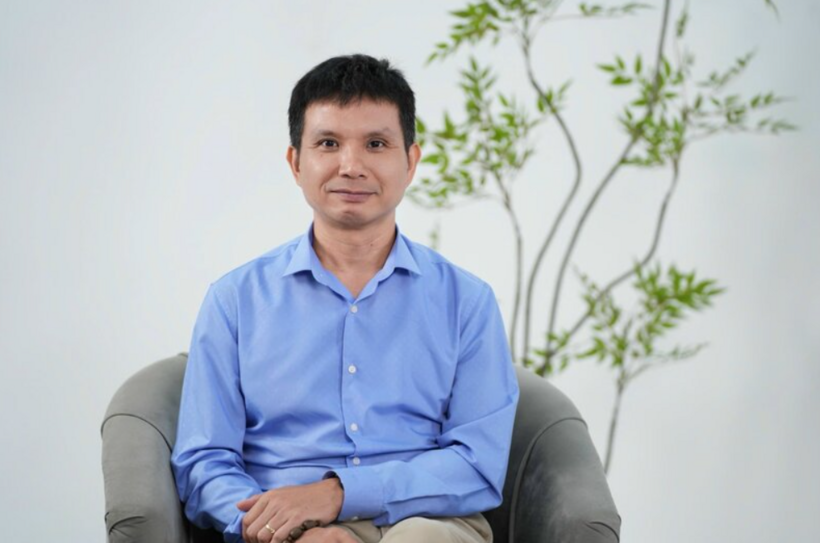
Ha Dang Son, Director of the Center for Energy and Green Growth Research, noted that in the energy sector, the structure and role of state-owned groups have been increasingly recognized based on the demands of energy transition and market-oriented operation.
Dr. Ha Dang Son emphasizes to reporters from the Newspaper of Industry and Trade.
Firstly, the oil and gas industry has shifted from being a “petroleum group” to an “industrial-energy group,” taking a pioneering role in green transition and global value chain integration. Oil and gas remains a strategic field under state management, with private investors not allowed to engage directly in extraction. Current oil and gas projects are mainly undertaken by Petrovietnam or in joint ventures with foreign investors.
Secondly, in the coal sector, the Vietnam National Coal and Mineral Industries Group (TKV) continues to play a dominant role in coal extraction and supply, alongside companies such as the Northeast Corporation. However, in the context of global energy transition, TKV faces significant challenges, as its core assets, including coal mines and coal-fired power plants, are at risk in the medium and long term due to stricter commitments on green growth and emission reduction both in Vietnam and globally.
“In practice, the efficiency of coal-fired power plants under TKV has not been high, and they are under increasing environmental requirements. TKV has had to consider alternatives such as producing ammonia from coal to enhance electricity efficiency, but this remains risky and its long-term effectiveness is uncertain,” Ha Dang Son said.
Ha Dang Son pointed out that Vietnam Electricity (EVN), Petrovietnam, and TKV together own the country’s power resources, but the total state share does not reach 50%. EVN alone accounts for around 37%, with PVN at 8% and TKV at 2%. Concentrating all electricity assets under a single state-owned corporation may not solve core issues and could reduce competition or risk monopoly. Lessons from the telecommunications sector show that having multiple SOEs in the market fosters innovation and healthy competition.
Current losses in the electricity sector are not necessarily due to the internal capacity of SOEs but mainly result from electricity pricing mechanisms that remain subsidized rather than market-based. Regardless of which company operates power plants, if output prices do not reflect true costs, losses are inevitable. This explains why private investors demand adequate electricity prices and stable contractual terms when investing in wind, solar, or gas-fired projects.
Ha Dang Son emphasized that the state should maintain key SOEs while ensuring they meet modern governance standards and international competitiveness. Key requirements include transparency in financial reporting, annual reports, and ESG reporting according to international standards, approaching OECD criteria. In reality, very few SOEs meet these standards. Petrovietnam has a stronger foundation in international compliance, while EVN, despite improvements in regional rankings and credit rating (from BB in 2020 to BB+ in 2025), still faces financial limitations, especially unresolved “policy losses,” hindering access to global capital.
The suitable approach under Resolution 79 is to continue assigning large-scale energy projects to EVN and Petrovietnam, from offshore wind and nuclear power to billion-dollar projects, to increase asset size and financial capacity. In return, these groups must comply with transparency and international governance standards to effectively access global funding.
Clarifying political missions and social responsibilities
Resolution 79 aims that by 2030, “strongly socializing the provision of public services; streamlining administrative units, retaining only public service units serving political missions, state management, and essential public services,” thereby clearly distinguishing between essential public services and those that can be socialized.
Ha Dang Son noted that much of Vietnam’s energy infrastructure has fully depreciated yet continues to operate and generate revenue. This “depreciated advantage” has effectively subsidized social responsibilities and even contributed profits to SOEs.
“If all assets, depreciated or not, are pooled together, operational costs are obscured, and financial statements fail to reflect market signals or real management capacity. Using guaranteed profits from fully depreciated assets to cover underperforming operations may conceal losses but actually fosters inertia and lack of transparency,” he said.
He proposed a full audit and assessment of all assets, clearly separating fully depreciated assets still in use, treated as special resources for operational, social, and public service tasks, from assets not fully depreciated, which should report costs, performance, and operational indicators separately to reveal real management capacity. This approach aligns with the principle of transparency and avoids market distortions.
Transparent reporting enables SOEs to access quality financing. Lenders can assess risk, governance capacity, and financial sustainability based on clear and reliable indicators.
Ha Dang Son concluded that national energy security rests on three policy pillars. First, Resolution 70 sets priorities for key projects to ensure energy security and addresses operational bottlenecks. Second, Resolution No. 68-NQ/TW provides a framework for private sector participation on equal terms, sharing investment burdens with the state. Third, Resolution 79 removes institutional barriers for SOEs, enabling them to implement Resolution 70 as leading actors in national energy security while competing fairly with private players.
Acting as the driving force under Resolution 79 entails taking the lead in pioneering challenging projects or models that private investors avoid due to risk. SOEs must spearhead these initiatives, providing lessons for the state to refine policies and thereby attracting private participation on a large scale.
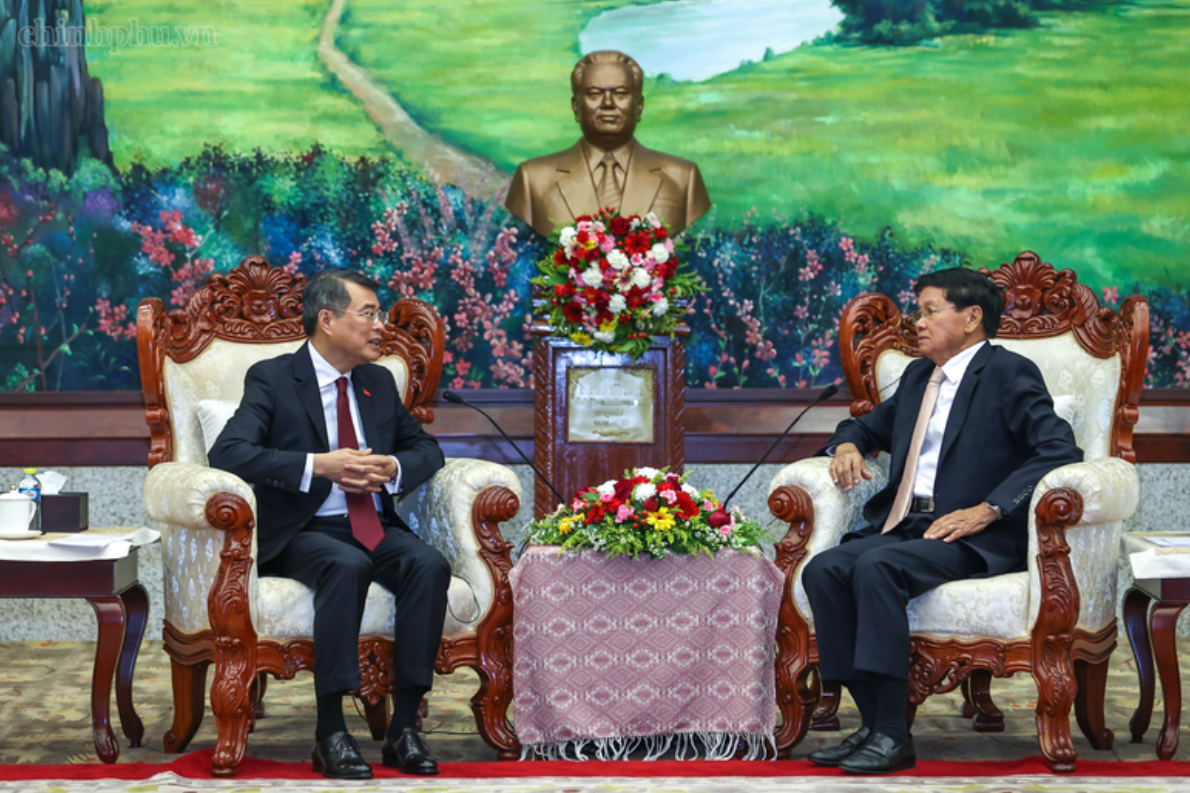
Prime Minister Le Minh Hung on October 8 paid a courtesy call on Lao General Secretary and President Thongloun Sisoulith in Vientiane as part of his on-going official visit to Laos.
The two sides expressed their delight at the positive developments in the bilateral relations in recent years, noting that there remains significant room for greater cooperation and complementarity, particularly in trade, investment and economic ties. They also held extensive discussions on strategic directions to further deepen and strengthen bilateral relations in a more substantive and practical manner.
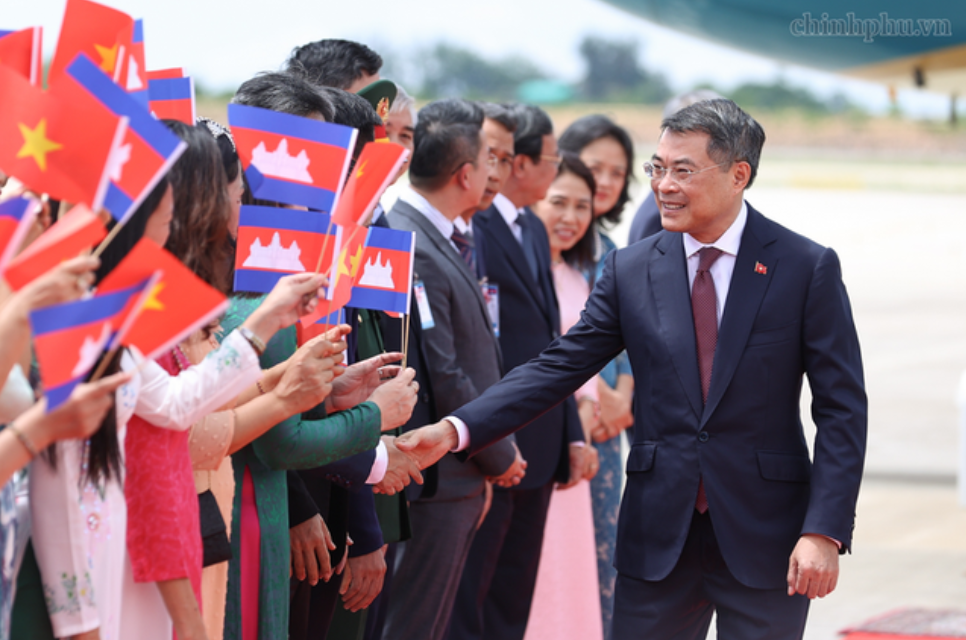
Prime Minister Le Minh Hung arrived in Phnom Penh on Friday afternoon, starting his two-day official visit to Cambodia at the invitation of Cambodian counterpart Hun Manet.
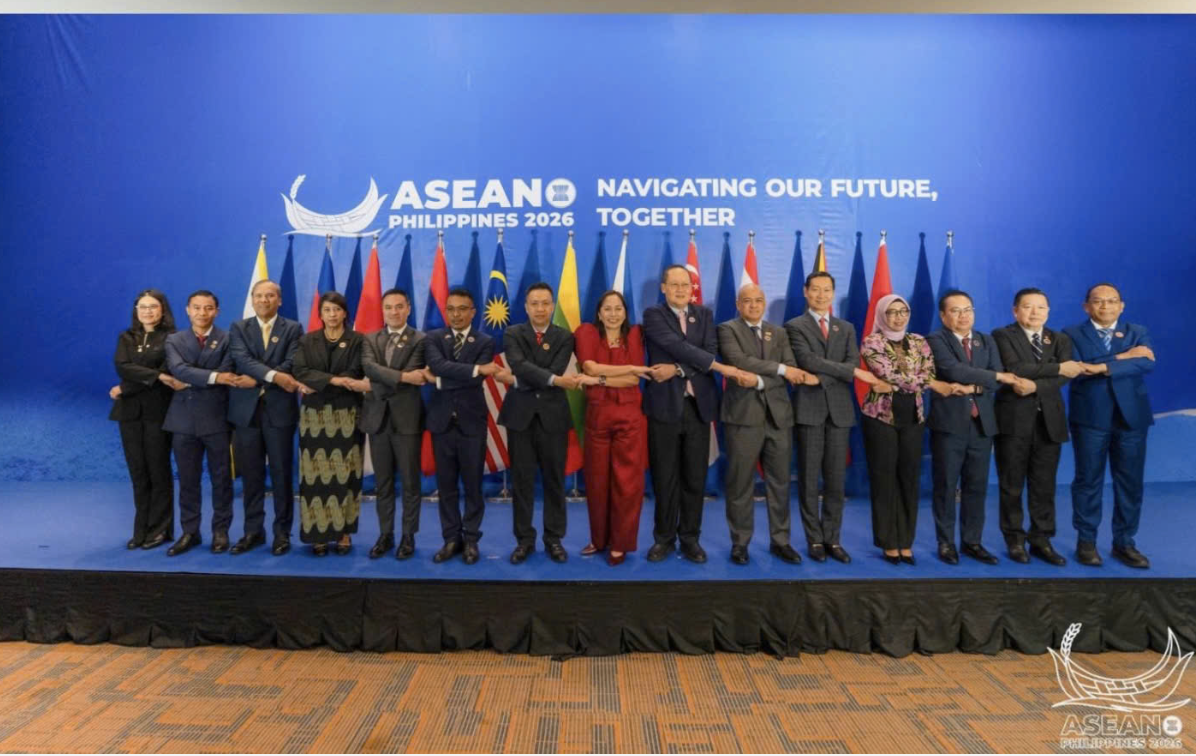
On 7 October 2026, the 44th ASEAN Ministers on Energy Meeting (AMEM 44) was held in Manila, the Philippines, under the chairmanship of Sharon S. Garin, Secretary of the Department of Energy of the Philippines. The meeting brought together energy ministers from ASEAN Member States, the Secretary-General of ASEAN, the ASEAN Centre for Energy, and representatives of ASEAN energy sector bodies and specialised networks. Deputy Minister of Industry and Trade Nguyen Viet Son led the Vietnamese delegati
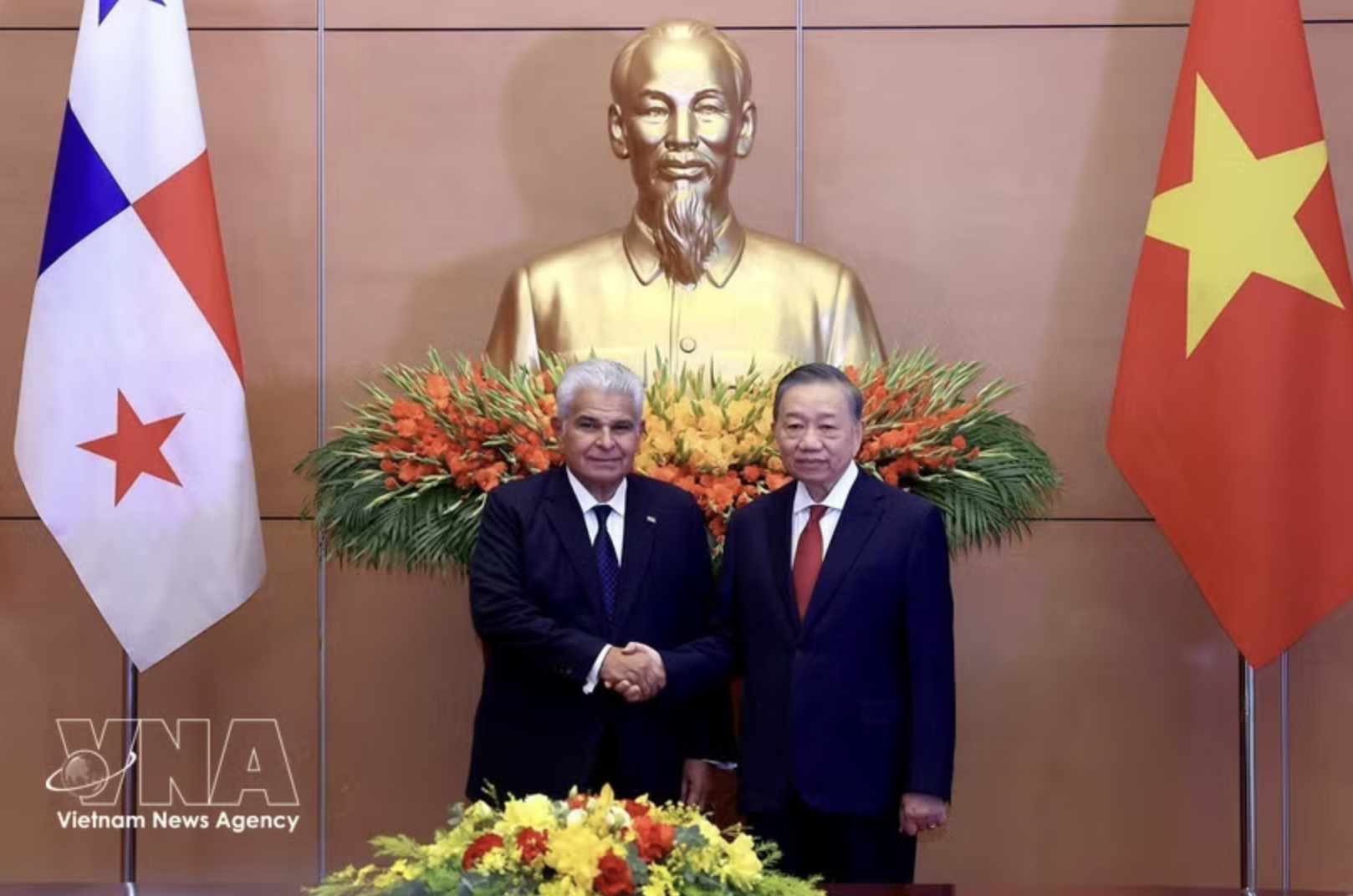
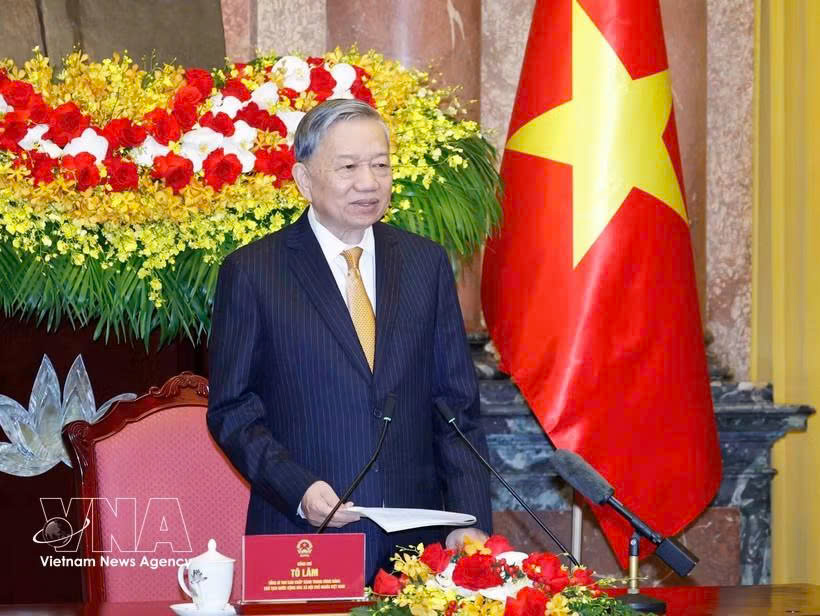
General Secretary of the Communist Party of Viet Nam Central Committee and State President To Lam, his spouse, and a high-ranking Vietnamese delegation will pay a state visit to Russia and an official visit to France, and attend the International Space Summit in Paris from September 7 to 12.