Viet Nam, India unlock new opportunities in agricultural trade
19:05 | 23/03/2025 23:23 | 23/08/2026Trade
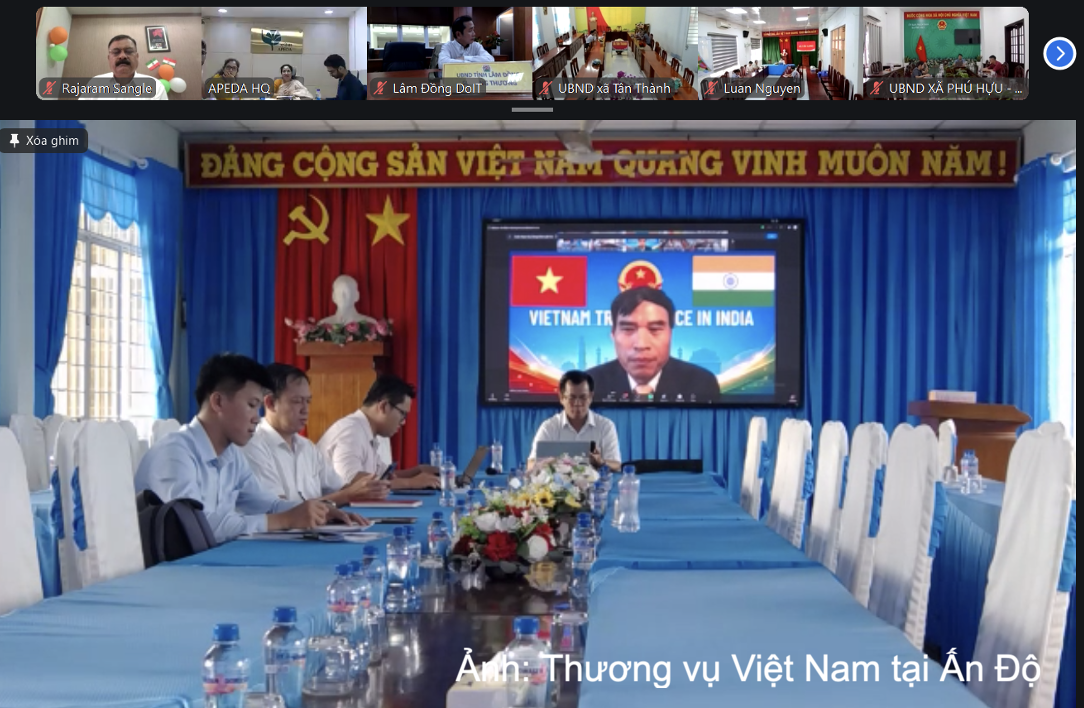
Viet Nam and India are strengthening business connections and promoting agricultural trade, capitalising on new opportunities.


Promoting effective use of FDI resources, building new development capacity
On June 30, at the nationwide conference to disseminate Resolution No. 10-NQ/TW dated June 8, 2026 of the Politburo on the development of the foreign-invested economic sector, Politburo member and Standing Deputy Prime Minister of the Government Pham Gia Tuc presented the key and core contents of the Resolution, aiming to unify awareness and orient implementation across the entire political system.
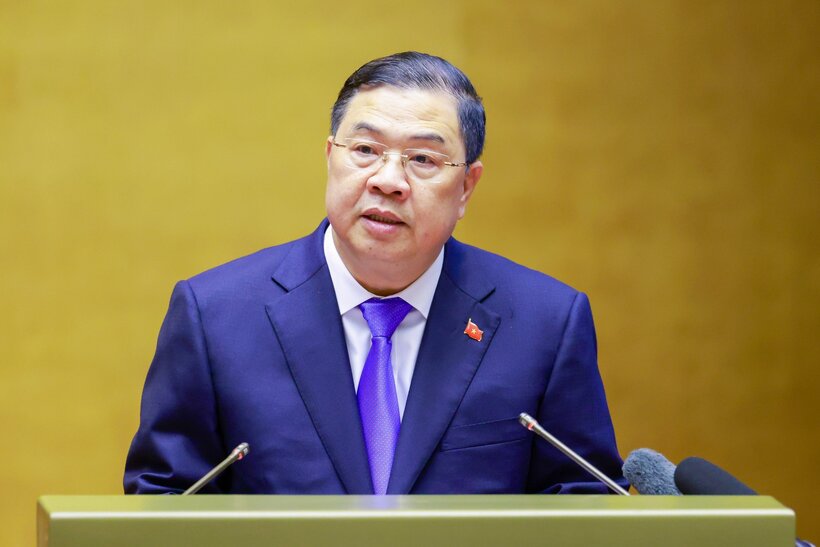
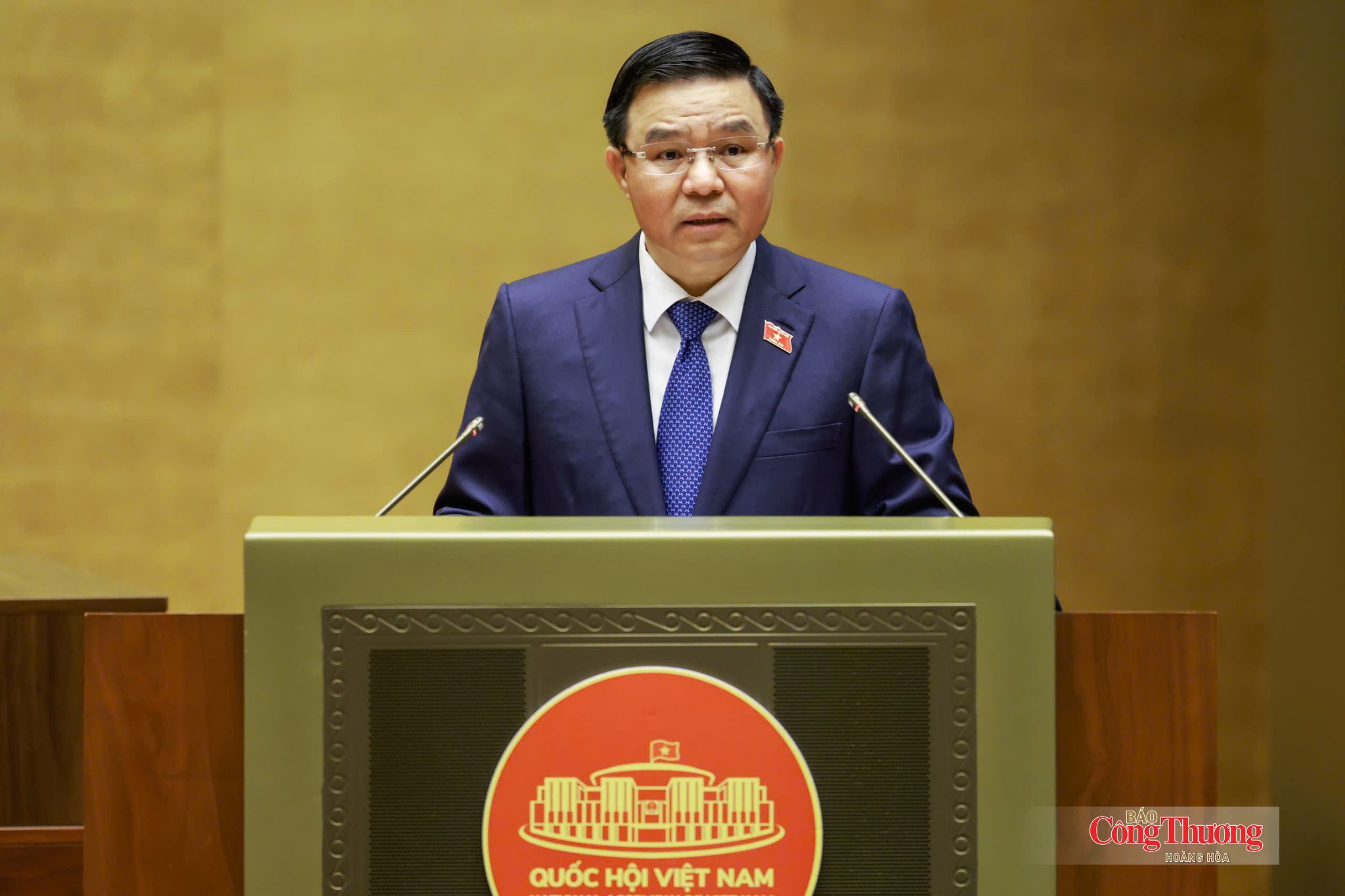
Politburo member and Standing Deputy Prime Minister of the Government Pham Gia Tuc presents the key and core contents of Resolution No. 10-NQ/TW. Photo: Quang Vinh
The Standing Deputy Prime Minister said that, first of all, after nearly 40 years of the Renovation period, the Party’s policy of opening up and attracting foreign investment has achieved major and strategic accomplishments for national development. Vietnam has become an attractive investment destination in the region, attracting nearly USD 550 billion in registered capital, with more than 46,000 valid projects, contributing significantly to growth, industrialisation, modernisation, export development, job creation, improved governance capacity, and the enhanced position of Vietnam in the global economy.
''The Party’s policy on attracting foreign investment over the past nearly four decades has been entirely correct and has delivered very important results,'' the Standing Deputy Prime Minister affirmed.
Second, the current development model has also revealed certain limitations. The quality and spillover effects of a part of the projects remain low; linkages between foreign-invested enterprises and domestic enterprises are still weak; technology transfer, development of supporting industries, as well as the capital market and indirect investment channels, have not yet matched their potential.
Third, the national and global development context is undergoing profound changes. The strong development of science and technology, artificial intelligence, digital transformation, green transition, and the restructuring of global supply chains and capital flows is opening both opportunities and challenges.
It is in this context that the Politburo issued Resolution No. 10-NQ/TW. This is not merely a resolution adjusting foreign investment attraction policies, but a resolution on the development of the foreign-invested economic sector in the new development stage of the country; marking an important shift from a mindset focused mainly on capital attraction to a mindset of developing a modern, efficient, and sustainable foreign-invested economic ecosystem, contributing to building an independent and self-reliant economy associated with deep international integration.
The Standing Deputy Prime Minister Pham Gia Tuc said: ''If for nearly 40 years the key task was to open up to attract international resources, then in the new period the key task is to effectively utilise those resources, together with domestic resources, to create new national development capacities.''
Prioritising quality, efficiency, and value added from FDI capital
Reiterating the guiding viewpoints and core innovations of Resolution No. 10-NQ/TW, the Standing Deputy Prime Minister emphasised six key principles.
First, the foreign-invested economic sector is an important component of the national economy, serving as a channel for receiving capital, advanced technology, modern governance methods, improving the quality of human resources, and expanding markets; it is encouraged for long-term development and is treated equally and in fair competition with other economic sectors.
Second, the development of the foreign-invested economic sector must be linked with requirements to improve efficiency, strategic autonomy, and competitiveness of the economy, as well as to expand market networks and deeper participation in global supply chains.
Third, there must be a strong shift from a mindset of mainly attracting capital to a mindset of developing a national strategic investment foundation; with quality, efficiency, technology transfer, supply chain participation, and value added as the key criteria.
Fourth, there must be synchronous and unified development of the foreign investment ecosystem, linked with the development strategy of domestic enterprises, capital markets, international financial centres, and free trade zones.
Fifth, the State recognises and protects intellectual property rights, property ownership, investment capital, income, and other legitimate rights and interests of foreign investors.
Sixth, the leadership of the Party must be strengthened, alongside the enabling role of the State; national coordination must be enhanced, with actual contribution outcomes serving as the main measure in attracting, managing, and using foreign investment.
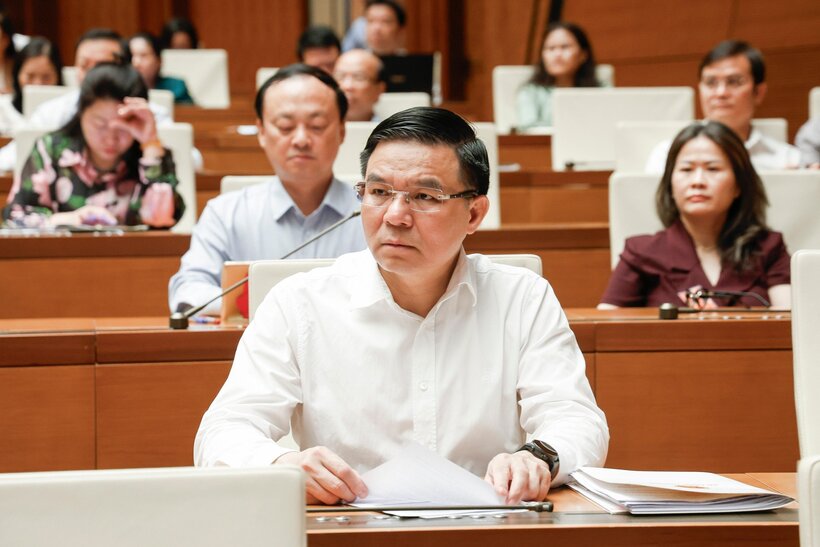
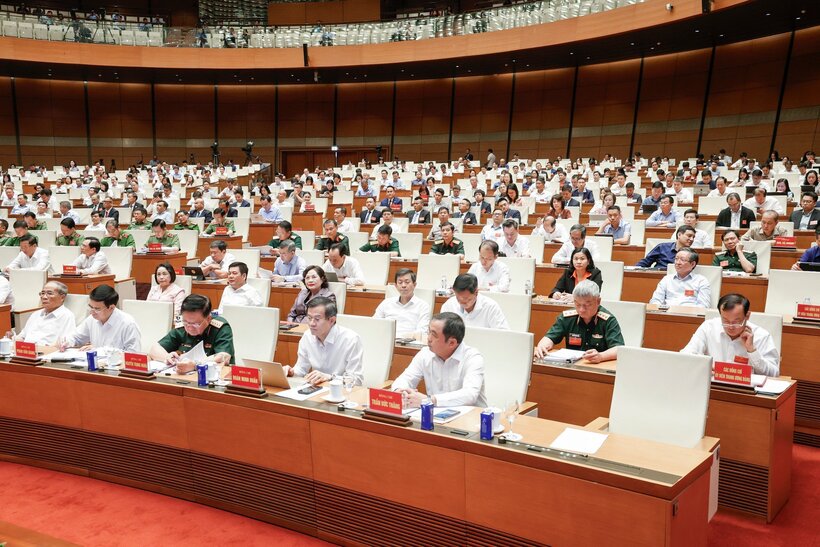
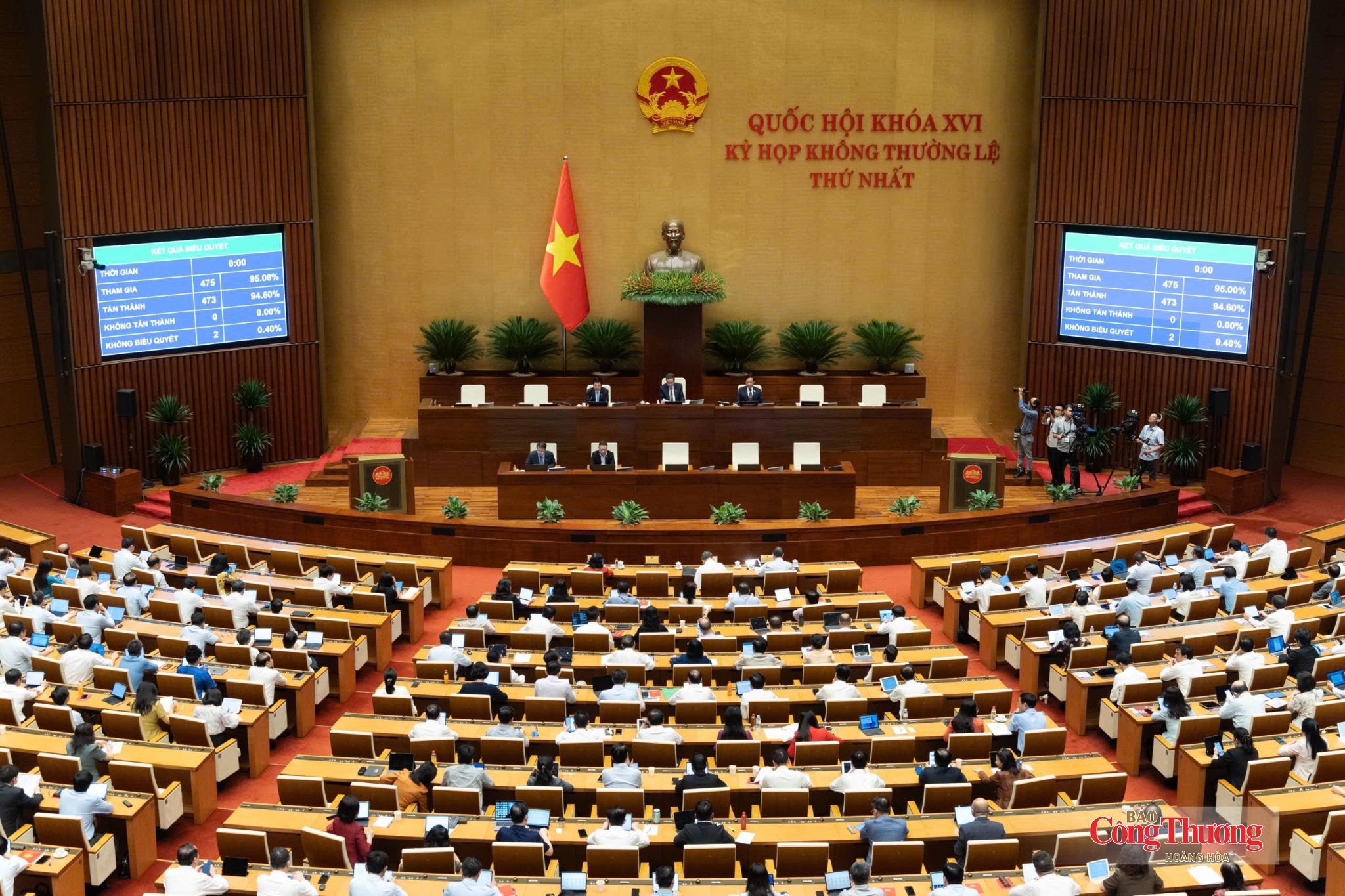
Delegates attend the national conference to disseminate Resolution No. 10-NQ/TW dated June 8, 2026 of the Politburo on the development of the foreign-invested economic sector. Photo: Quang Vinh
From these six guiding principles, six major shifts in development thinking have been identified.
First, a shift from attracting foreign investment to developing the foreign-invested economic sector. The Resolution adopts a more comprehensive approach, covering direct investment, indirect investment, capital markets, and international financial institutions; viewing the foreign-invested economy as an organic part of the national economy, developing in harmony with the domestic economic sector to serve national development goals.
Second, a shift from prioritising capital scale to prioritising quality, efficiency, and value added. The focus is no longer on attracting more projects, but on selecting projects with advanced technology, innovation, modern governance, and strong spillover effects that contribute to productivity and competitiveness.
Third, a shift from input-based incentives to performance-based incentives. Incentive policies are reformed to be linked with commitments on technology transfer, research and development, human resource training, linkages with domestic enterprises, green transition, and sustainable development.
Fourth, a shift from standalone FDI development to the development of an integrated ecosystem of international capital flows. This is a notable new point of the Resolution, placing foreign direct investment, indirect investment, capital markets, international financial centres, and new development spaces such as free trade zones and special economic zones within a unified framework to improve resource mobilisation and allocation efficiency.
Fifth, a shift from investment management to creating an enabling environment for investment and development. The State focuses on improving institutions, enhancing national governance capacity, developing infrastructure, human resources, and innovation ecosystems to create favourable conditions for domestic and international resources to develop together.
Sixth, a shift from competition among localities in attracting investment to national-level coordination of development. The Resolution requires stronger regional linkages, linkages between the foreign-invested sector and the domestic economy, and the promotion of growth poles and innovation centres to improve overall development efficiency.
“The six guiding principles, together with these innovations, show that while the previous focus was on attracting international capital, in the new stage the higher objective is to effectively use those resources together with domestic resources to create new development capacities, and to enhance autonomy, competitiveness, and resilience of the economy,” the Standing Deputy Prime Minister stated.
Opening a new development stage for the foreign-invested economic sector
On this basis, Resolution No. 10-NQ/TW defines development targets to 2030 and a vision to 2045.
By 2030, Vietnam aims to attract USD 200 - 300 billion in registered FDI, with implemented capital reaching USD 150–200 billion; improve the quality of capital flows, with 75% of newly registered capital coming from developed economies with strong technology, capital, and modern governance capacity; and raise the average localisation rate in key industries to 40 - 50%. Around 10,000 Vietnamese enterprises are expected to participate in supply chains of foreign-invested enterprises. The stock market is to be upgraded to emerging market status before 2030, creating a stronger foundation for attracting international indirect investment flows.
By 2045, the foreign-invested economic sector is expected to develop efficiently and sustainably, closely linked with the state and private sectors; Vietnam is to become a regional centre for manufacturing, services, innovation, and corporate governance of many multinational corporations, thereby enhancing its position in global value chains; the foreign-invested sector is expected to account for around 25% of total social investment and contribute around 30% of GDP.
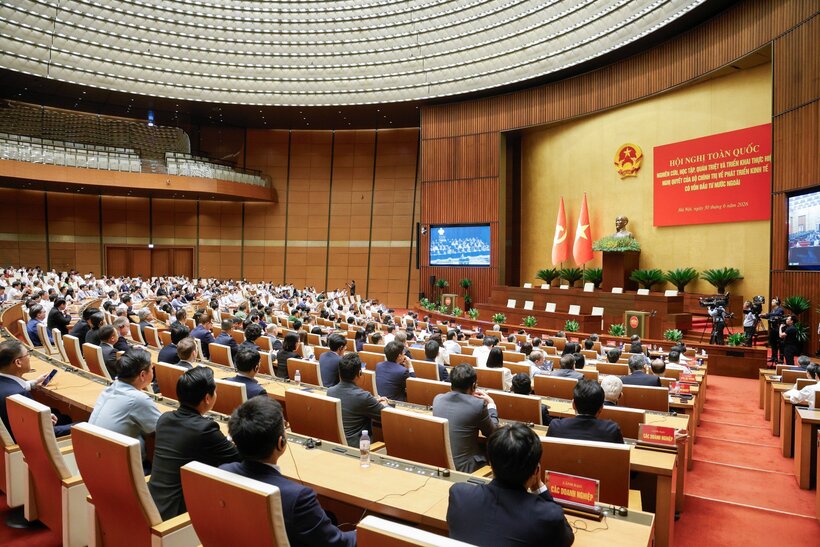
Overview of the national conference disseminating Resolution No. 10-NQ/TW dated June 8, 2026 of the Politburo on the development of the foreign-invested economic sector. Photo: Quang Vinh
Summarising the objectives of the Resolution in a key message, the Standing Deputy Prime Minister stressed: “Success in the new stage should not be measured mainly by the number of projects or the scale of capital attracted, but by the quality of capital flows, technological capacity, level of innovation, linkages with domestic enterprises, and substantive contributions to the rapid and sustainable development of the country.”
To realise these objectives, the Resolution identifies a system of seven key tasks and solutions. These include renewing thinking and building unified awareness on the development of the foreign-invested economic sector; shifting strongly from management thinking to development-enabling thinking, considering the foreign-invested economy as an organic part of the national economy and an important driver of national competitiveness.
In addition, breakthroughs in institutions are required, continuing to improve a transparent, stable, and internationally competitive investment environment; developing high-quality human resources aligned with priority sectors; orienting a new generation of investment attraction with proactive, focused, and targeted investment promotion; enhancing spillover effects of the foreign-invested sector, promoting linkages with Vietnamese enterprises, developing supporting industries, innovation ecosystems, green economy, and circular economy; developing synchronised foreign indirect investment and financial markets, accelerating stock market upgrading, developing capital markets, international financial centres, free trade zones, and modern financial institutions; and strengthening the leadership of the Party, the effectiveness of state management, and the role of the Viet Nam Fatherland Front and relevant agencies in the development of the foreign-invested economic sector.
The Standing Deputy Prime Minister said the seven groups of tasks form a unified action programme, in which renewed thinking is the prerequisite; institutional improvement is the breakthrough; human resources and infrastructure are the foundation; new-generation investment attraction is the driving force; linkage and innovation are the objective; capital market development is the condition for resource mobilisation; and modern national governance is the guarantee of successful implementation.
To ensure these tasks are implemented effectively and create substantive change, the decisive factor is the synchronous engagement of the entire political system in implementing the Resolution.
According to Standing Deputy Prime Minister Pham Gia Tuc, Resolution No. 10-NQ/TW has opened a new development stage for the foreign-invested economic sector in Vietnam. The success of the Resolution requires the engagement of the entire political system, with a spirit of unified awareness, unified action, and strong determination in implementation.
19:05 | 23/03/2025 23:23 | 23/08/2026Trade
19:05 | 23/03/2025 23:17 | 23/08/2026News and Events
19:05 | 23/03/2025 23:09 | 23/08/2026News and Events
19:05 | 23/03/2025 18:20 | 23/08/2026News and Events
19:05 | 23/03/2025 16:05 | 23/08/2026Industry