On January 14, the Prime Minister urged legalizing global pledges, early emission quota allocation, and preparations for operating the domestic carbon market.
Strongly attracting international resources.
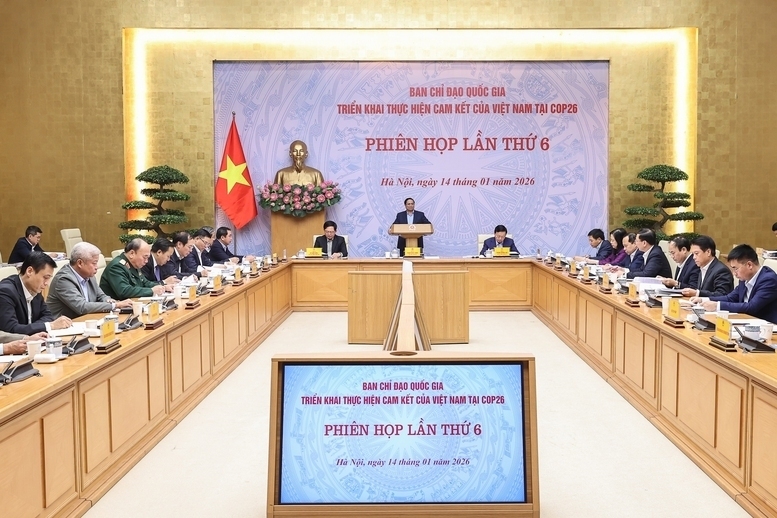
On January 14, Prime Minister Pham Minh Chinh, Head of the National Steering Committee for implementing Vietnam’s commitments at the COP26 Conference, chaired the Steering Committee's sixth meeting.
According to reports and opinions at the conference, Vietnam has actively participated in international forums on climate change, expanded strategic partnerships, and attracted additional investment resources for domestic green and digital transformations.
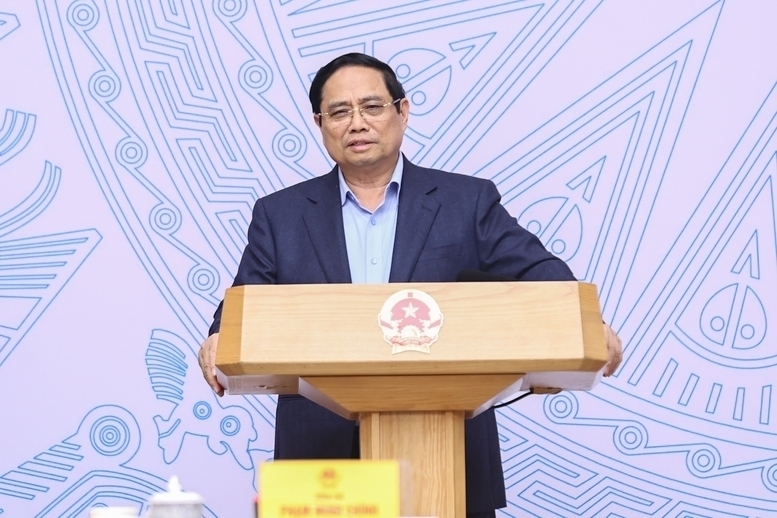
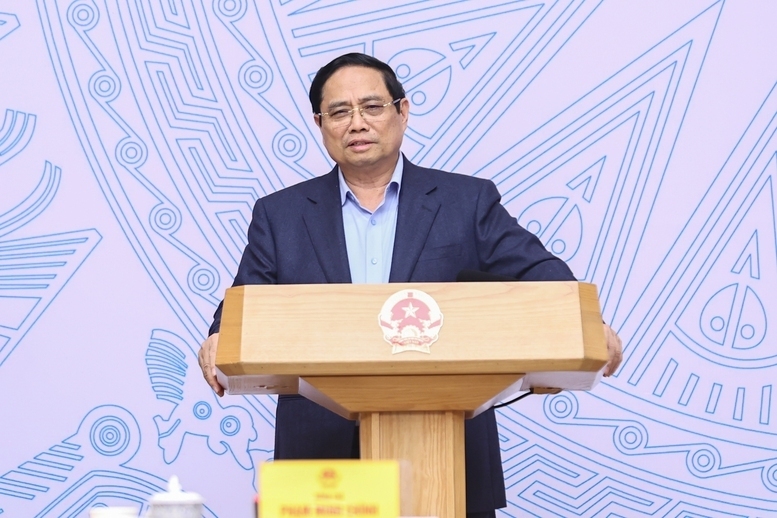
Prime Minister Pham Minh Chinh delivers remarks at the meeting. Photo: VGP
Regarding energy infrastructure, the Ministry of Industry and Trade has actively implemented the Politburo’s Resolution on national energy security, established a legal framework for direct power purchase agreements, and diversified the use of renewable energy sources. Vietnam has simultaneously expanded international cooperation through the JETP framework and the AZEC initiative, while officially joining international energy alliances such as ISA and IRENA.
Prime Minister Pham Minh Chinh, Head of the Steering Committee, affirms that joining countries in making positive and effective contributions to global climate change response is an important mission for Vietnam. Photo: VGP
In parallel, the Ministries of Construction and Transport have focused on removing institutional bottlenecks to attract private resources for urban railways and green urban development. Regarding finance, the Ministry of Finance is coordinating the establishment of a carbon trading floor and promoting green credit to create momentum for localities and businesses to achieve sustainable emission reduction targets.
Promoting low - carbon economic development
Concluding the meeting of the National Steering Committee for the implementation of Vietnam’s commitments at COP26, Prime Minister Pham Minh Chinh affirmed that despite a challenging context, Vietnam has achieved positive results, becoming an attractive destination for international investors in energy transition. To date, the country has mobilized approximately USD 1 billion for energy transition and VND 750 trillion in credit capital for green growth, while concurrently strengthening international cooperation, such as participating in the ASEAN power grid.
The Prime Minister acknowledged and commended the proactivity of ministries, sectors, and localities, alongside the significant shift in awareness among businesses and citizens regarding green consumption, forest protection, and clean energy use. However, the Prime Minister also frankly pointed out certain shortcomings, such as the slow progress of several tasks and limitations in the domestic legalization of international commitments in some sectors due to institutional frameworks not keeping pace with reality.
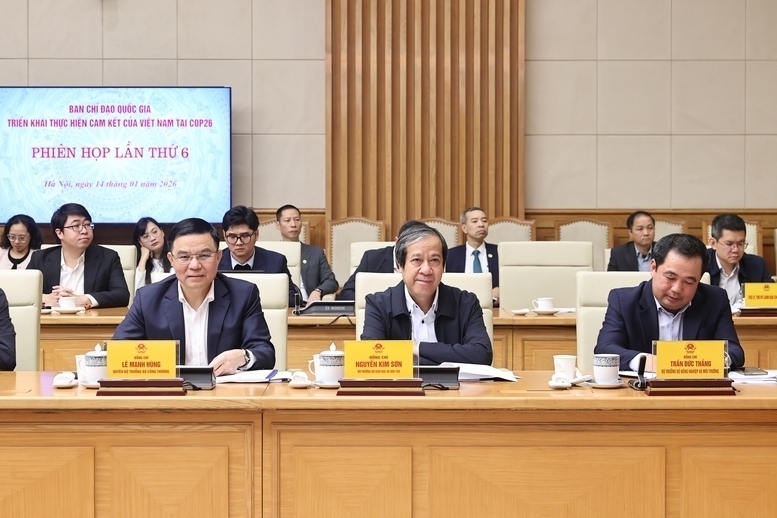
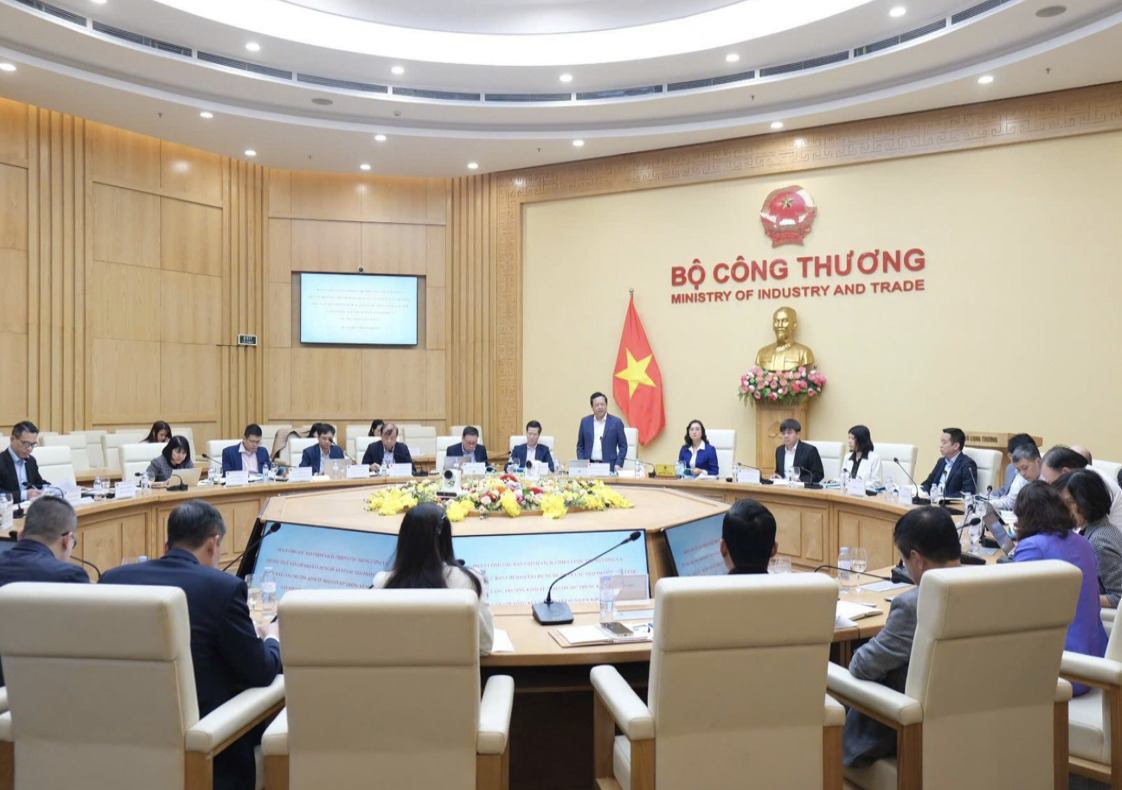
Delegates attend the meeting. Photo: VGP
For future orientations, Prime Minister Pham Minh Chinh emphasized key tasks regarding perfecting institutional frameworks in line with international practices, building mechanisms to mobilize financial resources, and promoting technology transfer and innovation. Focus will also be placed on developing a green and smart national governance model and training high-quality human resources.
To accelerate greenhouse gas emission reductions, the Prime Minister requested the early pilot implementation of emission quota allocation and the fulfillment of the Nationally Determined Contributions. The Ministry of Finance is tasked with leading the establishment of a carbon credit trading floor, while the Ministry of Agriculture and Rural Development, in coordination with the Ministry of Natural Resources and Environment, must finalize Decrees on the exchange of emission reduction results and forest carbon sequestration and storage services by January 2026.
In the fields of transport and energy, the Prime Minister directed the development of greening roadmaps, the expansion of electric charging systems, and the promotion of renewable energy to replace fossil fuels. Ministries and sectors are required to focus on the effective implementation of the Politburo’s Resolution 70, JETP and AZEC commitments, and the enhancement of product traceability to meet global green standards, contributing to the successful realization of net-zero emissions targets by 2050.
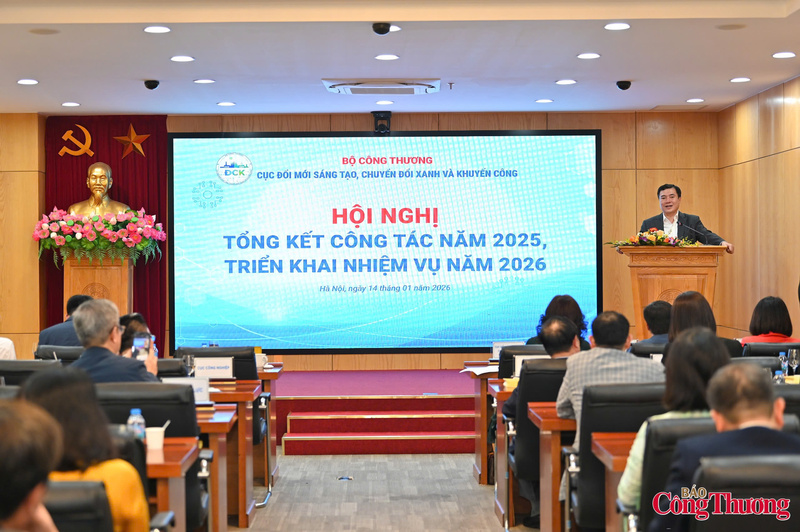
In 2026, the Agency for Innovation, Green Transformation, and Industrial Promotion will prioritize major science, technology, and innovation programs and projects.
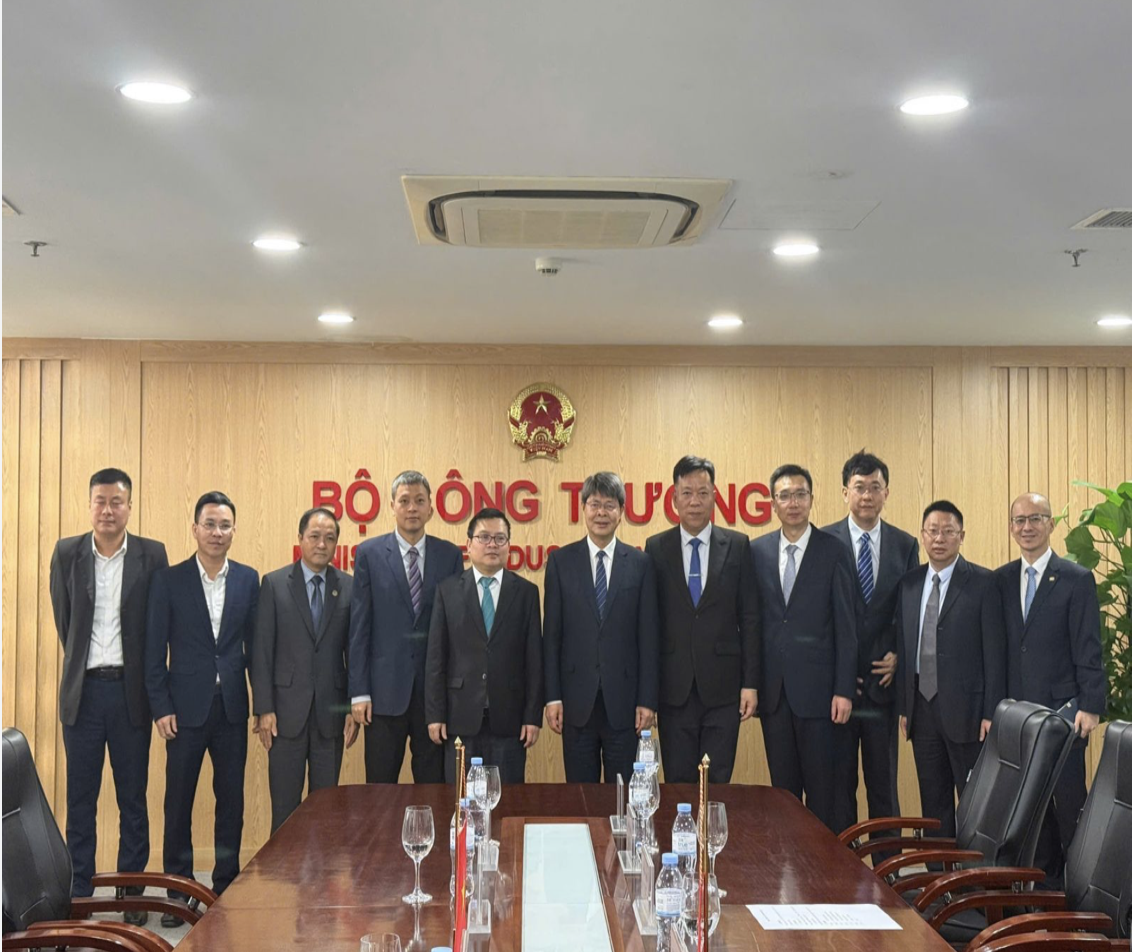
Vietnam and China seek to strengthen industrial cooperation, with a focus on supply chains, green transition, digital technologies and medium-sized enterprises.
On January 14, the Prime Minister urged legalizing global pledges, early emission quota allocation, and preparations for operating the domestic carbon market.
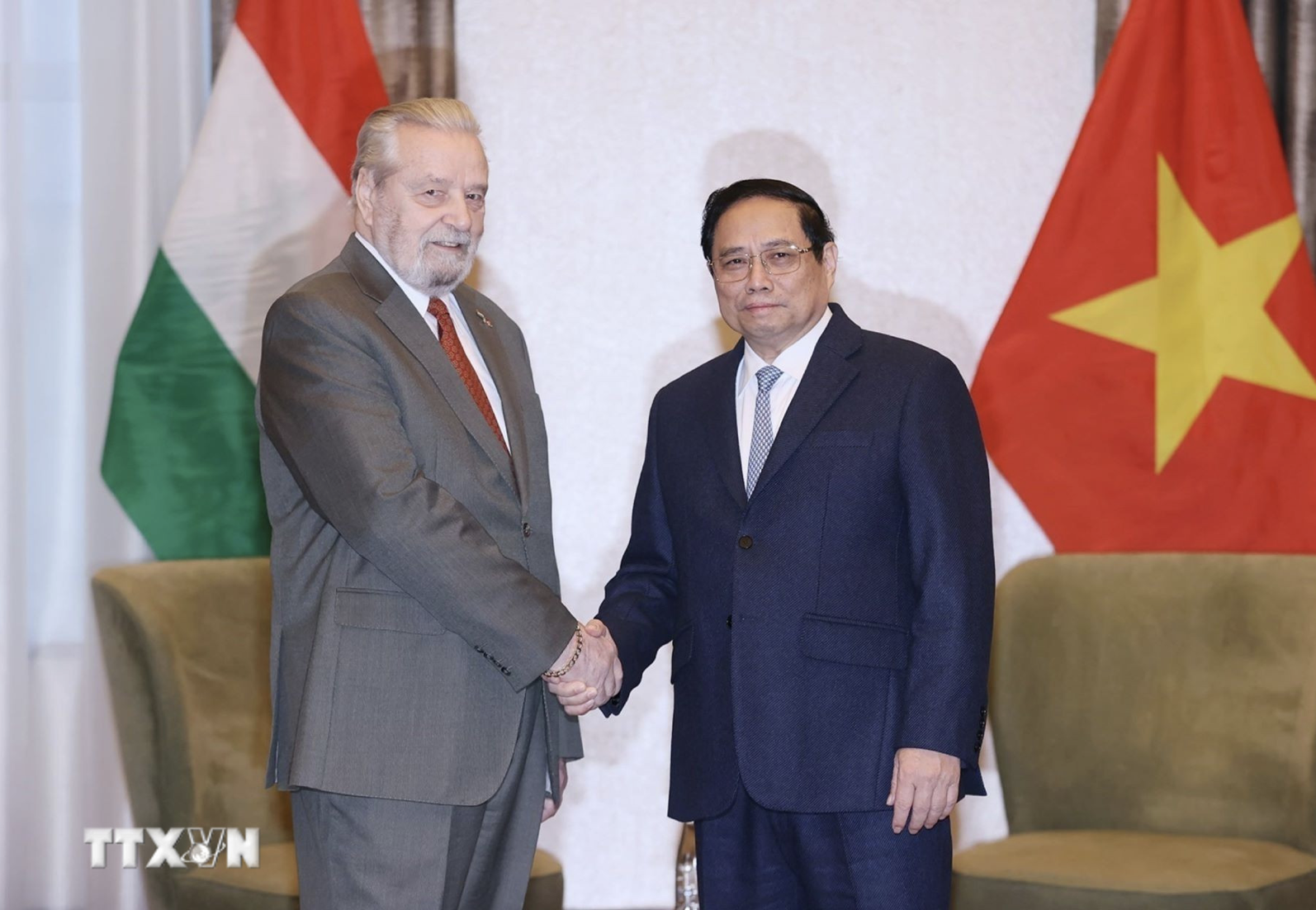
The President of the Hungary - Vietnam Friendship Association stated that Vietnam’s consistent development path drives progress and raises international standing.
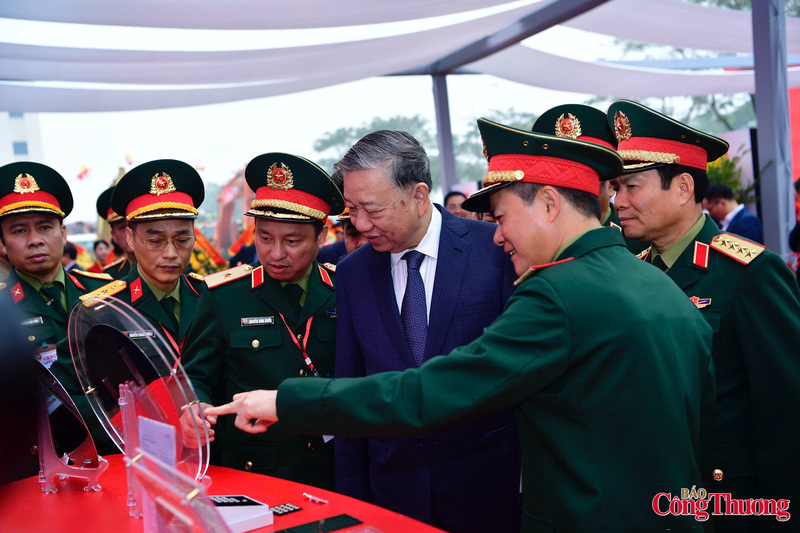
In 2026, the Agency for Innovation, Green Transformation, and Industrial Promotion will prioritize major science, technology, and innovation programs and projects.
Vietnam and China seek to strengthen industrial cooperation, with a focus on supply chains, green transition, digital technologies and medium-sized enterprises.
On January 14, the Prime Minister urged legalizing global pledges, early emission quota allocation, and preparations for operating the domestic carbon market.
The President of the Hungary - Vietnam Friendship Association stated that Vietnam’s consistent development path drives progress and raises international standing.
The Central Commission for Policy and Strategy held talks with the Ministry of Industry and Trade on strategic solutions for double-digit economic growth.