Approaching the 14th National Party Congress, overseas Vietnamese intellectuals voice expectations for breakthrough decisions shaping a new era of development.
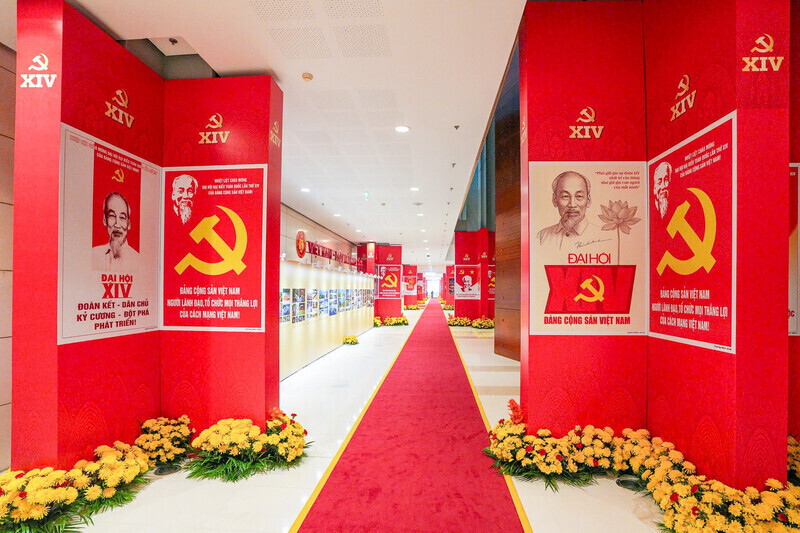
The 14th National Congress of the Communist Party of Vietnam is widely expected to become a landmark moment, laying the foundations for a new era in which intellect, resolve and the aspiration for national development converge.
Ahead of the congress, as the need to renew development thinking and strengthen national self-reliance becomes increasingly evident, a reporter from the Newspaper of Industry and Trade held an interview with Nguyen Thanh Liem, senior research fellow at the Kimhakmin E-roun Institute of Economic Research, Vice Chairman of the General Association of Vietnamese in the Republic of Korea, and chairman of the Vietnamese Association in Chungnam province, to discuss the expectations and contributions of overseas Vietnamese intellectuals to shaping the foundations of a new development era.
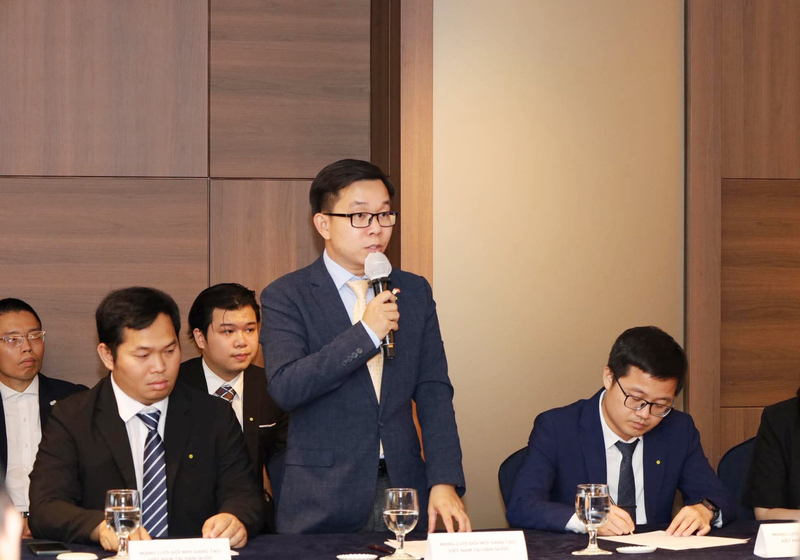
Dr. Nguyen Thanh Liem, Senior Researcher at the Kimhakmin E-roun Institute for Economic Research; Vice President of the General Association of Vietnamese in the Republic of Korea; President of the Vietnamese Association in Chungnam province.
Aspiration to reach further
In recent years, the Party and the State have issued a number of important policies to improve institutions and generate momentum for national development. From the perspective of an overseas Vietnamese intellectual living and working abroad, how do you assess the significance and impact of these policies on Vietnam’s future?
Nguyen Thanh Liem: Looking back at the period from the 13th Party Congress to the present, the strongest feeling I have is one of respect and confidence. This has been an exceptionally challenging term, arguably one of the most turbulent periods in decades, as Vietnam faced multiple simultaneous shocks, including the Covid-19 pandemic, natural disasters, global supply chain disruptions and prolonged geopolitical instability.
What is most commendable is that in such circumstances, Vietnam did not falter. Instead, the country gradually overcame difficulties through calmness, solidarity and the concerted efforts of the entire political system and the people. The achievements are reflected not only in growth indicators, but more importantly in social stability, the protection of people’s livelihoods and the strengthening of confidence in the future.
Economically, Vietnam continues to be recognised as a bright spot for resilience and macroeconomic stability amid a global slowdown. Growth has not been overheated, but steady and well grounded, without being shaken by external shocks. Strong investment in infrastructure, from the North - South expressway system and the 500kV circuit 3 transmission line to digital infrastructure, has created long-term development space.
At the same time, digital transformation, institutional reform and improvements in the investment environment have made tangible progress. These efforts not only enhance the efficiency of state governance, but also create more favourable conditions for businesses, especially the private sector and small and medium-sized enterprises.
In foreign affairs, Vietnam has remained steadfast in its independent and self-reliant approach. The country has upgraded relations with 17 partners, bringing the number of countries with comprehensive partnership or higher to more than 42, and has established diplomatic relations with 194 countries. This has elevated Vietnam’s international standing while opening up broader opportunities for cooperation in economic development, science and technology, and sustainable growth.
Entering 2026 and approaching the 14th Party Congress, I clearly sense a confident mindset and a stronger aspiration to move forward. The congress is expected to deliver breakthrough decisions with long-term vision and strong implementation capacity, to realise the goal of Vietnam becoming a developed, high-income country by 2045.
My greatest expectation is the continued renewal of the growth model based on science and technology, innovation and human development. At the same time, mechanisms should be improved to protect those who dare to think and act for the common good, so that those who do the right thing are not disadvantaged and those who do good work are not left alone.
Simply put, Vietnam has successfully steered its ship through a major storm. The vessel has not only stayed on course, but has also been reinforced. What matters now is to keep a steady hand on the helm and accelerate cautiously yet decisively, entering a new development phase with stronger confidence and greater aspirations.
Convergence of confidence
Towards the goal of making Vietnam a developed and prosperous nation by 2045, how can the Vietnamese community in the Republic of Korea participate and contribute, in terms of knowledge, resources and international connectivity?
Nguyen Thanh Liem: In pursuing this goal, I believe the Vietnamese community in the Republic of Korea can contribute in a substantive and in-depth manner, aligned with the major orientations set out by the Party, particularly the spirit of Resolution 57 of the Politburo on breakthroughs in science, technology, innovation and national digital transformation, as well as the consistent view that overseas Vietnamese are an inseparable part of the Vietnamese nation.
First is the contribution of knowledge and international experience. Resolution 57, issued on December 22, 2024, underscores science, technology, innovation and digital transformation as key drivers of rapid and sustainable development. In this context, Vietnamese intellectuals, experts and entrepreneurs in the Republic of Korea, who are directly engaged in high-tech industries, smart manufacturing, the digital economy, education, healthcare and modern governance, can participate in policy advisory work, technology transfer, high-quality human resource training and the development of new growth models for Vietnam.
Second is connecting and mobilising investment resources linked to advanced technology and high value added. The Republic of Korea is not only an important economic partner of Vietnam, but also a country that has gone ahead in knowledge-based industrialisation. The Vietnamese community there has a distinct advantage in understanding both domestic conditions and international technology standards, governance practices and global supply chains. Their role therefore goes beyond capital attraction, extending to linking projects in technology transfer, research and development cooperation, human resource training and gradually helping Vietnam integrate more deeply into global value chains, in line with the spirit of Resolution 57.
Ahead of the 14th Party Congress, high expectations are placed on breakthrough policies to lay the groundwork for a new era of national development. Photo: Minh Chau
Third is serving as a bridge for integration and people-to-people diplomacy. Party and State leaders have repeatedly affirmed that overseas Vietnamese are an important national resource and a vital bridge in foreign relations. Through associations, expert networks and economic and cultural exchange activities, the Vietnamese community in the Republic of Korea can help promote an image of a modern, stable, innovative and high-potential Vietnam, while fostering Vietnam–Korea strategic cooperation that is deeper, more substantive and more sustainable.
With sufficiently open and flexible mechanisms to harness the role of overseas intellectuals and entrepreneurs, particularly in science, technology and innovation, the Vietnamese community in the Republic of Korea can become a key partner in realising the goal of building a developed and prosperous Vietnam by 2045.
As an overseas intellectual who always looks towards the homeland, could you share your feelings, expectations and confidence ahead of the 14th National Party Congress?
Nguyen Thanh Liem: I hope the 14th Party Congress will become a historic milestone, not only closing a term through review and assessment, but also opening a moment of convergence for the intellect, resolve and reform aspirations of the entire Party and the entire people. From there, the congress should issue breakthrough decisions that are strong and far-reaching enough to bring the country into a new era of development that is more robust, more self-reliant and more sustainable.
Building on the consistent guiding viewpoints of the Party leadership, I have three major expectations for fundamental reforms that the congress could initiate, thereby creating new momentum and development space in the coming period.
First is renewing thinking, shifting from stability-oriented management to breakthrough-driven development based on science and technology. Second is renewing governance, moving from reaction to prevention while protecting those who dare to act. Third is renewing resource allocation, placing people and knowledge at the centre.
If the past period was about reinforcing a solid framework for the Vietnamese house amid multiple upheavals, then my expectation of the outcomes of the 14th Party Congress is the installation of a new intelligent engine. Powered by knowledge and technology, and safeguarded by transparent governance mechanisms, this engine would enable the national ship not only to operate steadily, but also to accelerate with confidence towards the open seas.
Thanks for sharing!
As Vietnam moves towards the 14th National Party Congress, high expectations are placed on forward-looking and nation-building decisions with sufficient vision and resolve to lay the foundations for a new development era, with science and technology, human capital and modern governance as the pillars of sustainable breakthrough.
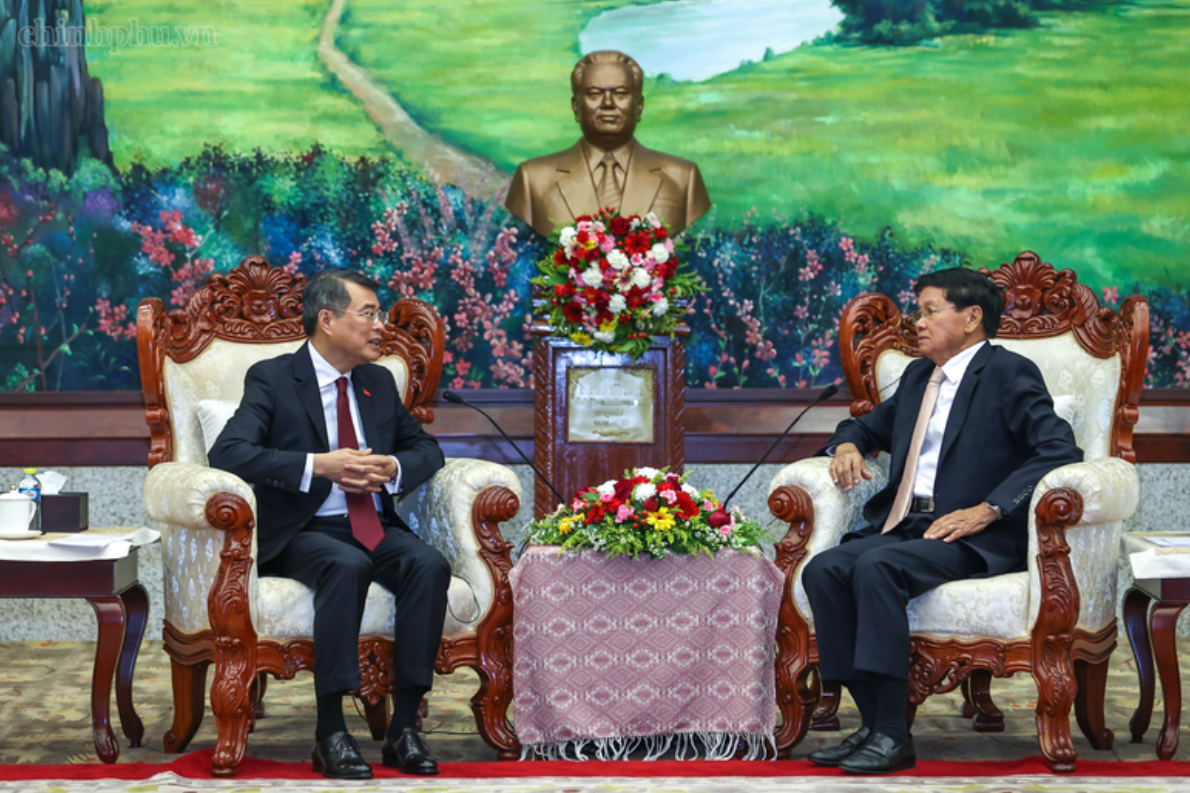
Prime Minister Le Minh Hung on October 8 paid a courtesy call on Lao General Secretary and President Thongloun Sisoulith in Vientiane as part of his on-going official visit to Laos.
The two sides expressed their delight at the positive developments in the bilateral relations in recent years, noting that there remains significant room for greater cooperation and complementarity, particularly in trade, investment and economic ties. They also held extensive discussions on strategic directions to further deepen and strengthen bilateral relations in a more substantive and practical manner.
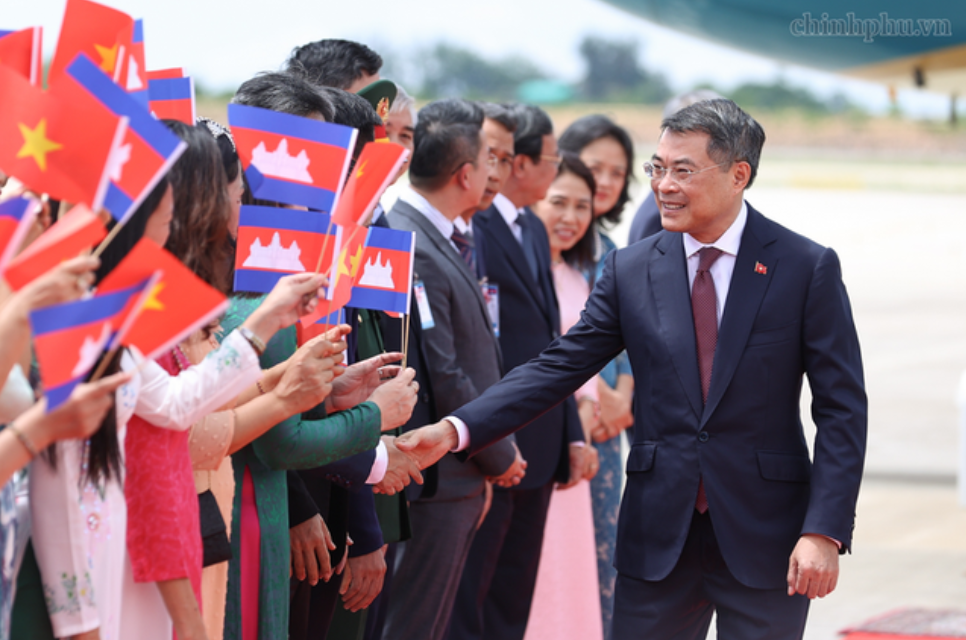
Prime Minister Le Minh Hung arrived in Phnom Penh on Friday afternoon, starting his two-day official visit to Cambodia at the invitation of Cambodian counterpart Hun Manet.
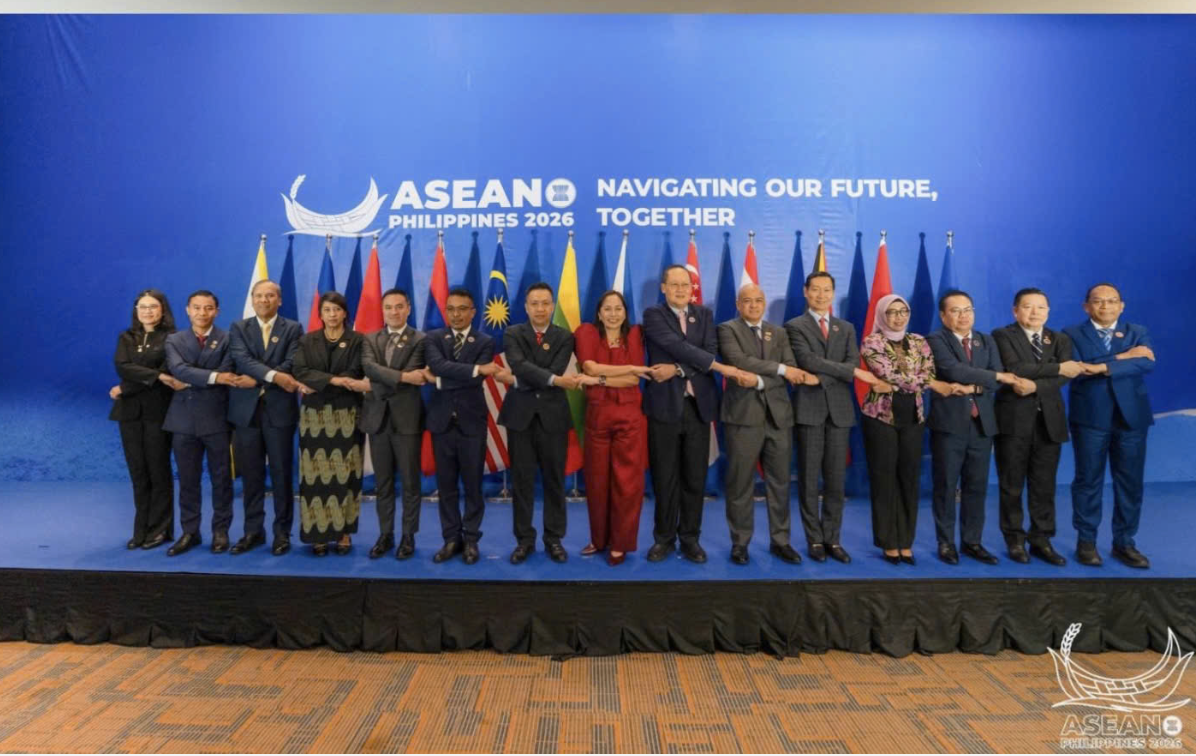
On 7 October 2026, the 44th ASEAN Ministers on Energy Meeting (AMEM 44) was held in Manila, the Philippines, under the chairmanship of Sharon S. Garin, Secretary of the Department of Energy of the Philippines. The meeting brought together energy ministers from ASEAN Member States, the Secretary-General of ASEAN, the ASEAN Centre for Energy, and representatives of ASEAN energy sector bodies and specialised networks. Deputy Minister of Industry and Trade Nguyen Viet Son led the Vietnamese delegati
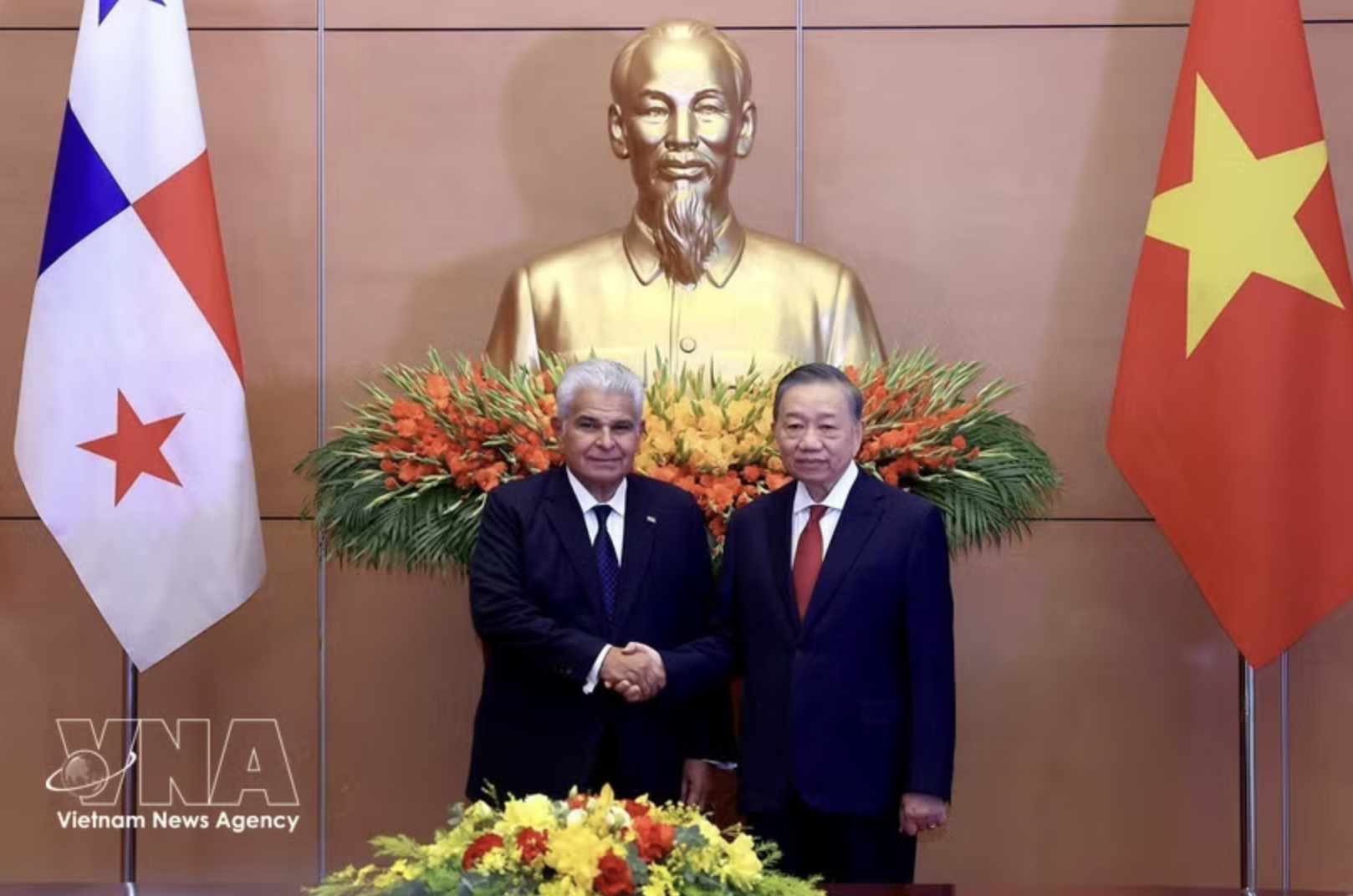
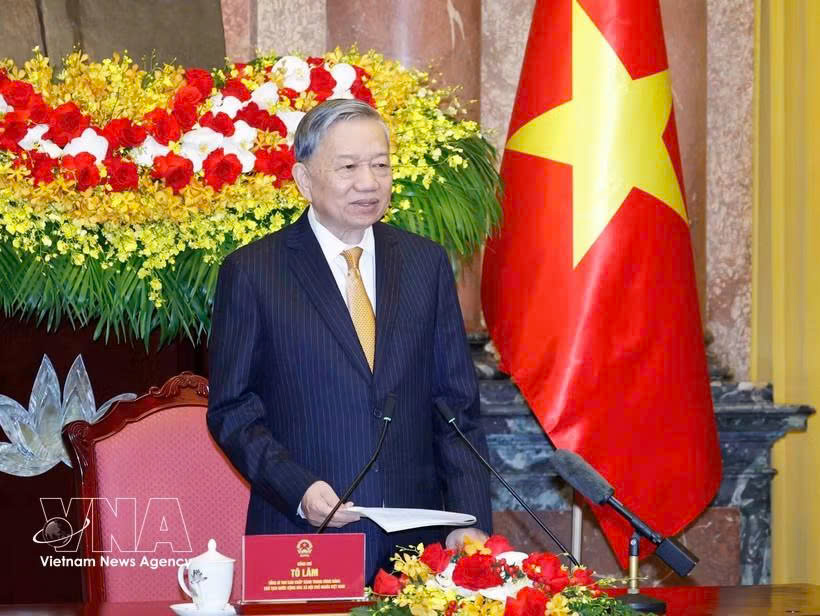
General Secretary of the Communist Party of Viet Nam Central Committee and State President To Lam, his spouse, and a high-ranking Vietnamese delegation will pay a state visit to Russia and an official visit to France, and attend the International Space Summit in Paris from September 7 to 12.