Vietnam’s participation in CORSIA from 2026 is set to cut emissions, boost competitiveness and open new opportunities to reposition its aviation sector globally.
An inevitable trend in the green transition of the aviation sector
On the morning of March 27, a technical meeting titled “Carbon Offsetting and Reduction Scheme for International Aviation (CORSIA) - International Experiences and Compliance Strategies for Vietnam’s Aviation” took place at the headquarters of the United Nations.
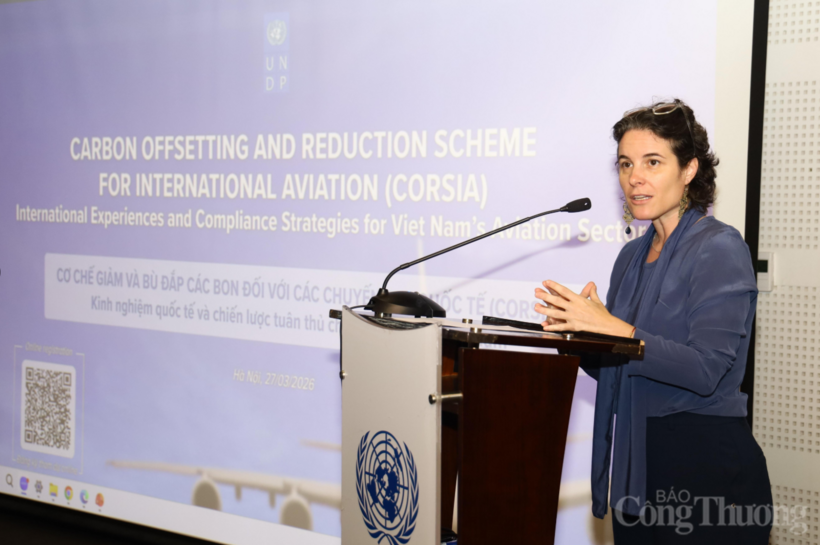
In her opening remarks, Francesca Nardini, Deputy Resident Representative of the United Nations Development Programme (UNDP) in Vietnam, emphasized that participation in CORSIA is not merely a legal obligation, but also a crucial test of the adaptability and positioning of Vietnam’s aviation sector amid the global green energy transition.
Deputy Resident Representative of the United Nations Development Program (UNDP) in Vietnam Francesca Nardini.
According to Francesca Nardini, compliance requirements in the carbon sector are becoming increasingly stringent and have direct impacts on socio-economic development. Vietnam is not starting from zero, having established a legal foundation and a system for monitoring, reporting and verification (MRV). However, the country still needs to further refine its management mechanisms, particularly in carbon credit licensing, risk prevention and supporting enterprises in building appropriate strategies.
More importantly, participation in CORSIA is not only a cost burden, but also opens opportunities to engage in the international carbon market, develop domestic projects, generate valuable carbon credits and enhance the competitiveness of aviation enterprises. This requires a clear legal framework, close coordination among regulatory bodies and timely decisions from the early stages.
Francesca Nardini also pointed out three key factors: ensuring transparency and predictability of policies; strengthening dialogue between the public and private sectors; and proactively learning from international experiences for effective application in Vietnam.
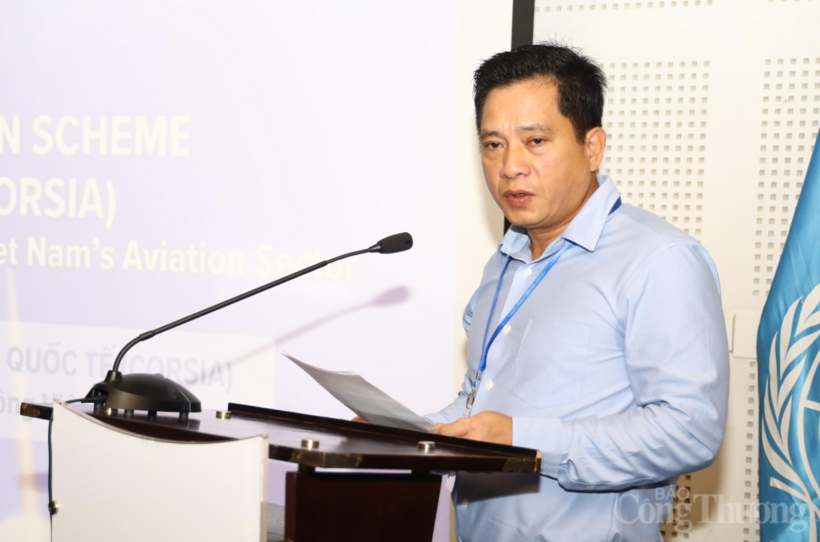
According to Ta Quang Hung, Deputy Director of the Department of Science, Technology, Environment and Building Materials under the Ministry of Construction, the global aviation sector currently accounts for about 2% of total CO2 emissions, equivalent to 882 million tons in 2023 and around 14% of emissions from the transport sector. Notably, international flights account for up to 80% of aviation emissions, mainly from long-haul routes.
Deputy Director of the Department of Science, Technology, Environment and Building Materials under the Ministry of Construction Ta Quang Hung.
According to forecasts by the International Civil Aviation Organization (ICAO), by 2050, emissions from international aviation could triple compared to 2015 if no effective control measures are implemented. In this context, CORSIA is identified as a key market-based mechanism, combined with technological, managerial and sustainable fuel solutions, to achieve net-zero emissions.
For Vietnam, therefore, green energy transition is a core task to fulfill commitments made at COP26. The Government has issued a number of important policies, including Decision No. 876/QD-TTg on the action program for green energy transition in the transport sector.
Participation in CORSIA is considered an inevitable trend. The Civil Aviation Authority of Vietnam has proposed and been approved to notify participation in the voluntary phase of CORSIA from January 1, 2026. In recent years, multiple preparatory steps have been implemented, including the development of the MRV system, issuance of regulations on fuel and emissions management, data reporting to ICAO and studying international experiences.
However, this process also presents considerable challenges, ranging from completing the legal framework for the carbon market and enhancing financial and technical capacity of enterprises to ensuring alignment with international mechanisms such as Article 6 of the Paris Agreement.
Promoting the green transition of vietnam’s aviation sector
According to experts, Vietnam possesses an important foundation to implement CORSIA in conjunction with its strategy for sustainable aviation development.
Highlighting the policy framework and roadmap for CORSIA participation, Cao Thi Thu Huong, representative of the Transport Development Investment Consultancy Center (CCTDI), stated that the country currently has 22 airports, including nine international ones, connecting to 25 countries through 150 routes.
According to the master plan, by 2030, Vietnam will have 31 airports with a total capacity of 276 million passengers per year, aiming toward the formation of two international transit hubs in Hanoi and Ho Chi Minh City by 2050.
Alongside infrastructure development, the use of sustainable aviation fuel (SAF) is being strongly promoted. SAF is identified as a key solution to reduce CO2 emissions, supported by various policies such as the National Climate Change Strategy, the green energy transition program and incentives stipulated in the revised Law on Civil Aviation.
Vietnam has significant potential in feedstock sources for SAF production, ranging from waste oils and fats, biomass, and municipal waste to captured CO2. However, challenges remain in collection and processing costs, technology and traceability requirements.
In terms of infrastructure, fuel storage and refueling systems at airports are ready to accommodate SAF without major investment, alongside established national technical standards.
A clear transition roadmap has been defined: by 2035, at least 10% of fuel for short-haul flights will be SAF, and by 2050, the sector aims to fully use green energy. Meanwhile, the legal framework for measuring, reporting and trading carbon credits is being gradually completed, with linkages between CORSIA and the Law on Environmental Protection, as well as related decrees on the domestic carbon market.
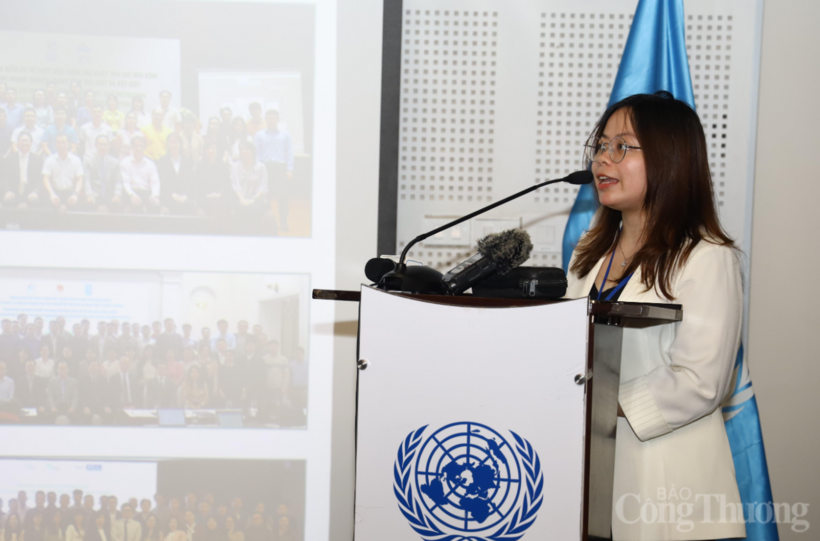
According to Nguyen Le Khanh Linh, technical expert at PoA Carbon, CORSIA has been implemented since 2021, with 130 countries participating to date. The program consists of three phases, with the mandatory phase beginning in 2027 for countries with significant aviation activities, including Vietnam.
Technical expert at PoA Carbon Nguyen Le Khanh Linh.
The CORSIA mechanism is based on requiring airlines to offset emissions exceeding the 2019 baseline by purchasing eligible carbon credits. This obligation is calculated per route and strictly monitored through the MRV system.
For Vietnam, the demand for emission offsetting in the 2026 - 2035 period is estimated at between 10.7 and 15.4 million tons of CO2. Costs could range from USD 335 million to over USD 1.2 billion, depending on carbon credit prices in the market.
The impact of CORSIA will also be reflected in airfares, with a projected increase of USD 0.3 to USD 5 depending on the phase. However, this also serves as a driver for technological innovation, improved operational efficiency and enhanced competitiveness of Vietnam’s aviation sector.
Vietnam’s proactive participation in CORSIA from 2026 not only demonstrates a strong commitment to global emission reduction goals, but also opens up opportunities to restructure the aviation sector toward a greener, more modern and sustainable model.
As environmental technical barriers continue to rise, participation in CORSIA represents a pivotal moment for Vietnam’s aviation sector to transform, strengthen its internal capacity and affirm its position on the global aviation map.
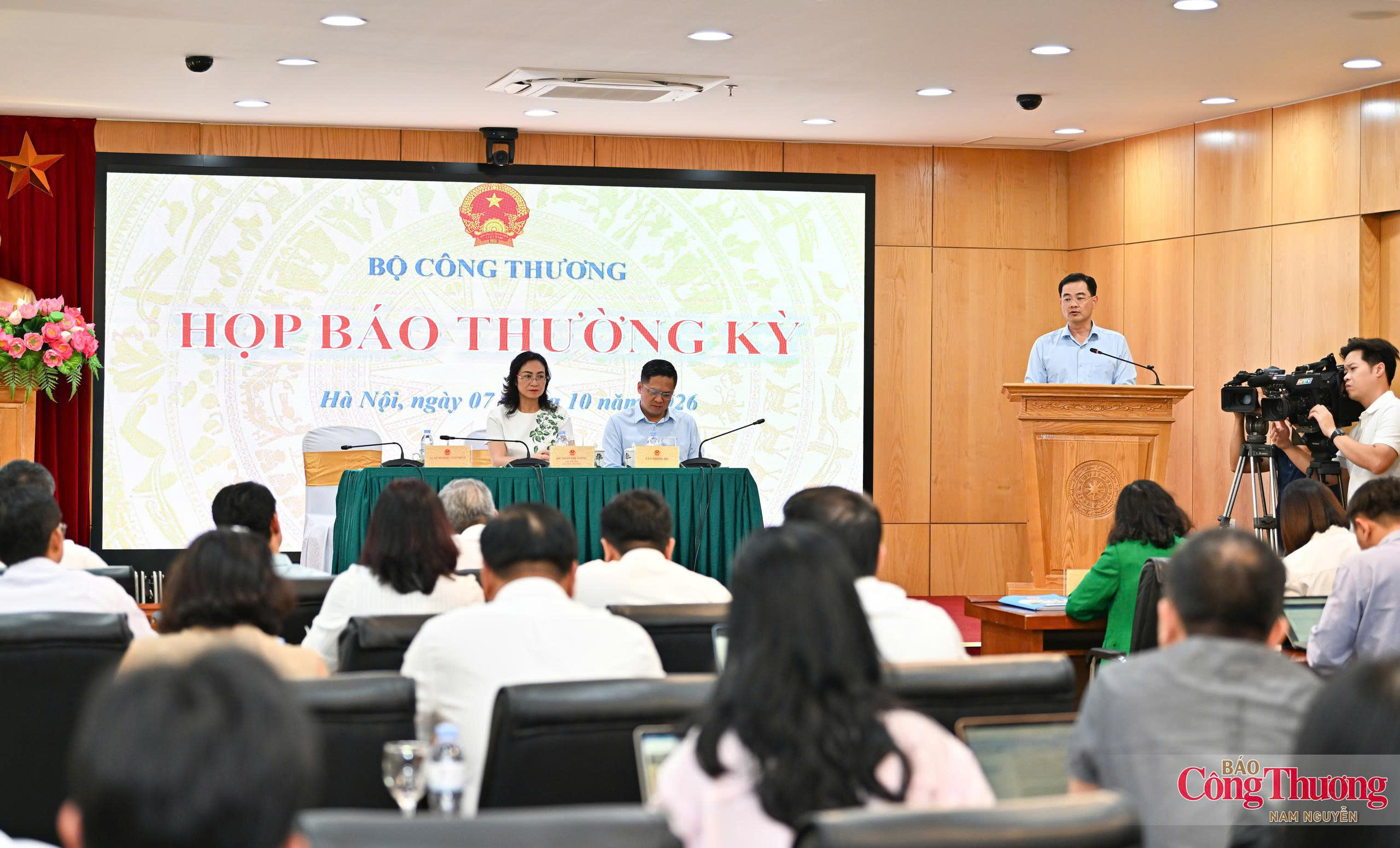
The Ministry of Industry and Trade (MoIT) held its regular press conference for the third quarter of 2026 in Ha Noi on the afternoon of October 7, chaired by Deputy Minister Phan Thi Thang.
Deputy Minister of Industry and Trade Luong Hoang Thai emphasized that building the national brand is a driving force for improving Viet Nam’s competitiveness and international standing.
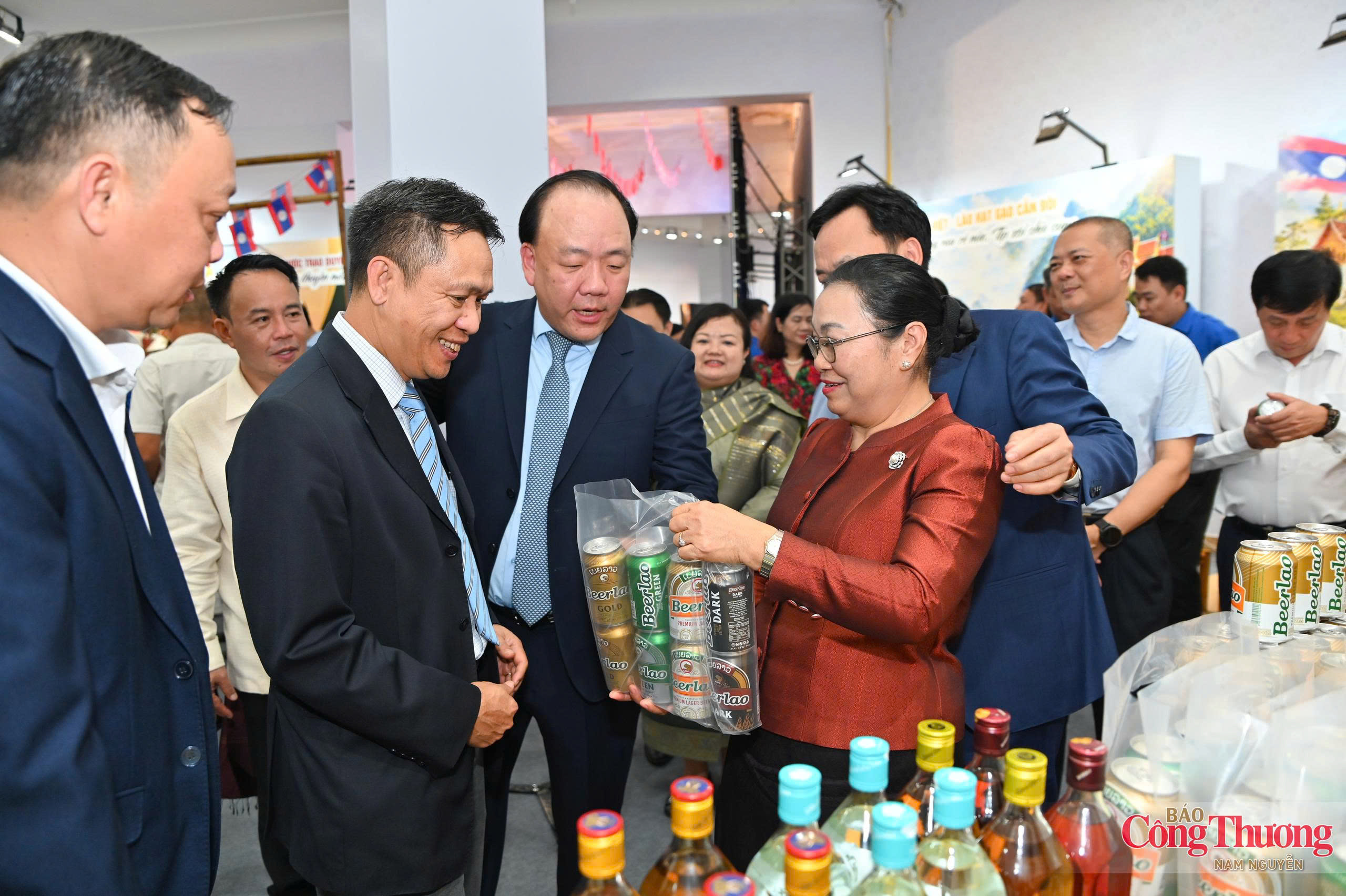
The official visit to Laos by Prime Minister Le Minh Hung is expected to inject fresh momentum into bilateral relations, with economic, trade and investment cooperation continuing to serve as a core pillar.
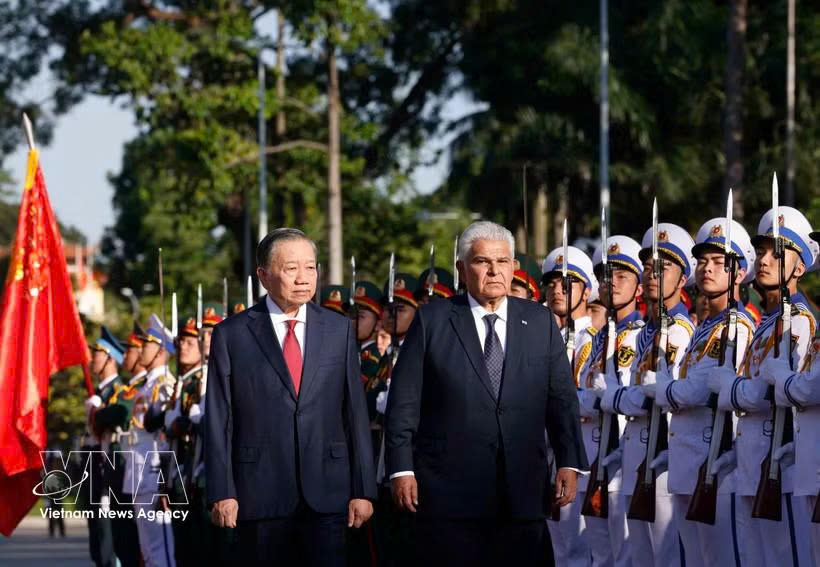
The Panamanian President’s visit is expected to contribute to further deepening and making the traditional friendship and cooperation between the two nations more substantive and effective.
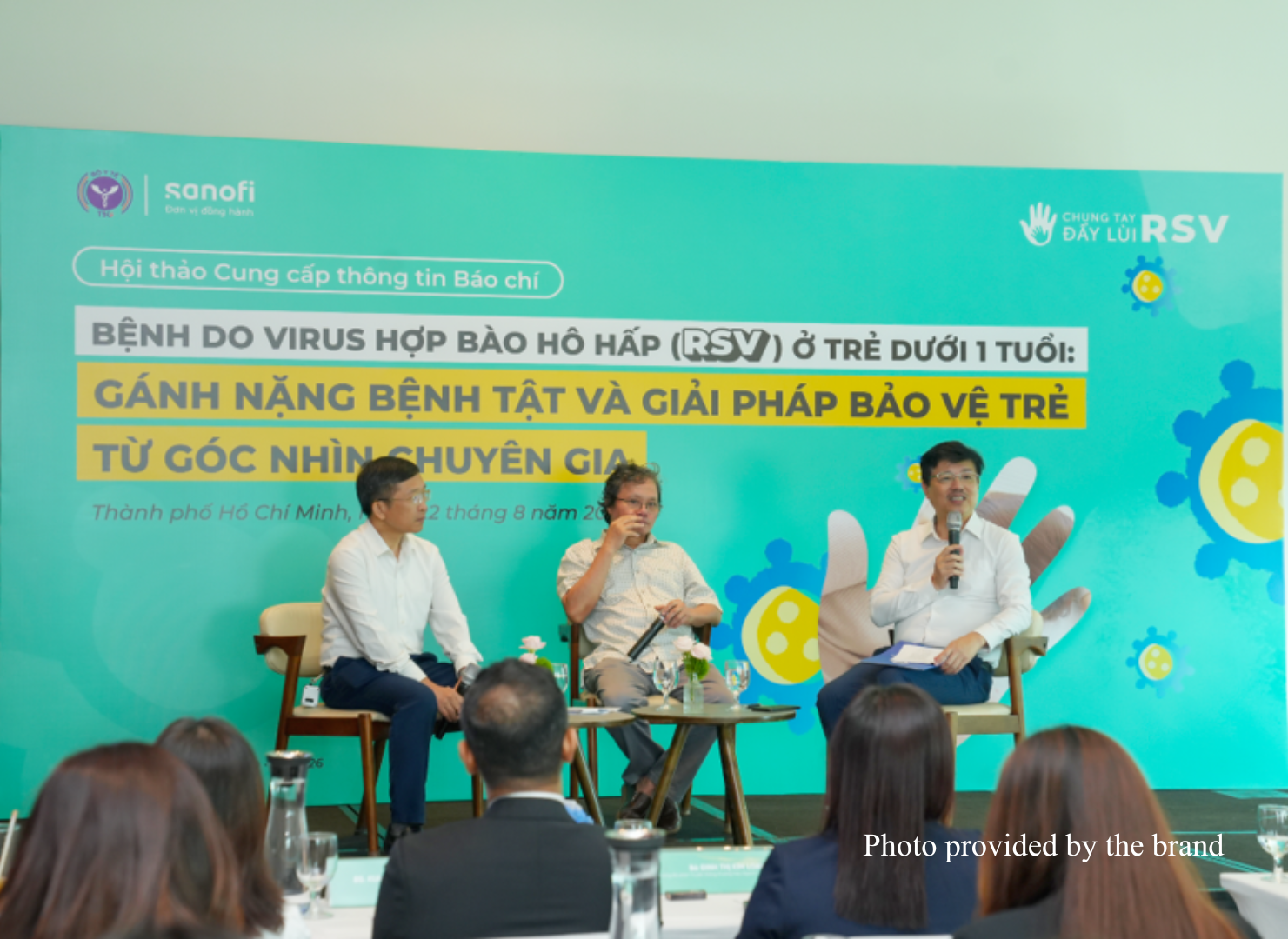
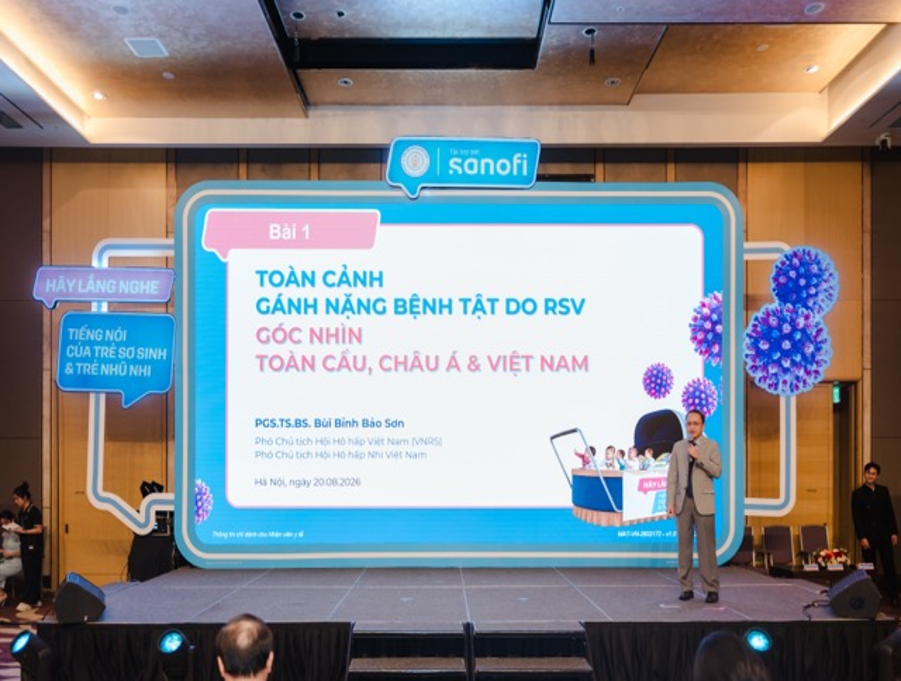
Experts warn that RSV can hospitalize even healthy infants under one, with severe cases linked to long-term respiratory problems and no specific treatment available.
Vietnamese and international experts call for routine influenza vaccination to better protect older adults from severe complications and preventable deaths.
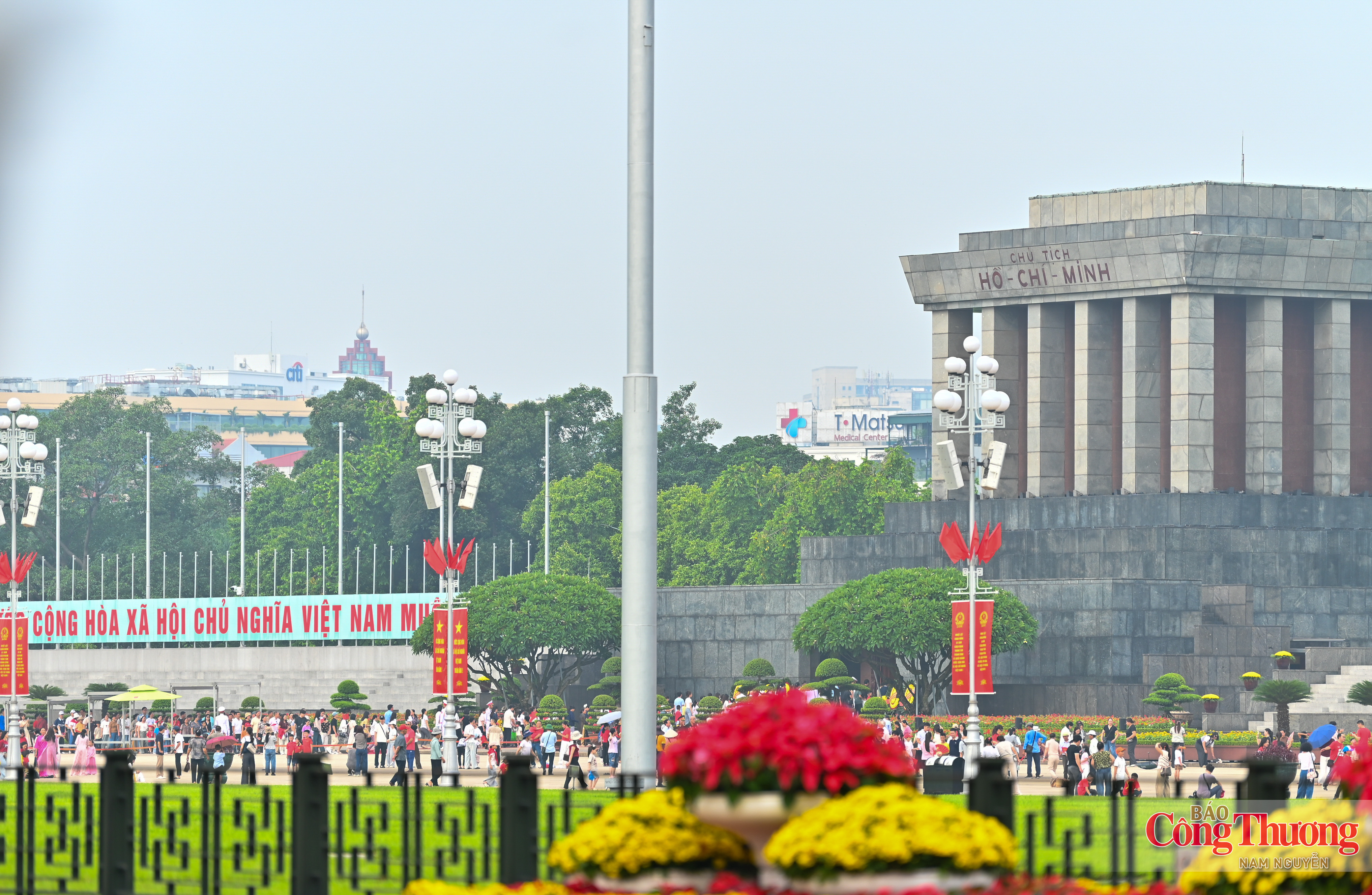
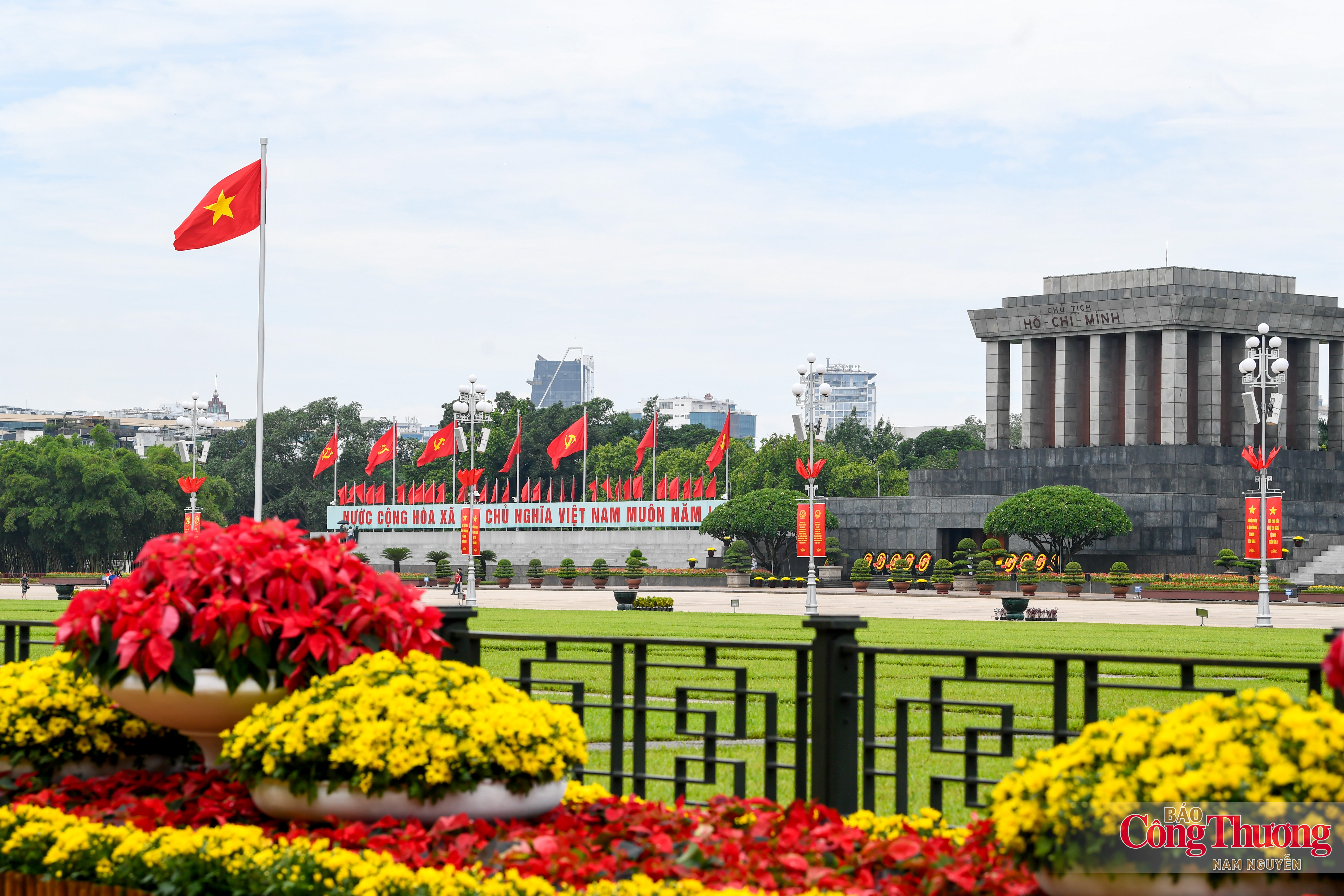
On the morning of September 1, tens of thousands of people nationwide flocked to Ba Dinh Square in Ha Noi to visit Ho Chi Minh Mausoleum and pay tribute.
In the lead-up to National Day on September 2, Ha Noi is awash in red flags and festive decorations, creating a vibrant atmosphere and stirring national pride.
Nearly 1,000 healthcare professionals attended RSV workshops in Hanoi and Ho Chi Minh City organized by the Vietnam Pediatric Association and sponsored by Sanofi-Aventis Vietnam.