Vietnam and Russian partners advance offshore wind, prioritizing localization and laying the groundwork for large-scale projects in the coming years.
Offshore wind power opens up opportunities for cooperation
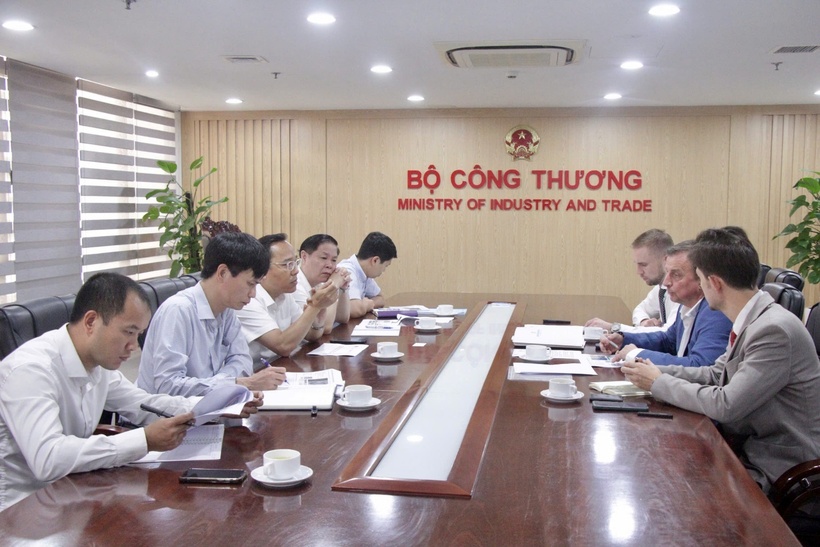
On the morning of April 8, Deputy Minister Nguyen Hoang Long held a working session with Zarubezhneft and Rosatom on offshore wind power development, focusing on investment procedures and localization requirements.
During the meeting, representatives of the Russian joint venture, including Zarubezhneft and Rosatom, presented their proposed plans and investment intentions in Vietnam, expressing a desire for guidance and support on Vietnam’s regulatory framework to optimize the implementation roadmap for offshore wind projects in the country.
Deputy Minister Nguyen Hoang Long chairs the meeting with Zarubezhneft.
The Russian side emphasized the importance of obtaining Prime Ministerial approval to appoint the joint venture as project developer without going through a bidding process, in order to shorten preparation time and accelerate concrete cooperation and investment. Notably, Rosatom, with seven years of experience in renewable energy, committed to providing advanced technologies to help ensure energy security and shield the system from external disruptions.
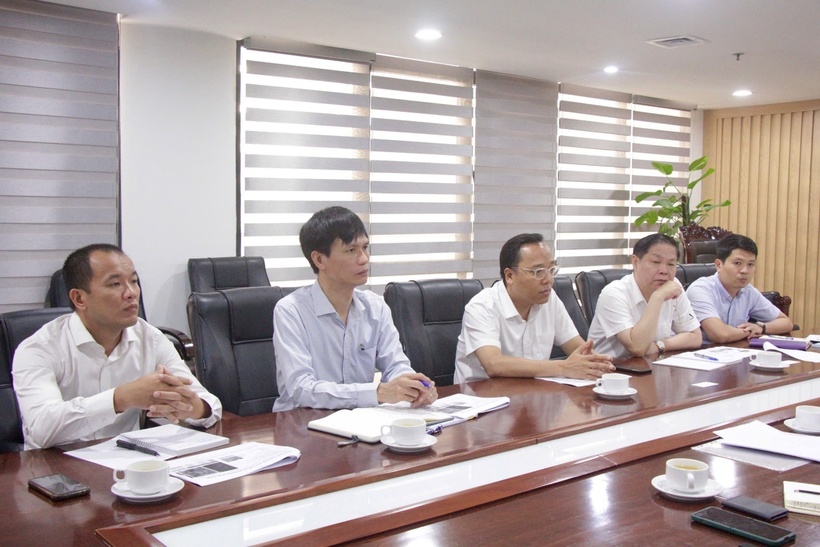
Also attending the meeting are representatives from the Electricity Authority and the Oil, Gas and Coal Department.
In response, Deputy Minister Nguyen Hoang Long and representatives of the relevant agencies provided detailed information on the revised Power Development Plan VIII. Accordingly, the development roadmap is divided into two phases: from 2025 to 2030, targeting 6,000 MW of capacity with projects subject to Prime Ministerial approval of investment policy and investor selection; and from 2031 to 2035, targeting 11,500 MW, with local authorities approving investment policy and organizing competitive bidding to select investors.
Regarding project locations, the Deputy Minister shared specific details under the revised plan, including the current status of sea area allocation in the South Central region, particularly in Binh Thuan.
Based on this, the Ministry of Industry and Trade urged the joint venture to thoroughly study the revised Power Development Plan VIII and the current framework for sea area allocation for offshore wind projects, in order to make informed decisions aligned with its development objectives. Securing the opportunity to invest in an initial 500 MW project would provide a solid foundation for the joint venture, enabling cost optimization of existing infrastructure and offering advantages for larger-scale projects in the future.
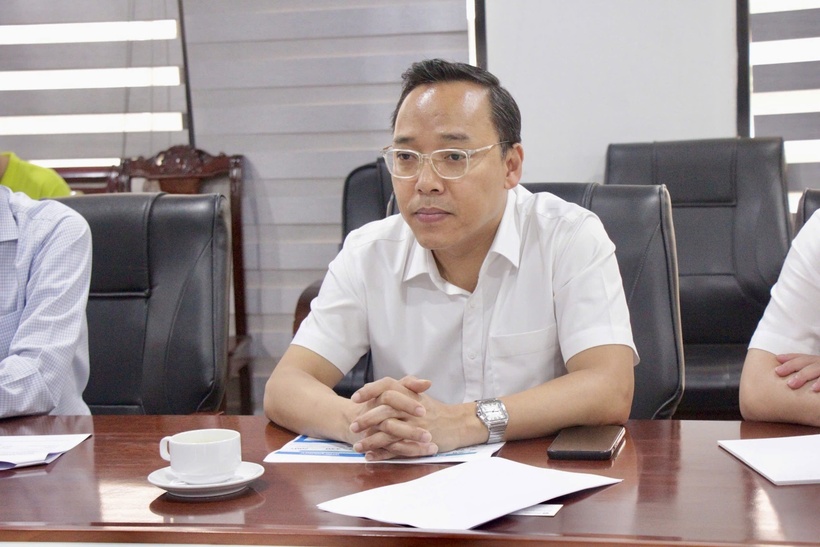
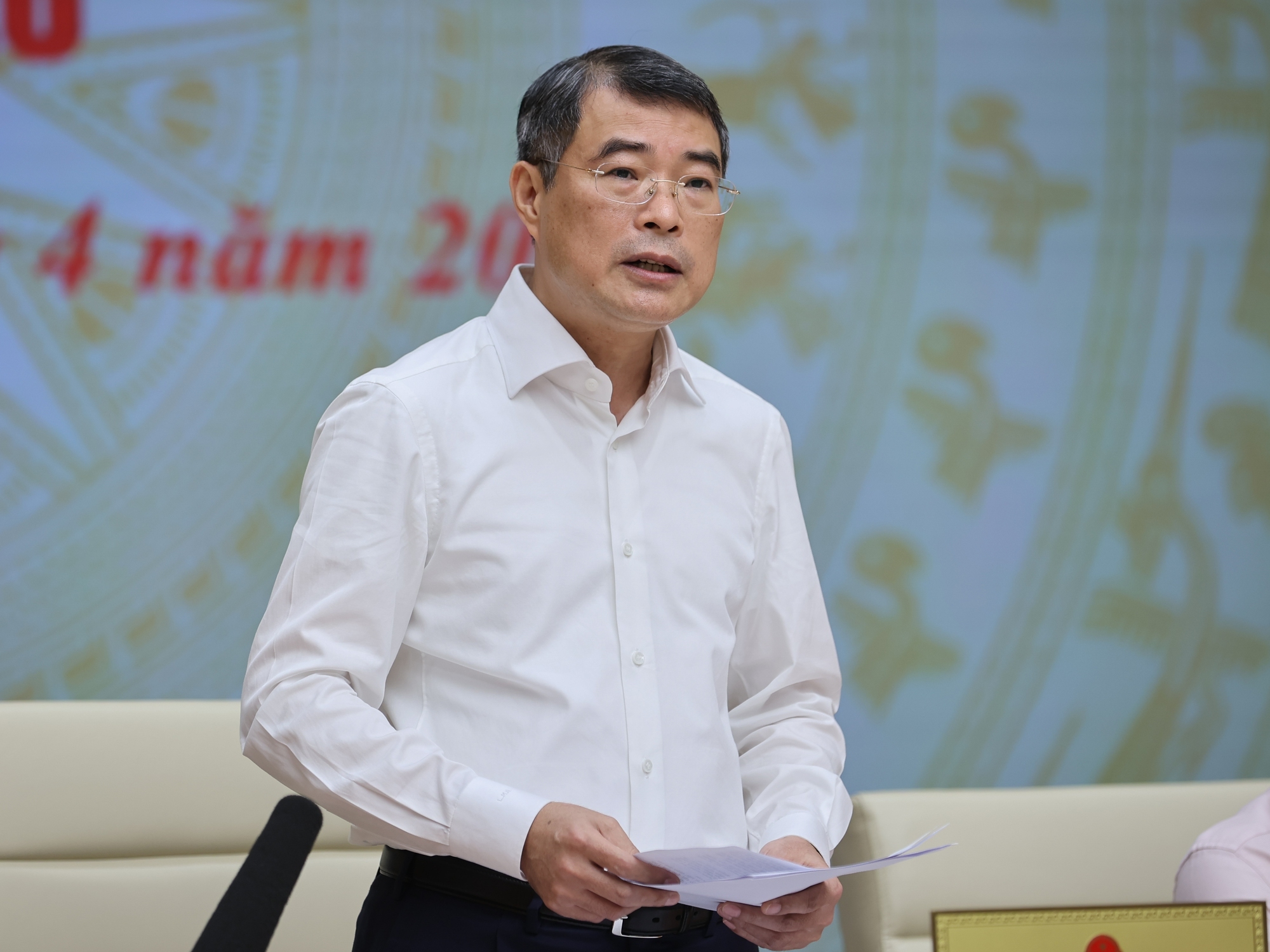
Deputy Minister of Industry and Trade Nguyen Hoang Long at the meeting.
Laying the foundation for large-scale projects.
A key strategic point highlighted by the Deputy Minister was the need to prioritize actual project investment rather than focusing solely on survey activities. Allocation of sea areas does not equate to approval as the project developer. Offshore wind surveys may cost millions of US dollars, yet investors still face the risk of not being selected as official developers through the bidding process. The joint venture was advised to work closely with its partners to carefully assess and determine an appropriate implementation roadmap.
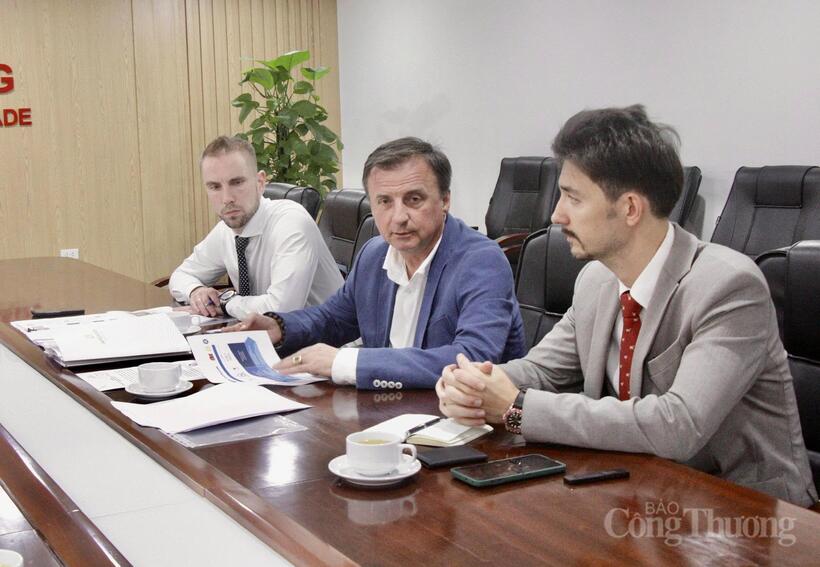
Zarubezhneft representatives speak at the meeting.
Under current regulations, within 24 months from the date of signing the project investment contract, the winning investor must approve the project’s feasibility study report; within 30 months, the parties must negotiate and conclude a power purchase agreement.
Regarding electricity pricing, it is currently determined based on the price framework issued annually by the Ministry of Industry and Trade. For offshore wind, the 2025 generation price framework in the South Central region is approximately VND 3,000 per kWh. The Deputy Minister noted that while price remains a key factor in bidding, criteria such as job creation, contributions to local budgets, and especially the level of localization will be given priority in evaluating and selecting investors.
In addition, Vietnam encouraged the Russian joint venture to explore solutions leveraging energy industrial hubs, combined with specialized Russian vessels, to reduce logistics costs when developing projects in Vietnam’s energy services market.
Concluding the meeting, Deputy Minister Nguyen Hoang Long stressed the need for the Russian side to act swiftly and complete the necessary documentation in line with their chosen approach. The joint venture was also provided with information on leading domestic consulting organizations, such as the Energy Institute, which could assist in identifying suitable grid connection points and help accelerate project implementation.
Ho Chi Minh City has become Vietnam largest economic hub, with industry and trade driving growth so and reinforcing its role as the nation’s leading economic engine.
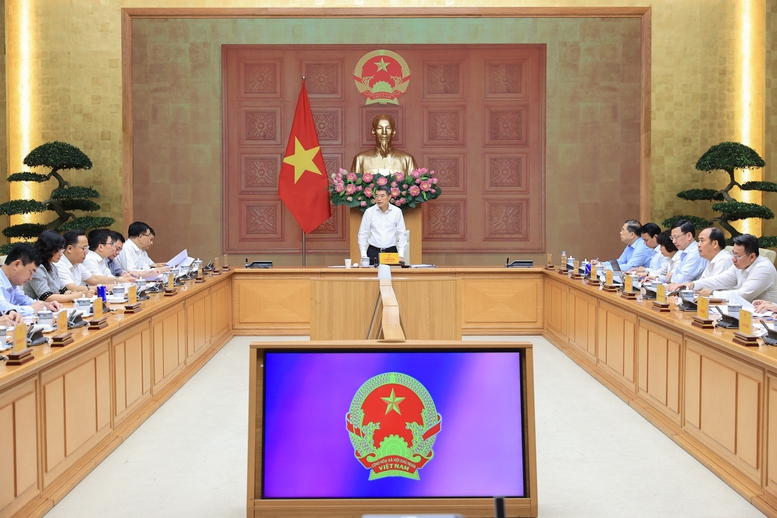
Prime Minister Le Minh Hung has assigned key tasks to the Ministry of Industry and Trade, focusing on energy security, industrial growth and market expansion.
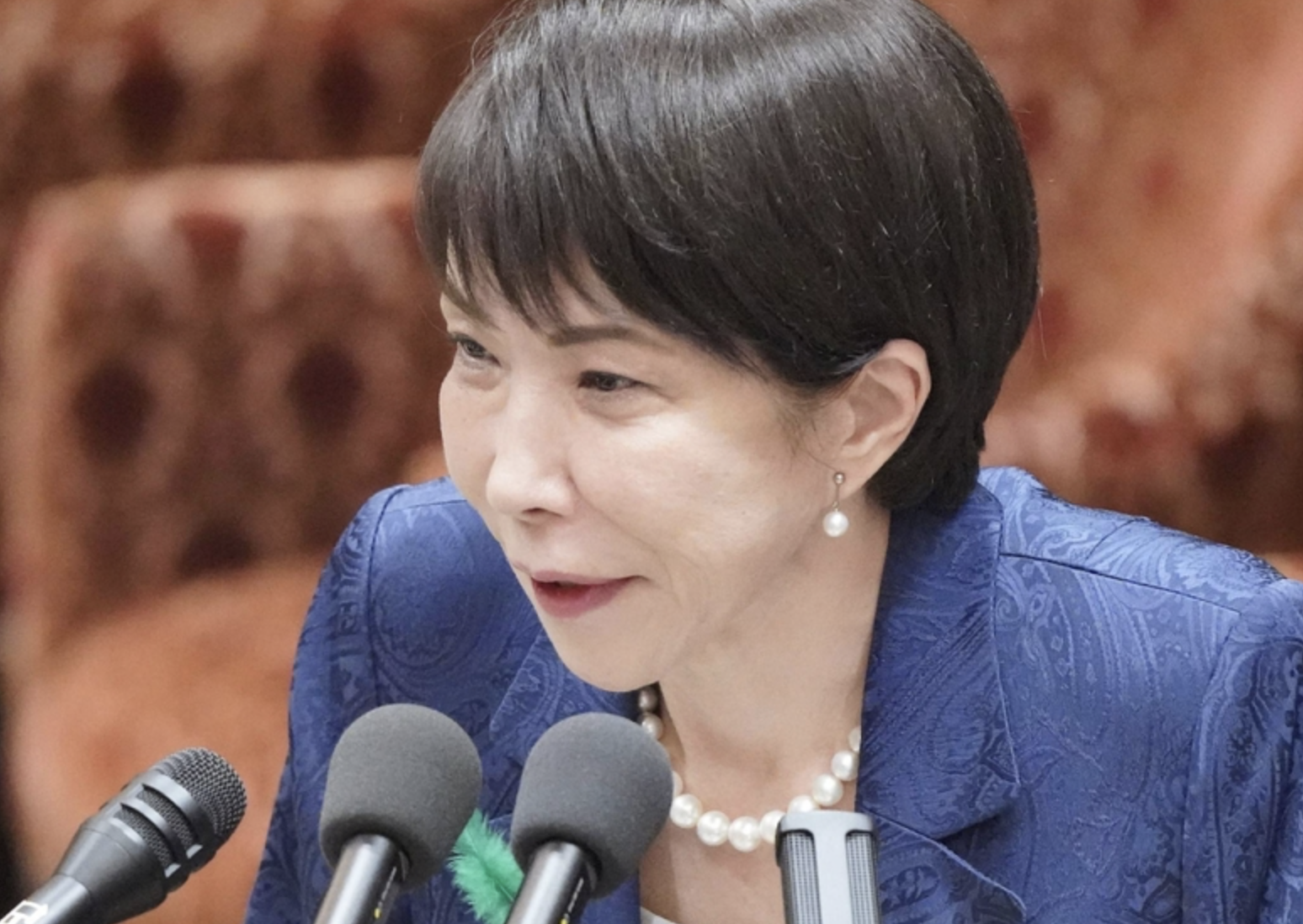
Japanese media reported Prime Minister Takaichi Sanae’s visit to Vietnam, highlighting economic security cooperation and the FOIP strategy amid regional uncertainties.
NZUA 2026 offers 15 scholarships for Vietnamese students, open April 15 to July 12, to study at six top New Zealand universities with valuable benefits.
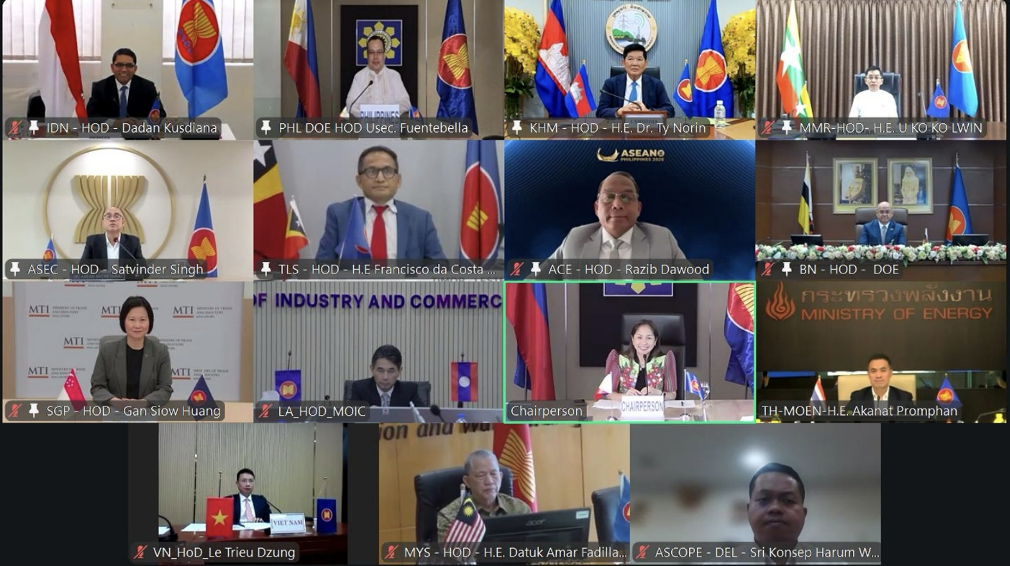
The Special AMEM discussed the Middle East’s impact on ASEAN energy security, stressing regional coordination, market stability, and supply disruption response.
Prime Minister Le Minh Hung has assigned key tasks to the Ministry of Industry and Trade, focusing on energy security, industrial growth and market expansion.
Japanese media reported Prime Minister Takaichi Sanae’s visit to Vietnam, highlighting economic security cooperation and the FOIP strategy amid regional uncertainties.
Party General Secretary and State President To Lam visited and encouraged workers in Ho Chi Minh City, reaffirming care for laborers and inclusive growth goals.
On April 24, Prime Minister Le Minh Hung chaired a nationwide conference on accelerating the allocation and disbursement of public investment capital in 2026.