Japanese media reported Prime Minister Takaichi Sanae’s visit to Vietnam, highlighting economic security cooperation and the FOIP strategy amid regional uncertainties.
Japanese press collectively highlighted a common theme: the growing importance of economic security cooperation with Vietnam amid rapid regional and global changes, while also viewing this as a key component in advancing the Free and Open Indo-Pacific (FOIP) strategy.
Major media organizations such as Kyodo, NHK, Asahi Shimbun, Nikkei, and The Japan Times unanimously assessed that the visit is not merely a routine diplomatic engagement, but carries strategic significance in restructuring supply chains and ensuring Japan’s energy security. This comes amid escalating tensions in the Middle East, export control measures, and global technological competition, all of which are increasingly exposing risks to Japan’s import-dependent economy.
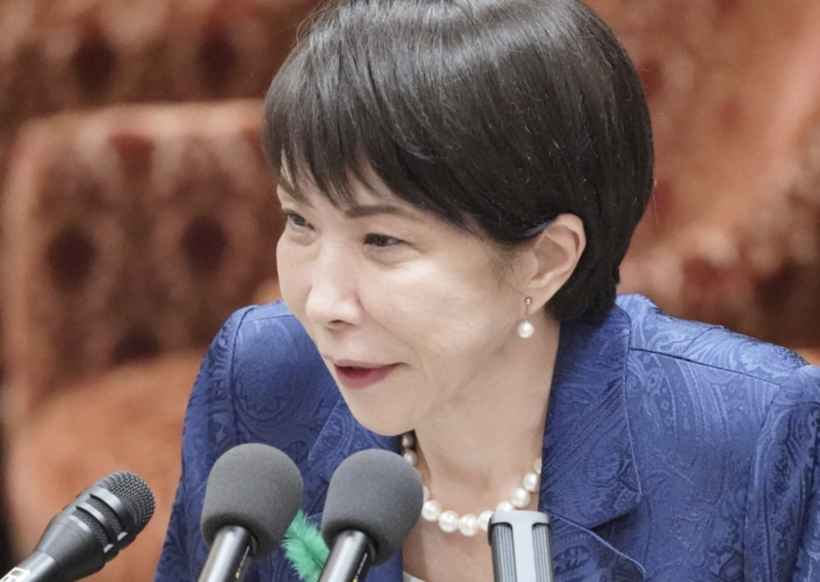
Prime Minister of Japan Takaichi Sanae is scheduled to pay an official visit to Vietnam from May 1 - 3, 2026. Photo: Japan Times
Kyodo News quoted Chief Cabinet Secretary Minoru Kihara at a press briefing as saying: “With Vietnam, Japan hopes to reaffirm the strengthening of the ‘Comprehensive Strategic Partnership’ between the two countries, including in areas of economic security such as energy and critical minerals.”
According to NHK and Asahi Shimbun, Kihara also emphasized: “In Southeast Asia, Vietnam is a fast-growing economy, while Australia serves as a key pillar in relations with like-minded countries; strengthening ties with these two nations is extremely important.”
Japanese media noted that Vietnam is regarded as one of the fastest-growing economies in Southeast Asia, with a favorable geopolitical position that allows Tokyo to diversify its supply of strategic resources such as energy and critical minerals. This is seen as a way to reduce dependence on certain markets and enhance long-term economic resilience.
In addition, Japanese outlets paid special attention to the foreign policy speech expected to be delivered by Prime Minister Takaichi in Vietnam, viewing it as a significant milestone in “refreshing” and adjusting the FOIP strategy after a decade of implementation since the era of late Prime Minister Shinzo Abe. The focus is expected to shift more strongly toward practical elements such as economic security, strategic autonomy, and resilience against external shocks.
Several reports also suggested that selecting Vietnam as a destination for this official visit carries symbolic significance, reflecting Japan’s prioritization of Southeast Asia in its long-term strategy, while reaffirming Vietnam’s rising position in the regional structure.
Asahi Shimbun cited views from the Vietnamese side, in which Vietnam’s Ambassador to Japan Pham Quang Hieu emphasized the desire to strengthen cooperation among middle-power countries to avoid overdependence on major powers amid rising geopolitical competition, thereby creating a more balanced and stable space for cooperation. These assessments are placed in the context of Vietnam’s pursuit of high economic growth and its long-term goal of upgrading its economic standing, with expectations of leveraging cooperation with Japan to promote industrial, technological, and energy development.
Ahead of the Japanese Prime Minister’s visit, Japan’s Ambassador to Vietnam Ito Naoki stated that Vietnam is a nation that values peace and development based on respect for peace; therefore, Japan seeks to work closely with Vietnam to contribute to building a peaceful, stable, and mutually developing region. He expressed hope that Prime Minister Takaichi’s visit will further promote people-to-people exchanges, with the goal of reaching 2 million annual tourist visits between the two countries by 2030.
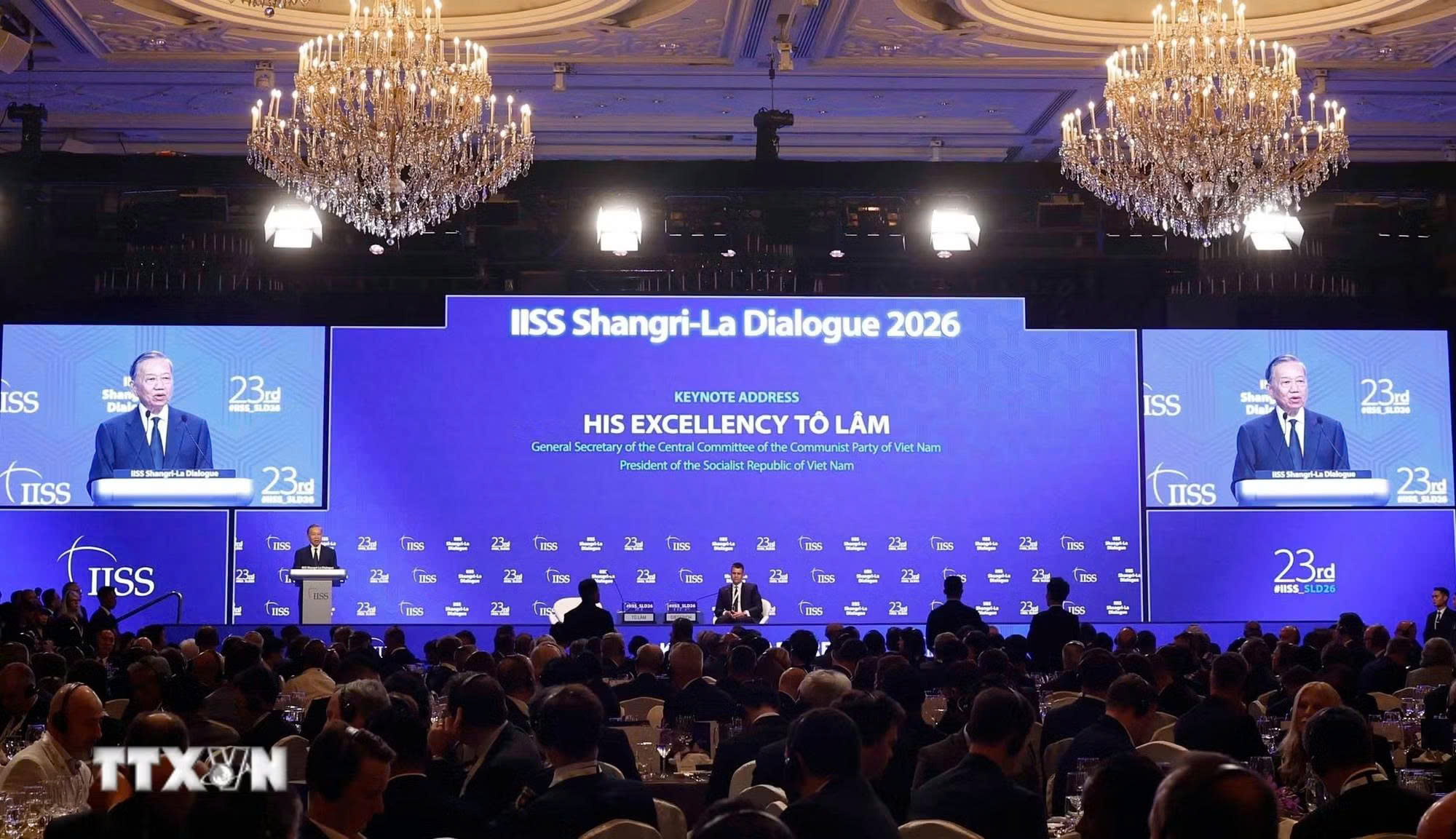
Vietnam therefore stands ready to work with countries both within and beyond the region to reinforce rules, nurture trust, promote dialogue, enhance cooperation, mitigate risks, and together shape an Asia-Pacific that is safer, more resilient and more prosperous.
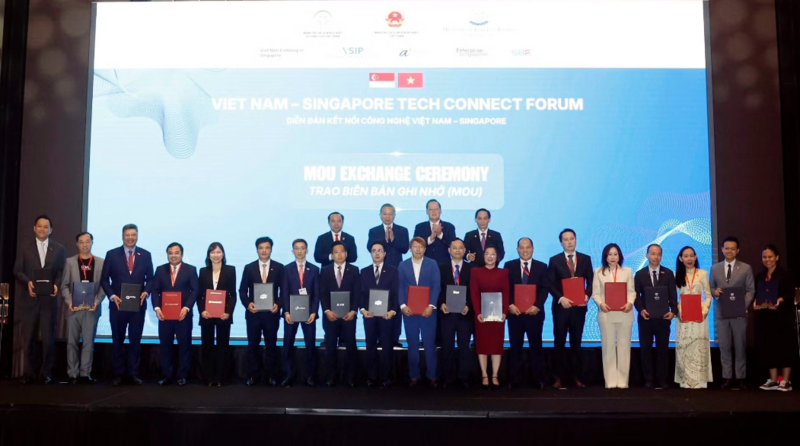
Party General Secretary, President To Lam attended a technology forum in Singapore, promoting innovation cooperation, strategic technologies and talent development.
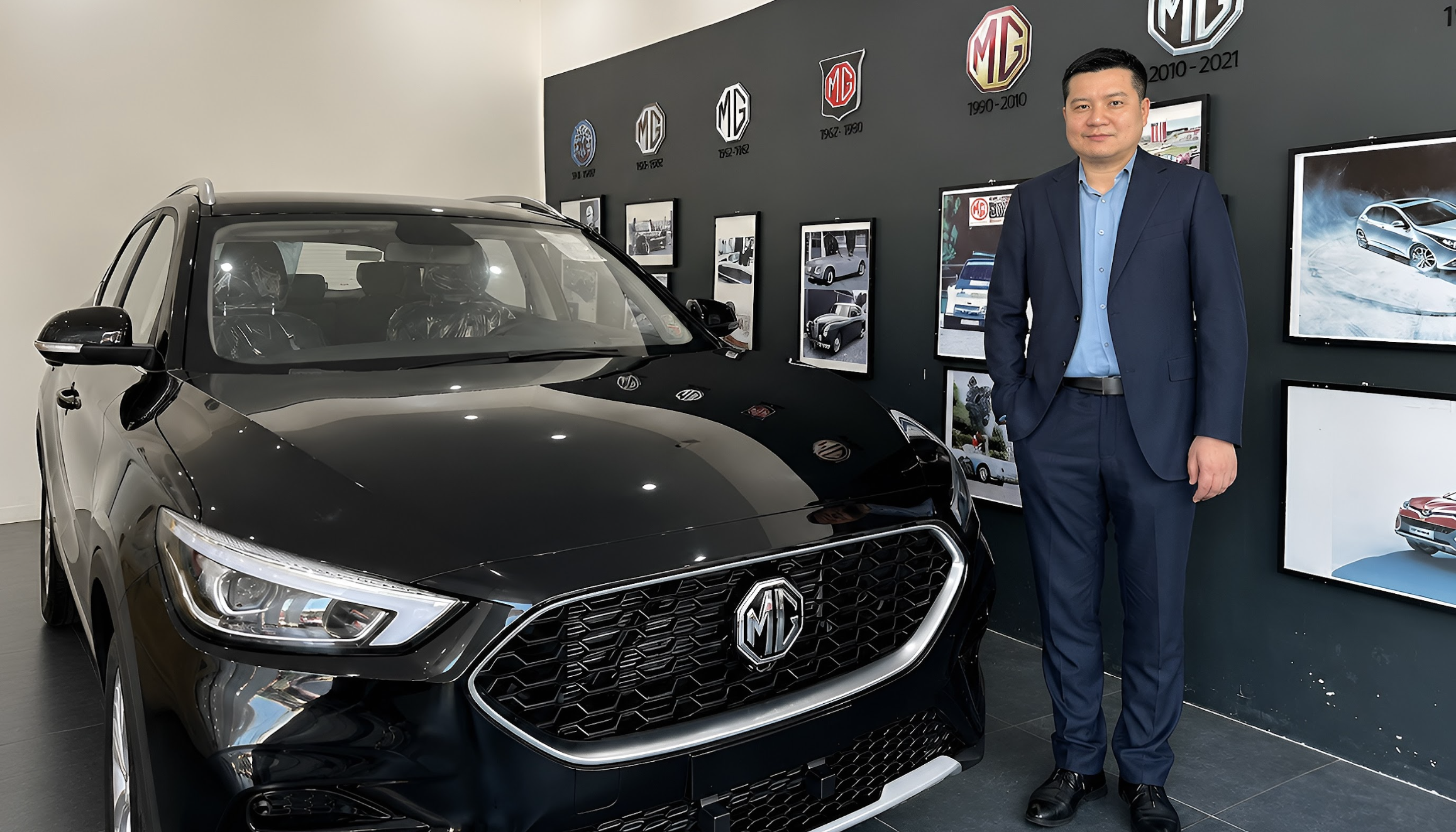
SAIC Motor Vietnam Co., Ltd. (SMV), the official distributor of MG vehicles in Vietnam, has announced the appointment of Tang Donghui as its new General Manager, effective May 2026.
Vietnam therefore stands ready to work with countries both within and beyond the region to reinforce rules, nurture trust, promote dialogue, enhance cooperation, mitigate risks, and together shape an Asia-Pacific that is safer, more resilient and more prosperous.
Party General Secretary, President To Lam attended a technology forum in Singapore, promoting innovation cooperation, strategic technologies and talent development.
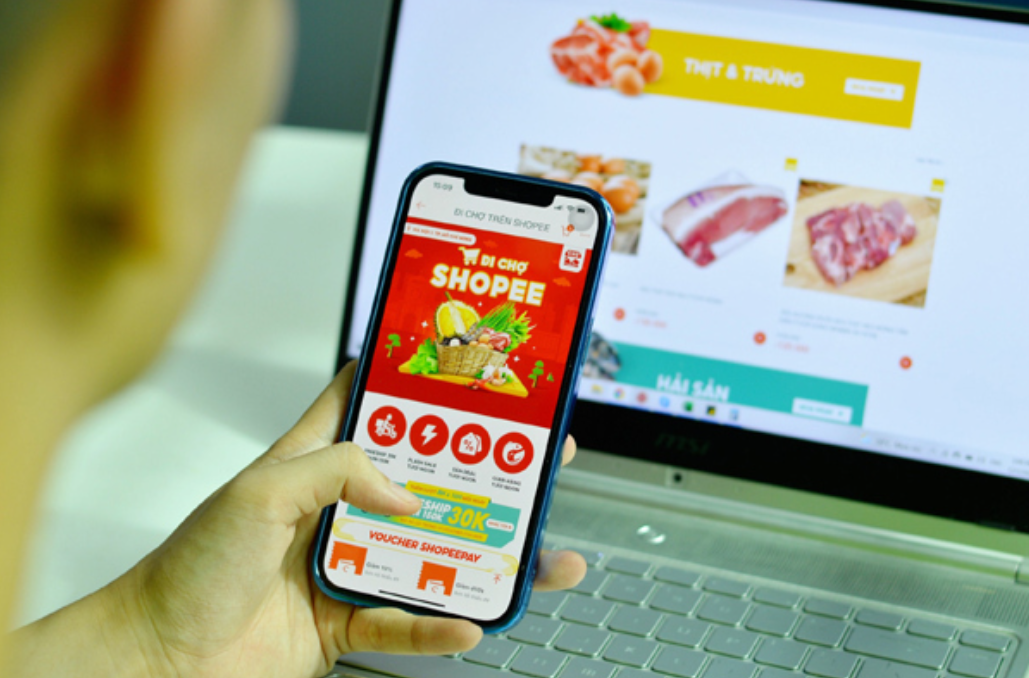
The National Competition Commission asked Shopee to clarify fee policies for sellers amid concerns over impacts on market competition and consumers nationwide today.