Bringing supporting industries within the scope of the Key Industries Law is expected to establish a unified legal framework, expand development opportunities for businesses, and enhance domestic localization capacity.
Creating a legal framework for supporting industries
According to the Industrial Agency under the Ministry of Industry and Trade, supporting industries are considered one of the critical links underpinning the strength of the industrial sector. However, the development of supporting industries remains disproportionate to the requirements of industrialization and modernization, as well as the rapid expansion of manufacturing and processing industries.
Against this backdrop, the drafting of the Key Industries Law is opening up a new approach. Under the content approved by the Government, the Law will focus on two major policy groups proposed by the Ministry of Industry and Trade.
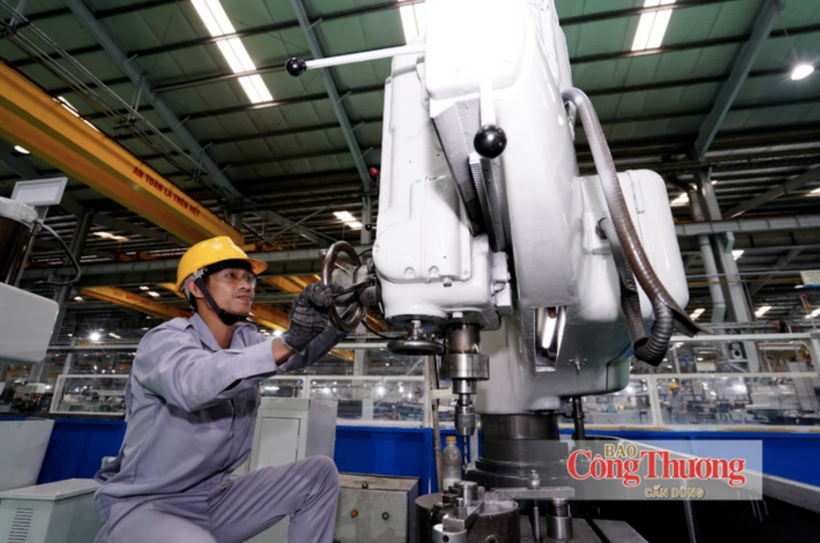
The Law on Key Industries is expected to establish a comprehensive legal framework to promote the development of industries in which Vietnam has competitive advantage. Photo: Can Dung
First, it will encourage domestic production and manufacturing of key industrial products. This is identified as one of the pillars for strengthening endogenous capacity, reducing dependence on imports and gradually mastering technologies. As domestic production capacity is strengthened, foundational industries such as mechanical engineering, electronics and new materials will also have greater opportunities to develop.
Second, it will promote supporting industries. These industries supply components, materials, inputs and auxiliary products for manufacturing, while processing and manufacturing industries produce higher-value finished products.
According to a report by the Ministry of Industry and Trade, the drafting of the Key Industries Law aims to establish a unified legal framework to promote the country's foundational industries, with supporting industries regarded as a key link.
Notably, in the draft Key Industries Law, the Ministry of Industry and Trade emphasizes that developing key industries, particularly supporting industries, is important to attracting high-quality foreign direct investment and achieving sustainable growth. Bringing supporting industries within the scope of the Law is not simply about adding another sector eligible for policy support. More importantly, it clearly positions supporting industries within the structure of industrial development, thereby providing a basis for formulating sufficiently strong policies to enhance domestic localization, reduce import dependence and lay a foundation for the sustainable development of processing and manufacturing industries.
The draft Key Industries Law is currently being finalized by the Ministry of Industry and Trade at the Government's direction. In an interview with Newspaper of Industry and Trade, Pham Van Quan, Deputy Director of the Industrial Agency, said one of the notable new features of the draft Law is the proposal of special and breakthrough mechanisms to attract investment, create products and develop markets for key industries.
“The objective of the draft Law is not only to attract the world's leading technology corporations to invest and manufacture in Vietnam, but also to create conditions for domestic businesses to participate more deeply in global supply chains through technology transfer, workforce training and the development of a supplier ecosystem,” Pham Van Quan added.
Expanding development opportunities for businesses
For supporting industries, the greatest value that the Key Industries Law could create lies not only in individual incentive policies, but also in establishing mechanisms to link domestic businesses with multinational corporations and major manufacturers and assemblers. The solutions selected by the Ministry of Industry and Trade are also consistent with the orientation set out in Politburo Resolution No. 68-NQ/TW dated May 4, 2025, on private-sector economic development. Accordingly, appropriate localization ratios should be applied according to a roadmap in key, strategic and priority industries, while major FDI projects should be required to develop plans for using domestic supply chains from the project approval stage.
According to the Industrial Agency, this is accompanied by an orientation to develop business linkages based on industry clusters, value chains and supply chains; encourage large enterprises to lead domestic supply chains and connect with small and medium-sized enterprises and household businesses. Supporting the development of industry clusters, particularly supporting industries, has also been identified as an important solution.
From a long-term development perspective, the objective is to establish and develop domestic value chains through effective investment attraction, stronger business connectivity, and closer links between Vietnamese enterprises and multinational corporations, as well as domestic and foreign manufacturing and assembly companies. This would create conditions for the development of materials industries and the production of components, parts and auxiliary materials, thereby strengthening self-reliance in inputs, reducing dependence on imports, increasing domestic added value and improving product competitiveness.
Drawing on the experience of the automotive industry, at the second meeting of the Drafting Team for the Key Industries Law held in late June 2026, Nguyen Thi Hoa, Acting Head of the Policy Subcommittee of the Vietnam Automobile Manufacturers' Association, said that the development of the Key Industries Law should aim to build a complete industrial ecosystem.
According to Hoa, adding the automotive industry to the group of key industries is appropriate because it has extensive spillover effects across many other sectors. However, development policies must promote close linkages among lead firms, domestic supporting enterprises and FDI businesses in order to enhance their ability to participate more deeply in value chains.
Notably, the representative of the Vietnam Automobile Manufacturers' Association pointed out that key industry policies should place a strong focus on attracting and retaining high-quality investors. This is considered a crucial factor because FDI enterprises not only provide capital but also play an important role in technology transfer, raising production standards and creating a foundation for the long-term sustainable development of Vietnam's industrial sector.
Alongside the development of supporting industries, the country also needs to promote the production and assembly of complete products. Targeted support for Vietnamese enterprises in priority processing and manufacturing industries is expected to gradually foster the emergence of regional-scale companies and corporations, generating spillover effects and helping drive the development of supporting industrial enterprises.
In line with the spirit of Politburo Resolution No. 23-NQ/TW on orientations for formulating national industrial development policies through 2030, with a vision to 2045, the challenge is not simply to increase the number of enterprises or expand production scale. More importantly, it is necessary to strengthen technological self-reliance, increase the share of domestic value added and improve the position of Vietnamese enterprises in global value chains.
In an interview with Newspaper of Industry and Trade, Tran Viet Hoa, Director of the Industrial Agency and Standing Deputy Head of the Drafting Team for the Key Industries Law, said that the drafting agency had so far received 48 comments from ministries, sectors, National Assembly delegations, and People's Committees of centrally governed provinces and cities.
According to Tran Viet Hoa, 100% of the submitted comments agreed on the necessity of promulgating the Key Industries Law and doing so at an early date. The Law is viewed as an important legal framework that would create breakthrough mechanisms to promote industrial development and meet growth targets in the coming period.
The draft Key Industries Law is expected to deliver policy breakthroughs to address long-standing bottlenecks in Vietnam's industrial sector, shifting the development model from processing and assembly toward research, design and manufacturing in Vietnam, with higher levels of technology and knowledge content.
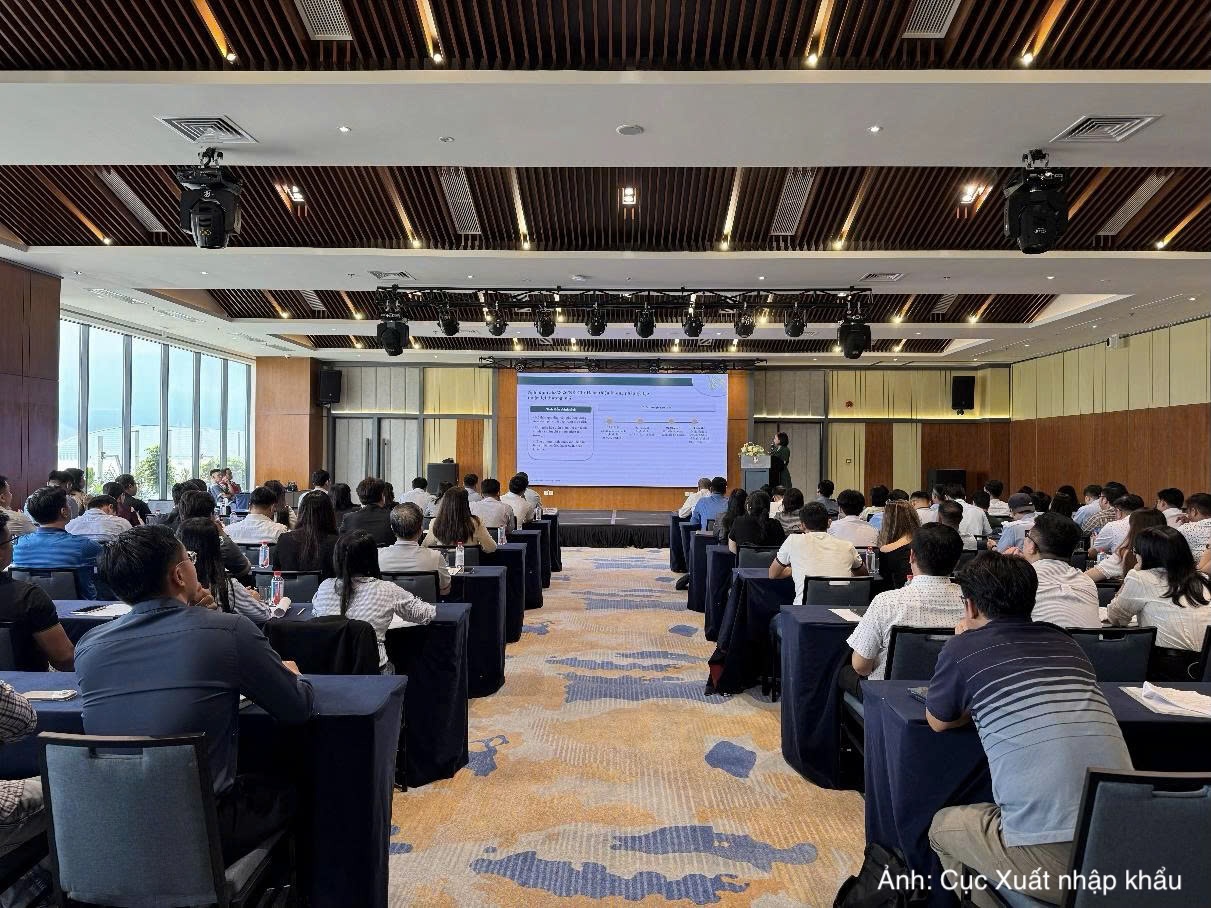
On October 13, the Agency of Foreign Trade under the Ministry of Industry and Trade (MoIT) held a conference in Dong Thap province to disseminate Government Decree No.365/2026/ND-CP dated September 23, 2026, on rice export and import business, and Circular No.65/2026/TT-BCT dated October 1, 2026, issued by the Minister of Industry and Trade, detailing certain provisions and measures for implementing Decree No.365/2026/ND-CP.
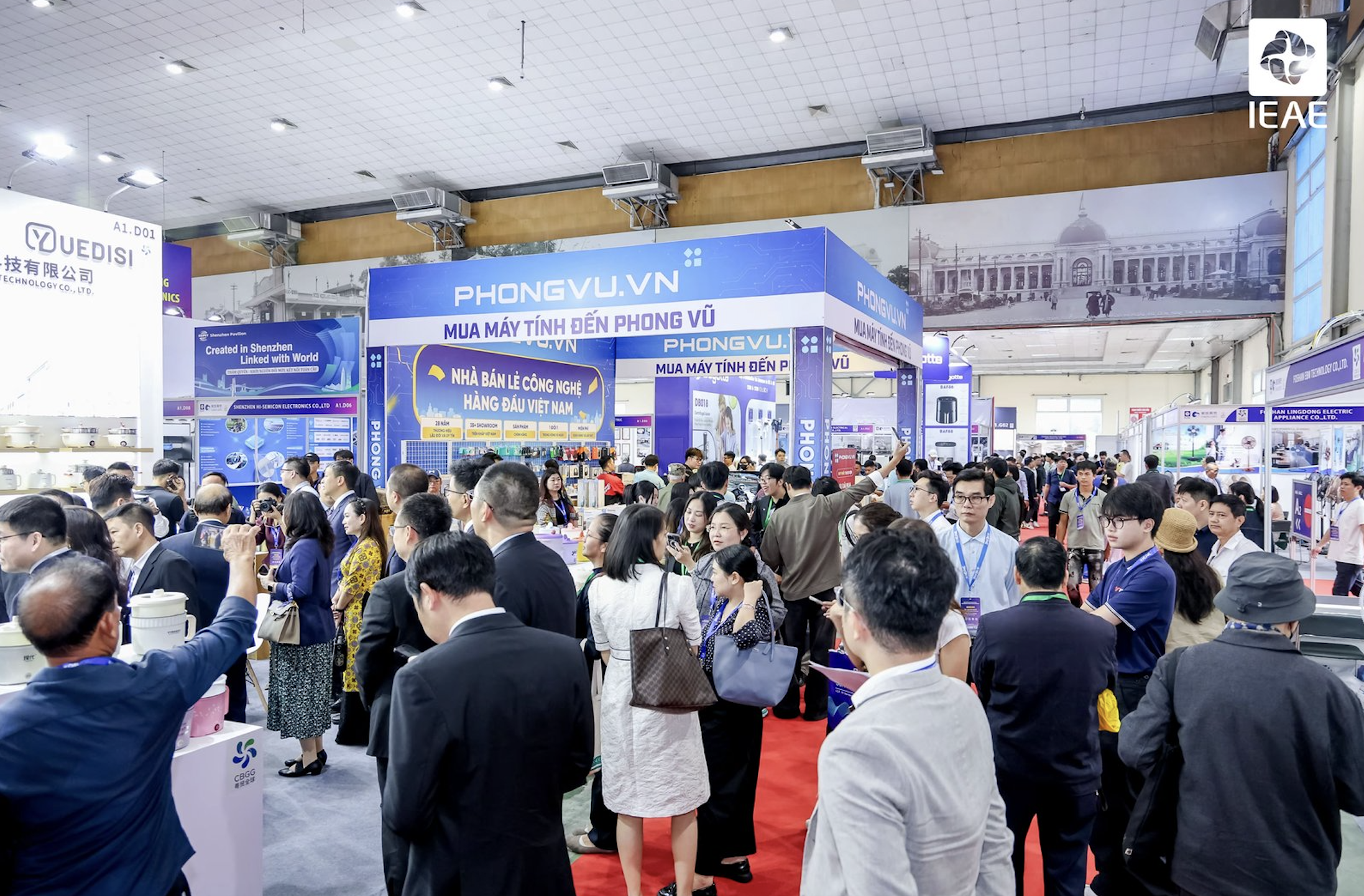
IEAE Hanoi 2026 will gather over 300 exhibitors, showcasing electronics, smart appliances and connecting businesses with sourcing and trade opportunities in Vietnam.
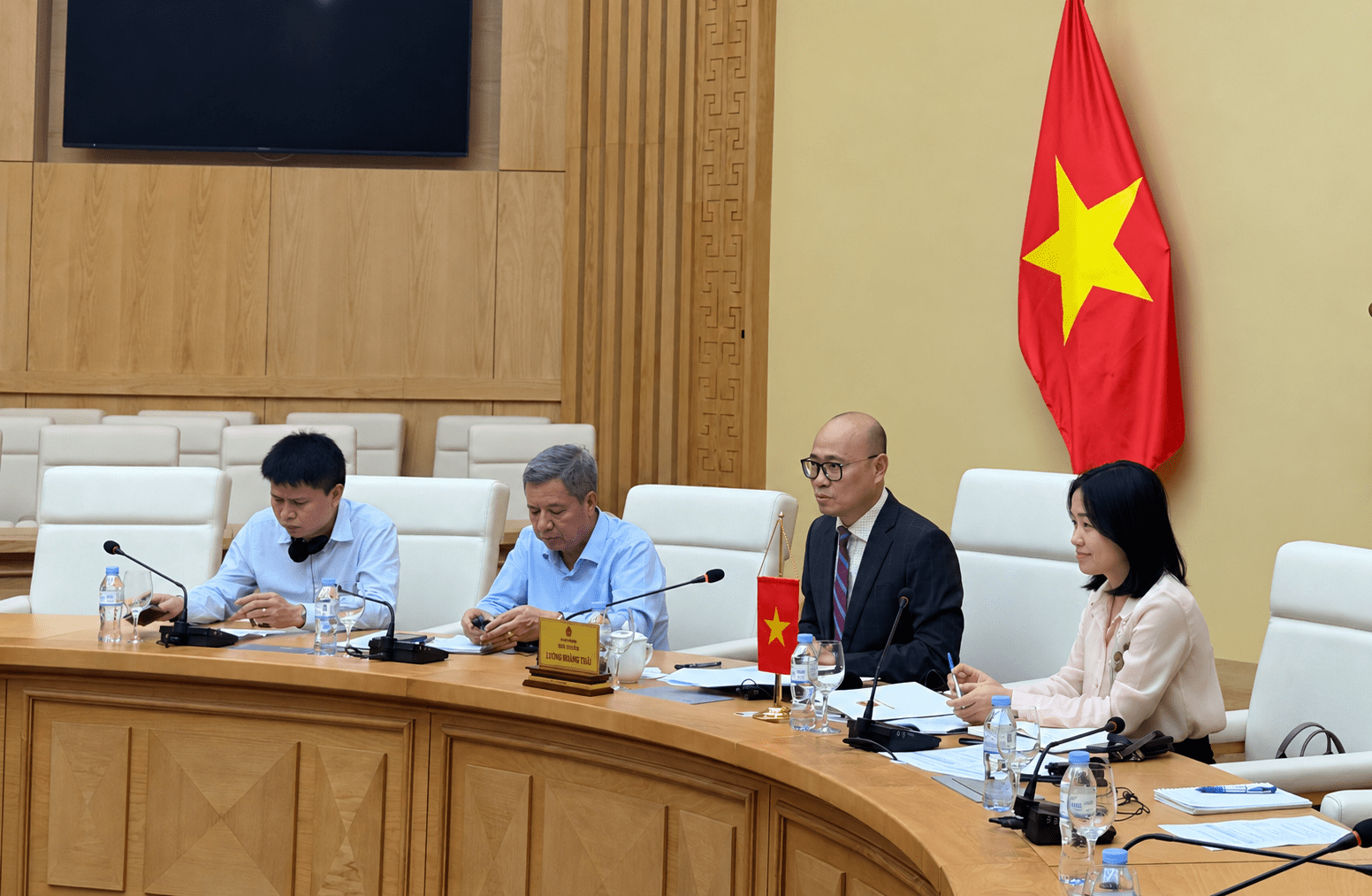
On October 13, Deputy Minister of Industry and Trade Luong Hoang Thai held a working session with MEDEF International, a French business organization, and representatives of French corporations operating in various sectors, including energy, industry, transport, construction and infrastructure development, food and beverages, and services, at the Ministry of Industry and Trade's headquarters.
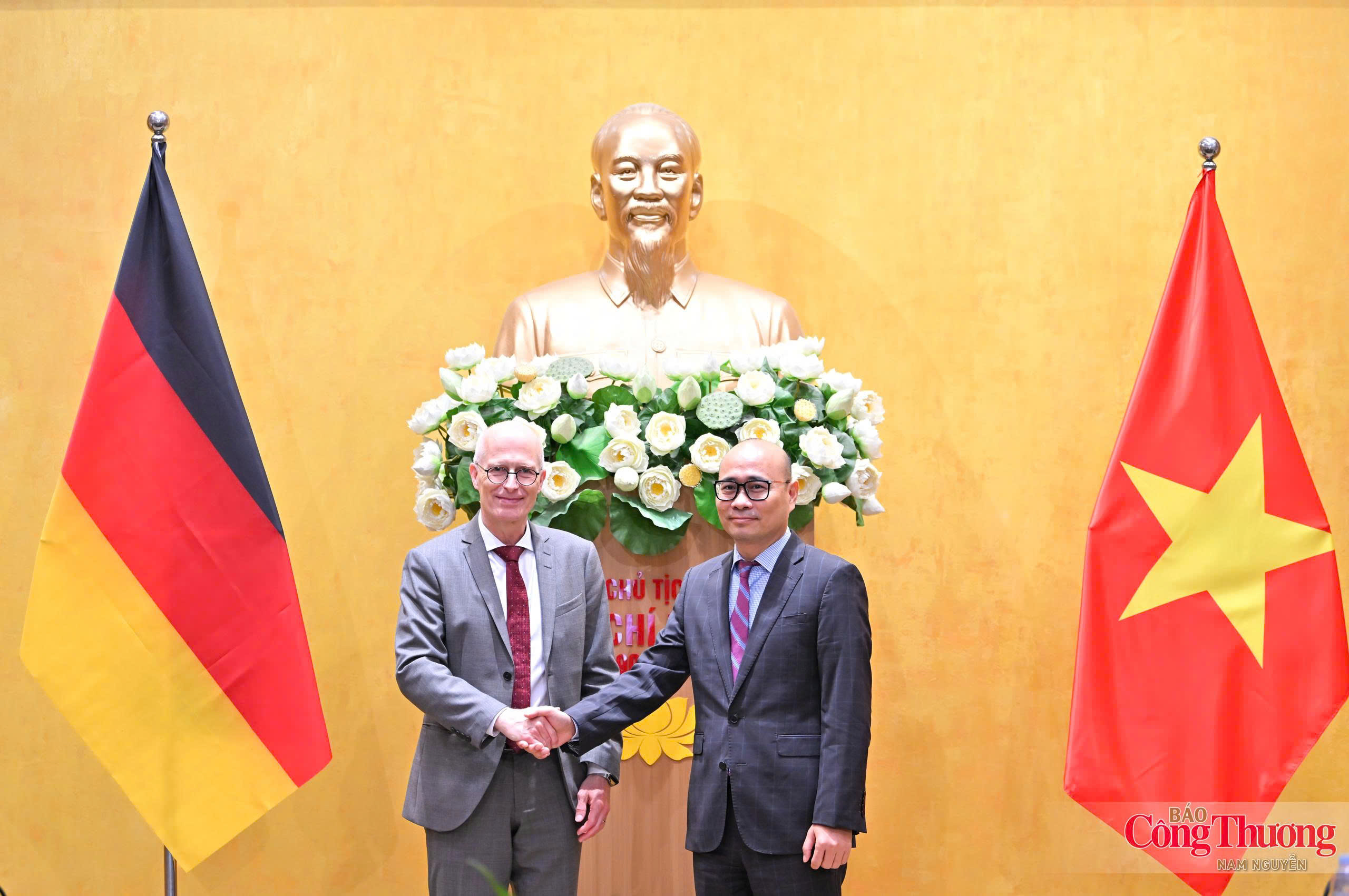
On October 14, Deputy Minister of Industry and Trade Luong Hoang Thai received and held a working session with a delegation from Hamburg, Germany, led by the city's First Mayor Peter Tschentscher at the Ministry of Industry and Trade's headquarters.
The Copyright Office is working closely with relevant agencies to develop plans for inspections and enforcement action against copyright and related rights infringements in the digital environment.
On October 13, the Agency of Foreign Trade under the Ministry of Industry and Trade (MoIT) held a conference in Dong Thap province to disseminate Government Decree No.365/2026/ND-CP dated September 23, 2026, on rice export and import business, and Circular No.65/2026/TT-BCT dated October 1, 2026, issued by the Minister of Industry and Trade, detailing certain provisions and measures for implementing Decree No.365/2026/ND-CP.
On October 13, Deputy Minister of Industry and Trade Luong Hoang Thai held a working session with MEDEF International, a French business organization, and representatives of French corporations operating in various sectors, including energy, industry, transport, construction and infrastructure development, food and beverages, and services, at the Ministry of Industry and Trade's headquarters.
On October 14, Deputy Minister of Industry and Trade Luong Hoang Thai received and held a working session with a delegation from Hamburg, Germany, led by the city's First Mayor Peter Tschentscher at the Ministry of Industry and Trade's headquarters.
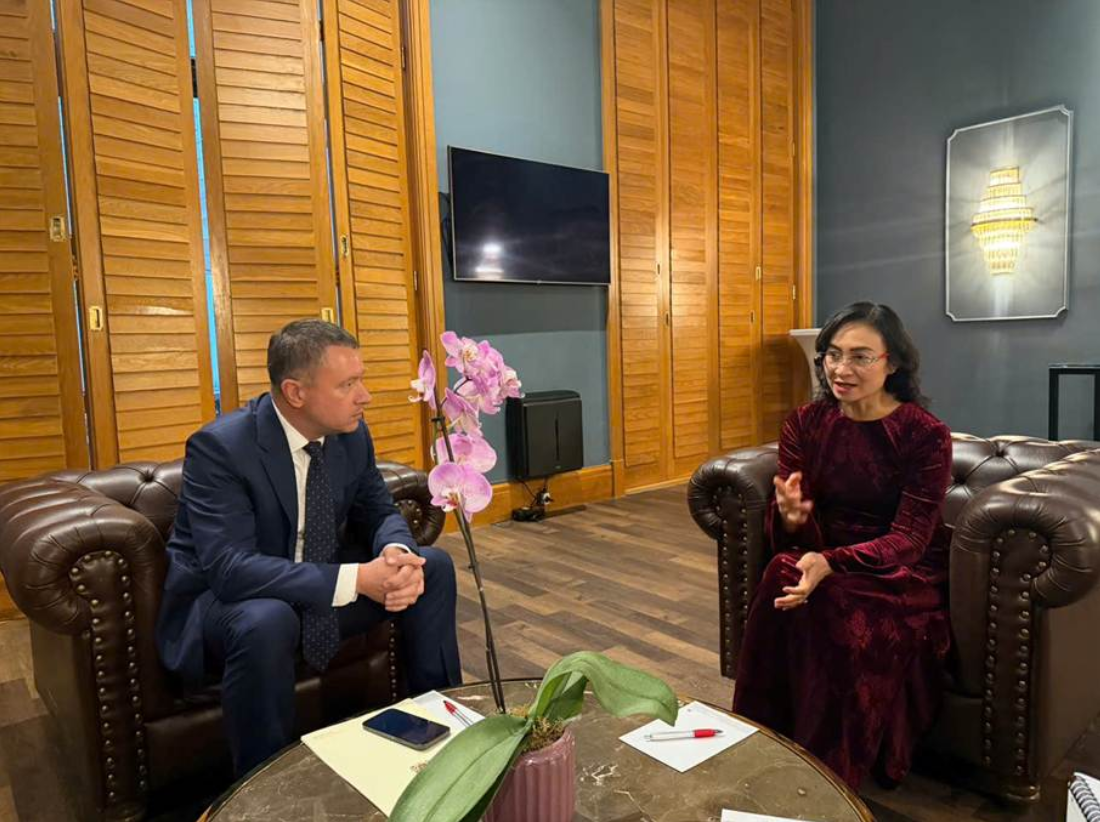
On October 12, in Tbilisi, Deputy Minister of Industry and Trade Phan Thi Thang held talks with Irakli Nadareishvili, Deputy Minister of Economy and Sustainable Development of Georgia, and attended and addressed the Viet Nam-Georgia Business Forum as part of Vice President Vo Thi Anh Xuan's official visit to Georgia.
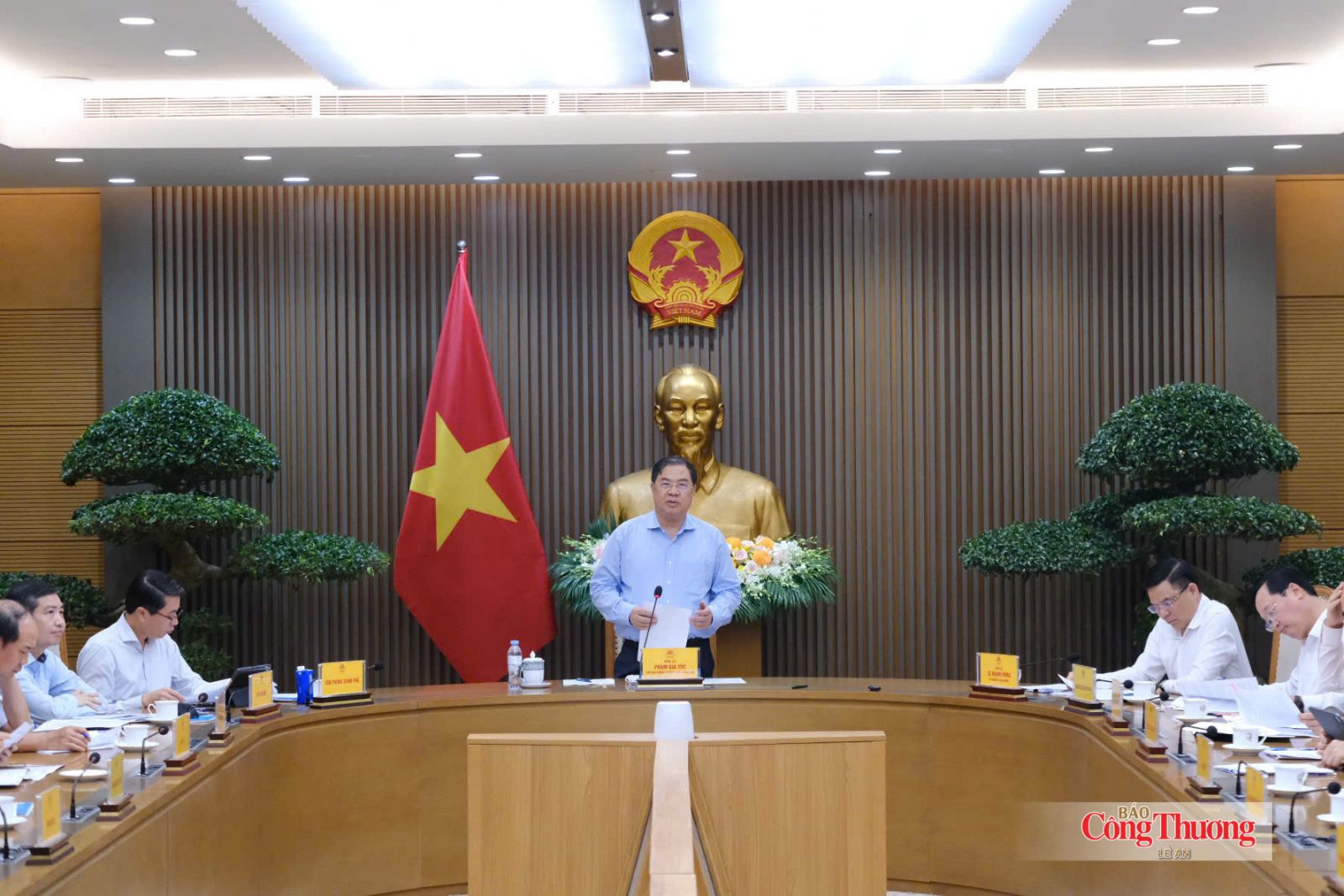
On October 13, the Interagency Working Group on Foreign Affairs and International Integration in the Fields of Economy, Science and Technology held its inaugural meeting at the headquarters of the Office of the Government. The meeting was chaired by Pham Gia Tuc, Politburo member, Standing Deputy Prime Minister and Head of the Interagency Working Group.