Surmounting headwinds, the industry and trade sector cemented its position as a key economic mainstay while expanding development space.
On the afternoon of December 19, the Ministry of Industry and Trade convened a conference to review the sector's performance in 2025 and the 2021 - 2025 period, while deploying key tasks for 2026.
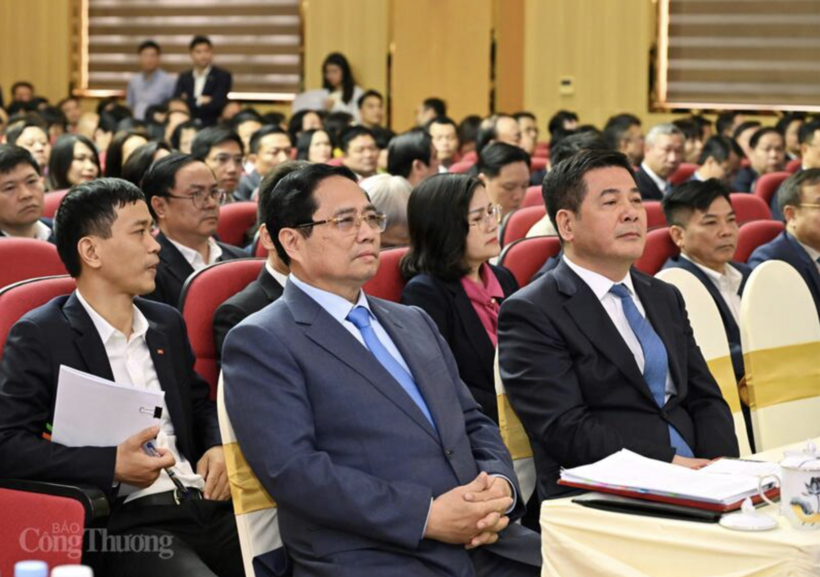
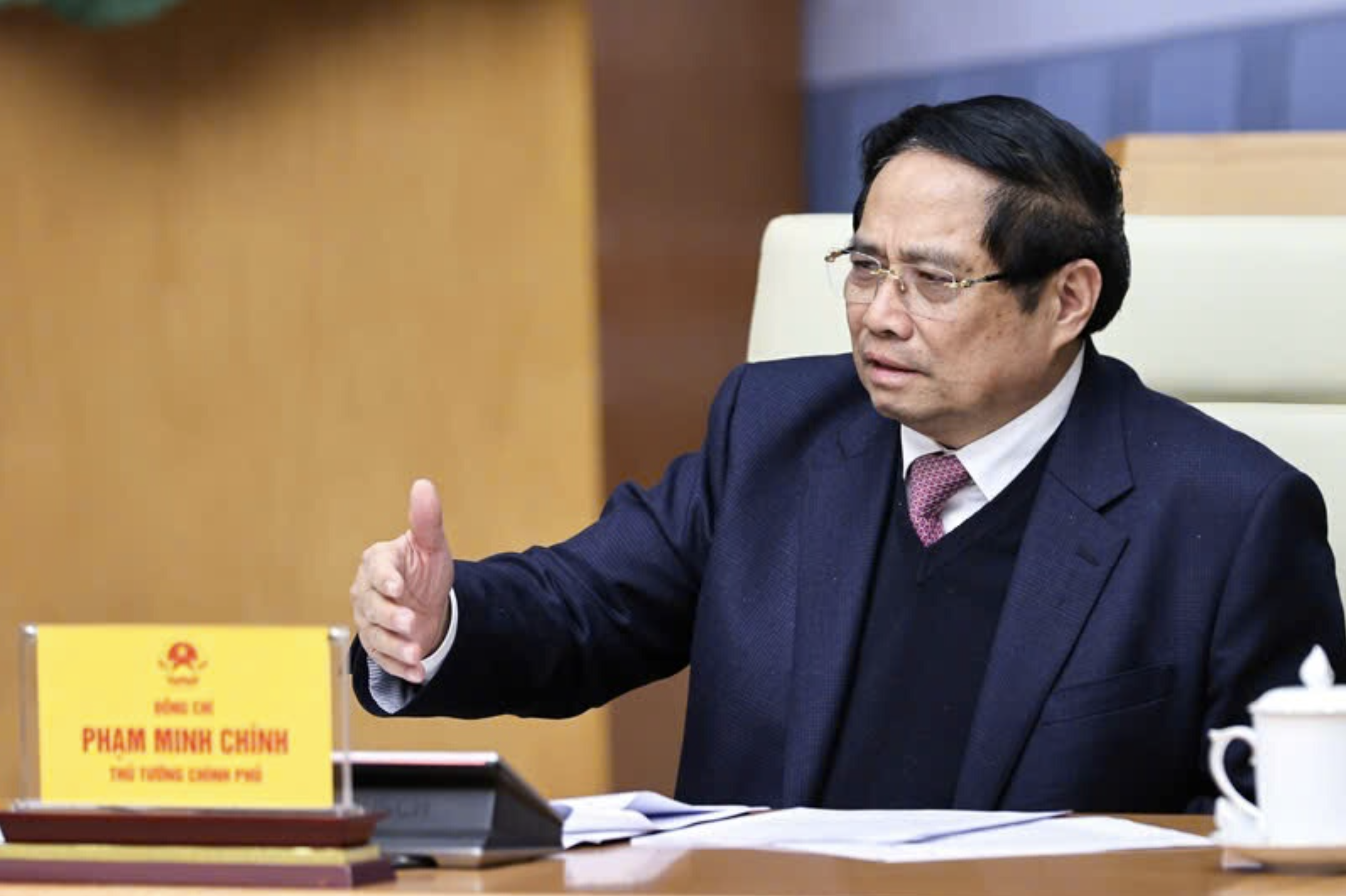
The conference was held at the headquarters of the Ministry of Industry and Trade at 54 Hai Ba Trung, Hanoi, and was connected virtually with the system of Vietnamese trade missions abroad. Prime Minister Pham Minh Chinh attended and delivered a keynote address at the conference.
Also in attendance were Chairman of the National Assembly's Economic and Financial Committee Phan Van Mai, and Senior Lieutenant General Nguyen Truong Thang, Deputy Minister of National Defense.
Representing the Ministry of Industry and Trade were Minister Nguyen Hong Dien, Deputy Minister Nguyen Sinh Nhat Tan, Deputy Minister Truong Thanh Hoai, Deputy Minister Phan Thi Thang, and Deputy Minister Nguyen Hoang Long, along with leaders of various departments and units under the Ministry. The conference also saw the participation of leaders from various provinces and cities, directors of local Departments of Industry and Trade, and a large number of representatives from the business community.
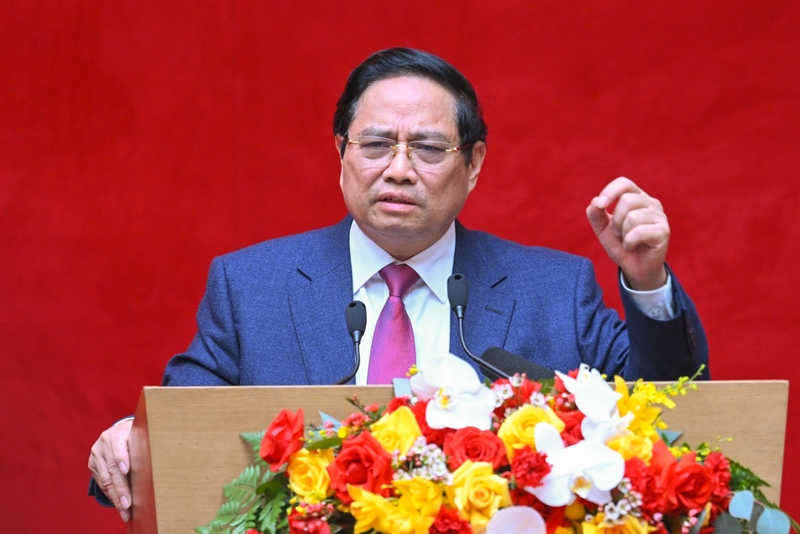
Prime Minister Pham Minh Chinh attends and addresses the conference.
Weathering global volatility, industry and trade sector establishes growth foundation
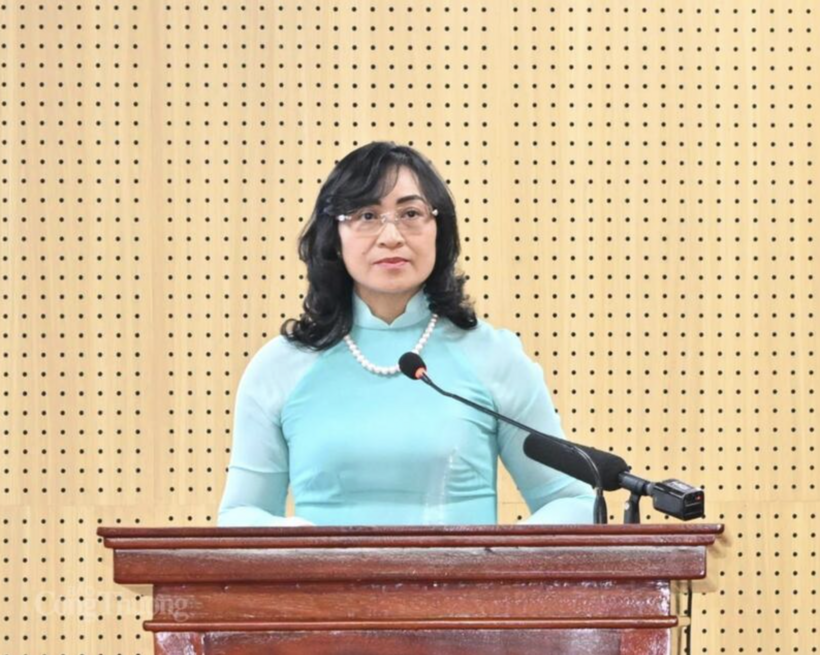
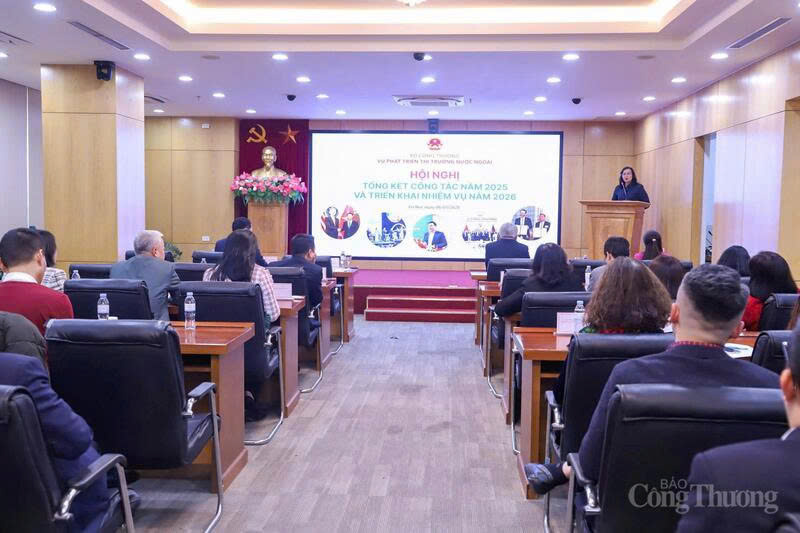
At the conference, Deputy Minister of Industry and Trade Phan Thi Thang presented the Review Report on the industry and trade sector’s performance in 2025 and the 2021 - 2025 period, as well as the deployment of key tasks for 2026.
The year 2025 drew to a close amidst a global economic landscape characterized by continued complex and unpredictable fluctuations, interwoven with both opportunities and challenges. The global economy sustained growth, albeit at levels remaining low compared to the pre-COVID-19 pandemic era.
Trade tensions, rising protectionist trends, risks of supply chain disruptions due to geopolitical conflicts, and the impacts of climate change continued to exert significant pressure on global trade and investment. Many of Vietnam’s key export markets experienced a slow recovery, while the United States, the country’s largest export partner, applied reciprocal tax policies, posing difficulties for an economy with high openness like Vietnam.
Deputy Minister Phan Thi Thang presents the 2021 - 2025 sector review and outlines key tasks for 2026.
Domestically, 2025 held particularly vital significance as the final year of implementing the 2021 - 2025 Socio-economic Development Plan. This was a period in which the initial years were heavily impacted by the COVID-19 pandemic and geopolitical shifts, while the concluding years continued to face severe natural disasters, storms, and floods, specifically the rare occurrence of “consecutive storms and floods,” which caused substantial loss of life and property.
Concurrently, 2025 served as a foundational year for the 2026 - 2030 development phase, coinciding with the organization of Party Congresses at all levels leading toward the 14th National Party Congress.
Against this backdrop, the entire political system drastically implemented Resolution No.18-NQ/TW on streamlining the organizational apparatus for effective and efficient operation; accelerated institutional refinement and improved the business investment environment; and promoted decentralization, the delegation of power, and the reduction of administrative procedures. From the beginning of the year, the Party and Government set a target for economic growth in 2025 to reach 8% or higher, creating a foundation for doubledigit growth starting from 2026.
Thanks to drastic leadership, flexible management, and the concerted involvement of the entire political system, the business community, and the people, Vietnam's economy has continued to witness a distinct recovery. Macroeconomic stability has been maintained, inflation has been kept under control, and major balances as well as social security have been ensured. GDP growth for 2025 is estimated at approximately 8%, placing Vietnam among the very few countries to achieve high growth both regionally and globally, earning positive assessments from international organizations.
Within this overarching picture, the Industry and Trade sector has made significant contributions by essentially fulfilling its targets and tasks for 2025 and the entire 2021 - 2025 period, with many indicators exceeding set plans. A standout milestone is the breakthrough in institutional building and refinement.
The 2021 - 2025 period recorded immense efforts by the Ministry of Industry and Trade in providing advisory, drafting, and submitting for promulgation a system of laws, decrees, circulars, and development strategies for key industries and sectors. Specifically, throughout the period, the Ministry presided over the drafting and submission for issuance of six laws, namely the Petroleum Law, the Law on Protection of Consumers' Rights, the Electricity Law, the Law on Chemicals (amended), the Law on Economical and Efficient Use of Energy (amended), and the Law on Ecommerce.
Furthermore, the Ministry facilitated the issuance of 65 decrees, 216 circulars, and over 20 important strategies, master plans, plans, and projects, creating a solid legal foundation for industrial and trade development in the medium and long term.
In 2025, institutional building continued to be accelerated with the submission of several important laws for National Assembly approval. The Ministry also advised the Government on the issuance of major policies regarding industrial development, the assurance of energy security, and the deployment of key energy projects. These results have contributed to attracting social resources, removing obstacles for production and business, and creating new development impetus for the sector.
Furthermore, major economic balances, particularly energy security and the supply-demand of essential goods, were ensured throughout the 2021 - 2025 period. Numerous key power generation and grid projects were deployed, including 500kV and 220kV transmission works. By the end of 2025, Vietnam’s power system reached a capacity of approximately 90,000MW, ranking first in Southeast Asia and among the top 20 largest power systems in the world. The completion of the 500kV Lao Cai - Vinh Yen transmission line in record-breaking time is considered a significant highlight, demonstrating the spirit of innovation, creativity, and high determination of the entire sector.
Import-export activities during the 2021 - 2025 period recorded a strong breakthrough, becoming a vital growth pillar. Exports grew by an average of 10.8% per year, far exceeding the set targets, while the trade balance maintained a continuous surplus.
In 2025 alone, total import-export turnover is estimated at USD 920 billion, propelling Vietnam into the group of the 15 nations with the largest trade scale globally. This result continues to affirm the role of trade in stabilizing the macro-economy and enhancing the nation's international standing.
Industrial production recovered robustly, with the Index of Industrial Production (IIP) estimated to increase by 9.5% in 2025, the highest growth rate since the COVID-19 pandemic. Notably, the manufacturing and processing sector grew by 10.6%, continuing to serve as the primary driver of economic growth.
Accelerating integration, innovating management, and expanding development space
Alongside the recovery of production and trade, international economic integration efforts of the Industry and Trade sector during the 2021 - 2025 period underwent comprehensive innovation. Vietnam signed four new Free Trade Agreements (FTAs), bringing the total number of FTAs to 17 with 65 countries and territories. These agreements establish a vital legal framework for Vietnamese enterprises to integrate more deeply into global supply chains.
Specifically in 2025, enhancing the quality of FTA implementation was placed at the center, highlighted by the announcement of the Local FTA Index (the evaluation index for FTA implementation at the provincial level). Amidst rising risks in global trade, the Industry and Trade sector remained proactive and flexible in managing trade relations with major partners, while simultaneously promoting negotiations and upgrades of agreements within the ASEAN framework and between ASEAN and its partners.
Trade defense efforts continued to yield positive results, contributing to the protection of the legitimate interests of domestic manufacturing industries against foreign anti-dumping and anti-subsidy investigations. Concurrently, competition management and consumer protection have seen distinct improvements after five years of implementing Directive No.30-CT/TW of the Secretariat.
The domestic market continued to serve as a mainstay of the economy, with a growth rate of approximately 9 - 10% in 2025. Ecommerce witnessed robust development, surpassing the USD 30 billion mark for the first time and accounting for a significant share of the digital economy. The passage of the Law on Ecommerce is considered a major milestone in perfecting the legal framework for modern trade.
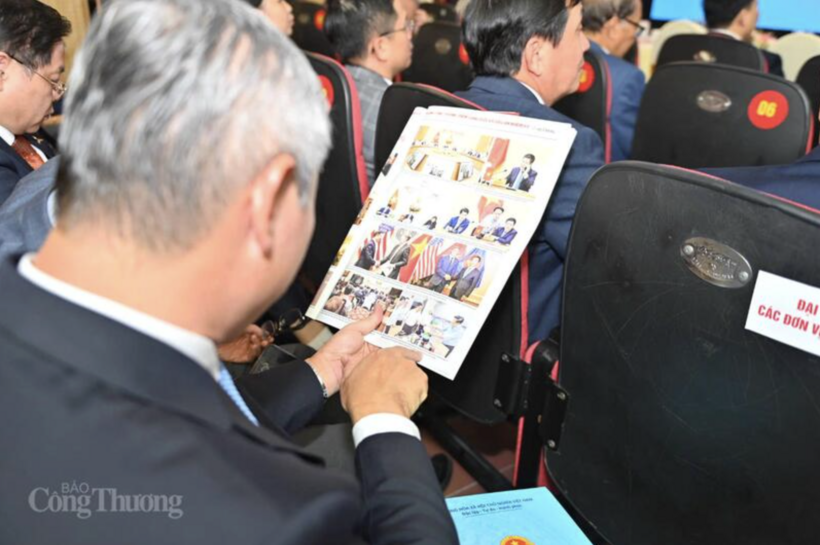
Delegates review the sector's milestones through a special publication by the Industry and Trade Newspaper.
Trade promotion activities underwent robust innovation, contributing to elevating the national brand's stature. In 2025, the value of Vietnam’s National Brand reached USD 519.6 billion, continuing to maintain its high ranking globally. Concurrently, administrative reform, decentralization, and the delegation of power were drastically implemented, coupled with streamlining the organizational apparatus and enhancing the effectiveness and efficiency of state management.
Entering 2026, the inaugural year for implementing the Resolution of the 14th National Party Congress and the 2026 - 2030 Socioeconomic Development Plan, the Industry and Trade sector has affirmed its high determination from the very beginning of the year. The core focus will be on continuing to perfect institutional frameworks and effectively implementing new laws and resolutions. The sector aims to boost industrial production with a target growth of over 10% in the Index of Industrial Production (IIP); promote exports while effectively leveraging FTAs and diversifying markets and products; and vigorously develop the domestic market in tandem with digital transformation and ecommerce.
The VCC’s 2025 review highlighted major achievements and outlines key tasks for 2026 to strengthen competition oversight and safeguard consumer rights.
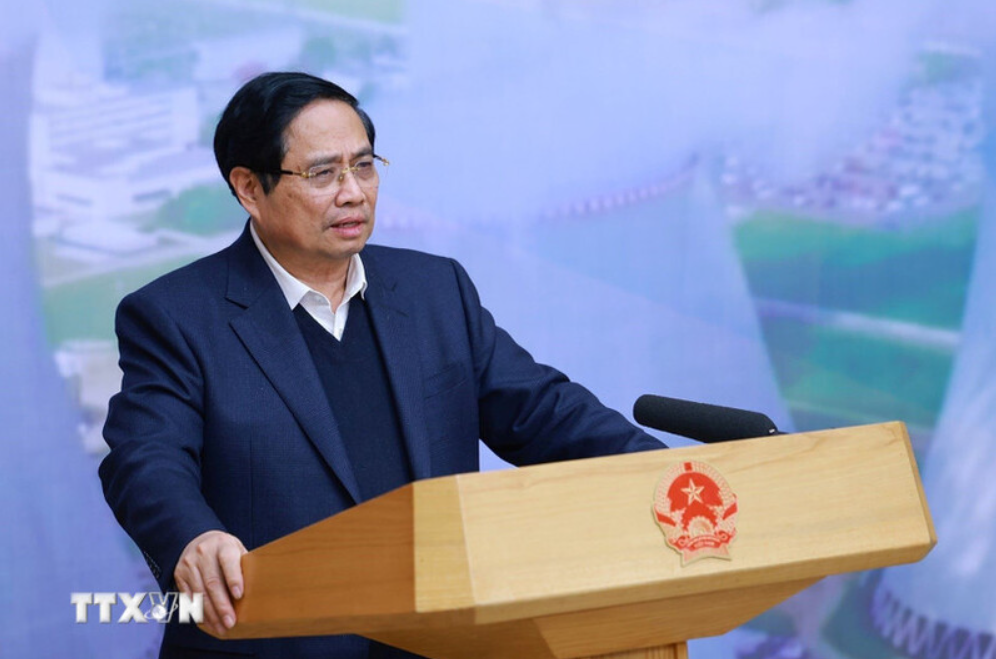
Prime Minister Pham Minh Chinh urged ministries to review mechanisms, remove bottlenecks and accelerate nuclear power projects to ensure progress, nationwide.
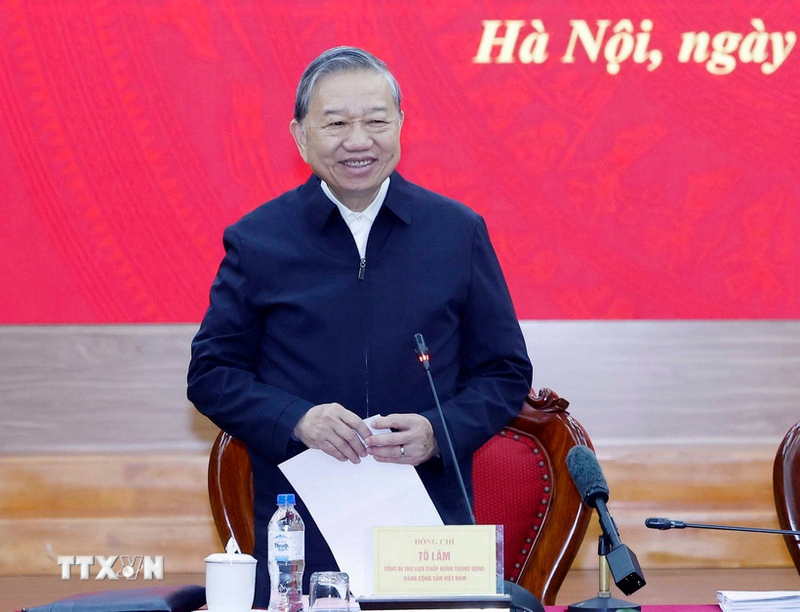
At a session with the Central Policy and Strategy Commission, Party General Secretary To Lam urged a shift to a science and technology-based development model.
At a year-end review conference, Deputy Minister Phan Thi Thang called for stronger coordination and policy action to boost export markets and sustain trade growth.
Chairing the 5th meeting of the railway projects steering committee, Prime Minister stresses clear task allocation, strict accountability and resource focus.
On December 29, Prime Minister Pham Minh Chinh chaired a conference on ensuring security and social order to support socio-economic development in the Mekong Delta.