Against the backdrop of General Secretary and State President To Lam’s historic state visit to Canada, industrial cooperation between the two countries is emerging as an area with significant potential for growth.
A favorable foundation, but results remain modest
The state visit to Canada by General Secretary and State President To Lam comes at a time when both economies are seeking new growth drivers and reliable partners amid profound changes in global trade. Within the framework of the Comprehensive Partnership established in 2017, industrial cooperation between Viet Nam and Canada has been shaped and promoted through various institutional mechanisms, notably the Joint Economic Committee (JEC), established in 2022, and the Comprehensive and Progressive Agreement for Trans-Pacific Partnership (CPTPP).
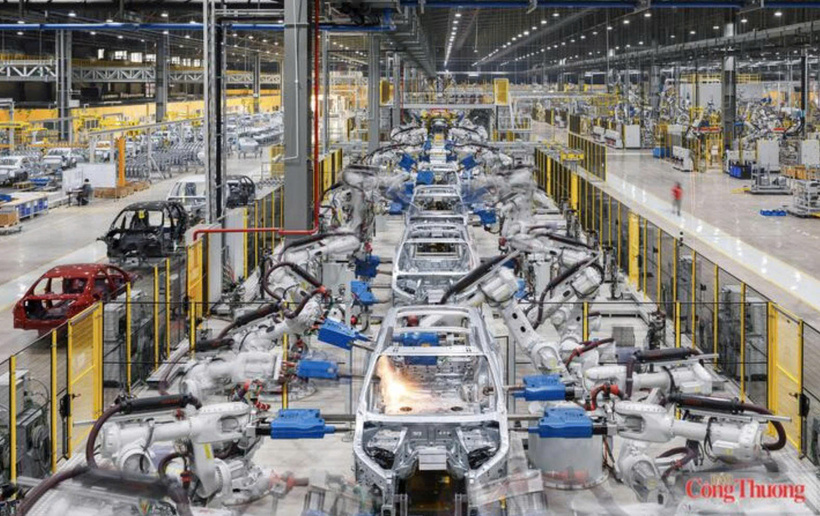
Canada has major steelmaking complexes in Ontario, specializing in flat steel, alloy steel and high-quality steel for the automotive industry. Photo: Nam Nguyen
Despite favorable institutional foundations and government-level policy orientations, industrial cooperation between the two countries remains relatively modest and has yet to match its potential. Bilateral industrial trade is still largely concentrated in finished consumer goods and conventional electronic components. Large-scale Canadian FDI projects in high-tech manufacturing in Viet Nam remain limited. Conversely, the presence of Vietnamese industrial manufacturers in the Canadian market is still at an early stage. The two sides have yet to establish closely integrated production networks for sharing core technologies, undertaking deeper processing partnerships, or optimizing CPTPP rules of origin.
However, Canada is reshaping its industrial policies while accelerating trade diversification beyond the U.S. market. These developments align well with Viet Nam’s efforts to strengthen industrial autonomy and increase added value, in line with Resolution No. 57-NQ/TW on breakthroughs in the development of science, technology, innovation and national digital transformation; Resolution No. 59-NQ/TW on international integration in the new situation; and Resolution No. 68-NQ/TW on private-sector economic development.
From potential to shared value chains
Canada is actively strengthening its foundational industries and restructuring its production networks while seeking deeper linkages with trading partners in the Asia-Pacific region. Meanwhile, Viet Nam has emerged as one of the region’s dynamic manufacturing, precision engineering and microelectronics assembly hubs. This combination creates substantial opportunities for the two countries to move beyond trade and contract manufacturing toward joint investment, product development and technology transfer, thereby strengthening their positions in global value chains.
One of Canada’s prominent industrial strengths is metallurgy. The country has major steelmaking complexes in Ontario, specializing in flat steel, alloy steel and high-quality steel for the automotive, energy and construction industries. It also has an advanced metal materials research system, including CanmetMATERIALS laboratories. Canada is also a global leader in developing aluminum smelting technologies that eliminate direct greenhouse gas emissions.
This is an area in which Viet Nam has significant demand for cooperation. Partnerships with Canada could facilitate the transfer of metallurgical and green steelmaking technologies, joint research into advanced metal materials, and the training of metallurgical engineers, helping Viet Nam gradually develop greater technological capabilities. At the same time, Canada could help Viet Nam access materials and supplies needed to meet the green requirements of international markets.
In precision engineering, Canada has a high-tech ecosystem supported by stringent international safety and testing standards, spanning aerospace; automotive manufacturing, including automated assembly-line technologies; and specialized solutions in sensors, robotics and precision engineering. Notably, Canada possesses CANDU reactor technology and was the first G7 country to begin constructing a grid-connected small modular reactor (SMR) at Darlington in Ontario. This offers opportunities for domestic mechanical manufacturers to upgrade their technical standards and join subcontracting networks supplying second- and third-tier components to the aerospace and transportation industries, as well as manufacturing equipment supply chains for international SMR projects.
In the chemicals, petrochemicals and battery materials sectors, Canada possesses abundant hydrocarbon resources from oil sands and natural gas, along with substantial reserves of critical minerals. These capabilities align with Viet Nam’s significant demand for feedstock for fertilizer, chemical, engineering plastics and electric vehicle battery manufacturing.
In addition, Canada is among the world’s leading suppliers of metals essential to the energy transition and uranium, while Viet Nam has considerable potential in rare earths and tungsten. This combination creates opportunities for cooperation in advanced refining technologies, the sharing of technical standards, and joint research and development of advanced materials for future industries.
Combining Canada’s high-quality temperate-climate raw materials, such as wheat and canola, with Viet Nam’s tropical agricultural products, seafood and abundant biomass resources, alongside advanced cold-storage and bioprocessing technologies, could open up opportunities to develop high-value-added food products and circular economy models.
From a broader perspective, the industrial complementarities between Viet Nam and Canada need not remain confined to individual projects. They could develop into fully integrated value chains based on the CPTPP framework and the two countries’ international integration commitments.
On the one hand, the CPTPP’s cumulation of origin provisions allow Canadian-origin materials and components to be counted toward regional content requirements. This can make products completed in Viet Nam more likely to meet rules of origin and qualify for preferential tariffs when exported to Canada, Japan, the United Kingdom and other markets. On the other hand, low-emission inputs can help Vietnamese products meet increasingly stringent carbon and environmental, social and governance (ESG) standards in the EU and other markets. This represents an important bridge for businesses from both countries to expand their growth opportunities, strengthen their brands and deepen their access to major markets.
To realize this potential, the two sides could focus on several priority areas. First, they could establish a specialized mechanism for industrial and supply chain linkages under the JEC. This could include programs connecting Vietnamese suppliers with Canadian corporations in aerospace, automotive manufacturing, energy equipment and SMRs. Cooperation on standards and conformity assessment should also be strengthened, alongside efforts to enhance certification capacity for Vietnamese businesses in aerospace, electrical equipment and machinery components, as well as carbon footprint certification for materials.
At the same time, the two countries could promote innovation among small and medium-sized enterprises through joint R&D projects on manufacturing automation and new materials, while facilitating the formation of manufacturing partnerships and the commercialization of research results. They could also develop battery and advanced materials value chains by linking Canadian battery precursor materials with battery manufacturing in Viet Nam and cooperating on advanced materials processing technologies. Greater efforts should be made to promote and guide businesses in leveraging CPTPP cumulation of origin rules to jointly build shared value chains.
In addition, the two sides could encourage Canadian financial and credit institutions to participate in green and eco-industrial park projects in Viet Nam. They could also promote joint research on the advanced processing of critical minerals and integrated circuit design among research institutes and universities in both countries.
The article was written by Dr. Tran Thu Quynh, Trade Counsellor and Head of the Vietnam Trade Office in Canada.
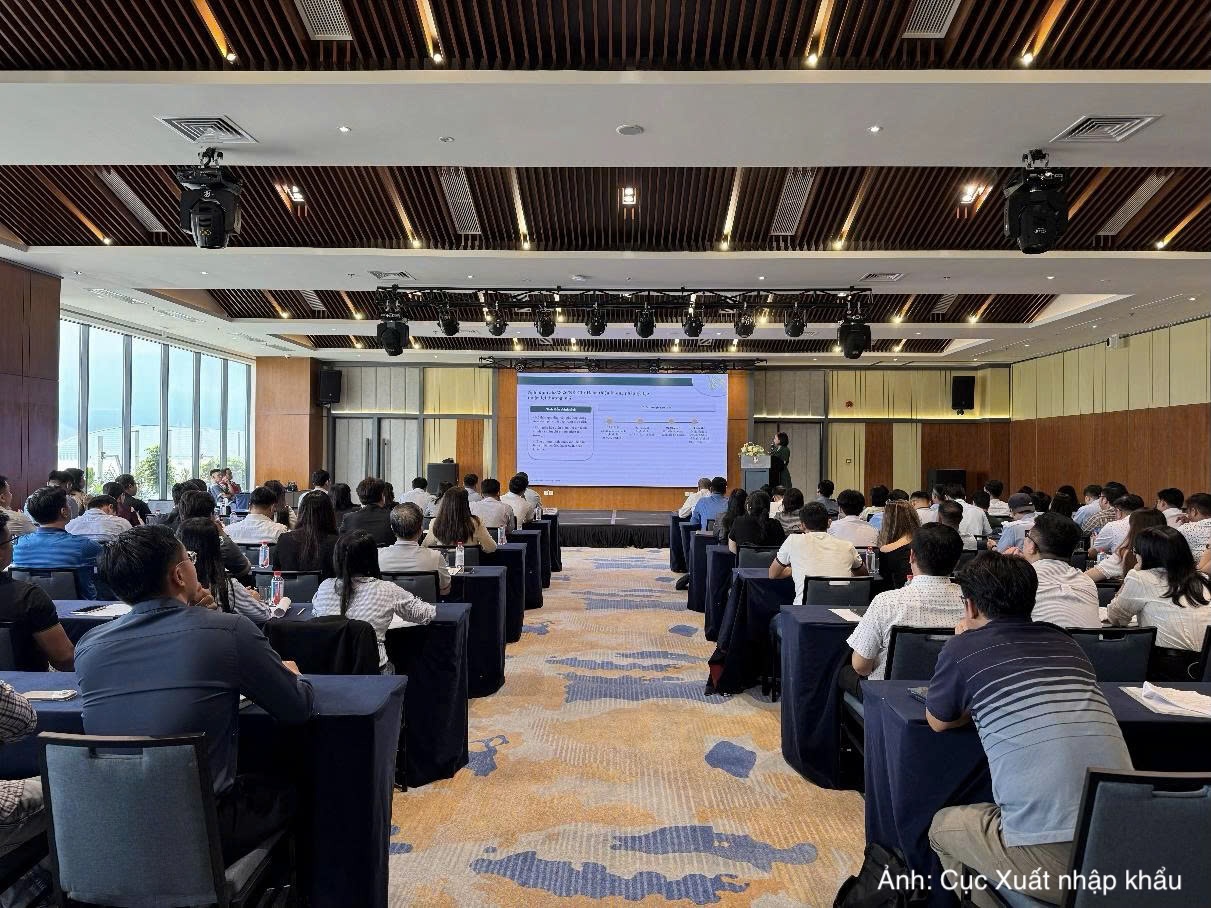
On October 13, the Agency of Foreign Trade under the Ministry of Industry and Trade (MoIT) held a conference in Dong Thap province to disseminate Government Decree No.365/2026/ND-CP dated September 23, 2026, on rice export and import business, and Circular No.65/2026/TT-BCT dated October 1, 2026, issued by the Minister of Industry and Trade, detailing certain provisions and measures for implementing Decree No.365/2026/ND-CP.
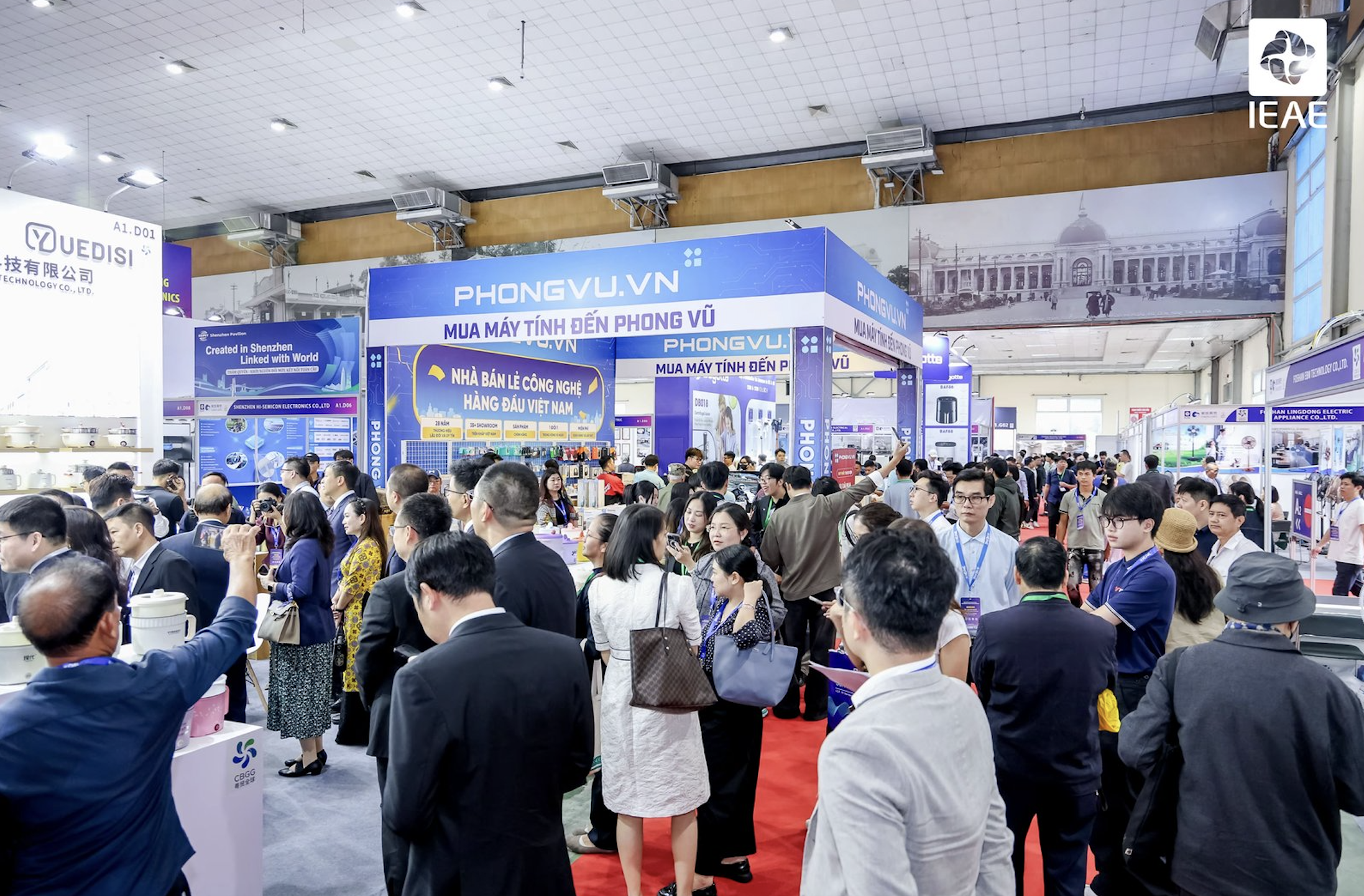
IEAE Hanoi 2026 will gather over 300 exhibitors, showcasing electronics, smart appliances and connecting businesses with sourcing and trade opportunities in Vietnam.
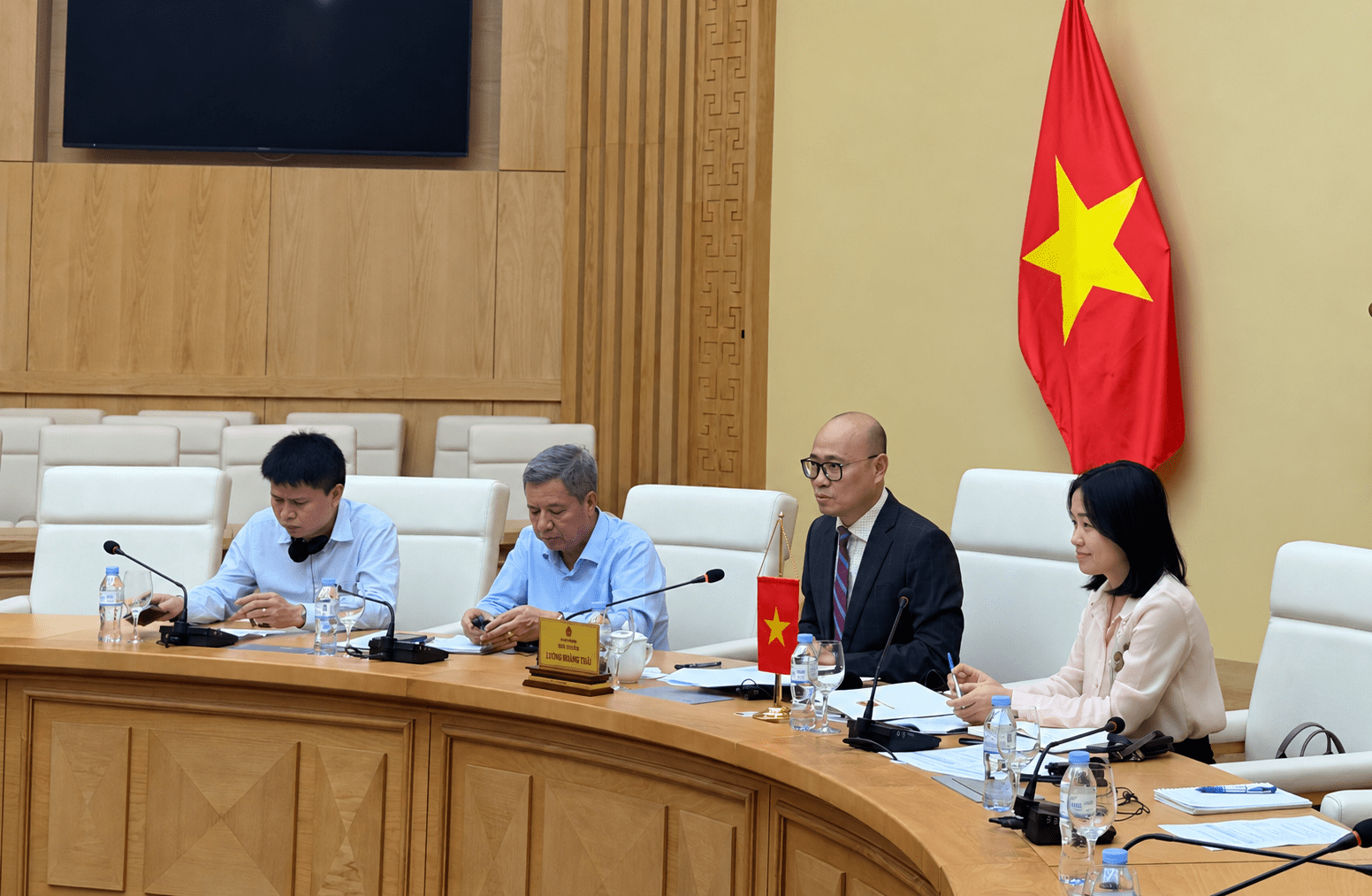
On October 13, Deputy Minister of Industry and Trade Luong Hoang Thai held a working session with MEDEF International, a French business organization, and representatives of French corporations operating in various sectors, including energy, industry, transport, construction and infrastructure development, food and beverages, and services, at the Ministry of Industry and Trade's headquarters.
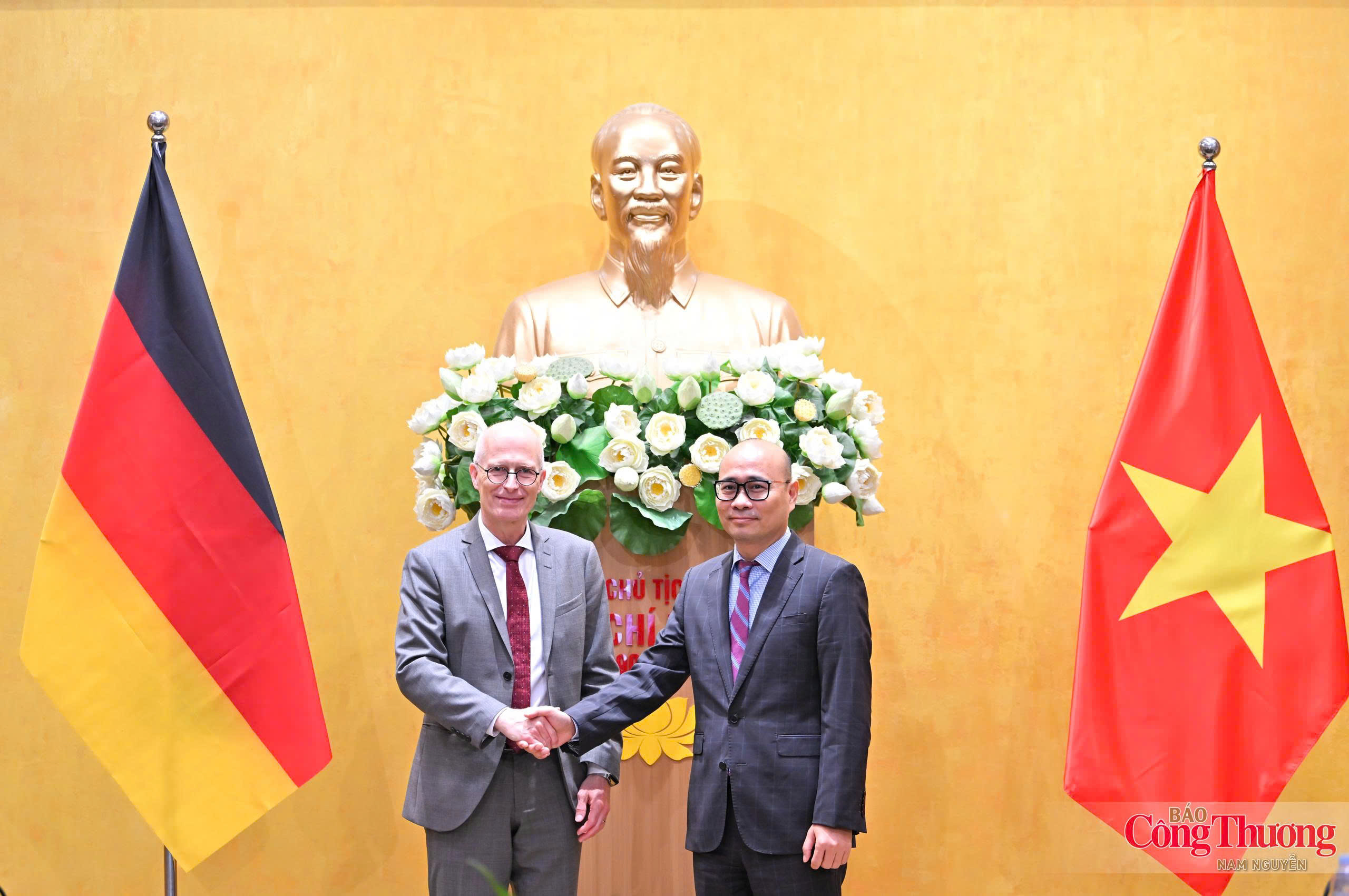
On October 14, Deputy Minister of Industry and Trade Luong Hoang Thai received and held a working session with a delegation from Hamburg, Germany, led by the city's First Mayor Peter Tschentscher at the Ministry of Industry and Trade's headquarters.
The Copyright Office is working closely with relevant agencies to develop plans for inspections and enforcement action against copyright and related rights infringements in the digital environment.
On October 13, the Agency of Foreign Trade under the Ministry of Industry and Trade (MoIT) held a conference in Dong Thap province to disseminate Government Decree No.365/2026/ND-CP dated September 23, 2026, on rice export and import business, and Circular No.65/2026/TT-BCT dated October 1, 2026, issued by the Minister of Industry and Trade, detailing certain provisions and measures for implementing Decree No.365/2026/ND-CP.
On October 13, Deputy Minister of Industry and Trade Luong Hoang Thai held a working session with MEDEF International, a French business organization, and representatives of French corporations operating in various sectors, including energy, industry, transport, construction and infrastructure development, food and beverages, and services, at the Ministry of Industry and Trade's headquarters.
On October 14, Deputy Minister of Industry and Trade Luong Hoang Thai received and held a working session with a delegation from Hamburg, Germany, led by the city's First Mayor Peter Tschentscher at the Ministry of Industry and Trade's headquarters.
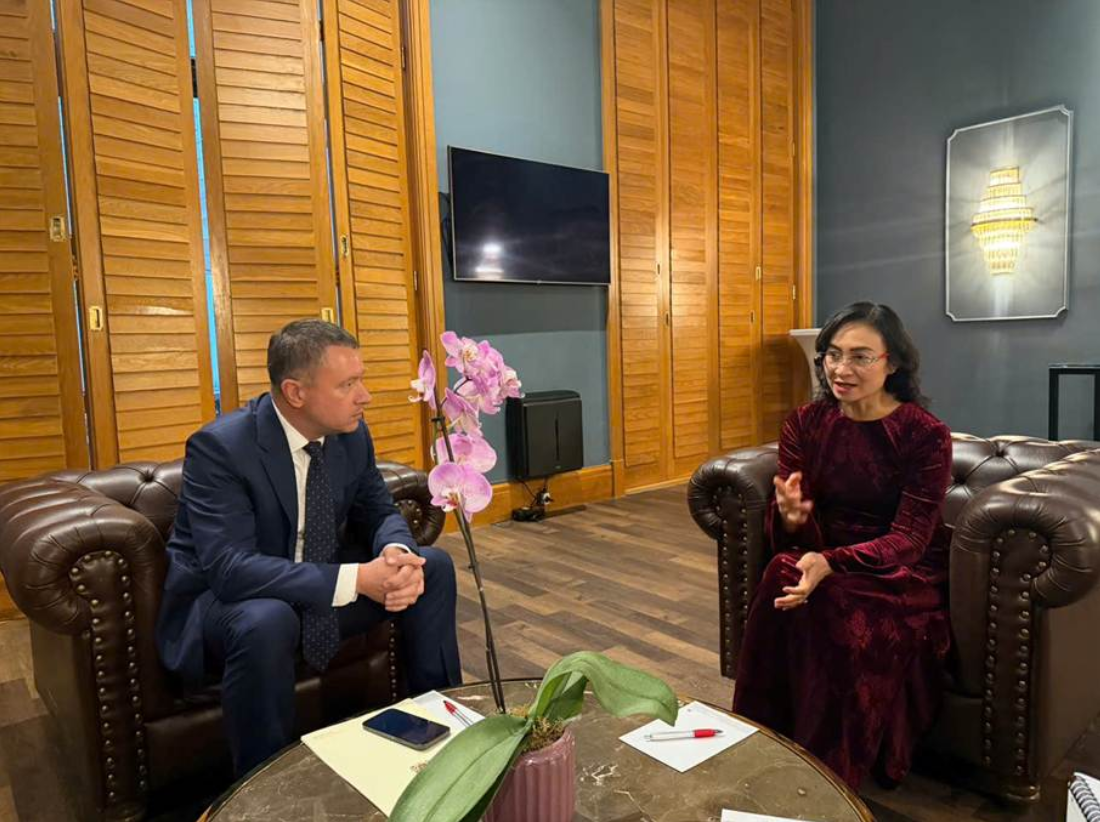
On October 12, in Tbilisi, Deputy Minister of Industry and Trade Phan Thi Thang held talks with Irakli Nadareishvili, Deputy Minister of Economy and Sustainable Development of Georgia, and attended and addressed the Viet Nam-Georgia Business Forum as part of Vice President Vo Thi Anh Xuan's official visit to Georgia.
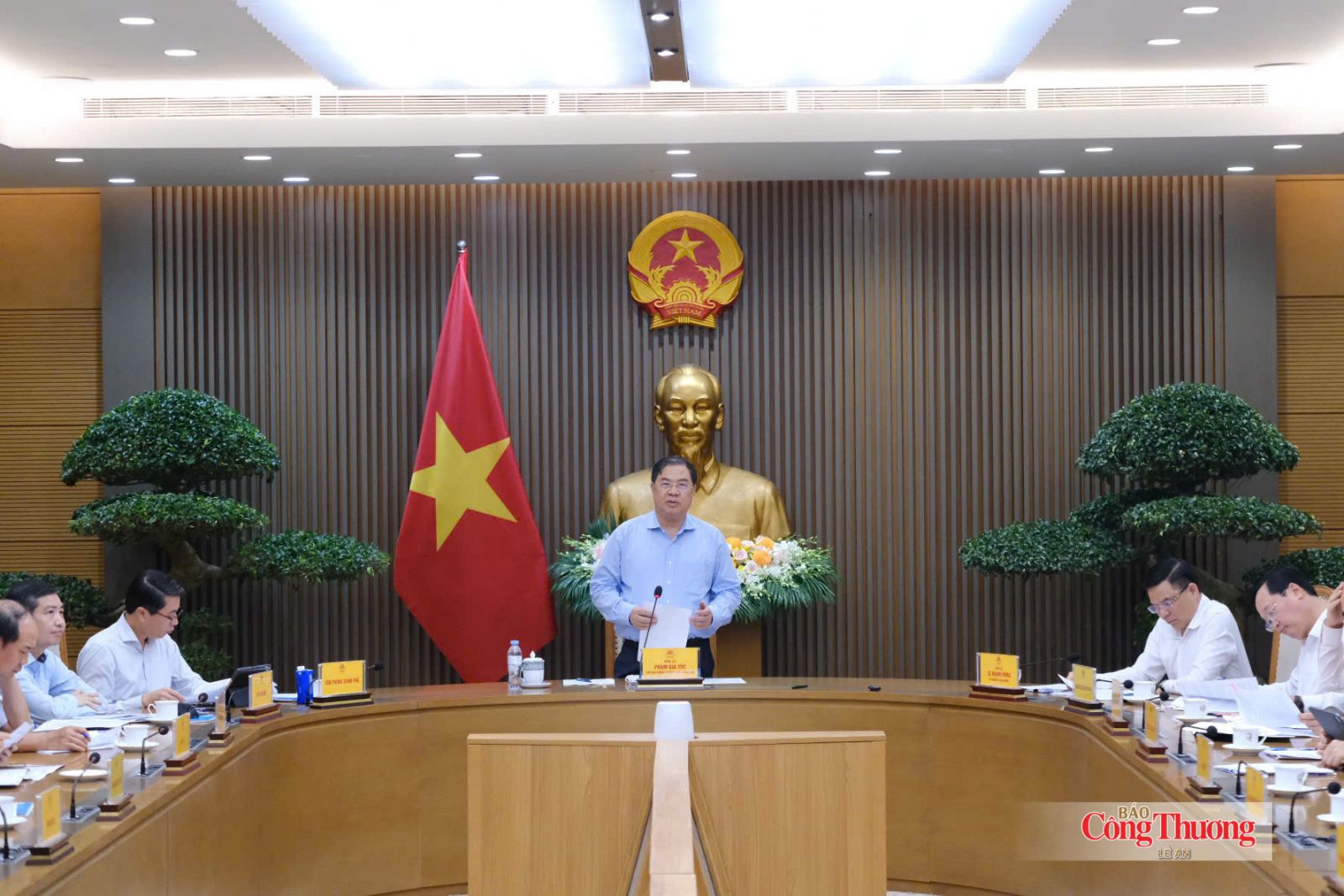
On October 13, the Interagency Working Group on Foreign Affairs and International Integration in the Fields of Economy, Science and Technology held its inaugural meeting at the headquarters of the Office of the Government. The meeting was chaired by Pham Gia Tuc, Politburo member, Standing Deputy Prime Minister and Head of the Interagency Working Group.