By focusing on technology upgrades, product quality improvement, brand building and trade promotion, industrial promotion programs are giving rural industrial establishments in Central and Central Highlands provinces greater momentum to enhance competitiveness and expand their markets.
Improving the quality of rural industrial products
The Central and Central Highlands regions have abundant raw materials, a wide range of traditional industries, and advantages in agriculture, forestry and fisheries, along with expanding urban systems, seaports and industrial development space.
Against this backdrop, rural industry plays an important role in utilizing local raw materials, creating jobs, increasing product value and promoting economic restructuring in rural areas. However, most rural industrial establishments are small and medium-sized, with limited investment resources. Their capacity for technological innovation, product development and market expansion also varies.
Industrial promotion contributes to industrial growth
Industrial promotion policies have therefore become a practical tool to help businesses, cooperatives and production households gradually address bottlenecks in technology, production capacity and market access.
In 2025, provinces and cities in the Central and Central Highlands regions implemented industrial promotion activities with total funding of VND 40.446 billion, equivalent to nearly 90% of the annual plan.
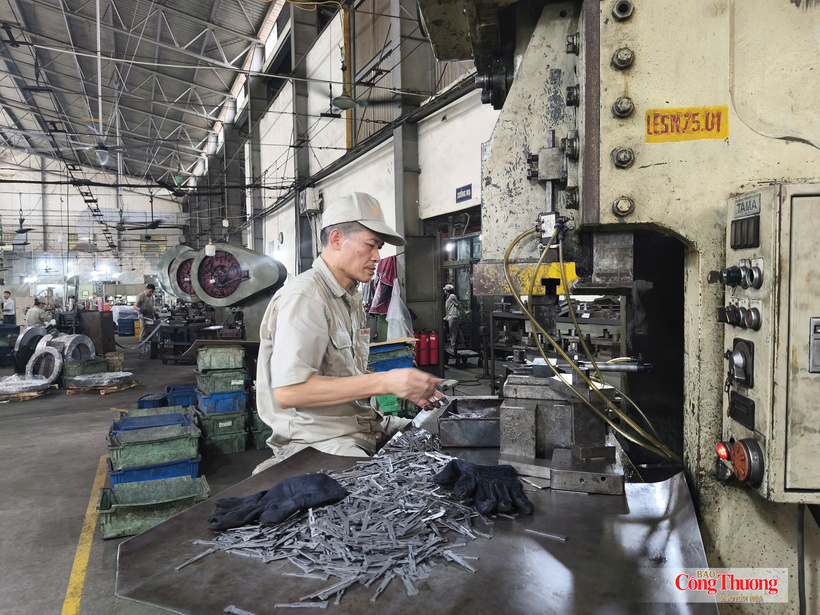
Of this amount, VND 32.726 billion was allocated to support 190 rural industrial establishments in developing technical demonstration models, transferring technologies, applying advanced machinery and equipment, adopting scientific and technological advances, and promoting cleaner production.
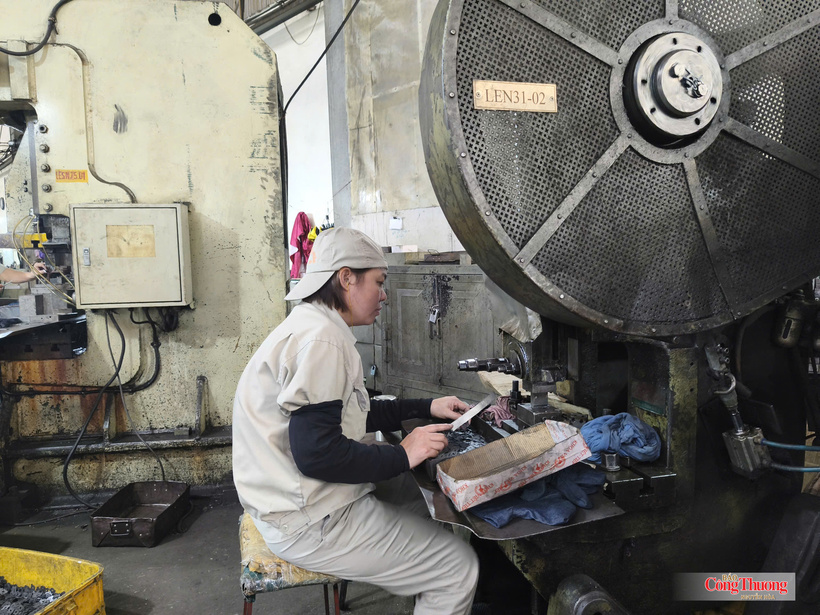
The figures show that industrial promotion resources are increasingly focused on one of the key aspects of production: technology and equipment. Modernized production lines not only help rural industrial establishments increase productivity but also enable them to gradually standardize product quality, reduce production costs, improve designs and strengthen competitiveness.
Experience from various localities shows that the effectiveness of industrial promotion lies not only in direct financial assistance but also in its ability to encourage businesses to invest additional resources of their own.
In Dak Lak, during 2021-2025, 72 rural industrial establishments received support to invest in advanced machinery and equipment, with total investment of nearly VND 32.7 billion. Of this, more than VND 12.2 billion came from industrial promotion funding, while businesses provided more than VND 20.4 billion in counterpart funding.
Notably, the support funding has served as seed capital, encouraging establishments and businesses to invest more boldly in technological innovation in agricultural and food processing, mechanical engineering, construction materials and other sectors where they have advantages.
In Nghe An, industrial promotion policy has also focused on helping rural industrial establishments upgrade technologies and expand production. In 2026 alone, the locality was allocated VND 5.5 billion in industrial promotion funding.
Two national industrial promotion projects in the mechanical engineering sector show that the introduction of automation into production has helped businesses reduce costs, lower product prices, increase productivity and improve competitiveness. Investment in new equipment has also contributed to maintaining jobs and incomes for workers.
In Ha Tinh, Phu Sang Seafood Processing Services Cooperative in Thien Cam Commune received VND 300 million in support to invest in equipment for fish sauce production.
Another establishment, Thien Loc Livestock Joint Stock Company, increased its animal feed output by around 35% and revenue by nearly 40% after receiving support for machinery investment. Revenue from animal feed alone rose by approximately 44% in the first six months of the year.
These results show that the value of industrial promotion goes beyond the funding provided. More importantly, the support has encouraged rural industrial establishments to make their own investments, renew production methods, improve product quality and gradually enhance business efficiency.
From better production to wider markets
While technology provides the foundation for improving product quality, brand building, promotion and market connectivity are essential for rural industrial products to reach wider markets.
Amid increasingly intense competition, products with good quality but weak brand recognition and limited access to trade fairs, exhibitions and distribution networks may struggle to expand their market presence. Therefore, alongside support for equipment and technology, trade promotion has become an important pillar of industrial promotion programs.
Policies are needed to create momentum for industrial businesses to break through
In 2025, industrial promotion funding across the region supported the organization of six trade fairs and exhibitions featuring outstanding rural industrial products and handicrafts, with 148 establishments taking part. It also supported 692 standard booths for 125 participations by establishments at domestic trade fairs and exhibitions.
In addition, 264 outstanding rural industrial products from 236 participating establishments received support for product selection and recognition programs. Three establishments received support for trademark registration, while 22 were supported in setting up showrooms to display, introduce and promote their products.
Through these activities, industrial promotion programs are helping businesses not only produce goods but also bring their products closer to consumers, distribution systems and market partners.
The selection of outstanding rural industrial products has increasingly become an important channel for identifying and recognizing products with high quality and practical value, while creating more opportunities for businesses to build credibility and access new markets.
In Dak Lak, the locality has so far organized 14 rounds of provincial-level selection of outstanding rural industrial products. A total of 199 products have been recognized at the provincial level, 68 at the regional level and 22 at the national level.
The results demonstrate a support process that extends from the local to regional and national levels, helping establishments gradually improve their products, build brands and expand their market reach.
In Khanh Hoa, 60 products were selected as outstanding provincial-level rural industrial products in 2026. They belong to groups including agricultural, forestry, fishery and food processing; handicrafts; and equipment, machinery and mechanical engineering.
This provides a basis for the locality to continue supporting efforts to increase product value, expand markets and identify products with the potential to compete in the national-level selection program.
Meanwhile, Da Nang is broadening its approach by linking equipment support with cleaner production, branding, packaging and trade promotion.
In 2026, Da Nang stepped up its industrial promotion program to expand the scale of support, with a focus on helping small and micro enterprises address technological bottlenecks, promote green transformation and develop tourism souvenir products.
This approach shows that industrial promotion is gradually shifting from isolated forms of support toward a value-chain approach, covering production, product development, brand identification and market access.
Under the 2026 plan, the Central and Central Highlands regions are expected to allocate VND 54.672 billion for industrial promotion activities, more than 21% higher than the 2025 plan.
When resources are focused on the right priorities and aligned with businesses' practical needs, each dong of industrial promotion funding can help an establishment strengthen its production capacity while contributing to higher value for local products, broader market access and greater momentum for rural industrial development in the Central and Central Highlands regions.
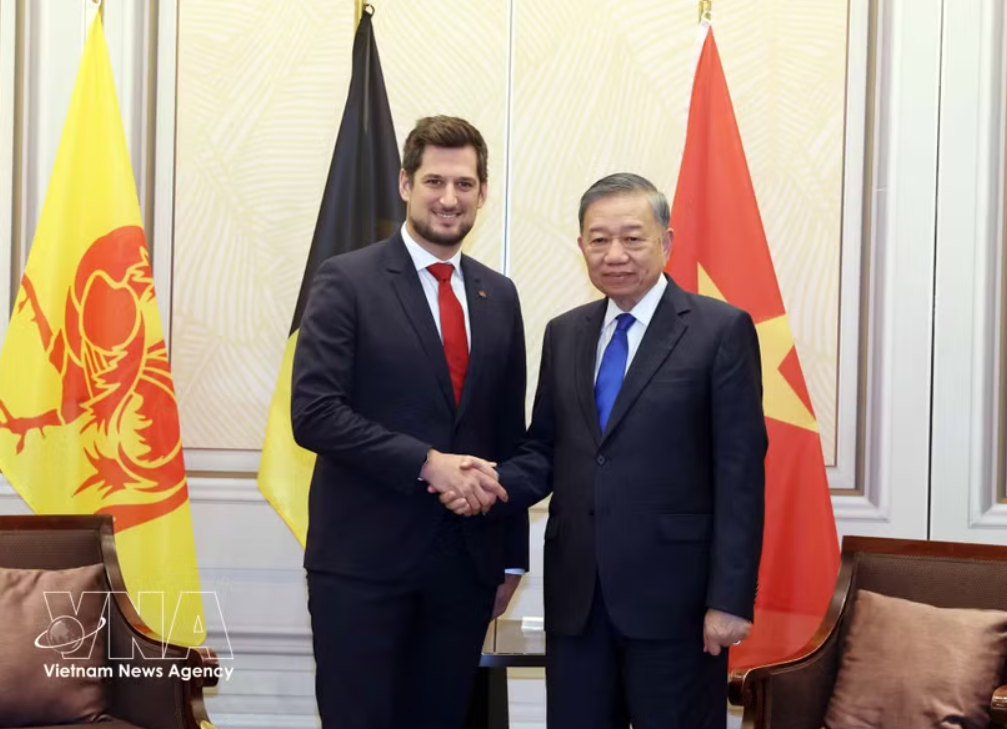
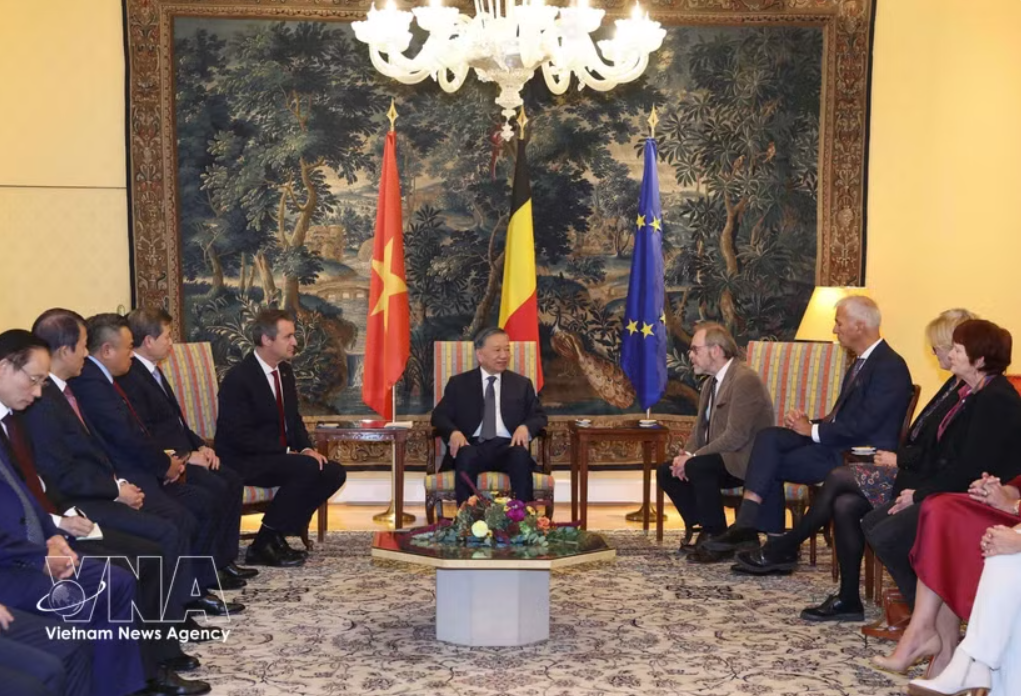
The Viet Nam Economic News respectfully presents the full text of the the Joint Statement on the outcome of the official visit to the Kingdom of Belgium by General Secretary and President To Lam.
With e-commerce valued at USD 31 billion in 2025, officials called for closer government-university-business ties to enhance efficiency, skills and innovation.
Discussing future orientations, General Secretary and President To Lam suggested that the government of the Wallonia region support the early elevation of Viet Nam–Belgium ties to a Strategic Partnership.
The host leaders described the Belgian House of Representatives' approval of the EU - Viet Nam Investment Protection Agreement (EVIPA) as tangible evidence of the two countries’ determination and potential to expand economic, trade and investment cooperation.
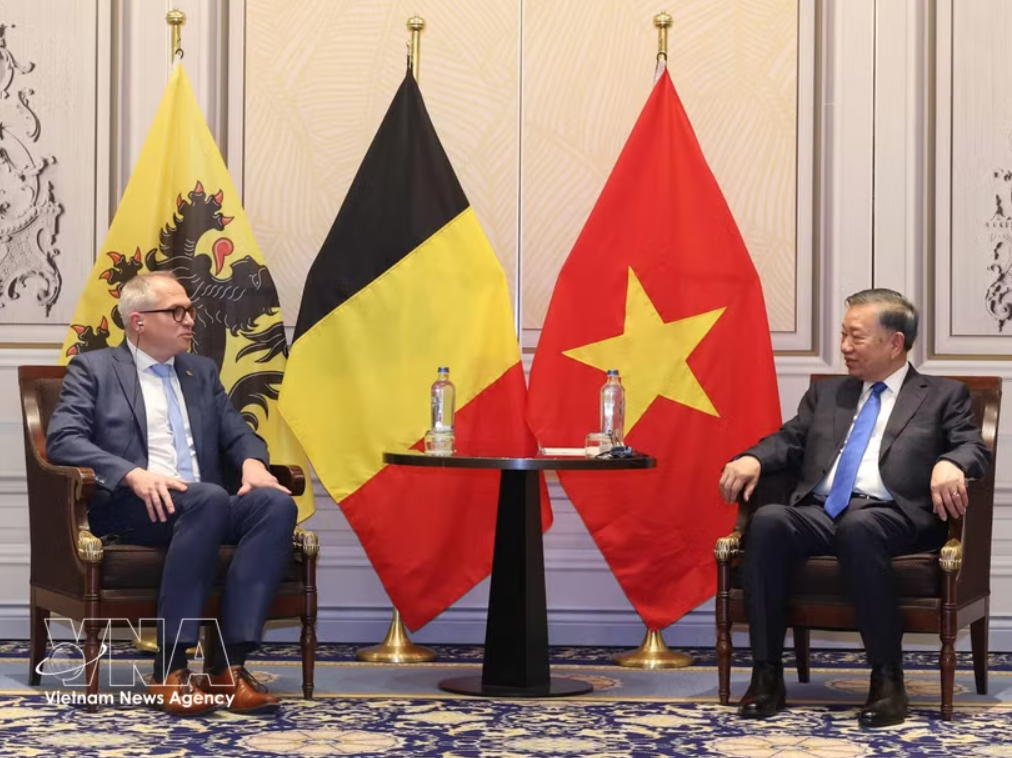
The top leader called on Flanders to support the early elevation of Viet Nam - Belgium relations to a strategic partnership, take a pioneering role in promoting economic cooperation, encourage businesses to expand investment in Viet Nam, and back the completion of ratification and effective implementation of the EU–Viet Nam Investment Protection Agreement (EVIPA).
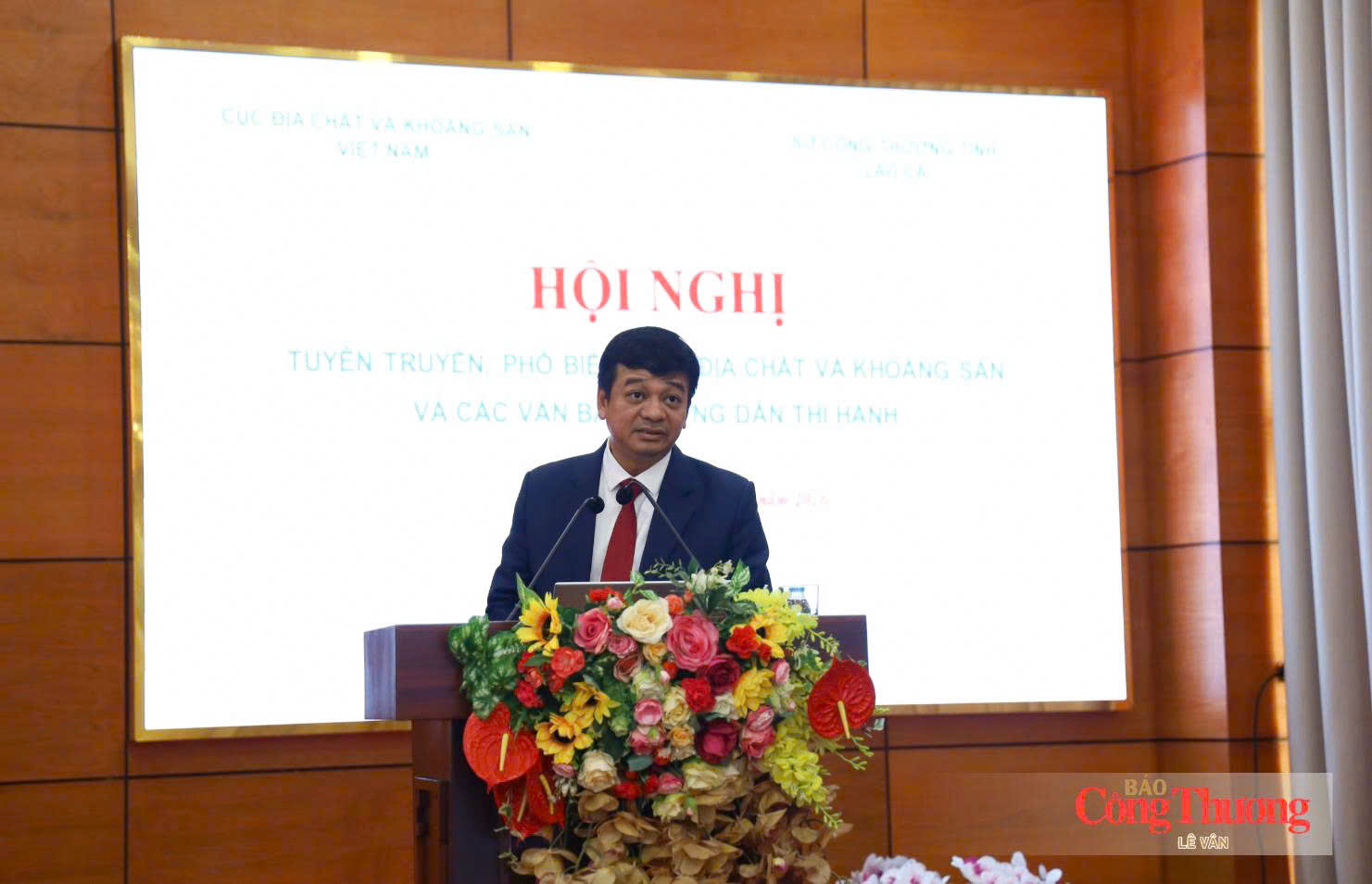
A conference to disseminate legislation on geology and minerals and its implementing regulations was held in Lao Cai province on the morning of October 23.
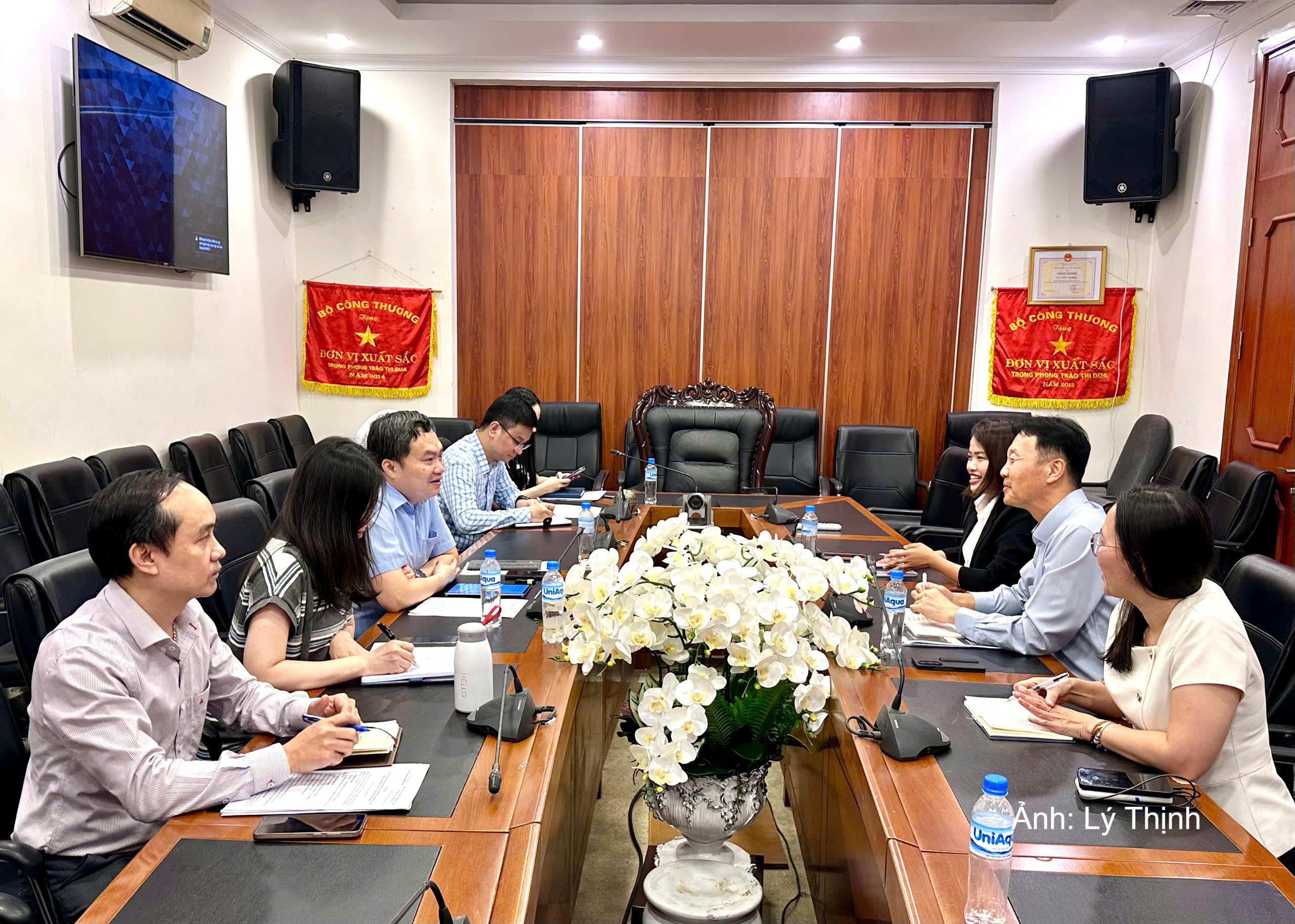
The Vietnam Industry Agency under the Ministry of Industry and Trade and Samsung Vietnam continue to strengthen cooperation in developing supporting industries, enhancing the capabilities of domestic enterprises and expanding opportunities for their participation in global supply chains.
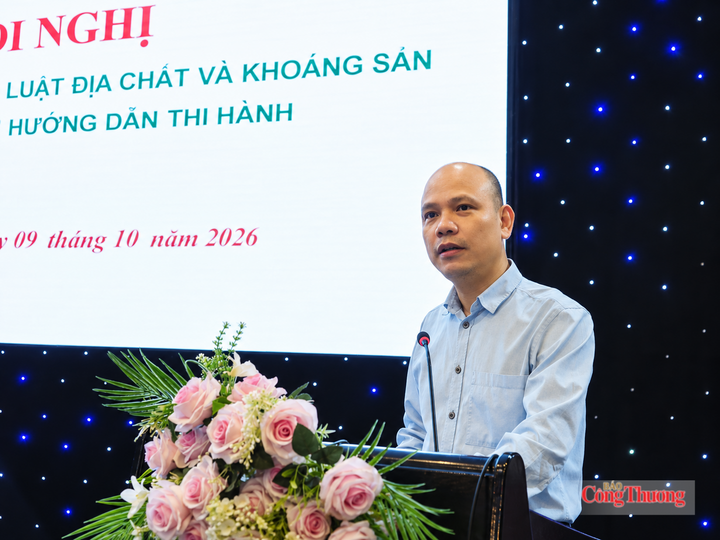
On October 9, the Viet Nam Department of Geology and Minerals, in coordination with the Thai Nguyen Department of Industry and Trade, held a conference in Thai Nguyen province to disseminate the Law on Geology and Minerals and its implementing regulations.
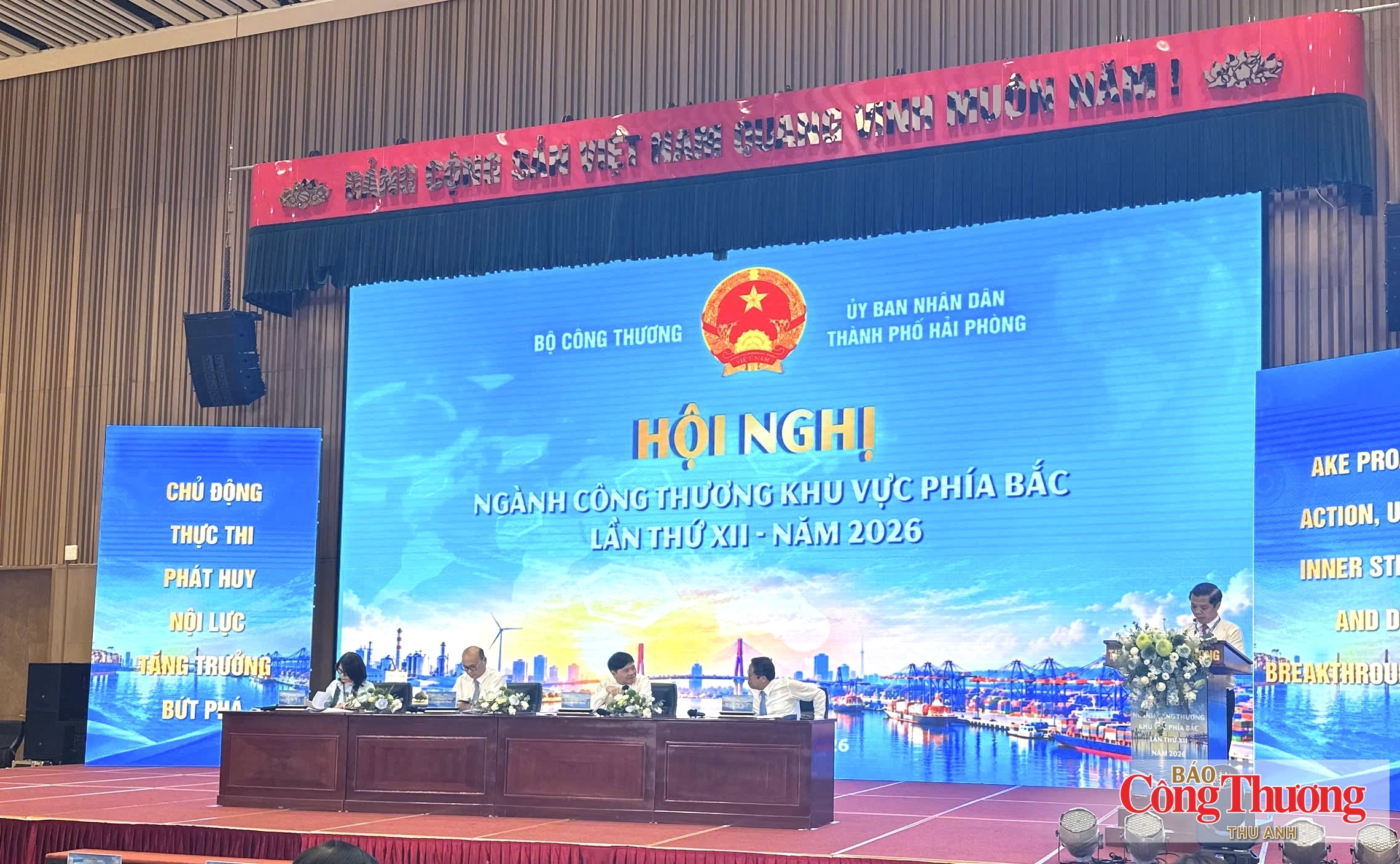
Northern localities are strengthening links in supporting industries, energy and logistics to build competitive value chains and create new growth drivers.
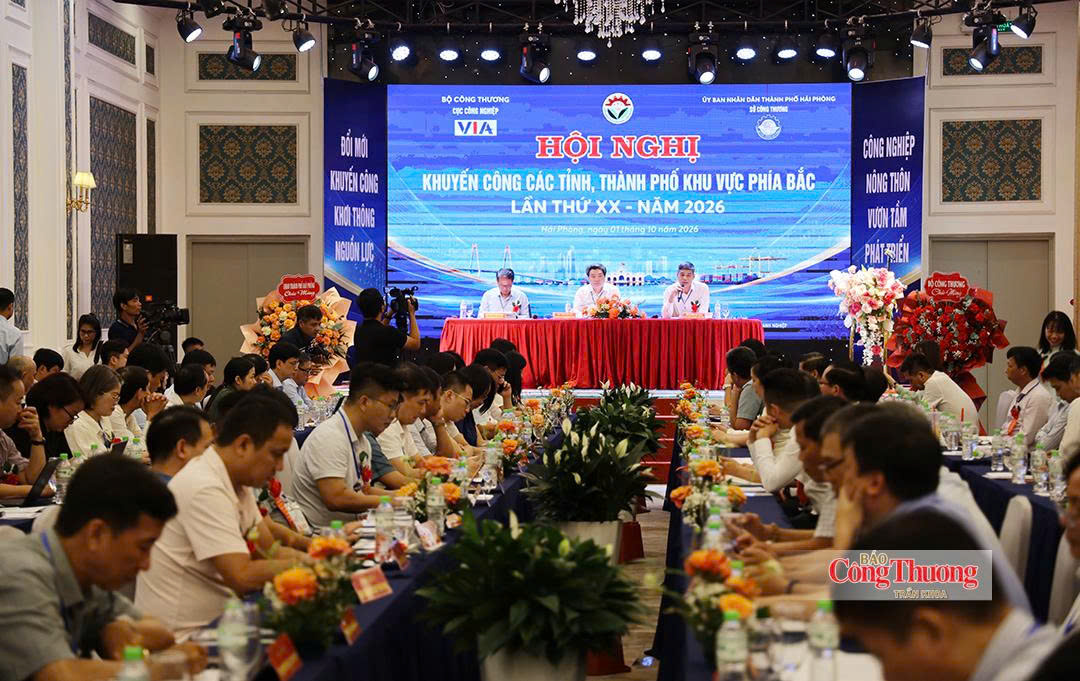
The 20th Industrial Promotion Conference for Northern Provinces and Cities in 2026 was held in Hai Phong City on October 1, with discussions focusing on renewing industrial promotion activities.