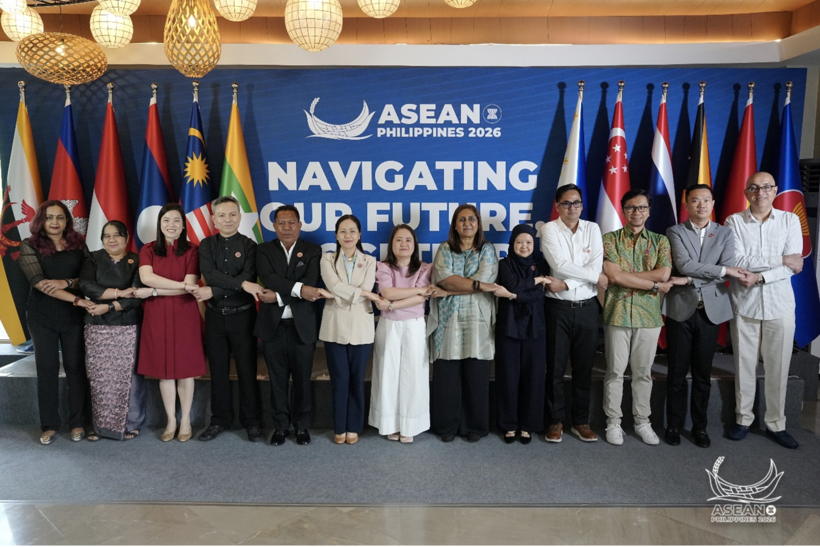
As ASEAN officially enters the transition phase from the ASEAN Economic Community (AEC) Master Plan 2025 to the AEC Strategic Plan 2026–2030, the first ASEAN Senior Economic Officials’ Meeting (SEOM 1/57), a preparatory meeting for the ASEAN Economic Ministers' Retreat in 2026, took place from January 21st to 23rd, 2026 in Panglao, Bohol, Philippines.
The meeting was also significant as the first SEOM meeting during the Philippines' ASEAN Chairmanship in 2026, and served as a link between strategic discussions at the SEOM Retreat and concrete implementation phases during the year.
If SEOM Retreat played the role of “shaping the vision,” SEOM 1/57 is seen as the first test of ASEAN’s ability to translate strategic priorities into concrete action programs, roadmaps, and operational mechanisms, in the context of a large workload, increasingly inter-sectoral priorities, and a continuously changing regional and global geoeconomic environment.
First ASEAN Senior Economic Officials’ Meeting
Follow-up Actions from Decisions made at SEOM Retreat
One of the important topics of discussion at the SEOM 1/57 was to review the follow-up actions from decisions made at the SEOM Retreat in December 2025. The meeting noted several important tasks and decisions from the SEOM Retreat are still underway, such as providing inputs and comments to finalize the Philippines' Priority Economic Deliverables (PED) during its ASEAN Chairmanship in 2026, identifying potential areas of cooperation in the ASEAN-CPTPP Dialogue, drafting the ASEAN Economic Community (AEC) Monitoring, Evaluation and Learning Framework (MEAL), issues related to the ASEAN Geoeconomic Task Force (AGTF) and its future in the next phase; proposals from the ASEAN and East Asia Economic Research Institute (ERIA) to enhance the Institute's operational efficiency and future contributions to regional economic cooperation, etc., thereby providing guidance to address bottlenecks and promote the completion of unfinished tasks and decisions.
ASEAN Geoeconomic Task Force (AGTF)
The Meeting devoted considerable time to discussing the future of the AGTF, based on an assessment by the ASEAN Secretariat showing that most of the Task Force’s recommendations have been integrated into existing initiatives or the AEC Strategic Plan 2026–2030, limiting the potential for further contributions from this mechanism; and reflecting ASEAN's trend towards streamlining mechanisms, avoiding duplication and dispersion of resources, and better utilizing existing AEC institutions.
This approach reflects a "maturity" in ASEAN's institutional thinking, as the bloc is ready to discuss the possibility of closing mechanisms that already finish their historical role, rather than maintaining them out of inertia.
Priorities Transfer Between Chair Years: Ensuring the Continuity of the Economic Agenda
The Meeting also devoted considerable time to reviewing the unfinished Priority Economic Deliverables (PEDs) of the ASEAN Chair Year 2025, undertaken by Malaysia, notably the review and upgrading process of the ASEAN-India Goods Trade Agreement (AITIGA). The frank acknowledgment of difficulties, both from the partner side and within ASEAN itself, demonstrates a pragmatic approach to governance and lays the groundwork for addressing unfinished issues in 2026 without disrupting the overall process.
Simultaneously, the Conference also discussed and provided feedback on the Philippines' 19 PEDs for 2026. Overall, these PEDs have broad coverage, high inter-sectoral scope, and clearly reflect ASEAN's new strategic concerns, from strategic trade management, digital transformation, supply chains, semiconductors, to sustainable and inclusive development. However, it is also this characteristic that places higher pressure on inter-sectoral coordination, resource allocation, and fragmentation avoiding efforts, especially in the context many ASEAN agencies are still handling transitional activities from the previous phase.
DEFA: The focal point of the ASEAN digital economy agenda
Negotiations of the ASEAN Framework Agreement on the Digital Economy (DEFA) continued to be one of the topics of particular interest at SEOM 1/57. With a large number of core provisions already been agreed upon, ASEAN is moving closer to its goal of signing the DEFA by the end of 2026. However, discussions at the Meeting also revealed certain outstanding issues – from technology products using cryptography and source code to telecommunication submarine cable system cooperation – all sensitive topics requiring a delicate balance between regional integration and domestic management demands.
The SEOM's emphasis on AMS refraining from introducing new proposals while encouraging flexibility in approach shows that ASEAN is prioritizing the conclusion of the DEFA negotiations, aiming for the early signing of the world's first regional agreement on the Digital Economy.
Monitoring and evaluating the AEC: From “Annual Priority” to “Milestone Deliverables”
A structural change discussed at SEOM 1/57 was the replacement of Annual Priority (AP) mechanism with Annual Milestone Deliverables from 2026. Along with the development of the Monitoring, Evaluation and Learning Framework (MEAL), this new approach aims to enhance measurability, transparency, and results-oriented approach in the implementation of the AEC. This can be seen as an effort by ASEAN to overcome long-standing limitations in monitoring the implementation of commitments, while creating a more suitable governance framework for a deeper and more complex integration phase in the future.
Timor-Leste: From Accession to Substantive Participation
The process of Timor-Leste's accession to the ASEAN Economic Agreements continues to be closely monitored at SEOM 1/57. The near completion of Timor Leste’s accession to priority instruments and its gradual participation in meetings and negotiations within the AEC framework reflect ASEAN's efforts to combine membership expansion with ensuring the quality of integration. The exchanges at the SEOM 1/57 meeting showed that ASEAN is moving towards a flexible approach, focused technical support, and gradually bringing Timor-Leste into more substantive participation in the regional economic policy planning and implementation process.
From adjusting external mechanisms to managing workload
Besides intra-ASEAN issues, SEOM 1/57 also continued discussions on adjusting working mechanisms with Dialogue Partners, the ASEAN-CPTPP dialogue, and the role of ERIA in supporting policy planning. A common theme in these discussions was the need to optimize resources, avoid overload, and enhance the actual added value for ASEAN.
The SEOM 1/57 meeting will run until January 23, 2026, aiming to finalize preparations and lay the groundwork for the ASEAN Economic Ministers' Retreat scheduled for March 2026.
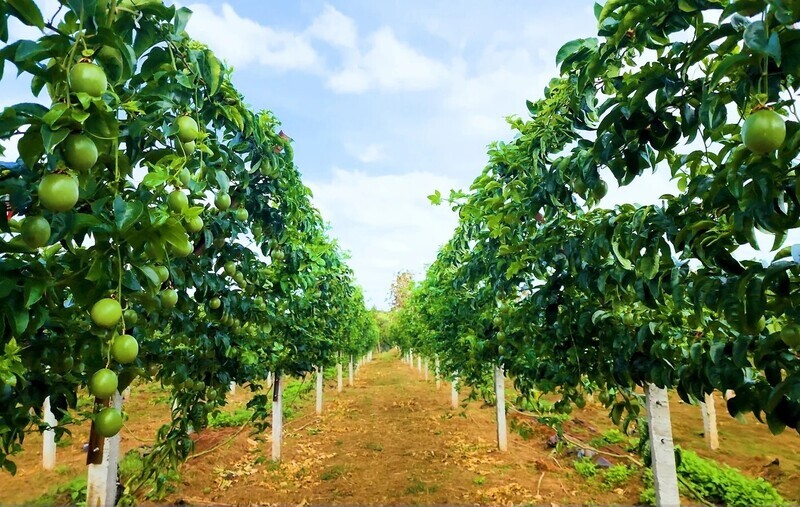
Vietnam’s fruit and vegetable exports to the EU exceeded USD 477 million in 2025, tripling since 2021 as processed products and quality upgrades drive growth.
Vietnam’s tea exports rose nearly 30% in January 2026, but falling prices highlight the urgent need to shift from bulk sales to higher-value, branded products.
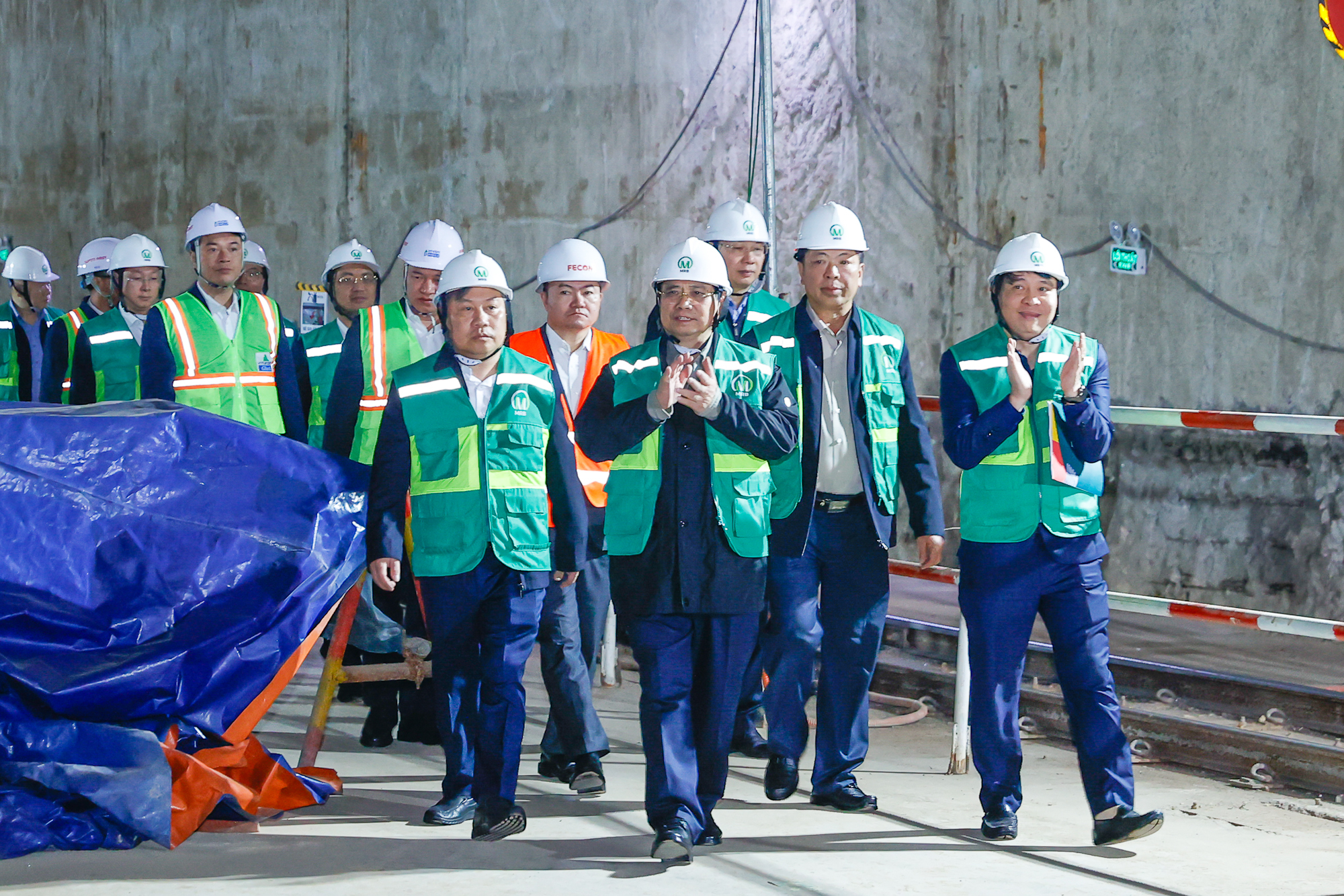
Prime Minister Pham Minh Chinh urged sweeping reforms to accelerate Hanoi’s urban railway projects, targeting over 600km by 2045, while ensuring quality and safety.
Prime Minister Pham Minh Chinh urged sweeping reforms to accelerate Hanoi’s urban railway projects, targeting over 600km by 2045, while ensuring quality and safety.
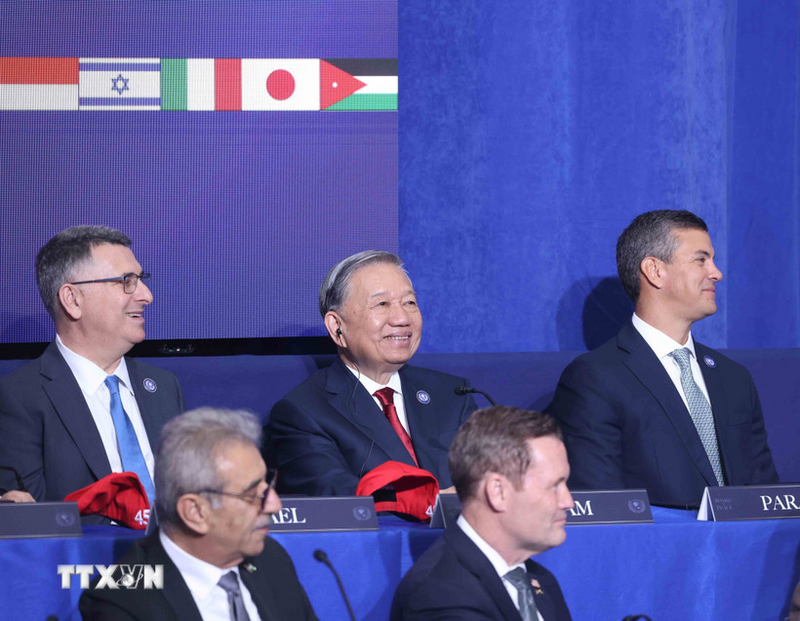
Vietnam’s General Secretary To Lam attended the Gaza Peace Council’s inaugural meeting in Washington, D.C., outlining commitments to peacekeeping and reconstruction.
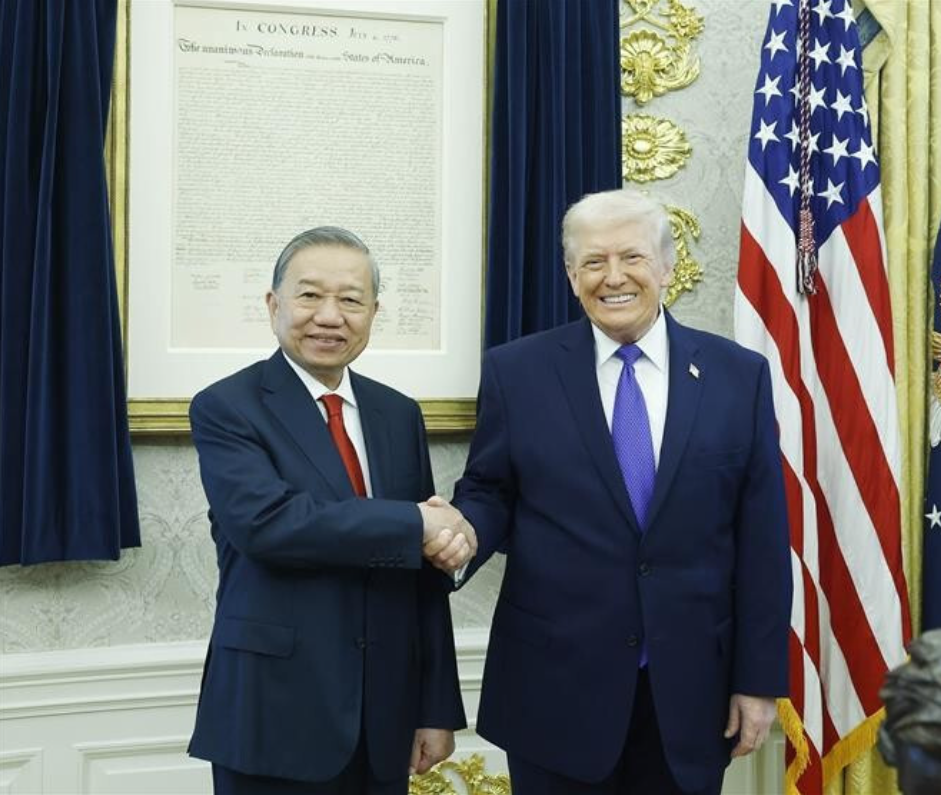
General Secretary To Lam held talks with US President Donald Trump at the White House on bilateral ties and regional and international issues of shared concern.