Experts at the Canada-Vietnam Forum proposed concrete cooperation outcomes in the digital economy and supply chains to advance stronger CPTPP-EU linkages.
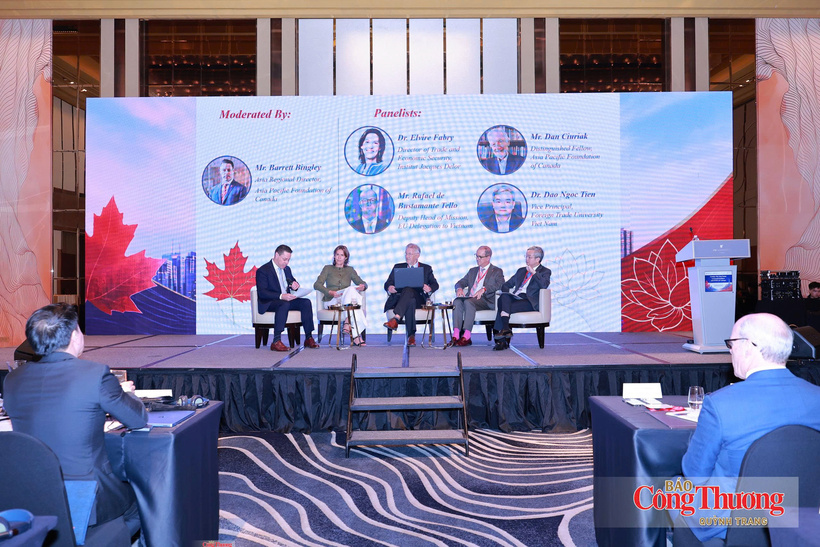
At the panel discussion "Connecting the Blocs: The Strategic Benefits of CPTPP - EU Linkages," held as part of the Canada - Vietnam Forum on the afternoon of July 20 in Ho Chi Minh City, panelists focused on priority areas and concrete outcomes to advance cooperation between the two blocs, particularly in the digital economy, supply chain resilience, and the global trade environment.
An overview of the panel discussion. Photo: Quynh Trang
Towards concrete outcomes in CPTPP - EU cooperation
As one of the panelists, Rafael de Bustamante Tello, Chargé d'Affaires a.i. of the European Union (EU) Delegation to Vietnam, noted that the partnership between the EU and CPTPP holds significant importance given that the two sides together account for a large share of global trade and economic activity, as well as data and technology.
According to Bustamante Tello, the goal of the partnership is to deliver mutual benefits for both sides while working towards concrete short-term outcomes ahead of the ministerial meeting scheduled for November.
To achieve this goal, the two sides are engaging in discussions along several tracks, aiming for results in three areas: the digital economy, supply chain resilience, and the global trade environment.
Bustamante Tello stated that the EU hopes four concrete outcomes can be announced in the period ahead.
First, launching a crisis response network for supply chain disruptions. Under the proposal, the two sides would coordinate their response in the event of serious supply chain disruptions. In the initial phase, the network could be established alongside a list of contact points, with detailed terms of reference to be developed at a later stage.
Second, adopting a reference document on logistics supply chains. Bustamante Tello noted that within the supply chain resilience pillar, the two sides need to work towards common principles or a shared understanding of logistics services and supply chains. This reference document could be developed based on existing EU practices, CPTPP provisions, and widely adopted regulatory approaches.
Third, adopting a common stance on trade-related environmental measures. Under the proposal, the two sides would jointly develop guidance for the design and implementation of trade-related environmental measures.
Fourth, releasing an orientation document on a digital economy agreement. Several countries have already agreed in principle to jointly develop a common report compiling lessons learned in digital economy policy and opportunities to promote compatibility and interoperability between systems.
Priorities on the digital economy and rules of origin
Sharing the view that concrete outcomes need to be delivered soon, Associate Professor, Dr Dao Ngoc Tien, Vice President of Foreign Trade University, held that in the short term, cooperation should be geared towards delivering direct benefits to businesses through specific actions and immediately achievable results.
Dao Ngoc Tien held that it is important to find the intersection between cooperation potential, shared vision, high-level political direction, and the practical interests of the business community. The first area that could be implemented in the short term is e-commerce and digital transformation.
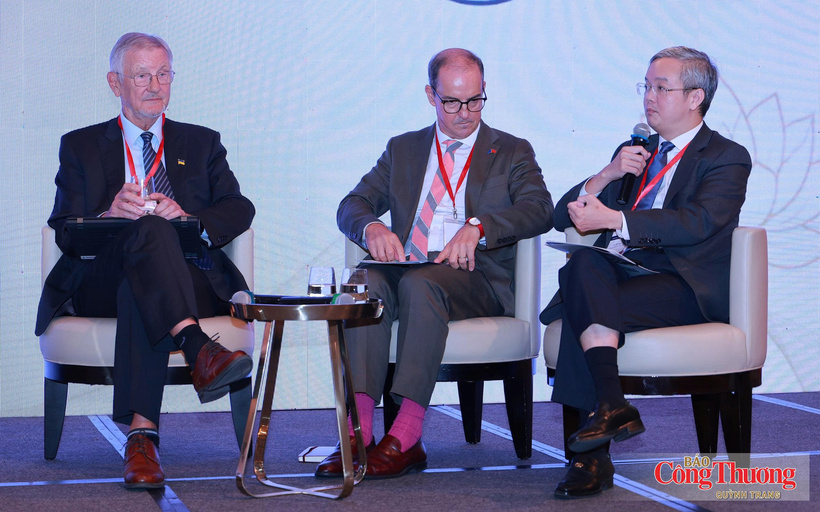
Dao Ngoc Tien, Vice President of Foreign Trade University, exchanges views with international experts on the digital economy and supply chain linkages. Photo: Quynh Trang
Dao Ngoc Tien pointed out that at the government level, numerous cooperation platforms have already taken shape. Within the region, the ASEAN Digital Economy Framework Agreement (DEFA) is in place, CPTPP includes a chapter on e-commerce, and Vietnam has also signed a digital economy agreement with Singapore. This shows that governments are all working towards promoting digital trade.
On Vietnam's part, Dao Ngoc Tien noted that the country has also set a target for the digital economy to contribute around 30% of GDP. He held that harmonizing e-commerce regulations would create favorable conditions for small and medium-sized enterprises, which account for a large share of Vietnam's economy as well as that of many other countries, to participate more deeply in e-commerce, thereby boosting international trade.
The next priority area Dao Ngoc Tien highlighted is enhancing supply chain resilience.
According to the expert, the core issue is not only tariff reduction but also harmonizing rules of origin, promoting origin cumulation mechanisms, and reducing challenging factors in trade.
Dao Ngoc Tien held that linking the rules of origin between the EU and CPTPP would help strengthen connectivity between the two blocs. This mechanism could also be applied to specific sectors such as textiles and garments, where raw materials are imported from one country and further processed in another.
E-commerce, together with strengthening supply chain resilience through the rules-of-origin cumulation mechanism, are areas with the potential to yield short-term results in the process of linking the EU and CPTPP.
Concluding the discussion, the panel moderator observed that all panelists shared a consensus on the content areas that need to be advanced, namely the digital economy, supply chain resilience, and the global trade environment.
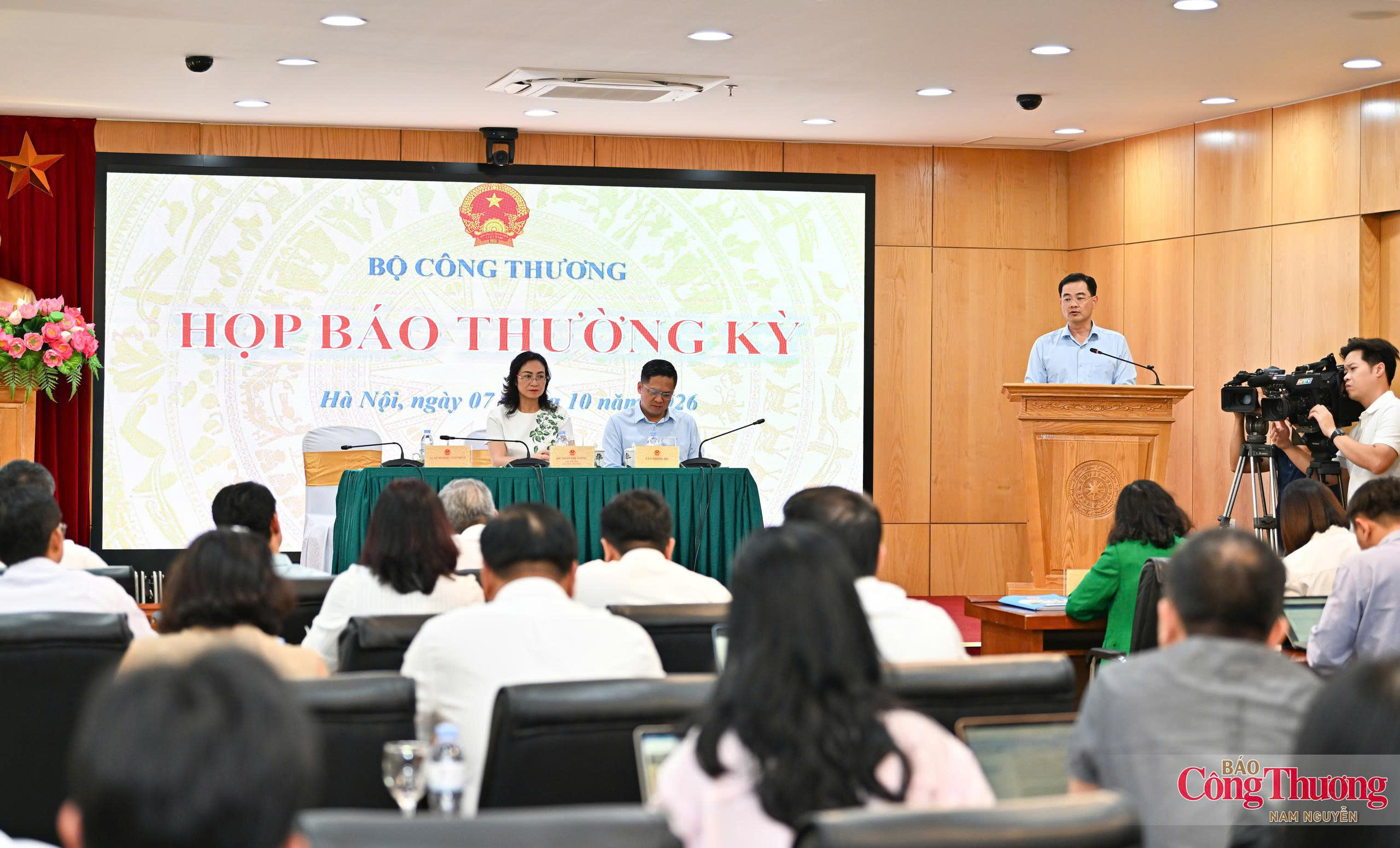
The Ministry of Industry and Trade (MoIT) held its regular press conference for the third quarter of 2026 in Ha Noi on the afternoon of October 7, chaired by Deputy Minister Phan Thi Thang.
Deputy Minister of Industry and Trade Luong Hoang Thai emphasized that building the national brand is a driving force for improving Viet Nam’s competitiveness and international standing.
The official visit to Laos by Prime Minister Le Minh Hung is expected to inject fresh momentum into bilateral relations, with economic, trade and investment cooperation continuing to serve as a core pillar.
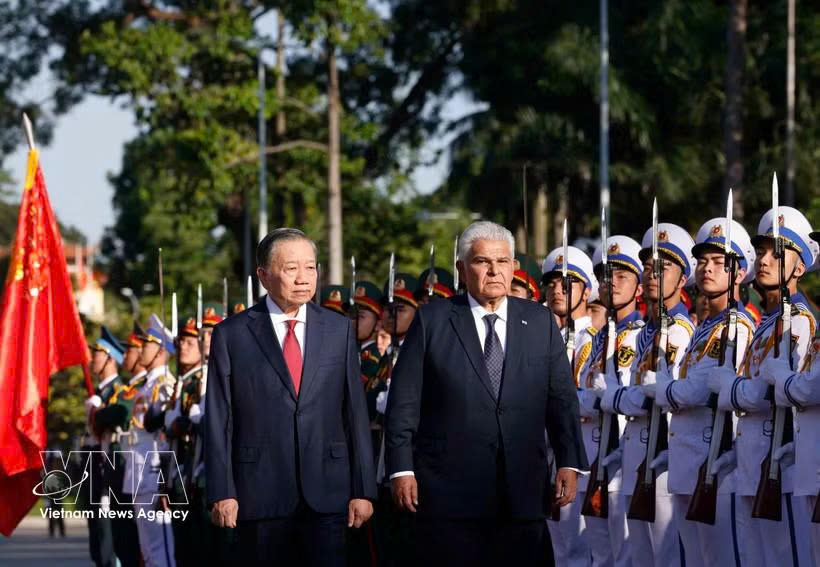
The Panamanian President’s visit is expected to contribute to further deepening and making the traditional friendship and cooperation between the two nations more substantive and effective.
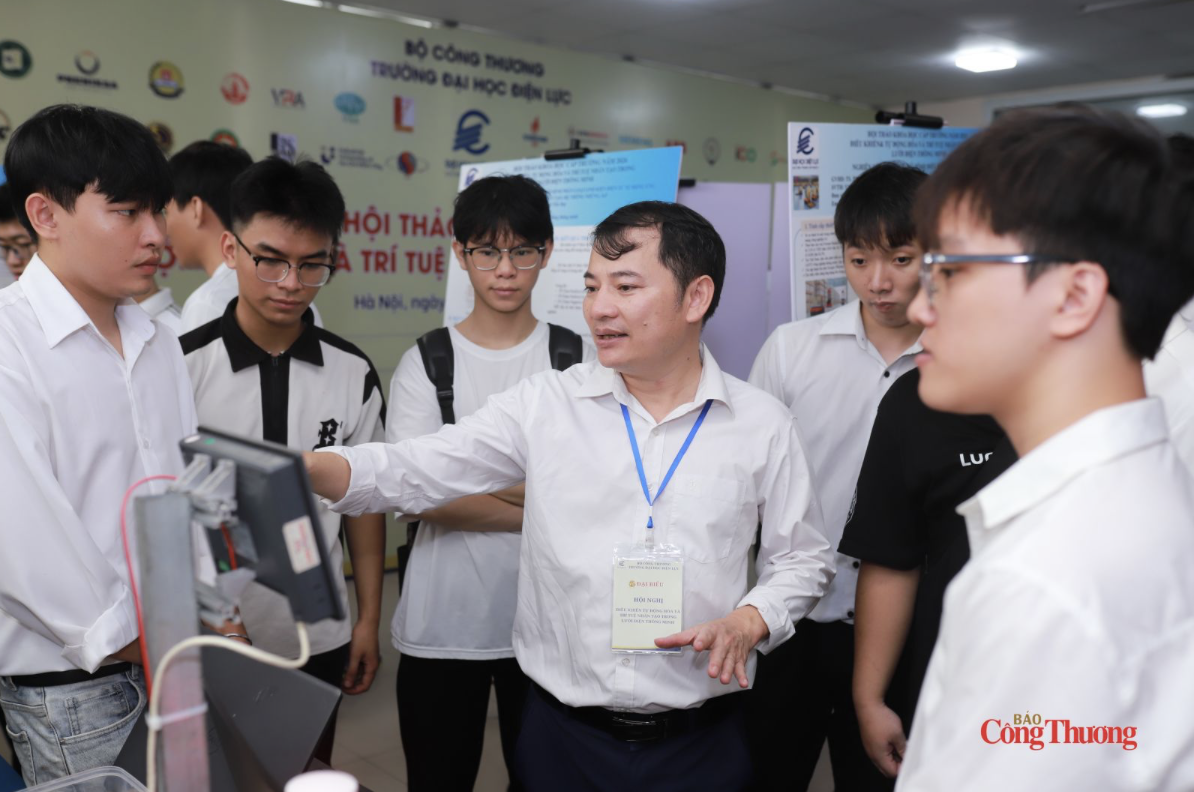
The Ministry of Industry and Trade is promoting closer links between training and businesses to develop a workforce that meets industry and trade sector needs.
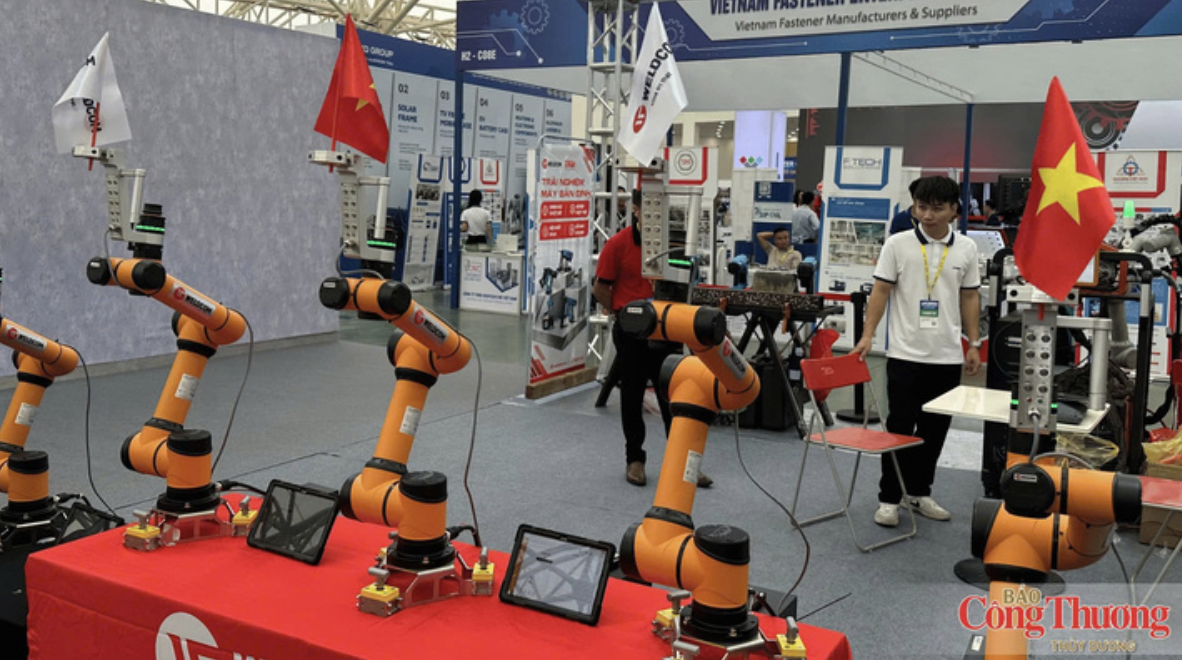
GREENTECH HA NOI 2026 showcases green technologies and energy-efficient solutions that help businesses cut emissions, optimize costs, promote sustainable production.
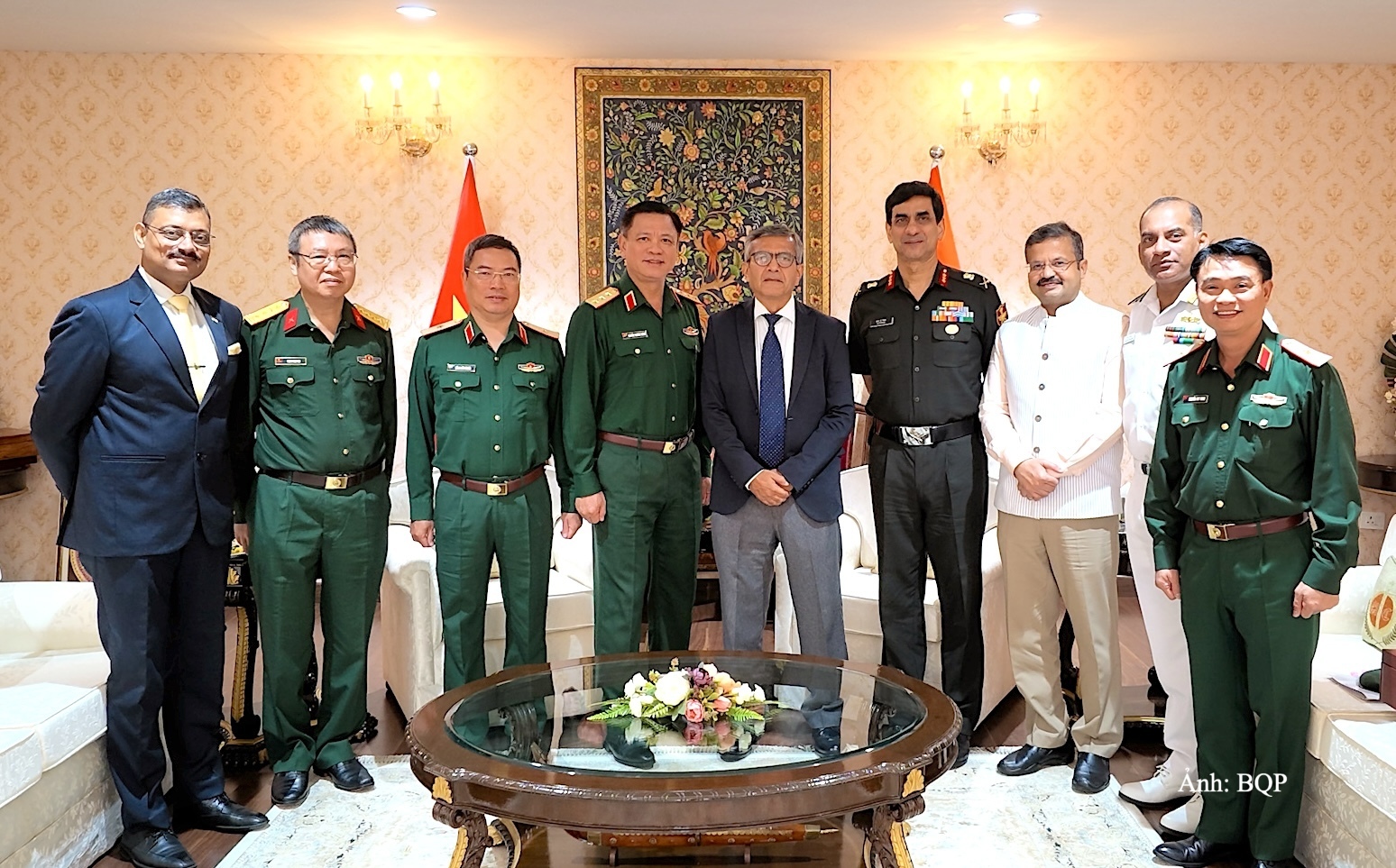
On the sidelines of the BRICS Summit in New Delhi, Senior Lieutenant General Nguyen Truong Thang held a meeting with Indian Defence Secretary Rajesh Kumar Singh, agreeing to expand defence cooperation.
Viet Nam has identified strengthening energy security and resilience, accelerating a clean and just energy transition, and promoting innovation, investment and regional connectivity as three strategic priorities in responding to profound changes in the global energy landscape.
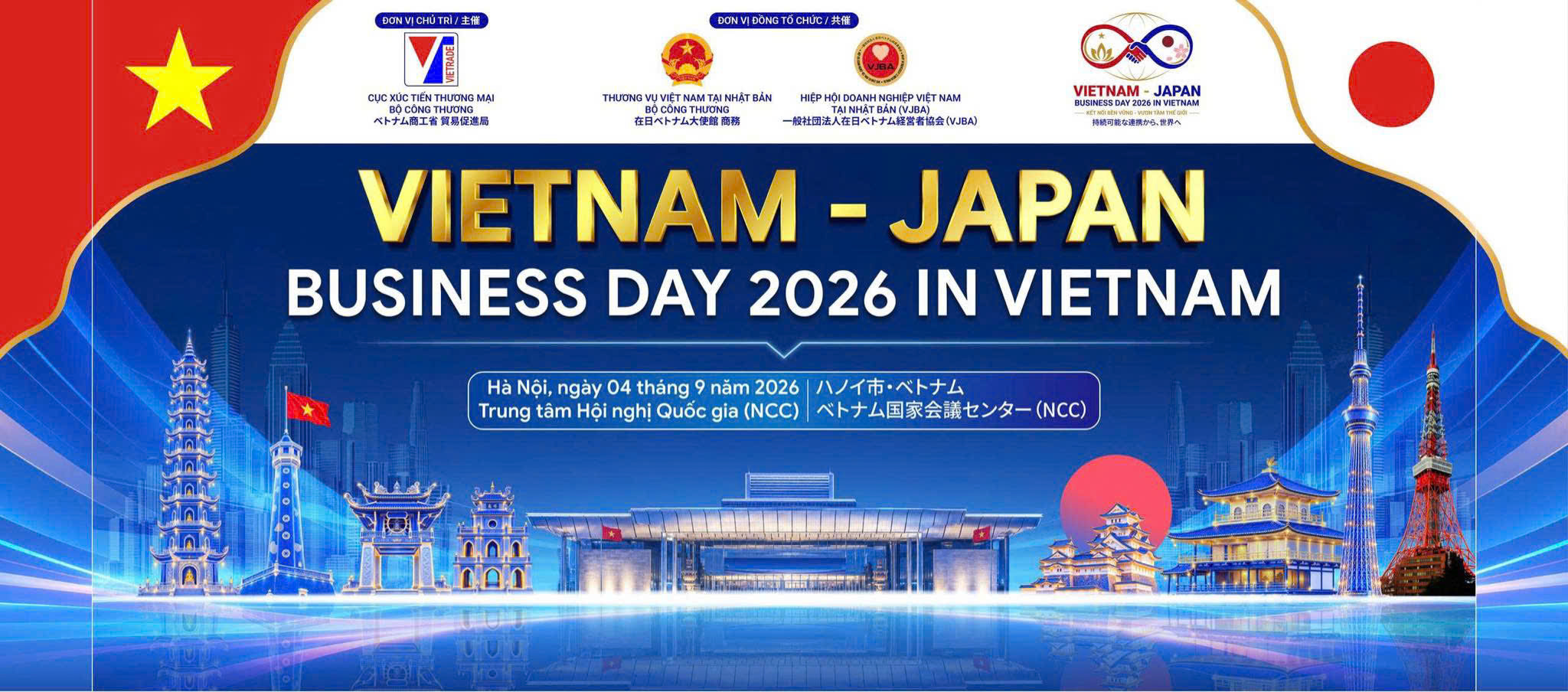
The Viet Nam-Japan Business Forum 2026 will take place in Hanoi, bringing together around 250 delegates for trade and investment matchmaking and business networking.