Vietnam is endowed with abundant renewable energy resources, yet it has not been able to fully harness this potential. Battery Energy Storage Systems (BESS) are emerging as the critical missing link to resolve this challenge.
The missing link in the renewable energy landscape
Vietnam faces a striking paradox: despite possessing some of the most plentiful renewable energy resources in the region, it has yet to exploit them to their full potential. Solar power peaks at midday but cannot deliver when it is most needed, during the evening, when electricity demand across the economy surges. Wind power, meanwhile, remains entirely contingent on weather conditions. The solution is not to abandon renewables, but to develop commensurate storage capacity. This is precisely why Battery Energy Storage Systems (BESS) are becoming central to the country’s national energy strategy.
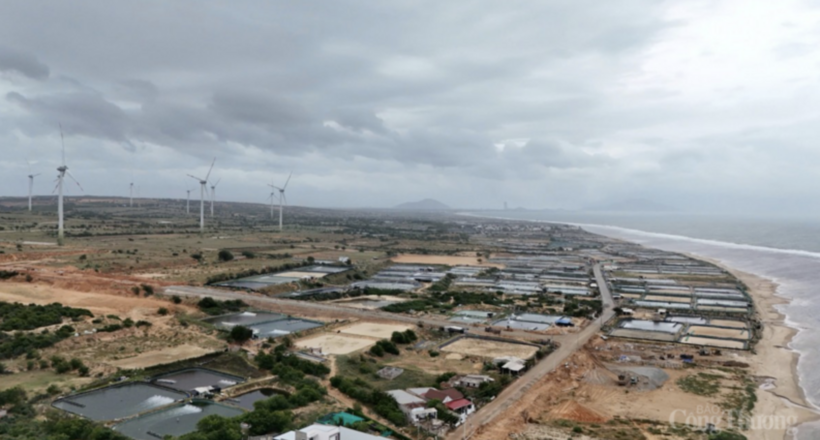
Vietnam possesses a full spectrum of energy resources, including wind, solar, and hydropower.
Over the past decade, Vietnam has rapidly expanded its solar and wind power capacity. However, a fundamental technical constraint persists: solar generation is limited to daylight hours, typically from 6 a.m. to 6 p.m., with output peaking at noon, whereas peak electricity demand occurs in the evening.
According to Vietnam Electricity (EVN), the national grid’s peak load has risen from approximately 27,000 MW in 2015 to over 54,000 MW in 2025, nearly doubling within a decade. This pressure is intensifying as the share of renewable energy approaches 15%, a threshold at which experts warn of immediate challenges in balancing supply and demand, maintaining grid frequency, and avoiding curtailment of renewable generation.
Associate Professor Dr. Dinh Trong Thinh, an economic expert, underscores that while renewable energy is an indispensable trend, its viability depends on a solid foundation, namely, integrated storage systems. Renewable sources generate power intermittently, and during evenings or unfavorable weather conditions, supply constraints become evident.
Energy storage, therefore, is among the most critical issues today. Such systems must not only be sufficiently large and continuously operable, but also flexible enough to respond dynamically to fluctuations in demand from both production and daily life. He also notes that significant barriers remain, including high investment costs, technological challenges, and infrastructure limitations, which continue to hinder large-scale BESS deployment.
At the policy level, these challenges have been clearly recognized. The revised Power Development Plan VIII sets a target of developing between 10,000 and 16,300 MW of BESS capacity by 2030, accounting for 5.5% to 6.9% of the total installed power capacity. Resolution No. 70 of the Politburo on ensuring national energy security, along with Directive No. 10/CT-TTg issued by the Prime Minister, both identify BESS as an indispensable component of the energy transition roadmap. These policy signals underscore the need for concrete action from businesses, investors, and state management agencies alike.
From import dependence to technological mastery
Despite the urgent need for BESS, Vietnam’s market has until recently relied almost entirely on imported equipment. This dependence not only exposes the country to supply chain risks and elevated costs, but also sidelines it from a rapidly expanding global green industrial value chain.
Encouragingly, positive developments are emerging. A number of domestic enterprises have begun investing in internationally standardized BESS manufacturing facilities within Vietnam. These initiatives carry strategic significance, not merely in producing equipment, but in advancing toward mastery of core technologies, from control systems to integrated solutions tailored for diverse market segments.
These range from rooftop solar installations for households to industrial zones and grid-scale projects. The transition from a “consumer nation” to a “technology-owning nation” in energy storage represents a long-term objective, requiring sustained investment in research, development, and domestic capacity building.
Globally, the BESS market is experiencing rapid expansion, with a projected compound annual growth rate of 28.3% through 2030, as energy storage becomes an essential component of modern power systems. By the end of 2024, total operational BESS capacity worldwide had reached approximately 150-160 GW.
China leads with nearly 62 GW/141 GWh, followed by the United States, which added over 26 GW in 2024 alone. Meanwhile, the cost of lithium-ion batteries, the dominant technology in BESS, has fallen dramatically from over $1,000 per kWh a decade ago to around $150-160 per kWh, opening broader access to this technology for developing countries such as Vietnam.
According to Dr. Thinh, turning this opportunity into reality requires a clear roadmap centered on technological self-reliance and the development of domestic capabilities. In the initial phase, the state should play a proactive supporting role by establishing enabling mechanisms and policies for businesses to participate.
As the sector demonstrates strong growth potential, the state may also take on a more active role in guiding market development. The prospect of building a domestic BESS manufacturing industry is entirely feasible, provided Vietnam keeps pace with technological innovation and global development trends.
More concretely, Vietnam needs to accelerate the completion of a legal framework for BESS, including technical standards and safety regulations; establish transparent pricing mechanisms for storage and electricity services; and introduce incentives such as tax benefits and improved access to green finance and green bonds for BESS projects. At the same time, pilot projects at a medium scale should be promoted in localities with high shares of renewable energy, allowing for practical experience and scalable models.
In the case of rooftop solar, integrating BESS creates a comprehensive solution: electricity generated during the day can be stored and used in the evening, significantly reducing energy costs for households and businesses while alleviating peak load pressure on the grid. For offshore wind, where Vietnam holds some of the greatest potential in Southeast Asia, BESS integration is a prerequisite for stable operation and for establishing wind power as a true backbone of the national energy system.
The development of BESS is no longer merely a technical issue; it has become a matter of national energy security and a strategic economic and industrial opportunity. As Dr. Thinh aptly concludes, the question is no longer whether Vietnam needs BESS, but how soon it can establish a fully-fledged domestic BESS industry, capable of meeting internal demand and gradually expanding into regional markets. Solar and wind power have laid the foundation; BESS is the key to transforming that potential into reliable, usable electricity, powering factories, supporting daily life, and sustaining Vietnam’s economic growth in the green era.
On October 13, the Agency of Foreign Trade under the Ministry of Industry and Trade (MoIT) held a conference in Dong Thap province to disseminate Government Decree No.365/2026/ND-CP dated September 23, 2026, on rice export and import business, and Circular No.65/2026/TT-BCT dated October 1, 2026, issued by the Minister of Industry and Trade, detailing certain provisions and measures for implementing Decree No.365/2026/ND-CP.
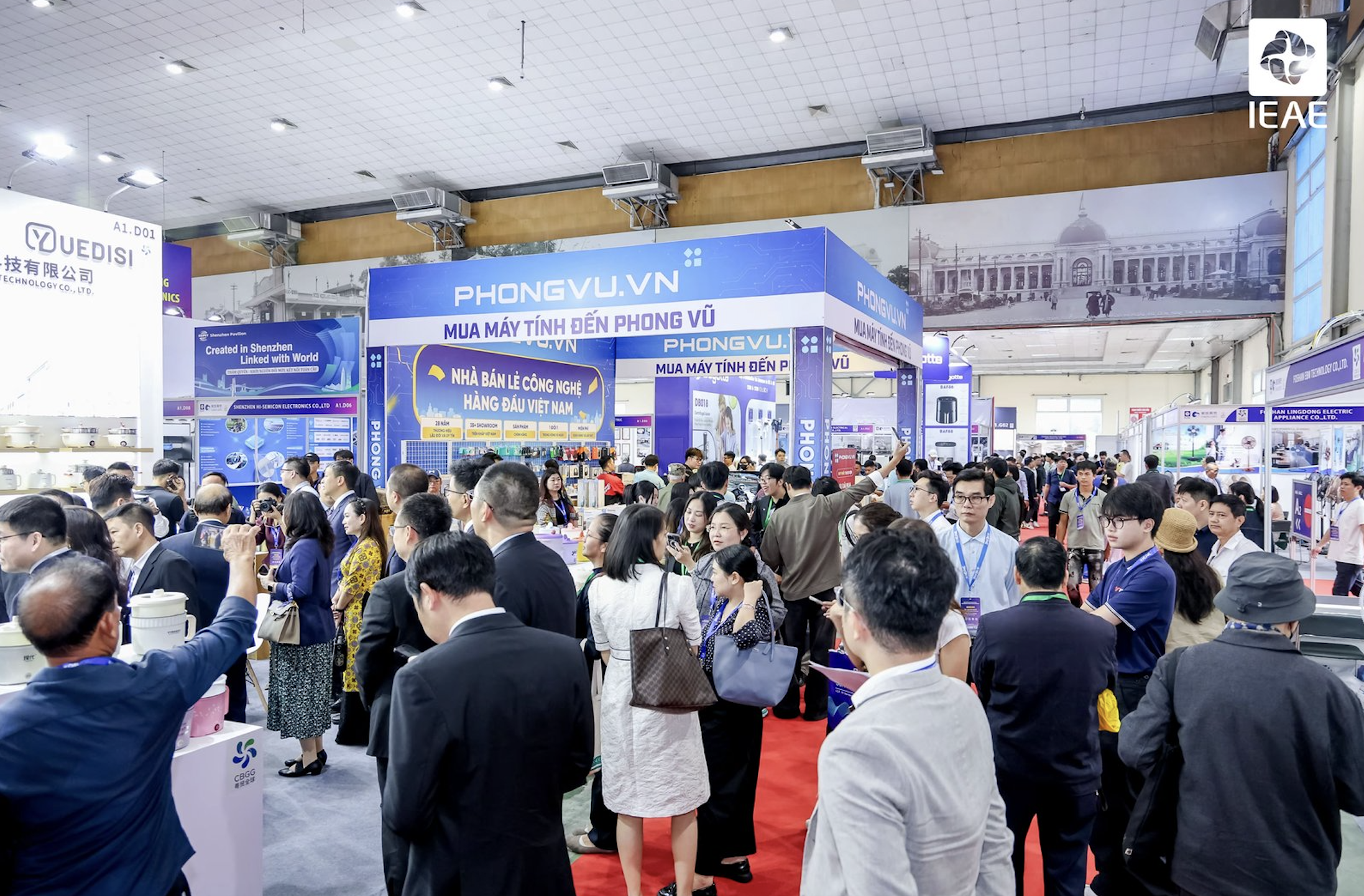
IEAE Hanoi 2026 will gather over 300 exhibitors, showcasing electronics, smart appliances and connecting businesses with sourcing and trade opportunities in Vietnam.
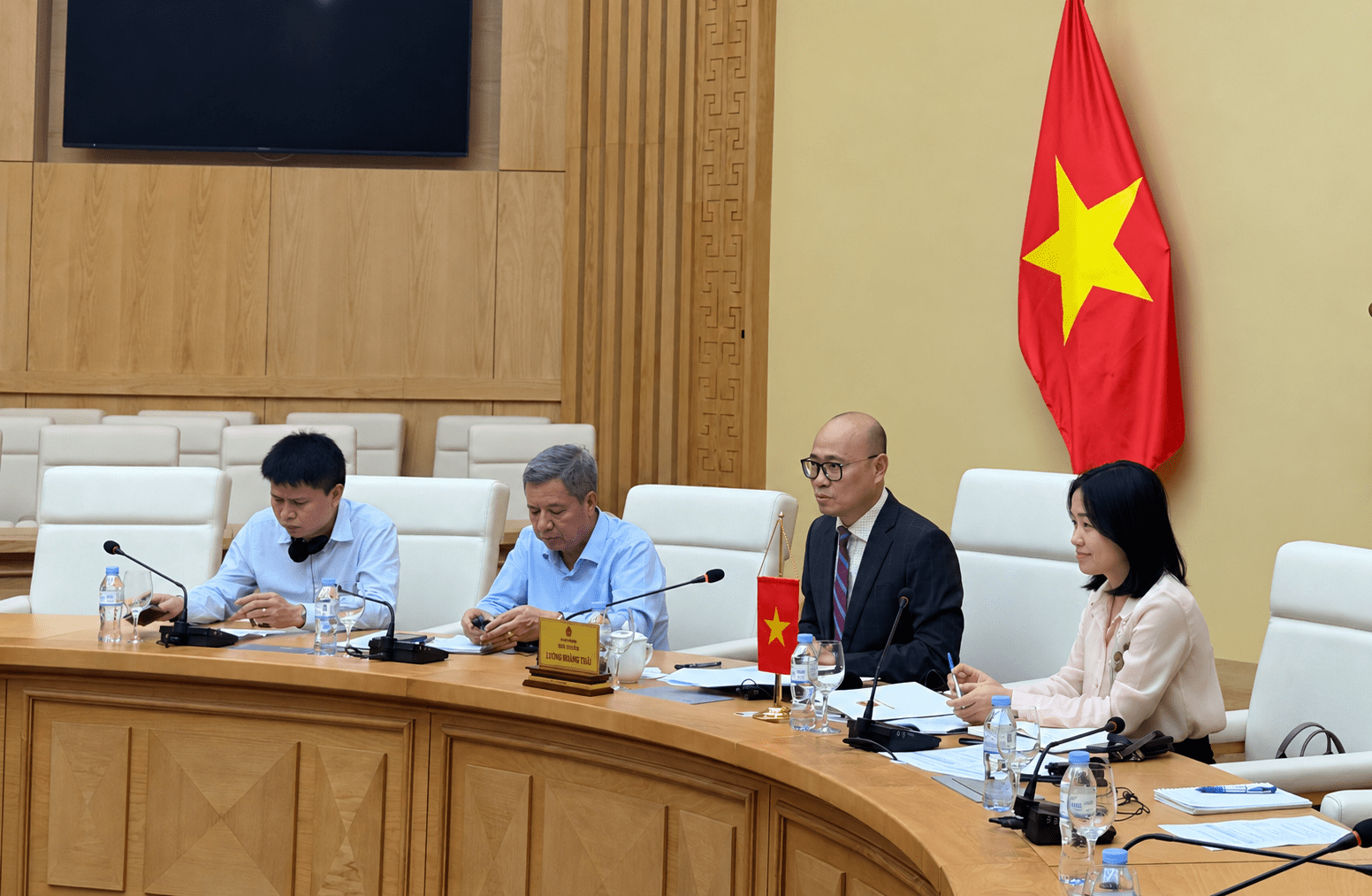
On October 13, Deputy Minister of Industry and Trade Luong Hoang Thai held a working session with MEDEF International, a French business organization, and representatives of French corporations operating in various sectors, including energy, industry, transport, construction and infrastructure development, food and beverages, and services, at the Ministry of Industry and Trade's headquarters.
On October 14, Deputy Minister of Industry and Trade Luong Hoang Thai received and held a working session with a delegation from Hamburg, Germany, led by the city's First Mayor Peter Tschentscher at the Ministry of Industry and Trade's headquarters.
The Copyright Office is working closely with relevant agencies to develop plans for inspections and enforcement action against copyright and related rights infringements in the digital environment.
The Vietnam Industry Agency under the Ministry of Industry and Trade and Samsung Vietnam continue to strengthen cooperation in developing supporting industries, enhancing the capabilities of domestic enterprises and expanding opportunities for their participation in global supply chains.
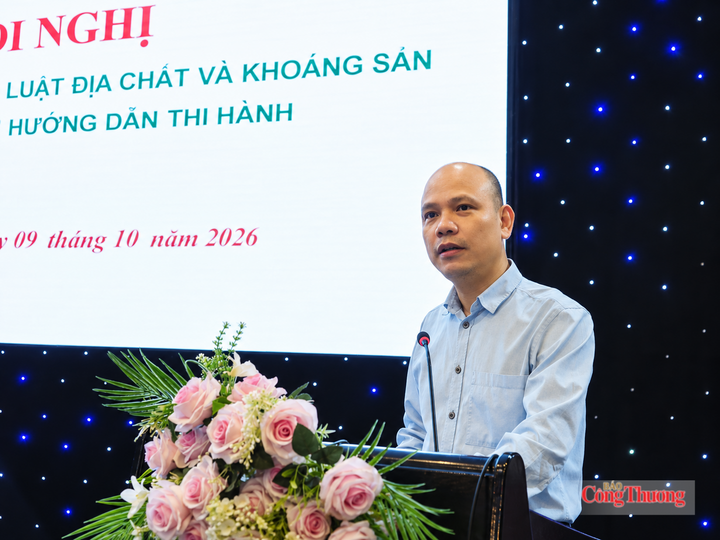
On October 9, the Viet Nam Department of Geology and Minerals, in coordination with the Thai Nguyen Department of Industry and Trade, held a conference in Thai Nguyen province to disseminate the Law on Geology and Minerals and its implementing regulations.
Northern localities are strengthening links in supporting industries, energy and logistics to build competitive value chains and create new growth drivers.
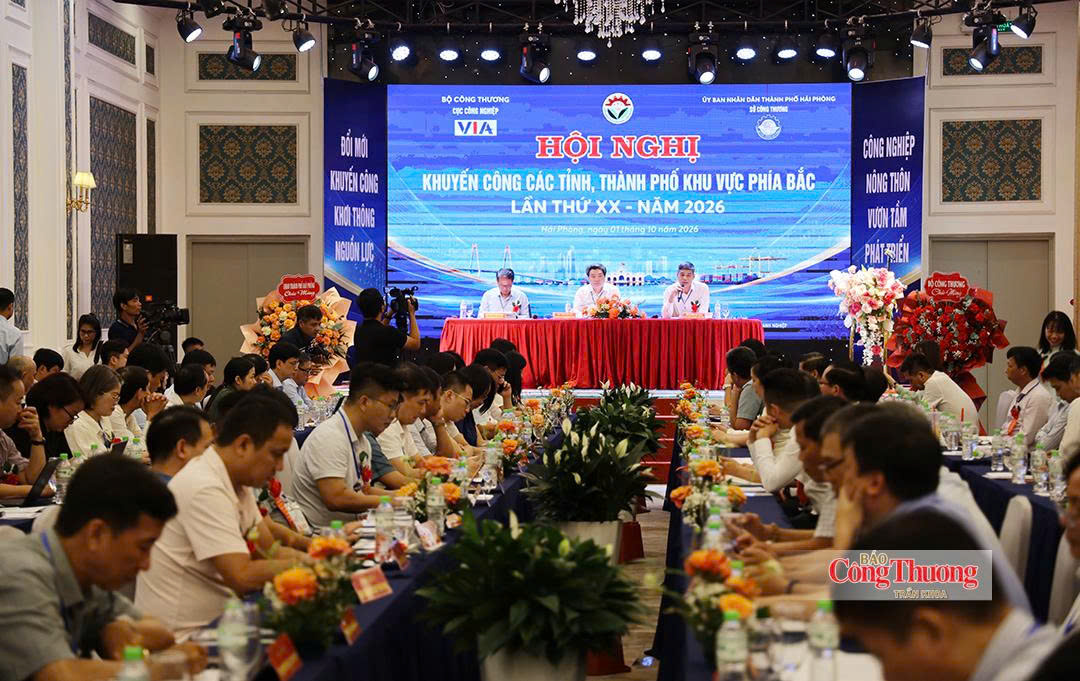
The 20th Industrial Promotion Conference for Northern Provinces and Cities in 2026 was held in Hai Phong City on October 1, with discussions focusing on renewing industrial promotion activities.
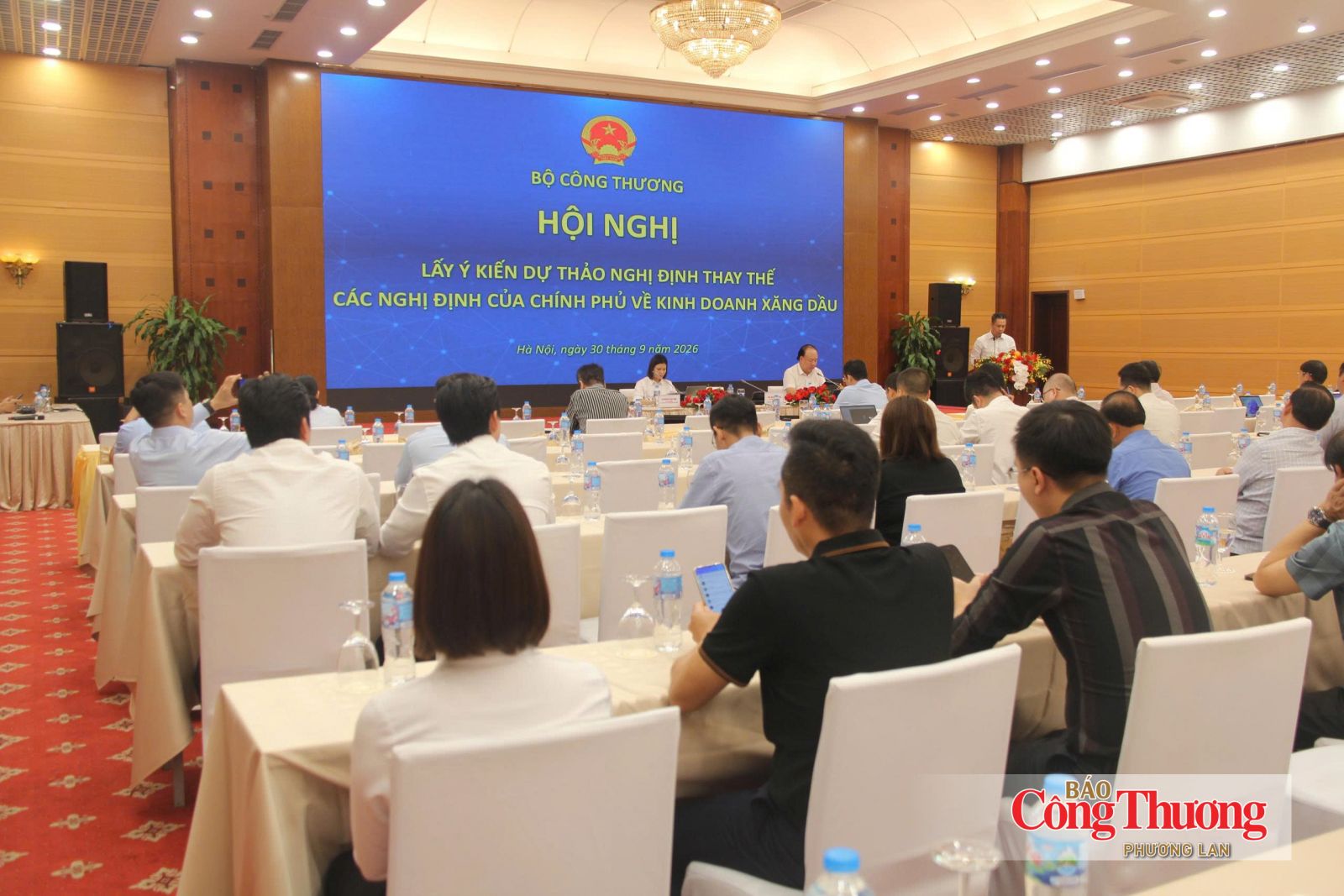
On September 30 in Ha Noi, the Ministry of Industry and Trade (MoIT) held a conference to gather broad feedback on a draft decree replacing the Government’s existing decrees on petroleum trading.