Vietnam’s agriculture, forestry and fisheries exports are nearing USD 70 billion in 2025, with coffee, wood, seafood and fruit all hitting record highs.
Coffee, wood, and fruit surge to new highs
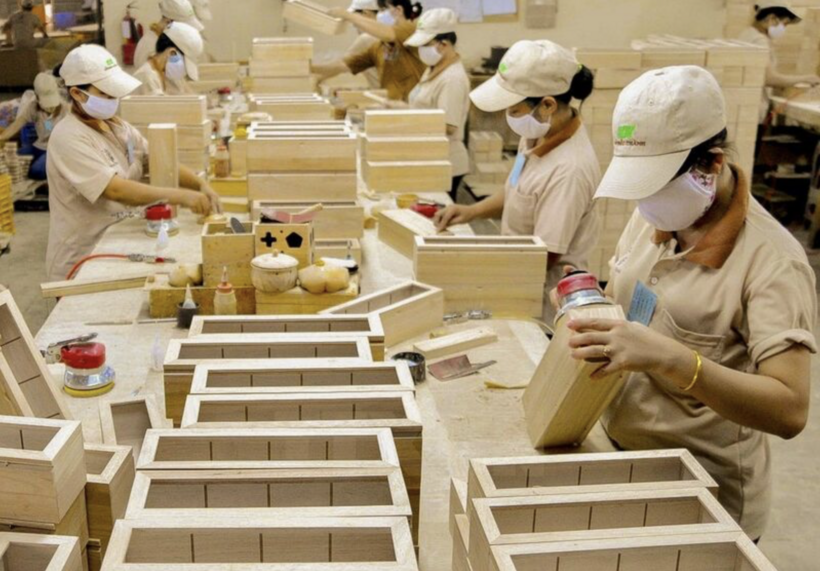
In 2025, Vietnam’s wood industry has made a strong mark by steadily climbing to a historic revenue peak. Export earnings from wood and wood products are projected to reach USD 17.3 billion, placing Vietnam fifth globally in total wood exports and second in high-value furniture exports, behind only China.
According to the Department of Forestry and Forest Protection under the Ministry of Agriculture and Environment, after 24 years of participation in international markets, Vietnam’s wood exports have recorded impressive growth. From just USD 219 million in 2000, export value rose to USD 16 billion in 2022. Although the sector was affected by post-Covid-19 headwinds in 2023, with exports slipping to USD 13.5 billion, it rebounded strongly in 2024 - 2025. As of December 15, the wood trade surplus had reached USD 13.3 billion, accounting for around three-quarters of the entire agricultural sector’s trade surplus.
In 2025, export turnover of wood and wood products is projected to reach USD 17.3 billion.
Vietnamese wood products are now present in more than 160 countries and territories, with the US, Japan, China, the Republic of Korea and the EU accounting for over 90% of total export value. Despite facing increasingly stringent requirements on traceability, anti-dumping lawsuits and new tax policies, the industry has maintained its position by focusing on high value-added interior and exterior furniture products.
Alongside wood, fruit and vegetables have emerged as a standout growth driver, particularly in the second half of 2025. Customs data show that export turnover reached nearly USD 400 million in the first half of December alone, lifting cumulative exports from the start of the year to mid-December to USD 8.2 billion. For the full year, fruit and vegetable exports are estimated at approximately USD 8.59 billion, up 20% from 2024.
China remains the largest market, accounting for 64% of export value, or nearly USD 5 billion over the first 11 months. However, exports to the US surged 56% to USD 500 million, while the Republic of Korea, Japan, the Netherlands and Taiwan each maintained turnover above USD 100 million, underscoring growing market diversification. The sector has been particularly successful with products such as durian, bananas, mangoes, jackfruit, coconuts and pomelos, supported by standardized growing area codes, enhanced traceability and compliance with food safety standards.
Dang Phuc Nguyen, Secretary General of the Vietnam Fruit and Vegetable Association (Vinafruit), said: “Fruit and vegetable exports in 2025 are the result of years of production standardization. Once quality improves, access to international markets widens, enabling the sector to move into a more sustainable growth phase.”
Within the broader picture, coffee has delivered the most striking performance, surpassing the USD 8 billion mark for the first time, even as output stood at only around 1.5 million tonnes. Average export prices rose 40% from 2024, reflecting a strategic shift from volume-driven growth to value-based growth.
Beyond robusta coffee as the backbone, roasted, processed and specialty coffee segments have expanded rapidly, attracting major EU roasters. Large growing regions such as Dak Lak, Gia Lai, and Lam Dong have adopted smart farming models, applying digital technologies to monitor production processes and ensure traceability.
Nguyen Nam Hai, Chairman of the Vietnam Coffee and Cocoa Association, stressed that the 2025 results were not driven by high prices alone, but by years of quality upgrades. “When products are better, the market chooses us naturally,” he said.
Surpassing targets, nearing USD 70 billion
Along with coffee, wood, and fruit and vegetables, seafood exports have also posted strong gains. According to the Vietnam Association of Seafood Exporters and Producers (VASEP), cumulative seafood export turnover in the 11 months of 2025 reached USD 10.5 billion, up 19% year on year. This performance indicates a sustained recovery after the previous downturn, with shrimp and pangasius remaining the main growth engines, while other seafood categories have also rebounded.
For December 2025, seafood exports are forecast at around USD 840 million, slightly lower year on year as businesses take a more cautious approach to shipping goods to the US market ahead of Marine Mammal Protection Act (MMPA) requirements and concerns over potential anti-dumping duties on shrimp from early 2026. Nevertheless, for the full year, seafood exports are expected to exceed USD 11.3 billion, up roughly 11% from 2024.
Experts note that rising costs, trade regulations and increasingly demanding quality standards remain significant challenges. However, opportunities to expand value added through processed products, enhanced traceability and stricter environmental standards are seen as key pathways to sustaining growth.
In the 11 months of 2025, total exports of agriculture, forestry and fisheries products reached USD 64.01 billion. If December maintains the current pace, 2025 is set to close with a figure close to USD 70 billion, well above the government’s target of USD 65 billion. Multiple product groups have reached new peaks simultaneously rather than relying on a single driver, reflecting a long-term shift toward a high-value, sustainable agricultural production model aligned with global green standards.
The Ministry of Agriculture and Environment said that in the period ahead, the sector will continue to promote innovation in production models, expand deep processing, raise quality standards and broaden market access. Industry associations are encouraged to play a more active role in policy formulation, support businesses in overcoming trade barriers, and develop environmentally friendly products, moving toward a transparent, modern and highly competitive agricultural sector.
The year 2025 marks a pivotal transition for Vietnamese agriculture toward higher quality, standardized production, greater value addition and deeper integration into global markets bringing total export turnover close to a new record of USD 70 billion and laying a solid foundation for a green, sustainable and highly promising growth phase ahead.
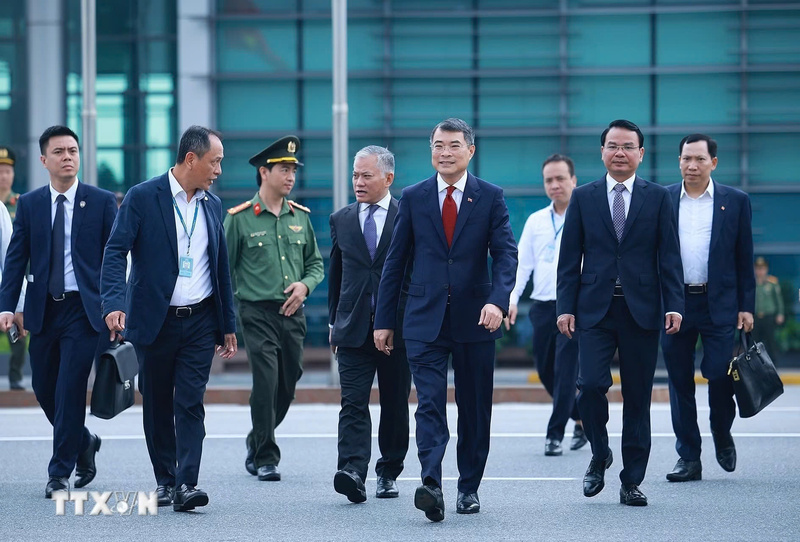
Prime Minister Le Minh Hung attends the 48th ASEAN Summit in Cebu, reaffirming Vietnam’s strong commitment to ASEAN cooperation and regional resilience.
The Ministry of Industry and Trade is seeking feedback on a draft decree on power works protection and hydropower safety, set to replace Decree No. 62/2025/ND-CP.
The State visit by Vietnam’s top leader to Sri Lanka on May 7 - 8 underscores deepening bilateral ties, paving the way for expanded cooperation in trade and investment, and stronger engagement with South Asia.
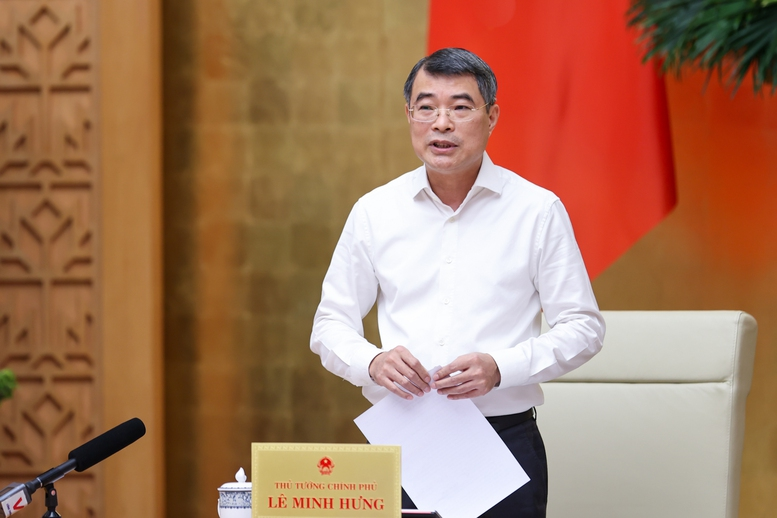
On the afternoon of May 4, Prime Minister Le Minh Hung chaired the Government’s regular meeting for April 2026, the first such session of the 16th-term Government.
More than 300 companies are set to participate in business matching activities at the International Electronics and Smart Appliances Expo Vietnam (IEAE 2026), scheduled to take place from May 28 to 30 in Ho Chi Minh City.
Vietnam has issued a plan to implement the Law on E-commerce, defining tasks, timelines and coordination to ensure effective enforcement from July 1, 2026.
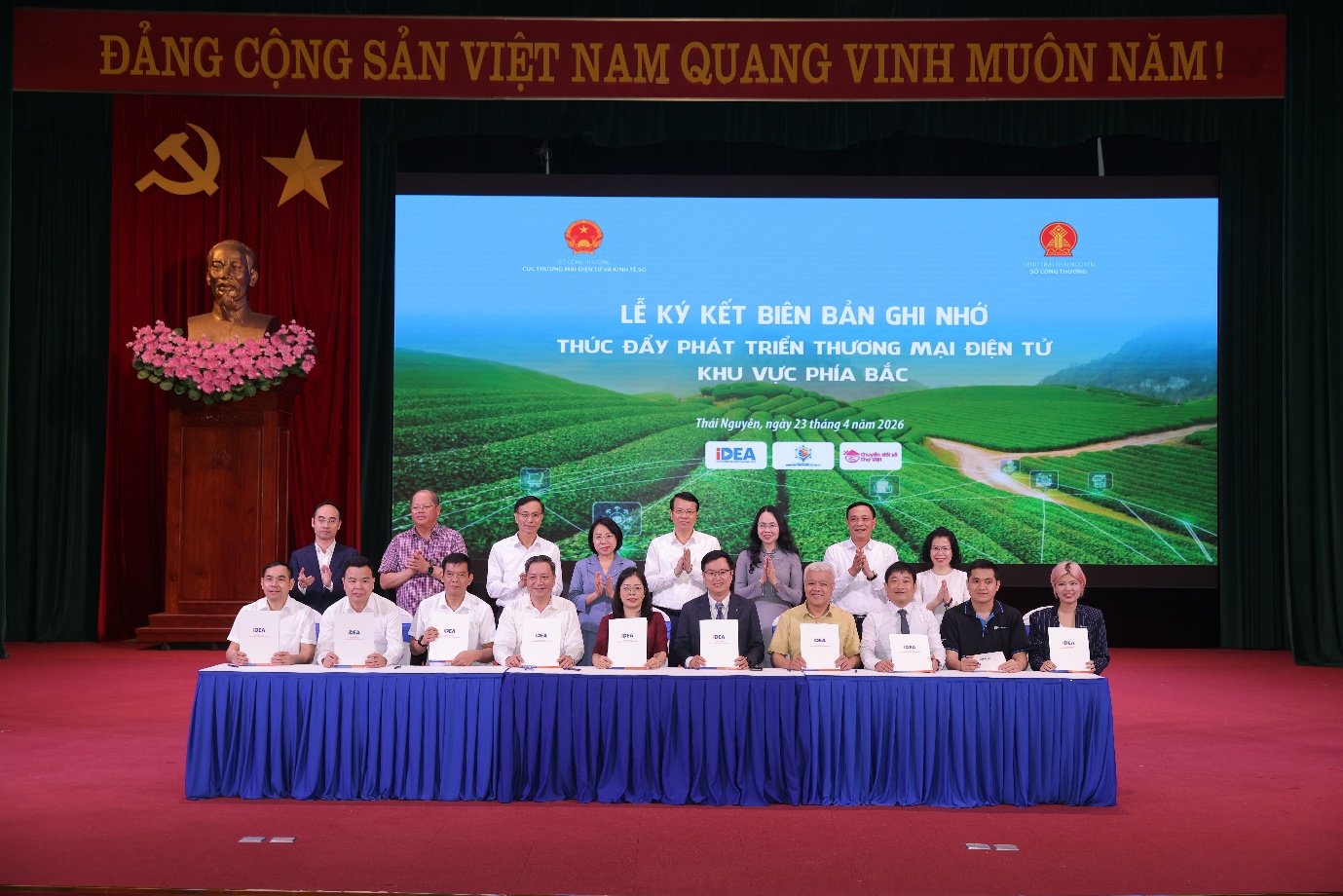
The programme in Thai Nguyen promotes e-commerce in northern Vietnam, linking localities with digital firms to expand markets and boost Vietnamese goods.