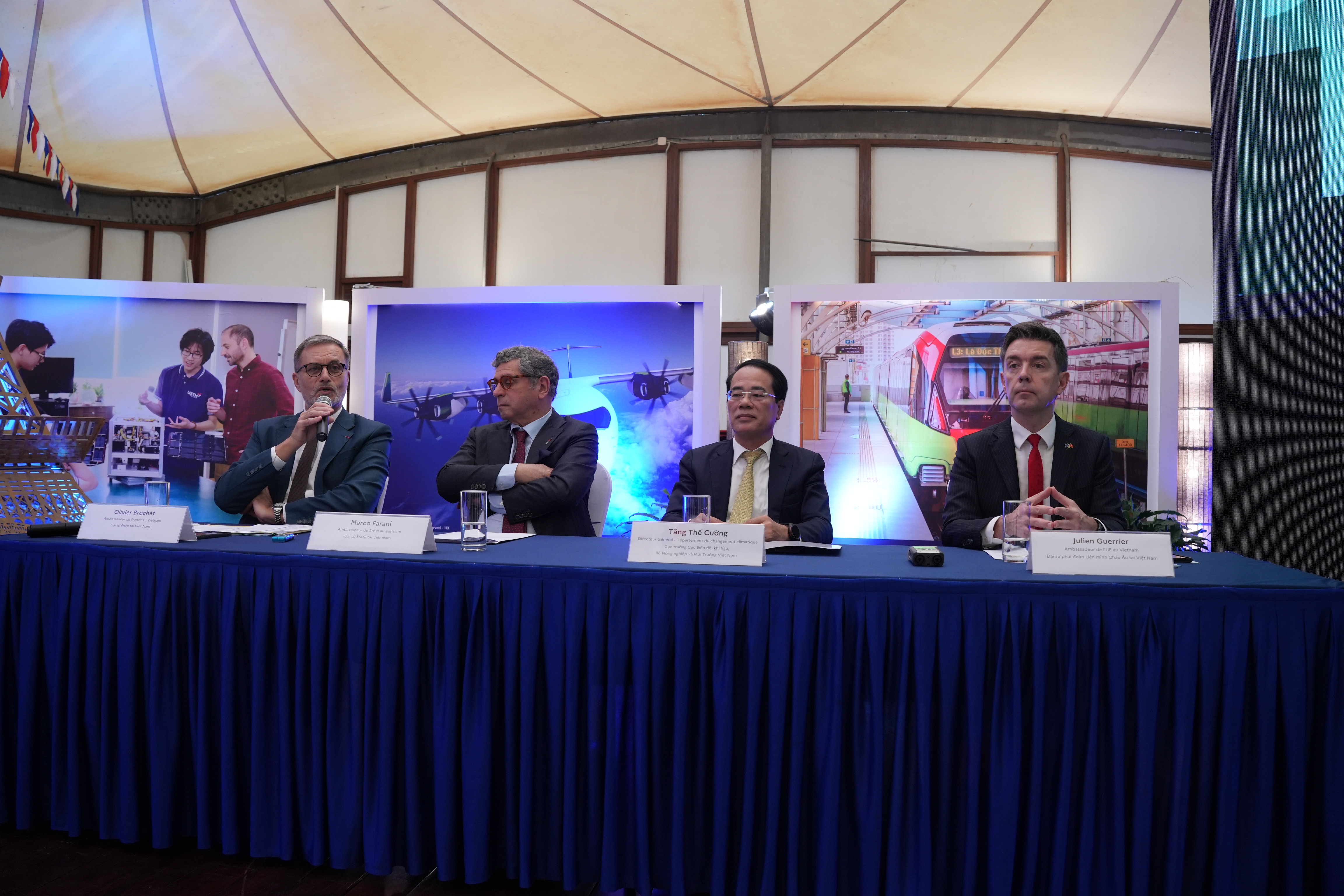
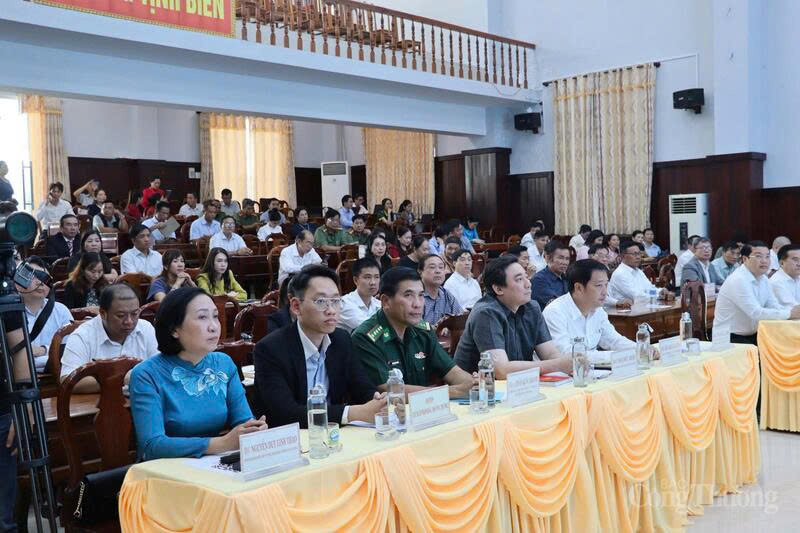
Experts made this statement at a 2024 Sustainable Development Conference, held in Ho Chi Minh City on April 9. According to the experts, after over three decades of opening up its economy, Vietnam has set an ambitious goal of becoming a high-income nation by 2045. In the 2021-2030 period, Vietnam’s sustainable economic development results will depend heavily on the management of natural resources and production methods.
Coping with climate change
With over 3,200km of coastline, low-lying terrains, and river deltas, Vietnam is one of the world’s most vulnerable countries to climate change.
Residents in major Vietnamese cities can feel the strong impact of environmental issues in terms of living and working conditions. Meanwhile, other regions of Vietnam face various challenges related to natural disasters and landslides.
Christopher Howe, WWF (World Wide Fund for Nature) Resilient Asian Deltas Initiative & Mekong Delta Landscape Leader, analyzed: The Mekong Delta is a major economic region of Vietnam, accounting for 19 percent of the country’s population, generating approximately 15 percent of Vietnam’s GDP, contributing over 50 percent of rice production, 65 percent of aquaculture production, and 70 percent of fruit production in the country. However, the region is heavily impacted by climate change. Issues such as saltwater intrusion, drought, floods, subsidence and erosion pose threats to the livelihoods of over 20 million people and impede the development of the region.
Pham Thi Bich Lien, Head of Marketing Operations & Sustainability at Home Credit Vietnam, stated that green finance plays a significant role in promoting sustainable development goals. Businesses operating in any field can strive for sustainable development through direct or indirect actions.
In the current trend, businesses are focusing on digital transformation and reducing energy consumption to promote a green and environmentally friendly lifestyle. Balancing short-term value with medium- and long-term goals in the future requires businesses to be determined in pursuing sustainable development objectives, such as increasing awareness, ensuring information transparency, and making sustainable development a priority in their development strategies.
 |
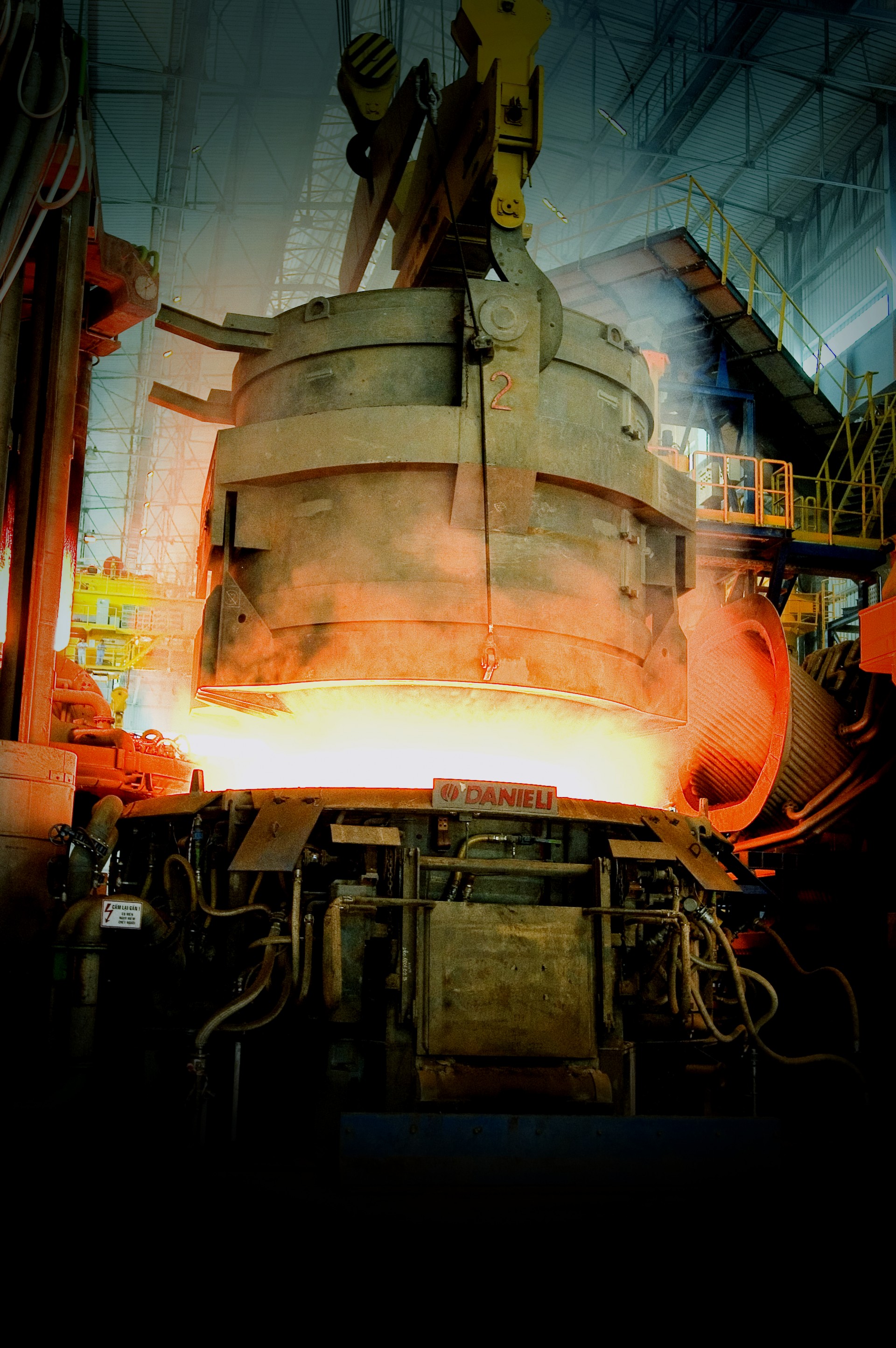
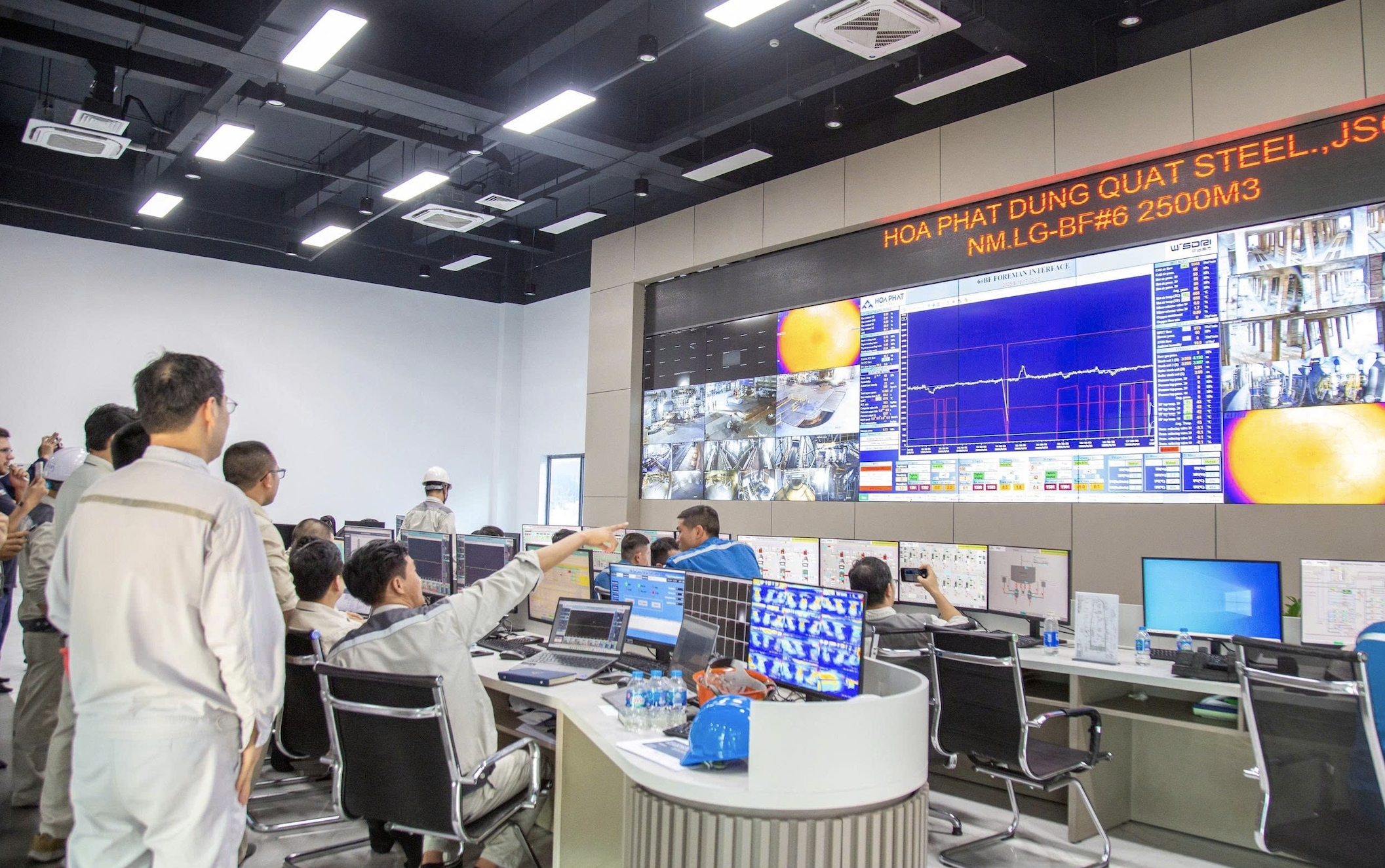
| There’s much room for the steel sector to reduce carbon emissions |
Low-carbon development
Shantanu Chakraborty, Asian Development Bank’s Country Director for Vietnam, believes that in order to maintain and accelerate economic growth, sustainable development is the only way forward, and Vietnam is not exempt from this trend. Low-carbon development is no longer just an option but a requirement for Vietnam in addressing climate change and attracting foreign direct investment (FDI).
It is a challenge for Vietnam to maintain high economic growth while reducing carbon emissions. The Government’s efforts to achieve the net zero target by 2050 have not yet met expectations. Therefore, Vietnam needs suitable policies and mechanisms to promote green finance, sustainable agriculture and forest management, investment in renewable energy, and international cooperation.
Vietnam has numerous opportunities for low-carbon development in various sectors such as energy, green construction, agriculture-aquaculture, and urban transportation. With a population of over 100 million and a growing middle-income group, the country is heading towards a green economy. To leverage these opportunities, it is crucial to implement solutions that influence consumer markets.
Tran Nhu Tung, Chairman of Thanh Cong Textile Garment Investment & Trading Joint Stock Company, said that the textile and garment industry has an environmental impact. Therefore, the company is committed to sustainable development annually, focusing on wastewater and waste treatment, chemical management, and use of environmentally friendly energy sources. The company updates its website every month to ensure transparency of information to partners and customers.
Most entities involved in supply chains and business operations are aware of the importance of sustainable development. However, they face numerous challenges, especially in terms of finance, in the implementation process. Meanwhile, customers demand greener and cleaner products while expecting competitive pricing. This requires businesses to solve a difficult problem of ensuring the cost-effectiveness of production and operations.
Sustainable development requires an ecosystem and the participation of the entire supply chain with practical commitments and solutions based on effective statistical measurement using up-to-date data. For Vietnam to achieve sustainable economic development, government policies and joint efforts of ministries, local authorities, businesses, and individuals are needed.