From the perspective of Ta Manh Cuong, economic relations between Viet Nam and Japan are facing significant opportunities to increase bilateral trade turnover, supported by new-generation free trade agreements.
Against the backdrop of the Comprehensive Strategic Partnership between Viet Nam and Japan being continuously strengthened and deepened, economic, trade and investment cooperation between the two countries has demonstrated tangible results. In particular, recent high-level visits by the leaders of the two countries have continued to provide strong momentum, reinforcing the confidence of the Japanese business community in the Vietnamese market.
To help businesses gain a better understanding of and effectively leverage free trade agreements such as the Comprehensive and Progressive Agreement for Trans - Pacific Partnership (CPTPP) and the Viet Nam - Japan Economic Partnership Agreement (VJEPA), Newspaper of Industry and Trade had an interview with Ta Manh Cuong, Director of the Trade Promotion Center under the Viet Nam Trade Promotion Agency, the Ministry of Industry and Trade, on this issue.
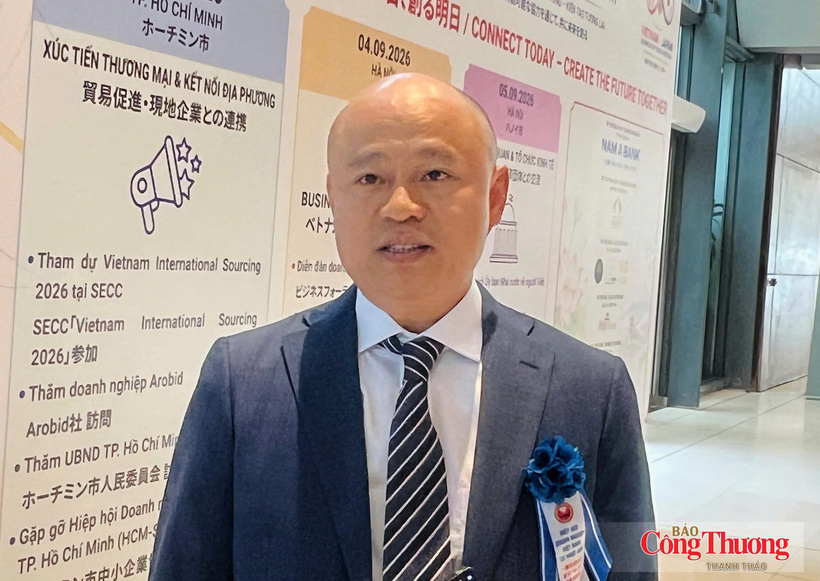
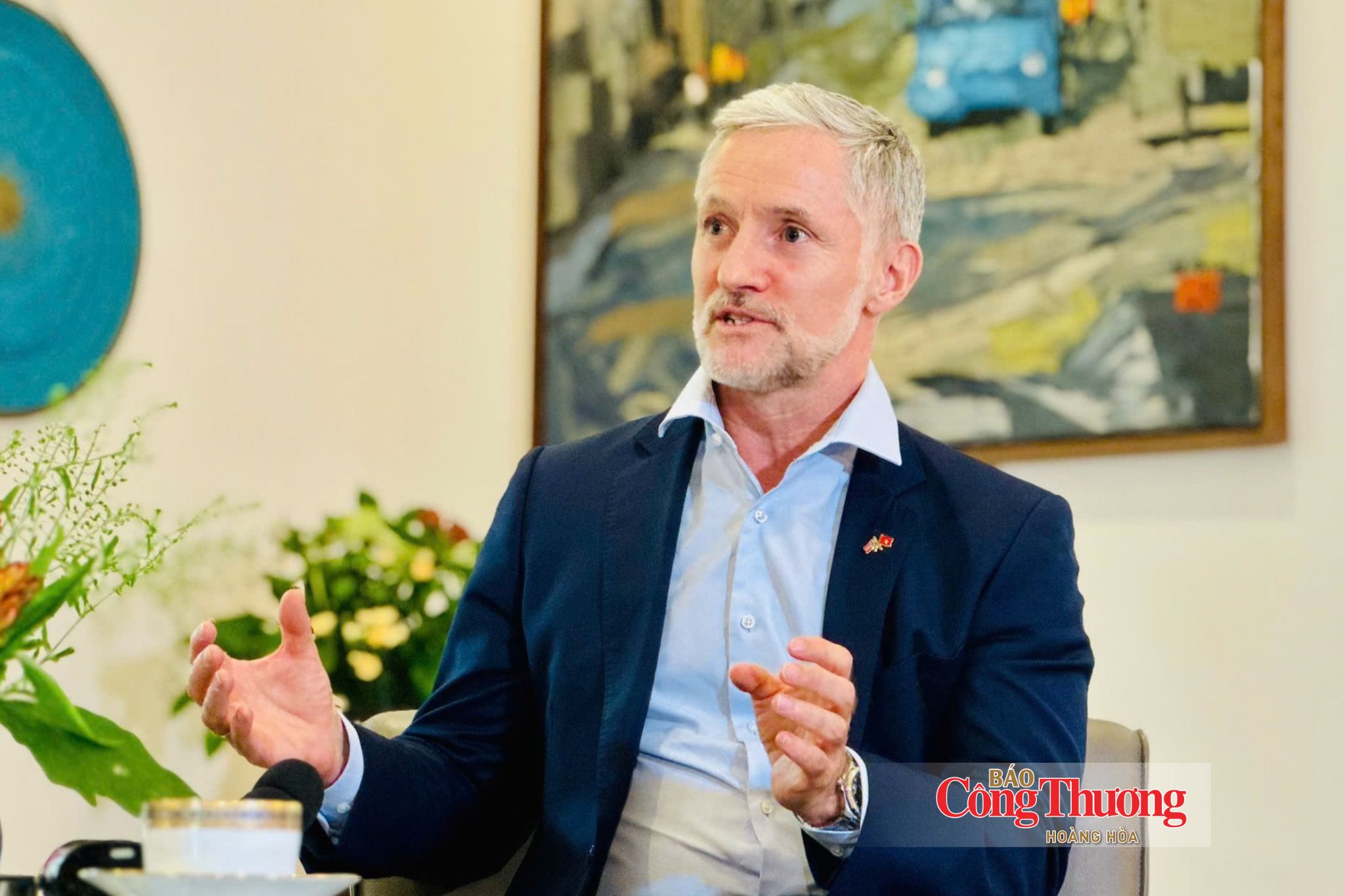
Ta Manh Cuong, Director of the Trade Promotion Center under the Viet Nam Trade Promotion Agency, the Ministry of Industry and Trade. Photo: Thanh Thao
Momentum from the strategic partnership and free trade agreements
- How do you assess the potential for cooperation between Vietnamese and Japanese businesses, particularly in the context of the two countries having two free trade agreements, namely the CPTPP and VJEPA?
Ta Manh Cuong: Since the establishment of diplomatic relations, friendship and cooperation between Viet Nam and Japan have continued to be nurtured, making the two countries important leading partners of each other in the region. Building on the foundation of the Comprehensive Strategic Partnership, bilateral relations have continued to develop with a high level of political trust, while high-level exchanges have been maintained regularly.
In particular, Japanese Prime Minister Takaichi Sanae's official visit to Viet Nam in May 2026 and Deputy Prime Minister Le Tien Chau's working visit to Japan in June 2026 opened up a number of strategic orientations in the areas of economy, trade, investment, technology and supply chains.
These favorable foundations are clearly reflected in foreign direct investment (FDI) flows. As of July 2026, Japan had more than 5,800 valid projects in Viet Nam, with total registered investment capital exceeding USD 80 billion. In the first seven months of 2026 alone, Japanese investment reached USD 1.25 billion, with the presence of major corporations such as Sumitomo, Honda, Panasonic, AEON, Mitsubishi and Sojitz. In bilateral trade, total import-export turnover reached USD 50 billion in 2025, up 11%, while the figure reached USD 17.63 billion in the first seven months of 2026, up 16.6% year on year.
In addition, cooperation frameworks such as the Regional Comprehensive Economic Partnership (RCEP) and free trade agreements continue to facilitate tariff preferences and rules of origin, creating opportunities for businesses from both countries to participate more deeply in regional supply chains. Despite these impressive figures, the potential for cooperation between the two economies remains substantial. Trade promotion and business-matching activities, along with multi-sectoral and multi-field investment promotion, will provide an important foundation for the business communities of both sides to explore, respond to and advance substantive cooperation in the coming period.
Solutions to maximize the benefits of free trade agreements for businesses
- Many Vietnamese businesses have expressed their desire to gain deeper access to the Japanese market. However, in reality, small and medium-sized enterprises do not fully understand market preferences and technical standards. In your view, what should Vietnamese businesses do to better leverage this market through free trade agreements?
Ta Manh Cuong: First of all, the confidence of the Japanese business community in Viet Nam has continued to be firmly reinforced. According to a survey by the Japan External Trade Organization (JETRO), Viet Nam is currently the second-most attractive market after the United States for Japanese investors. In 2025, more than 67% of Japanese businesses operating in Viet Nam reported profitable business results. This is a positive signal showing that Viet Nam is increasingly assuming a pivotal position in the production, business and global supply chain strategies of Japanese businesses.
The diversity of businesses from both countries operating in a wide range of fields, from technology, manufacturing, supporting industries, investment and mergers and acquisitions (M&A) to finance, logistics, trade, food, healthcare, education, tourism, energy and the environment, demonstrates that there remains substantial room for cooperation. Through exchange sessions, particularly business-matching activities, we hope businesses will have opportunities to directly discuss their needs, capabilities and cooperation orientations, thereby seeking suitable partners and gradually turning business opportunities into concrete outcomes.
Therefore, in answering the question of how to effectively tap the Japanese market through free trade agreements, businesses must first conduct thorough research to make the most of the incentives offered by these agreements. At the same time, the management agencies and trade promotion organizations under the Ministry of Industry and Trade are always ready to accompany businesses and serve as a point of support for them to access information and connect with appropriate partners.
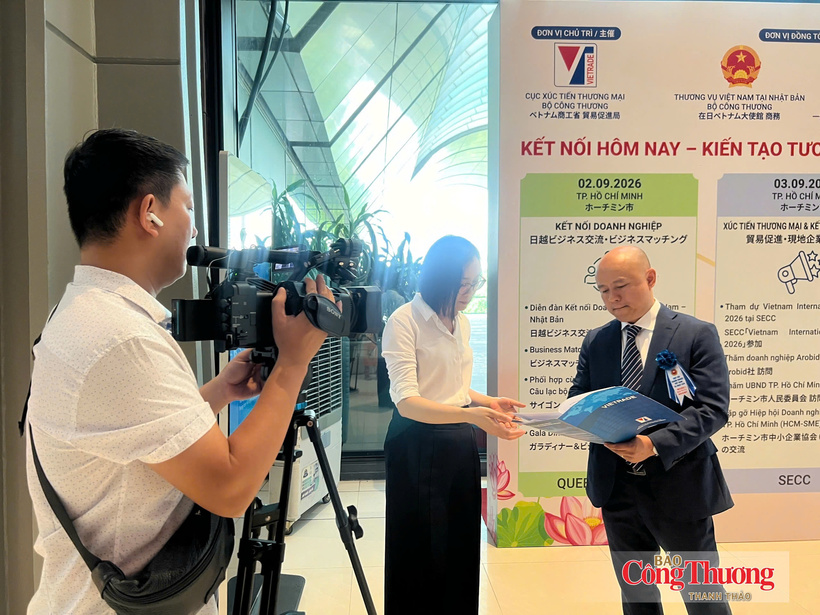
Expanding information channels and enhancing business proactivenessAccording to Ta Manh Cuong: "Businesses need to be more proactive in participating in forums, conferences and seminars organized by both the Vietnamese and Japanese sides." Photo: Thanh Thao.
- In terms of information, many businesses have reported that they have not been able to fully update market data. In your view, how can information channels be expanded and businesses helped to gain easier access to information?
Ta Manh Cuong: To expand market information channels and make information more accessible, businesses themselves need to be more proactive in participating in forums, conferences and seminars organized by both the Vietnamese and Japanese sides.
The Viet Nam Trade Promotion Agency under the Ministry of Industry and Trade expects Vietnamese businesses to take a more proactive approach in introducing their products and capabilities while conducting more thorough research into the actual needs of Japanese partners. At the same time, we also hope that Japan will continue to view Viet Nam not merely as a consumer market or a production location, but as a strategic partner in the value chain and a solid base for expanding operations throughout the region. This is also a strategic direction of cooperation that businesses from both sides need to explore more vigorously in the coming period.
Addressing weaknesses and meeting the stringent standards of the Japanese market
- Japan is considered a market with stringent requirements for quality, safety, technical standards, traceability and supply stability. In your view, in which areas are Vietnamese businesses still weak or have yet to perform adequately when accessing this market? How is the Viet Nam Trade Promotion Agency supporting businesses in addressing these limitations?
Ta Manh Cuong: When accessing the Japanese market, simply understanding basic market demand is not enough. Businesses must gain a profound understanding of the consumer trends taking shape there, particularly the growing demand for green consumption, organic products and complete transparency in traceability. In addition, modern trading methods such as e-commerce are also creating strong requirements for suppliers to accelerate digital transformation.
In terms of product opportunities, Vietnamese goods with significant potential include deeply processed food products such as coffee, tea and dried fruit, seafood, electronic components, precision-engineered products and construction materials. However, a major weakness of many domestic businesses is that their supply has yet to ensure stability, while they have not fully complied with stringent food hygiene and safety regulations, and packaging and labeling have not received sufficient, systematic investment. Businesses need to attach particular importance to credibility throughout every stage of cooperation, develop long-term business strategies, remain persistent and absolutely avoid a short-term, quick-profit mindset.
As the national trade promotion agency under the Ministry of Industry and Trade, the Viet Nam Trade Promotion Agency will continue to closely accompany the business communities of both countries and work closely with the Viet Nam Trade Office in Japan, the Association of Vietnamese Enterprises in Japan and localities to provide market information, promote trade connections and investment promotion. We are confident that practical business-connection activities will create a solid foundation, contributing to bringing Viet Nam - Japan economic cooperation to greater depth and making it increasingly substantive, effective and sustainable.
- Thank you very much for the interview!
Economic relations between Viet Nam and Japan are developing comprehensively, with notable achievements in investment and bilateral trade, underpinned by a strong political foundation and new-generation free trade agreements such as the CPTPP, VJEPA and RCEP. Although there remains substantial room for cooperation and the Vietnamese investment environment is highly regarded by the Japanese business community, domestic businesses continue to face considerable challenges in meeting stringent technical standards, ensuring traceability and supply stability, and adopting long-term strategic thinking.
To overcome these barriers, in addition to proactively improving product quality, keeping pace with green consumption trends and embracing e-commerce, state management agencies such as the Viet Nam Trade Promotion Agency under the Ministry of Industry and Trade, together with the trade office network, will continue to serve as strategic bridges, providing transparent information and stepping up effective trade-connection activities, thereby taking bilateral economic cooperation to a new level.
Polish Prime Minister Donald Tusk will pay an official visit to Viet Nam from October 24 to 26 as the bilateral trade continues to grow, creating opportunities for deeper cooperation.
Deputy Minister Truong Thanh Hoai met with LEGO and Carlsberg in Denmark on October 20 to discuss green investment and sustainable manufacturing in Viet Nam.
For more than three decades, Ms. Dang Thi Thanh Huong has quietly shaped the legacy of Dong Phuong Cake & Confectionery, a brand rooted in tradition, craftsmanship.
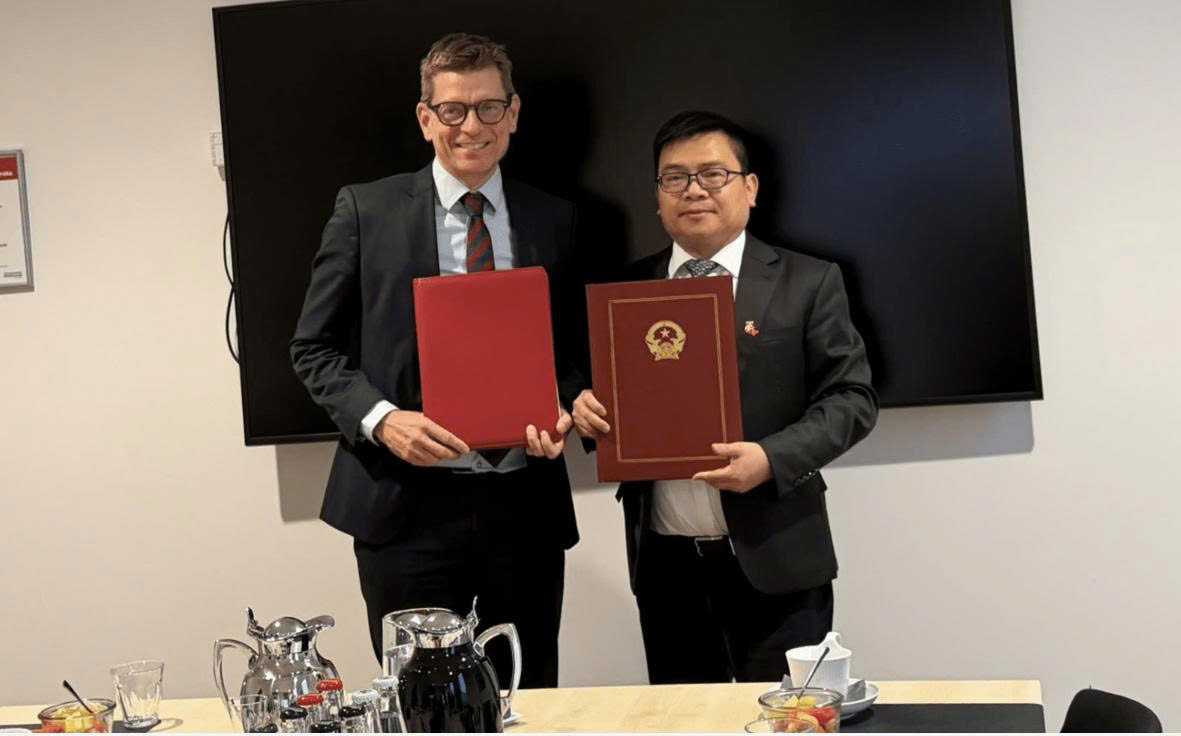
Viet Nam and Denmark have signed an MoU on energy cooperation to strengthen bilateral ties and advance collaboration in renewable energy and the green transition.
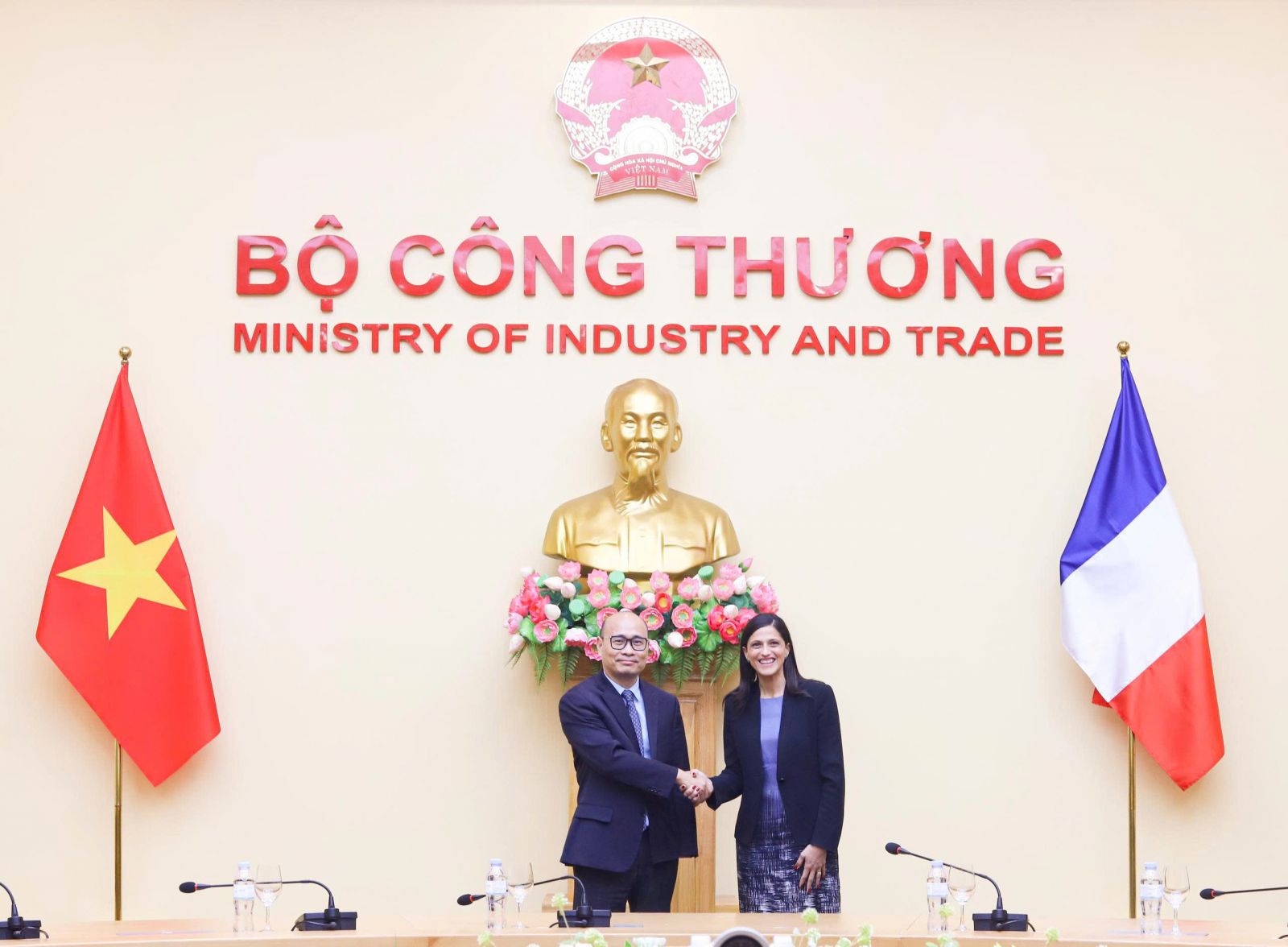
Deputy Minister Luong Hoang Thai met French Minister Delegate Eleonore Caroit on October 19 to discuss ways to strengthen Viet Nam - France cooperation.
Digital skills, AI adoption and online exports are expected to help young entrepreneurs transform their businesses and expand into international markets.
Norwegian Ambassador Stein Iversen said Viet Nam's economy could be twice the size of Norway's in 12 - 13 years if its current growth momentum continues.
Viet Nam - Malaysia trade hit USD 17.4 billion in the first nine months of 2026, exceeding the 2025 full-year total and signaling a stronger-than-expected year.
The official visit to Laos by Prime Minister Le Minh Hung is expected to inject fresh momentum into bilateral relations, with economic, trade and investment cooperation continuing to serve as a core pillar.